
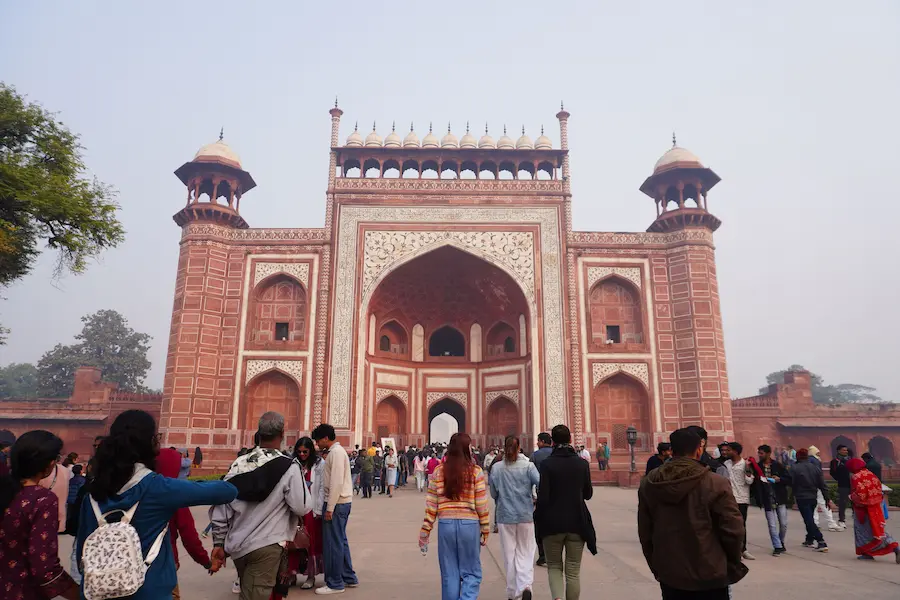
Budgeting your first family trip to India can feel confusing.
Search online, and you’ll find completely different answers. Some travellers say India is one of the cheapest countries in the world, while others recommend budgets of several thousand dollars. Most of those guides, however, are written for backpackers—not families traveling with kids.
After living in India for nearly two years and traveling across the country as a family, we learned one simple truth:
The cheapest India trip isn’t always the best trip when you’re traveling with kids.
Sometimes, spending a little more in the right places—whether that’s a better-located hotel, a private airport transfer, or an air-conditioned train—can make traveling with children dramatically easier.
This guide shares what a comfortable family trip to India actually costs, where you can confidently save money, and which expenses are genuinely worth paying a little extra for.
Whether you’re planning a one-week introduction to India or a two-week family adventure, these estimates will help you budget with confidence. India is vast, so most families won’t see everything in a single trip—and that’s perfectly okay.
Quick Answer: How Much Does an India Family Trip Cost?
If you’re just looking for a ballpark figure, here’s what most Western families can expect to spend for a comfortable trip in India.
These estimates include accommodation, food, transport within India, sightseeing, and daily expenses. International flights are shown separately because airfare varies significantly depending on where you’re flying from and the season.
India Family Trip Cost at a Glance
| Trip Length | Budget Family | Comfortable, Family Recommended | Luxury Family |
|---|---|---|---|
| 7 Days | US$1,300–1,900 €1,200–1,750 | US$2,300–3,500 €2,100–3,200 | US$6,000+ €5,500+ |
| 10 Days | US$1,800–2,600 €1,650–2,400 | US$3,200–4,900 €2,950–4,500 | US$8,500+ €7,800+ |
| 14 Days | US$2,400–3,600 €2,200–3,300 | US$4,500–6,800 €4,100–6,200 | US$12,000+ €11,000+ |
Estimated Return Flights (Family of 4)
| Flying From | Estimated Cost |
|---|---|
| 🇺🇸 United States | US$3,200–6,000 |
| 🇪🇺 Europe | €2,000–4,000 |
Roaming Crew Tip
Your total India trip cost will also depend on how many places you visit and how you connect them. Our India family itinerary guide shows how we’d structure 7, 10, and 14 days. If this is your first trip to India with kids, we recommend budgeting for the comfortable family range.
Before We Talk Numbers…
When we first found out we’d be moving to India because of my husband’s work, I didn’t celebrate—I panicked.
We had a toddler who had never been to Asia before, and every evening I found myself searching for the same questions that many parents ask before booking their first trip to India.
- Is India safe for kids? (Read our complete India safety guide.)
- How much should we realistically budget?
- Will we end up paying tourist prices?
- Which experiences are actually worth the money?
Living in Bengaluru gave us something most budget guides can’t offer—not just a holiday perspective, but the experience of everyday family life in India.
We learned where it was worth spending a little more, where families could confidently save money, and which common mistakes first-time visitors can easily avoid.
That’s exactly what this guide will help you do.
Throughout this guide, we’ll share the practical lessons we wish we’d known before moving to India – from booking trains and choosing hotels to avoiding common tourist mistakes and spending your family travel budget where it makes the biggest difference.
This post may contain affiliate links. If you book through them, we may earn a small commission at no extra cost to you. Read our Affiliate Disclosure.
Is India Good Value for Families?

Before moving to India, I was completely confused about how much a family trip would actually cost.
Some travellers claimed you could comfortably travel around India for US$50 (€43) a day. In contrast, others shared photos of luxury palace hotels, private safaris, and five-star resorts that cost hundreds of dollars per night.
The truth?
Both are right.
India can be one of the most affordable destinations in the world, but it can also be one of the most luxurious.
The challenge for families isn’t deciding whether India is cheap or expensive—it’s knowing what your money actually gets you.
As parents, we weren’t looking for the absolute cheapest trip.
We wanted clean hotels where our kids could sleep comfortably, reliable transport after long travel days, and family-friendly places that felt safe and convenient. We didn’t want to accidentally book a bargain hotel with mosquitoes, noisy streets, uncomfortable beds, or a location so far from the attractions that we spent hours stuck in traffic.
After living in India for almost two years and traveling across the country, we realized that India offers some of the best value for money in Asia—if you budget for comfort rather than simply chasing the lowest prices.
Here’s how India compares with other popular Asian destinations for families.
Family Trip Costs Across Asia (Family of 4)
| Destination | Typical Comfort Budget | What You’ll Notice |
|---|---|---|
| 🇮🇳 India | US$2,300–3,500 €2,100–3,200 | Incredible value for hotels, food, culture, and wildlife. Spend a little more on accommodation and transport for a much smoother family trip. |
| 🇹🇭 Thailand | US$2,800–4,000 €2,550–3,650 | Easier to travel independently, beautiful beaches, and slightly higher hotel prices on popular islands. |
| 🇻🇳 Vietnam | US$2,500–3,800 €2,300–3,500 | Excellent value with affordable food and transport, though family attractions are fewer than in India. |
| 🇮🇩 Bali | US$2,700–4,200 €2,450–3,850 | Fantastic villas and family resorts, but transport costs can add up if you’re exploring the island. |
| 🇨🇳 China | US$3,200–5,000 €2,950–4,600 | Modern transport and infrastructure, but accommodation and attraction costs are generally higher than in India. |
| 🇯🇵 Japan | US$5,500–8,500 €5,050–7,800 | The easiest country to travel with kids in Asia, but also one of the most expensive for accommodation and daily expenses. |
If this is your first visit to India with children, don’t aim for the cheapest possible trip. A slightly higher budget for well-reviewed hotels, comfortable transport, and a realistic itinerary will make a far bigger difference to your family’s experience than spending more on luxury extras.
How Much Should a Family of Four Budget for India?

Before diving into each expense, here’s a realistic budget for a comfortable family holiday in India.
These estimates are based on what we experienced while living and traveling around India, combined with current travel costs for a family of four.
They’re designed for families who want clean hotels, comfortable transport, and memorable experiences—not the cheapest backpacking trip or an all-out luxury holiday.
Tip: International flights are listed separately because prices vary significantly depending on where you’re flying from and the season.
Estimated Budget Breakdown (Family of 4)
| Expense | 7 Days | 10 Days | 14 Days |
|---|---|---|---|
| Accommodation | US$700–1,050 €640–960 | US$1,000–1,500 €920–1,380 | US$1,400–2,100 €1,290–1,930 |
| Food & Drinks | US$250–400 €230–370 | US$350–550 €320–510 | US$500–750 €460–690 |
| Transport Within India | US$250–500 €230–460 | US$350–700 €320–640 | US$500–1,000 €460–920 |
| Sightseeing | US$200–400 €185–370 | US$300–600 €275–550 | US$450–850 €415–780 |
| SIM & Internet | US$20–40 €18–37 | US$20–40 €18–37 | US$20–40 €18–37 |
| Travel Insurance | US$120–250 €110–230 | US$120–250 €110–230 | US$120–250 €110–230 |
| Shopping & Extras | US$100–300 €90–275 | US$150–400 €140–370 | US$200–600 €185–550 |
| Emergency Buffer | US$200–300 €185–275 | US$250–400 €230–370 | US$300–500 €275–460 |
| Total (excluding flights & visa) | US$1,840–3,240 €1,690–2,980 | US$2,540–4,440 €2,340–4,090 | US$3,490–6,090 €3,210–5,600 |
International Flight Costs
Unlike hotels or sightseeing, flight prices change almost daily, so it’s impossible to give one “correct” price.
Instead, we recommend using the estimates below as a planning guide and checking fares once you’ve decided when you’d like to visit.
Typical Return Airfares (Family of 4)
| Flying From | Estimated Cost |
|---|---|
| 🇺🇸 USA | US$3,200–6,000 |
| 🇨🇦 Canada | US$3,400–6,200 |
| 🇬🇧 UK | US$2,000–3,600 €1,850–3,300 |
| 🇪🇺 Europe | US$2,000–4,000 €1,850–3,700 |
| 🇦🇺 Australia | US$2,400–4,500 |
Our Tips for Booking Flights
✔ Book around 3–6 months in advance for the best choice and prices.
✔ Flying during school holidays or around Christmas usually means significantly higher fares.
✔ If you’re planning to explore North India first, Delhi is usually the best airport to fly into.
✔ If you’re focusing on Kerala, Karnataka, Tamil Nadu, or South India, flying into Bengaluru often saves both time and the cost of an extra domestic flight.
Book Domestic Flights Through Trusted Platforms
For domestic flights, we’ve had good experiences using platforms like MakeMyTrip and Ixigo to compare schedules and prices.
Before confirming your booking, always check the airline’s cancellation and refund policy. During winter, heavy fog in North India can occasionally delay or cancel flights, so choosing a flexible ticket can save both money and stress if your plans change.
Our experience:
We wouldn’t choose our itinerary based solely on the cheapest international flight. Spending a little more to arrive closer to where your trip actually begins can save a full day of travel and make a huge difference after a long-haul flight with children.
Do Children Need a Visa for India?
Yes.
Every traveller, including babies and children, needs their own visa to enter India. The cost is the same regardless of age, so remember to include everyone in your family’s budget.
For most Western families, applying online before departure is a straightforward process, although visa fees vary depending on your nationality and the type of visa you choose.
Apply well before your departure date and double-check passport validity for every family member, including children.
Accommodation Costs in India
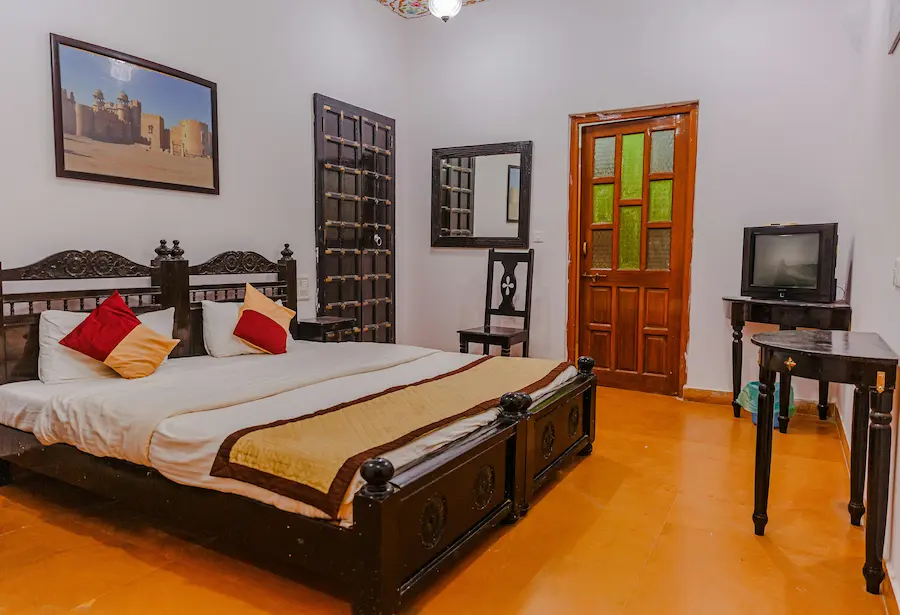
Accommodation is where we’d recommend spending a little more if your budget allows.
During our time living and traveling across India, we stayed in everything from simple guesthouses to comfortable city hotels and beautiful heritage properties. One lesson became clear very quickly:
A slightly better hotel can completely change your family trip.
Paying an extra US$20–30 (€18–28) per night often meant a quieter room, cleaner bathrooms, more comfortable beds, reliable hot water, properly working air conditioning, and a much better location.
Typical Hotel Prices
| Accommodation | Typical Cost (Per Night) |
|---|---|
| Budget hotel or guesthouse | US$30–60 €28–55 |
| Comfortable 3–4★ hotel Our recommendation | US$80–150 €74–138 |
| Luxury or heritage hotel | US$250+ €230+ |
Location Matters More Than Hotel Reviews
One thing we learned after living in India is that location is often more important than the review score.
Reviews can sometimes be misleading, especially in busy tourist areas. Instead of choosing the cheapest hotel with the highest rating, look for accommodation in a safe, well-connected neighborhood with plenty of recent reviews from international travelers.
First Time in Delhi?
If your international flight arrives in Delhi, we’d strongly recommend staying in Aerocity for your first night or two.
Yes, it’s usually more expensive than many other parts of Delhi, but after a long flight, you’ll appreciate the cleaner surroundings, reliable hotels, excellent restaurants, and easy airport access before heading off to explore the rest of India.
This is the kind of decision that makes the start of your trip far less overwhelming.
Should You Book Breakfast?
In most cases, yes.
Many hotels in India include an excellent breakfast buffet with both Indian and Western options. We found it was one of the easiest ways to start the day, especially when traveling with young children or adjusting to jet lag. It also saved us both time and money before heading out to explore.
Guesthouses Are Worth Considering
Some of our favorite stays weren’t large hotel chains at all—they were family-run guesthouses.
They’re often more personal; the owners are happy to offer local recommendations, and many can arrange airport transfers, drivers, sightseeing, or even laundry for a small additional fee. If you’re looking for a more local experience without sacrificing comfort, they’re well worth considering.
We’d almost always choose a well-reviewed hotel or guesthouse in a central location over the cheapest room available. Saving a little on accommodation isn’t worth it if it means long journeys back after sightseeing, noisy nights, or a room where your family can’t properly relax.
Food Costs in India

One of the biggest surprises after moving to India was just how affordable eating out could be.
Whether we grabbed a quick dosa for breakfast, enjoyed a family dinner at a local restaurant, or stopped for coffee and ice cream after sightseeing, food rarely became one of the biggest expenses on our trips.
The only time our food budget noticeably increased was when we chose international restaurants or ate regularly at hotel restaurants, which are usually priced much higher than local eateries.
Typical Food Prices in India
| Food & Drink | Typical Cost |
|---|---|
| Local breakfast | US$3–8 €3–7 |
| Casual family lunch | US$15–30 €14–28 |
| Nice family dinner | US$30–60 €28–55 |
| Coffee | US$2–5 €2–5 |
| Ice cream | US$2–4 €2–4 |
| Bottled water | US$0.50–1.50 €0.50–1.40 |
Our experience: We mostly enjoyed local Indian food throughout our travels, but every few days we’d treat the kids to a familiar Western meal like pizza or pasta. It kept everyone happy and added very little to our overall budget. If your children are adventurous eaters, you’ll probably spend even less on food than we’ve estimated.
Getting Around India with Kids (One of the Most Important Decisions)
Traveling around India isn’t expensive.
Choosing how to travel is what makes the biggest difference to your holiday.
We’ve traveled by train, metro, Uber, domestic flights, ferries, auto-rickshaws, and private cars.
Each works well in the right situation.
Booking Train Tickets Can Be Tricky for Foreign Visitors
Many first-time visitors are surprised to discover that booking Indian train tickets with an international credit card isn’t always straightforward because of the IRCTC booking system.
We usually recommend checking train availability on the official IRCTC website (or Google) and then booking through 12Go Asia, which is one of the most reliable booking platforms for international travelers. It makes reserving tickets much easier before you arrive in India and avoids unnecessary stress during your trip.
Transport Comparison
| Option | Cost | Best For |
|---|---|---|
| 🚖 Uber | Low | Cities |
| 🚇 Metro | Very Low | Delhi, Bengaluru, etc. |
| 🚆 Train | Low | Long distances |
| ✈ Domestic Flight | Medium | Saving time |
| 🚗 Private Driver | Higher | Families with luggage |
| 🛺 Auto Rickshaw | Very Low | Short trips |
Should Families Hire a Private Driver?
For us…
Yes—sometimes.
Not because it was the cheapest option.
Because it was often the least stressful.
On busy sightseeing days or when traveling between cities with luggage, having the same driver waiting for us meant no negotiating fares, no carrying bags through crowded stations, and no trying to entertain tired children while figuring out transport.
Would we recommend hiring a driver for your entire trip?
Not necessarily.
India’s trains, metros, and domestic flights are excellent for many routes.
But if it’s your first visit—or you’re traveling through Rajasthan, Kerala, or rural areas—a private driver for part of your itinerary can be worth every dollar.
Download These Apps Before You Arrive
Before flying to India, download Uber and Ola.
Both are widely used in major cities, and even if you choose to pay in cash, the app shows the fare in advance. That means you’ll know exactly what the ride should cost before getting into the car, making it much easier to avoid overpaying.
How Much Should You Budget for Sightseeing?
One of the nicest surprises for us was how affordable sightseeing in India can be.
Compared with many popular family destinations, visiting India’s famous forts, palaces, temples, museums, gardens, and historic sites rarely became one of our biggest travel expenses. Even on days when we visited several attractions, accommodation and transport usually had a much bigger impact on our overall budget.
The experiences that cost a little more were things like wildlife safaris, guided tours, private boat rides, or special cultural performances. These aren’t essential for every itinerary, but they’re often some of the most memorable experiences for families.
Our advice? Instead of budgeting for every individual ticket, set aside a sightseeing budget for your trip. That gives you the flexibility to say “yes” to experiences your family discovers along the way without worrying about every entrance fee.
A mom’s guide to visiting Indian stepwells with kids.
Hidden Costs Families Often Forget
This is where you’ll beat nearly every competitor because it’s based on real experience, not research.
Instead of one long list, use cards or a two-column table.
| Often Forgotten | Why It Matters |
|---|---|
| Airport transfers | Easy to overlook after a long flight. |
| Laundry | Especially useful on trips longer than a week. |
| Travel insurance | Essential for peace of mind. |
| SIM or eSIM | Makes maps, taxis, and payments much easier. |
| Snacks & drinks | Kids always seem hungry between attractions. |
| Medicines | Pack basics, but budget for unexpected pharmacy visits. |
| Hotel taxes | Not always included in the advertised room rate. |
| Extra baggage | Shopping and souvenirs can quickly add weight. |
| Emergency cash | Helpful if cards aren’t accepted in smaller towns. |
Always Carry More Than One Payment Method
India has become one of the world’s leaders in digital payments, but we still recommend carrying two or three different bank cards.
Occasionally, international cards may not work, an ATM may be temporarily out of cash, or your bank may decline a transaction.
Having a backup card gives you peace of mind, especially if you’re traveling with children.
We also recommend carrying a small amount of cash for local markets, snacks, auto-rickshaws, or smaller shops, particularly outside major cities.
We always keep a small emergency fund separate from our main travel budget. In our experience, having that extra buffer means you can solve unexpected problems without letting them spoil your holiday.
Which Parts of India Offer the Best Value for Families?
One of the questions we’re asked most often is whether some parts of India are significantly more expensive than others.
After living in India for two years and traveling to many different regions with our children, we’d say the answer is yes—but not by as much as many families expect.
The biggest difference usually isn’t the cost of food or attractions. It’s how you choose to travel, the type of accommodation you book, and how much ground you try to cover.
| Destination | Overall Value | What to Expect |
|---|---|---|
| Kerala | ⭐⭐⭐⭐⭐ Excellent | One of the best values in India thanks to affordable hotels, food, and memorable experiences like the backwaters. |
| South India | ⭐⭐⭐⭐⭐ Excellent | Great value thanks to reasonably priced hotels, shorter travel distances, and plenty of family-friendly attractions. |
| Rajasthan | ⭐⭐⭐⭐ Very Good | Heritage hotels and longer road journeys can increase your budget, but it’s one of India’s most rewarding family destinations. |
| Golden Triangle (Delhi, Agra & Jaipur) | ⭐⭐⭐⭐ Very Good | Easy to plan and packed with iconic sights, although transport and sightseeing costs can add up if you’re moving quickly. |
| Himalayan Regions | ⭐⭐⭐⭐ Very Good | Costs vary with the season, but outside peak holidays, many hill destinations offer excellent value for families. |
Rather than choosing a destination based only on price, think about the kind of experience your family wants. Spending a little more in the right place often creates a much more enjoyable trip.
Choose Your Destination
Is Hiring a Private Driver Worth It?
If you’re visiting India for the first time, this is one place where we’d happily spend a little more.
We originally assumed we’d travel everywhere by train because it was the cheaper option. After living in India, we realized that the best choice depends on the journey, not the price.
A private driver isn’t always the cheapest option, but it can make traveling with children far less stressful, especially on longer road trips or when visiting several destinations in one region.
We’d consider hiring a driver for:
- Rajasthan road trips
- Exploring Kerala at your own pace
- Travelling between smaller towns and attractions
- Families with young children who want flexible travel days
Trains are still an excellent choice for many routes, particularly between major cities such as Delhi, Agra, Jaipur, Bengaluru, Chennai, and Mumbai. Domestic flights are often the better option for longer distances.
Our advice: Choose the transport that makes your trip easier, not simply the cheapest. Saving a few dollars isn’t worth spending half your holiday waiting in stations or changing trains with tired children.
Common Budget Mistakes First-Time Visitors Make
Looking back, there are a few things we’d do the same—and a few mistakes we’d avoid.
If it’s your first family trip to India, these simple decisions can help you get much better value without increasing your budget.
- Trying to see too much. India is enormous. Fewer destinations usually mean lower transport costs and a more enjoyable trip for everyone.
- Choosing the cheapest hotel. Spending a little more for a clean, well-located hotel often makes traveling with children much easier.
- Underestimating travel times. A journey that looks short on the map can take much longer than expected, especially by road.
- Booking domestic flights at the last minute. Prices can rise quickly, particularly during school holidays and festivals.
- Leaving no room in your budget for flexibility. Some of our favorite memories came from unplanned experiences we discovered along the way.
Our advice: Build a small buffer into your budget. It gives you the freedom to say “yes” to experiences without worrying about every dollar.
Smart Money Tips We Learned Living in India
These simple tips helped us avoid common mistakes, save money, and make traveling around India with children much less stressful.
Carry More Than One Bank Card
India is one of the world’s leaders in digital payments, but don’t rely on a single card. We always travel with two or three bank cards because international cards can occasionally be declined, and some ATMs may temporarily run out of cash.
Keep a Small Amount of Cash
Cards are widely accepted in cities, but cash is still useful for snacks, local markets, auto-rickshaws, tipping, and smaller shops, especially outside major tourist areas. You don’t need large amounts—just enough for everyday purchases.
Book Train Tickets Before You Arrive
Booking Indian train tickets with an international card can still be challenging. We usually check train schedules on the official IRCTC website and then book through 12Go Asia, which is much easier for international travelers and lets you secure reserved seats before your trip.
Download Uber and Ola Before You Fly
Even if you plan to pay in cash, both apps show the fare before your journey starts. It’s one of the easiest ways to avoid overpaying and compare taxi prices in major cities.
Choose Hotel Locations Carefully
Don’t choose a hotel based only on review scores. A hotel in a safe, well-connected neighborhood is often a much better choice than a slightly cheaper hotel with higher ratings but a poor location.
Flying into Delhi for the First Time?
If your international flight lands in Delhi, we’d recommend spending your first night in Aerocity. It’s more expensive than other parts of the city, but after a long-haul flight, the reliable hotels, restaurants, and easy airport access make it one of the best places to start your India adventure before exploring busier areas.
Be Cautious of Unofficial Booking Agents
Around some railway stations and tourist attractions, you may be approached by people offering train tickets, taxis, or “special deals.” We’d politely decline and book through official apps, trusted websites, or recommendations from our hotel instead.
Planning your budget around a specific trip length? See our realistic 7-, 10-, and 14-day India routes for families.
FAQ About India Family Trip Costs
Can children travel on trains for free?
Children’s fares depend on their age and the type of ticket you book. Always check the latest railway rules when making your reservation, as discounts and policies can vary.
Should we carry cash in India?
Yes, but only a small amount. Most hotels, restaurants, shopping malls, and larger attractions accept cards or digital payments, while cash is still useful for local markets, small shops, and tipping.
Can we use credit cards?
Yes. Visa and Mastercard are widely accepted in cities and tourist destinations, although it’s always worth carrying a backup payment method.
Should we tip in India?
Tipping isn’t mandatory everywhere, but it’s appreciated for good service in restaurants, hotels, guided tours, and when using a private driver.
Is bottled water enough?
Yes. We always drank sealed bottled water and avoided tap water during our travels.
How much should we budget for shopping?
That depends entirely on your family. Many visitors like to buy spices, tea, textiles, handicrafts, or souvenirs, so it’s worth setting aside a little extra if shopping is part of your trip.
Can we drink tap water?
We wouldn’t recommend it. Stick to sealed bottled or filtered water throughout your trip.
Should we keep an emergency budget?
Absolutely. We always recommend setting aside a small emergency fund for unexpected transport changes, medical needs, or last-minute bookings.
Final Thoughts
India can suit almost any family budget, but after living there for two years and traveling extensively with our children, we learned that the best trips aren’t always the cheapest ones.
The biggest mistake isn’t spending too much—it’s trying to plan the cheapest possible holiday when a few thoughtful choices can make the entire experience far more comfortable.
For us, that meant choosing well-located hotels, allowing enough time between destinations, and spending a little more on convenience when it genuinely reduced stress.
With realistic expectations and a little planning, India offers some of the best value for family travel anywhere in Asia. Whether you’re dreaming of Kerala’s backwaters, Rajasthan’s forts, or the Taj Mahal at sunrise, it’s entirely possible to enjoy an unforgettable trip without overspending.
We hope this guide helps you plan your family’s adventure with confidence and spend your budget where it matters most.
Planning Other Asia Family Trips?
If you’re still deciding where to travel, we’ve also created detailed family budget guides for other popular destinations across Asia.
👉 Asia Family Trip Cost Guide (compare costs across Asia)