
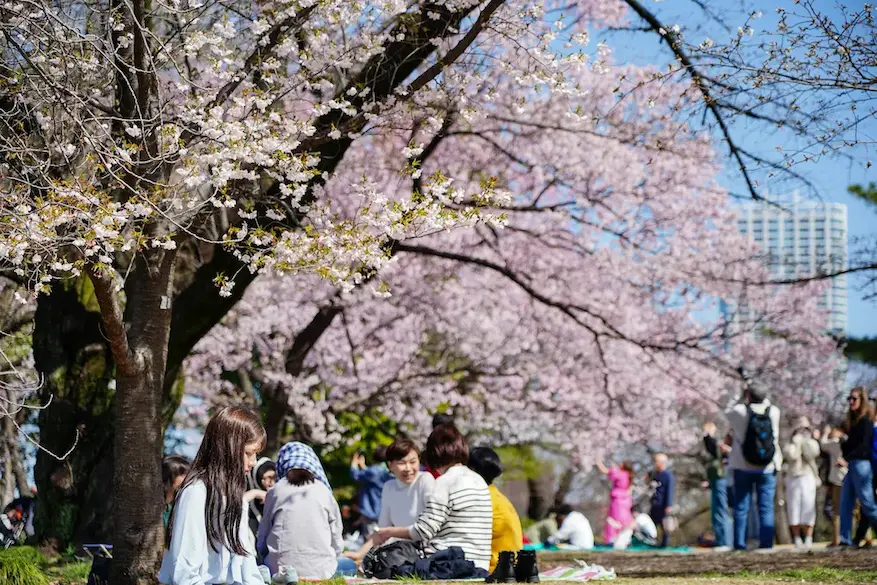
Whether you are planning your next Japan vacation or just curious, how much does a trip to Japan cost for a family of four? Here is our real breakdown based on what we spent on our Japan family trip with two young kids.
For a family of four flying from the United States, a realistic Japan vacation budget is around $7,000–$10,000 for 1 week, $9,000–$13,000 for 10 days, and $11,000–$16,000 for 2 weeks. These estimates include round-trip flights, family-friendly accommodation, food, transportation, and attractions.
We spent two weeks in Japan with our 5-year-old and toddler, traveling through Tokyo, Kyoto, and Osaka during peak cherry blossom season. Before our trip, I struggled to find realistic Japan costs for families—most budgets seemed designed either for backpackers or luxury travelers.
So, this guide combines what our family actually spent with realistic estimates for families flying from the US, including the expenses that are easy to underestimate when traveling with kids.
Japan Family Trip Cost at a Glance (2026)
| Planning Factor | Estimate |
|---|---|
| 1 Week – Family of 4 | $7,000–$10,000 |
| 10 Days – Family of 4 | $9,000–$13,000 |
| 2 Weeks – Family of 4 | $11,000–$16,000 |
| Average Daily Budget | $500–$575 |
| Best Budget Months | January, February & June |
| Most Expensive Period | Cherry Blossom Season & Golden Week |
| Biggest Cost Factor | Flights from the US |
These estimates assume a family of four flying from the United States and traveling comfortably. Your total can vary significantly depending on your departure city, travel dates, accommodation, and attractions.
Japan isn’t a cheap family vacation, but some everyday costs may be more manageable than you expect. Flights and family accommodation usually take the biggest share of the budget, while public transportation, casual meals, convenience-store breakfasts, parks, temples, and other low-cost experiences can help balance your spending.
And because we traveled during **cherry blossom season—one of Japan’s most expensive times of year—**our actual spending gives you a useful reference point for planning even if you’re visiting during a busy period.
Whether you’re working out how much a week in Japan costs, budgeting for a 10-day Japan trip, or deciding whether your family can afford two weeks in Japan, I’ll break down the costs for flights, hotels, food, transportation, attractions, insurance, and the smaller expenses parents often forget.
This post contains affiliate links. If you book through them, we may earn a small commission at no extra cost to you. Read our full Affiliate Disclosure.
How Much Does a Japan Trip Cost for a Family of 4?
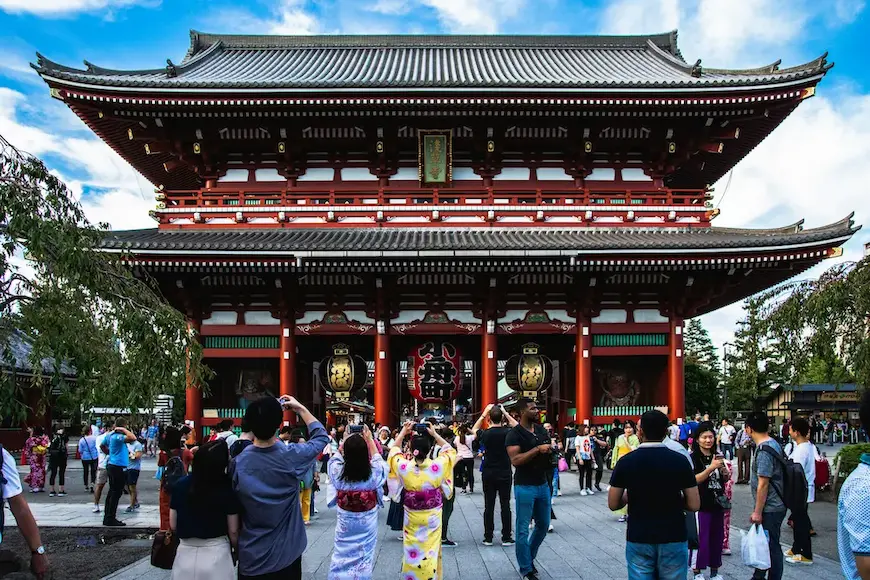
One thing I quickly learned while planning our own Japan family vacation is that the answer depends less on Japan itself and more on three factors:
- How long are you staying
- Where are you flying from
- Whether you’re travelling during peak seasons like cherry blossom season
For US and European families, flights are usually the biggest expense. Once you’re actually in Japan, accommodation, food, and transportation are often more affordable than many parents expect—especially compared to a similar vacation in the United States or Western Europe.
Estimated Japan Trip Cost for a Family of 4
| Trip Length | Budget Family | Mid-Range Family | Comfortable Family |
|---|---|---|---|
| 1 Week | $4,500–$7,000 | $7,000–$10,000 | $10,000–$15,000 |
| 10 Days | $6,000–$9,000 | $9,000–$13,000 | $13,000–$18,000 |
| 2 Weeks | $7,500–$11,000 | $11,000–$16,000 | $16,000–$22,000 |
Assumes flights from the US and visits to Tokyo, Kyoto, and Osaka.
How Much Does a 1-Week Trip to Japan Cost for a Family of 4?
For most families visiting Japan for the first time, one week is enough to combine Tokyo with either Kyoto or Osaka. A realistic budget is between $7,000 and $10,000 for a family of four traveling comfortably.
If you’re flying from the US West Coast, traveling outside cherry blossom season, and booking flights several months ahead, you may spend less. Families traveling during spring or school holidays should expect costs to be higher.
How Much Does a 10-Day Trip to Japan Cost for a Family of 4?
A 10-day Japan itinerary gives families enough time to experience Tokyo, Kyoto, and Osaka without constantly rushing between hotels.
For a family of four, a comfortable budget is usually $9,000 to $13,000, including flights, hotels, food, transportation, and a few paid attractions.
If I were planning my first Japan trip with kids, this is the duration I would choose. It provides enough flexibility for slower mornings, playground stops, and those inevitable “everyone is tired” afternoons that happen when traveling with young children.
If you’re trying to save more and simplify your itinerary, you may not need equal time in every city.
Our detailed Tokyo vs. Osaka with Kids comparison explains which city offers better value, attractions, food, and family experiences depending on your children’s ages and travel style.
How Much Does a 2-Week Trip to Japan Cost for a Family of 4?
A two-week Japan trip typically costs $11,000 to $16,000 for a family of four traveling from the United States or Europe.
This is also the closest comparison to our own trip. We spent 14 days exploring Tokyo, Kyoto, and Osaka with our 5-year-old and toddler during cherry blossom season, one of the most expensive times to visit Japan.
The longer itinerary allowed us to slow down, take day trips, enjoy parks and neighborhoods, and avoid turning every day into a race between attractions.
Some of our favorite memories actually came from day trips rather than the big cities themselves. If you’re planning a longer Japan itinerary, don’t miss these family-friendly day trips from Tokyo and Osaka.
Your destination choices can also affect your overall budget. Before estimating the cost of your trip, see our guide to the best places to visit in Japan with kids to decide which destinations actually belong on your route.
How Much Does a Japan Trip Cost From the US?
One thing worth mentioning before we dive into our exact spending is that our flights were much shorter because we flew from Singapore.
For most readers of Roaming Crew, the biggest budget difference comes from flying to Japan from the United States, Canada, the United Kingdom, or Europe.
If I took our exact family trip—same cities, same pace, same travel style—and adjusted it for long-haul flights and current 2026 pricing, this is the budget I would plan for today.
Our own $8,050 trip was based on flying from Singapore, so use the US-based estimates below as a planning guide rather than a record of what we personally spent.
Flights to Japan From the US: What a Family of 4 Should Budget
| Traveller | Estimated Round-Trip Flight Cost |
|---|---|
| Adult | $900–$1,400 |
| Child | $750–$1,200 |
For a family of four, flights alone can easily add $3,500–$5,500 to the total trip budget.
As always, prices vary by departure city, travel season, and how early you book. If you’re traveling during cherry blossom season, summer holidays, or Christmas, expect to pay toward the higher end of these ranges.
Japan Budget With vs. Without Flights
| Travel Style | Total Cost (Including Flights) | Total Cost (Without Flights) |
|---|---|---|
| Budget-Conscious | $8,500–$10,000 | $5,000–$6,000 |
| Mid-Range (similar to ours) | $10,500–$13,000 | $7,000–$8,000 |
| Comfort-Focused | $14,000+ | $9,000+ |
Our own family trip falls closest to the mid-range category. We stayed in family-friendly apartment hotels, traveled between Tokyo, Kyoto, and Osaka, ate out daily, used public transportation, and included experiences such as teamLab Borderless.
What surprised me most was that Japan felt more predictable than many destinations. Once flights were paid for, daily expenses were easier to manage than I expected.
For many US and European families, Japan is not the cheapest destination in Asia. But compared to a similar family vacation in Western Europe or a major US theme-park destination, the overall value can be good.
Planning Our Route
For this budget, we based ourselves in all three major Golden Triangle routes—Tokyo, Kyoto, and Osaka—which I still believe is the best first-time Japan itinerary for families.
If you’re deciding where to stay or how many days to spend in each city, my detailed guides to Tokyo with Kids, Kyoto with Kids, and Osaka with Kids can help. If you’re torn between the two biggest cities, my Tokyo vs. Osaka with Kids comparison breaks down costs, attractions, food, and family-friendliness from a parent’s perspective.
Our Actual 2-Week Japan Trip Cost for a Family of 4
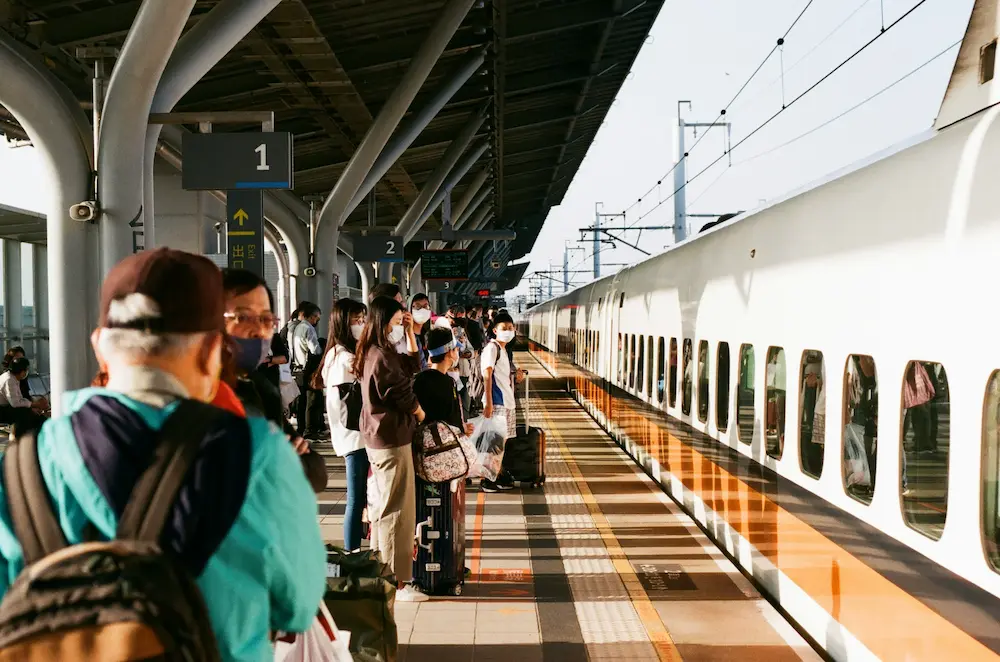
If you’re here with a calculator open and just want a clear number—I understand. That was me, too.
After our 2-week trip to Japan with our 5-year-old and toddler (who spent half the trip in my carrier), here’s exactly what we spent during peak cherry blossom season in April.
What We Actually Spent (14 Days in Japan)
| Expense Snapshot | Cost |
|---|---|
| Total Trip Cost | $8,050 USD |
| Total Without Flights | ~$7,083 USD |
| Trip Length | 14 Days |
| Family Size | 2 adults + 2 kids |
| Travel Style | Mid-Range & Comfortable |
| Cities Visited | Tokyo → Kyoto → Osaka |
| Average Daily Cost | ~$506 USD |
Japan Trip Cost Breakdown: Where Our $7,083 Went
We traveled during cherry blossom season, one of the most expensive times to visit Japan.
We didn’t stay in luxury hotels, but we also weren’t traveling on a backpacker budget.
Instead, we focused on what matters most to us when traveling with young children:
- Family-friendly apartment hotels with enough space to relax
- Eating out daily without constantly worrying about the bill
- Comfortable transportation between cities
- A few memorable experiences, rather than trying to do everything
- Slow travel days with time for playgrounds, snack breaks, and afternoon rests
Our route was:
Tokyo → Kyoto → Osaka
We also included several family-friendly experiences, such as TeamLab Borderless and a memorable Hello Kitty Shinkansen ride, because of our daughter’s ultimate wish to travel in it.
And yes, all of these costs reflect traveling during peak cherry blossom season.
What We Actually Spent Per Day
When I came home and finally added everything up—every train ticket, every bowl of ramen, every hotel booking, every convenience-store snack stop—I was honestly expecting the total to be higher.
For 14 days in Japan, we spent just over $7,000, excluding flights.
That worked out to:
- Around $506 per day for our family of four
- Around $126 per person per day
And that included:
- Apartment-style hotels in central neighborhoods
- Eating out daily
- An Osaka food tour
- Shinkansen travels between cities
- teamLab Borderless
- SIM cards
- Travel insurance
- Visas
Even during cherry blossom season, our daily spending felt more manageable than expected.
Flights remain the biggest expense for most international families. At the same time, food, public transportation, and many family-friendly attractions often offer better value than parents expect—especially compared with similar vacations in the United States or Western Europe.
A Parent’s Perspective
Looking back, the biggest surprise wasn’t the total cost—it was how little we spent on unexpected problems.
Japan’s reliable trains, clean public facilities, family-friendly infrastructure, and overall sense of safety meant we weren’t constantly paying for convenience, emergency purchases, or last-minute changes.
For us, that predictability made the trip feel far less stressful—and ultimately better value—than many family vacations we’ve taken elsewhere.
Our Budget Breakdown of the Japan Trip with Kids
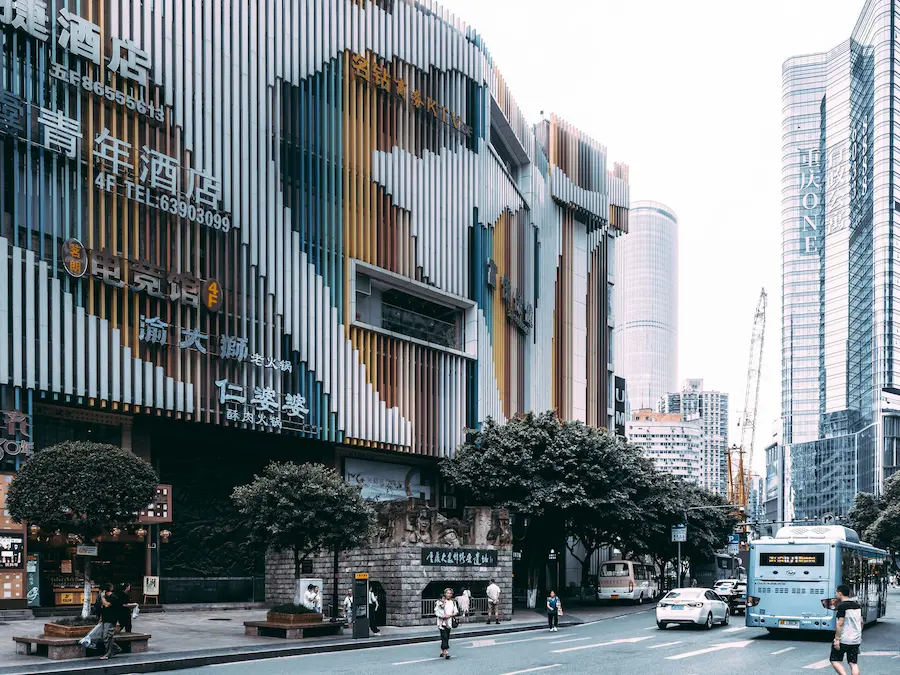
When we came home, and I finally sat down to add everything up, I didn’t want to just know the total — I wanted to understand where the money actually went.
Because that’s what helps you plan smarter next time.
And honestly? Seeing it category by category made Japan feel much more manageable.
Where Our Japan Budget Went
| Category | Approximate Cost |
|---|---|
| Accommodation | $1,540 |
| Food & Dining | $2,500 |
| Transportation | $1,000+ |
| Attractions & Experiences | $1,500 |
| SIM Cards, Insurance & Visas | ~$500 |
| Total (Excluding Flights) | ~$7,083 |
This breakdown reflects our 14-day cherry blossom season trip as a family of four traveling between Tokyo, Kyoto, and Osaka.
Accommodation in Japan – What We Paid & Why
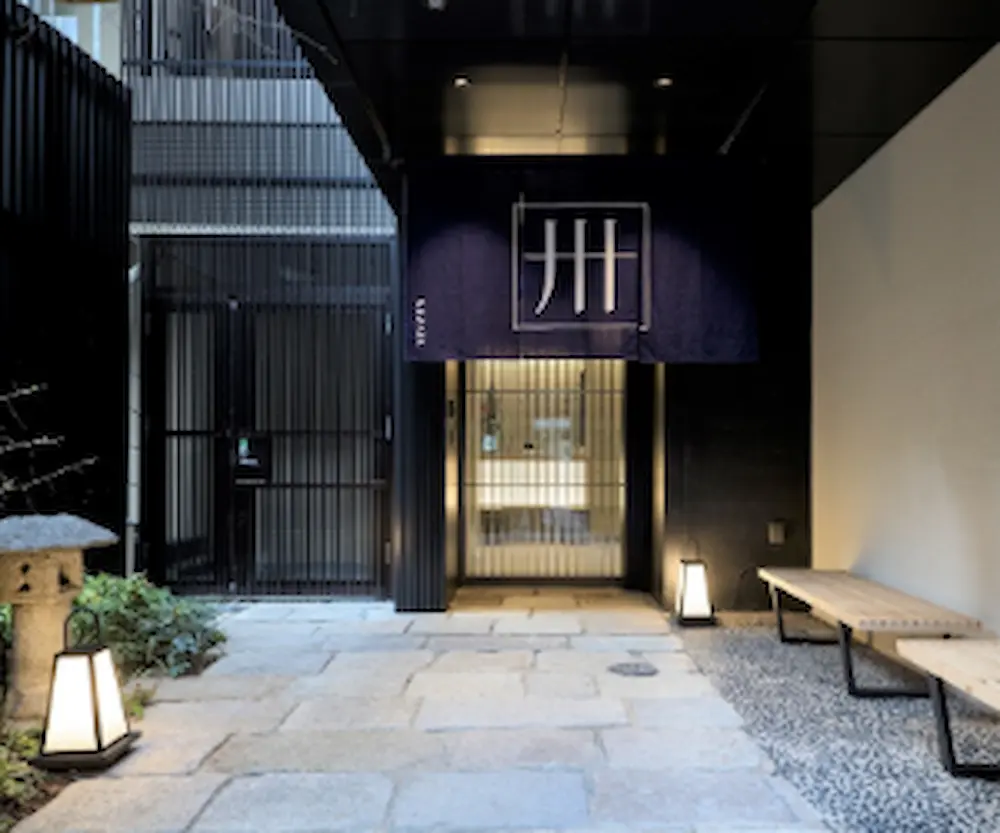
We spent about $1,540 on accommodation for 12 nights across Tokyo, Kyoto, and Osaka.
For families, this works out to roughly $128 per night, which is often less than many family-friendly hotels in major US or Western European cities.
For Japan—during peak cherry blossom season—that number still surprises me.
But we were intentional; we booked at least 3 months before our trip.
In bigger cities, we chose apartment-style hotels instead of traditional compact rooms. With a 5-year-old who needs floor space to decompress and a toddler who naps unpredictably, space matters more than aesthetics when you are tired.
In Tokyo, we stayed at MIMARU Tokyo Akasaka. It was just a short walk from Akasaka Station, and having a small kitchen helped me a lot. I could warm milk, store fruit, keep yogurt for mornings, and not feel like every single meal had to be at a restaurant, especially breakfast.
In Kyoto, we stayed at Hotel Imagine Kyoto. Again, more space, less stress, and even more affordable than Tokyo or Osaka.
Were these luxury hotels?
No. But they were comfortable, clean, and incredibly practical for four of us.
And practicality saves money in ways people don’t always factor in—fewer emergency snack purchases, fewer stress-induced takeout splurges, and fewer “let’s just upgrade the room” moments.
We spent quite a bit of time comparing family rooms because room sizes in Japan can vary dramatically. Before booking, we usually compared room layouts, family occupancy rules, and cancellation policies across several properties.
Food in Japan—Why We Didn’t Cut Corners
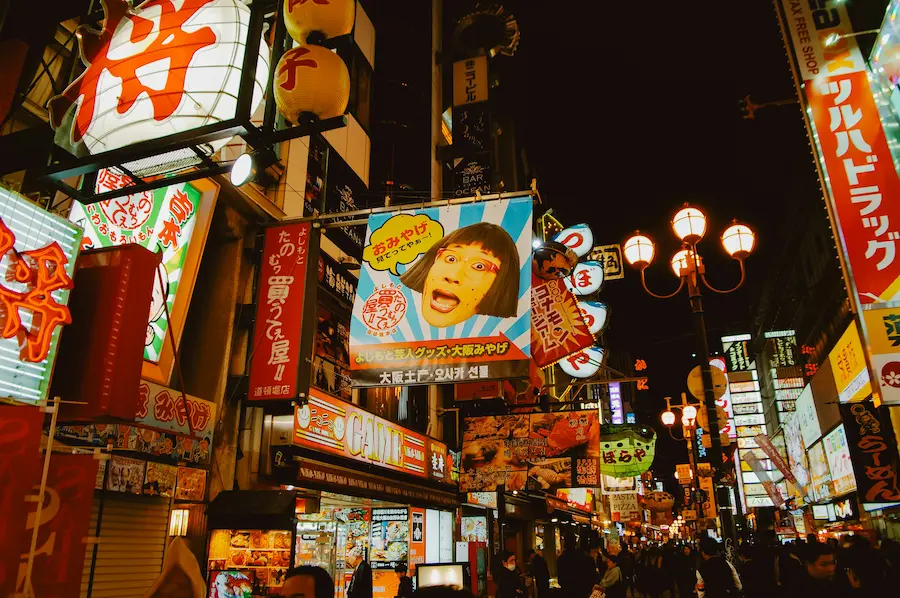
Food was our biggest category after flights. We spent roughly $2,500 over two weeks.
If you’re traveling with picky eaters, don’t panic. Japan’s convenience stores, bakeries, and family restaurants made feeding our children far easier than I expected.
And I don’t regret it for a second.
We ate out daily, fully. We tried street food. We sat down for proper dinners when the kids had the patience. And in Osaka, we did a full food tour, which was expensive but honestly one of our favorite memories.
Japan is amazing for food, but traveling with kids means you can’t always chase the cheapest ramen shop down a tiny alley. Sometimes you need a place with space and predictable food and just need to sit.
Breakfast was often from 7-Eleven or Lawson—yogurt, fruit, egg sandwiches, and onigiri.
Japan’s convenience stores are genuinely good, and that helped balance out the more indulgent dinners.
When I break it down, our food spending came to around $178 per day for all four of us.
For two adults, one growing 5-year-old, and a toddler who somehow eats like a small adult? That felt reasonable.
If you’re deciding whether Osaka is worth adding with kids, I’ve shared our full experience, food spots, and family-friendly areas in this Osaka with kids guide.
Transportation in Japan – Why We Didn’t Use the JR Pass
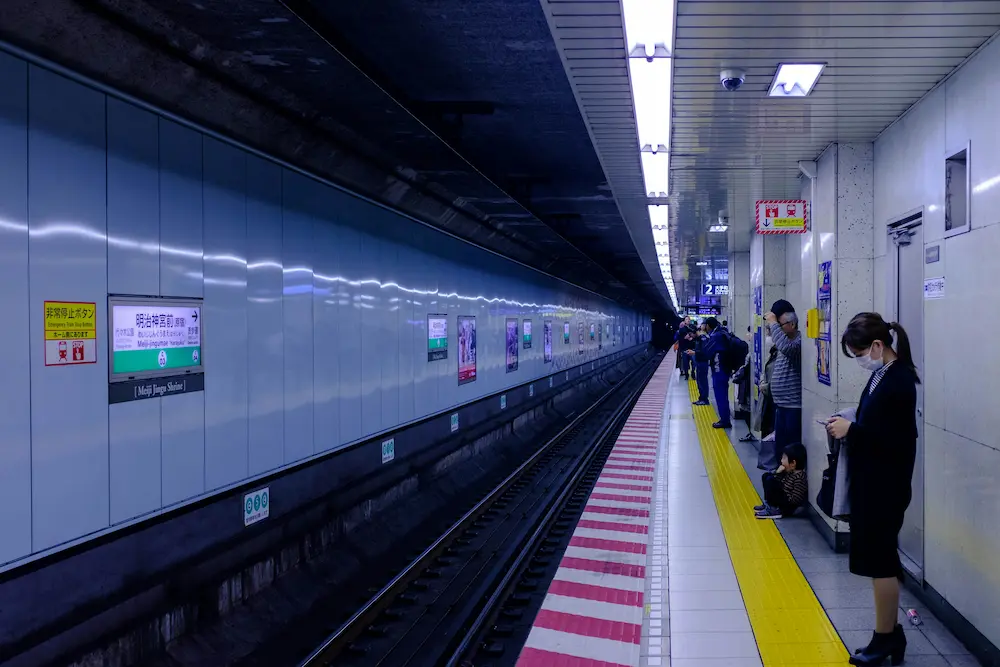
We spent just over $1,000 on transportation within Japan for the whole trip.
That included:
- The Shinkansen ride from Tokyo to Osaka
- A Hello Kitty Shinkansen ride from Osaka to Kyoto (yes, that was entirely my daughter’s wishlist moment)
- Our Narita airport transfer
- Local metro rides across all three cities
We did not buy the JR Pass. And this is more important in 2026.
After running the numbers for our exact route and pace, the pass didn’t make financial sense for us—especially after the recent price increases. We weren’t doing enough long-distance train travel to justify it.
Instead of buying a nationwide JR Pass, we found it cheaper to pay for individual journeys and day trips. For destinations like Mt. Fuji, we compared transport costs against organized tours before deciding what offered the best value.
For families planning 2026 trips, this is worth checking carefully. The JR Pass isn’t automatically the cheaper option anymore. A 14-day JR Pass is now ¥80,000 (~$530).
Booking specific Shinkansen seats—especially those with luggage space—was more practical for us than buying a blanket pass. Read our detailed Japan Shinkansen With Kids Guide before planning your transportation budget.
I cover more transportation mistakes, booking tips, and arrival advice in my Japan travel tips guide for first-time family visitors.
The “Hands-Free” Budget Strategy: Luggage vs. Sanity
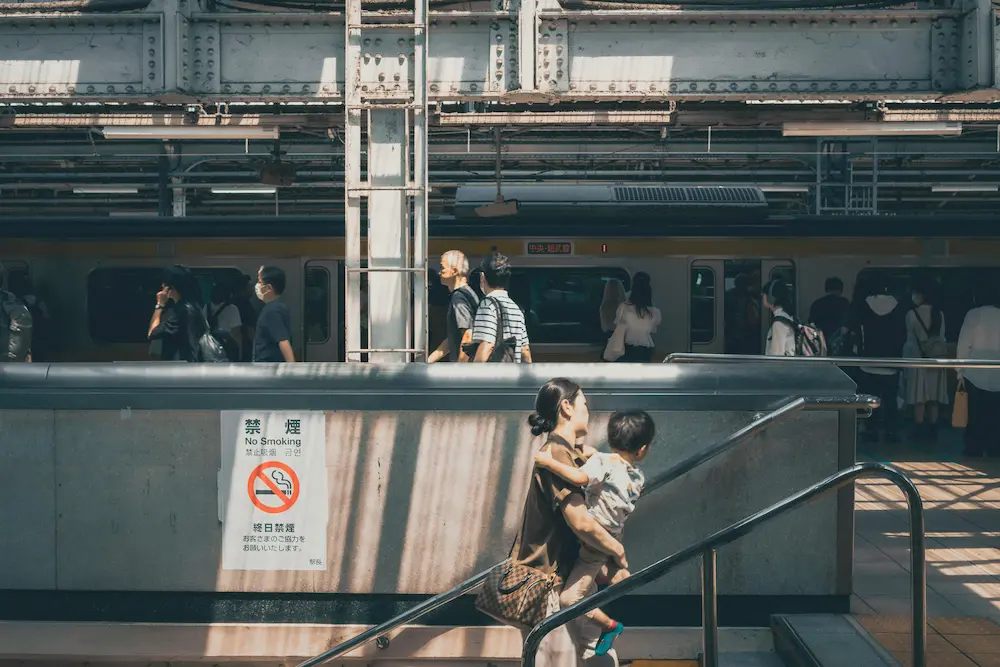
When budgeting for Japanese transport, most parents only look at the price of a JR Pass or subway tickets. But there is a “hidden” cost that can make or break your budget—and your back: luggage management.
In Japan, navigating the Shinkansen (bullet trains) with two kids and four suitcases isn’t just stressful; it can actually cost you more in “convenience” fees and larger taxis.
1. The Takkyubin (Luggage Forwarding) Factor
We highly recommend budgeting for Takkyubin (same-day luggage delivery). This service sends your large suitcases from hotel to hotel or from the airport to the hotel. for roughly ¥2,000–¥3,000 ($13–$20 USD) per bag.
- The Budget Win: By forwarding your big bags, you can take cheaper, standard-sized taxis or hop on the local subway without needing a “Jumbo Taxi” (which can cost 2x more).
- The Travel Win: You can navigate the train stations with just a stroller and a backpack, making transfers a breeze.
2. Why “Packing Light” is a Financial Decision
Every extra suitcase you bring is another bag you have to pay to forward, store in a locker (¥600–¥1,000 per day), or struggle to fit into a tiny Japanese hotel room.
- Coin Laundry vs. Extra Baggage Fees: Most Japanese hotels have coin-operated laundry (approx. ¥500 for a full wash/dry). Spending $5 on laundry is significantly cheaper than paying $50+ in extra baggage fees on your flight or the stress of hauling heavy gear.
3. The “Konbini” Snack Budget
Don’t overlook your daily “transit food” budget. A family of four can easily spend ¥2,000 a day just on snacks and drinks at 7-Eleven or Lawson. These are essential for keeping toddlers happy during a 2-hour train ride to Osaka!
🧳 Ready to see exactly what made the cut? > To make this budget strategy work, you have to pack smart. We’ve broken down exactly what to bring (and what to leave behind) to keep your family mobile and your costs low.
👉 Check out our full Japan Packing List for Families to see how we fit 2 weeks of gear into a “mobility-first” setup.
Attractions & Experiences in Japan with kids

We spent about $1,500 on activities and experiences.
Our biggest splurge was visiting TeamLab Borderless with kids in Tokyo. Watching my 5-year-old run through digital light rooms while I carried my toddler on my hip—that memory alone felt worth it.
If Tokyo is part of your itinerary, I’ve shared more family-friendly attractions and neighborhood recommendations in my Tokyo with Kids guide.
We have booked most of our experiences through Klook with TeamLab passes and used discount codes whenever possible. It wasn’t about booking everything—it was about convenience and safety.
If you add:
- Universal Studios Japan
- Tokyo Disneyland
- Tokyo DisneySea
Your costs will rise quickly—especially once you factor in tickets, express passes, food inside the parks, and transportation.
Still, even then, Japan’s theme parks are generally more affordable than Disney in the US. It just depends on your children’s ages and what kind of trip you’re envisioning.
For 2026 trips, I would personally recommend looking into the newer teamLab experience in Kyoto as well, especially if your kids loved interactive art spaces like ours did. These kinds of immersive experiences feel special without requiring multiple full theme park days.
Japan offers so many free or low-cost experiences—shrines, parks, neighborhoods, and temple walks—so the paid attractions felt balanced rather than constant.
SIM Cards, Insurance & Visas for Japan
The Practical Costs You Shouldn’t Ignore
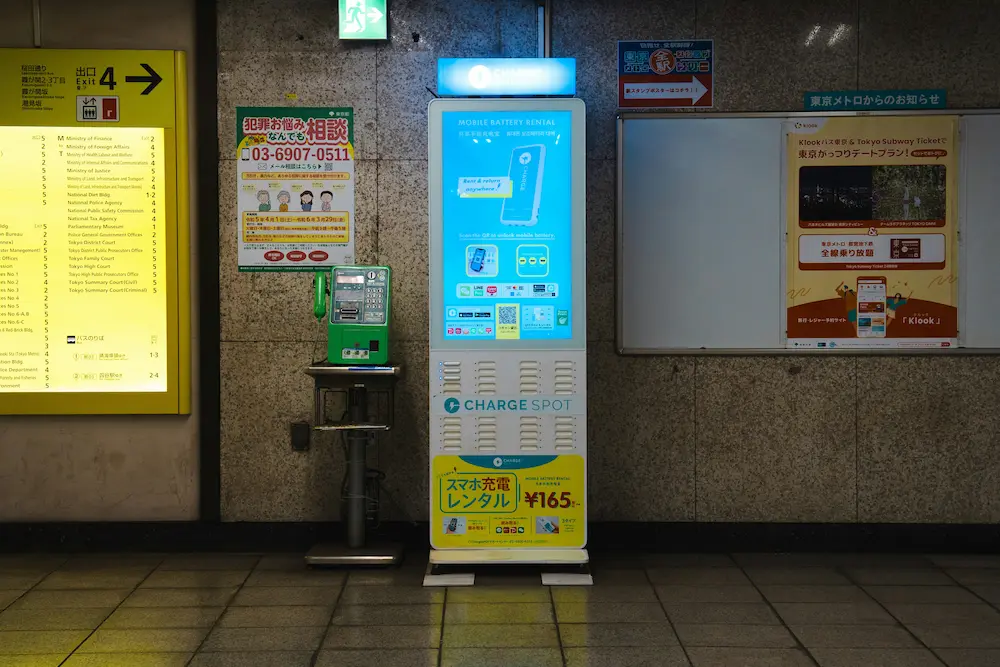
A few smaller categories made up the rest of our budget—the kinds of expenses you don’t always think about until you’re packing your suitcases.
Staying Connected in Japan
For connectivity, we spent around $80 on one eSIM and one physical SIM.
And honestly? If your phone supports it, I recommend setting up an eSIM before you even land.
We activated ours before departure and had working internet the moment we arrived, which made a huge difference after a long flight with two tired children.
Being able to check train platforms, navigate to our hotel, access booking confirmations, and message family back home without having to search for airport Wi-Fi removed a lot of unnecessary stress.
Yes, an eSIM can cost slightly more than buying a local SIM after arrival.
But for us, that smooth first hour in Japan was absolutely worth it.
Read our Best eSIMs for Asia for Families guide, which compares Ubigi, Klook, and other popular options for staying connected throughout your trip.
Travel Insurance
We also purchased a comprehensive family travel insurance policy covering all four of us, which cost just under $400 for two weeks.
You can certainly find cheaper policies, but personally, I wouldn’t go below $300 for a family traveling with young children.
Japan has an excellent healthcare system, but medical treatment without insurance can become expensive very quickly. Even a simple visit for a fever, food poisoning, or a minor injury can add unexpected costs to your holiday.
For us, the peace of mind was worth every dollar.
Japan Visa Update for 2026
Before booking, it’s worth checking whether your family actually needs a Japanese tourist visa.
For Americans, the UK, Canadians, Australians, and many European families: if you’re visiting Japan only for tourism for up to 90 days, you can generally enter visa-free, so the recent visa fee increase won’t apply to your trip.
Always confirm the latest entry requirements on Japan’s immigration website for your nationality before traveling.
If your nationality does require a Japanese tourist visa, Japan introduced new visa fees for applications submitted from 1 July 2026:
| Visa Type | Approximate Fee (2026) |
|---|---|
| Single-entry tourist visa | ¥15,000 (about US$100) |
| Multiple-entry tourist visa | ¥30,000 (about US$200) |
Visa fees are paid in your local currency through the Japanese Embassy or Consulate handling your application, and some nationalities may have different fee arrangements or exemptions.
These aren’t the most exciting parts of planning a Japan holiday.
But they’re part of the real cost of traveling to Japan in 2026, and budgeting for them before you book helps avoid last-minute surprises.
When I look back at the full breakdown, nothing feels reckless.
It wasn’t a budget trip. But it also wasn’t out of control.
Looking back, what stands out most isn’t the total amount we spent.
It’s that every major expense has a purpose.
We paid for convenience when it reduced stress, invested in experiences our kids genuinely enjoyed, and avoided spending money simply because everyone else said we should.
Japan certainly wasn’t the cheapest family trip we’ve taken.
But it delivered something many destinations struggle to offer: comfort, predictability, safety, and memorable experiences without constant travel friction.
For our family, that made the cost feel worthwhile.
What Our $7,083 Japan Trip Included
(Because Context Matters)

Before we break down where the money went, it helps to see what our trip actually looked like.
After all, a family visiting two cities in one week will have very different costs from a family spending two weeks exploring Japan at a slower pace.
We visited during peak cherry blossom season, which is one of the most expensive times of year to travel in Japan.
Here’s how we structured our two-week trip in Japan:
| City | Nights |
|---|---|
| Tokyo | 4 Nights |
| Kyoto | 4 Nights |
| Osaka | 4 Nights |
We flew into Tokyo and home from Osaka, which meant we didn’t have to backtrack across the country.
Along the way, we also enjoyed several family-friendly day trips:
| Base City | Day Trip |
|---|---|
| Tokyo | Mt Fuji, Hakone |
| Kyoto | Uji |
| Osaka | Nara, Hamiji |
If you’re planning a similar route, I’ve shared detailed guides to Tokyo, Kyoto, and Osaka with kids, plus our day trip experiences visiting Mt. Fuji, Uji, and Nara with kids.
What probably influenced our budget most wasn’t the cities themselves—it was our pace.
We weren’t trying to see everything.
We built in slow mornings, playground stops, convenience-store snack breaks, and the occasional afternoon when everyone was tired and simply needed downtime.
That slower approach made Japan feel far more enjoyable with young children—and every dollar we spent reflects that balance between sightseeing and sanity.
Why This Itinerary Worked Well for Our Family
If you’re planning your first trip to Japan from the United States, Canada, the UK, or Europe, it can be tempting to squeeze in as many destinations as possible.
Before our trip, I considered adding Hiroshima, Hakone, and even another city.
I’m glad we didn’t.
With a 5-year-old and a toddler, spending four nights in each base gave us enough time to adjust to the pace of travel, recover from long sightseeing days, and enjoy Japan without constantly packing and unpacking.
Looking back, I wouldn’t try to fit more into a two-week family itinerary.
For most families visiting Japan for the first time, Tokyo, Kyoto, and Osaka offer more than enough variety, culture, food, and family-friendly attractions without creating unnecessary travel stress. See our guide to the best places to visit in Japan with kids to decide which destinations actually belong on your route.
If you’re still deciding how to divide your time, my Tokyo vs Osaka with Kids comparison breaks down which city offers better value, attractions, food, and family-friendly experiences for different ages.
How to Save Money on a Japan Family Trip
(The Things No Budget Spreadsheet Tells You)
Japan doesn’t have to be a budget trip to be affordable. Some of the biggest savings on our family trip came from making a few practical choices before we arrived—not from cutting experiences we actually wanted to enjoy.
After two weeks in Japan with our 5-year-old and toddler, these are the money-saving strategies I would use again.
1. Check Individual Train Tickets Before Buying the JR Pass
Don’t automatically add a JR Pass to your Japan budget.
For our Tokyo, Kyoto, and Osaka route, buying individual Shinkansen tickets made more sense than purchasing a nationwide JR Pass. This is especially worth checking if you’re staying several nights in each city rather than taking frequent long-distance trains.
Before buying any rail pass, map out your major journeys and compare the total ticket cost with the price of the pass.
For families, this can make a meaningful difference because you’re multiplying those costs across several travelers.
If you’re planning a similar route, my Japan Shinkansen With Kids Guide explains how we handled tickets, luggage, and traveling between cities with young children.
2. Use Luggage Forwarding Strategically
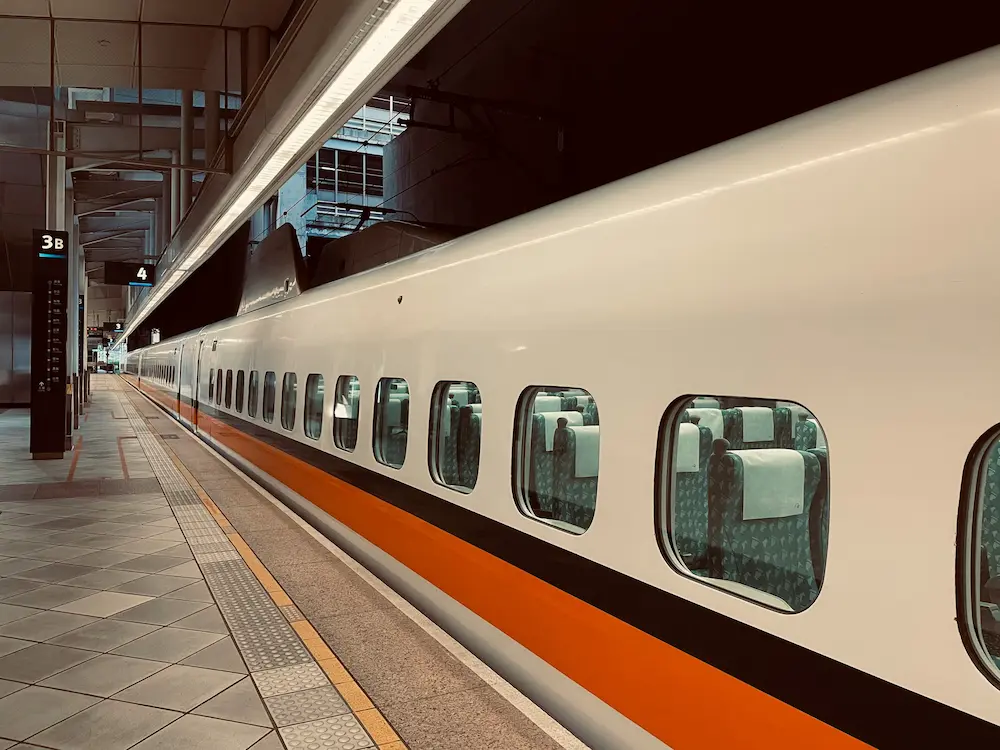
Paying to send your luggage ahead might sound like an extra expense, but with young children, it can sometimes prevent more expensive transportation decisions.
Japan’s luggage-forwarding service, Takkyubin, typically costs us around ¥2,000–¥3,000 ($13–$20) per large bag.
Traveling between cities without several large suitcases made it easier for us to use trains and public transportation instead of resorting to larger taxis simply because we couldn’t manage the kids and luggage together.
I wouldn’t necessarily forward every bag for every journey. Instead, consider it strategically for the transfers where managing luggage is likely to be hardest.
3. Book Family Accommodation Early
Family rooms can be one of the trickiest parts of budgeting for Japan.
Standard hotel rooms are often compact, and rooms that comfortably accommodate two adults and two children can disappear quickly—particularly during cherry blossom season, Golden Week, and school holidays.
We booked our accommodation around three months before our trip and spent approximately $1,540 for 12 nights across Tokyo, Kyoto, and Osaka.
I would book even earlier if traveling during a peak period.
Apartment-style hotels can also save money indirectly. Having a refrigerator or small kitchen meant we could keep milk, yogurt, fruit, and breakfast foods in the room rather than paying for four restaurant breakfasts every morning.
4. Use Convenience Stores for Breakfasts and Snacks
You don’t need to eat cheaply for every meal to control your Japan food budget.
We enjoyed restaurants, street food, and an Osaka food tour but balanced those experiences with simple breakfasts and snacks from convenience stores such as 7-Eleven and Lawson.
For families, this worked particularly well in the morning.
Instead of starting every day with an expensive sit-down breakfast, we could pick up things the kids would actually eat—fruit, yogurt, sandwiches, onigiri, and drinks—and save our food budget for meals and experiences we cared about more.
5. Pack Less and Use Hotel Laundry
Packing light isn’t just about convenience—it can also reduce travel costs.
Many Japanese hotels have coin-operated laundry facilities. Washing clothes during the trip meant we didn’t need two weeks’ worth of outfits for everyone.
That can mean fewer suitcases, less luggage to forward between cities, less need for lockers, and potentially fewer airline baggage fees.
It also made moving between Tokyo, Kyoto, and Osaka much easier with two children.
My Japan Packing List for Families covers what we actually used during our two-week trip and what I would leave at home next time.
6. Travel Outside Japan’s Most Expensive Weeks If You Can
Your travel dates can have a much bigger impact on your Japan family trip cost than small day-to-day savings.
We traveled during cherry blossom season, when flights and family-friendly accommodation can be particularly expensive.
If your dates are flexible, compare prices outside cherry blossom season, Golden Week, and major school holiday periods before booking.
For a family of four, saving on four plane tickets and 10–14 nights of accommodation can matter far more than trying to save a few dollars on lunch every day.
7. Spend on the Experiences Your Family Actually Wants
One of the easiest ways to inflate a Japan budget is to feel like you need to do every famous attraction.
You don’t.
We were happy to spend money on experiences such as TeamLab Borderless and our Osaka food tour because they were things our family genuinely wanted to do.
But Japan also gave us plenty of memorable days built around neighborhoods, parks, temples, shrines, and simply exploring the cities.
Choose a few paid experiences your children will genuinely enjoy and leave space for Japan’s free and low-cost attractions.
8. Keep Some Cash for Small Everyday Expenses
We carried approximately $500 in cash and used it more often than we expected.
Although cards are widely useful, some smaller restaurants, ticket machines, neighborhood shops, and attractions may still be easier to pay for with cash.
This isn’t necessarily a money-saving trick, but it can prevent unnecessary inconvenience—and when you’re traveling with tired children, avoiding an unnecessary taxi ride or last-minute change of plans can protect your budget too.
What Saved Us the Most?
Looking back, we didn’t save money in Japan by constantly choosing the cheapest option.
We saved by booking family accommodation early, checking transport costs before buying passes, packing lighter, mixing inexpensive meals with special ones, and being selective about paid attractions.
That’s the approach I’d recommend for families planning a trip to Japan on a realistic budget: spend less on the things your kids won’t remember, so you have room for the experiences they will.
Is Japan Expensive Compared With Other Family Vacations?
Japan is not a cheap family vacation, but whether it feels expensive depends heavily on what you’re comparing it with.
For a family of four flying from the United States, we recommend budgeting around $11,000–$16,000 for a comfortable two-week Japan trip, including flights. The highest upfront costs are usually airfare and family-friendly accommodation, while food, public transportation, and many everyday experiences can be more affordable than families expect.
Japan vs. a Family Vacation in the US
For American families, the long-haul flights make Japan expensive before the vacation has even started.
Once you arrive, however, the picture changes.
We found it relatively easy to control everyday spending in Japan. Public transportation meant we rarely needed taxis, convenience stores made inexpensive breakfasts and snacks easy, and many of our favorite experiences—parks, neighborhoods, shrines, temples, and simply exploring the cities—cost little or nothing.
So while getting to Japan can be expensive, your daily spending doesn’t necessarily have to feel dramatically higher than a family vacation at home.
Japan vs. Europe
Japan and Europe can both become expensive during peak travel periods, particularly when you’re booking accommodation for four people.
One advantage we found in Japan was how predictable many of our daily costs felt. Trains made getting around straightforward, casual food was widely available, and we could mix paid attractions with plenty of inexpensive sightseeing.
For families choosing between the two, I wouldn’t assume Japan will automatically cost more simply because it’s a long-haul Asian destination. Flight prices, travel dates, accommodation, and your itinerary will have a much bigger influence on the final total.
Japan vs. a Disney Vacation
A Japan trip and a Disney vacation aren’t really the same type of holiday, but they often compete for the same family travel budget.
The important difference is where you’re spending your money.
A Japan itinerary can include expensive attractions such as Tokyo Disneyland, DisneySea, or Universal Studios Japan, but you don’t need theme parks every day to keep children entertained.
Some of our favorite family experiences involved exploring neighborhoods, riding trains, visiting temples, seeing the cherry blossoms, and finding playgrounds along the way.
That gives families much more control over how many expensive attraction days they add to the budget.
Japan vs. Thailand, Vietnam, and Bali
This is where Japan usually feels more expensive.
If your main priority is stretching your family travel budget as far as possible, destinations such as Thailand, Vietnam, and Bali can generally offer cheaper accommodation, food, and everyday travel costs.
But price isn’t the only part of the equation.
For us, Japan’s reliable public transportation, family facilities, cleanliness, safety, and relatively predictable travel logistics added considerable value when traveling with two young children.
So I wouldn’t choose between Japan and Southeast Asia based on cost alone. I’d also consider what kind of family trip you want and where you’re comfortable spending your budget.
Still comparing destinations? Our Asia Family Trip Cost Guide compares the costs of Japan with other popular family destinations across Asia, including Thailand, Vietnam, China, Singapore, and Bali.
Is Japan Worth the Cost for Families?
For us, yes—Japan was absolutely worth the cost.
Not because it was cheap. It wasn’t.
We traveled during cherry blossom season with a 5-year-old and a toddler, ate out every day, stayed in family-friendly accommodation, traveled between Tokyo, Kyoto, and Osaka, and paid for experiences we genuinely wanted to enjoy.
What surprised me was how much value we felt we received for that money.
The trains were reliable. Getting around without constantly taking taxis was possible. Public spaces were clean. Family facilities were easy to find. And even with two young children, everyday travel felt far less stressful than I had expected.
That matters when you’re looking at a family travel budget.
Sometimes the hidden expense of traveling with kids isn’t the hotel or attraction ticket—it’s the taxi you take because everyone is exhausted, the last-minute change of plans when transportation doesn’t work, or the extra money you spend simply to make a difficult day easier.
We experienced relatively little of that in Japan.
And that’s why I wouldn’t judge a Japan family vacation purely by its final price tag.
Looking back, I don’t remember what every train ticket or meal cost.
I remember my daughter’s excitement about riding the Hello Kitty Shinkansen.
I remember walking beneath the cherry blossoms together.
I remember temple visits, convenience-store breakfasts, playground stops, and how surprisingly manageable it felt to explore Japan with two small children.
If your priority is finding the cheapest family vacation in Asia, Japan probably isn’t the right choice.
But if you’re looking for a destination that combines culture, excellent transportation, family-friendly infrastructure, memorable experiences, and relatively predictable travel costs, Japan can offer exceptional value.
For our family, that made the money we spent feel worthwhile.
FAQ: Planning a Japan Family Trip in 2026
1. How much does a trip to Japan cost for a family of 4?
A family of four flying from the US should budget around $7,000–$10,000 for 1 week, $9,000–$13,000 for 10 days, or $11,000–$16,000 for 2 weeks, including flights, accommodation, food, transportation, and attractions.
2. Is $10,000 enough for a Japan trip for a family of 4?
Yes, $10,000 can be enough for a 7–10 day Japan family trip, especially if you book flights and family accommodation early and avoid peak travel periods. For two weeks, I would plan closer to $11,000–$16,000 for a comfortable trip from the US.
3. How much does food cost per day in Japan for a family of 4?
We spent approximately $170–$180 per day on food for our family of four. That included convenience-store breakfasts, snacks, casual lunches, restaurant dinners, and occasional splurges.
4. Is the JR Pass worth it for a family trip to Japan?
Not always. For our Tokyo–Kyoto–Osaka route, individual train tickets made more financial sense than a nationwide JR Pass. Compare the cost of your planned long-distance journeys before buying a pass.
5. Is Japan expensive for American families?
Flights make Japan a relatively expensive long-haul vacation for American families, but everyday costs can be surprisingly manageable. Public transportation, casual food, convenience stores, and plenty of free or inexpensive attractions help balance the overall budget.
Planning Your Japan Family Trip? Read Next
Now that you have a realistic Japan family budget, these guides can help with the next steps:
👉 Japan Travel Tips for First-Time Families—practical advice for transport, money, accommodation, and traveling Japan with kids.
👉 Japan Packing List for Families—what we actually packed and used during two weeks in Japan with a toddler and 5-year-old.
👉 Japan Itinerary With Kids—Build a realistic 7-, 10-, or 14-day route around your family’s pace and budget.
Still deciding between 1 week, 10 days, or 2 weeks in Japan? Leave a comment below—I’m happy to share what worked for our family.

FOUNDER • FAMILY TRAVEL WRITER • MUM OF TWO
About the Author
Hi, I’m Shivani, the founder of Roaming Crew.
Based in Singapore and having lived in different parts of Asia—including two years in India—I’ve explored 18+ destinations across the region, with 12+ of those journeys taken alongside my young kids.
From choosing family-friendly destinations and navigating local transport to budgeting, accommodation, and practical travel logistics, Roaming Crew is created with a parent-first mindset.