When we first started planning our family trip to China, cost was one of our biggest question marks.
Not because China had a reputation for being expensive, but because we genuinely had no idea what to expect.
Would hotels be family-friendly, or would we need to book multiple rooms?
Would high-speed trains cost as much as flights?
How much should we budget for attractions like the Great Wall, Shanghai Disneyland, or Chengdu’s famous pandas?
And perhaps the biggest question of all:
Could we comfortably explore China as a family without blowing our entire travel budget?
After traveling through several Chinese cities with our two children, we came home with a surprising answer.
No. For most families, China is cheaper than Japan, Singapore, and many European destinations. A 10-day China family trip typically costs between $3,500 and $8,000, depending on flights, hotels, and itinerary. Once in China, trains, food, and local transport are surprisingly affordable.
The things we expected to be expensive—high-speed trains, city transportation, family-friendly hotels, and everyday food—were often far more affordable than we imagined. At the same time, there were a few costs that genuinely surprised us and are worth planning for before you go.
In this guide, I’m sharing exactly what families can expect to spend in China today, with our China trip costs for families exploring cities like Beijing, Shanghai, Chengdu, Chongqing, Hangzhou, and Zhangjiajie with two young children.
You’ll find realistic budgets, typical costs for families of three and four, our biggest expenses, and practical tips that helped us stretch our budget without sacrificing comfort.
If you’re wondering whether China is affordable for families and how much you should realistically budget for your trip, you’re in the right place.
Quick Answer: How Much Does a China Trip Cost for Families?
The average cost of a China trip for families ranges from approximately $3,500 to $10,000+, depending on travel style, trip length, and departure country.
Families visiting from the United States or Europe should expect flights to be the largest expense, while transportation, local food, and many attractions are often far more affordable than expected.
China Trip Costs for Families at a Glance
| Travel Style | Family of 3 (10 Days) | Family of 4 (10 Days) |
|---|---|---|
| Budget | $3,000–$4,500 | $3,500–$5,000 |
| Mid-Range | $4,500–$6,500 | $5,000–$8,000 |
| Comfortable | $7,000+ | $8,000–$12,000+ |
Estimated Cost for a 14-Day China Family Vacation
| Travel Style | Family of 3 | Family of 4 |
|---|---|---|
| Budget | $4,000–$6,000 | $4,500–$7,000 |
| Mid-Range | $6,000–$9,000 | $7,000–$10,000 |
| Comfortable | $9,000+ | $10,000–$15,000+ |
These estimates include:
- International flights
- Family-friendly accommodation
- High-speed train travel
- Attractions and sightseeing
- Daily meals
- Local transportation
- Travel essentials such as eSIMs and insurance
In our experience, China offers excellent value for families, particularly if you’re planning to visit multiple cities using the country’s world-class high-speed rail network.
China often offers better value than many first-time visitors expect. If you’re comparing it with Japan, Vietnam, Thailand, or Singapore, our Asia Family Trip Cost Guide breaks down average family travel costs across the region.
How Your China Itinerary Affects Your Family Travel Budget
One thing we learned quickly while planning our China trip is that there isn’t one single answer to the question:
“How much does a Chinese family vacation cost?”
Your budget depends heavily on where you go and how many cities you include.
For example, spending two weeks only in Beijing and Shanghai will cost noticeably more than combining those cities with places like Chengdu, Chongqing, Hangzhou, or Xi’an, where accommodation, food, and daily expenses are often lower.
Chongqing turned out to be one of the biggest surprises of our trip. If you’re wondering whether this futuristic mountain city works with children, read our Chongqing with Kids Guide for our honest experience.
That’s exactly why our own China itinerary combined a mix of iconic first-time destinations and more affordable family-friendly cities.
The Route We Took With Two Kids
Our family itinerary combined China’s most famous first-time destinations with a few lower-cost cities that helped balance the budget.
| Destination | Length of Stay | Why We Included It | Budget Impact |
|---|---|---|---|
| Beijing | 4 Days | Great Wall, Forbidden City, parks, and our introduction to China | Higher |
| Tianjin | 1 Night | Easy high-speed train stop from Beijing and a relaxed family-friendly city | Low |
| Shanghai | 3 Days | Shanghai Disneyland, skyline views, and family attractions | Higher |
| Hangzhou | Day Trip | Relaxing escape from Shanghai with lakes, gardens, and a slower pace | Low |
| Chongqing | 1.5 Days | Unique cyberpunk cityscape and a convenient stop between Shanghai and Chengdu | Moderate |
| Chengdu | 4 Days | Pandas, tea houses, relaxed atmosphere, and excellent-value hotels | Excellent Value |
| Zhangjiajie | 1 Day as a Side Trip | Avatar mountains, glass bridges, and spectacular scenery | Higher (Attractions) |
At a Glance: What This Itinerary Is Best For
| Family Type | Recommendation |
|---|---|
| Families with toddlers (0–4) | Consider skipping Zhangjiajie and extending your stay in Chengdu or Shanghai |
| Families with children 5–10 | This route offers a good mix of culture, nature, and kid-friendly attractions |
| Families with older kids and teens | Add extra time in Chongqing and Zhangjiajie |
| First-time visitors to China | One of the easiest routes to balance iconic sights with manageable travel days |
Your China budget will depend heavily on the cities you choose. Our Best Cities in China to Visit with Kids Guide compares the most family-friendly destinations across China.
Which Chinese Cities Are Most Expensive for Families?
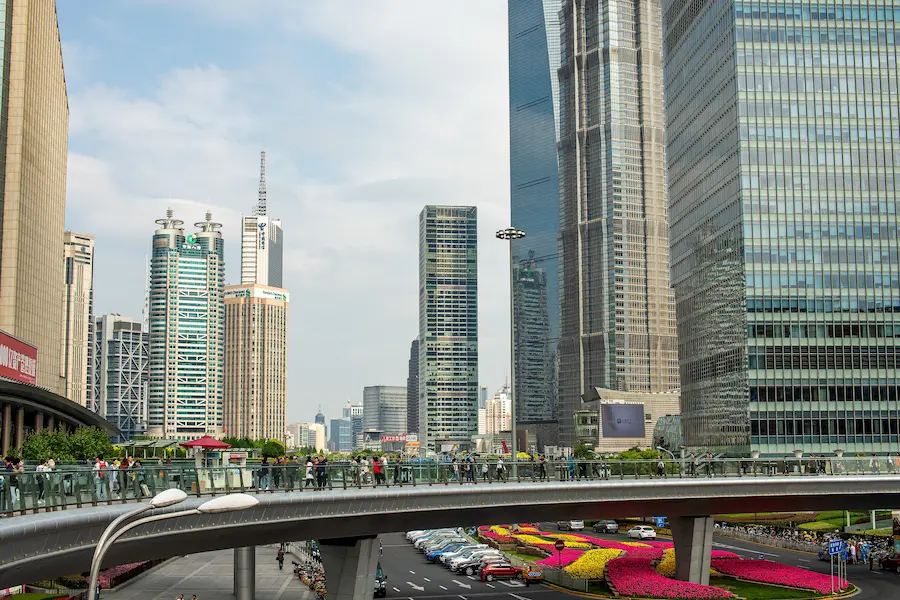
Not all Chinese cities cost the same.
In general, Beijing and Shanghai are the two cities where most families spend the most money.
Accommodation, international dining, attractions, and transportation costs tend to be higher than elsewhere in the country.
Meanwhile, cities such as Chengdu, Chongqing, Hangzhou, and Xi’an often provide much better value while still offering excellent experiences for families.
Family Cost Comparison by City per Day
| City | Family-Friendly Hotel (Per Night) | Typical Family Meal | Overall Cost Level |
|---|---|---|---|
| Shanghai | $40–$100 | $12–$20 | Higher |
| Beijing | $35–$90 | $12–$18 | Higher |
| Shenzhen | $40–$90 | $12–$20 | Higher |
| Hangzhou | $20–$50 | $8–$15 | Moderate |
| Chengdu | $25–$60 | $8–$15 | Excellent Value |
| Chongqing | $25–$60 | $8–$15 | Excellent Value |
| Xi’an | $25–$65 | $8–$15 | Excellent Value |
One thing that surprised us during our trip to China was how quickly costs dropped once we moved beyond Beijing and Shanghai.
While China’s two biggest cities are usually where families spend the most, places like Chengdu, Chongqing, Hangzhou, and Xi’an often offer better hotel value, cheaper food, and a more relaxed pace without sacrificing family-friendly attractions.
If you’re planning your first trip to China, consider combining one or two major cities with a few lower-cost destinations. We found this approach gave us a better overall experience while keeping our family travel budget under control.
The 5 Biggest Costs of a China Family Vacation
Before diving into individual categories, here’s where most families spend their money when traveling in China.
One thing that surprised us was how different the budget breakdown looked compared to destinations like Japan or Western Europe.
Flights took the biggest chunk of our budget, while transportation inside China was far cheaper than expected, thanks to the country’s incredible high-speed rail network and affordable public transportation.
Where Your China Travel Budget Usually Goes
| Expense Category | Typical Share of Budget | Our Take |
|---|---|---|
| Flights | 35–50% | Usually the biggest expense |
| Hotels | 20–30% | Easier to control by choosing the right cities |
| Attractions | 10–20% | Depends heavily on your itinerary |
| Transportation | 5–10% | Surprisingly affordable |
| Food | 5–10% | Much cheaper than expected |
| Extras & Hidden Costs | 5–10% | Easy to overlook when planning |
For our family, flights were easily the largest expense.
Once we arrived in China, we found ourselves spending far less than expected on trains, local transportation, food, and even many of the country’s most famous attractions.
That’s one reason why China felt like such a good value for families compared with many other destinations we have visited.
Flights Were Easily Our Biggest Expense
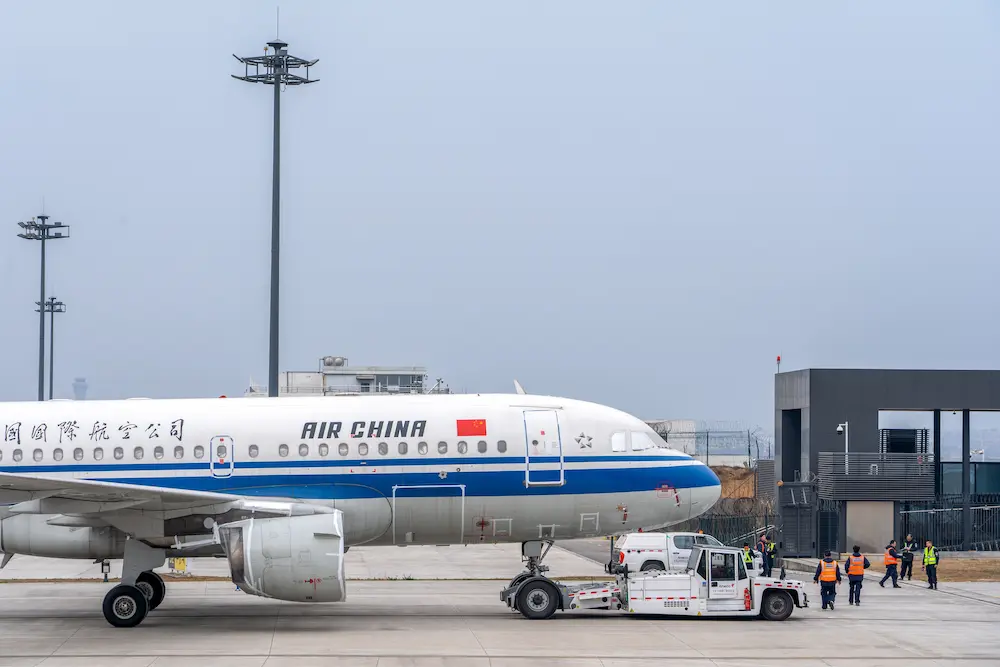
If you’re traveling to China from the United States, Canada, the UK, or Europe, flights will likely be the single biggest expense of your entire trip.
That was certainly true for us.
In fact, our international flights cost more than all of our high-speed train journeys, metro rides, and local transportation combined.
The good news? Once you’re in China, daily travel costs are often much lower than families expect.
Average Flight Costs From the USA
| Route | Typical Return Fare |
|---|---|
| West Coast (Los Angeles, San Francisco, Seattle) | $700–$1,200 per person |
| East Coast (New York, Boston, Washington DC) | $900–$1,500 per person |
| Central USA (Chicago, Dallas) | $800–$1,400 per person |
Average Flight Costs From Europe
| Route | Typical Return Fare |
|---|---|
| London | $600–$1,000 per person |
| Paris | $600–$950 per person |
| Frankfurt | $550–$900 per person |
| Amsterdam | $600–$950 per person |
Cheapest Time to Visit China
| Season | Flight Cost | Crowds | Family Verdict |
|---|---|---|---|
| Spring (Mar–May) | $600–$800 per person | Moderate | Excellent |
| Summer (Jun–Aug) | $600–$1,000 per person | High | Good but expensive |
| Autumn (Sep–Nov) | $600–$1,000 per person | Moderate | Best Overall |
| Winter (Dec–Feb)* | $500–$900 per person | Low | Good Value |
*Excluding Chinese New Year.
Our Recommendation for Families
To make your China travel comfortable and on budget, keep the dates flexible; aim for spring or autumn.
We found these seasons offer the best balance of comfortable weather, lower flight prices, and manageable crowds. Summer works well for school holidays, but you’re going to feel the intense heat and humidity, with paying noticeably more for flights and accommodation.
Hotel Costs in China for Families
One of the biggest surprises during our China trip was how much value we got from hotels.
As parents, we weren’t looking for luxury.
We cared far more about practical things such as a good location, family-friendly rooms, breakfast, metro access, and enough space for everyone to sleep comfortably.
What We Look For As Parents
Before booking any hotel in China, we usually check:
- Walking distance to a metro station
- Family rooms or extra-bed options
- Breakfast availability
- Nearby convenience stores and restaurants
- Laundry facilities or washing machines for longer stays
Typical Family Hotel Costs in China
| Hotel Type | Cost Per Night | Best For |
|---|---|---|
| Budget | $20–$50 | Families prioritizing sightseeing over hotel facilities |
| Mid-Range | $50–$120 | Most families visiting China |
| Premium | $120–$250+ | Families wanting pools, larger rooms, and international brands |
What We Paid
Most of our stays fell into the mid-range category.
We found comfortable family-friendly hotels with good metro access, clean rooms, and breakfast options without spending anywhere near what we’d expect to pay in Europe, Singapore, or Japan.
Cities Where We Found the Best Hotel Value
| Best Value | More Expensive |
|---|---|
| Chengdu | Shanghai |
| Chongqing | Beijing |
| Hangzhou | Shenzhen |
One thing we noticed quickly was that our money stretched much further in Chengdu, Chongqing, and Hangzhou than it did in Beijing or Shanghai.
If you’re trying to keep costs under control, consider spending longer in these cities while shortening your stay in China’s most expensive destinations.
Looking for a city that combines affordable hotels, easy transportation, giant pandas, and family-friendly attractions? Our Chengdu with Kids Guide explains why Chengdu became one of our favorite stops in China.
Why China’s High-Speed Trains Saved Us Money
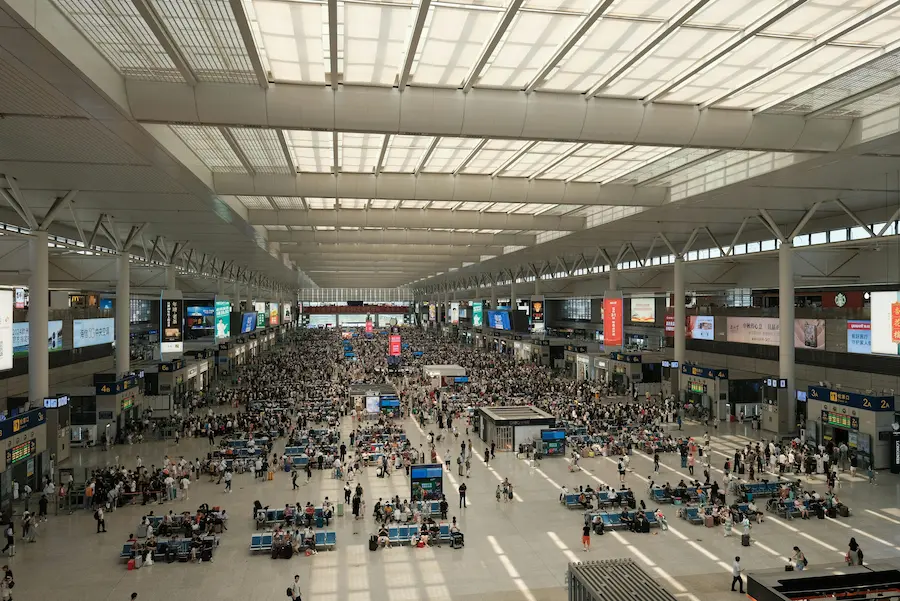
Before visiting China, we assumed we’d need several domestic flights.
Instead, China’s high-speed rail network became one of our favorite parts of the trip.
The trains were fast, comfortable, family-friendly, and often more convenient than flying.
The Train Journeys We Actually Took in China
| Route | Travel Time | Why We Chose It |
|---|---|---|
| Beijing → Tianjin | ~1 hour | Easy family-friendly day trip |
| Tianjin → Shanghai | ~4.5–5 hours | Faster and simpler than flying |
| Shanghai → Hangzhou | ~1 hour | Perfect day trip |
| Chongqing → Chengdu | ~1.5 hours | Quick and stress-free |
High-Speed Trains vs Domestic Flights in China With Kids
| High-Speed Train | Domestic Flight |
|---|---|
| City centre to city centre | Airports are often far away |
| Less security hassle | Longer airport procedures |
| Kids can move around more easily | More restrictive seating |
| Scenic journey | Limited views |
| No baggage stress | More luggage restrictions |
For families, we would choose trains again without hesitation.
If you’re planning to visit multiple cities, don’t miss our detailed China High-Speed Train Guide, where we explain exactly how to book tickets, choose seats, and travel with children.
Food Costs in China With Children
Food ended up being one of the biggest surprises of our China trip.
Before arriving, I worried that our children might struggle with unfamiliar meals and that we’d end up relying on expensive Western restaurants.
The opposite happened.
We found plenty of kid-friendly options across China, and many of them were surprisingly affordable.
What Our Kids Actually Ate in China
| Food | Kid Approval Rating |
|---|---|
| Dumplings | ⭐⭐⭐⭐⭐ |
| Fried Rice | ⭐⭐⭐⭐⭐ |
| Noodles | ⭐⭐⭐⭐ |
| Bao Buns | ⭐⭐⭐⭐ |
| Hotpot | ⭐⭐⭐ |
| Egg Fried Rice | ⭐⭐⭐⭐⭐ |
| Steamed Buns | ⭐⭐⭐⭐ |
Dumplings and fried rice became our easiest “safe foods” whenever we needed a quick meal that everyone would eat happily.
Typical Family Meal Costs
| Meal Type | Family of 4 |
|---|---|
| Street Food Snacks | $3–$10 |
| Local Restaurant | $10–$25 |
| Family Restaurant | $20–$40 |
| Western Restaurant | $40–$80+ |
What Surprised Us Most
Compared with Europe, Singapore, or even Japan, eating local food in China was excellent value.
The biggest budget mistake families can make is relying heavily on Western restaurants.
A burger, pizza, or pasta meal can easily cost three to four times more than a delicious local meal.
For families trying to keep costs under control, embracing dumplings, noodles, fried rice, and regional Chinese dishes is one of the easiest ways to save money without sacrificing quality.
Attraction Costs Across China
Attractions were our second-largest expense after flights.
The good news is that many of China’s most famous experiences are still reasonably priced compared with major attractions in Europe, North America, or Japan.
Attractions We Think Are Worth Budgeting For
| Attraction | Estimated Family Cost | Worth It? |
|---|---|---|
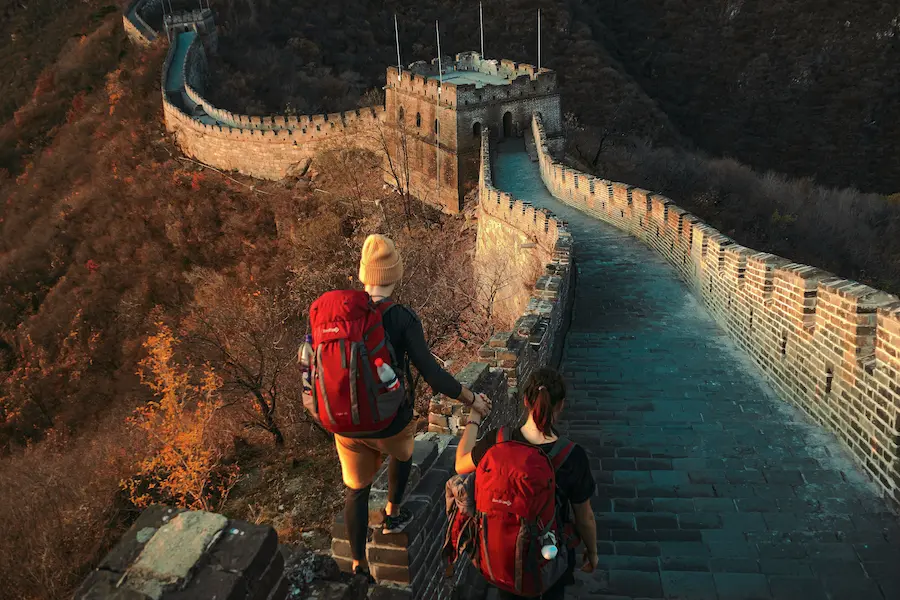
| Mutianyu Great Wall | $25–$60 | ✔✔✔ |
| Forbidden City | $10–$25 | ✔✔ |
| Temple of Heaven | $5–$15 | ✔ |
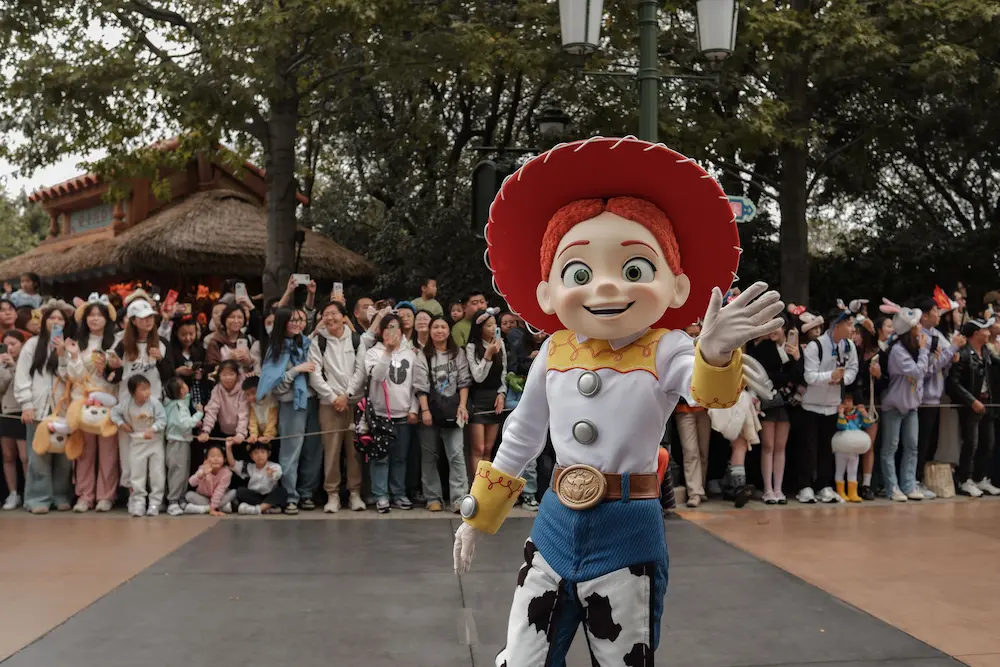
| Shanghai Disneyland | $180–$350+ | Depends on your family’s interests |
| Chengdu Panda Base | $15–$35 | ✔✔✔ |
| Zhangjiajie National Forest Park | $80–$150 | ✔✔✔ |
| Glass Bridge | $20–$40 | ✔✔ |
| West Lake (Hangzhou) | Mostly Free | ✔✔ |
Our Best Value Attraction
For our family, the Chengdu Panda Base delivered the best value for money.
It was affordable, easy to visit with children, and became one of the highlights of our entire China trip.
The Attraction That Added the Most to Our Budget
Without question, Shanghai Disneyland.
If Disney is important to your children, it’s worth planning for. If not, you can significantly reduce your China budget by skipping it.
The Great Wall and Zhangjiajie were also major highlights and experiences we would absolutely include again.
We share our full experience in Zhangjiajie with kids and the Great Wall of China with kids‘ guides, including costs, transport, and family-friendly tips.
Hidden Costs: Families that add up
Flights, hotels, and attractions are easy to budget for.
The smaller expenses are what catch most families by surprise.
These aren’t huge costs individually, but together they can add several hundred dollars to your China travel budget.
Hidden Costs We Didn’t Fully Budget For
| Hidden Cost | Typical Spend |
|---|---|
| eSIM | $10–$30 |
| Family Travel Insurance | $50–$250+ |
| Airport Transfers | $20–$80 |
| Didi Rides | $2–$10 per ride |
| Snacks & Bubble Tea | $2–$10 daily |
| Laundry | $5–$20 |
| Souvenirs | $20–$150+ |
| Diapers & Baby Supplies | Varies |
| Visa Fees (if applicable) | Up to $150+ per person |
eSIM vs VPN: The Mistake Many First-Time Visitors Make
One of the most common questions we receive is whether families should buy a VPN before visiting China.
Our recommendation is simple:
Spend your money on a good eSIM, not a VPN.
We found that a travel eSIM was the easiest and most reliable way to access Google, Gmail, WhatsApp, Instagram, Google Maps, and other services blocked by China’s internet restrictions.
An eSIM also allowed us to use essential travel apps such as:
- Alipay
- Trip.com
- Translation apps
- Google services
Many VPNs work initially but can become unreliable after a few days because China’s internet firewall is really strong.
A good eSIM was far less stressful and required almost no technical setup.
If you’re unsure how payments work in China, don’t miss our detailed guide on Alipay and WeChat Pay for Foreigners. These two apps became essential during our trip.
The Cost That Surprised Us Most
Honestly? Snacks, drinks, convenience-store stops, and small souvenirs.
Individually, everything felt inexpensive.
But when you’re buying extra water, bubble tea, ice cream, fruit, and small gifts every day for children, those little purchases add up surprisingly quickly.
Our advice is to set aside a small “family extras” budget before you leave.
Even $5–$10 per day can make a big difference over a two-week trip.
Is China Cheaper Than Japan for Families?
Many families researching Asia eventually narrow their options down to two incredible destinations: China and Japan.
We’ve now traveled extensively in both countries with children, and one question comes up repeatedly:
Which destination offers better value for families?
While both are excellent family destinations, we found China noticeably cheaper in several important categories.
China vs Japan Family Travel Costs
| Category | China | Japan |
|---|---|---|
| Hotels | Lower | Higher |
| Food | Lower | Higher |
| Public Transport | Lower | Higher |
| High-Speed Trains | Lower | Much Higher |
| Attractions | Similar | Similar |
| Family Budget (10 Days) | $3,500–$8,000 | $5,000–$10,000+ |
Which Destination Gives Better Value: China or Japan?
Japan is often easier for first-time visitors and offers an incredibly polished travel experience.
However, for families looking to stretch their budget further, we found China offered better value overall.
The difference was especially noticeable when booking hotels, using high-speed trains, and eating local food.
That doesn’t mean China is “cheap.” Rather, it delivers an impressive amount of comfort, convenience, and family-friendly experiences for the money you spend.
If you’re considering both destinations, check out our detailed Japan Trip Cost for Families guide for a side-by-side comparison.
Sample China Family Budgets
Every family travels differently, but these examples should help you estimate a realistic budget before booking your trip.
Budget Family of 4 (10 Days)
Best for families who use public transport, stay in budget-friendly hotels, and focus on free or low-cost attractions.
| Expense | Estimated Cost |
|---|---|
| Flights | $1,600–$2,800 |
| Hotels | $300–$500 |
| Transport | $100–$250 |
| Food | $150–$300 |
| Attractions | $100–$250 |
| Extras | $100–$200 |
| Total | $2,500–$4,500 |
Mid-Range Family of 4 (10 Days)
Best for most US, UK, Canadian, and European families.
| Expense | Estimated Cost |
|---|---|
| Flights | $2,500–$4,000 |
| Hotels | $600–$1,200 |
| Transport | $250–$500 |
| Food | $300–$600 |
| Attractions | $250–$600 |
| Extras | $200–$400 |
| Total | $4,500–$7,500 |
Comfortable Family of 4 (10 Days)
Best for families wanting larger rooms, premium hotels, private transfers, and major attractions.
| Expense | Estimated Cost |
|---|---|
| Flights | $3,500–$6,000 |
| Hotels | $1,500–$3,000 |
| Transport | $400–$800 |
| Food | $600–$1,000 |
| Attractions | $500–$1,000 |
| Extras | $300–$700 |
| Total | $7,000–$12,000+ |
Typical Two-Week China Family Budget
For most families following a route similar to ours—Beijing, Shanghai, Hangzhou, Chongqing, Chengdu, and Zhangjiajie—a realistic two-week budget is:
Budget Family: $4,000–$6,000
Mid-Range Family: $6,000–$9,000
Comfortable Family: $9,000–$14,000+
11 Ways We Saved Money Traveling in China With Kids
Looking back, several things helped us keep our China budget under control without sacrificing experiences.
- Used high-speed trains instead of domestic flights whenever possible.
- Stayed near metro stations to reduce taxi costs.
- Chose family rooms instead of booking two separate hotel rooms.
- Ate local breakfasts instead of expensive hotel buffets.
- Used Alipay for transport, payments, and tickets.
- Visited Hangzhou as a day trip rather than changing hotels.
- Booked major attractions in advance.
- Traveled outside the Chinese New Year and Golden Week.
- Mixed expensive cities with budget-friendly cities like Chengdu and Chongqing.
- Used an eSIM instead of paying for an unreliable VPN.
- Left room in our budget for snacks, bubble tea, and small surprises for the kids.
Is China Worth the Cost for Families?
Before our first trip, China felt like a bit of an unknown.
We worried about the language barrier, transportation, food, digital payments, and whether traveling such a large country with two children would feel overwhelming.
What we discovered was something completely different.
China turned out to be one of the easiest countries we’ve traveled through in Asia once we understood how things worked.
The trains were efficient, the cities were surprisingly family-friendly, the food was affordable, and attractions like the Great Wall, Chengdu Panda Base, Shanghai Disneyland, and Zhangjiajie gave us some of our most memorable family travel experiences.
Most importantly, we felt that China delivered excellent value for money.
While flights were our biggest expense, many of the costs that usually add up on family trips—local transportation, food, accommodation, and sightseeing—were often much lower than we expected.
If you’re considering China for your next big family adventure, our advice is simple:
Don’t let the budget question stop you.
With the right itinerary, a mix of major cities and lower-cost destinations, and a little planning before you go, China can be one of the most rewarding family trips you’ll ever take.
And if you’re anything like us, you’ll probably leave already planning which part of China to explore next.
Still Choosing Your Destination?
Every family travels differently.
If you’re comparing China with Japan, Vietnam, Thailand, Bali, or Singapore, our Asia travel budget guide for families can help you understand which destination offers the best value for your travel style and budget.
FAQ China Trip Cost
2. How much does a trip to China cost from the USA?
Most American families should budget approximately $5,000–$9,000 for a 10–14-day China trip.
The biggest variable is airfare. Flights from the West Coast are usually cheaper than flights from the East Coast, especially when booked several months in advance.
3. Is China cheaper than Japan?
Yes, China is generally cheaper than Japan for families and independent travelers. Hotels, local food, public transportation, and high-speed trains usually cost less in China, while attraction prices are often similar. Many families find that their travel budget stretches significantly further in China than in Japan.
4. How much spending money do I need for China?
After flights and accommodation are paid for, many families find that $50–$150 per day is enough for meals, local transportation, snacks, and smaller attractions.
Families that eat mostly local food will usually spend much less than those relying on international restaurants.
5. Is it hard for a US citizen to visit China?
Not as much as many of you expect; China offers a tourist visa to American citizens; also, check their official website for more information.
The biggest challenges are usually setting up digital payments, understanding internet access, and planning transportation before arrival.
Once these basics were sorted, we found China surprisingly easy to travel in with children thanks to its modern infrastructure, excellent train network, and family-friendly attractions.
6. Is $1,000 enough for a week in China?
For many travelers, yes.
A budget-conscious family can comfortably spend a week in China on around $1,000–$1,500 after flights, especially if staying in mid-range hotels, using public transportation, and eating local food.
The answer depends largely on your itinerary and accommodation choices.
7. How much does a trip to China cost per person?
A trip to China typically costs $1,500–$4,500 per person for a 10–14 day vacation, depending on flights, hotels, and travel style. Budget travelers can spend less, while those staying in premium hotels or visiting major attractions may spend significantly more. Families often benefit from shared accommodation and transportation costs.
Is China expensive to visit?
No, China offers excellent value for money compared with destinations such as Japan, Singapore, and many European countries. While flights can be expensive, accommodation, food, local transportation, and high-speed trains are often surprisingly affordable, making China a cost-effective destination for families and first-time visitors.
Planning more family adventures in Asia? Compare our guides to:

FOUNDER • FAMILY TRAVEL WRITER • MUM OF TWO
About the Author
Hi, I’m Shivani, the founder of Roaming Crew.
Based in Singapore and having lived in different parts of Asia—including two years in India—I’ve explored 18+ destinations across the region, with 12+ of those journeys taken alongside my young kids.
From choosing family-friendly destinations and navigating local transport to budgeting, accommodation, and practical travel logistics, Roaming Crew is created with a parent-first mindset.