
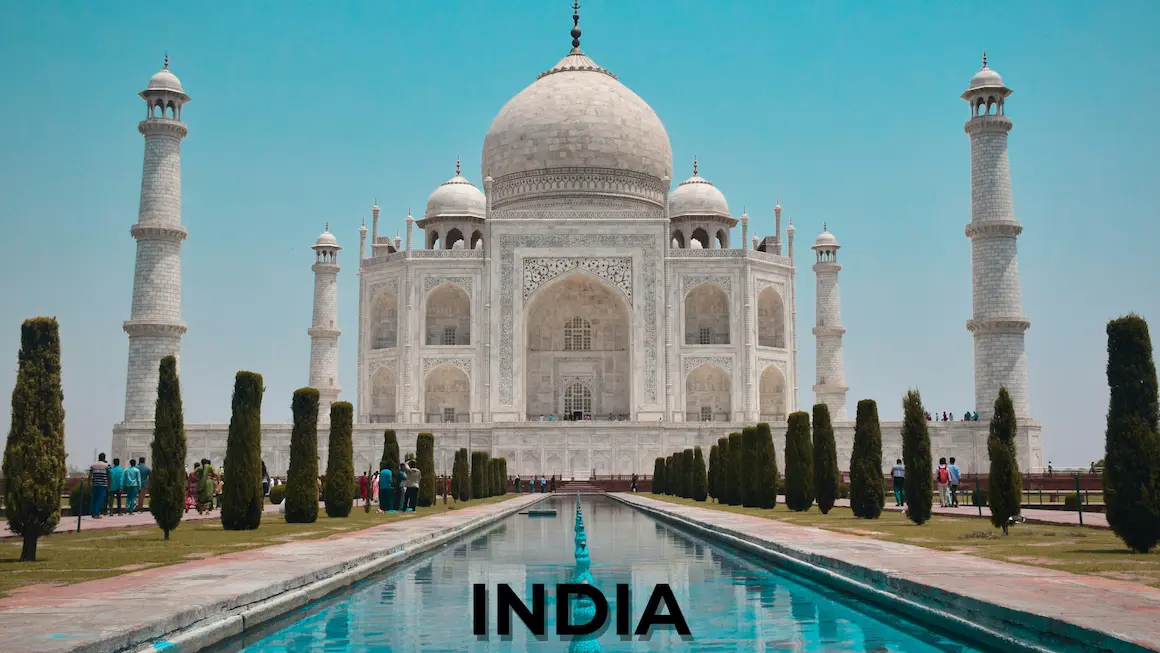
Planning a family trip to India can feel equal parts exciting and intimidating.
You’ve probably seen the incredible photos of the Taj Mahal, colorful festivals, and beautiful beaches—but you’ve also heard stories about crowded streets, food safety, culture shock, and the question almost every parent asks:
“Will India actually be a good destination for my family?”
We asked ourselves the same thing before our first journey.
But after living in India for two years and exploring the country with our young kids, we discovered that India isn’t just one destination—it’s a collection of completely different experiences.
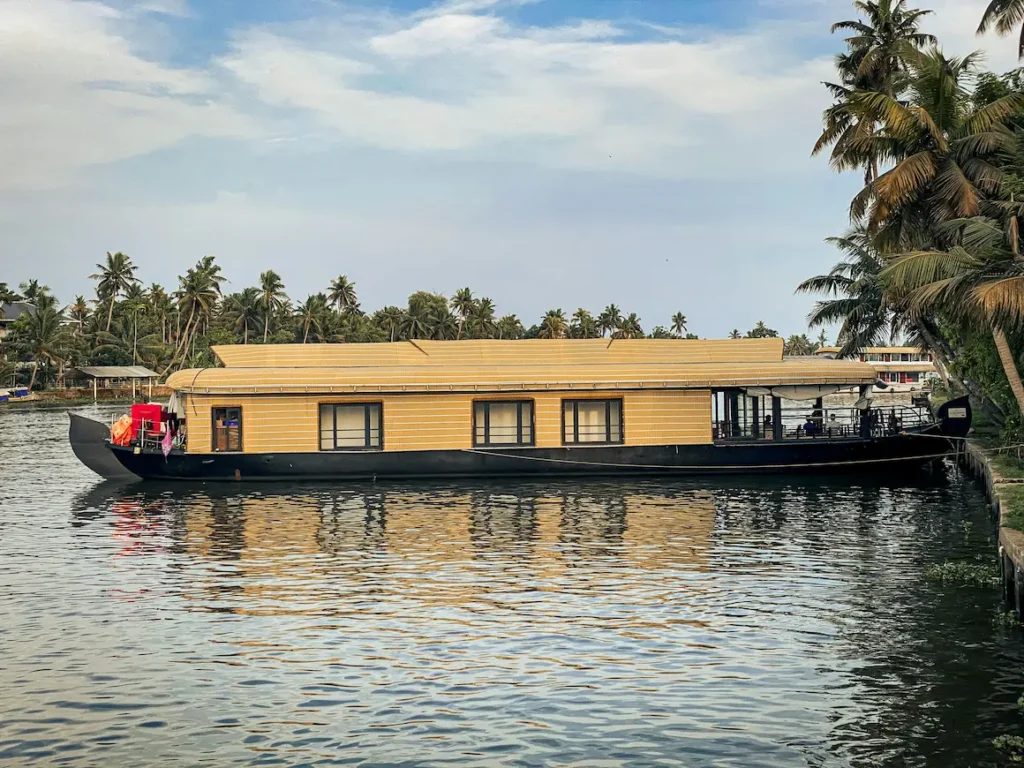
A peaceful houseboat in Kerala feels worlds away from the bustling streets of Delhi, and relaxing on the beaches of the Andaman Islands is nothing like exploring Rajasthan’s ancient forts.
That’s why planning your first trip matters.
Choose the right places, travel at a slower pace, and India becomes one of the most rewarding family destinations you’ll ever experience.
In this guide, we’ll share everything we’ve learned from living, traveling, and raising young children in India—from choosing the best region for your family’s travel style to practical advice on safety, transport, food, accommodation, budgeting, and the little cultural surprises no one tells you about before you arrive.
Whether you’re dreaming of watching the sunrise over the Taj Mahal, cruising Kerala’s backwaters, relaxing on Goa’s beaches, or introducing your children to one of the world’s most fascinating cultures, this guide will help you plan your first India trip with confidence.
👉 If safety, hygiene, or “Will my kids be okay?” is your biggest concern, we’ve covered everything in our detailed India Safety Guide for Families.
Let’s help you discover the India that families fall in love with—not just the one you’ve seen on social media.
Is India Safe for Families? Here’s What We Honestly Think
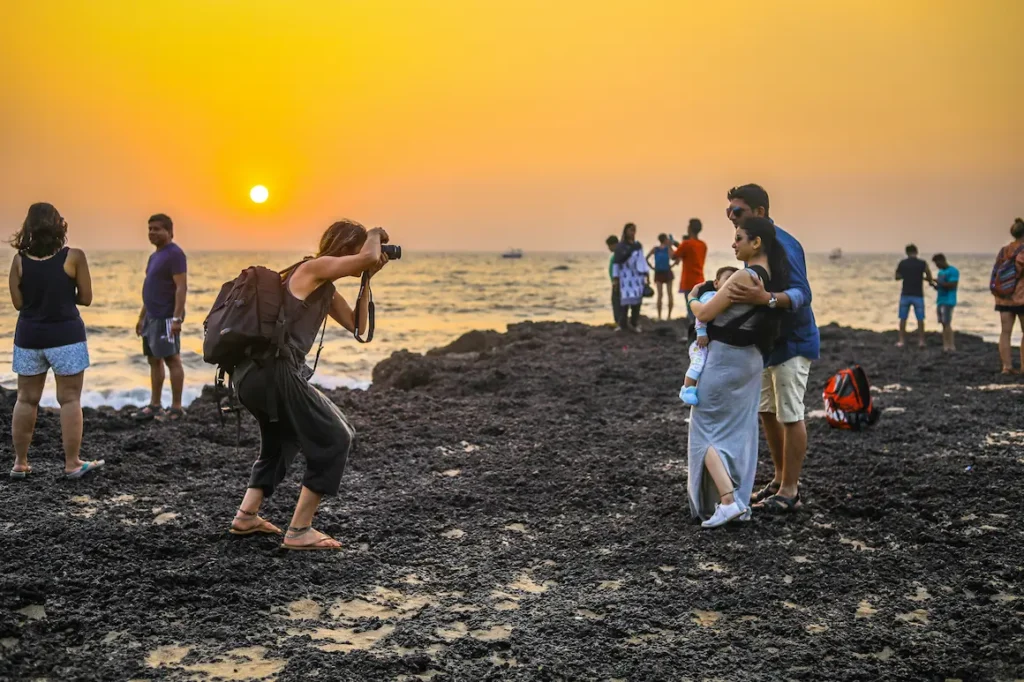
Planning a family trip to India often starts with one big question:
“Is India actually safe to visit with kids?”
After living in India for two years, our answer is yes—but only if you plan your trip wisely.
India isn’t a destination we would describe as “easy.” The busy streets, unfamiliar traffic, different hygiene standards, and sheer size of the country can feel overwhelming during your first couple of days—especially if you’re arriving from the US, UK, or Europe.
But here’s something many first-time visitors don’t realize:
India isn’t the same everywhere.
A relaxed family holiday in Kerala’s backwaters or Goa’s beach towns feels completely different from navigating the busy streets of Delhi or Mumbai.
That’s why choosing the right region is one of the most important decisions you’ll make.
During our time living in India, we found that families who slowed down, stayed longer in fewer places, and mixed cultural sightseeing with nature or beach destinations almost always had a much more enjoyable experience.
With sensible precautions—drinking filtered water, choosing family-friendly accommodation, using trusted transport, and planning realistic travel days—India becomes a destination that thousands of families enjoy every year.
In fact, many parents tell us their biggest surprise wasn’t that India felt difficult—it was how welcoming people were towards children and how quickly their family settled into the rhythm of everyday life.
👉 Want the full picture?
Our detailed India Safety Guide for Families covers everything from food and water safety to transport, scams, hospitals, vaccinations, and practical tips for traveling confidently with kids.
When Is the Best Time to Visit India with Kids?

For most families, October to March is the best time to visit India with kids.
The weather is cooler, drier, and much more comfortable for sightseeing, wildlife, and outdoor adventures. Whether you’re planning to explore Rajasthan’s forts, watch the sunrise at the Taj Mahal, cruise Kerala’s backwaters, relax on Goa’s beaches, or experience the magical white salt desert of the Rann of Kutch, these months offer the best conditions across much of the country.
After living in India, we found that the cooler winter months also make long sightseeing days much easier for kids. Instead of worrying about extreme heat or afternoon thunderstorms, you can spend more time enjoying the experience together.
Planning Around School Holidays
If you’re visiting from the UK, the US, or Europe, your school holidays actually line up with some of India’s best travel seasons.
October Half-Term (UK)
This is one of our favorite times to visit India.
The weather begins cooling after the monsoon, tourist crowds are still manageable, and destinations like Rajasthan, Delhi, Agra, Kerala, and Goa become much more enjoyable for families.
It’s also the season of colorful festivals, giving children a chance to experience India at its most vibrant.
Christmas & New Year Holidays
If you’re planning a two-week family holiday over Christmas, we’d actually recommend a different approach than many first-time visitors.
Instead of spending your entire trip moving between busy North Indian cities, consider combining culture with relaxation.
For example:
- Spend a few days exploring Delhi and Agra, then fly south to Kerala or Goa for beaches, nature, and slower-paced family time.
- Or skip North India altogether and enjoy a relaxing South India itinerary through Kerala, Goa, or Pondicherry, where Christmas is widely celebrated, and the festive atmosphere is warm, family-friendly, and surprisingly magical.
One of our favorite things about celebrating Christmas in South India is that you still get festive decorations, lights, Christmas markets, and special meals—but with palm trees, sunshine, and beaches instead of winter coats.
For families wanting a true tropical holiday, the Andaman & Nicobar Islands are another fantastic choice, with crystal-clear water, calm beaches, snorkeling, and some of India’s most beautiful island scenery.
Summer Holidays (June–August)
Summer brings very different conditions across India.
Most of the country becomes extremely hot, while much of South India experiences the monsoon.
If you’re traveling during the long summer school break, we’d suggest choosing destinations that naturally suit the season.
Some of our favorites include:
- Ladakh for spectacular mountain scenery.
- Shimla, Manali, and Dharamshala for cooler temperatures.
- Parts of Rajasthan that remain relatively dry later in the season.
Just be prepared for occasional rain delays if you’re visiting Kerala or Goa during the monsoon.
June is also the peak summer holiday season for Indian families. Popular hill stations like Shimla, Manali, Dharamshala, Mussoorie, and Nainital become especially busy, with heavier traffic, longer restaurant waits, and hotels booking up well in advance.
If you’re visiting during this period, reserve your accommodation early and expect a livelier atmosphere than during the rest of the year.
Our Advice for First-Time Families
One of the biggest lessons we learned while living in India is that the best time to visit isn’t just about the weather—it’s about choosing the right region for that season.
Many families try to plan one itinerary that covers the entire country, but India is simply too diverse for that.
Instead, choose one region, travel more slowly, and let the season guide your itinerary. Your family will spend less time in airports and on long drives—and much more time actually enjoying India.
Do You Need a Visa for India with Kids?
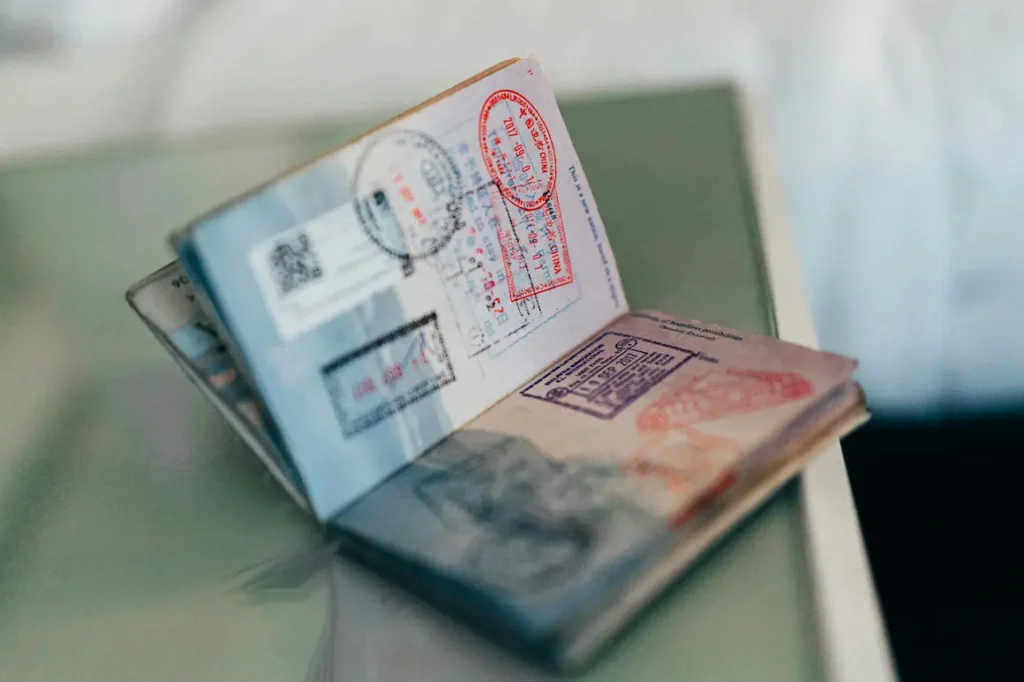
Yes—every traveler, including babies and children, needs a valid visa to enter India.
The good news? This is usually one of the easiest parts of planning your trip.
Most families can apply for an Indian e-Visa online before they travel, without visiting an embassy. Once approved, your visa is sent by email, making the process straightforward and family-friendly.
Here’s what you’ll need:
- A separate visa application for every family member, including children.
- A passport that’s valid for at least six months beyond your arrival date.
- A recent passport-style photo and passport details for each traveler.
- A printed or digital copy of your approved e-Visa to present when requested.
From our experience, applying for the visa was far less complicated than planning the itinerary itself.
👉 Our tip: Apply at least 2–3 weeks before departure. Although approvals are often much quicker, applying early gives you extra time if additional information is requested.
Entry Requirements for India (Including the New e-Arrival Card)
Once your visa is approved, there are just a few more things to prepare before your flight.
Before traveling, make sure you have:
- A passport with at least six months’ validity.
- Your approved e-Visa.
- Your return or onward travel details (these may be requested by immigration officers).
- Your accommodation details for your first stay in India.
Since April 2026, foreign travelers are also required to complete India’s digital e-Arrival Card before arriving. This online form replaces the old paper arrival card and should be submitted within 72 hours before your flight.
Once completed, you’ll receive a QR code or confirmation that helps speed up immigration at major airports.
In our experience, immigration at India’s major international airports is generally well organized. If you’ve completed your e-Arrival Card in advance and have your documents ready, the process is usually quick and straightforward.
For families traveling with children, it’s much less stressful than many first-time visitors expect.
How Much Does a Family Trip to India Cost?
One of the biggest surprises for many first-time visitors is how much value you get for your money in India.
Compared with family holidays in much of Europe or even Southeast Asia, your travel budget can often stretch much further—allowing you to stay in better hotels, hire private drivers for long journeys, or enjoy memorable experiences without dramatically increasing your overall costs.
That said, India isn’t a “budget-only” destination. You can travel comfortably on a mid-range budget or enjoy incredible luxury at prices that are often much lower than in many Western countries.
From our experience, the biggest difference isn’t spending less—it’s spending smarter.
Choosing a comfortable hotel with a swimming pool after a busy sightseeing day, booking a private driver instead of navigating crowded transport with young children, or taking a short domestic flight instead of an overnight train can make your family trip far more enjoyable.
Those small upgrades often cost much less than parents expect and can significantly reduce stress while traveling with kids.
In general:
- Mid-range travel offers outstanding value, with comfortable family-friendly hotels, reliable transport, and excellent restaurants with complimentary breakfast options at reasonable prices.
- Luxury travel is far more affordable than in many Western destinations, making five-star stays and unique experiences surprisingly accessible.
- Budget travel is possible, but families with young children often appreciate spending a little more for extra comfort, convenience, and flexibility.
One thing we learned while living in India is that comfort isn’t a luxury—it’s often what makes a family trip feel relaxing rather than exhausting.
If you’re planning your budget, we’ve broken down the real cost of traveling around India as a family, including accommodation, transport, food, attractions, and the hidden expenses many first-time visitors don’t think about.
👉 Read our complete India Family Trip Cost Guide for a detailed budget breakdown, or compare India with other destinations in our Asia Family Trip Cost Guide to see how it stacks up against Japan, Vietnam, Thailand, and more.
Staying Healthy & Safe in India with Kids (Quick Tips)
For most of us, health and hygiene are just as big a concern as safety—and that’s completely understandable.
The good news is that most families have a smooth trip in India simply by taking a few sensible precautions. During the two years we lived in India, we found that a little preparation made a much bigger difference than worrying about every possible scenario.
Here are the simple habits we always recommend:
✔ Drink bottled or filtered water and introduce street food gradually, especially during your first few days.
✔ Choose family-friendly accommodation with good reviews, and arrange reliable transport whenever possible.
✔ Pack a small family health kit with children’s medicines, hand sanitizer, wet wipes, sunscreen, and insect repellent—you’ll probably use them more than anything else.
✔ Plan slower travel days. One of the biggest mistakes first-time visitors make is trying to see too much. Extra rest, shorter journeys, and pool breaks often make the difference between an exhausting trip and a memorable family holiday.
✔ Don’t underestimate India’s hospitality. We were continually surprised by how welcoming people were towards children. Locals often went out of their way to help families, making everyday travel feel much easier than we’d expected.
✔ Don’t panic if someone gets sick. One thing that surprised us while living in India was the quality of private healthcare. With good travel insurance, private hospitals are often clean, modern, and highly efficient, so even if your child develops a fever or needs medical attention, you’ll usually be seen quickly and receive excellent care.
The biggest lesson we learned is this: India rewards families who travel slowly, stay flexible, and prepare well—not those who try to see everything in one trip.
👉 Want more detailed advice?
Our complete India Safety Guide for Families covers food and water safety, vaccinations, hospitals, common scams, transport, crowds, and everything else parents should know before visiting India.
Where to Go in India with Kids (How to Plan Your First Trip)

One of the biggest mistakes first-time visitors make is trying to experience all of India in one holiday.
The truth is, India isn’t one destination—it’s a collection of completely different regions, cultures, landscapes, and travel experiences.
A family holiday in Kerala feels nothing like exploring Rajasthan’s royal forts. A relaxing week on the beaches of Goa is a completely different experience from wandering through the bustling streets of Old Delhi.
That’s why the most important decision isn’t where to go—it’s what kind of family holiday you want.
Instead of asking,
“What’s the best place to visit in India?”
Ask yourself,
“What would my family enjoy most?”
Start with One Region, Not the Whole Country
India is enormous.
Trying to combine Delhi, Rajasthan, Kerala, Goa, and the Himalayas into one two-week itinerary usually means spending more time in airports, trains, and cars than actually enjoying your holiday.
For most first-time families, we’d recommend keeping things simple:
✔ Pick one region.
✔ Stay longer in fewer places.
✔ Leave time for unexpected discoveries—and for afternoons by the pool.
Traveling more slowly gives children time to adjust, reduces travel fatigue, and lets everyone enjoy the journey instead of rushing from one attraction to the next.
Which Part of India Is Right for Your Family?
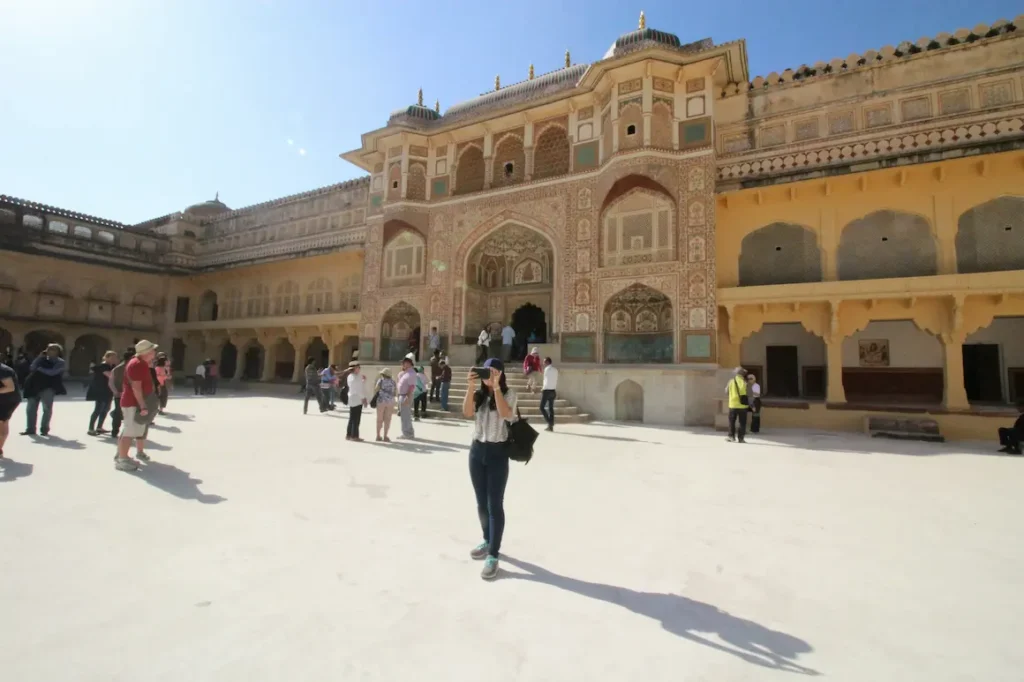
Rather than choosing destinations first, think about the type of holiday your family enjoys.
❤️ Choose North India if your family loves…
- Iconic landmarks like the Taj Mahal.
- Magnificent forts and palaces.
- Rich history and colorful culture.
- Bustling markets and unforgettable sightseeing.
Perfect for: older children, first-time visitors dreaming of India’s famous landmarks, and families who enjoy active sightseeing.
If the Taj Mahal is on your bucket list, start with our detailed Agra with Kids Guide, where we share the best family-friendly itinerary, practical tips, and everything you need to plan your visit.
🌴 Choose South India if your family prefers…
- Beaches and relaxed coastal towns.
- Wildlife and nature.
- Backwaters, tea plantations, and tropical scenery.
- Slower travel with fewer long road journeys.
Perfect for: families with toddlers, younger children, or anyone looking for a more relaxed introduction to India.
Many parents are surprised to discover that destinations like Kerala, Goa, Pondicherry, and even the Andaman Islands often feel much easier to navigate than India’s busiest northern cities.
Once you’ve decided that India is the right destination for your family, the next question is how to put the pieces together. See how we’d plan 7, 10, or 14 days in India with kids.
Still Not Sure? Here’s What We’d Recommend
If this is your first trip to India, here’s what usually works best.
Choose Kerala if you want…
- Your first introduction to India.
- Houseboats and wildlife.
- Nature instead of crowds.
- A slower-paced family adventure.
Read our Kerala with Kids Guide for the best places to visit, family-friendly houseboats, beaches, and suggested itineraries.
Choose Goa if you want…
- Beautiful beaches.
- Family-friendly resorts.
- Relaxed cafés and Portuguese heritage.
- A holiday that combines sightseeing with downtime.
Choose Rajasthan if you want…
- Castles, forts, and royal palaces.
- Camels and desert adventures.
- Incredible history and storytelling.
- The classic “India” experience.
Choose the Andaman Islands if you want…
- Crystal-clear water.
- White-sand beaches.
- Snorkeling and island adventures.
- One of India’s most relaxing family holidays.
Choose Pondicherry if you want…
- A unique blend of Indian and French culture.
- Walkable streets and seaside cafés.
- A quieter coastal escape that’s unlike anywhere else in India.
One Tip That Can Completely Change Your Trip
Your arrival city shapes your first impression of India.
If your itinerary focuses on South India, consider flying directly into Kochi or Chennai or Bengaluru instead of beginning in Delhi.
Likewise, if Rajasthan and the Golden Triangle are at the top of your list, starting in Delhi makes perfect sense.
Choosing an arrival airport close to the region you want to explore means less time traveling and more time enjoying your holiday.
👉 Ready to choose your itinerary?
Explore our detailed guide to the best places to visit in India with kids, including recommended 7-day, 10-day, and 14-day family itineraries to help you build the perfect first trip.
What to Pack for India with Kids (Real Family Essentials)
Packing for India with kids isn’t about carrying more — it’s about carrying the right things.
The first few days in India can feel very different from home. Packing a few well-chosen essentials helped us spend less time solving problems—and more time enjoying the trip.
Here’s what actually helped us on the ground:
Baby Carrier vs Stroller (What Works Better in India?)
If you’re traveling with a toddler, this is one decision that really matters.
If you’re debating whether to pack a stroller, here’s what we’d recommend after traveling around India with young children.
Sidewalks can be uneven, streets crowded, and many places (like forts, markets, or temples) aren’t stroller-friendly.
A baby carrier or lightweight backpack worked much better for us:
- Easier to move through crowds
- Keeps your child close and safe
- Frees up your hands completely
For most parts of India, especially busy cities, a carrier is far more practical than a stroller.
What to Wear in India (For Comfort + Cultural Ease)
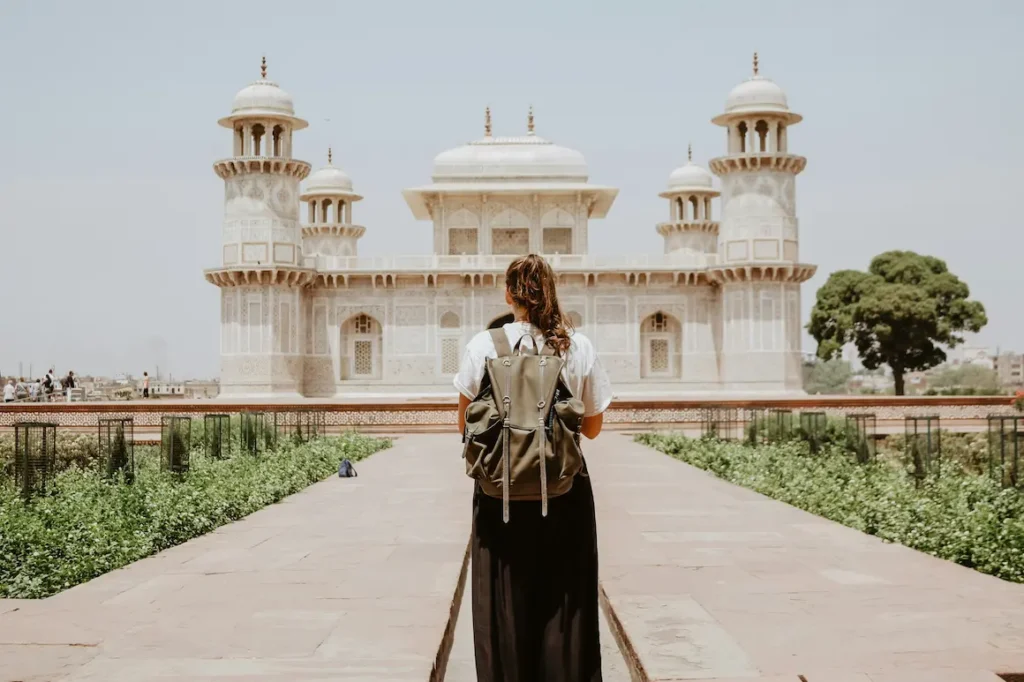
Clothing in India is less about fashion and more about comfort and cultural awareness.
For parents:
- Light cotton or linen clothes work best in the heat
- Covering shoulders and knees is recommended in most places
- A light scarf or cover-up is surprisingly useful (especially for temples)
You’ll also feel more comfortable visiting temples, villages, and smaller towns where modest clothing is appreciated.
For kids:
- Comfortable, breathable clothes
- Easy slip-on shoes (you’ll remove them often at temples)
We found that dressing modestly not only felt respectful—it also helped avoid unnecessary attention in crowded places.
Health & Comfort Essentials to Carry

You don’t need a full medical kit—but a few basics made our trip much easier:
- Electrolytes or ORS for quick hydration
- Basic kids’ medicines (fever, allergies, motion sickness)
- Hand sanitizer, wipes, and tissues (you’ll use these constantly)
- Mosquito repellent for evenings
Pharmacies are easy to find in most towns and cities, but having the basics with you means you won’t have to search for medicine when your child isn’t feeling well.
Snacks & Small Comfort Items for Kids
Food can take a few days to adjust to, especially for younger kids.
What helped us:
- Carrying familiar snacks for the first few days
- Keeping a few comfort foods for long travel days
- Bringing protein bars or easy protein options, as India is largely vegetarian, and non-vegetarian food isn’t always easily available everywhere.
- Having small toys or activities for downtime
These small things helped avoid meltdowns during long drives, delays, or busy sightseeing days.
Useful Tech & Travel Essentials
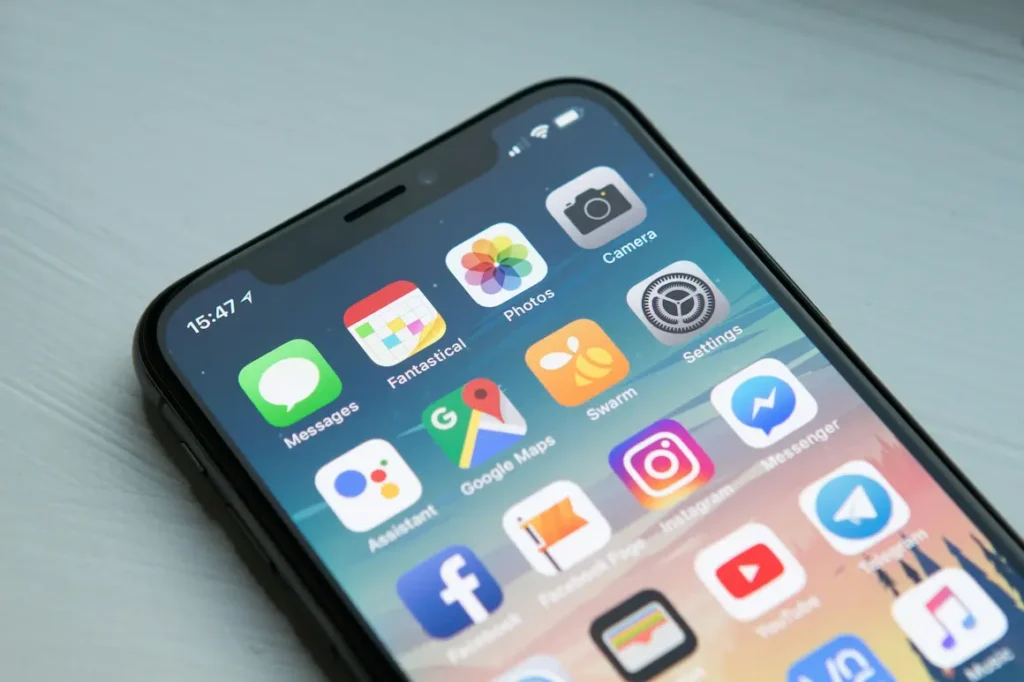
A few simple tools made traveling in India much easier for us:
- Power bank (very useful during long travel days)
- Universal adapter (India uses round-pin plugs)
- Local SIM or eSIM for internet access
- Downloaded Google Maps and entertainment for kids
Offline Google Maps are surprisingly helpful in areas with weaker mobile coverage. Staying connected and prepared made everything — from booking rides to finding food — much smoother.
Small Things That Made a Big Difference
Some of the most useful things we packed were also the simplest:
- Extra socks (great for temples and hot surfaces)
- Reusable water bottles (filled with safe water)
- Lightweight day bag for daily essentials
These are the little things that make your day easier when everything else feels new.
Cultural Realities No One Tells You About India (With Kids)
No matter how much research you do, there are a few things about India that only make sense once you’re there. These aren’t problems—they’re simply cultural differences that become much easier to understand once you know what to expect.
1. Why Your Kids Might Become “Mini Celebrities”

One thing that completely caught us off guard?
The attention our kids got.
In many places, especially outside big cities, it’s very common for people to smile at your children, wave, or even politely ask for a photo.
At first, it felt a little strange—we weren’t expecting it at all.
But we quickly realized it comes from curiosity, not anything negative.
That said, it can feel overwhelming on busy days.
What worked for us:
- Smiling and allowing it when the kids were comfortable
- Saying a polite but firm “No, thank you” when it felt too much
- Moving on quickly instead of engaging for too long
You’re always in control—and it’s completely okay to set boundaries.
Once we understood this, it became less stressful and even a little heartwarming at times.
2. The Art of Slow Travel (This Changed Everything for Us)
If there’s one thing we’d do the same again, it’s this:
Slow down.
India is not a place where you want to rush from one city to another, especially with kids.
On our early trips, we tried to fit too much in… and it showed.
Tired kids, rushed days, and honestly, less enjoyment.
What worked much better:
👉 Staying at least 3–4 nights in one place
👉 Keeping only 1–2 activities per day
👉 Leaving space for rest, pool time, or just doing nothing
Once we slowed down, everything changed.
The kids were happier, we felt more relaxed, and we actually started enjoying India instead of just moving through it.
It’s not about how much you see—it’s about how your family experiences it.
Planning your first family trip to India can feel like a big step—but it doesn’t have to feel overwhelming.
Choose the right region, travel at a pace that suits your family, and leave room for unexpected moments. Those are often the memories your children will talk about long after the holiday ends.
India won’t always be the easiest destination you’ve ever visited.
But it may well become one of the most rewarding.
From watching the sunrise over the Taj Mahal to drifting through Kerala’s backwaters, spotting elephants, celebrating colorful festivals, or simply sharing a meal with welcoming locals, India has a way of creating family memories that last a lifetime.
We hope this guide helps you plan your first trip with confidence—and discover the side of India that makes so many families want to come back again.
Ready to start planning?
Here are a few guides to help you take the next step:
🌴 New to India? Start with our Kerala with Kids Guide for a relaxed, family-friendly introduction.
🏰 Dreaming of the Taj Mahal? Plan your visit with our detailed Agra with Kids Guide.
🗺️ Still deciding where to go? Explore our guide to the Best Places to Visit in India with Kids to find the itinerary that matches your family’s travel style.
Not sure how many places you can realistically fit into one family trip? Our India family itinerary breaks down realistic 7-, 10-, and 14-day routes.
💬 Have a question? Leave a comment below—we’re always happy to help fellow parents plan their first India adventure with more confidence.

FOUNDER • FAMILY TRAVEL WRITER • MUM OF TWO
About the Author
Hi, I’m Shivani, the founder of Roaming Crew.
Based in Singapore and having lived in different parts of Asia—including two years in India—I’ve explored 18+ destinations across the region, with 12+ of those journeys taken alongside my young kids.
From choosing family-friendly destinations and navigating local transport to budgeting, accommodation, and practical travel logistics, Roaming Crew is created with a parent-first mindset.