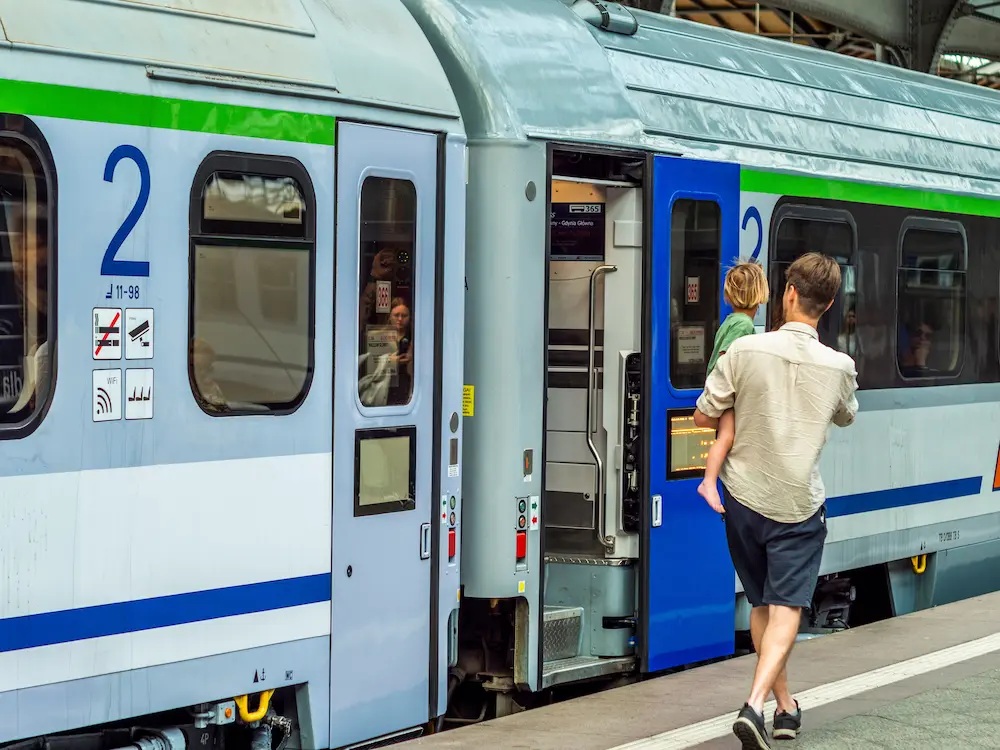
Planning a family trip to Vietnam and wondering whether train travel is worth it?
For many families, the answer is yes. Vietnam’s trains are one of the most affordable, scenic, and family-friendly ways to travel between destinations.
Routes like Hanoi to Sapa and Hanoi to Da Nang can turn a simple journey into one of the highlights of your trip, allowing children to watch rice fields, mountains, and coastal landscapes roll past the window while avoiding the hassle of airport security and baggage checks.
Vietnam train travel with kids works best for families who want a slower, more memorable travel experience and plan to visit multiple destinations. However, it isn’t always the right choice. On some routes, a short domestic flight can save valuable vacation time, especially if you’re traveling with toddlers or have a tight itinerary.
In this guide, we’ll help you decide whether train travel is right for your family, compare Vietnam’s best train routes, explain sleeper cabin options, share child ticket rules, and help you choose when to take the train and when to fly.
Quick Answer
Vietnam train travel is best for:
- Families with children aged 5+
- Parents who enjoy scenic journeys
- Multi-destination Vietnam itineraries
- Families wanting to experience an overnight sleeper train.
Flying is usually better for:
- Families with limited vacation time
- Long-distance routes where speed matters most
- Travelers with mobility concerns
- Families whose toddlers struggle to sleep in new environments.
Is Vietnam Train Travel Worth It With Kids?
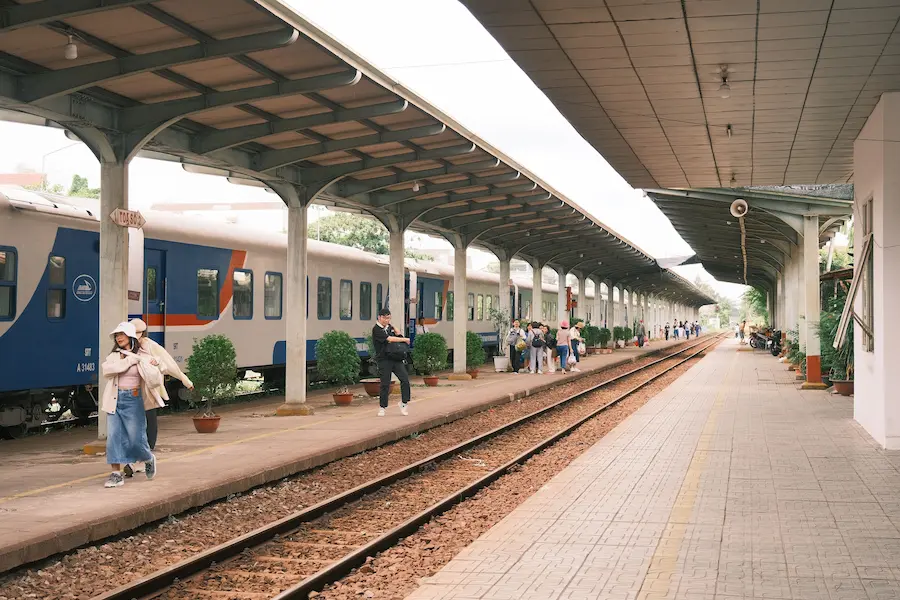
For many families, train travel becomes one of the most memorable parts of a Vietnam trip. Instead of rushing through airports, children can move around more freely, watch the scenery change throughout the journey, and enjoy the novelty of sleeping on a train.
That said, Vietnam’s railway network isn’t the best choice for every family or every route. Before booking, consider your children’s ages, travel style, and how much time you have available.
| Vietnam trains are best if… | Flying is usually better if… |
|---|---|
| Your kids are 5+ | You’re traveling with a baby |
| You enjoy scenic journeys | You have limited time |
| You want a sleeper train adventure | Speed matters most |
| You’re visiting multiple destinations | Your child struggles sleeping away from home |
| Saving a hotel night appeals to you | Accessibility is a priority |
Vietnam Train Travel Is Best For
Families With School-Age Children (5+)
Most children aged five and older enjoy the adventure of train travel. Sleeper cabins feel exciting rather than intimidating, and many kids love watching villages, rice paddies, rivers, and mountains pass by the window.
Families Taking A Multi-Destination Vietnam Trip
If you’re visiting places like Hanoi, Sapa, Da Nang, Nha Trang, or Ho Chi Minh City, trains can help you move between destinations without constantly packing, unpacking, and navigating airports.
Parents Who Enjoy Slower Travel
Vietnam trains are often more about the journey than the speed. If your family enjoys seeing the countryside and experiencing local life, train travel can become a highlight of your trip.
Families Interested In Overnight Travel
Sleeper trains allow you to travel while your children sleep, potentially saving both time and the cost of a hotel night.
Vietnam Train Travel May Not Be Ideal For
Families Traveling With Young Babies
While many parents successfully travel by train with babies, overnight sleeper trains can be challenging if your child wakes frequently, needs a strict sleep routine, or struggles in unfamiliar environments.
Families With Limited Vacation Time
If you’re visiting Vietnam for only one or two weeks, domestic flights may allow you to spend more time exploring destinations and less time in transit.
Travelers With Mobility Challenges
Vietnam train stations and sleeper cabins are not always designed with accessibility in mind. Narrow corridors, steps, and limited elevator access can make train travel more difficult for some travelers.
Our Verdict
For most families visiting Vietnam with children aged five and older, we think train travel is absolutely worth experiencing at least once. Routes such as Hanoi to Sapa and Hanoi to Da Nang combine transportation, sightseeing, and adventure in a way that flights simply can’t match.
However, if your priority is maximizing sightseeing time or managing a tight itinerary, a combination of trains and domestic flights often works best.
Best Vietnam Train Journeys for Families
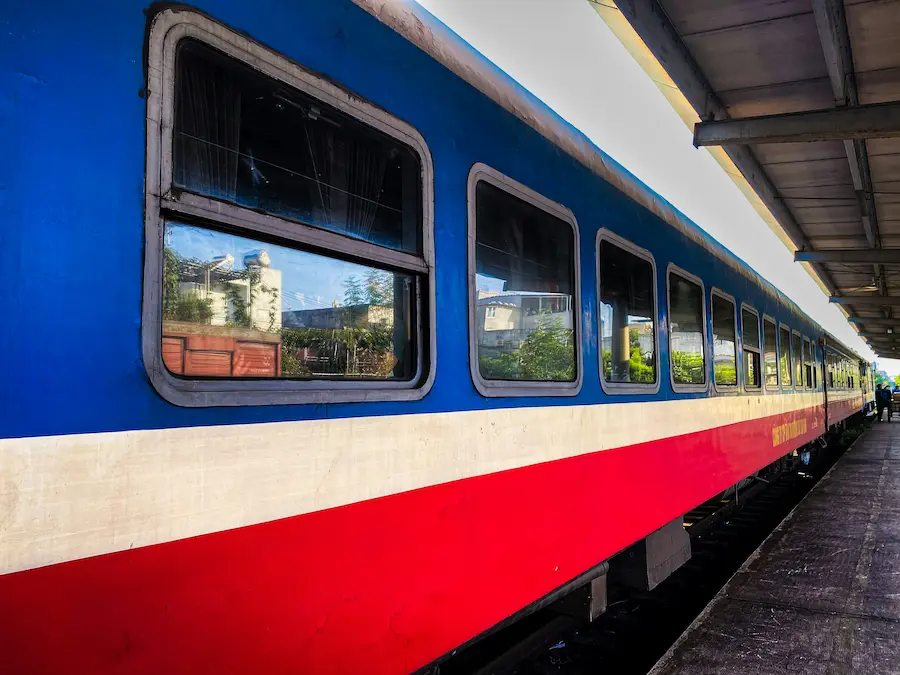
Not sure where to start?
These are the Vietnam train routes we recommend most often for families. Each offers a different experience, from overnight adventures to spectacular coastal scenery.
| Route | Best For | Train Type | Family Rating |
|---|---|---|---|
| Hanoi → Sapa | Mountains and cultural experiences | Overnight sleeper | ⭐⭐⭐⭐⭐ |
| Hanoi → Da Nang | First overnight train adventure | Overnight sleeper | ⭐⭐⭐⭐⭐ |
| Da Nang → Nha Trang | Scenic coastal views | Day train | ⭐⭐⭐⭐ |
| Ho Chi Minh City → Nha Trang | First sleeper train experience | Overnight sleeper | ⭐⭐⭐⭐ |
Hanoi to Sapa: Best for Mountain-Loving Families
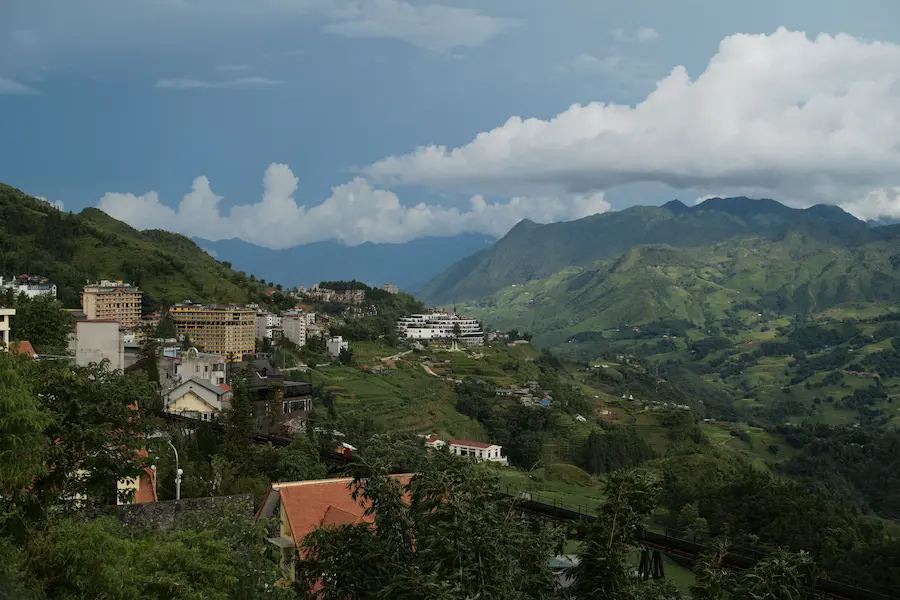
If your children are excited about mountain landscapes, rice terraces, and cultural experiences, the overnight train from Hanoi to Lao Cai (the gateway to Sapa) is one of Vietnam’s most iconic family journeys.
Why families love it:
- Children wake up close to the mountains instead of spending a full day on the road.
- Private sleeper cabins make the overnight journey easier with kids.
- It turns transportation into part of the adventure.
- Sapa offers fresh air, beautiful scenery, and outdoor experiences that many children enjoy.
Best for: Families with children aged 5+ who enjoy nature, hiking, and exploring beyond Vietnam’s major cities.
👉 Read our full guides to Hanoi with Kids and Sapa with Kids.
Hanoi to Da Nang: Best Overnight Adventure
This is arguably Vietnam’s classic family sleeper train experience.
The journey is long enough to feel like a real adventure, but comfortable enough for most school-aged children. Families can board in Hanoi, settle into a sleeper cabin, and wake up ready to explore Da Nang’s beaches and attractions.
Why families love it:
- Saves a hotel night.
- Creates a memorable travel experience.
- Comfortable sleeper cabins are available.
- Easy access to both Da Nang and nearby Hoi An.
Best for: Families wanting to experience an overnight train for the first time.
👉 Continue planning with our Da Nang with Kids guide.
Da Nang to Nha Trang: Best Coastal Scenery
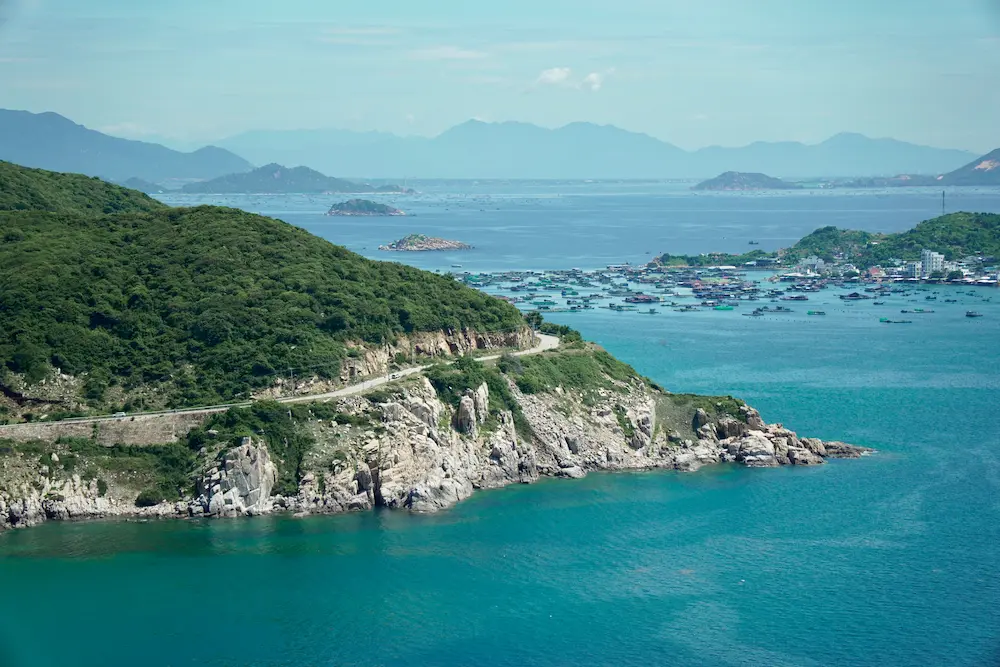
If your family enjoys watching landscapes from the window, this route offers some of Vietnam’s most beautiful coastal views.
Instead of spending the journey sleeping, many families choose a daytime train so they can enjoy stretches of coastline, fishing villages, beaches, and mountain scenery.
Why families love it:
- Beautiful ocean views.
- Comfortable daytime journey.
- Less stressful than airports.
- Great opportunity for younger children who may not enjoy overnight trains.
Best for: Families with toddlers or younger children who prefer daytime travel.
👉 See our Nha Trang with Kids guide.
Ho Chi Minh City to Nha Trang: Best First Sleeper Train
For families unsure whether their children will enjoy overnight rail travel, this route offers an excellent introduction.
The journey is long enough to experience a sleeper train but shorter and less demanding than the full Hanoi-to-Da Nang route.
Why families love it:
- Easier first sleeper train experience.
- Popular tourist route with good train options.
- Comfortable balance between travel time and convenience.
- Nha Trang’s beaches make a rewarding destination after the journey.
Best for: Families trying their first Vietnam sleeper train experience.
👉 Pair this route with our Ho Chi Minh City with Kids guide.
Our Recommendation
- First-time Vietnam visitors → Hanoi to Da Nang
- Nature-loving families → Hanoi to Sapa
- Families with toddlers → Da Nang to Nha Trang
- Unsure about sleeper trains → Ho Chi Minh City to Nha Trang
Vietnam Train vs. Flight With Kids: Which Should You Choose?
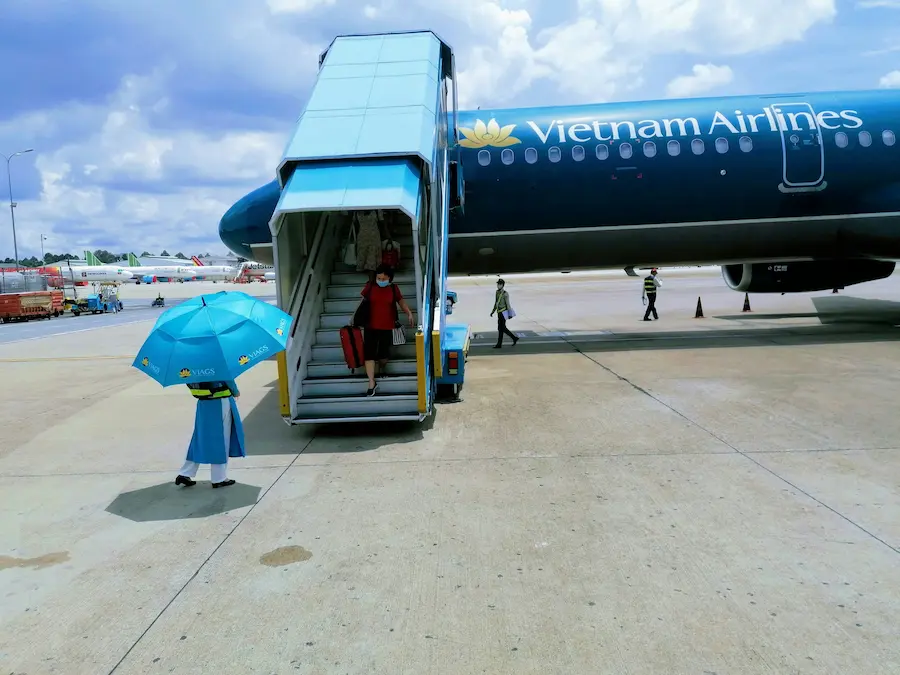
Trains are often the better choice when the journey itself is part of the experience, while flights make more sense when you’re short on time.
Quick Comparison Table
| Route | Train Travel Time | Flight Time* | Our Recommendation |
|---|---|---|---|
| Hanoi → Sapa | Overnight sleeper | No direct flight | 🚆 Train |
| Hanoi → Da Nang | 15–17 hrs | ~1.5 hrs | 🚆 Train for experience, ✈️ flight for speed |
| Da Nang → Nha Trang | 8–10 hrs | ~1 hr | 🚆 Train for scenery |
| Ho Chi Minh City → Nha Trang | 7–9 hrs | ~1 hr | Depends on your travel style |
*Flight time excludes airport transfers, check-in, and security.
When We Recommend Taking The Train
Choose the train if:
- Your children enjoy transportation adventures.
- You want to experience a Vietnam sleeper train.
- You’re traveling for two weeks or longer.
- Saving a hotel night appeals to your family.
- Scenic views matter more than speed.
When Flying Makes More Sense
Choose a flight if:
- You have fewer than 10 days in Vietnam.
- You’re covering large distances quickly.
- Your children struggle to sleep in unfamiliar environments.
- You’re traveling with a baby on a strict routine.
- Maximizing sightseeing time is your priority.
Our Verdict
For most first-time visitors, we recommend taking at least one Vietnam train journey during your trip.
If you only choose one route, Hanoi to Da Nang offers the classic overnight train experience, while Hanoi to Sapa is often the most rewarding rail journey for families visiting northern Vietnam.
Which Sleeper Cabin Should Families Book?
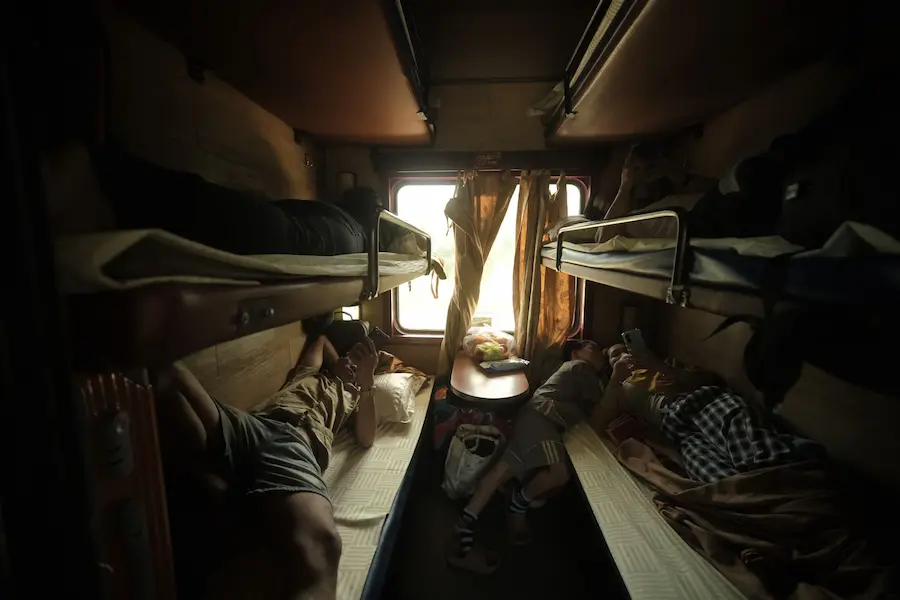
One of the biggest advantages of train travel in Vietnam is the variety of sleeper options available. While you’ll see several cabin types when booking, most families only need to consider three choices: a 4-berth sleeper, a 6-berth sleeper, or regular seats.
For most families, the 4-berth sleeper offers the best balance of comfort, privacy, and value.
Quick Comparison
| Cabin Type | Best For | Privacy | Comfort | Our Recommendation |
|---|---|---|---|---|
| 4-Berth Soft Sleeper | Families of 3–4 | High | ⭐⭐⭐⭐⭐ | Best Choice |
| 6-Berth Sleeper | Budget-conscious families | Medium | ⭐⭐⭐ | Good Value |
| Soft Seats | Short daytime journeys | Low | ⭐⭐ | Only for shorter routes |
4-Berth Soft Sleeper: Best for Most Families
The 4-berth soft sleeper is the option we recommend most often for families.
Each cabin includes four beds arranged as two bunk beds, air conditioning, bedding, a lockable door, charging points, and enough privacy to make overnight travel much easier with children.
Why families love it:
- Private space away from crowded carriages
- Easier for children to sleep
- Enough room for snacks, books, and games
- More secure feeling for first-time visitors
Best for: Families of 3–4 and first-time visitors to Vietnam.
6-Berth Sleeper: Best for Budget Travelers
The 6-berth sleeper is similar to the 4-berth version but includes three levels of bunks instead of two.
While it can save money, the extra beds reduce personal space and increase the chances of sharing the compartment with other travelers.
Pros:
- Lower ticket price
- Good for larger families
- Similar overnight experience
Cons:
- Less privacy
- More crowded
- Top bunks can feel cramped
Best for: Budget-conscious families and older children who enjoy the adventure of train travel.
Soft Seats: Best for Short Daytime Routes
For shorter journeys, some families choose regular soft seats instead of a sleeper cabin.
These are comfortable enough for daytime travel but are rarely the best choice for overnight journeys with children.
Good routes for seats:
- Da Nang to Nha Trang
- Hue to Da Nang
- Short regional journeys
Not recommended for:
- Overnight travel
- Families with toddlers
- Long-distance journeys
Our Recommendation
If your budget allows, book a 4-berth soft sleeper whenever possible.
For most families, the extra comfort and privacy are well worth the additional cost, especially on overnight routes such as Hanoi to Sapa or Hanoi to Da Nang.
Having a private cabin transforms the journey from simple transportation into one of the most memorable parts of their Vietnam trip with kids.
Vietnam Train Ticket Rules for Kids
One of the most common questions parents ask before booking is whether children need their own train ticket.
The good news is that Vietnam Railways offers discounted fares for many children, making train travel an affordable option for families.
Quick Guide to Vietnam Child Train Fares
| Child’s Age | Ticket Requirement | Typical Fare |
|---|---|---|
| Under 5 years | Can share a seat or berth with an adult | Usually free |
| 5–9 years | Requires a child ticket | Approximately 25% discount |
| 10 years and older | Requires a regular ticket | Adult fare |
Policies can occasionally change, so always check the latest fare rules when booking.
Children Under 5
Children under five can usually travel free of charge if they share a seat or sleeper berth with a parent.
While this can save money, families should consider whether sharing a narrow sleeper berth will be comfortable for everyone, especially on overnight journeys.
Our tip: If you’re traveling with a toddler and booking a sleeper train, paying for an additional berth can make the night much more comfortable.
Children Aged 5–9
Children between five and nine years old typically qualify for discounted tickets.
This is often the sweet spot for family train travel. Children are usually old enough to enjoy the adventure while still benefiting from reduced fares.
Children Aged 10+
Children aged ten and older generally pay the same fare as adults.
At this age, most children can comfortably use their own sleeper berth, making overnight train journeys easier for the whole family.
Family Booking Tip
If you’re a family of four, consider booking all four berths in a 4-berth sleeper cabin whenever possible.
Having the entire cabin to yourselves provides more privacy, better sleep, and extra space for luggage, snacks, and entertainment.
Is it worth booking an extra berth for younger kids?
In our experience, yes—especially on overnight routes such as Hanoi to Sapa or Hanoi to Da Nang.
While younger children may legally travel for free when sharing a berth, many parents find that having an additional bed makes the journey significantly more comfortable for everyone.
What To Expect on Board a Vietnam Train With Kids
If you’ve never traveled by train in Vietnam before, you might be wondering what the experience is actually like.
The good news is that most families find Vietnam’s sleeper trains more comfortable than expected. While they aren’t luxury trains, they offer enough comfort, privacy, and convenience to make overnight travel enjoyable for both parents and children.
Beds and Sleeping Arrangements
In a typical 4-berth sleeper cabin, you’ll find two sets of bunk beds with pillows, sheets, and blankets provided.
The beds are narrower than a standard hotel bed but comfortable enough for most overnight journeys. Many families place younger children on the lower bunks and older children on the upper bunks.
Good to know: The train gently rocks throughout the night, which some children find soothing, and others may need time to adjust to.
Are the toilets clean?
Most Vietnamese sleeper trains have Western-style toilets located at the end of each carriage.
They’re generally functional and reasonably clean, although standards can vary depending on the route and time of day. Don’t expect hotel-quality facilities, but they’re usually perfectly manageable for families.
Parent tip: Pack hand sanitizer and a small packet of tissues just in case supplies run low.
Food and Drinks
Food options onboard are improving, but we still recommend bringing your own snacks, drinks, and a simple meal for longer journeys.
Some trains offer trolley service, onboard meals, or food ordering through an app, while others have more limited options.
Families often find it easier to eat before boarding and carry a few favorite snacks for the journey.
Charging Points and Connectivity
Most modern sleeper cabins have charging outlets for phones, tablets, and other small devices.
Wi-Fi is not widely available, and mobile coverage can be inconsistent in remote areas, especially in the mountains.
Parent tip: Download movies, audiobooks, and games before your journey.
Luggage Storage
Sleeper cabins have space for backpacks and smaller suitcases, usually under the lower bunks or near the cabin door.
Large hard-shell suitcases can be more difficult to store, especially in shared cabins.
If possible, travel with backpacks or soft-sided luggage for greater flexibility.
Our Verdict
Vietnam trains aren’t luxurious, but they don’t need to be. For most families, the combination of comfortable sleeper cabins, scenic views, and the excitement of overnight travel makes the experience far more memorable than a short domestic flight.
Are Vietnam Train Toilets Clean?
Vietnam sleeper trains typically have Western-style toilets located at the end of each carriage. While they aren’t as modern as what you’d find in a hotel or airport, most families find them perfectly usable for overnight journeys.
Cleanliness can vary throughout the trip, especially on longer routes, but toilets are generally maintained and supplied with running water. We recommend carrying hand sanitizer, tissues, and wipes for added convenience.
If you’re traveling with younger children, it’s a good idea to encourage bathroom visits before boarding and during cleaner periods early in the journey.
Parent verdict: Manage your expectations, bring a few essentials, and you’ll likely find the facilities better than many parents fear.
Can You Charge Your Phone on Vietnam Trains?
Yes, most sleeper cabins have power outlets that allow you to charge phones, tablets, cameras, and other small devices.
However, outlets may be limited, especially in shared cabins, so bringing a power bank is always a smart backup.
For families, charged devices can be invaluable during long journeys. Download movies, games, audiobooks, and favorite shows before departure, as onboard Wi-Fi is uncommon and mobile signals may be unreliable in rural areas.
Parent verdict: Charging is usually available, but don’t rely on it as your only source of power.
Can Toddlers Sleep on Vietnam Sleeper Trains?
Yes, many toddlers sleep surprisingly well on Vietnamese sleeper trains, especially if they are already comfortable sleeping in strollers, cars, or unfamiliar environments.
The gentle rocking motion often helps children fall asleep, and private sleeper cabins create a quieter environment than buses or airports.
That said, every child is different. If your toddler is highly sensitive to noise, wakes frequently during the night, or follows a strict sleep schedule, a domestic flight may be the easier option.
For families with toddlers, booking an entire 4-berth cabin provides extra space and flexibility for bedtime routines.
Parent verdict: Most toddlers can manage a sleeper train, but your child’s personality matters more than their age.
Is There Food on Vietnam Sleeper Trains?
Food is available on many Vietnamese trains, but the selection is often limited and may not suit every child.
Depending on the route, you may find snack trolleys, simple hot meals, instant noodles, drinks, and occasional onboard ordering options. However, availability varies, and popular items can sell out.
Most experienced family travelers prefer to eat before boarding and bring their own snacks, fruit, sandwiches, crackers, and drinks for the journey.
If your child is a picky eater or has dietary restrictions, bringing familiar food is highly recommended.
Parent verdict: Consider onboard food a bonus rather than something to depend on for family meals.
Vietnam Sleeper Train Safety With Kids
If you’re traveling in Vietnam for the first time, it’s natural to have questions about safety. The good news is that Vietnam trains are generally considered a safe and family-friendly way to travel, including on overnight routes.
That said, there are a few things parents should know before boarding.
Can Sleeper Cabin Doors Be Locked?
Most 4-berth sleeper cabins have locks on the inside, allowing families to secure the cabin while resting.
While train staff may occasionally enter to check tickets or make announcements, many parents appreciate having a private space during overnight journeys.
Parent tip: Keep passports, wallets, phones, and other valuables close to you overnight rather than leaving them unattended.
Is Luggage Safe on Vietnam Trains?
In our experience, luggage security is rarely a concern when using common-sense precautions.
Most families store bags under the lower bunks or near the cabin door. If you’re traveling in a private 4-berth cabin, you’ll have more control over your belongings than in a shared compartment.
Parent tip: Keep important documents, medications, and electronics in a small daypack that stays with you at all times.
Are upper bunks safe for kids?
Yes, most upper bunks have safety rails to help prevent children from rolling out during the night.
Many school-aged children actually love sleeping in the upper bunks because it feels like a mini adventure.
However, parents should consider:
- Young toddlers are usually better on the lower bunk.
- Children should be comfortable climbing up and down independently.
- A quick safety reminder before bedtime is always a good idea.
Are Train Stations Safe For Families?
Major train stations in Hanoi, Da Nang, Nha Trang, and Ho Chi Minh City are generally safe for families.
The biggest challenges are usually crowds, noise, and limited seating rather than personal safety concerns.
Like any busy transport hub:
- Keep children close during boarding.
- Arrive with enough time to find your platform.
- Watch bags in crowded waiting areas.
- Have tickets and passports easily accessible.
Our Safety Verdict
For most families, Vietnam sleeper trains feel safer and less stressful than overnight buses. Private sleeper cabins, family-friendly routes, and the ability to stay together throughout the journey make train travel one of the easiest ways to explore Vietnam with kids.
What To Pack For Vietnam Train Travel With Kids
Packing a few essentials can make the difference between a smooth family journey and a long, uncomfortable ride.
Here’s what we recommend bringing on board.
Vietnam Train Packing Checklist for Families
- ✔ Snacks and drinks
- ✔ Refillable water bottles
- ✔ Wet wipes and hand sanitizer
- ✔ Tissues or toilet paper
- ✔ Power bank
- ✔ Downloaded movies and shows
- ✔ Headphones for children
- ✔ Small toys, books, or coloring supplies
- ✔ Light sweater or hoodie
- ✔ Travel pillow for younger kids
- ✔ Medications and basic first-aid items
Snacks Are Your Secret Weapon
While some trains sell food and drinks, the selection can be limited and may not appeal to younger children.
Packing familiar snacks helps prevent hunger-related meltdowns and makes the journey more enjoyable.
Don’t Forget Entertainment
Wi-Fi is limited on most routes, and mobile signals can be inconsistent in remote areas.
Download:
- Movies
- Audiobooks
- Podcasts
- Games
before leaving your hotel.
Bring a light sweater.
Many parents are surprised by how cool sleeper cabins can become once the air conditioning is running.
Even in Vietnam’s tropical climate, a lightweight sweater or hoodie can make overnight journeys much more comfortable.
Our Packing Tip
Keep everything you’ll need during the journey in one small backpack rather than packing it in your main luggage. This makes it much easier to access snacks, wipes, chargers, and entertainment without constantly unpacking bags.
FAQ About Vietnam Train Travel With Kids
1. Is Vietnam Train Travel Safe for Kids?
Yes. Vietnamese trains are generally considered one of the safest ways for families to travel between destinations. Sleeper cabins provide a private space, most upper bunks have safety rails, and families can stay together throughout the journey. As with any form of travel, keep valuables secure and supervise children in stations and train corridors.
2. Is the Hanoi to Sapa Train Worth It?
For most families, absolutely. The overnight train turns a long transfer into an adventure and allows children to wake up close to Sapa’s mountains and rice terraces. While it’s not the fastest option, many families consider it one of the most memorable journeys in Vietnam.
3. Can Toddlers Sleep on Vietnam Sleeper Trains?
Yes, many toddlers sleep well on Vietnamese sleeper trains thanks to the gentle rocking motion and private cabins. However, children who need a very strict sleep routine may find overnight travel more challenging. Booking an entire 4-berth cabin usually makes the experience much easier for families.
4. Are Vietnam Train Toilets Clean?
Most sleeper trains have Western-style toilets that are functional and reasonably clean, though standards vary by route and time of day. Bringing tissues, wipes, and hand sanitizer is recommended for extra comfort when traveling with children.
5. Is Vietnam train travel better than flying?
It depends on your priorities. Trains offer a more memorable and scenic experience, while flights save time. Families visiting Vietnam for two weeks or longer often enjoy including at least one sleeper train journey, while shorter trips may benefit from domestic flights.
Which Vietnam Train Journey Is Right for Your Family?
Still deciding? Here’s our quick recommendation.
| If You’re… | We Recommend… |
|---|---|
| Visiting Vietnam for the first time | Hanoi → Da Nang sleeper train |
| A family that loves mountains and nature | Hanoi → Sapa sleeper train |
| Traveling with toddlers or younger children | Da Nang → Nha Trang daytime train |
| Unsure about overnight trains | Ho Chi Minh City → Nha Trang |
| Visiting Vietnam for less than 10 days | Domestic flights for longer routes |
| Looking for the classic Vietnam rail experience | Hanoi → Da Nang |
For most families, we recommend experiencing at least one train journey during a Vietnam trip. While flights are faster, trains offer something airlines can’t: the chance to turn travel day into part of the adventure.
Whether you’re watching rice fields roll past the window, sharing snacks in a sleeper cabin, or waking up in a completely new destination, Vietnam train travel often becomes one of the most memorable parts of a family vacation.
Planning Your Vietnam Family Itinerary?
Continue planning your trip with our destination guides:
- Hanoi With Kids
- Sapa With Kids
- Da Nang With Kids
- Ho Chi Minh City With Kids
- Nha Trang With Kids
- Mui Ne With Kids
Looking for family-friendly accommodation? See our guide to Where To Stay In Vietnam With Kids.
If you’re planning a Vietnam family adventure, we’d love to hear from you.
Which train route is on your shortlist—Hanoi to Sapa, Hanoi to Da Nang, Ho Chi Minh City to Nha Trang, or another journey?
Leave a comment below with your questions, and we’ll help you choose the best option for your family.

FOUNDER • FAMILY TRAVEL WRITER • MUM OF TWO
About the Author
Hi, I’m Shivani, the founder of Roaming Crew.
Based in Singapore and having lived in different parts of Asia—including two years in India—I’ve explored 18+ destinations across the region, with 12+ of those journeys taken alongside my young kids.
From choosing family-friendly destinations and navigating local transport to budgeting, accommodation, and practical travel logistics, Roaming Crew is created with a parent-first mindset.