Beijing is often the city that families feel most unsure about before visiting China — big, crowded, and packed with famous sights. We felt the same before arriving with our two kids in the spring and chose it as our entry point, hoping the structure of the capital would make the adjustment easier.
It turned out to be a gentle start for us.
The city is large but organized. Wide sidewalks, clear subway lines, and well-managed attractions meant our days had a rhythm instead of chaos. We planned one major place each day, and suddenly the scale felt exciting rather than exhausting.
At the Great Wall in Mutianyu, our daughter turned the walk into a castle-defending game while the cable car saved our toddler’s energy for exploring the towers. Inside the Forbidden City, spotting dragons kept little feet moving across the courtyards. And when the crowds felt heavy, the Summer Palace gave us space to slow down—lawns, shade, and room to simply be outside.
Beijing doesn’t feel easy because it’s small—it feels manageable because everything is structured. For a first stop in China, that structure matters more than the size.
This guide explains what the days actually feel like with kids — how to pace sightseeing, handle distances, and enjoy the city without burning out the whole family.
Quick Facts About Beijing
Best Time: March-May & Sept-Nov
Ideal Stay: 4 Days
Best Area: Guomao
Airport: PEK
Kid Highlight: Great Wall
Currency: Chinese Yuan
Language: Mandarin
Still comparing cities? See our Shanghai or Beijing with Kids guide, or start with the China with Kids beginner guide to do the perfect preparation for your China trip.
If you’re still deciding how to shape your route, this guide on planning China with kids explains how families choose their first cities and pace the trip.
This guide contains a few affiliate links. If you book through them, we may earn a small commission at no extra cost to you. Check our affiliate disclosure for more information.
Why We Started Our China Trip in Beijing (Not Shanghai)
Before our China trip with kids last spring, we debated starting in Shanghai instead of Beijing. Shanghai is sleek and international and often described as the easiest city for first-time visitors.
But for us, Beijing felt calmer and more authentic—the kind of place where China’s history and daily life meet and where our kids could connect with the country beyond skyscrapers and shopping malls.
Beijing became our family’s soft landing in China. Sure, it required more walking, and yes, pushing a stroller over uneven pavements tested our patience more than once.
But the trade-off was unforgettable: wide gardens at the Summer Palace where the kids could run free, pandas at the zoo, and quiet moments like watching boats bob on Houhai Lake while locals danced and sang karaoke.
These little slices of local life gave us a sense of community that Shanghai, for all its sparkle, didn’t.
Practicalities mattered too. Staying near the GuoMao metro station made it easy to get around, and while Beijing’s metro does get crowded, it was straightforward to navigate once we learned the rhythm. We carried masks for the kids just in case of smoggy days, and we quickly learned that taxis and DiDi rides don’t provide child seats—important details. Western parents will want to know before arriving.
Was it always easy?
No. Surely not, as traveling with two kids as it’s own challenge, but Beijing gave us those “we’re standing in history” moments that even our toddlers still talk about: climbing the Great Wall, spotting dragons in the Forbidden City, and picnicking on palace lawns.
For us, starting our China trip in Beijing meant starting with depth, culture, and authenticity—and when we later moved on to Shanghai, the contrast only made the experience richer.
Still unsure whether to start China travel in Beijing or Shanghai? Our Shanghai vs Beijing with Kids guide breaks it all down to help you choose the landing city that best fits your family.
Is Beijing Worth Visiting With Kids?
Before choosing Beijing as our first stop in China, we were honestly unsure. Shanghai seemed more international, and we worried whether Beijing’s history, crowds, and language barrier would feel overwhelming with two young kids.
Amazingly, Beijing turned out to be one of the easiest cities we visited as a family.
During our first few days, locals helped us navigate the metro, pointed us in the right direction, and welcomed us with smiles. Those small moments quickly put us at ease.
Yes, Beijing is home to incredible attractions like the Great Wall, the Forbidden City, and Universal Beijing Resort, but what surprised us most was how approachable it felt.
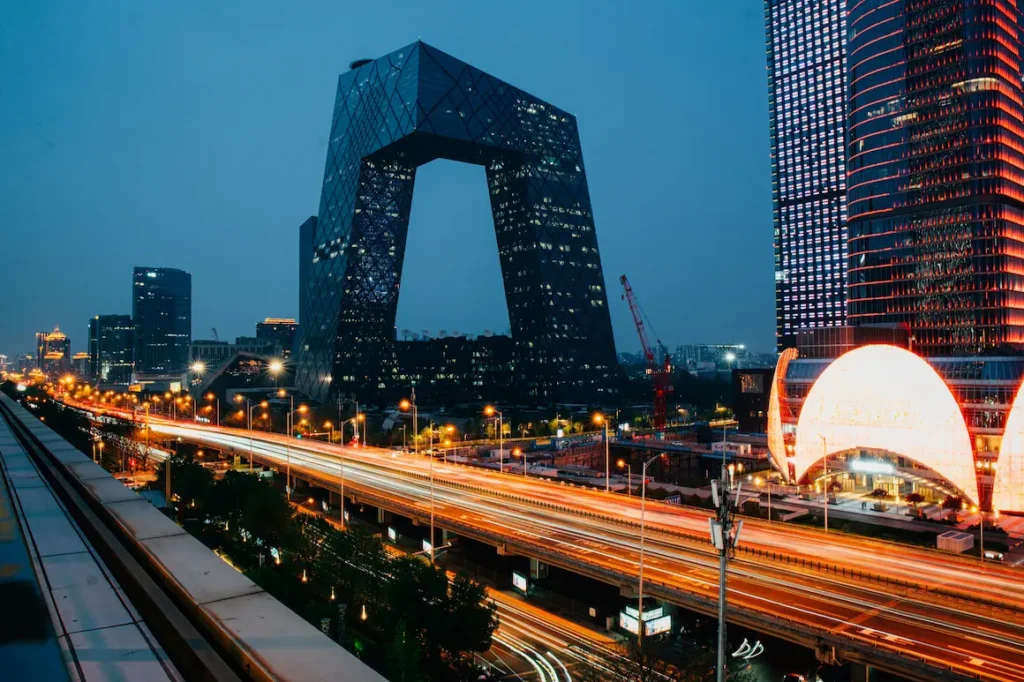
One day, you’re surrounded by skyscrapers in the city center; the next, you’re wandering through quiet hutongs watching local life unfold.
If you’re wondering whether Beijing is worth visiting with kids, our answer is simple: absolutely. It was the perfect introduction to China for our family.
Things to Know Before Visiting Beijing with Kids
Before diving into palaces, lakes, and dumplings, here are a few essentials every parent should know about traveling to Beijing with children:
Visa & Entry Requirements for Beijing
One of the biggest surprises when planning our China trip was realizing how much China’s visa policies have changed in recent years.
Depending on your nationality, you may be able to visit China without applying for a traditional tourist visa. Several European countries—including France, Germany, Spain, Italy, and Switzerland—currently enjoy visa-free access for short stays, while travelers transiting through Beijing may also qualify for China’s 144-hour visa-free transit policy.
If you’re visiting from the United States, Canada, Australia, or countries not covered by these exemptions, you’ll typically need to apply for a tourist (L) visa before departure.
Our tip?
Check the latest requirements before booking flights, as entry policies can change.
Traveling with kids is complicated enough—the last thing you want is a visa surprise a week before departure.
Internet, VPN & Useful Apps
If you’re visiting Beijing for the first time, this is one thing you shouldn’t leave until the last minute.
Google, WhatsApp, Instagram, Facebook, and many Western websites don’t work in China without a VPN or e-SIM. We recommend downloading everything before leaving home because setting it up after arrival can be difficult.
Having reliable internet made a huge difference during our first few days.
You need your phone constantly—for metro directions, translations, ordering DiDi rides, and finding restaurants after a long day of sightseeing.
A few apps we found particularly useful:
- Alipay: Mobile payments.
- WeChat: Messaging and everyday services.
- DiDi: China’s version of Uber.
- Pleco: Excellent Mandarin translation app.
- Google Translate (offline mode): Helpful backup.
Parent tip: Consider setting up an eSIM before departure so your phone works the moment you land. After a long-haul flight with kids, being able to book a ride to your hotel immediately is one less thing to worry about.
→ Check China eSIM options before you fly
Money & Payments in Beijing
China is one of the most cashless countries we’ve ever visited.
In Beijing, we used Alipay for almost everything—from convenience stores and metro rides to restaurants and attractions. While cash is still accepted in many places, you’ll quickly notice that locals use their phones to pay for almost everything.
Before traveling, we recommend linking your Visa or Mastercard to Alipay and WeChat Pay. It takes a few minutes to set up, but it will save you a lot of time once you’re in China.
A few things we learned:
- Visa and Mastercard work with most tourist payment setups.
- American Express is not widely accepted.
- Carry a small amount of cash for emergencies.
- Keep a power bank handy—your phone quickly becomes your wallet, map, and translator.
One thing we didn’t expect? How often we checked our phones throughout the day. Between payments, metro directions, translations, and photos, carrying a power bank became essential when traveling with kids.
Setting up mobile payments before arriving in China will save you a lot of time. Here’s our complete guide to using Alipay and WeChat Pay as an international traveler.
→ Read our beginner’s guide to Alipay and WeChat Pay in China
Safety and security
Beijing is generally very safe, but bag checks are standard at subway stations and big attractions. Be aware of common tourist scams (like “tea ceremonies” or overly friendly student guides). Stick to official taxis or Didi for peace of mind.
Stroller Challenges in Beijing
Beijing surprised us with its walkable infrastructure, even with 22 million people and bustling downtowns. Wide boulevards, spacious public parks, and even separate lanes for two-wheelers, bicycles, and pedestrians make it easier to explore the city on foot with kids.
That said, families should be prepared for a few challenges: uneven pavements, frequent stairs, and lots of walking. The metro is clean and efficient, but it can get very crowded during rush hours. Taxis and Didi rides are convenient, but child seats are generally not available.
Tip for parents: Bring a lightweight, foldable stroller and a baby carrier. The stroller will help with long walks in parks and wide streets, while the carrier is perfect for metro rides, busy markets, or areas with steps.
Food and family needs
Supermarkets stock basics like diapers, milk, and snacks, but if your kids are picky eaters, pack a few comfort foods from home. We found plenty of noodle soups, dumplings, and rice dishes that the kids enjoyed. Medicines should always be brought from home, as brands differ.
Arriving in Beijing with Kids
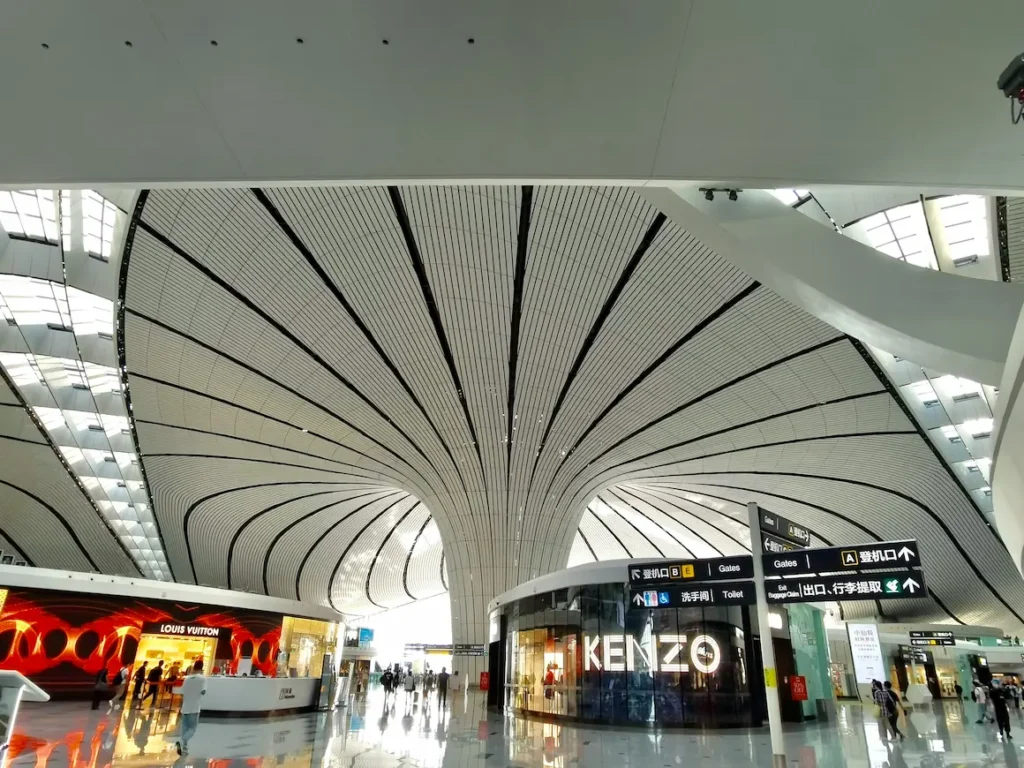
If Beijing is your entry point into China, be prepared for long queues at immigration—we sadly faced it ourselves. It took us almost 2.5 hours before we collected our luggage. For families, this can feel like forever, so having snacks and water in your hand luggage is a lifesaver for keeping little ones happy.
The English-speaking travel help desk at the airport was a real blessing. They patiently guided us step by step through directions and transport options.
Another tip? Set up the Didi app before you land. It requires SMS verification, and having it ready saved us a lot of stress—we could head straight to our hotel without juggling taxis or communication barriers.
Tip for parents: Before flying, read our 20 Things to Know Before Visiting China guide for details on essentials like e-SIMs, VPNs, and the must-have Chinese apps to download in advance. You can check out Litugo’s e-SIM service before departure for better connectivity throughout your trip.
These little setups make your Beijing arrival much smoother with kids in tow.
For first-time parents, our detailed guide to China High-Speed Trains With Kids explains what stations, stroller boarding, luggage storage, and long-distance train travel actually feel like with young children.
Best Time to Visit Beijing with Kids
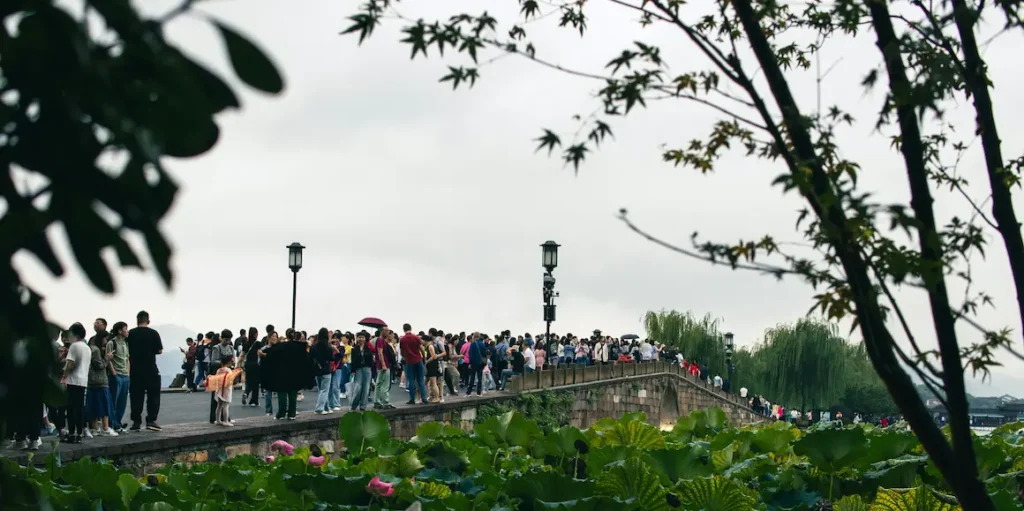
Beijing is a city of extremes, so the season you choose makes a big difference when traveling with children:
- Spring (March–May): The sweet spot for families. Pleasant weather, blooming gardens, and fewer crowds than in summer. Great for outdoor walks with kids.
- Summer (June–August): Hot, humid, and crowded—plus school holidays push up prices. Best if you’re okay with early starts and indoor breaks.
- Autumn (September–November): Crisp air, golden leaves, and comfortable weather. A favorite season for sightseeing with kids without the heavy jackets.
- Winter (December–February): Cold, dry, and sometimes poor air quality. Still, winter can mean fewer tourists and magical snowy scenes at places like the Great Wall. Carry kids’ masks and warm gear if visiting.
For us, spring worked perfectly—mild days for walking, cool evenings, and plenty of space for the kids to run around without overheating.
Top Things to Do in Beijing with Kids
Beijing is packed with iconic sights, but what makes it shine for families is the mix of world-famous landmarks and unexpected kid-pleasers. Here’s how we balanced both.
1. The Forbidden City (Palace Museum)
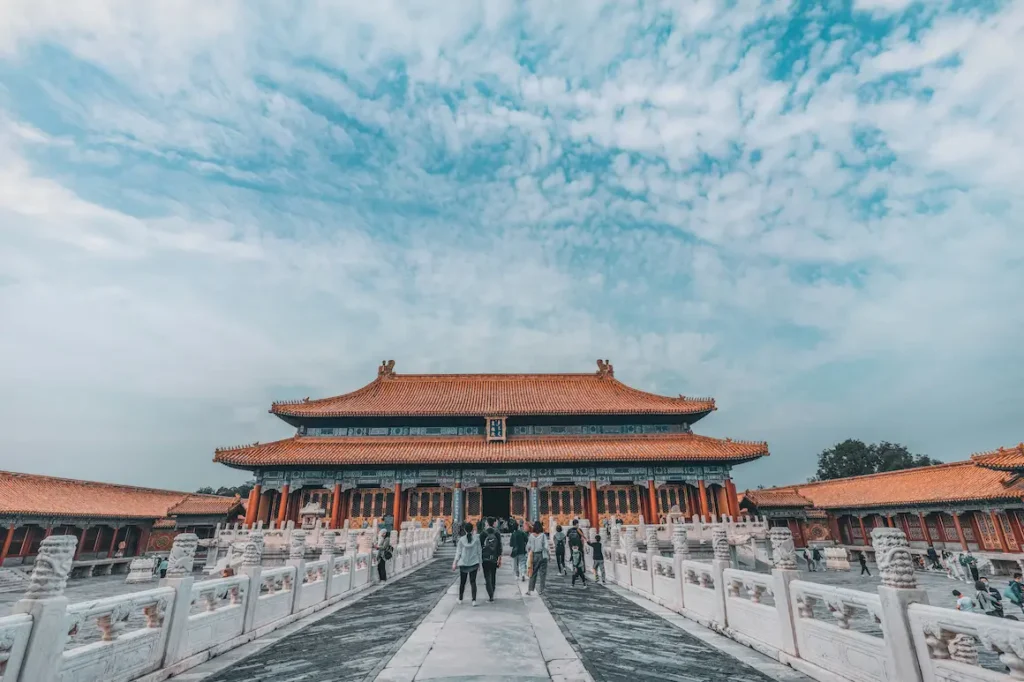
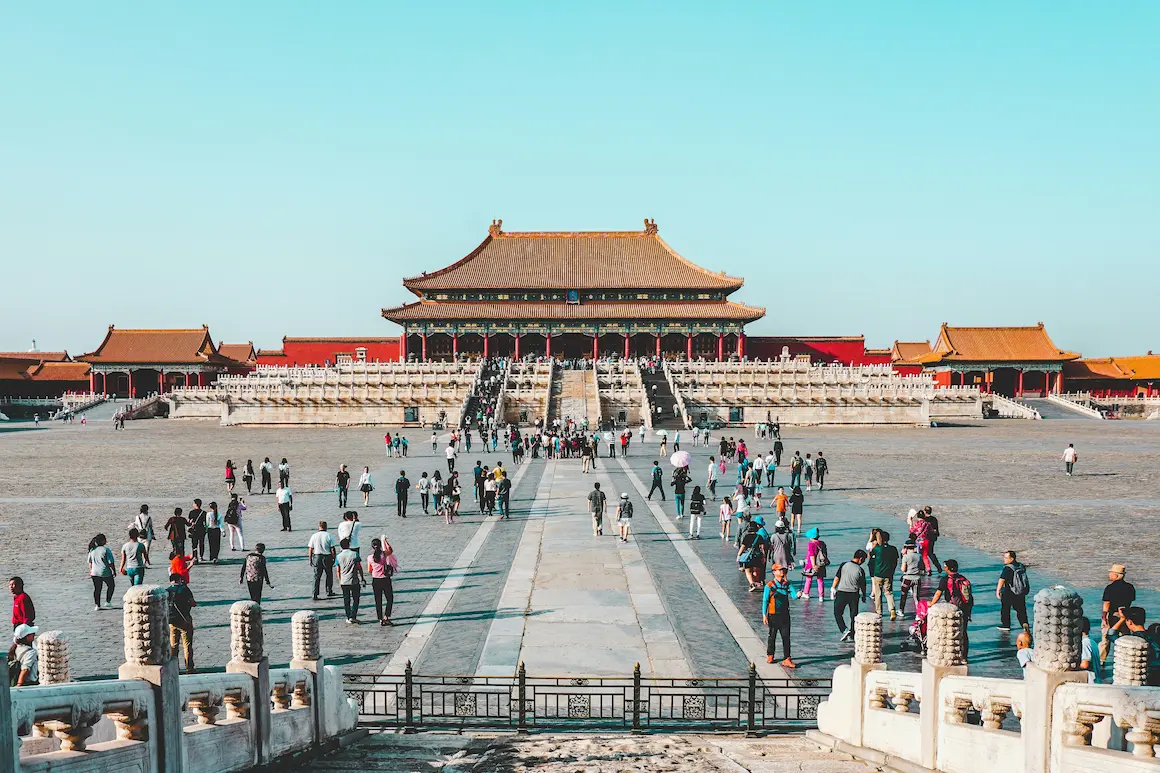
The former home of China’s emperors is huge — nearly 1,000 buildings spread over 180 acres. Kids can easily get bored by “just another palace,” so we made it fun with a “dragon treasure hunt” (spot dragon carvings, roof figures, and golden lions).
- Family Tip: Enter early (8:30 AM) to avoid crowds. Use the South Gate (Tiananmen) entry and exit via the North Gate, then relax in Jingshan Park right behind.
- Why it matters: A living classroom for Chinese history and easy to pair with a playground-style park at the end.
2. The Great Wall (Mutianyu)
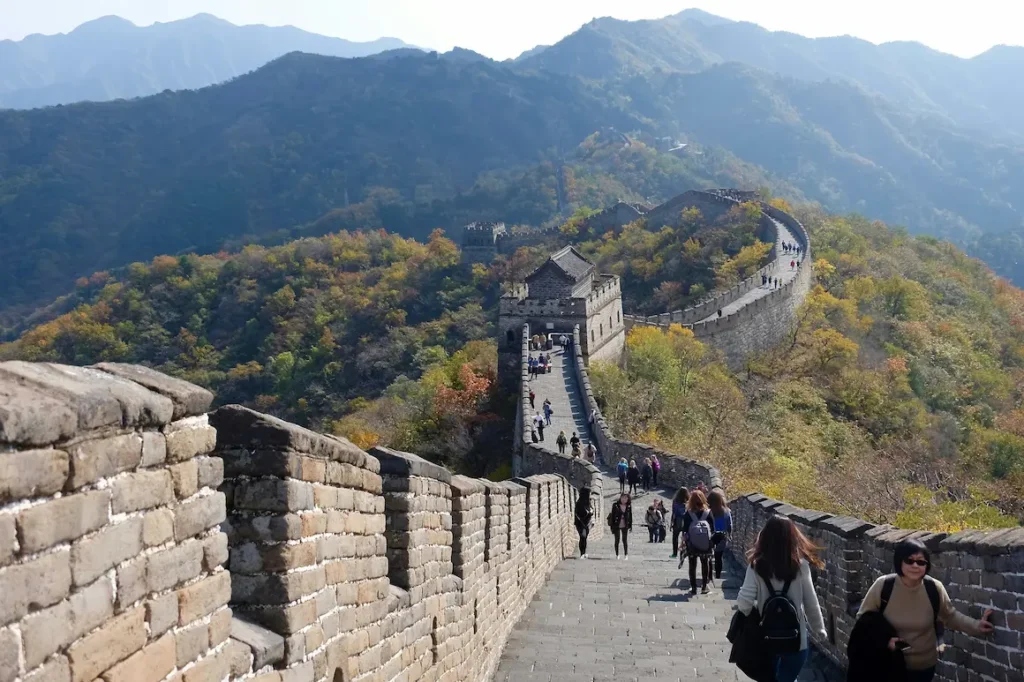
While Badaling is closest to Beijing, Mutianyu is the most family-friendly. It has a cable car and even a toboggan slide for the way down—great fun for older kids! The wall here is less steep, so it works for younger children.
Since this was one of the highlights of our time in Beijing, we’ve broken down the full experience — from cable cars to kid-friendly walking routes — in our guide to visiting the Great Wall of China with kids.
- Why it matters: Kids can actually touch one of the world’s greatest wonders, not just hear about it in books.
- Best Time: Morning (arrive before 9 AM). Afternoons can get hot and crowded.
- Family Tip: Bring a baby carrier instead of a stroller. Carry a simple picnic—mountain views make sandwiches taste epic.
3. Temple of Heaven
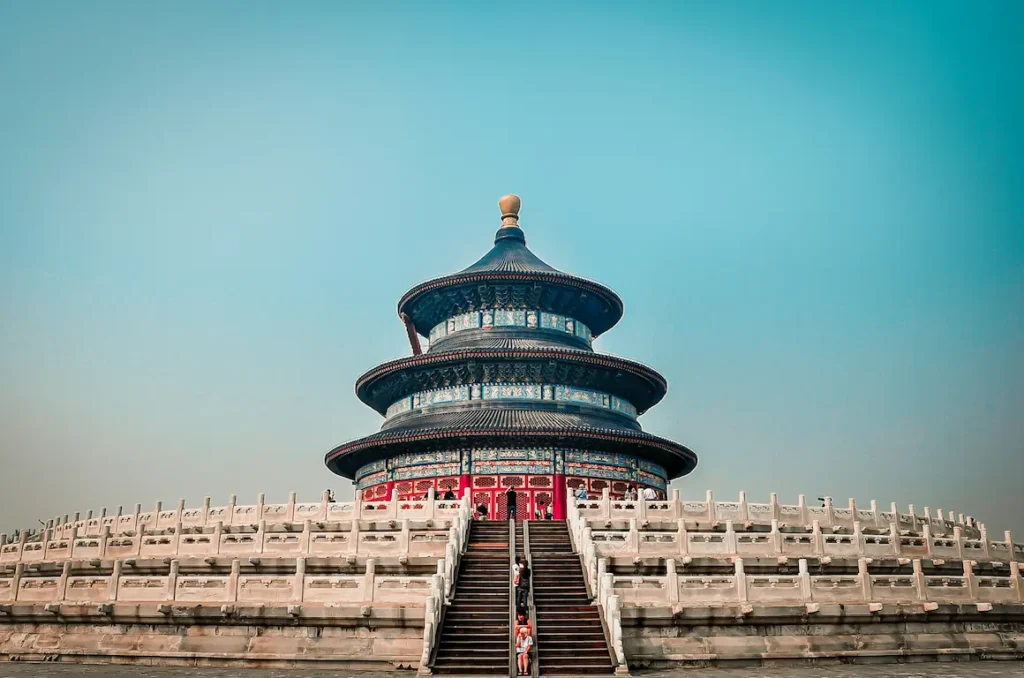
Built in the 1400s, the emperors once prayed here for good harvests. Today, it’s a giant park where locals gather for tai chi, badminton, hacky sack, and even karaoke. Our kids loved joining elderly “dancing grannies.”
- Best Time: Morning (before 10 AM) when locals are most active.
- Family Tip: Bring bubbles or a ball — wide open lawns make it a safe play space.
- Why it matters: Combines Chinese tradition with real-life culture you won’t find in a museum.
4. The Summer Palace

This UNESCO site was once the emperor’s lakeside retreat. We love the shaded gardens, bridges, and boat rides across Kunming Lake. It’s calmer than central Beijing and a perfect spot to recharge.
- Best Time: Late afternoon for golden light and cooler walks.
- Family Tip: Rent a paddleboat—kids love “steering” while parents relax.
- Why it matters: A peaceful mix of nature and history, balancing the city’s intensity.
5. Tiananmen Square
No first trip to Beijing feels complete without seeing Tiananmen Square—the symbolic heart of modern China and one of the largest public squares in the world.
We visited after exploring the Forbidden City, and it was fascinating to see the contrast between imperial China and modern-day Beijing in a single afternoon.
Kids may not appreciate the historical significance, but they’ll enjoy the sheer scale of the square and watching the constant movement of people from all over China.
You’ll also find landmarks such as the Monument to the People’s Heroes, the Great Hall of the People, and Mao Zedong Memorial Hall nearby.
Parent tip: Security checks are required at all entrances, so allow extra time and keep passports handy. If you’re visiting with younger children, bring snacks and water, as there aren’t many facilities inside the square.
We recommend combining Tiananmen Square with the Forbidden City and Jingshan Park for a full day of sightseeing in central Beijing.
6. Parks like Beihai & Chaoyang
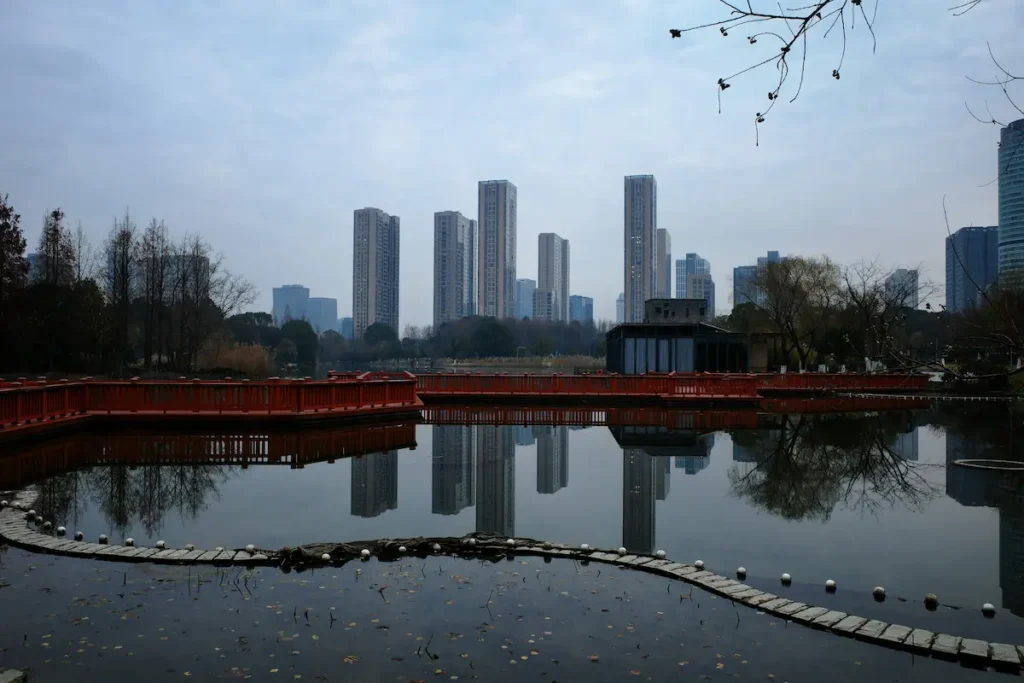
Both are within walking distance of the Forbidden City and are excellent kid breaks.
- Beihai Park: Fairy-tale bridges, lotus-covered lakes, and paddle boats.
- Jingshan Park: The best panoramic view of Beijing, with a hill kids can climb in 15 minutes.
- Best Time: Evening, when locals sing, dance, or play traditional instruments.
- Why it matters: Cheap entry, relaxing vibe, and a real look at Beijing family life.
7. Beijing Zoo & Panda House
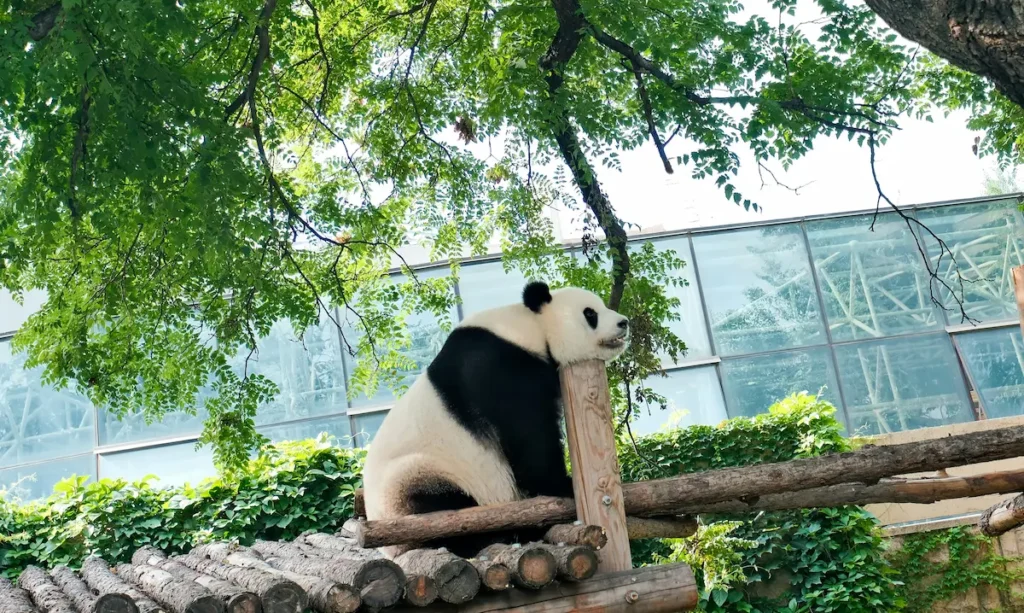
The zoo is dated, but the Panda House is a must—especially if you’re not visiting Chengdu (we did neither). Read our full Chengdu with kids experience here.
The aquarium next door is one of Asia’s largest, with dolphin and sea lion shows that kids enjoy.
- Best Time: Morning panda feedings (check schedule).
- Family Tip: Skip the whole zoo — just focus on pandas + aquarium. Pair with a nearby park afterward.
- Why it matters: Pandas are China’s cultural treasure, and no child forgets seeing one up close.
8. Hutongs (Old Beijing Alleys)
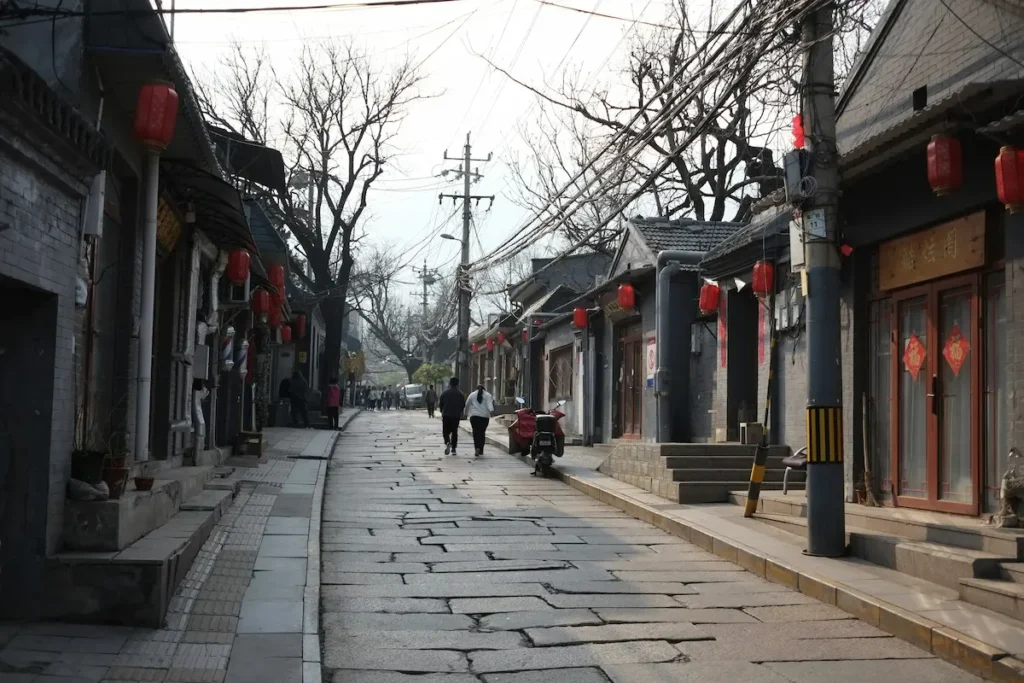
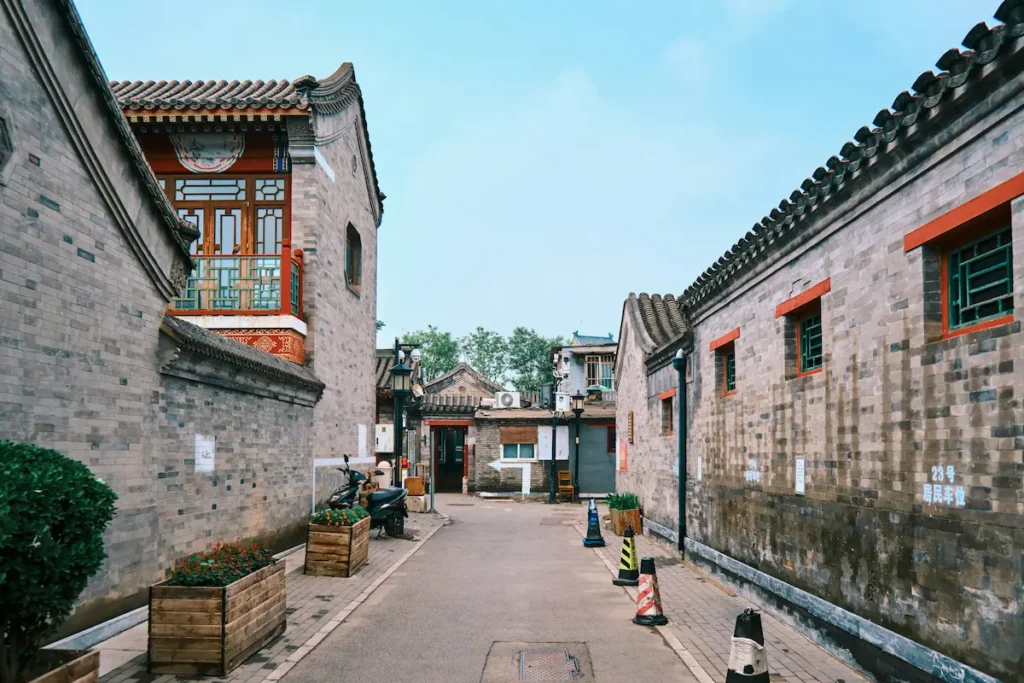
The narrow hutongs are like stepping into Beijing’s past. Families can take a rickshaw ride or join a dumpling-making class in a courtyard home. Kids find the maze-like alleys exciting and love spotting murals or playing with local children.
- Best Time: Late afternoon—it’s cooler, and you can finish with a local dinner.
- Why it matters: Personal, cultural, and interactive — much more memorable than just sightseeing.
9. Olympic Park (Bird’s Nest & Water Cube)
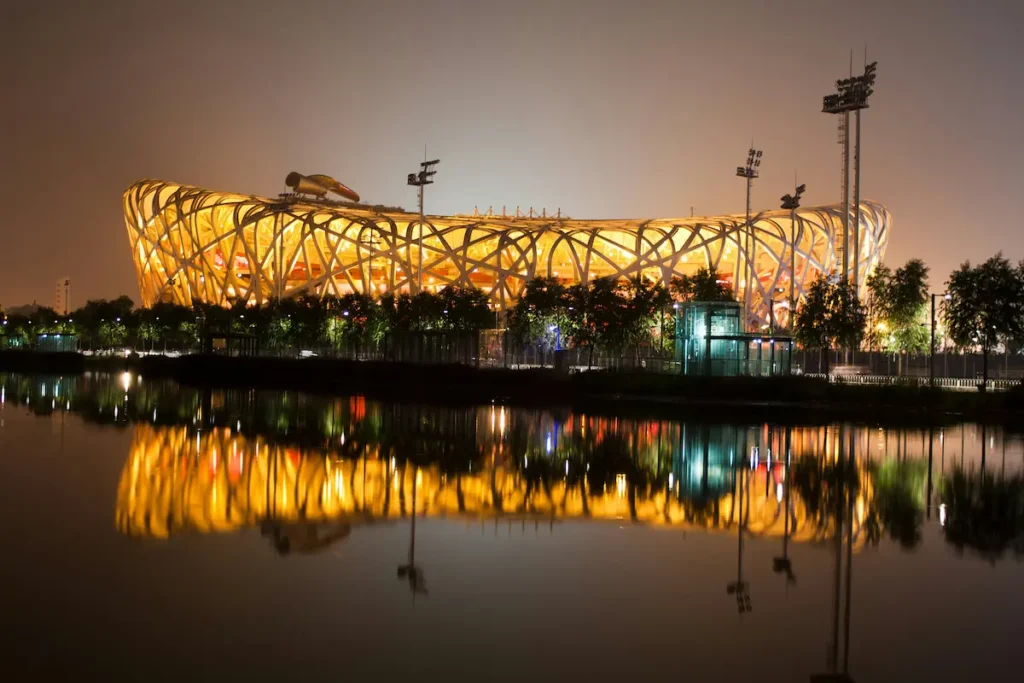
Built for the 2008 Olympics, this area is open for visitors and has become a family-friendly hangout. Kids enjoy biking around the wide plazas, and in summer, the Water Cube runs a massive water park inside.
- Best Time: Evening — the stadium lights up beautifully.
- Why it matters: A modern side of Beijing that contrasts with the ancient palaces.
10. National Museum of China
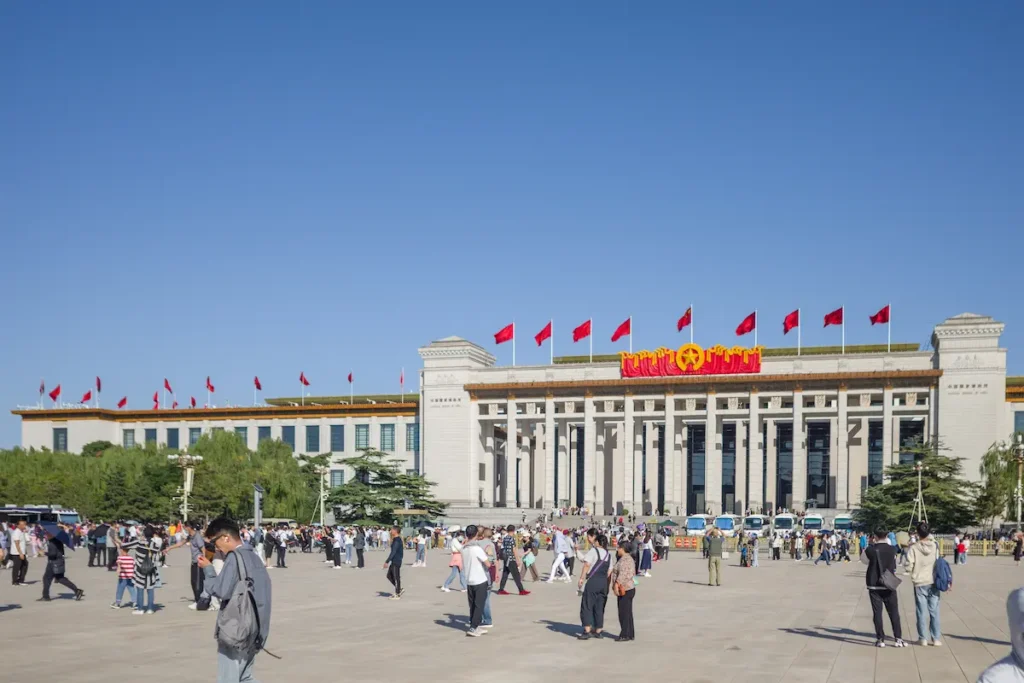
If your kids are curious, this museum on Tiananmen Square is free (with ID) and one of the family-friendly places in Beijing. Exhibits include giant dinosaur fossils, bronze chariots, and ancient treasures.
- Best Time: Weekday mornings (avoid weekends).
- Family Tip: Just do 1–2 kid-focused halls instead of the whole museum.
- Why it matters: Rainy-day option that sneaks in learning without feeling boring.
11. 798 Art District – Colorful Street Art
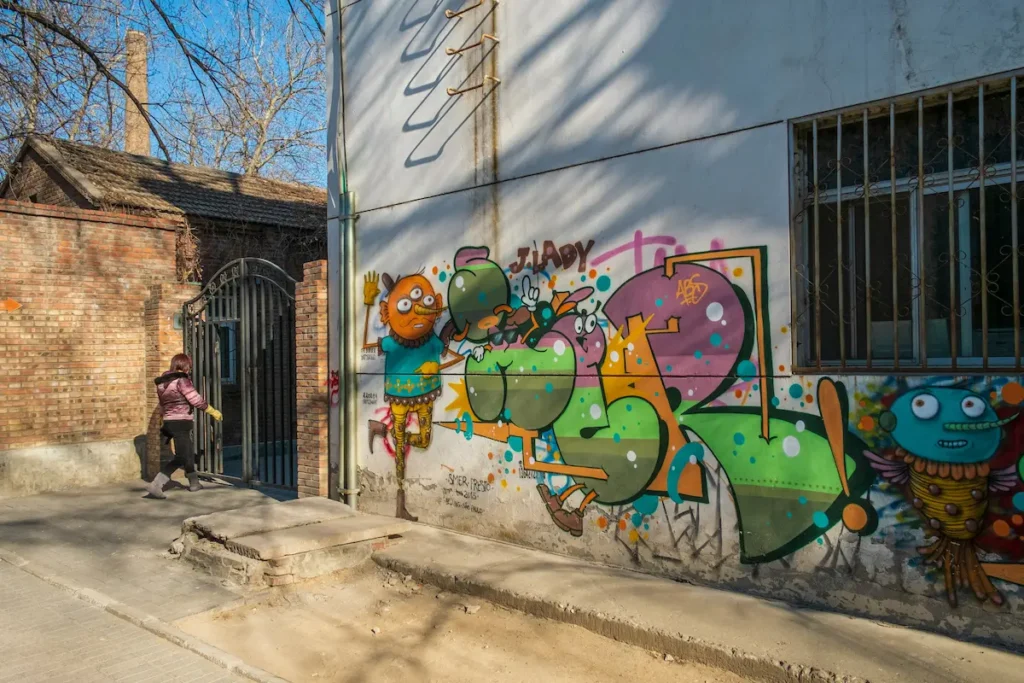
The 798 Art District is Beijing’s most vibrant creative hub, where old factory buildings have been transformed into galleries, murals, quirky shops, and cozy cafés. Families will love wandering the colorful streets filled with sculptures and street art—perfect for curious kids who enjoy spotting fun shapes and characters.
Many galleries also host kid-friendly workshops, from painting to clay modeling, making it an engaging hands-on stop.
Best time to visit: Late morning or afternoon, when galleries are open, and the streets are lively but not too crowded. Spring and autumn are especially pleasant for strolling outdoors.
Why it matters for families: The 798 Art District introduces kids to art in a playful, approachable way. It’s stroller-friendly, has plenty of safe walking areas, and parents can relax in child-welcoming cafés while kids explore creativity. This mix of culture, color, and calm atmosphere makes it an essential stop in a family-friendly Beijing itinerary.
Offbeat Places of Beijing that Families Loved
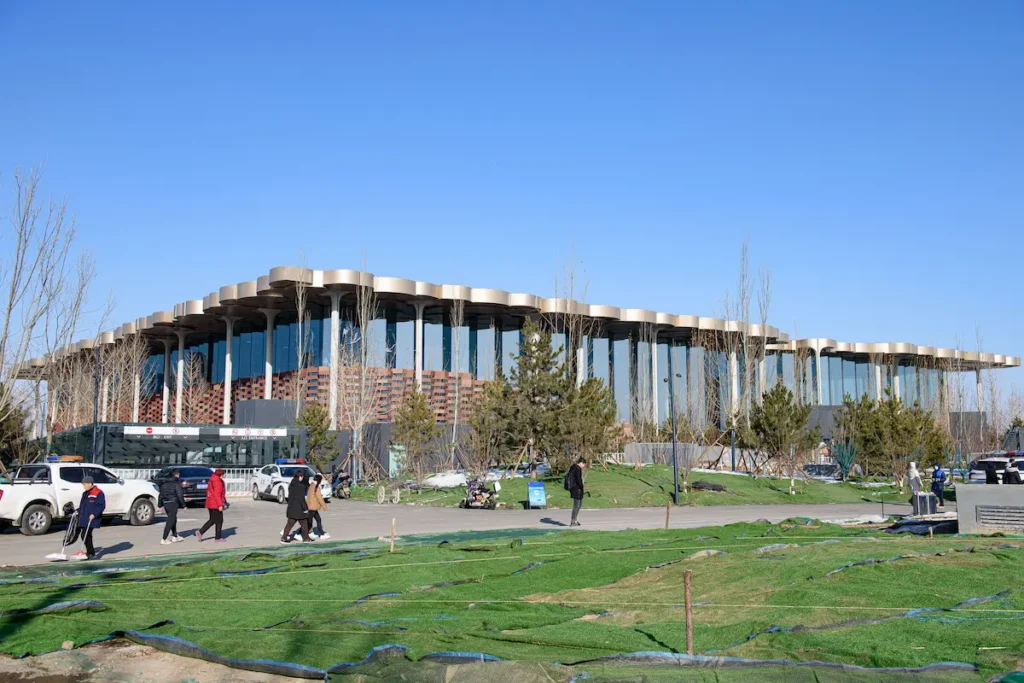
If you have more time, Beijing has surprises beyond the tourist trail:
- Beijing City Library – A stunning, futuristic library where kids can rest, read, and recharge.
- China National Film Museum – Movies come alive with exhibits that are both educational and fun.
- Pacific Underwater World – Perfect for hot summer afternoons; jellyfish and fish-feeding were highlights for our kids.
Parent tip: Balance your trip with “big-ticket” sights and slower moments. A hutong stroll, library visit, or park day often ended up being the highlights for our kids.
Eating Out in Beijing with Kids
Food can make or break a family trip, and Beijing turned out to be a lot easier than we expected. While not every meal was a hit, we found plenty of options that worked for little taste buds.
Western Restaurant Options in Beijing
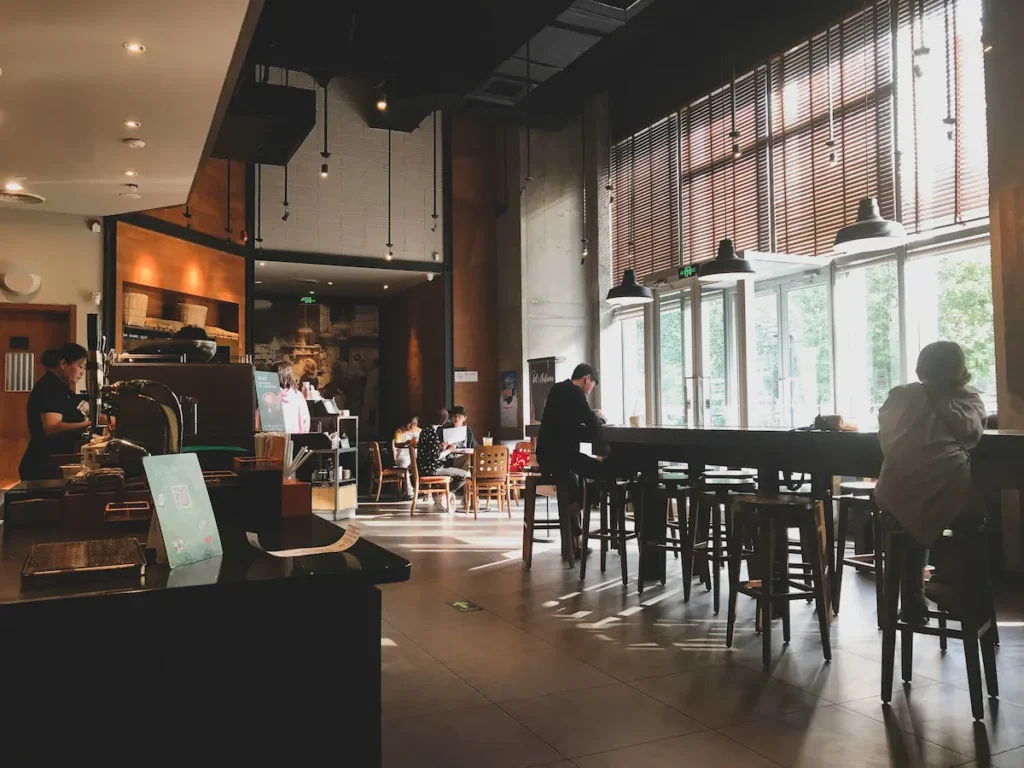
Around central Beijing and especially in areas like Chaoyang and Sanlitun, you’ll find plenty of Western chains (Starbucks, Pizza Hut, even Shake Shack) along with family-friendly cafés.
On our first evening, jet-lagged and exhausted, a simple pasta at an Italian café saved the day. Don’t feel guilty about mixing familiar meals with local ones—it keeps everyone happy.
Local Chinese Dishes Kids Loved
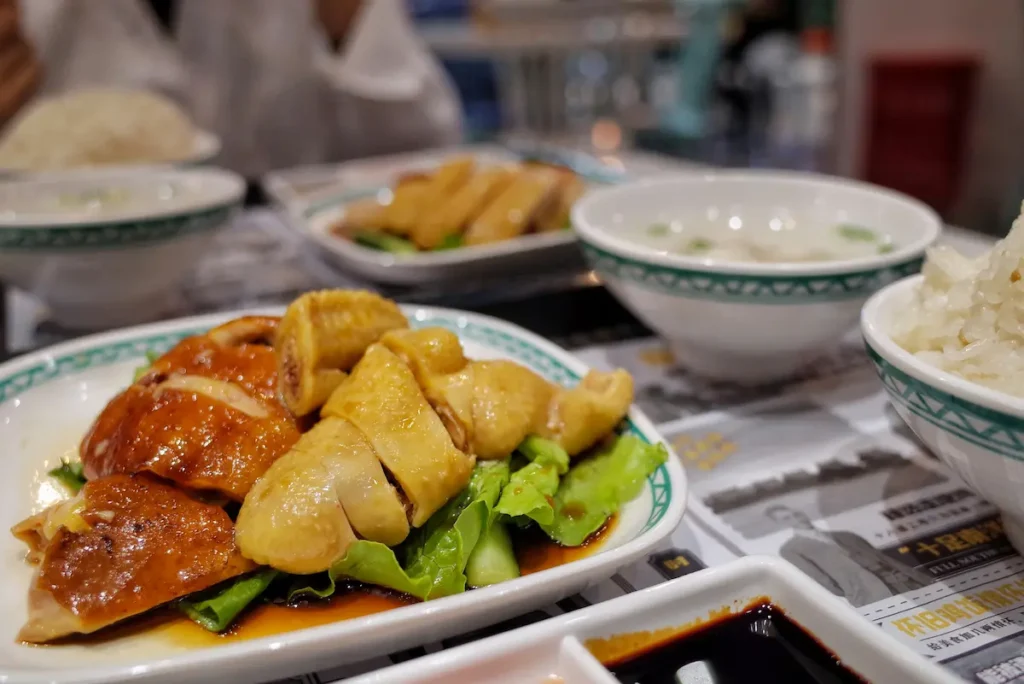
Surprisingly, our kids quickly warmed up to local Chinese cuisine, especially dumplings, but my little one refused to taste the famous Peking Duck of Beijing or even the spicy hotpot.
- Dumplings (jiaozi): Soft, easy to eat, and available everywhere. Steamed or fried, they became our go-to.
- Noodles: Slurping is encouraged in China, which made it fun. Hand-pulled noodles with mild broth were a comfort food hit.
- Steamed buns (baozi): Perfectly portable and stuffed with veggies or mild meat—great for snacks between attractions.
Snacks for Picky Eaters
We always carried a stash of crackers, fruit pouches, and cereal bars from home. They came in handy during long metro rides or when restaurant meals took longer than little ones’ patience allowed. A small thermos also helped us keep warm soup or hot water for formula on chilly days.
Parent tip: Menus aren’t always in English, so having pictures saved on your phone (dumplings, noodles, rice dishes) makes ordering much easier.
Shopping in Beijing
While Beijing isn’t usually the first city that comes to mind for shopping in Asia, we were pleasantly surprised by how many family-friendly options there were.
If you’re looking for souvenirs, Wangfujing Street is a great place to start. You’ll find everything from postcards and panda gifts to traditional Chinese handicrafts and snacks to bring home.
Families looking for bargains may enjoy Silk Street Market, where you can shop for clothes, toys, and small souvenirs. Just remember that bargaining is part of the experience.
For a more modern experience, head to Sanlitun. The area is filled with international brands, cafés, and shopping malls—perfect if you need a break from sightseeing or want to pick up something familiar for the kids.
We didn’t plan much time for shopping before arriving in Beijing, but it ended up being a nice way to slow down between busy sightseeing days.
Parent tip: If your kids collect souvenirs from your travels, Beijing is a great place to pick up panda-themed gifts, traditional bookmarks, and small pieces of Chinese artwork to remember your trip.
Where to Stay in Beijing with Kids
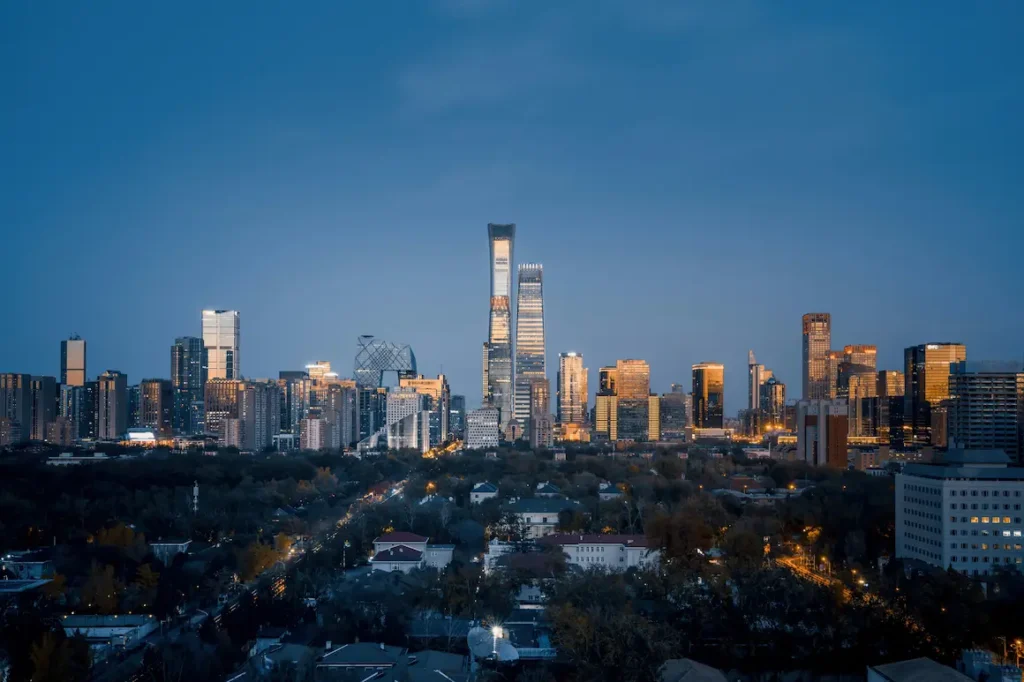
Choosing the right neighborhood in Beijing can make a huge difference when traveling with kids. The city is enormous, so staying close to a metro station will save you time, reduce walking, and make sightseeing much easier with little ones.
Before booking, we always look for three things:
- Walking distance to a metro station
- Family-friendly restaurants and convenience stores nearby
- Easy access to the airport or high-speed railway station if we’re continuing our China itinerary
| Area | Best For | Closest Attractions |
|---|---|---|
| Guomao | First-time families | CBD, Metro |
| Wangfujing | Sightseeing | Forbidden City |
| Dongcheng | History | Hutongs |
| Chaoyang | Toddlers | Parks & malls |
| Xicheng | Quiet stay | Zoo & Beihai |
1. Guomao (Our Favorite for First-Time Families)
We stayed at JEN Beijing by Shangri-La, just a 5 min walk from the Guomao metro station, and it worked perfectly for our family.
The English-speaking staff made check-in effortless after our long flight, the breakfast buffet had plenty of options for kids, and getting around Beijing was surprisingly easy using the nearby metro.
Although it’s one of the more premium areas, we felt the convenience easily justified the extra cost.
2. Wangfujing (Best for Sightseeing)
If your priority is visiting the Forbidden City, Tiananmen Square, and shopping streets, Wangfujing is one of the best places to stay.
You’ll find plenty of restaurants, supermarkets, and hotels within walking distance, making it ideal for families visiting Beijing for the first time.
3. Qianmen & Dongcheng (Best for History Lovers)
Families wanting a more traditional Beijing experience will enjoy staying around Qianmen or Dongcheng.
Historic hutongs, local restaurants, and many of Beijing’s famous attractions are nearby, making it easy to explore the city’s cultural side without spending hours commuting.
4. Chaoyang (Best for Younger Kids)
Chaoyang is modern, spacious, and packed with shopping malls, international restaurants, cafés, and parks.
It also offers excellent airport access, making it a great choice if you’re arriving late, traveling with toddlers, or planning a longer stay.
5. Xicheng (Best for a Quieter Stay)
If you prefer a calmer neighborhood, Xicheng is a great alternative.
You’ll be close to Beihai Park, Beijing Zoo, and quieter residential streets while still having convenient metro connections to the main attractions.
Our booking tip: We always compare family-friendly hotels on Trip.com before finalizing our accommodation in China. It usually has the widest selection, English-language support, free cancellation on many properties, and works smoothly for international travelers. If you’re still deciding where to stay, it’s worth comparing family hotels there before booking.
Parent Tip: If you’re visiting during spring (March-May) or autumn (September-November), book your hotel several weeks in advance. These are Beijing’s busiest family travel seasons, and hotels near metro stations often sell out first.
Getting Around Beijing with Kids
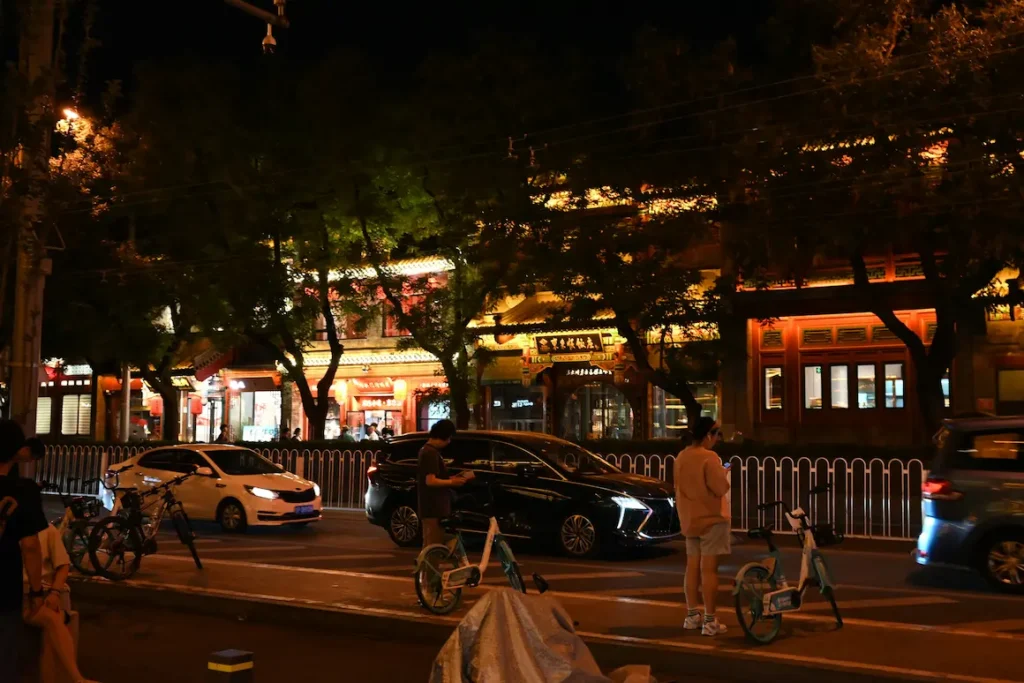
Navigating Beijing with little ones may sound intimidating, but once you get the hang of it, the city is surprisingly manageable. Here’s what worked best for us:
Metro + Stroller Hacks
Beijing’s metro is extensive, reliable, and cheap — but also crowded. Elevators aren’t always easy to find, so be prepared to fold strollers quickly. A lightweight, umbrella-style stroller works far better than bulky travel systems. For peak hours, we often skipped the metro and chose taxis instead.
Taxis & Ride-Hailing Apps
Taxis are plentiful, but child seats are not provided. We relied on DiDi, China’s version of Uber, which we set up before arriving (it needs SMS verification). Always carry your destination written in Chinese characters, as most drivers don’t speak English.
Walking in the City
Beijing is a city of wide avenues and historic complexes, so expect lots of walking. Uneven pavements mean strollers can be bumpy but manageable. Build in snack breaks and playground stops to keep kids happy.
Day Trips from Beijing with Kids
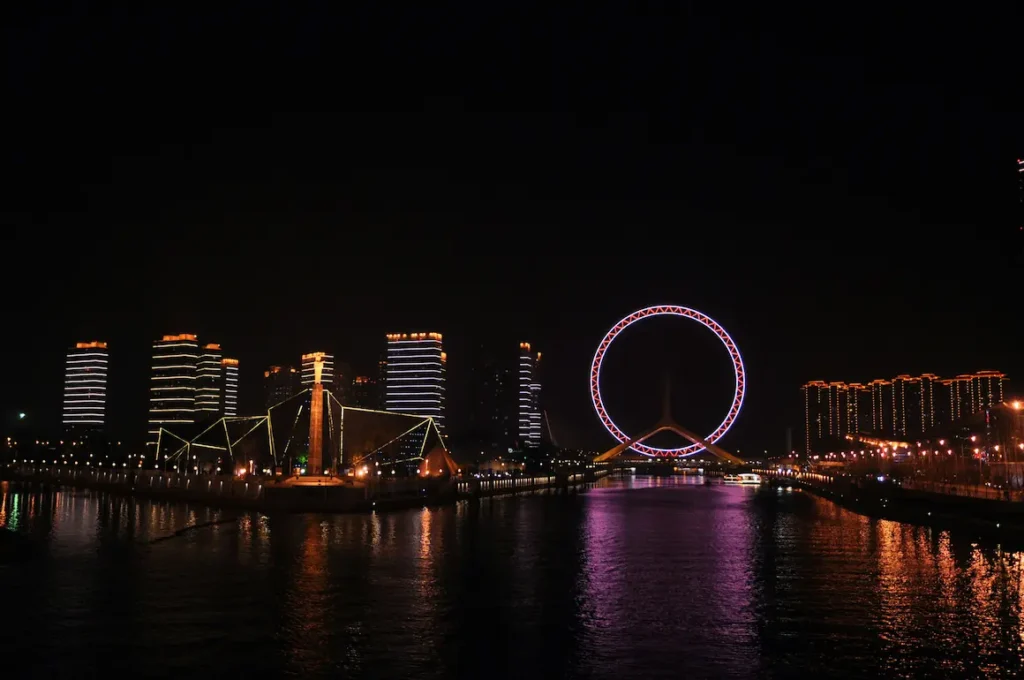
One of the best parts of Beijing is how easy it is to reach nearby cities by high-speed train.
Our favorite? Tianjin — just 30 minutes away and full of European-style architecture, riverside walks, and kid-friendly parks. It’s a calmer, more laid-back day trip from the capital.
(Read our full guide: [Tianjin with Kids: Family-Friendly Travel Guide from Beijing])
Parent tip: Always pack snacks, water, and wipes before heading out. Long security lines and bag checks are common at metro stations and attractions, so little ones may get restless.
We had started our trip in Beijing. Here is how we planned our China itinerary with kids; we had simplified our route here.
4-Day Family Itinerary in Beijing with Kids
If you’re landing in Beijing and planning a short stay before moving on to other Chinese cities, four days is the sweet spot. Here’s how we paced it with our two kids in spring 2025:
Day 1: Forbidden City + Nearby Park
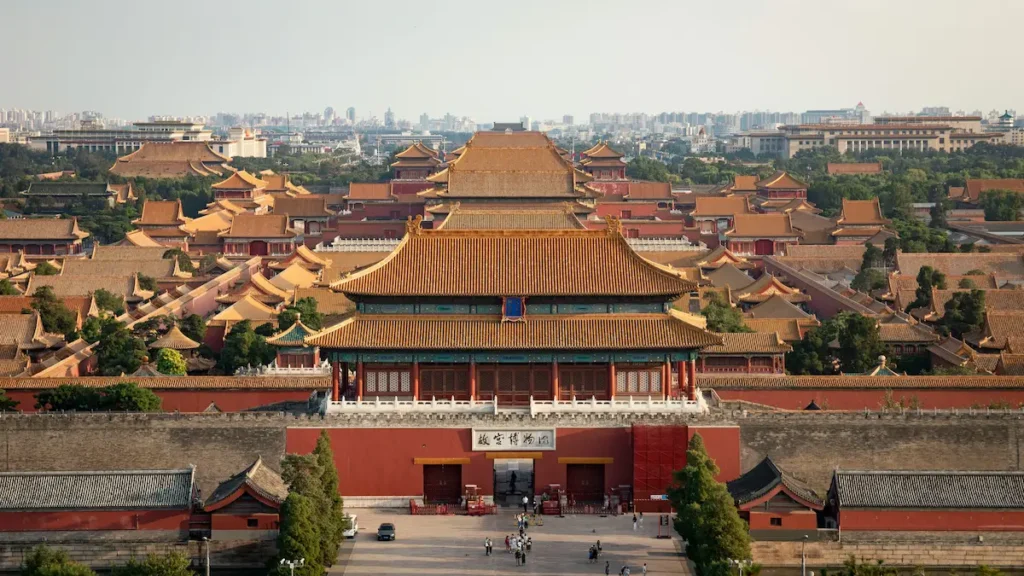
Start at the Forbidden City, but keep expectations realistic—it’s vast and can feel overwhelming for young kids. We turned it into a treasure hunt (“spot the dragons”) to keep spirits up.
Afterward, recharge in Jingshan Park right behind the palace. Kids can run free, and the hilltop view over the Forbidden City is stunning.
Day 2: Great Wall Adventure
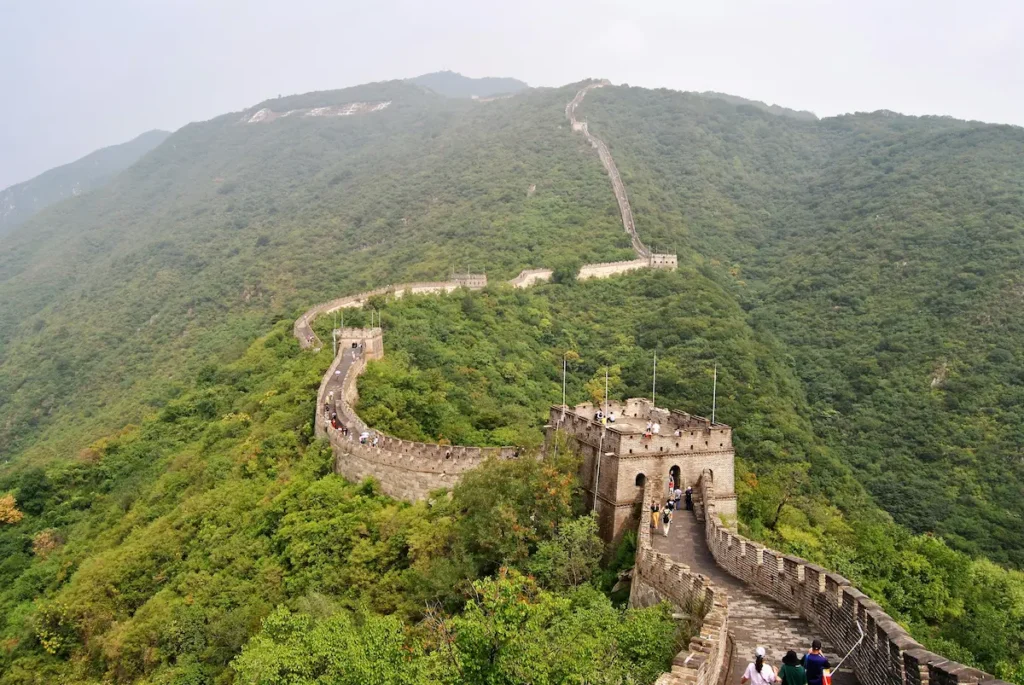
Head out early to the Mutianyu section of the Great Wall, which is really hard for us to carry two kids. It also has cable cars for some sections of the Great Wall.
Pack your own picnic to avoid overpriced snacks. After a morning of exploring, head back for an easy evening stroll—we loved wandering Houhai Lake at sunset, watching locals dance and sing karaoke while our kids licked popsicles.
Day 3: Temple of Heaven + Summer Palace
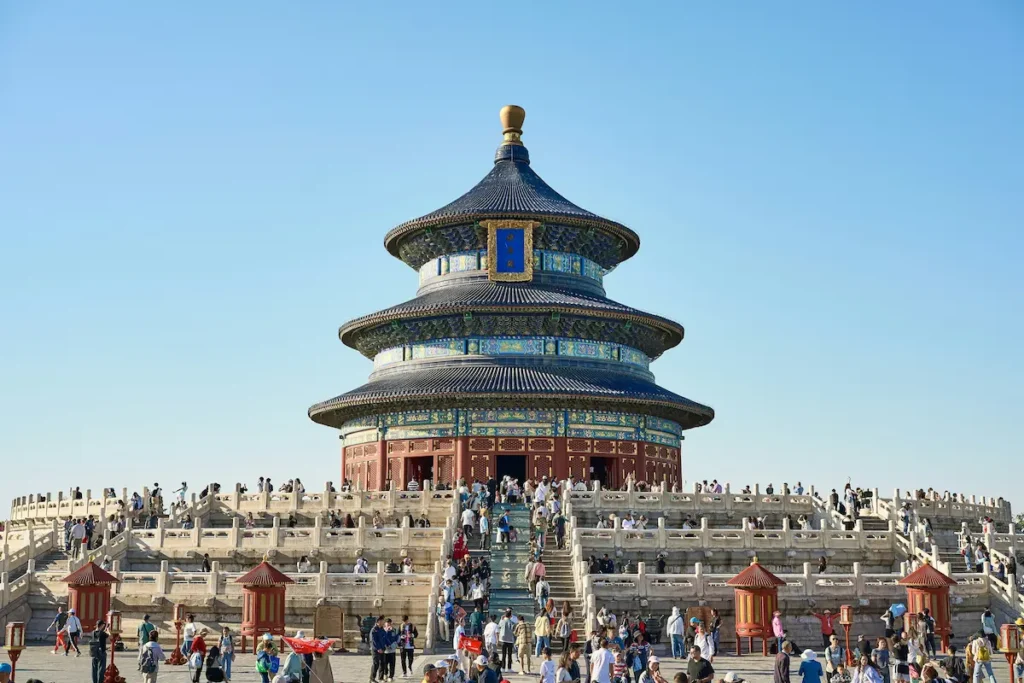
Morning at the Temple of Heaven, where kids can enjoy open playground-style lawns and watch locals practicing tai chi. In the afternoon, spend a slower-paced day at the Summer Palace—lots of space, lakes, and gardens for kids to run, plus shady picnic spots. This was our “reset” day between big attractions.
Day 4: Zoo or Hutong Exploration
If your kids love animals, the Beijing Zoo & Panda House is worth a morning (though the zoo itself feels dated, the pandas are a big win).
Alternatively, take a slow wander through Beijing’s hutongs—old neighborhoods with hidden courtyards, quirky cafés, and a glimpse of “old Beijing.” Some hutongs have gentrified with modern shops and bakeries, which can be a fun mix of traditional and trendy.
Parent tip: Pace your days with snacks and downtime. Beijing requires lots of walking, and a tired toddler can derail the best-laid itinerary.
Practical Travel Tips for Beijing with Kids
Sightseeing with kids in a city like Beijing isn’t about “ticking everything off.” It’s about balancing history, culture, and those everyday needs—snacks, naps, and space to just be kids. Here are the little things that saved our sanity:
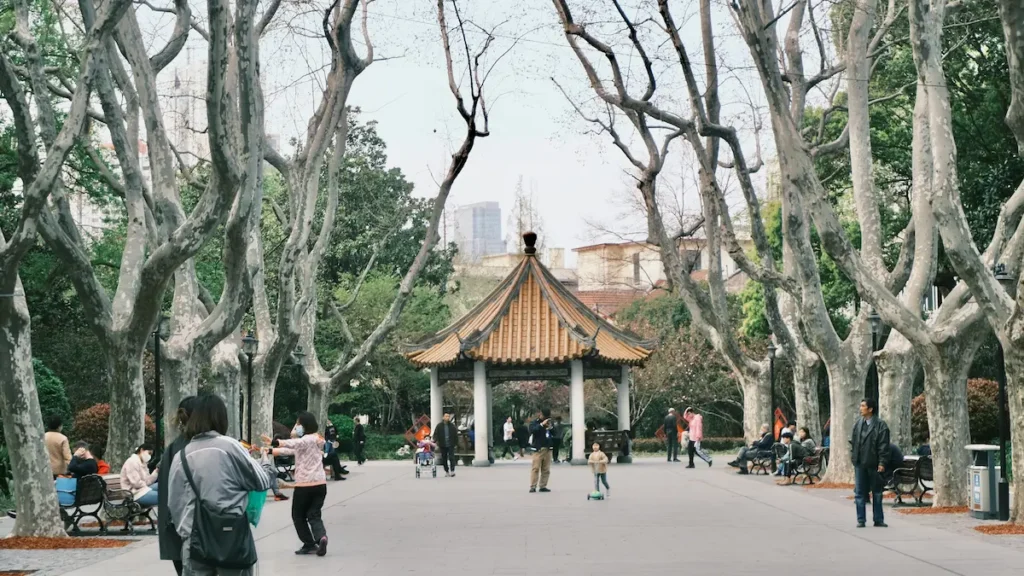
Packing Hacks for Beijing with kids
- Always carry simple snacks (crackers, fruit, and buns) and refillable water bottles. Hungry kids + long queues = instant meltdown.
- In summer, a portable fan or cooling towel is a lifesaver; in winter, pack light masks for sensitive lungs on smoggy days.
- We loved having a lightweight umbrella stroller—easy to fold on the metro—but often switched to a baby carrier for uneven paths like the Great Wall.
Tackle Queues & Downtime
Beijing’s attractions often mean bag checks and long lines. We turned queues into little games—“count the red lanterns” or “spot the dragons.” Small toys, sticker books, or downloaded shows also helped keep spirits up.
How to manage Jet Lag & Naps
Our kids adjusted faster when we gave them a quiet park break on day one instead of overloading them with sightseeing. Plan flexible nap times—even if it means lying on a picnic mat at the Summer Palace or catching a stroller nap at Jingshan Park.
Pacing Sightseeing in Beijing with Kids
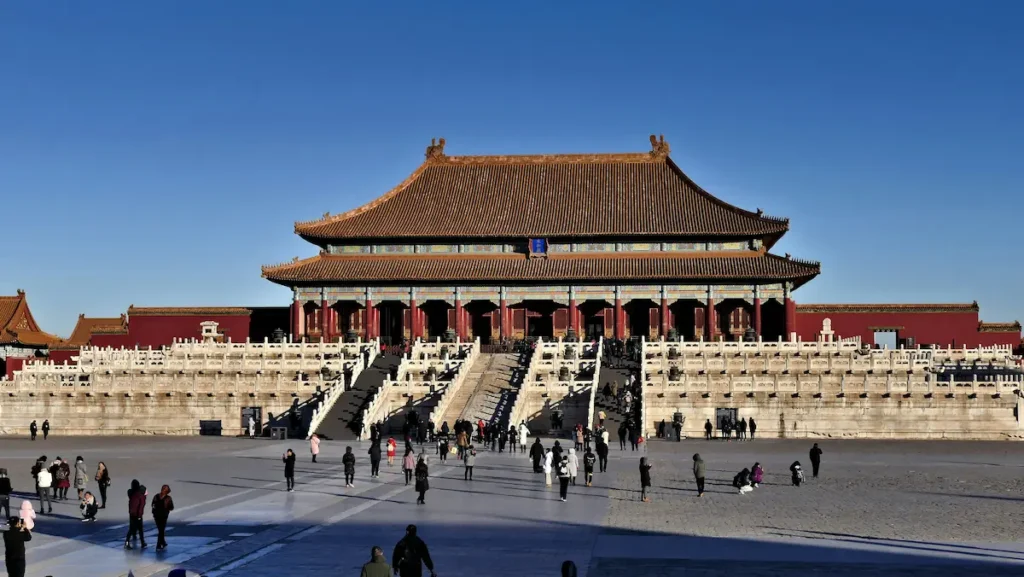
- Mix big “adult” attractions (like Forbidden City) with kid resets (parks, playgrounds, and the zoo).
- Don’t be afraid to skip something if it feels overwhelming. A happy walk around Houhai Lake with popsicles may end up being a core memory.
- Remember: kids aren’t little grown-ups. Meltdowns happen, and that’s okay—better to slow down than push through.
You don’t need to see everything. The magic of Beijing lies as much in its people, parks, and everyday rhythms as in its famous sights.
FAQs About Visiting Beijing with Kids
1. Is Beijing safe for kids?
Yes. Beijing is safe for families, with low violent crime, visible security, and clean public transport. The main concerns are crowds, traffic, and air quality, so plan breaks and carry masks if needed.
2. What’s the best area to stay in Beijing with kids?
Wangfujing and Dongcheng are best for sightseeing, so staying here is close to them. Chaoyang is ideal for modern hotels, parks, and international restaurants, and is best for young kids.
3. Can you do the Great Wall with toddlers?
Yes, at Mutianyu. It has cable cars, gentler steps, and wide paths. Bring a carrier instead of a stroller.
4. Is the Beijing subway stroller-friendly?
Partly. Elevators aren’t at every station, and rush hours are crowded. A lightweight foldable stroller works best.
5. Where can Western families find familiar food?
Sanlitun, Chaoyang, and major malls feature Western chains such as Starbucks, Pizza Hut, and Shake Shack. Dumplings and noodles are kid-friendly local options.
6. How far is Beijing from Shanghai?
Beijing and Shanghai are about 1,200 kilometers (745 miles) apart. The easiest way to travel between them is by high-speed train, which takes around 4.5 to 6 hours depending on the route.
If you’re traveling with kids, the train is much more comfortable than flying — there’s plenty of legroom, clean restrooms, and food trolleys. Flights are faster (around 2.5 hours), but once you include airport check-ins and transfers, the total travel time is often about the same.
Our tip: Book your train tickets in advance on Trip.com — it’s reliable, offers English support, and shows seat types like second class, first class, and business class perfectly.
Recommended China Guides for Parents
If Beijing is your first stop in China, there’s plenty more to discover beyond the capital. We built these guides from our own family travels to help parents plan a smoother, slower, and more enjoyable trip across China with kids.
Continue Planning Your China Family Adventure
👉 China with Kids: The Complete Beginner’s Guide
Start here if you’re planning your first family trip to China. It covers visas, safety, transport, food, apps, cultural etiquette, and everything parents should know before arriving.
👉 China High-Speed Train Guide for Families
Traveling between Beijing, Shanghai, Chengdu, or Xi’an? Our step-by-step guide explains exactly how to book tickets, navigate train stations, board with strollers, store luggage, and enjoy one of the easiest ways to explore China with kids.
👉 Shanghai Travel Guide for Families
Heading to Shanghai after Beijing? Discover kid-friendly attractions, the best neighborhoods to stay in, stroller-friendly places, museums, and practical tips for exploring China’s most modern city.
👉 Tianjin with Kids
Just 30 minutes from Beijing by high-speed train, Tianjin makes an easy family day trip with European-style streets, riverside walks, parks, and a much slower pace than the capital.
👉 Chongqing with Kids
If your family loves pandas, mountain scenery, cable cars, and unique city adventures, Chongqing is a fantastic next stop after Chengdu. It’s packed with exciting experiences for older kids and adventurous parents.
👉 Zhangjiajie with Kids
Planning to see China’s famous Avatar Mountains? Our family guide covers glass bridges, cable cars, scenic viewpoints, hiking tips, and how to visit Zhangjiajie comfortably with children.
👉 20 Things to Know Before Visiting China
From mobile payments and eSIMs to high-speed trains, food, air quality, and everyday travel tips, these are the practical lessons we wish we’d known before our first China family adventure.
Planning a family trip to Beijing? If you have a question or a tip from your own experience, we’d love to hear from you in the comments.

FOUNDER • FAMILY TRAVEL WRITER • MUM OF TWO
About the Author
Hi, I’m Shivani, the founder of Roaming Crew.
Based in Singapore and having lived in different parts of Asia—including two years in India—I’ve explored 18+ destinations across the region, with 12+ of those journeys taken alongside my young kids.
From choosing family-friendly destinations and navigating local transport to budgeting, accommodation, and practical travel logistics, Roaming Crew is created with a parent-first mindset.