
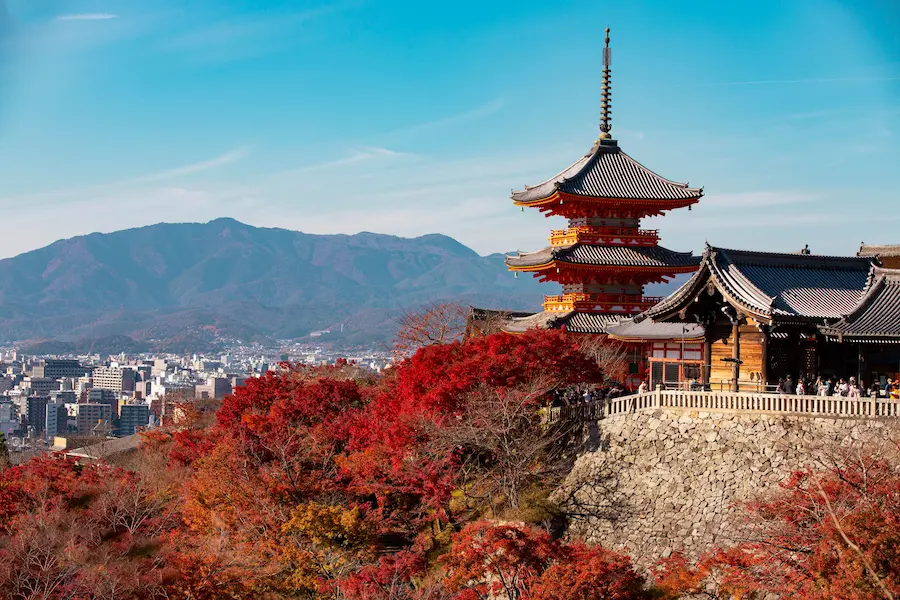
Planning your first trip to Japan with kids can feel surprisingly difficult. Not because there aren’t enough places to visit—but because there are too many.
Tokyo, Kyoto, Osaka, Mt. Fuji, Hakone, Nara, Hiroshima, and so many more all look tempting on the map, while your family probably has only one or two weeks to work with.
And when you’re travelling a long way with young children, every destination you add comes with a cost: another hotel change, another train journey, another morning of figuring out where to go, and another chance for an excited child to simply be tired.
We learnt this ourselves when we travelled through Japan with our young kids during cherry blossom season. With a five-year-old and a toddler, we quickly realized that a great Japan family vacation isn’t about seeing as many famous places as possible.
It’s about choosing the places that fit your family—and giving them enough time to enjoy them.
Some destinations are brilliant first-trip bases. Others are better as a day trip. Some are wonderful with toddlers but involve more walking than you might expect. And a few are better saved for a longer trip or a return visit.
That’s what this guide is here to help you work out.
If you’re planning a Japan trip for this coming fall, thinking ahead to cherry blossom season next year, or simply starting to build a family holiday around your available vacation days, I’ll help you narrow the choices down before you start booking hotels and trains.
You’ll find 10 of the best places to visit in Japan with kids, with a practical look at who each destination suits, how long to stay, whether it’s better as a base or day trip, what to expect with young children, and when I would skip it.
After travelling in Japan with my family, I can say now that the question isn’t really “What are the best places in Japan?”
It’s:
“Which places are worth our family’s precious holiday time?”
And that’s the question we’ll answer first.
Quick Answer — What Are the Best Places to Visit in Japan With Kids?
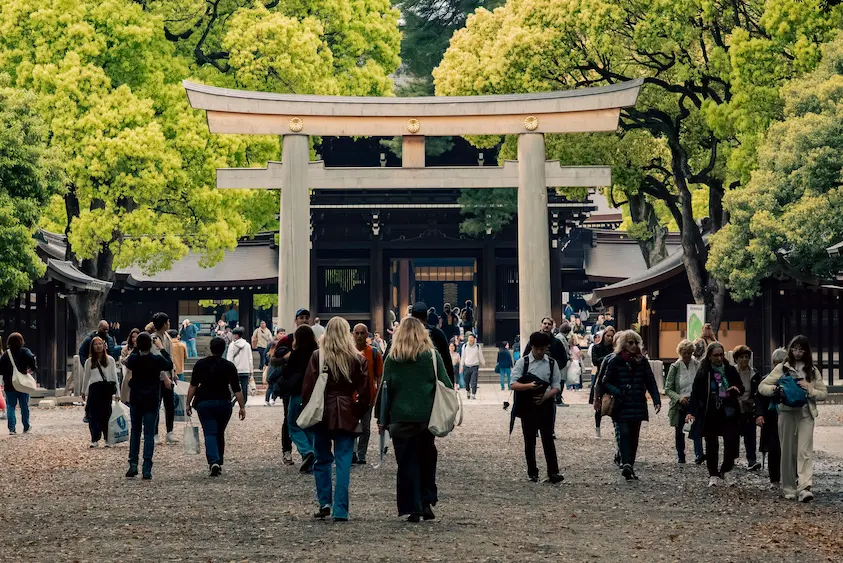
If you’re planning your first family trip to Japan, you don’t need to visit every place that looks interesting on the map.
For most families with young children, I’d start with Tokyo, Kyoto, and Osaka, then add one or two carefully chosen day trips or smaller destinations depending on how many days you have.
Here are the places I’d consider first when building a Japan itinerary with kids:
- Tokyo—best overall for first-time families
- Kyoto—best for experiencing traditional Japan
- Osaka—best for food, entertainment, and younger kids
- Mt. Fuji / Kawaguchiko—best for iconic Japan scenery
- Hakone—best for nature and a fun transport adventure
- Nara—best for animal-loving kids
- Uji—best for a slower family day
- Hiroshima & Miyajima — best for longer trips and older children
- Kanazawa—best for traditional Japan beyond Kyoto
- Hokkaido—best for nature, snow, and a separate Japan adventure
But these aren’t ten places I’d tell you to squeeze into one vacation. Some deserve several nights, while others work beautifully as day trips. And if you’re travelling with a toddler or preschooler, the “best” destination can be very different from the one that looks most impressive on Instagram.
Best Places in Japan With Kids at a Glance
| Destination | Best for | Young kids | Time | Trip role |
|---|---|---|---|---|
| Tokyo | First-time families | ⭐⭐⭐⭐⭐ | 4–5 nights | Main base |
| Kyoto | Traditional Japan | ⭐⭐⭐⭐ | 3–4 nights | Main base |
| Osaka | Food & family fun | ⭐⭐⭐⭐⭐ | 3–4 nights | Main base |
| Mt Fuji / Kawaguchiko | Iconic scenery | ⭐⭐⭐⭐⭐ | 1 day | Day trip |
| Hakone | Nature and transport adventure | ⭐⭐⭐⭐ | 1–2 days | Day trip / overnight |
| Nara | Deer + easy culture | ⭐⭐⭐⭐⭐ | ½–1 day | Day trip |
| Uji | A slower family day | ⭐⭐⭐⭐⭐ | ½–1 day | Day trip |
| Hiroshima & Miyajima | History and culture | ⭐⭐⭐⭐ | 1–2 nights | Longer trip |
| Kanazawa | Traditional Japan | ⭐⭐⭐⭐ | 2 nights | Longer trip |
| Hokkaido | Nature + snow | ⭐⭐⭐⭐ | 4+ nights | Separate trip |
A quick note for busy parents: the “Young kids” rating is not a judgement of how family-friendly a destination is overall. It reflects how comfortable I think it is to include that place when you’re travelling with younger children and trying to keep the trip enjoyable rather than rushed.
For example, Kyoto is absolutely wonderful with kids, but it can involve more walking and stairs than parents sometimes expect. On the other hand, Nara or Uji can give you a memorable day without another hotel change.
And that’s an important distinction when planning Japan with little ones: a destination doesn’t have to be a multi-night stop to be worth visiting.
A note from our family:
We travelled through Japan with our 5-year-old and toddler during cherry blossom season, visiting several of the destinations below. So while this list includes places we’d recommend for different kinds of family trips, our strongest recommendations come from what we experienced travelling there with young children ourselves.
The Best Places to Visit in Japan With Kids
Choosing where to go in Japan with kids is less about seeing the most places and more about choosing the right mix for your family.
For a first trip, Tokyo, Kyoto, and Osaka are the easiest places to build around. From there, you can add destinations such as Mt. Fuji, Hakone, Nara, or Uji, depending on how many days you have and how much moving around your children can handle.
And one decision comes before your itinerary even starts: where should you land?
Where Should You Land in Japan With Kids?
Tokyo isn’t automatically the best starting point. For many first-time families, flying into Tokyo makes sense because it is an easy introduction to Japan and gives you plenty to do without immediately changing hotels.
But if your family would prefer to ease into Japan with a slightly calmer start, landing in Osaka can work beautifully too. You can begin with Osaka, explore at a more relaxed pace, and then travel towards Kyoto and Tokyo.
So when choosing your arrival airport, think about how you want the first few days to feel, not just which airport is more popular.
| If your family wants… | Consider starting in… |
|---|---|
| Big-city excitement and lots of child-friendly choices | Tokyo |
| A more relaxed start to your Japan adventure | Osaka |
| Tokyo and Kyoto on a short first trip | Tokyo |
| Osaka + Kyoto + Tokyo without backtracking | Osaka |
Planning tip: You don’t necessarily have to fly in and out of the same city. An open-jaw itinerary—flying into one city and home from another—can sometimes save your family a long return journey.
If you’re deciding between the two, see our guide: Tokyo vs Osaka: Which Is Better for Families?
1. Tokyo — Best Overall for a First Family Trip to Japan
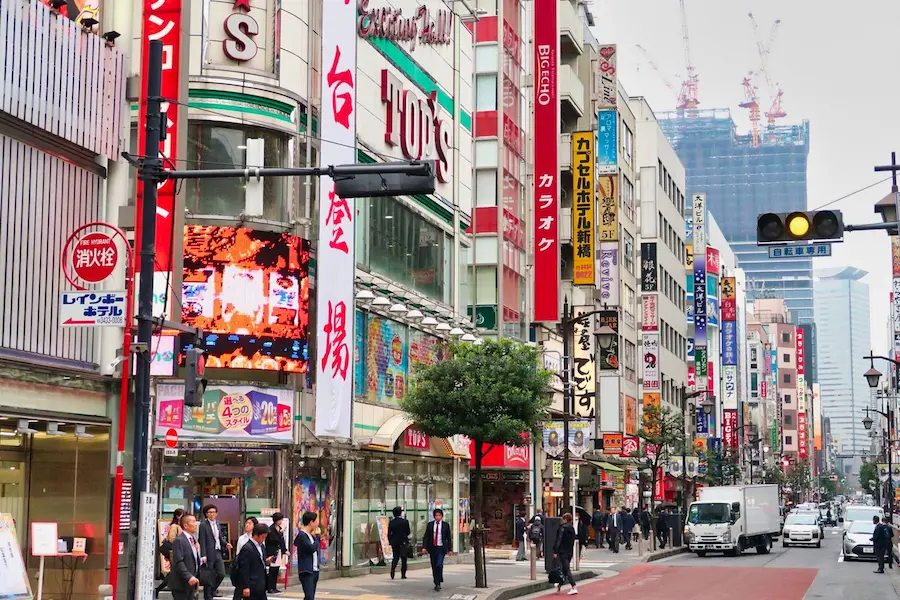
Tokyo is my top choice for families visiting Japan for the first time, especially if your children are curious and energetic.
You get the classic first-Japan experiences—Shinkansen, Pokémon, neighborhoods, parks, and interactive attractions—along with an enormous choice of food and family-friendly accommodation.
Best for: First-time families, curious kids, and mixed ages
Stay: 4–5 nights
Role: Main base
Family reality: lots of walking, excellent transport, stroller possible with some planning
Roaming Crew Mum Tip:
With young children, don’t try to cover Tokyo by ticking off attractions. Choose one main area or experience for the day and leave room for snacks, playgrounds, and a hotel break.
When I’d shorten it: If your children find crowds, long walking days, or busy stations exhausting, I’d cut Tokyo and spend more time somewhere slower.
Go deeper: Tokyo With Kids — Complete Family Guide
2. Kyoto—Best for Traditional Japan With Kids
Kyoto is the place I’d choose if your family wants to experience temples, gardens, and traditional Japan at a slower pace. It feels very different from Tokyo, and for many families, that contrast is exactly what makes it worth adding to a first trip.
You can explore a beautiful temple or garden in the morning, wander through a traditional neighborhood, stop for a snack, and keep the afternoon relatively unstructured. With children, that slower rhythm can be a welcome change after busy Tokyo.
Best for: Families who want culture, history, and a calmer rhythm
Stay: 3–4 nights
Role: Main base
Family reality: Lots of walking, stairs, and uneven surfaces; stroller access varies
| Family Factor | What to Expect |
|---|---|
| Walking | High |
| Stroller | Mixed—baby carriers can be useful. |
| Best for | Toddlers through teens |
| Recommended stay | 3–4 nights |
Roaming Crew Mum Tip:
Don’t plan Kyoto around how many temples you can visit. With young children, I’d choose one major temple or cultural area for the morning, then leave time to wander, eat, and rest. Trying to combine several distant sights can turn a beautiful Kyoto day into a very tiring one.
When Kyoto may not be the best choice: If you only have a few days in Japan and are already trying to fit Tokyo, Osaka, and several day trips into the itinerary, I’d rather see less of Kyoto properly than add it as another rushed stop.
Go deeper: Kyoto With Kids—Family Guide
3. Osaka—Best for Food, Fun, and Younger Kids
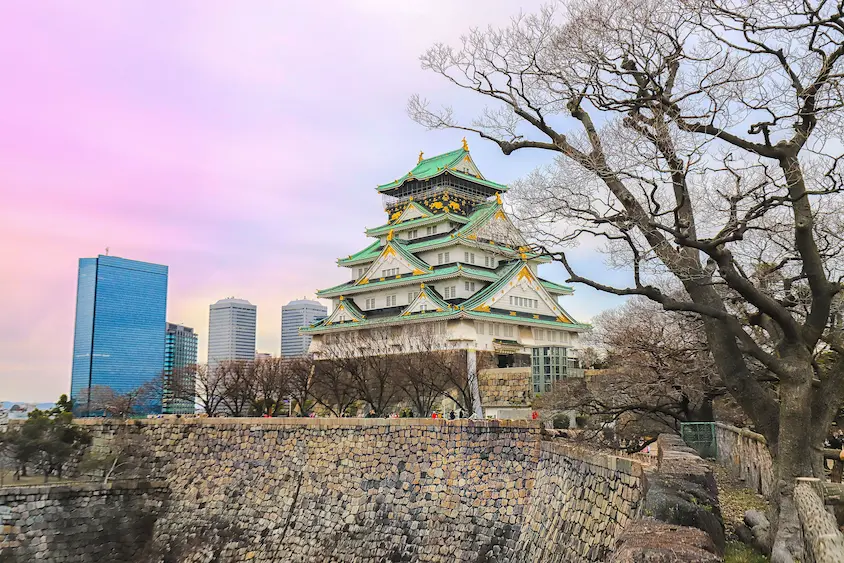
Osaka is an easy city to enjoy with children because it feels approachable, lively, and very food-focused. For younger kids, the combination of fun attractions, easy meals, and less pressure to sightsee can make Osaka feel particularly relaxed.
Families can choose from experiences such as Osaka Aquarium and Universal Studios Japan for suitable ages, family entertainment, and plenty of casual food options.
Best for: Social, playful, and food-loving kids
Stay: 3–4 nights
Role: Main base
Family reality: Moderate–high walking, excellent transport, and plenty of easy evening options
| Family Factor | What to Expect |
|---|---|
| Walking | Moderate–high |
| Transport | Excellent |
| Younger kids | ⭐⭐⭐⭐⭐ |
| Recommended stay | 3–4 nights |
Roaming Crew Mum Tip:
Osaka works well when you don’t want every evening to end with a tired child and another train journey. Choose an area to explore, eat locally, and let the evening stay simple.
Go deeper: Osaka With Kids—Family Guide
Osaka vs. Tokyo With Kids—Which Should You Choose?
Choose Tokyo if you want the classic first-Japan experience, a huge variety, and more big-city attractions.
Choose Osaka if your priority is a more relaxed mix of food, entertainment, and child-friendly experiences. For a first trip, you don’t necessarily need to choose—Tokyo + Osaka works especially well when you have enough days to avoid rushing between them.
See our detailed Tokyo vs. Osaka With Kids comparison.
4. Mt. Fuji / Kawaguchiko—Best for the Iconic Japan Experience
Seeing Mt. Fuji can be one of those “this is why we came to Japan” moments for a family—but Fuji should come with one important warning: you cannot plan the weather.
Kawaguchiko gives families the chance to see Fuji alongside lakes, open scenery, and a very different side of Japan. For children, having space and scenery after busy cities can be a nice change of pace.
Best for: Families who want iconic Japanese scenery
Stay: Day trip or 1–2 nights
Role: Day trip or short overnight
Family reality: Weather-dependent and travel takes planning
| What to Consider | Family Reality |
|---|---|
| Fuji views | Never guaranteed |
| Travel | Longer than a typical Tokyo outing |
| Day trip | Works if you want to keep your hotel base |
| Overnight | Better for a slower experience |
Roaming Crew Mum Tip:
Don’t build your entire day around getting the perfect Fuji photograph. Clouds can roll in quickly. Give yourself other things to enjoy so the day still feels worthwhile if Fuji decides not to appear. Check the live camera or weather prediction before heading out.
For young children, I’d also seriously consider whether an organized day trip makes more sense than trying to piece together multiple connections yourself.
Go deeper: Day Trip to Mt. Fuji With Kids
5. Hakone—Best for Nature, Trains, Boats, and Adventure
Hakone is a great choice for children who enjoy the journey as much as the destination. Instead of simply visiting a scenic spot, the experience can involve trains, cable cars, the ropeway, a boat, and mountain scenery.
That makes Hakone feel like an adventure rather than another sightseeing stop.
Best for: Kids who love transportation, boats, and adventure
Stay: Day trip or 1–2 nights
Role: Day trip from Tokyo or overnight
Family reality: Multiple modes of transport and some walking
| Experience | What Kids May Enjoy |
|---|---|
| Train | Part of the adventure |
| Cable car/ropeway | Mountain views |
| Boat | Fun change of pace |
| Scenery | A break from the cities |
Roaming Crew Mum Tip:
Don’t try to “complete” the Hakone loop. With a five-year-old and a baby, we found that the experience is much better when you accept that you may not do every part of the famous route. Pick the experiences that suit your children and let the rest go.
Day trip or overnight? A day trip works well if you want to keep Tokyo as your base. Stay overnight if you want the slower experience and don’t mind another hotel change.
Go deeper: Hakone With Kids
6. Nara — Best for Animal-Loving Kids
If your children love animals, Nara is one of the easiest additions to a Japan itinerary. The deer, open spaces, and temples give children something immediate to engage with, while parents still get a taste of Japan’s history and culture.
It doesn’t need to become a full-day sightseeing marathon.
Best for: Animal-loving kids and families wanting an easy cultural day
Best as a day trip from Kyoto or Osaka
| Family Factor | What to Expect |
|---|---|
| Walking | Moderate–high |
| Main appeal | Deer + open spaces |
| Time needed | Half- to full-day |
| Best role | Day trip |
Roaming Crew Mum Tip:
Give children time to watch the deer rather than rushing from one sight to another. And teach them to feed and approach the deer responsibly—these are still wild animals, not petting-zoo animals.
Is Nara worth adding?
Yes, if your children would genuinely enjoy the deer and you have room in your itinerary. If you’re already moving quickly between Tokyo, Kyoto, and Osaka, I wouldn’t force Nara in just because every Japan itinerary seems to include it.
Go deeper: Here is our experience of visiting Nara With Kids
7. Uji—Best for a Slower Family Day
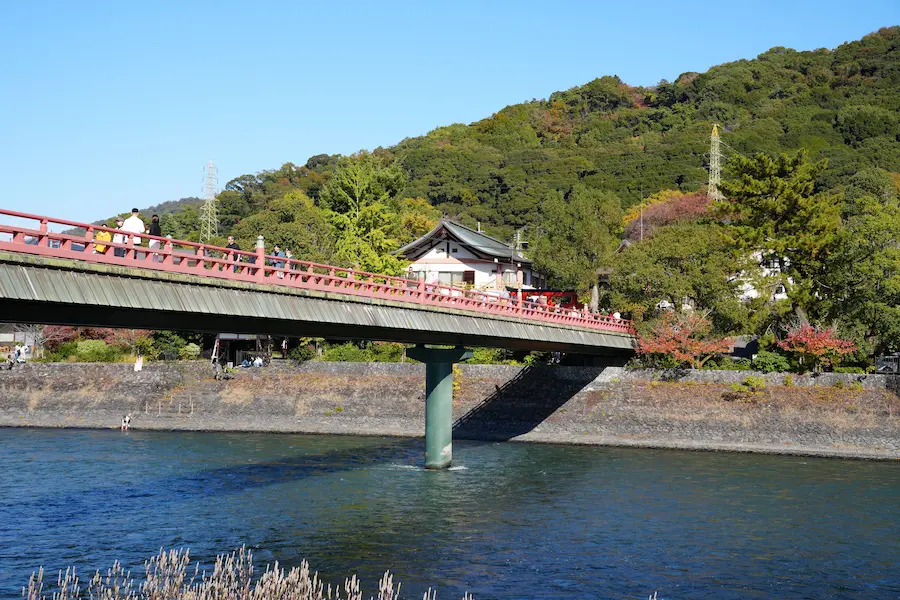
Uji is not somewhere I’d tell every first-time family that they must visit. That’s precisely why I like it.
After a busy Tokyo and Kyoto, Uji can give your family a slower half-day by the river, with traditional streets, temples, and its famous matcha culture. If you have an extra day, give it a chance; just strolling gives the experience of Edo Period Japan, without the tourist rush.
Best for: Families who don’t want every day to be an attraction marathon
Best as: Half-day or relaxed day trip from Kyoto
| Why Uji Works | For Families |
|---|---|
| Slower pace | Less pressure |
| River | Space to pause |
| Matcha culture | A taste of local Japan |
| Temples | Gentle cultural sightseeing |
| Easy day trip | No hotel change |
Roaming Crew Mum Tip:
I’d use Uji as a breathing-space day, not another day to fill with a checklist. Sometimes a child-friendly Japan itinerary is better because one afternoon has nothing urgent on it.
Go deeper: Uji With Kids a guide that includes our calm experience and food spots.
8. Hiroshima & Miyajima — Best for Older Kids and Longer Trips
Hiroshima and Miyajima can add a meaningful cultural and historical dimension to a Japan trip, but I wouldn’t consider them essential for every first-time family.
The Hiroshima Peace Memorial sites can be emotionally heavy, particularly for younger children, while Miyajima offers a very different experience with its island setting, temples, and wildlife.
Best for: Families with older school-age children and families with 10–14+ days
Role: Longer-trip destination
Family reality: A longer journey and a more emotionally significant visit
| Consider This | My Take |
|---|---|
| 7-day trip | Skip |
| 10-day trip | Consider if history matters to your family. |
| 14+ days | Easier to include |
| Older children | Better suited |
Should you add it?
If you have only seven days, I’d keep your itinerary simpler. With two weeks or more, Hiroshima and Miyajima can be a worthwhile addition—especially if your older children are ready to engage with Japan’s history rather than simply looking for entertainment.
9. Kanazawa—Best for Traditional Japan Beyond Kyoto
Kanazawa is a good alternative for families who want traditional Japan without simply adding another major city.
It offers historic streets, gardens, traditional culture, and a quieter atmosphere than Tokyo or Osaka.
Best for: Families with more time or returning visitors
Stay: 2–3 nights
Role: Main base for a regional stop
| Choose Kanazawa If… | Instead of… |
|---|---|
| You want quieter traditional Japan. | Another busy city |
| You’ve already seen Kyoto. | Repeating the same type of experience |
| You have extra days. | Squeezing it into a short trip |
Roaming Crew Mum Tip:
I wouldn’t add Kanazawa simply to make your map look fuller. Choose it because you want a slower, more traditional experience.
10. Hokkaido—Best for Nature, Snow, and a Different Japan
Hokkaido is almost a completely different style of Japan trip. Think snow, nature, wide-open landscapes, and seasonal experiences rather than the classic Tokyo–Kyoto–Osaka route.
Best for: Families travelling for snow, nature, or a longer Japan adventure
Stay: 5–7+ nights
Role: Main destination / separate trip
| Hokkaido Works Best For… | Why? |
|---|---|
| Snow-loving families | Winter experiences |
| Nature lovers | Wide-open landscapes |
| Longer trips | More time to explore |
| Returning visitors | A very different side of Japan |
Roaming Crew Mum Tip:
I wouldn’t try to squeeze Hokkaido into a first 10-day Tokyo–Kyoto–Osaka itinerary. For many families, Hokkaido deserves its own trip.
That is especially true when travelling with young children—you’ll enjoy it far more if you aren’t constantly watching the clock for your next flight or train.
Which Places Are Best for Toddlers and Preschoolers?
Travelling around Japan with a toddler or preschooler is different from travelling with older children. Shorter sightseeing days, easy food stops, places to pause and play, and fewer hotel changes can matter more than how many attractions you see.
Here’s how I’d look at the main destinations if you’re travelling with children under five:
| Destination | Toddlers | Preschoolers | Main challenge |
|---|---|---|---|
| Tokyo | ⭐⭐⭐⭐⭐ | ⭐⭐⭐⭐⭐ | Walking and crowds |
| Osaka | ⭐⭐⭐⭐⭐ | ⭐⭐⭐⭐⭐ | Busy areas |
| Nara | ⭐⭐⭐⭐⭐ | ⭐⭐⭐⭐⭐ | Deer + walking |
| Uji | ⭐⭐⭐⭐⭐ | ⭐⭐⭐⭐⭐ | Fewer major attractions |
| Mt. Fuji | ⭐⭐⭐⭐ | ⭐⭐⭐⭐⭐ | Weather |
| Hakone | ⭐⭐⭐⭐ | ⭐⭐⭐⭐⭐ | More complex transport |
| Kyoto | ⭐⭐⭐⭐ | ⭐⭐⭐⭐⭐ | Walking and stairs |
If I Were Travelling to Japan Again With Very Young Children
I wouldn’t build the trip around how many places we could tick off. I’d choose fewer bases and leave predictable pockets of time in each day for meals, naps, playgrounds, or simply doing nothing.
Tokyo gives you the flexibility to change plans when children are tired. Osaka can be an easy choice when you want more entertainment and casual family time. Kyoto needs a little more breathing room because sightseeing can involve plenty of walking and stairs.
I’d also use Nara or Uji as a day out rather than another hotel move when they fit the route. And with Fuji or Hakone, I’d choose the experience that feels manageable rather than trying to complete every suggested stop.
Travelling through Japan with a five-year-old and a toddler taught us one thing: a good family itinerary leaves enough energy for tomorrow.
Which Places Are Best for a First Trip to Japan?
Once you’ve narrowed down the destinations that suit your children, the practical question is, how many can you comfortably combine?
If You Have 7 Days: Tokyo + Kyoto
For a first family trip, I’d keep the route simple:
Tokyo → Kyoto
A starting point could be 4 nights in Tokyo + 3 nights in Kyoto.
That gives you two very different sides of Japan without spending too much of your holiday moving between hotels.
I’d leave out Osaka, Hiroshima, and most additional day trips unless one is a particular priority for your family.
If You Have 10 Days: Tokyo + Kyoto + Osaka
With three more days, you can add Osaka:
Tokyo → Kyoto → Osaka
A simple framework is 4 nights in Tokyo + 3 nights in Kyoto + 3 nights in Osaka.
If your children enjoy day trips, you could add Mt. Fuji OR Hakone, but I wouldn’t automatically add both.
Think of three main bases, rather than trying to collect six destinations.
If You Have 14 Days: Tokyo + Fuji/Hakone + Kyoto + Osaka
Two weeks gives you enough room for a slightly fuller route:
Tokyo → Mt. Fuji/Hakone → Kyoto → Osaka
You can give each place more time without turning every other day into a transfer day.
Nara or Uji can work well as day trips if they fit naturally into your route.
You could also consider Hiroshima & Miyajima if your family is particularly interested in its history and your children are comfortable with the longer journey.
If You Have 2–3 Weeks: Add a Regional Destination
With two or three weeks, you can look beyond the classic first-trip route.
Depending on your interests and the season, consider:
- Hiroshima & Miyajima
- Kanazawa
- Hokkaido
- Another regional destination that genuinely fits your family
But having more days doesn’t mean you need more destinations.
Use the extra time to slow down, not just to add another hotel check-in.
Ready to Build the Route?
Once you’ve chosen your destinations, the next step is deciding the order, number of nights, day trips, and realistic travel days.
→ Japan Itinerary With Kids: 7-, 10-, & 14-Day Family Routes
Tokyo, Kyoto, or Osaka—Which Is Best for Your Family?
If you’re choosing between the three main cities, start with what you want your family to experience:
| If your family wants… | Consider… |
|---|---|
| Your first taste of Japan | Tokyo |
| Traditional Japan | Kyoto |
| Food + entertainment | Osaka |
| The widest variety of experiences | Tokyo |
| A slower cultural experience | Kyoto |
| More entertainment for younger children | Osaka |
The right starting point depends on what your family wants from Japan and how much moving around your children are comfortable with.
You also don’t have to choose just one. Combining two or all three can work when your trip is long enough to do so without making the itinerary feel rushed.
Which Japan Destinations Should You Skip on a First Trip With Young Kids?
You don’t need to visit every famous place in Japan to have a great family trip.
For a first trip with young children, I’d be cautious about adding a destination if it means another hotel change, a long transfer, or a complicated day for relatively little extra experience.
That doesn’t mean these places aren’t worth visiting. It means they may not be worth adding to this particular family trip.
When I’d Leave a Destination Out
Too many hotel changes
Moving every one or two nights can be tiring with young children, especially when you’re also managing luggage, naps, meals, and unfamiliar surroundings.
A destination takes too much effort for your available time.
If getting there and back takes most of a day, ask whether your children will actually enjoy what you’re gaining from the visit.
Trying to fit everything into one short trip
Tokyo + Kyoto + Osaka + Mt. Fuji + Hakone + Hiroshima may look exciting on a map, but it can leave very little time to actually enjoy each place.
It’s famous but doesn’t suit your family.
A destination doesn’t become essential simply because it appears on most Japan itineraries. Your children may get much more from a park, a train ride, or an easy afternoon in one neighborhood than another long sightseeing day.
Our rule: If adding a destination makes the rest of the trip harder, it’s okay to leave it for next time.
Kids don’t experience a trip as a list of highlights. They experience the places, routines, and people around them. A little familiarity can make a big difference when you’re travelling with young children.
Best Places in Japan for Fall Family Travel
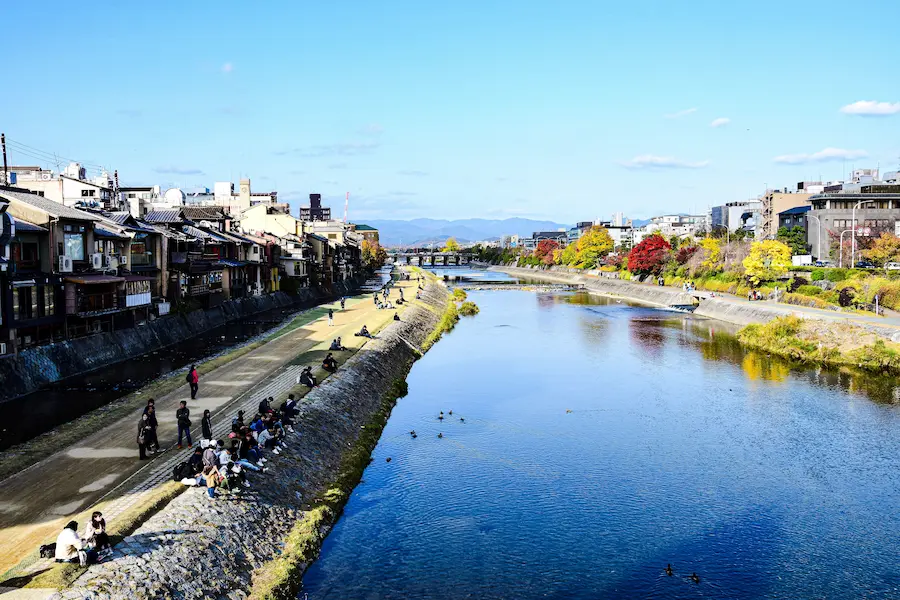
Fall is one of the most appealing times to visit Japan with children, particularly for families hoping to see autumn colors without the heat of summer.
If foliage is part of your reason for choosing Japan in fall, these destinations are worth considering:
Best for Autumn Foliage
- Kyoto—temples, gardens, and traditional scenery
- Hakone—mountain scenery and a change from the cities
- Mt. Fuji area—autumn landscapes around the iconic mountain
- Nara—parks, temples, and open spaces
- Tokyo—gardens and city parks can provide an easier foliage experience without another hotel move
The important thing is not to build your entire trip around a single foliage forecast. Color timing varies by location and year, so keep some flexibility where you can.
What Changes When Travelling in Fall With Kids?
Fall can bring cooler mornings and evenings but warmer daytime temperatures, so layers are much more practical than packing for one fixed temperature.
It is also a popular travel season. Families planning around peak autumn foliage should expect higher demand for popular accommodation and attractions, particularly in well-known foliage destinations.
You don’t need to predict the exact day every leaf will change color. Instead, choose destinations that you’d enjoy even if the foliage isn’t at its absolute peak.
Is Japan Worth Visiting With Young Kids?
Yes—but Japan works best when you plan around your children rather than trying to “complete” Japan.
Japan has many things that make family travel easier: excellent public transport, plentiful food options, organized infrastructure, and an enormous variety of experiences.
But it isn’t effortless.
You’ll still encounter a lot of walking, busy stations, crowded areas, stairs, and some long travel days. With toddlers especially, the difference comes from how you structure the trip.
Choose fewer bases, leave room between major activities, and don’t be afraid to change the day’s plan when everyone is tired.
For us, travelling around Japan with a five-year-old and a toddler, the experience became much easier once we stopped thinking about how much we could fit in and started thinking about how much our children could comfortably enjoy.
How to Choose the Right Japan Destinations for Your Family
You don’t need to decide between ten destinations. Start with these five questions:
1. How old are your children?
A toddler’s needs are different from those of a school-age child or teenager. Think about walking, naps, food, attention span, and what genuinely interests them.
2. How many days do you have?
Your available time should determine how many destinations you add—not the other way around.
7 days: Keep the route simple.
10 days: Add another major base.
14+ days: Consider expanding regionally.
3. How much walking can your family comfortably manage?
Be realistic about your children’s daily walking tolerance. A destination that looks close together on a map may involve considerably more walking once you include stations and sightseeing areas.
4. What actually excites your children?
Do they gravitate towards:
- 🚅 Trains
- 🦌 Animals
- 🌳 Nature
- 🍜 Food
- 🎢 Theme parks
- ⛩️ Culture
- 🤖 Technology and interactive experiences
Let those interests influence your destination choices.
5. How many hotel changes are you comfortable with?
This is one of the easiest things to underestimate when planning Japan with young children.
If your answer is “not many,” build around fewer bases and use day trips where they make sense.
Your answers will usually narrow the trip down to three or four destinations—not ten.
That’s the point of this guide: to help you choose where to go before you start building the itinerary.
Plan Your Japan Family Trip From Here
You’ve now chosen which places actually make sense for your family. The next step is turning those choices into a realistic route.
1. Choose your destinations.
You’re here.
2. Build your route.
Work out the order, number of nights, pacing, and day trips.
3. Understand the costs
See what a realistic family trip can cost before you book.
4. Learn the practical details
→ Japan Travel Tips for Families
Cover the everyday questions that make travelling around Japan easier.
5. Choose where to stay.
→ Your relevant Tokyo, Kyoto, Osaka, or other accommodation guides
Choose the right area before booking rather than simply choosing the cheapest hotel.
6. Learn how the trains work.
Understand what train travel is actually like with children and luggage.
7. Pack for Japan
→ Japan Packing List for Families
Pack for your season, children, and the amount of moving around you’re doing.
Start with the route: → Japan Itinerary With Kids
Frequently Asked Questions About Visiting Japan With Kids
What is the most kid-friendly place in Japan?
There isn’t one destination that suits every family. Tokyo, Osaka, Nara, and Uji can all work particularly well with younger children, but the best fit depends on your children’s interests, walking tolerance, and the pace you want for your trip.
Which city in Japan is best for families?
Tokyo, Kyoto, and Osaka each offer a different family experience. Tokyo provides variety and a classic first introduction, Kyoto focuses more on traditional Japan, while Osaka combines food and entertainment. Your choice depends on what you want your children to experience.
Is Tokyo or Osaka better for kids?
Both can work well. Tokyo offers greater variety, while Osaka has a particularly approachable mix of food, entertainment, and family attractions. Consider your children’s interests and the overall route rather than choosing based only on the city itself.
Is Kyoto suitable for toddlers?
Yes. Toddlers can enjoy Kyoto, but parents should expect walking, stairs, and some uneven areas. Keeping sightseeing days short and avoiding too many temples or distant attractions in one day can make the experience much more manageable.
How many places should you visit in Japan with kids?
For a first trip, three or four main destinations are usually enough. The number should depend on your available days and how comfortable your family is with changing hotels and travelling between cities.
What are the best places in Japan for toddlers?
Tokyo, Osaka, Nara, and Uji are useful options to consider with toddlers, while Hakone, Mt. Fuji, and Kyoto can also work with appropriate pacing. The practical difference is often how much walking and transport your particular family is comfortable with.
Is Mt. Fuji worth visiting with kids?
It can be, particularly if seeing Mt. Fuji is important to your family. But views are weather-dependent, so don’t make the entire value of the day depend on seeing the mountain clearly. A day trip can work well if you want the experience without changing hotels.
Is Nara worth visiting with young kids?
Nara can be a fun addition for children who enjoy animals, particularly because of the deer and open spaces. Whether it’s worth adding depends on your itinerary. If your schedule is already packed, you don’t need to force in another day trip.
How many days are enough for Japan with kids?
There is no single number that works for every family. Seven days can work with a simple two-city route, while 10–14 days gives you more room to combine major destinations and a day trip or two without rushing.
Is Japan a good first trip to Asia with children?
Japan can be a comfortable introduction to travelling in Asia for families who are prepared for walking, busy transport hubs, and a different pace of travel. Its organized infrastructure and excellent transport can make independent family travel easier, while thoughtful pacing remains important.
Plan Your Japan Family Itinerary
You’ve chosen the places. Now it’s time to turn them into a realistic family route.
Japan Itinerary With Kids
7, 10, 14 & 21-day routes, realistic pacing, hotel changes, and day trips for families
→ Build Your Japan Itinerary With Kids

FOUNDER • FAMILY TRAVEL WRITER • MUM OF TWO
About the Author
Hi, I’m Shivani, the founder of Roaming Crew.
Based in Singapore and having lived in different parts of Asia—including two years in India—I’ve explored 18+ destinations across the region, with 12+ of those journeys taken alongside my young kids.
From choosing family-friendly destinations and navigating local transport to budgeting, accommodation, and practical travel logistics, Roaming Crew is created with a parent-first mindset.