
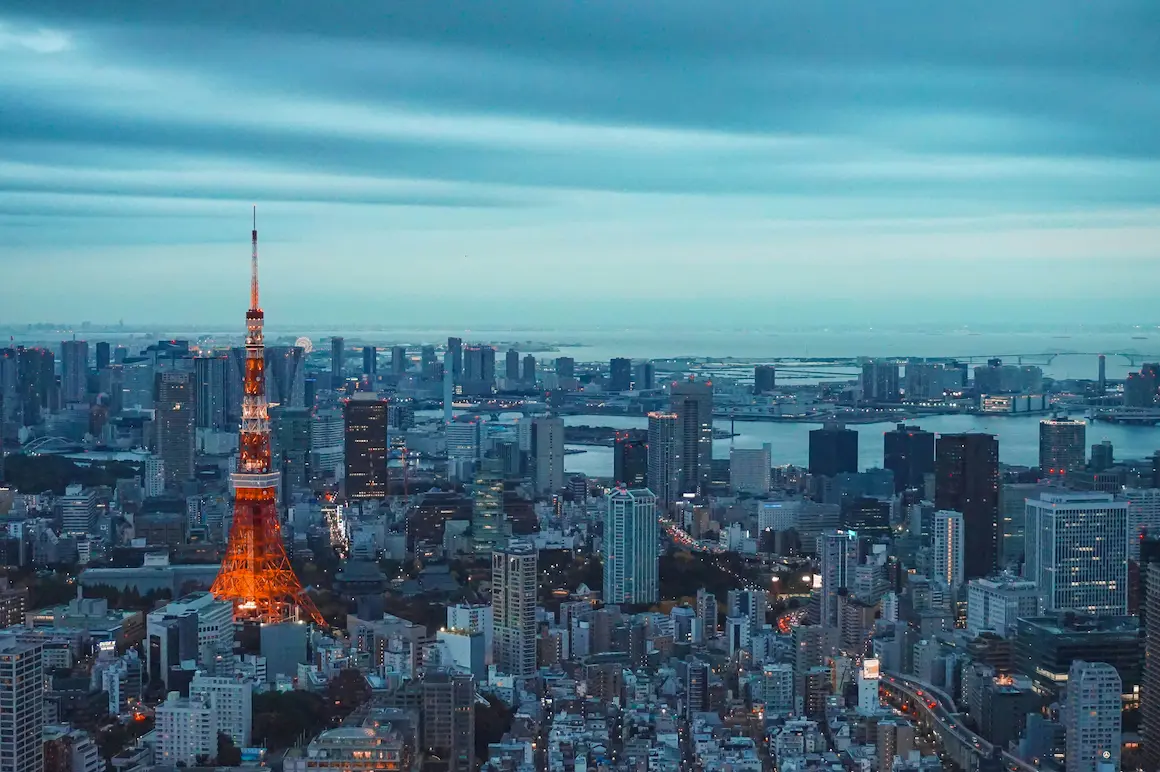
Tokyo, the capital city of Japan, blends ultramodern skylines with centuries-old traditions, making it one of the most exciting cities in the world to visit.
From neon-lit neighborhoods of Shinjuku to quiet temples tucked behind bustling streets, the Japanese capital constantly surprises visitors.
Families, solo adventurers, and first-time visitors will find endless things to do in Tokyo, from exploring ancient shrines and world-class museums to tasting iconic Tokyo food and visiting Tokyo Disneyland.
Often serving as both a gateway to Japan and a hub for exploring Asia with kids, planning your trip is essential here. We have considered Tokyo in our Top 11 list of family-friendly destinations in Asia with kids.
Knowing the best time to visit Tokyo, which airport to fly into, and how to navigate the city can make all the difference, especially for families visiting Tokyo with kids.
This Tokyo travel guide covers everything for first-timers, from top attractions, local food tours, theme restaurants, day trips to Mount Fuji, Kyoto, and Osaka, seasonal events like the Tokyo Quilt Festival 2025, practical travel tips, and more.
By the end, you’ll have all the essential information to plan your Tokyo vacation 2025 and make the most of every moment in this vibrant, unforgettable city.
From quiet gardens to neon nights, Tokyo has magic for all ages. If you are heading to Tokyo on a family vacation, let us show you how to make it easier, calmer, and fun in our experience of navigating Tokyo with Kids. Read our tried-and-tested family guide here.
Things to Know Before Traveling to Tokyo in 2025
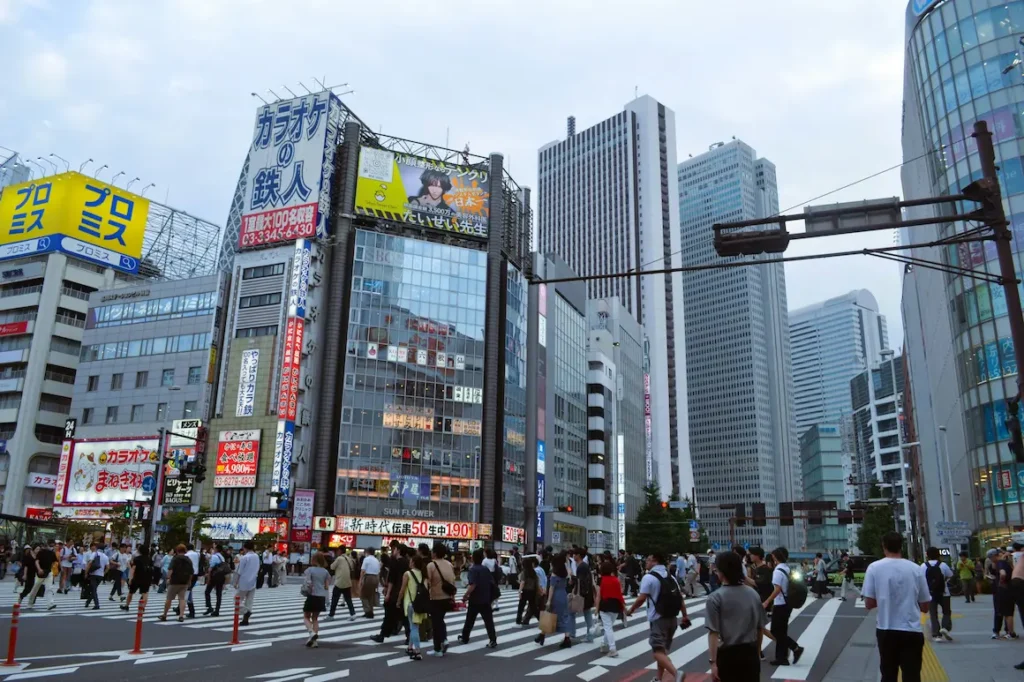
Planning a trip to Tokyo can feel overwhelming, especially if it’s your first time visiting such a massive and fast-paced city. Here are the most practical things to keep in mind before you go:
Best Time to Visit Tokyo
Tokyo city has four distinct seasons, each offering something unique—from cherry blossoms in spring to dazzling Christmas lights in winter.
Here’s a breakdown to help you plan your trip.
Spring (March to May) – Cherry Blossoms and Mild Days in Tokyo
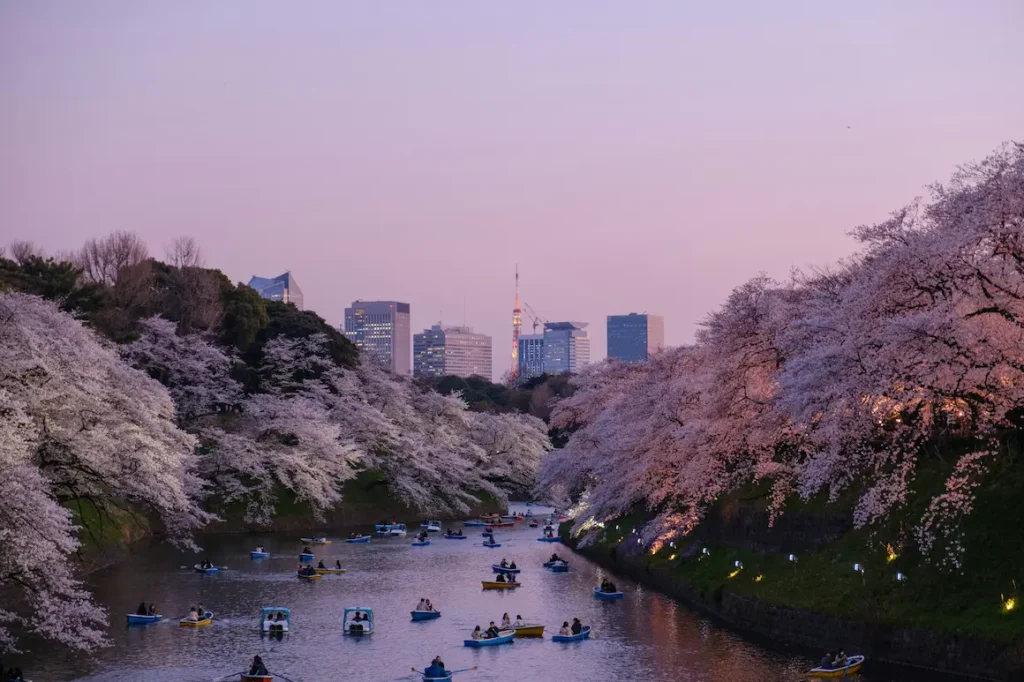
Spring in Tokyo is at its most famous. Cherry blossom season usually peaks from late March to early April, drawing visitors from around the world.
In Tokyo, spring days are mild, with daytime temperatures hovering between 50°F and 70°F. Evenings are cooler, so a light jacket is useful.
Parks such as Ueno, Shinjuku Gyoen, and Chidorigafuchi transform into pink wonderlands, making this the most popular season for first-timers.
Summer (June to August) – Hot, Humid, and Festival Season
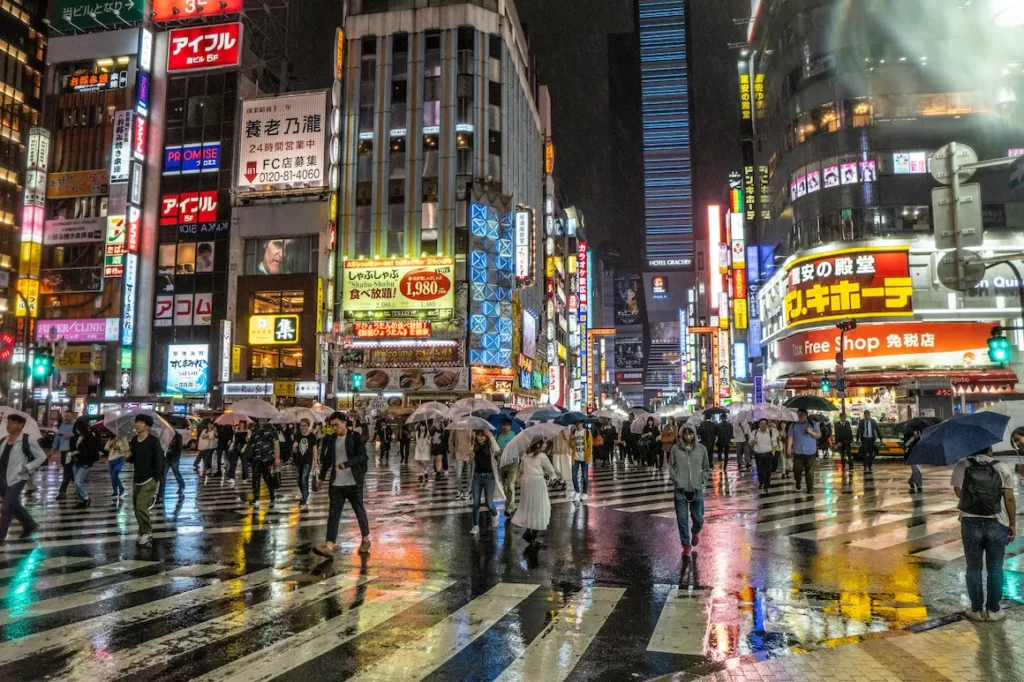
Summer in Tokyo is hot and humid, with temperatures often reaching up to 100°F (40°C). June marks the rainy season, which can last several weeks.
Despite the heat, it’s also festival season, with colorful fireworks shows and lively matsuri across the city.
Be prepared for crowded trains and bring breathable clothing for the summer in Tokyo.
Autumn (September to November) – Fall Colors and Clear Skies
By September, temperatures begin to cool, averaging 65°F to 75°F. Early September carries the greatest risk of typhoons in Tokyo, but once the storms pass, the weather is pleasant and crisp.
October and November are excellent months for sightseeing, with brilliant autumn foliage painting the city’s parks and temples.
If you’re wondering about Tokyo in November, expect cool, clear skies and some of the year’s best weather.
Winter (December to February) – Crisp Air and Illuminations in Tokyo
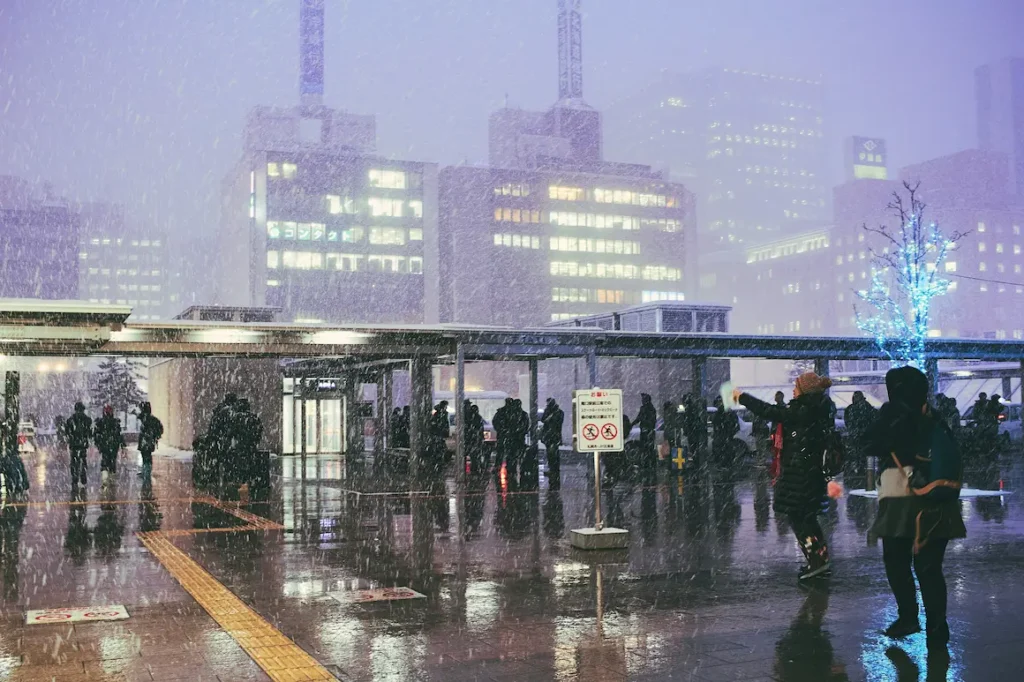
Tokyo winters are cold but rarely extreme. Average daytime highs range between 35°F and 45°F (1°C–7°C).
The city gets little or no snow, so if you’re chasing powder, head north to ski resorts in Hokkaido, such as Niseko.
December is especially magical, with festive illuminations across Shibuya, Marunouchi, and Roppongi, making Tokyo for Christmas a bucket-list experience. The clear, crisp days make winter sightseeing refreshing your Christmas vacations in Tokyo .
So, how’s Tokyo’s weather?
Cherry blossoms in spring, hot and rainy summers, golden autumn leaves, and festive winter nights. Each season has its charm, but spring and autumn remain the most comfortable for first-time visitors
Getting There: Airports in Tokyo
Tokyo is served by two major airports: Haneda Airport (HND) and Narita International Airport (NRT).
Most long-haul international flights arrive at Narita, while Haneda handles the majority of domestic traffic and a growing number of international routes.
Which Tokyo Airport Is Better for international travelers?
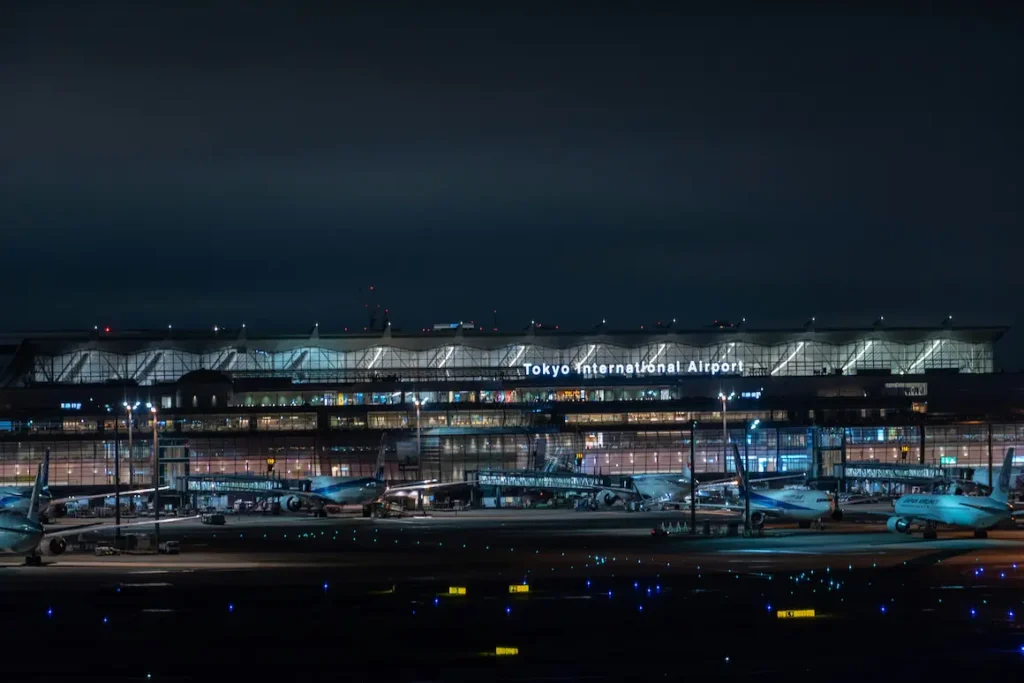
It depends on your itinerary. Haneda is closer to central Tokyo—just 20 minutes by train or monorail—making it the most convenient choice for short stays or business travelers.
Narita, about 40 miles east of the city, handles more international flights, so most U.S. and European arrivals land here.
Which Airport Is Closest to the City and Cruise Port?
Haneda is undeniably the winner for convenience. It is the closest to downtown Tokyo and to the city’s cruise terminals at Harumi and Yokohama.
Narita is farther, and transit can take one to two hours depending on your mode of transport.
Getting From Narita Airport to Central Tokyo
Narita Airport is well connected by train, bus, and taxi.
- Trains: Three major lines serve the airport—Keisei, JR East, and Narita Express (N’EX). Fares range from 750 yen on local services to around 5,000 yen on the Narita Express, which takes you directly to Tokyo Station in about one hour.
- Bus: Limousine buses run to major hotels and hubs across Tokyo, costing between 1,000 and 3,500 yen. Travel time is usually 90 minutes but can be longer during rush hour.
- Taxi or Uber: A taxi from Narita into central Tokyo costs 20,000 to 30,000 yen (roughly $135–200), depending on traffic and destination. Ride-hailing services such as Uber are available but offer little cost advantage.
Cashless Public Transportation in Tokyo
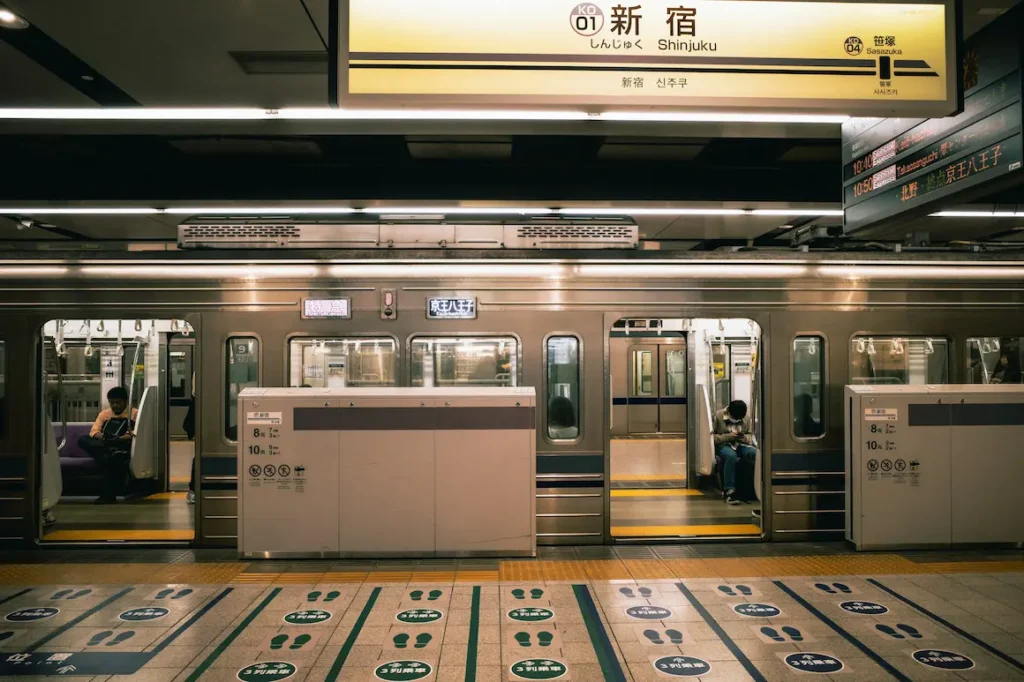
Getting around Tokyo is straightforward with an IC rechargeable travel card such as Suica or Pasmo. These cards work on trains, subways, and buses, and can be added to your smartphone for tap-and-go convenience.
Best Navigation Tools to navigate Tokyo easily
Google Maps is the most reliable tool for travelers, offering accurate subway routes, train schedules, and nearby shops in English.
Additional apps like Hyperdia and Japan Transit Planner help plan train trips and check timetables in advance, making travel stress-free for first-timers and families.
How to Communicate in Tokyo, Japan
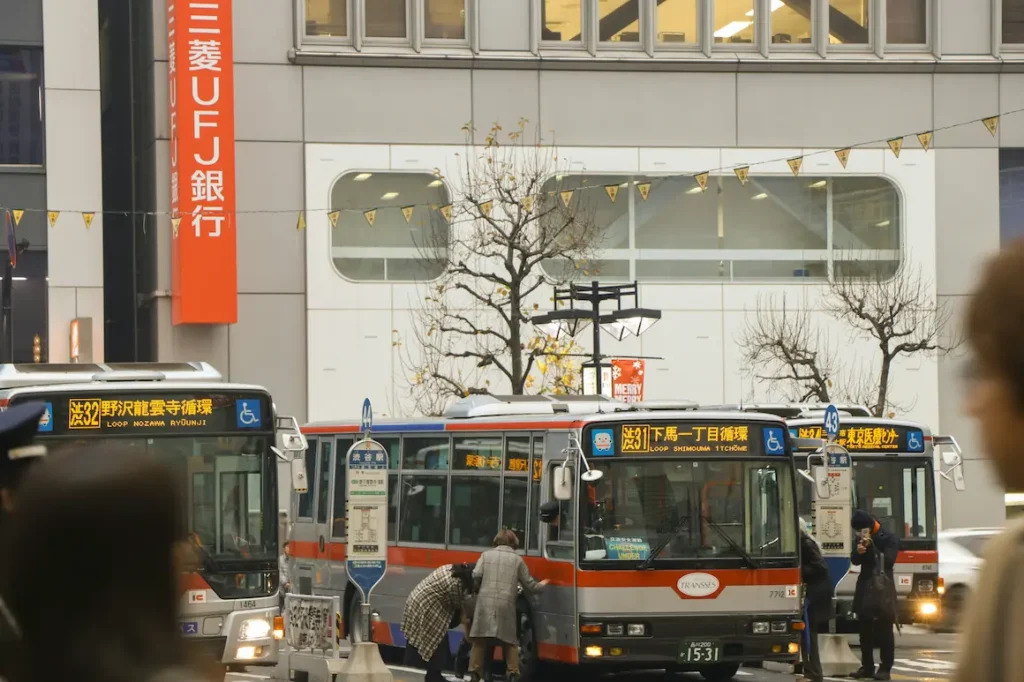
English isn’t spoken everywhere in Tokyo, so a translation tool is a lifesaver.
Google Translate/Apple Translate is your best buddy—point your phone camera at menus, train schedules, or signs, and you’ll get instant translations.
It also helps with quick conversations when ordering food or asking for directions from locals.
Etiquette Matters
From quiet train rides to no-shoes indoors, small cultural gestures go a long way. A simple bow or saying “Arigatou gozaimasu” (thank you) always earns smiles.
Staying Connected: Mobile Data, eSIMs, and Pocket Wi-Fi
Reliable mobile data is essential in Tokyo for navigation, online bookings, and communication. You can purchase an eSIM before departure from services like Airalo, allowing instant activation upon landing.
For families or multiple devices, a pocket Wi-Fi router is ideal. These portable hotspots are available at Narita and Haneda airports and provide unlimited data for several devices, perfect for keeping kids entertained or parents connected.
Where to Stay in Tokyo
Tokyo is massive, and each neighborhood offers a different vibe depending on who you’re traveling with.
From family-friendly districts to late-night party hubs, here’s a breakdown of the best places to stay in Tokyo.
Tokyo With Kids (near Disneyland or Asakusa)
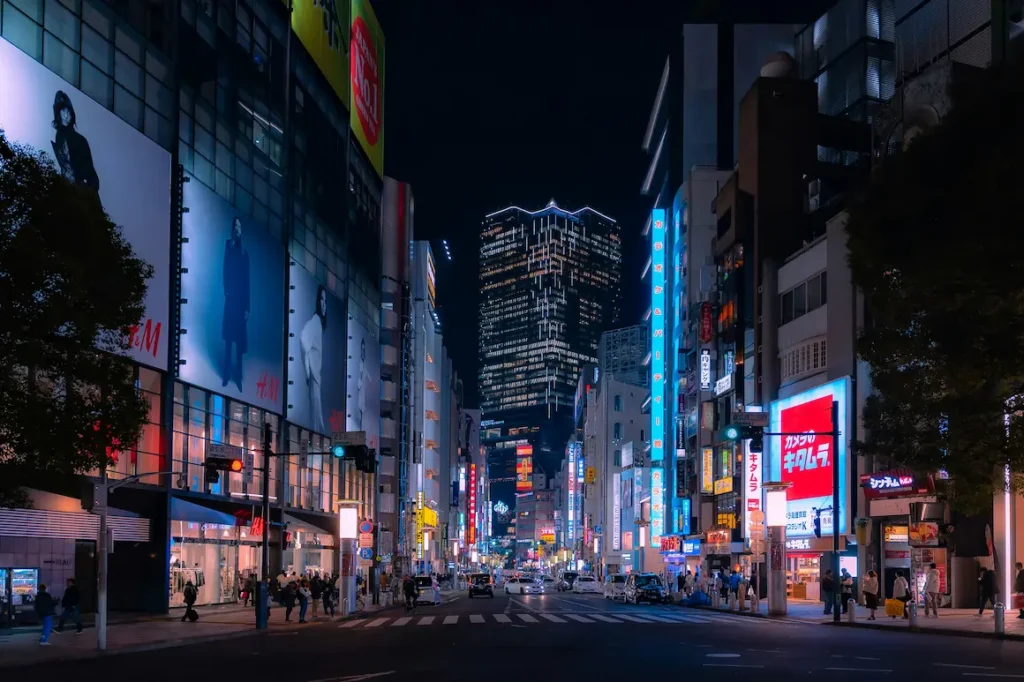
If you’re visiting Tokyo with kids, families often choose hotels near Tokyo Disneyland or in Asakusa, a charming area surrounded by temples and old architecture.
While these locations are slightly away from the city center, Tokyo’s excellent public transportation makes it easy to get around. Asakusa especially works well for families who prefer a quieter atmosphere without sacrificing access to kid-friendly attractions.
For party vibe and city hustle (Shinjuku or Shibuya)
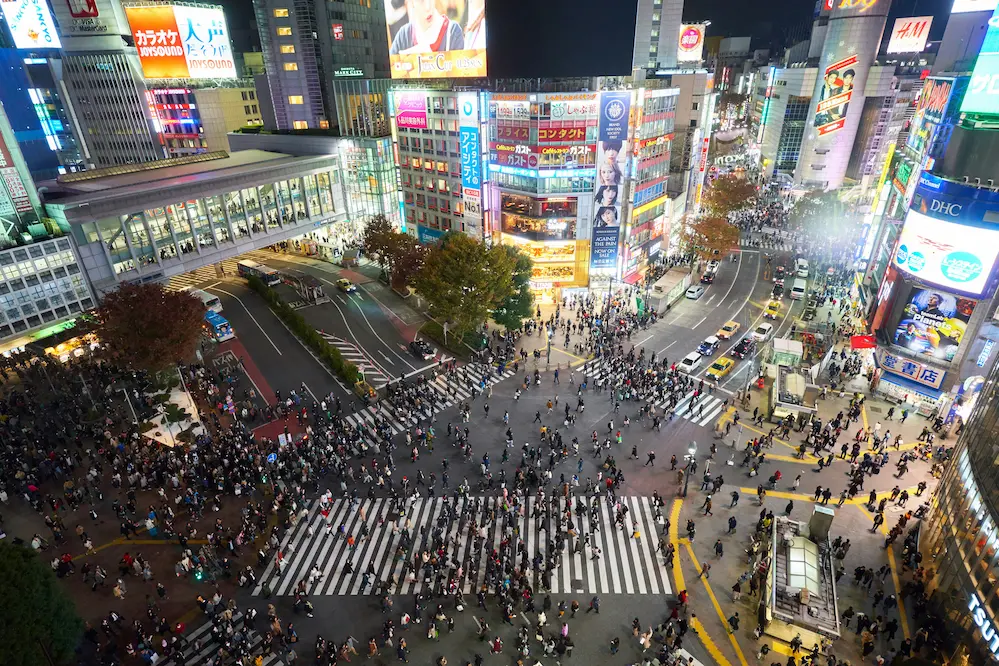
Traveling with older kids or teens? Staying in Shinjuku or Shibuya puts you right in the middle of Tokyo’s entertainment and nightlife.
Shibuya is vibrant, full of neon lights, shopping, restaurants, and youth culture—perfect for teens who love the buzz of city life. Shinjuku also offers endless dining and entertainment options, though it’s more about late-night fun and less ideal for younger children.
Hotels here can be pricey compared to other districts, but if you’re looking for energy and convenience, this is the place to be.
Ginza, Tokyo stay option
For a more upscale yet family-friendly experience, consider Ginza, Tokyo’s ultimate shopping and dining street. Centrally located and easier to navigate than Shibuya or Shinjuku, Ginza offers a calmer environment with excellent restaurants and access to attractions.
It’s one of the best areas to stay for families in Tokyo who want balance—close to the action but not overwhelming.
Authentic Tokyo experince (Capsule Hotels of Tokyo)
If you’re traveling solo, capsule hotels in Tokyo are a uniquely Japanese and budget-friendly option. Compact but surprisingly comfortable, they’re great if you’re curious about Tokyo’s quirky lodging culture and don’t need much space.
For Party Vibes (Roppongi)
For nightlife lovers, Roppongi is Tokyo’s go-to party district. Known for its clubs, bars, and international crowd, it’s ideal if you want to experience Tokyo at night. However, it’s not recommended for families or travelers with kids.
Quick Tip: For first-time visitors, Tokyo is not as budget-friendly as many Asian cities. But if you book early and explore capsule hotels, business hotels, or apartments in quieter districts, you can find great deals without compromising location.
Top Attractions of Tokyo for First timers
Tokyo dazzles with contrasts — futuristic skylines and historic landmarks blend seamlessly, giving first-time visitors plenty to explore. Here are some of the must-see attractions in the city:
Tokyo Skytree
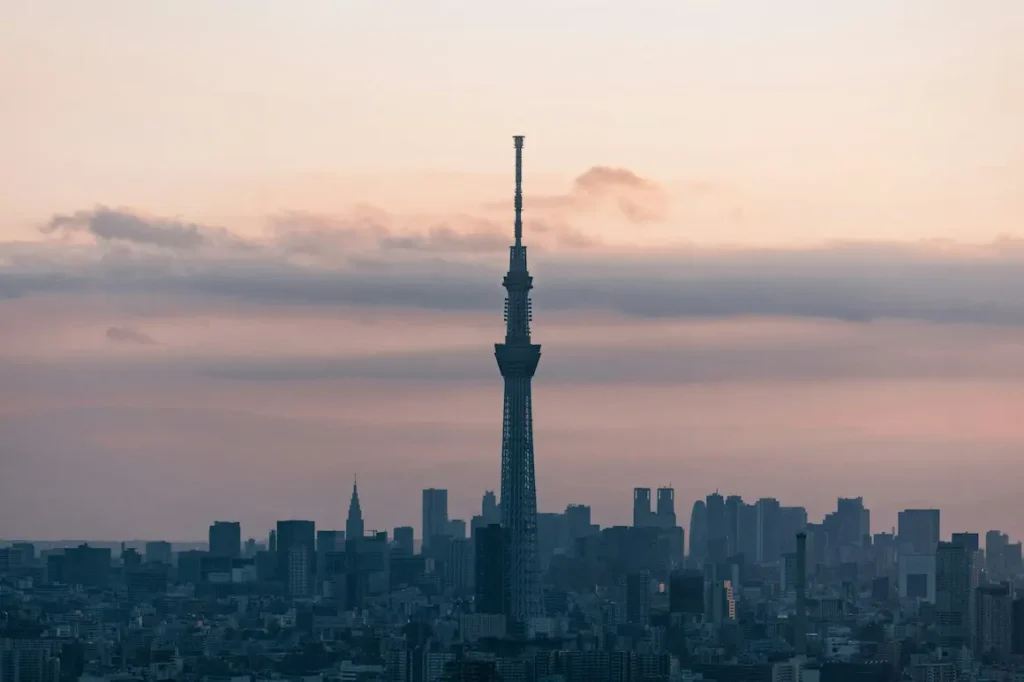
The tallest tower in Japan offers sweeping city views, an aquarium, and a shopping complex at its base. Families can find entertainment, dining, and souvenirs all in one place.
Shibuya Crossing: the world’s busiest crossing
Known as the busiest pedestrian crossing in the world, this iconic spot captures the energy of Tokyo. Teens and young travelers especially love the neon lights and buzzing nightlife around the intersection.
The Tokyo Imperial Palace
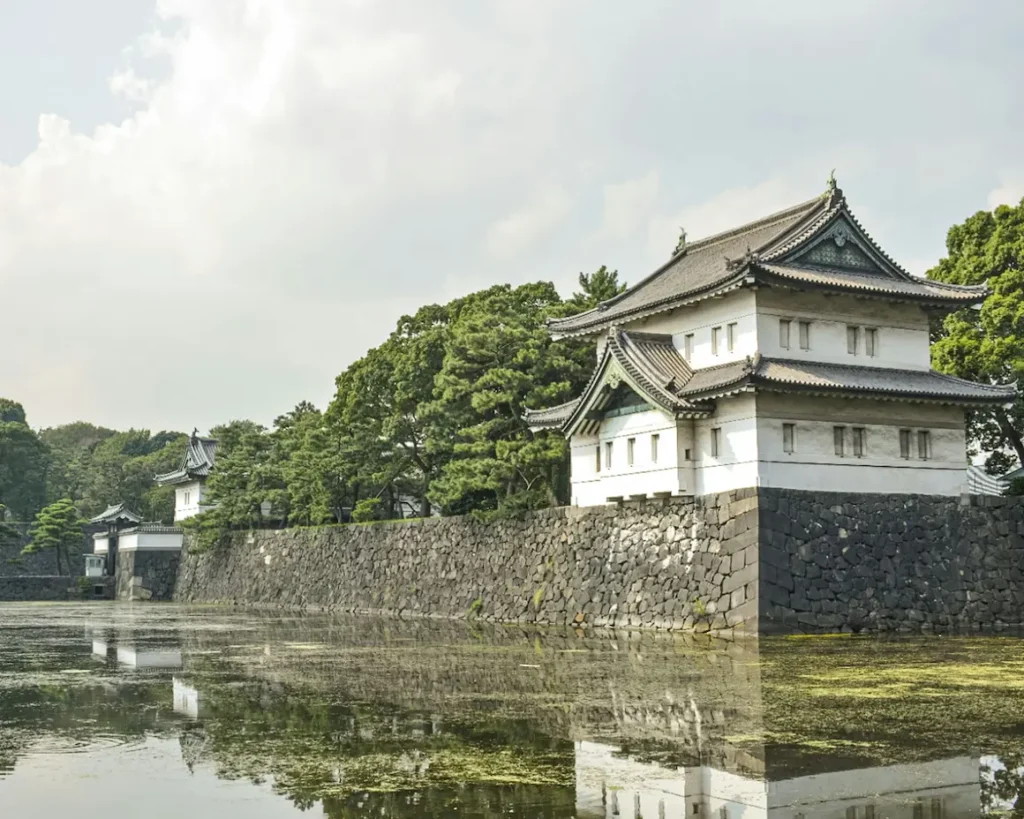
The serene gardens and historic architecture make this a peaceful stop in the heart of the city. While the inner grounds are restricted, guided tours are available with prior booking.
Tokyo National Museum
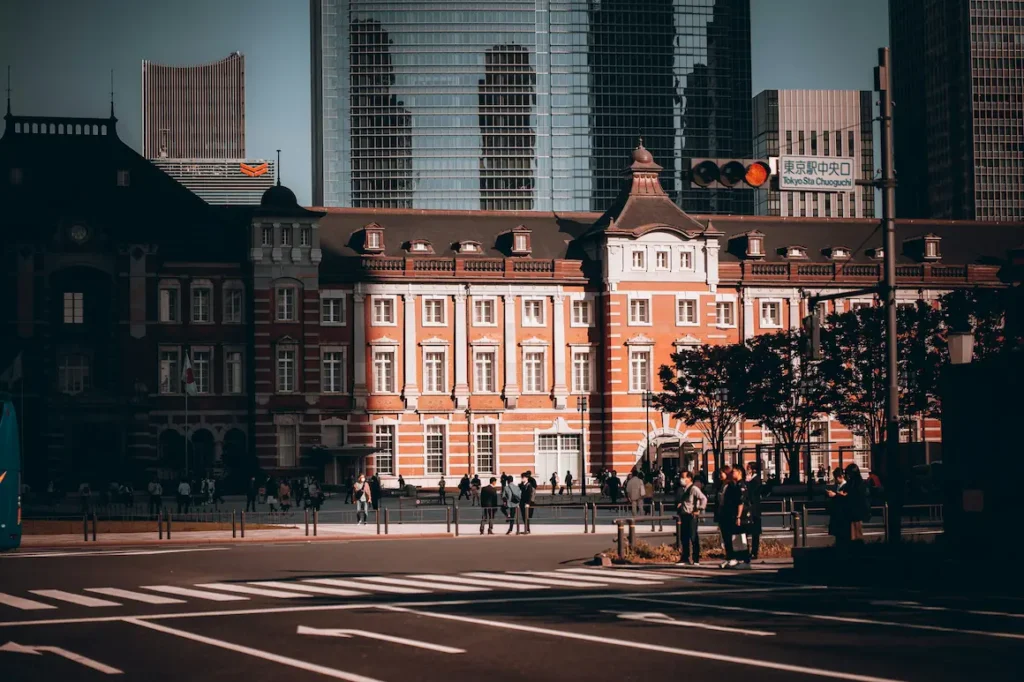
A must for culture lovers, the museum showcases centuries of Japanese art, samurai armor, and ancient treasures. Families with curious kids will find it both educational and engaging.
Nearby highlights
Families or those with extra time can enjoy the Tokyo Aquarium, a stroll along Tokyo Bay, or a visit to the Tokyo Central Market for fresh sushi and local flavors. These places make great half-day trips when you want to step outside the busy city streets.
Top 10 Essential Tokyo Experiences for a Classic First Trip
Tokyo offers first-time visitors a mix of culture, entertainment, and unique experiences. Here are ten activities that capture the city’s energy and charm:
1. Visit a Hedgehog Café
Hedgehog cafés are a quirky Tokyo experience for animal lovers. Visitors can gently hold and feed hedgehogs under staff supervision. These cafés, mostly in neighborhoods like Shinjuku and Harajuku, are family-friendly and provide a calm break from the city’s hustle.
Book in advance as they can get busy, especially on weekends.
2. Watch a Sumo Wrestling Competition
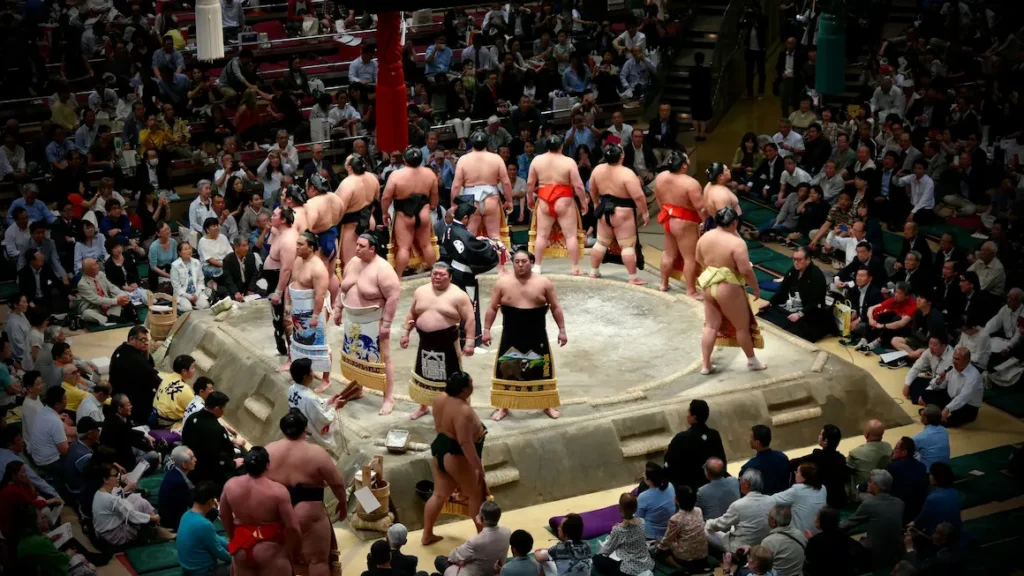
Sumo is Japan’s national sport, and seeing a live match is unforgettable. Tournaments are held several times a year at Ryogoku Kokugikan in Tokyo. Tickets can be purchased online or at the arena. While in the area, you can also explore sumo stables, where wrestlers train in the early morning.
For baseball fans, check the Tokyo baseball schedule and nearby stadiums for games happening at the same time.
3. Go-Kart Through the City
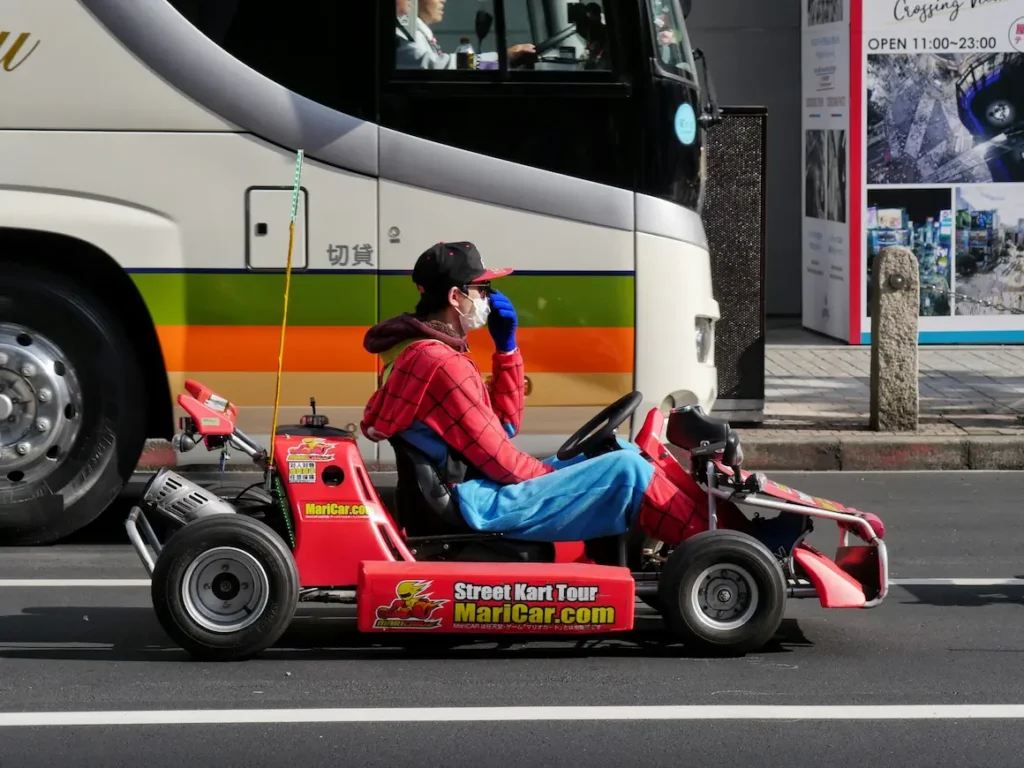
For a truly unique adventure, dress up as a Mario Kart character and drive go-karts through designated streets in central Tokyo. Tours usually run around sunset, letting you enjoy city lights along with iconic landmarks like Tokyo Tower and Shibuya Crossing.
Note: an international driving permit is required, and tours are guided for safety.
4. Picnic in Tokyo’s Parks
Tokyo’s parks are perfect for leisurely picnics. In spring, cherry blossoms transform Shinjuku Gyoen and Ueno Park into pink wonderlands. In autumn, leaves turn red and gold, providing a peaceful setting for families or solo travelers.
Many parks have playgrounds, ponds, and walking trails, making them ideal for toddlers and teens alike.
5. Explore Edo-era Japanese Temples
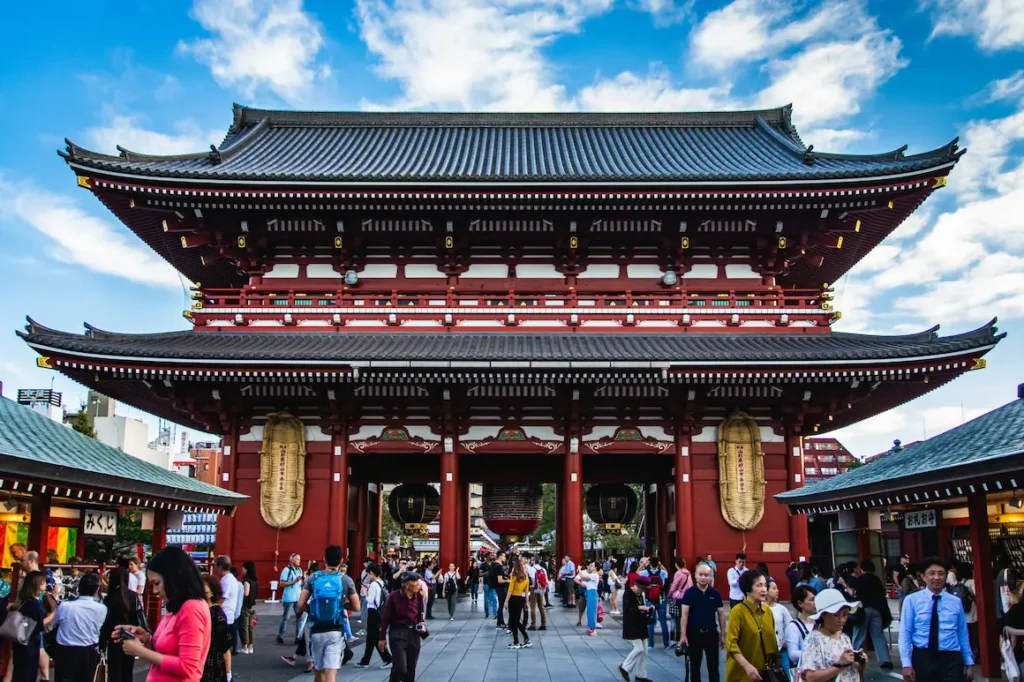
From the historic Senso-ji Temple in Asakusa to quiet neighborhood shrines, Tokyo’s temples offer a glimpse into Japan’s spiritual traditions. First-time visitors can join guided tours, participate in traditional rituals like ringing the temple bell, or simply enjoy the serene architecture.
6. Try your hand to making sushi
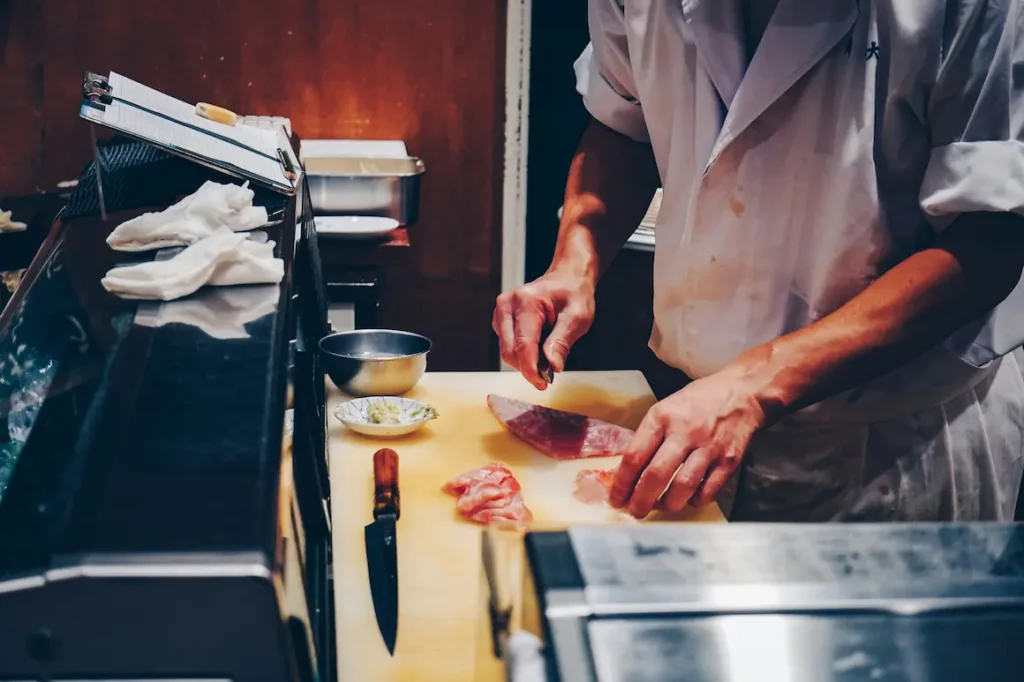
Hands-on sushi-making classes are widely available for tourists and a great way to immerse yourself in Japanese cuisine. Participants learn how to prepare rice, slice fish, and roll sushi under the guidance of experienced chefs.
This is not only fun for adults but educational for kids and teens as well.
7. Try Harajuku Candy Floss
Harajuku is famous for its colorful youth culture and sweet treats. Sample rainbow-colored cotton candy while strolling Takeshita Street. This area is also a hotspot for quirky fashion, small boutiques, and themed cafés — perfect for Instagram-worthy family photos.
8. Visit the Fish Market
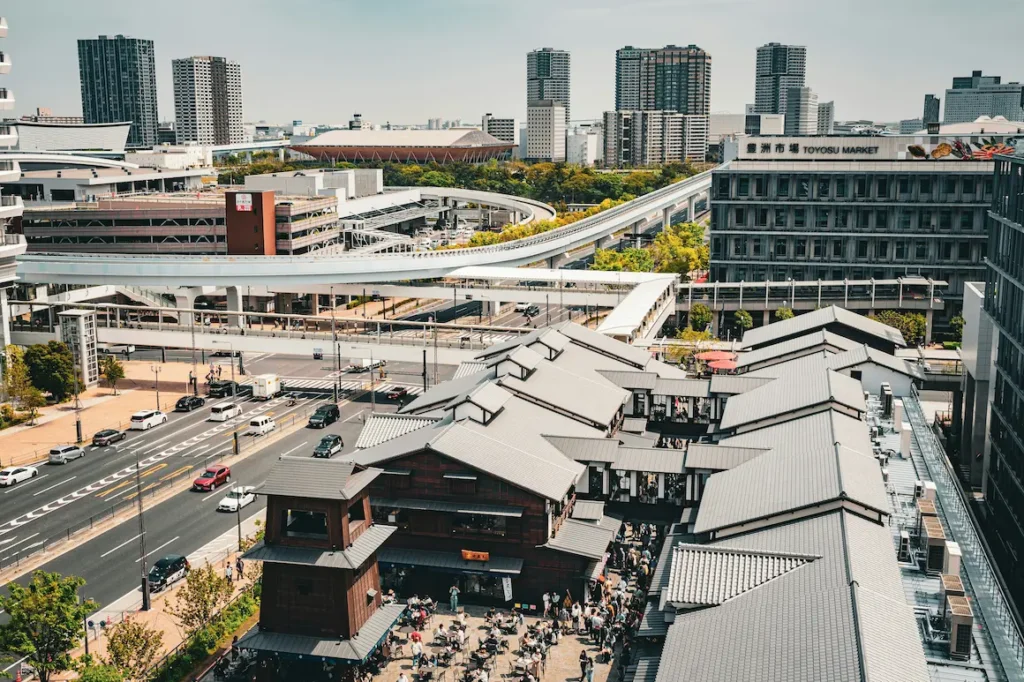
A trip to Tokyo Central Market or Tsukiji Outer Market is essential for food lovers. Watch the lively auctions, sample fresh sushi, and explore stalls selling seafood, knives, and local snacks. Early morning visits offer the best experience and fewer crowds.
9. Dine on a Kill Bill-Themed Set or Themed Restaurants
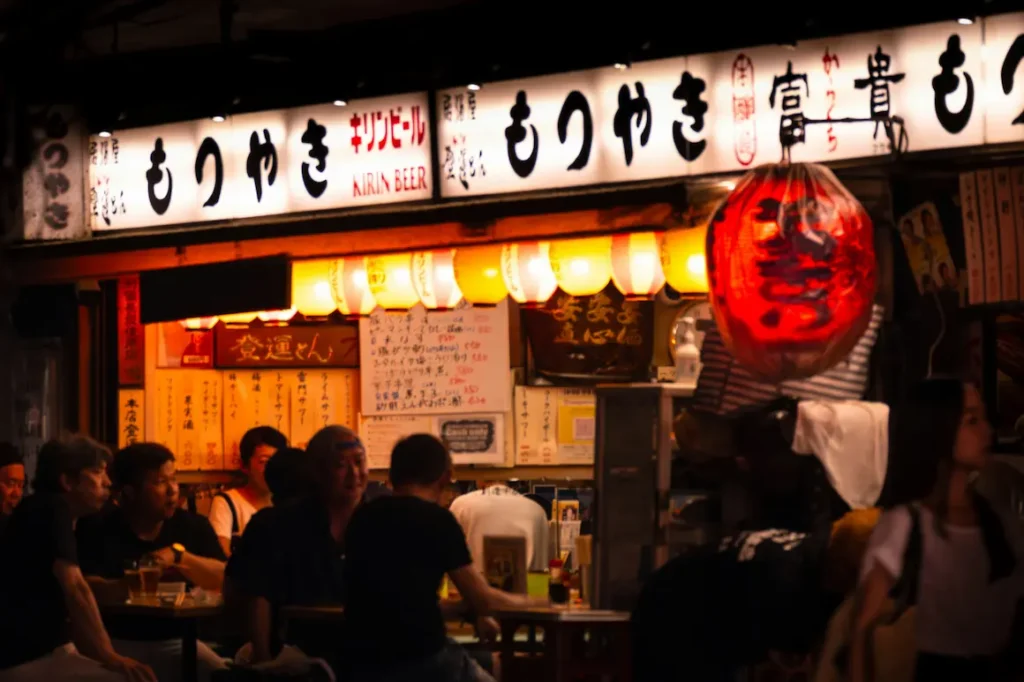
Tokyo is known for its pop-culture themed restaurants. Dining on a Kill Bill set or other movie-themed venues gives visitors a cinematic experience while enjoying Japanese cuisine. These unique restaurants are often found in Shibuya or Roppongi and are a hit with teens and adult travelers.
10. Sing Karaoke in Private Rooms
Karaoke is a quintessential Tokyo pastime. Private rooms allow groups to sing freely without crowds, making it perfect for casual evening entertainment. Many venues provide multilingual song selections, including English, which is great for first-time visitors or families with teens.
Other Must-See Experiences In Tokyo:
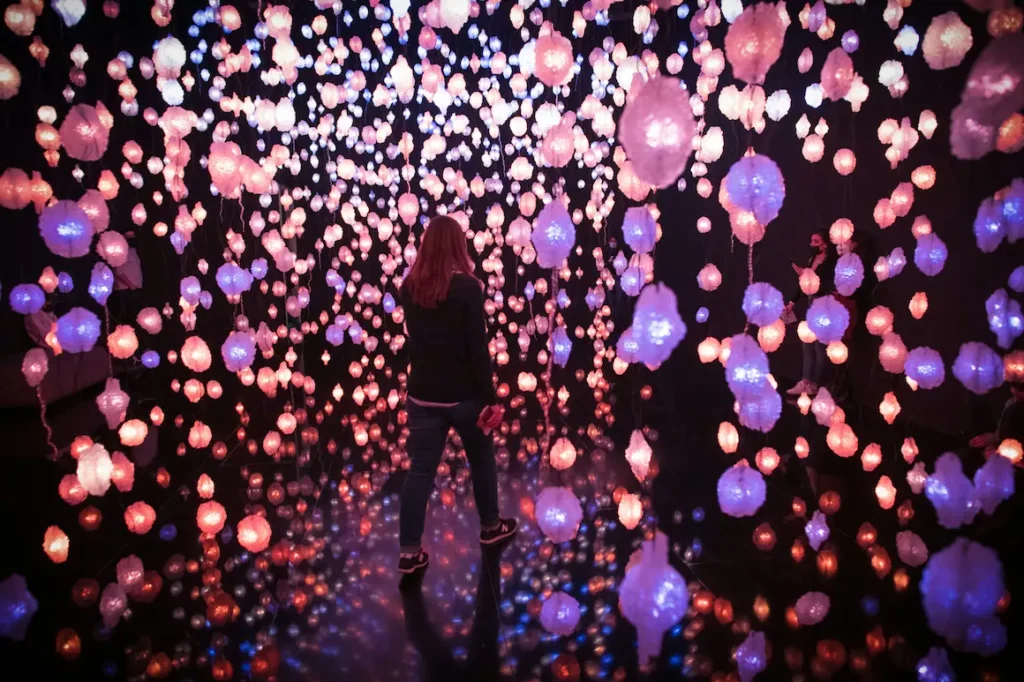
Don’t miss iconic landmarks like Tokyo Tower and the interactive digital exhibits at TeamLab Borderless. Families can enjoy Tokyo Aquarium for a hands-on indoor experience, while sports enthusiasts can explore the Tokyo baseball schedule and learn how to watch baseball in Tokyo.
Tokyo Food and Theme Restaurants
Tokyo is a paradise for food lovers and those seeking unique dining experiences. From traditional Japanese cuisine to quirky themed restaurants, the city offers something for every taste and traveler.
Must-Try Dishes
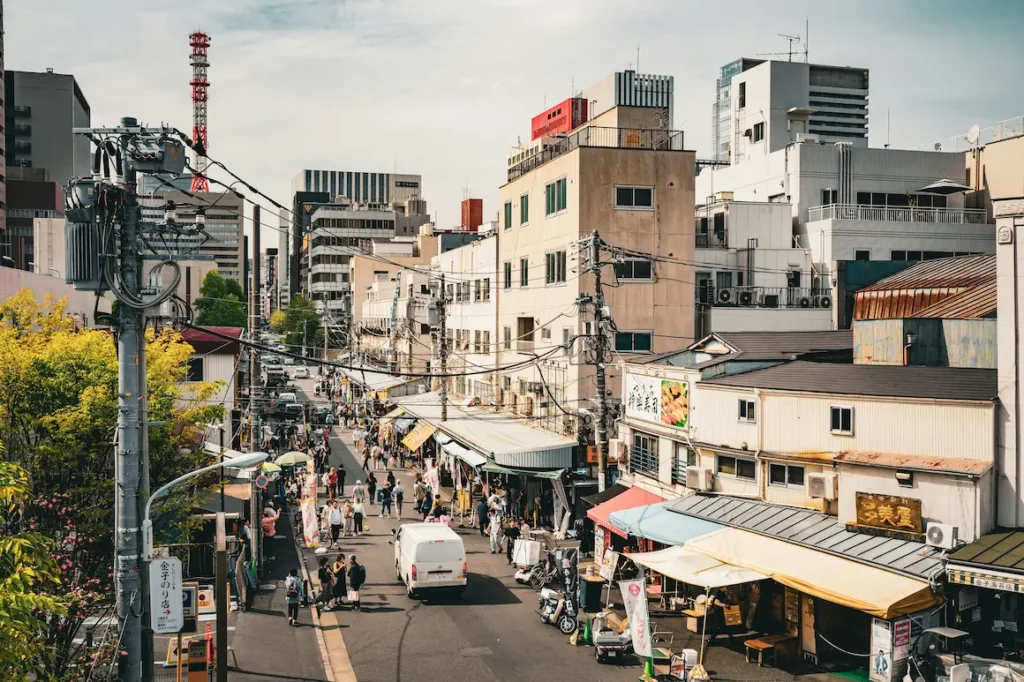
For first-time visitors, sushi, ramen, tempura, and wagyu beef are essential. Sushi can be enjoyed at Tokyo One Sushi & Grill or the famous stalls at Tokyo Fish Market, where chefs serve the freshest catches.
Ramen shops are scattered throughout neighborhoods like Shinjuku and Ikebukuro, offering steaming bowls of broth, noodles, and toppings.
Tempura, lightly battered and fried seafood or vegetables, is available at specialty restaurants and casual eateries.
Katsu Curry and Fried Chicken
Tokyo’s take on katsu curry features breaded pork or chicken served with rich curry and rice. Fried chicken, often paired with Japanese sides, is popular at street stalls and casual dining spots, perfect for a quick bite during sightseeing.
Food Tours in Tokyo
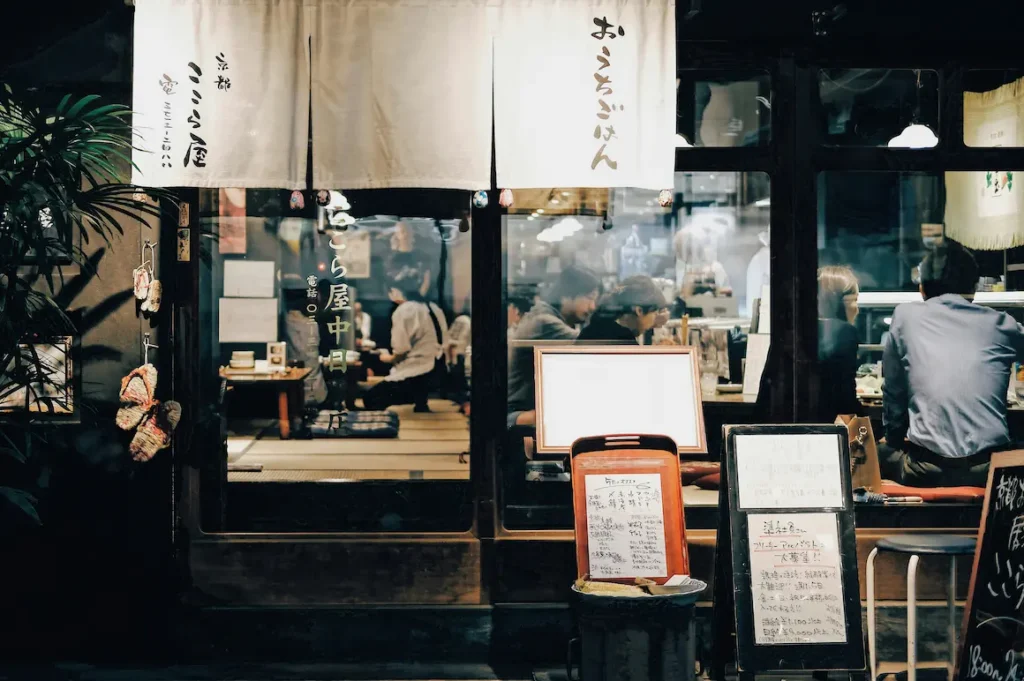
Guided Tokyo food tours are ideal for discovering local flavors, hidden cafés, and street snacks. Tours often include sushi tastings, ramen shops, dessert cafés, and themed eateries, making them a convenient option for families or solo travelers.
Theme and Quirky Restaurants
Tokyo is also famous for playful dining experiences:
- Robot Restaurant – Located in Shinjuku, it combines dining with an energetic robot show, lights, and music. Food is secondary to the entertainment, but it’s a must-visit for first-timers.
- Pokémon Café – A hit with children and Pokémon fans, offering dishes and drinks inspired by the franchise. Advance reservations are recommended.
- Ninja Restaurants – Guests enjoy traditional Japanese meals served with stealthy performances, smoke effects, and surprise presentations.
- Other themed dining – Restaurants like Tokyo steakhouse or Tokyo sushi venues often add creative interiors or interactive elements for an unforgettable meal.
Desserts and Drinks
Colorful treats are abundant in areas like Harajuku. Sample rainbow cotton candy, Japanese crepes, or refreshing beverages like Tokyo iced tea.
Dessert cafés often feature fusion takes on traditional sweets, making them perfect for kids and teens.
Tokyo Disneyland & DisneySea for Families
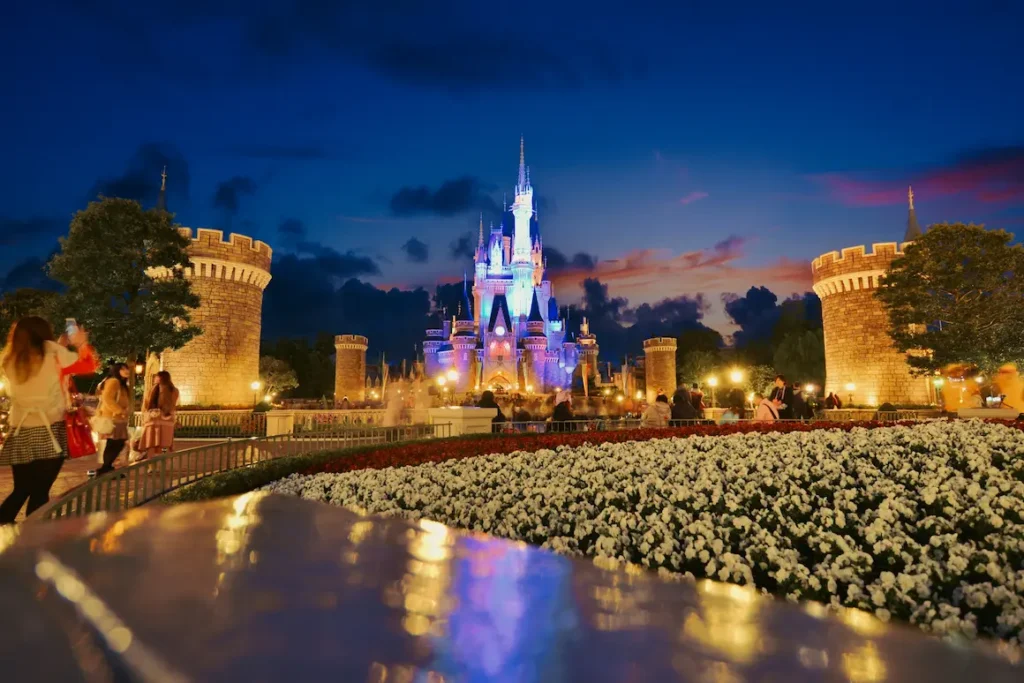
Tokyo is home to two world-renowned Disney parks: Tokyo Disneyland and Tokyo DisneySea. Both offer unique experiences, making them a must-visit for families with children, teens, or first-time visitors.
Which Is Better, Disneyland or DisneySea?
- Tokyo Disneyland – Ideal for younger children and first-time Disney visitors. Classic attractions, parades, and familiar characters make it a magical experience for toddlers.
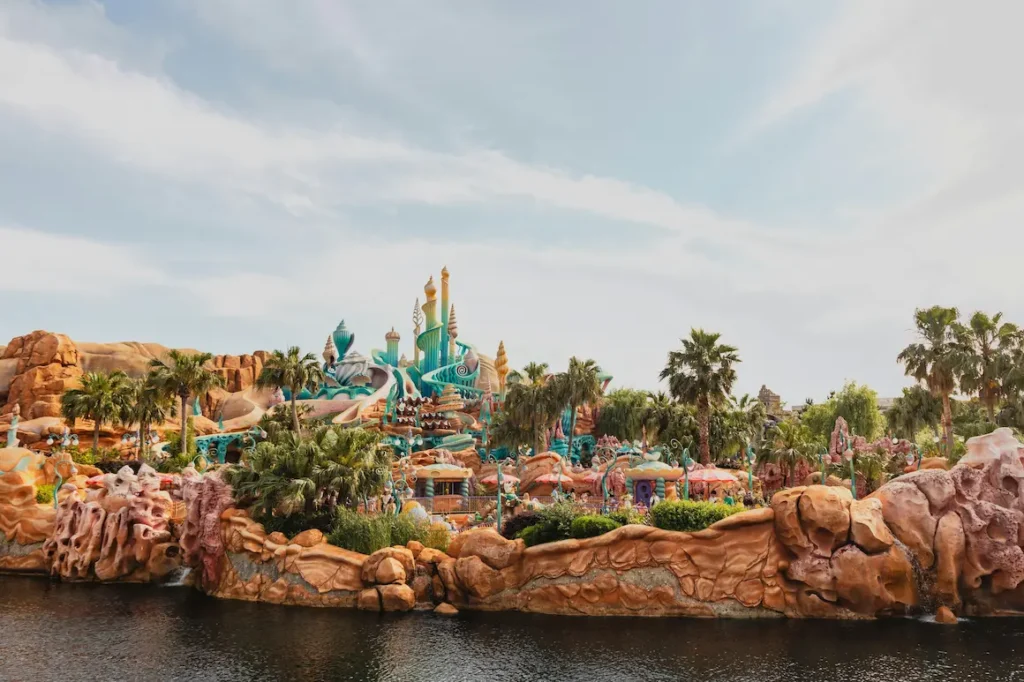
- Tokyo DisneySea – Geared toward teens and adults, this park features more adventurous rides, themed ports, and immersive experiences. Families with older kids may prefer DisneySea for its excitement and unique attractions.
Tickets and Refunds
Tickets can be purchased online or at the entrance. Standard tickets for Disneyland and DisneySea in Tokyo are non-refundable, so it’s best to plan your visit carefully and buy tickets in advance to secure entry on your preferred dates.
Tips for Families
- Toddlers – Disneyland offers stroller rentals, baby care centers, and gentle rides suitable for small children.
- Teens – DisneySea has thrilling rides, interactive shows, and photo opportunities with unique characters.
- Timing – Arrive early to avoid crowds, especially during weekends or holiday seasons. Use the official apps to check wait times and navigate attractions efficiently.
Where is Tokyo Disneyland?
The parks are located in Urayasu, Chiba, just outside central Tokyo. It’s accessible via train from Tokyo Station, making it easy to reach while staying in central neighborhoods like Shinjuku or Ginza.
Other Tips
- Bring snacks and water for toddlers, although the parks have plenty of family-friendly dining options.
- Use Disney’s FastPass system to minimize waiting times on popular rides.
- Combine a visit to Disney with nearby attractions, like Tokyo Bay or shopping districts, for a full-day experience.
Getting Around Tokyo
Navigating Tokyo might seem daunting at first, but the city’s public transportation system is efficient, punctual, and well-connected. Understanding how to get around will make your trip smoother, especially for first-time visitors and families.
Subway and Metro of Tokyo
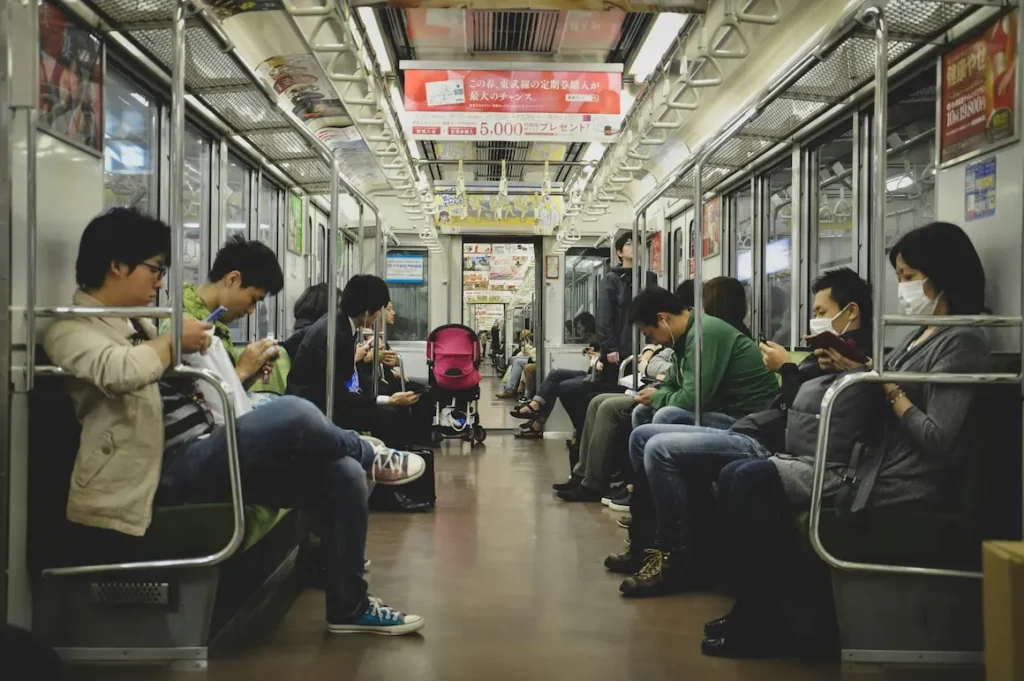
Tokyo’s subway system is one of the busiest and most organized in the world, consisting of two main networks: the Tokyo Metro and the Toei Subway.
These lines interconnect seamlessly, allowing travelers to reach nearly every part of the city. Trains generally run from around 5 a.m. to midnight, with night buses or taxis available for late-night travel.
The metro system was designed for maximum efficiency, featuring multiple lines with color-coded maps, numbered stations, and clear signage in Japanese and English. This thoughtful design makes navigation straightforward, even for first-time visitors.
IC Cards: Suica and Pasmo
For convenience, rechargeable IC cards like Suica and Pasmo are essential. Tap to enter trains, subways, and buses, or even use them for vending machines and convenience stores. They save time, eliminate the need to buy individual tickets, and are ideal for families exploring the city.
JR Pass
If you’re planning day trips to nearby cities like Yokohama, Mount Fuji, or Kyoto, the Japan Rail (JR) Pass offers unlimited travel on JR trains. It’s especially useful for tourists planning multiple city transfers.
Taxis in Tokyo
While public transport is the most practical option, taxis are available 24/7. Fares start around 420–730 yen with additional charges per kilometer. They are convenient for late-night travel or when carrying luggage but are not the most budget-friendly option for daily sightseeing.
Tips for First-Time Visitors
- Download Google Maps for accurate train routes and schedules.
- Keep IC cards topped up to avoid delays at stations.
- Plan routes ahead, as multiple lines may be needed for certain destinations.
Language and Communication in Tokyo
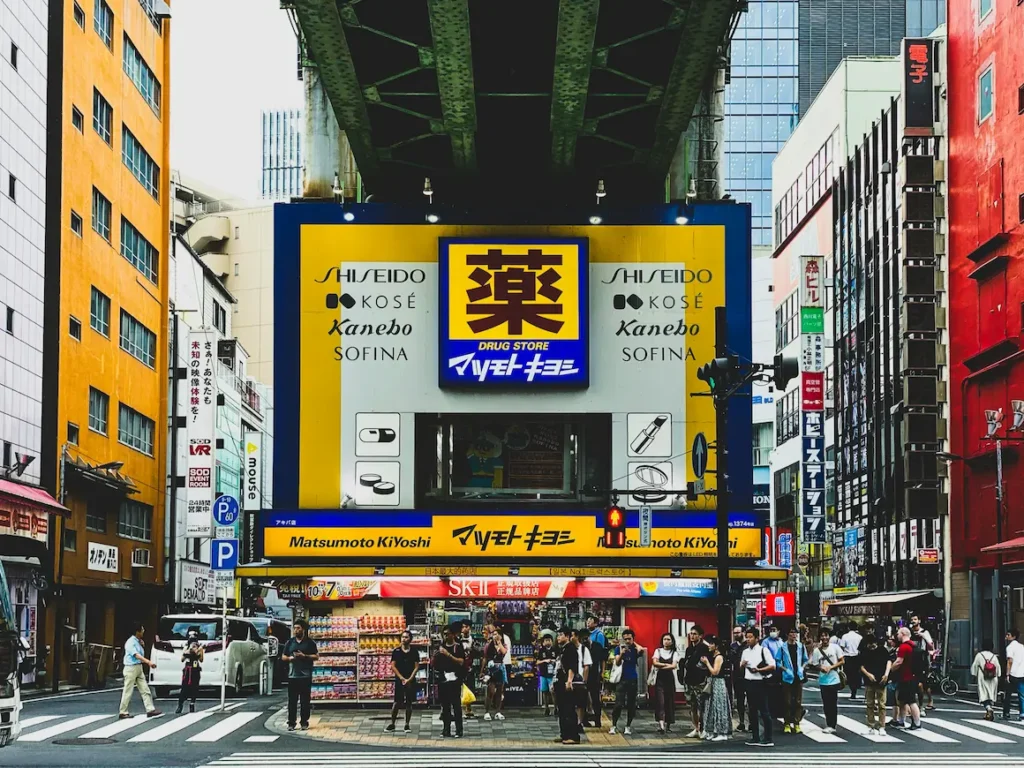
Tokyo is a modern, international city where English is widely understood in hotels, major train stations, and popular tourist areas. Menus, signage in museums, and public transport directions often include English, making it easier for first-time travelers to navigate.
For those who don’t speak Japanese, translation apps like Google Translate are invaluable. Point your camera at menus, signs, or schedules for instant translations. This is especially useful in markets, temples, or smaller eateries.
Money and Practical Tips in Tokyo
Tokyo primarily operates on the Japanese yen (JPY). Most restaurants, shops, and public transport accept cashless payments, including credit and debit cards, though carrying some cash is recommended for street vendors, markets, and smaller eateries.
Tipping is not customary in Japan. Service charges are usually included in the bill, and attempting to tip can create confusion, so simply pay the listed amount.
For shopping and convenience, areas like Tokyo Central and Tokyo Central Gardena offer a mix of high-end stores, supermarkets, and practical services. These are ideal spots for currency exchange, buying daily essentials, or sampling local treats.
To ensure a smooth visit, be mindful of crowded trains during rush hours, follow etiquette on escalators and public spaces, and respect customs in temples, shrines, and parks. Following these simple tips makes exploring Tokyo hassle-free.
Day Trips and Beyond Tokyo
Tokyo is an ideal base for exploring Japan’s iconic destinations. Whether you’re seeking natural beauty, cultural experiences, or historical landmarks, day trips and short excursions from the city are both convenient and rewarding.
Tokyo + Mount Fuji
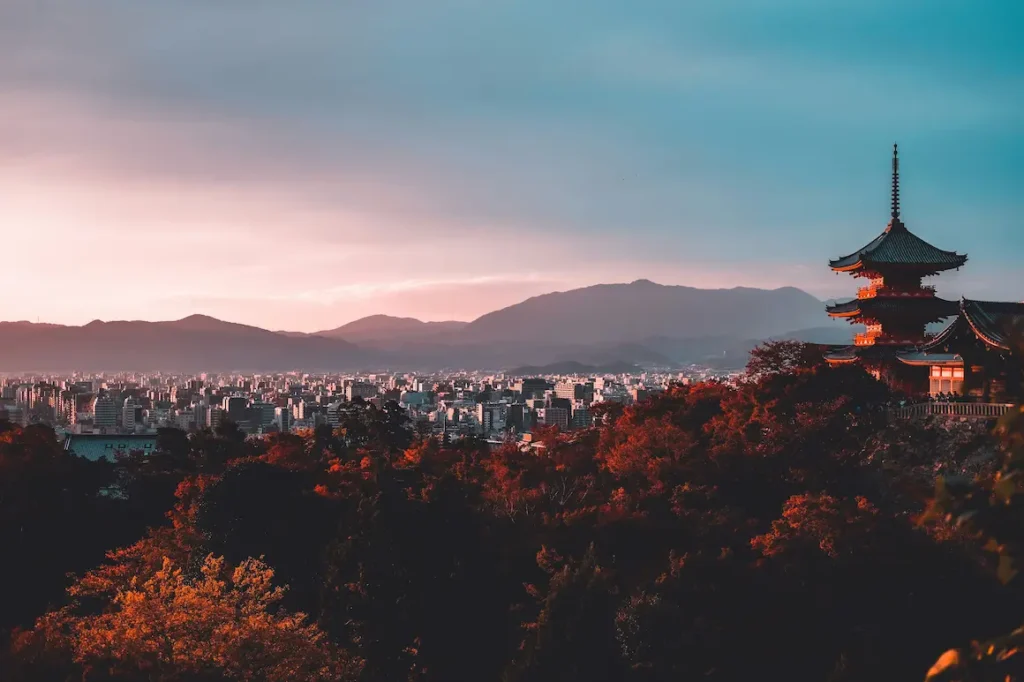
A trip to Mount Fuji is one of the most popular day trips from Tokyo. Visitors can enjoy scenic views of the mountain, especially from locations like Lake Kawaguchi, where Tokyo with Mount Fuji in the background provides perfect photo opportunities.
Travelers can also explore Fuji Five Lakes, visit traditional villages, or experience local hot springs. High-speed buses and trains make the journey manageable for a day trip, while guided tours offer hassle-free options for families.
Tokyo with Osaka
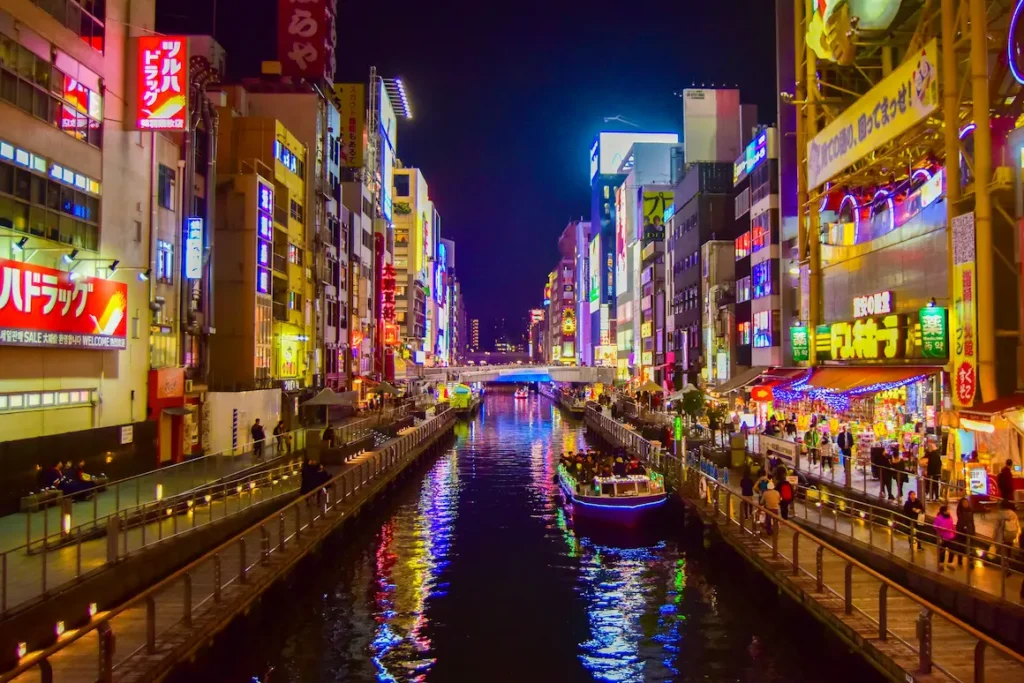
Osaka, known for its vibrant food scene and entertainment districts, is accessible via the Shinkansen (bullet train).
Traveling from Tokyo to Osaka takes around 2.5 to 3 hours on the fastest trains, making it feasible for an overnight trip or extended stay. Visitors can explore Osaka Castle, Dotonbori’s lively streets, and Universal Studios Japan, enjoying a blend of modern and historical attractions.
Tokyo with Kyoto
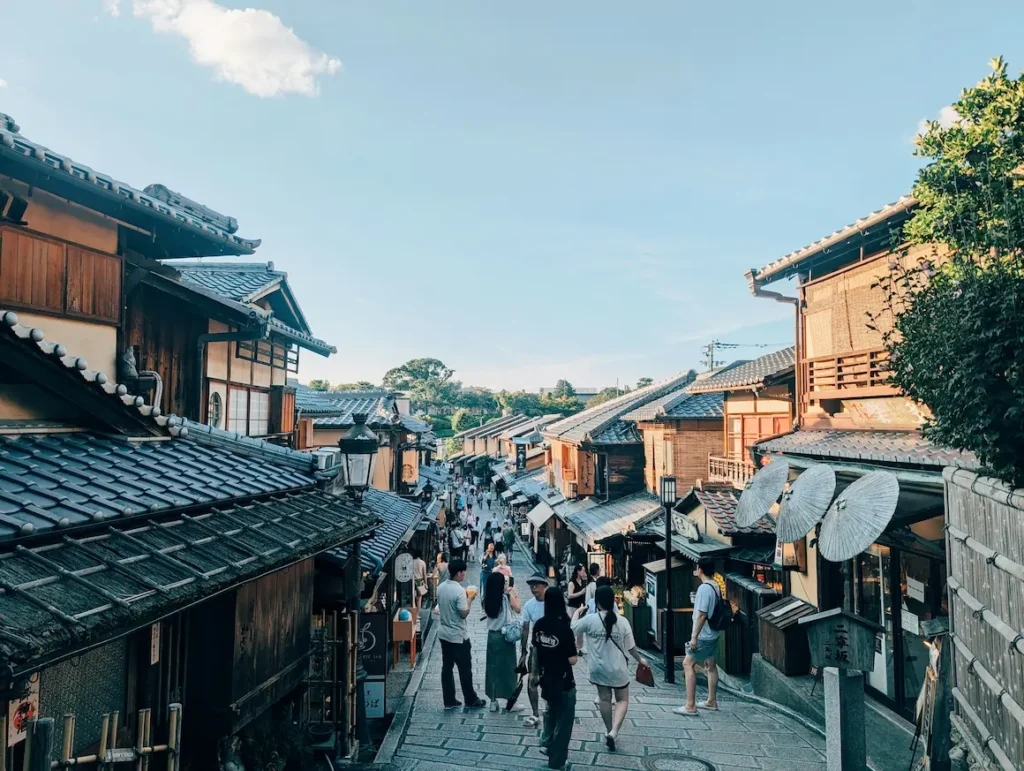
Kyoto, the cultural heart of Japan, is also connected to Tokyo via Shinkansen. The journey takes approximately 2 to 2.5 hours, making it possible for day trips for early risers.
Kyoto offers serene temples, traditional tea houses, bamboo forests, and the famous Fushimi Inari Shrine.
Families and first-time travelers will appreciate the balance of historical immersion and kid-friendly experiences, such as kimono rentals and hands-on cultural workshops.
Tips for Travelers
- Book Shinkansen tickets in advance for smooth travel between cities.
- Consider guided tours for Mount Fuji to manage logistics and maximize sightseeing.
- Use IC cards like Suica or Pasmo for local travel within each city.
Best 3-Day Tokyo Itinerary
Planning how many days to spend in Tokyo can be challenging, but a three-day itinerary allows first-time visitors to experience the city’s mix of tradition, modern culture, and nearby attractions.
Day 1: Keep it slow-paced with Tradition
Start your Tokyo trip with a focus on history and culture. Visit Tokyo Imperial Palace and its serene gardens for a glimpse into Japan’s royal heritage. Explore Asakusa and Senso-ji Temple, Tokyo’s oldest temple, where families can enjoy traditional snacks, souvenirs, and street performances.
Wrap up the day with a stroll through Tokyo Central Market or a quiet walk along Tokyo Bay, soaking in scenic views.
Day 2: Energise yourself with Modern + Pop Culture of Tokyo
Experience the energetic side of Tokyo. Begin at Shibuya Crossing, the world-famous pedestrian intersection, and continue to Harajuku for colorful fashion, themed cafés, and street snacks like rainbow cotton candy.
Teens and pop-culture enthusiasts will enjoy TeamLab Borderless for immersive digital art. Conclude the day in Shinjuku or Roppongi for entertainment, dining, and city lights. Families with teens may also catch a Tokyo baseball game, checking schedules and using apps to secure tickets.
Day 3: Disneyland Tokyo or Day Trip to Mount Fuji
Dedicate the final day to either Tokyo Disneyland or Tokyo DisneySea, depending on your family’s preferences and the ages of your children. Both parks offer unforgettable experiences with themed rides, parades, and dining.
Alternatively, take a day trip to Mount Fuji, visiting Lake Kawaguchi or the Fuji Five Lakes area. Capture stunning photos with Tokyo with Mount Fuji in the background and enjoy traditional villages or hot springs along the way.
Tips for the 3-Day Itinerary of Tokyo
- Start early each day to maximize sightseeing and avoid crowds.
- Use IC cards like Suica or Pasmo for seamless travel.
- Consider guided tours for cultural sites or day trips to Mount Fuji to make the most of your time.
- Combine traditional, modern, and themed experiences to create a balanced view of Tokyo in just three days.
Events in Tokyo 2025
Tokyo hosts a variety of cultural, sporting, and seasonal events year-round. Highlights include the Tokyo Quilt Festival 2025, featuring intricate quilts, workshops, and hands-on activities for families and craft enthusiasts.
Baseball fans can catch games with teams like the Yomiuri Giants and Tokyo Yakult Swallows, checking schedules and booking tickets via apps.
Seasonal festivals, from cherry blossoms in spring to summer fireworks, vibrant autumn leaves, and winter illuminations, provide memorable experiences and photo opportunities for travelers of all ages.
FAQs About Tokyo
Tokyo is a bustling city that sparks curiosity among first-time visitors and seasoned travelers alike. Here are answers to common questions to help you plan your trip.
Are Tokyo buildings earthquake-proof?
Yes. Tokyo has some of the world’s strictest building codes. Modern skyscrapers and many older structures are engineered to withstand earthquakes, ensuring visitor safety.
Is Tokyo expensive for hotels, taxis, and restaurants?
Tokyo can be costly in central areas like Shibuya, Shinjuku, and Ginza. Hotels range from budget-friendly capsules to luxury options. Taxis are convenient but pricier than public transport. Dining varies from affordable street food to high-end themed restaurants, making it possible for families and travelers on a budget to plan carefully.
Do you need Japanese to travel?
Speaking Japanese is not necessary. Most tourist areas, train stations, and restaurants include English signage. Apps like Google Translate and mobile data allow you to navigate, order food, and book activities Tokyo without speaking Japanese.
How many days should you spend in Tokyo?
A minimum of three days is ideal for first-time visitors, covering traditional sites, modern attractions, and a day trip to Mount Fuji or Disneyland/DisneySea. Additional days allow excursions to Kyoto or Osaka.
Traveling from Tokyo to Kyoto or Osaka
The Shinkansen (bullet train) connects Tokyo to Kyoto in roughly 2–2.5 hours and to Osaka in 2.5–3 hours. Buses and slower trains are alternatives, though the Shinkansen is fastest. Visitors often compare Tokyo vs Osaka vs Kyoto to plan multi-city trips. Combine Tokyo with Kyoto or Osaka for a mix of modern cityscapes, temples, and cultural experiences.
Conclusion
Tokyo in 2025 perfectly blends tradition and modernity. From historic temples and serene gardens to towering skyscrapers, neon streets, and pop-culture hotspots, the city offers something for every traveler. Families, solo visitors, and first-timers can enjoy world-class attractions, diverse cuisine, and seamless transportation.
Whether exploring the Imperial Palace, shopping in Shibuya and Ginza, or capturing Mount Fuji from nearby vistas, Tokyo creates unforgettable memories.
Stopover in Asia? Explore our China guides to make the most of the 144-hour visa-free transit policy and enjoy quick city experiences during your journey.
Image Credits: Some images used in this post are sourced from Unsplash under the Unsplash License. All images are used for illustrative purposes only