

If you’re traveling from the United States, Canada, the UK, or Europe, this is probably one of the first questions you’ll ask—and one of the hardest to answer.
Search online, and you’ll find everything from luxury vacation packages to personal travel stories, but very few guides that tell you what a family should realistically expect to spend before booking anything in Asia.
That’s exactly why we created this guide.
As a family that’s lived in Asia for years, we’ve seen firsthand how the Asia family trip cost can vary depending on where you’re flying from, which countries you visit, when you travel, and how you plan your itinerary.
A family flying from New York or London will naturally spend much more on long-haul flights than we do from Singapore, so we’ve factored those differences into this guide to give you a realistic budget—not just our own travel expenses.
Whether you’re dreaming of Japan’s theme parks, Vietnam’s beaches, Thailand’s islands, China’s cultural landmarks, or a multi-country adventure, we’ll help you understand what your family is likely to spend before you book a single flight.
By the end of this guide, you’ll know the following:
- How much money to budget for a family Asian vacation.
- What flights, hotels, food, transportation, and attractions typically cost.
- Which Asian destinations offer the best value for families.
- Which expenses to book before you leave home and which can wait until you arrive.
- How much emergency savings you’ll want for peace of mind while traveling with kids.
Our goal isn’t to convince you that Asia is “cheap.” It’s to help you plan a realistic family budget so you can book your trip with confidence, avoid unexpected costs, and choose a destination that fits both your travel dreams and your budget.
First time planning a trip? Before working out your budget, our First-Time Asia Travel Guide for Families walks you through everything from choosing the right destination to planning your itinerary.
Asia Family Trip Cost at a Glance
| Family of 4 (2 Weeks) | Estimated Cost |
|---|---|
| Budget Trip | $5,500–8,000 |
| Mid-range | $8,000–12,000 |
| Comfortable | $12,000–18,000+ |
- Best value: Vietnam, Thailand
- Most expensive: Japan, Singapore
- Biggest expense: International flights
Can You Afford a Family Trip to Asia?

Short answer: Yes—if you choose the right destination and set a realistic budget.
One of the biggest misconceptions we hear from first-time parents is that Asia is either incredibly cheap or far too expensive. The reality is somewhere in between.
Asia isn’t one destination—it’s the world’s largest continent, and your family’s budget will look very different depending on where you go. A two-week holiday in Vietnam or Thailand can cost less than a week in Japan during cherry blossom season, while destinations like Singapore or the Maldives require a much higher budget.
Here, Asia offers something many other regions don’t: flexibility.
Whether you’re planning a budget-friendly adventure or a more comfortable family holiday, it’s possible to design an itinerary that matches your finances without sacrificing memorable experiences for your children.
Below is a realistic starting budget for a family of four traveling from the United States or Europe. These estimates include international flights, accommodation, transportation, meals, sightseeing, and everyday travel expenses.
| Travel Style | Estimated Budget (2 Weeks, Family of 4) | Best Destinations |
|---|---|---|
| Budget | $5,500–$7,500 | Vietnam, Thailand, Malaysia |
| Mid-range | $8,000–$12,000 | Japan, China, South Korea, Bali |
| Comfortable | $13,000–$18,000+ | Japan peak season, Singapore, multi-country trips |
Flights are usually the biggest expense for families traveling from North America and Europe. Booking your international flights several months in advance often has a greater impact on your overall budget than cutting back on hotels or meals once you’re in Asia.
Where Will Most of Your Money Go?
| Expense | Typical Share |
|---|---|
| Flights | 35–45% |
| Hotels | 25–30% |
| Food | 10–15% |
| Transport | 8–12% |
| Attractions | 8–15% |
| Miscellaneous | 5–10% |
What affects your total Asia family trip cost?
Before calculating your family’s budget, keep these five factors in mind:
- Where you’re flying from – Flights from New York, Los Angeles, London, or Frankfurt generally cost much more than flights within Asia.
- Which countries you visit – Japan and Singapore typically cost more than Vietnam or Thailand.
- When you travel – School holidays, cherry blossom season, Christmas, and summer vacations often bring the highest prices.
- How long you’re staying – Longer trips usually reduce your average daily cost because your flight expense is spread over more days.
- Your family’s travel style—staying in apartments, using public transportation, and mixing free attractions with paid experiences—can significantly reduce your budget.
By the end of this guide, you’ll know how each of these factors affects your total cost and how to build a budget that works for your family before you book anything.
Average Cost to Travel to Asia from the USA, Canada, the UK, Europe and Australia
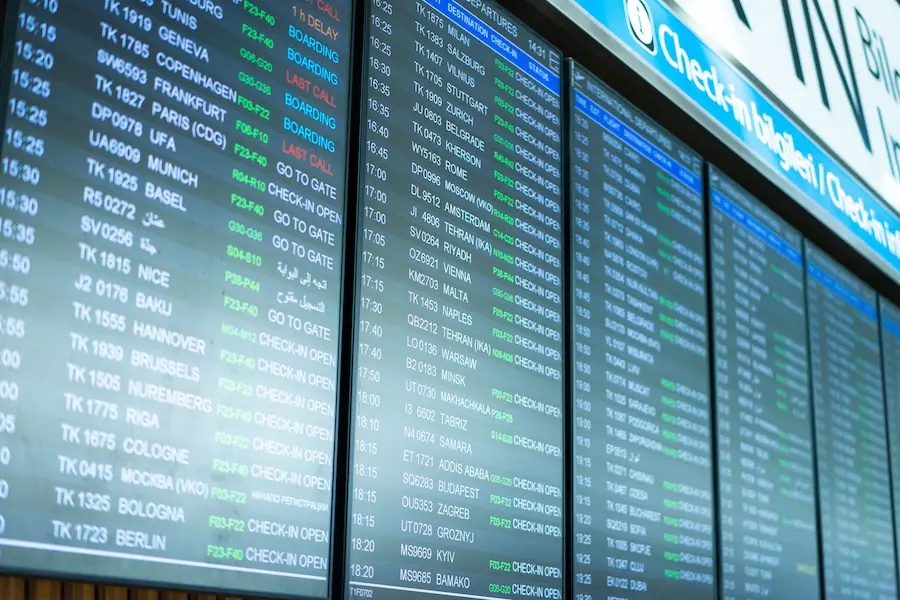
One of the biggest factors that determines your Asia family trip budget isn’t where you’re going—it’s where you’re flying from.
For most families traveling from North America or Europe, international flights are usually the single biggest expense, often accounting for 30–50% of the total trip budget. That’s why two families visiting the same destination can spend thousands of dollars more or less overall.
As a family based in Singapore, we don’t pay the same long-haul airfare as families flying from New York, Toronto, London, or Frankfurt. Instead of sharing only our own travel costs, we’ve created realistic estimates that reflect what most first-time Western families can expect to spend.
The table below assumes a family of four (2 adults + 2 children) traveling during a typical travel season with return economy flights, mid-range accommodation, meals, local transportation, and sightseeing.
| Departure Region | Typical 2-Week Family Budget | Biggest Cost Factor |
|---|---|---|
| 🇺🇸 USA | $8,000–$14,000 | Long-haul flights |
| 🇨🇦 Canada | $8,500–$14,500 | Flights and exchange rate |
| 🇬🇧 United Kingdom | £6,000–£10,500 | Flights during school holidays |
| 🇪🇺 Europe | €6,500–€11,500 | Departure city and season |
| 🇦🇺 Australia | AUD $6,500–$11,000 | Destination choice rather than flight cost |
These are realistic planning budgets, not the cheapest possible trips. Families who travel during shoulder season, book flights early, and choose destinations like Vietnam or Thailand can often spend less, while peak-season trips to Japan or Singapore usually cost more.
How Much Do Flights to Asia Cost for a Family?
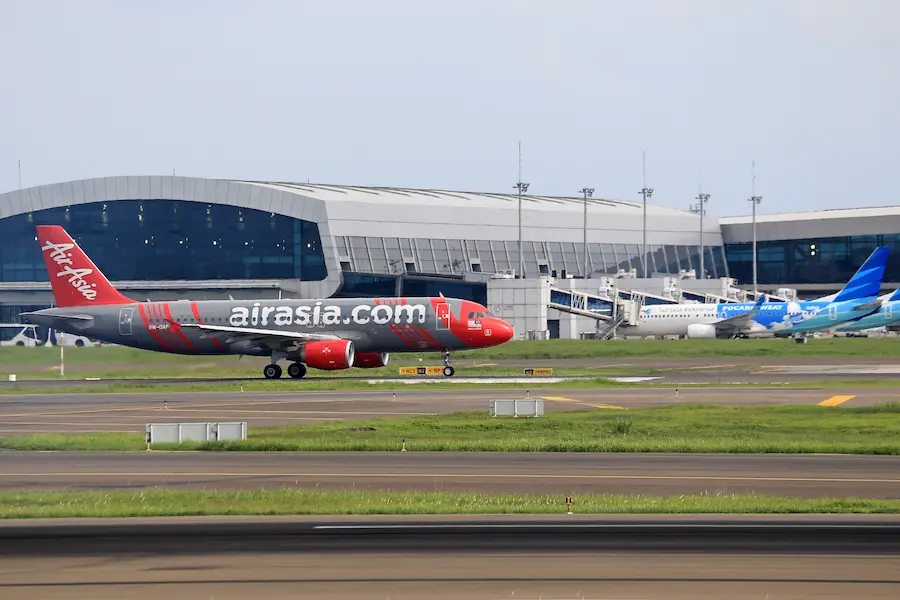
For most American and European families, flights are the largest upfront expense, but they’re also the easiest place to save money with good planning.
Airfare can vary by thousands of dollars depending on where you fly from, when you travel, and how early you book.
Typical Return Flight Costs (Family of Four)
| Departure City | Typical Return Cost |
|---|---|
| New York | $3,200–$5,500 |
| Los Angeles | $2,600–$4,800 |
| Chicago | $3,400–$5,700 |
| Dallas / Texas | $3,300–$5,600 |
| London | £2,400–£4,500 |
| Paris | €2,700–€4,800 |
| Frankfurt | €2,600–€4,700 |
Prices vary by destination, airline, travel season, and how far in advance you book.
When Are Flights Cheapest?
If your travel dates are flexible, timing can save your family hundreds or even thousands of dollars.
| Travel Season | What to Expect |
|---|---|
| January–March (excluding Lunar New Year) | One of the best times for flight deals. |
| April–May | Pleasant weather in many destinations with moderate prices. |
| June–August | Peak family travel season with the highest airfares. |
| September–October | Excellent balance of lower prices and good weather. |
| November | Often one of the cheapest months to fly. |
| December & Christmas | Highest prices due to holiday demand. |
Flight prices change throughout the year, so we always recommend comparing fares before setting your final travel budget.
When Should You Book Flights?
For most families traveling from the USA or Europe, booking 4–7 months before departure usually offers the best combination of price and flight availability.
If you’re traveling during:
- Summer school holidays
- Christmas and New Year
- Cherry blossom season in Japan
- Golden Week in Japan
It’s worth booking even earlier to secure better fares and family seating options.
Planning a long-haul journey with young kids? Our Flying to Asia With Kids guide covers flight booking strategies, family seating, layovers, and practical tips for surviving long-haul flights with babies, toddlers, and older kids.
Our Best Money-Saving Tips
After years of traveling around Asia as a family, these strategies consistently make the biggest difference:
- Book your international flights before reserving hotels, as airfare tends to fluctuate more.
- Compare nearby arrival cities, such as Tokyo vs. Osaka or Bangkok vs. Phuket, to find better deals.
- Travel during shoulder seasons if your schedule allows.
- Consider open-jaw tickets if you’re visiting multiple countries.
- Pack efficiently to avoid checked baggage fees on regional flights.
- Redeem airline miles or credit card points for long-haul flights when possible.
Roaming Crew Tip: Many parents focus on finding the cheapest hotel, but saving $800–$1,500 on flights often has a much bigger impact on your total holiday budget than shaving a few dollars off your nightly accommodation.
Accommodation Costs in Asia: Hotels vs Apartments for Families

Accommodation is usually the second-largest expense after flights, but it’s also where your family can choose between saving money or paying more for comfort and convenience.
If you’re traveling with babies or young children, don’t just compare hotel prices. Think about what you’ll need after a long sightseeing day—a little extra space, somewhere to prepare breakfast, do laundry, or let your children sleep while you relax.
For stays of three nights or more, many families find apartments or family suites offer better value than booking two standard hotel rooms.
Here’s what you can realistically expect to pay for a clean, well-reviewed family-friendly property.
| Destination | Family Hotel (per night) | Apartment (per night) | Best For |
|---|---|---|---|
| 🇯🇵 Japan | $180–350 | $180–320 | Apartments for extra space |
| 🇨🇳 China | $90–220 | $100–200 | Great value in major cities |
| 🇻🇳 Vietnam | $70–180 | $70–150 | Excellent value for families |
| 🇹🇭 Thailand | $80–220 | $90–180 | Resorts and apartments |
| 🇸🇬 Singapore | $250–450 | $250–450 | Hotels close to MRT stations |
| 🇮🇩 Bali | $80–250 | $100–220 | Villas and family resorts |
Roaming Crew Tip: We rarely choose the cheapest hotel. Instead, we look for family rooms with excellent reviews, reliable air conditioning, breakfast options, and easy access to public transport. Spending a little more on accommodation often makes travelling with children much less stressful.
What Can Affect Your Accommodation Budget?
Before booking, it’s worth knowing that family-friendly accommodation in Asia doesn’t always include the amenities many parents expect in North America or Europe. Paying slightly more for the right room can often make your trip more comfortable—and prevent unexpected expenses after you arrive.
| Family Feature | What to Expect in Asia |
|---|---|
| 👶 Baby cots (cribs) | Often available in larger hotels but usually on request and subject to availability. |
| 🚪 Connecting rooms | Common in many hotels, but not guaranteed—especially in Japan, where rooms are often smaller. |
| 🍳 Kitchenettes | More common in apartments than hotels and can help reduce food costs during longer stays. |
| 🧺 Laundry facilities | Self-service laundry is common in Japan, South Korea, and many apartments but may be limited elsewhere. |
| 🏊 Pool safety | Family resorts usually have lifeguards, but many private Bali villas have unfenced pools that may require extra supervision. |
Roaming Crew Tip: If you’re traveling with a baby or toddler, contact your accommodation before booking to confirm baby cots are available. Many hotels only have a limited number and can’t guarantee one at check-in.
Worth paying extra for?
Sometimes spending an extra $20–40 per night can actually save money overall.
For example:
- A kitchenette can reduce restaurant spending by letting you prepare breakfast or simple dinners.
- A washing machine means packing fewer clothes and paying less for laundry.
- Staying close to a metro station often reduces taxi costs throughout your trip.
- A family room is usually cheaper than booking two standard hotel rooms.
If you are heading to Vietnam, here is our detailed where-to-stay-in-Vietnam-with-kids guide for recommended family-friendly hotels, apartments, and neighborhoods across Vietnam.
Bali villas deserve one extra mention
Private villas in Bali are beautiful and often offer excellent value for families, but many aren’t designed with toddlers in mind.
Features such as unfenced pools, open staircases, ponds, or tropical gardens are common. If pool safety is important to your family, consider budgeting slightly more for a villa with child-friendly safety features or a resort designed specifically for families.
How Much Should You Budget for Food?
Food is one of the easiest parts of your budget for Asia to manage because you can choose between affordable local meals and familiar Western restaurants, depending on your family’s comfort level.
Most destinations in Asia offer excellent value, but your daily food budget will depend on how adventurous your family is and whether you’re eating mostly local cuisine or international dishes.
Average Daily Food Budget (Family of Four)
| Travel Style | Daily Cost |
|---|---|
| Mostly local restaurants | $40–70 |
| Mix of local and Western meals | $70–120 |
| Mostly Western restaurants | $120–180+ |
Typical Prices
| Item | Average Cost |
|---|---|
| Local family meal | $15–35 |
| Casual restaurant | $30–60 |
| Children’s meal | $5–12 |
| Coffee | $3–6 |
| Bottled water | $1–3 |
| Grocery supplies for breakfast | $20–40 per day |
Roaming Crew Tip: Many families save hundreds of dollars by booking accommodation with breakfast included and enjoying one main restaurant meal each day. It keeps the budget manageable without feeling like you’re constantly cutting costs.
Should You Budget for Western Food?
Many children quickly adapt to rice, noodles, dumplings, grilled chicken, or fresh fruit found throughout Asia.
However, if your child prefers familiar meals like pasta, pizza, sandwiches, breakfast cereal, or specific snacks, it’s worth allowing a little extra in your food budget.
Imported groceries and Western restaurants are available in most major Asian cities, but they’re usually significantly more expensive than local restaurants.
Roaming Crew Tip: We usually mix local restaurants with the occasional Western meal. It keeps both the budget and everyone in the family happy.
Packing a few familiar snacks can also help keep food costs down during long travel days. Our Asia Packing Guide for Families includes everything we never leave home without.
Transportation Costs Around Asia
Getting around Asia is often easier—and more affordable—than many first-time visitors expect.
Large cities such as Tokyo, Singapore, Seoul, Shanghai, and Hong Kong have excellent public transport systems that are clean, safe, and family-friendly. In many destinations, using trains and metros is not only cheaper but also faster than sitting in traffic.
Typical Transportation Costs
| Transport | Typical Cost |
|---|---|
| Metro or subway | $1–5 per trip |
| Taxi | $5–25 depending on distance |
| Ride-share (Grab, DiDi, Uber where available) | $5–30 |
| Domestic flights | $70–250 per person |
| Japan Bullet Train | $80–180+ depending on route |
Good to know: Ride-sharing apps like Grab and DiDi are often easier than negotiating taxi fares and usually let you pay by card or through the app, which many Western families find more convenient.
For families carrying strollers or luggage or traveling with toddlers, a direct airport limousine bus or private transfer can sometimes be worth the extra cost after a long-haul flight, even if local trains are cheaper.
Budget Recommendation
For most families, setting aside $25–60 per day for transportation is a realistic estimate unless you’re taking long-distance trains or domestic flights.
When Is It Worth Spending More?
Budget travel doesn’t always mean choosing the cheapest option.
When you’re traveling with children, paying a little more can often save hours of travel time and reduce stress.
| Destination | Where spending more makes sense |
|---|---|
| 🇯🇵 Japan | High-speed trains are incredibly fast and reliable but can become one of the biggest transport expenses. Compare domestic flights for longer routes before booking. |
| 🇨🇳 China | High-speed rail offers excellent value for journeys under 5–6 hours and is often more convenient than flying. |
| 🇻🇳 Vietnam | Domestic flights between Hanoi, Da Nang and Ho Chi Minh City are often worth the extra cost, saving an entire day of travel compared with trains or buses. |
| 🇹🇭 Thailand | Private taxis are surprisingly affordable and can be much easier than changing buses with luggage or tired children. |
| 🇮🇳 India | Hiring a private driver for shorter sightseeing days often provides better value and comfort than multiple taxi rides or crowded public transport. |
What About Car Seats?
This surprises many first-time visitors.
Outside countries like Japan, Singapore, and South Korea, child car seats aren’t routinely provided in taxis or ride-share vehicles.
If you’re traveling with babies or toddlers, you may want to budget for:
- Pre-booked airport transfers with child seats
- Car seat rental (where available)
- Bringing your own lightweight travel car seat for longer road trips
While many families rely on taxis throughout Asia without car seats, it’s worth researching your destination in advance if this is important for your family.
If you’re still choosing where to visit, remember that transportation costs vary widely across Asia. Our Best Family Destinations in Asia guide compares countries based on budget, ease of travel, and family-friendly experiences.
How Much Do Attractions Cost?
This is the part of the budget parents often underestimate.
Children’s attractions, theme parks, aquariums, and observation decks can quickly become one of the biggest expenses after flights and accommodation.
Typical Family Attraction Costs
| Attraction | Family of Four |
|---|---|
| Theme parks | $250–600 |
| Aquariums | $80–180 |
| Zoos | $40–120 |
| Museums | $20–100 |
| Observation decks | $50–180 |
| Temples and cultural sites | Free–$40 |
Many Asian cities also offer excellent free experiences, including public parks, temples, beaches, gardens, walking streets, and seasonal festivals, helping balance your overall budget.
Roaming Crew Tip: We usually plan one major paid attraction every few days and fill the rest of our itinerary with parks, playgrounds, markets, cultural sites, and local neighborhoods. Our kids enjoy the slower pace just as much, and it keeps the trip far more affordable.
Hidden Costs Most Families Forget to Budget For
This is where many first-time travelers go over budget.
Flights and hotels are easy to calculate, but it’s the small everyday expenses that quietly add up over two or three weeks.
We always recommend keeping an extra 10–15% of your total travel budget for these often-overlooked costs.
| Hidden Expense | Typical Cost |
|---|---|
| Travel insurance | $150–500 |
| eSIM or local SIM | $20–80 |
| Laundry | $30–100 |
| Airport transfers | $40–150 |
| Checked baggage | $0–300+ |
| Visa fees (if required) | Varies |
| Travel adapters | $15–40 |
| Bottled water and snacks | $5–20 per day |
| Medication or pharmacy visits | $20–100+ |
| Currency conversion or ATM fees | $20–100 |
| Stroller or luggage damage | Emergency expense |
Don’t forget these family-specific extras
If you’re traveling with younger children, it’s also worth budgeting for:
- Extra diapers or pull-ups if your preferred brand isn’t available.
- Formula or familiar snacks if your child has dietary preferences.
- Small toys or activity books for flights and train journeys.
- Occasional taxis when little legs are too tired to walk.
- Extra baggage space for souvenirs or shopping on the way home.
Roaming Crew Tip: We always keep a separate emergency travel fund that we hope never to use. Whether it’s replacing a broken stroller wheel, visiting a doctor, or changing flights unexpectedly, having that financial buffer lets you focus on your family instead of worrying about every unplanned expense.
Which Asian Destination Fits Your Family Budget?
One of the biggest advantages of traveling in Asia is that there’s a destination for almost every budget.
Whether you’re planning your first family adventure abroad or celebrating a once-in-a-lifetime holiday, you don’t necessarily need to spend more—you simply need to choose the destination that matches your budget and travel style.
The estimates below are based on a two-week trip for a family of four, including return flights from North America or Europe, mid-range accommodation, transportation, food, and sightseeing.
| Destination | Budget Trip | Mid-Range | Comfortable | Luxury | Best For |
|---|---|---|---|---|---|
| 🇻🇳 Vietnam | $5,500–7,000 | $7,000–9,000 | $9,000–12,000 | $12,000+ | Best overall value |
| 🇹🇭 Thailand | $6,000–7,500 | $7,500–10,000 | $10,000–13,000 | $13,000+ | Beaches & first-time visitors |
| 🇨🇳 China | $7,000–8,500 | $8,500–11,000 | $11,000–14,000 | $14,000+ | Culture & history |
| 🇯🇵 Japan | $8,500–10,500 | $10,500–13,500 | $13,500–17,000 | $17,000+ | Theme parks & bucket-list trips |
| 🇮🇩 Bali | $6,500–8,500 | $8,500–11,000 | $11,000–14,000 | $14,000+ | Relaxing resort holidays |
| 🇸🇬 Singapore | $8,500–10,500 | $10,500–13,500 | $13,500–17,000 | $17,000+ | Short stopovers & city breaks |
Roaming Crew Tip: If your budget is around $7,000–8,000, you’ll generally enjoy a more comfortable holiday in Vietnam or Thailand than trying to stretch the same budget across Japan or Singapore.
Which Asian Destination Gives Families the Best Value?
Price alone doesn’t always determine value.
Sometimes spending slightly more means better transportation, cleaner public facilities, shorter travel times, or attractions that suit kids of all ages.
Here’s how we’d compare them as parents.
| Destination | Value for Money | Family-Friendly | Easy for First-Time Visitors |
|---|---|---|---|
| 🇻🇳 Vietnam | ⭐⭐⭐⭐⭐ | ⭐⭐⭐⭐☆ | ⭐⭐⭐⭐☆ |
| 🇹🇭 Thailand | ⭐⭐⭐⭐⭐ | ⭐⭐⭐⭐⭐ | ⭐⭐⭐⭐⭐ |
| 🇨🇳 China | ⭐⭐⭐⭐☆ | ⭐⭐⭐⭐☆ | ⭐⭐⭐☆☆ |
| 🇯🇵 Japan | ⭐⭐⭐⭐☆ | ⭐⭐⭐⭐⭐ | ⭐⭐⭐⭐⭐ |
| 🇮🇩 Bali | ⭐⭐⭐⭐☆ | ⭐⭐⭐⭐⭐ | ⭐⭐⭐⭐⭐ |
| 🇸🇬 Singapore | ⭐⭐⭐☆☆ | ⭐⭐⭐⭐⭐ | ⭐⭐⭐⭐⭐ |
Not sure which country is right for your family? Our detailed destination guides compare attractions, transportation, safety, and costs to help you choose with confidence.
- Japan family trip cost in 2026
- China family trip cost with our budget estimate.
- Read our complete India Family Trip Cost Guide
Sample Family Budgets for an Asia Trip
Every family’s travel requirements are different, but these sample budgets provide you with a realistic starting point based on what many American and European families spend when planning an Asia vacation.
These include international flights, accommodation, food, local transportation, attractions, and everyday travel expenses.
Two-Week Asia Family Budget
| Family Size | Budget Trip | Mid-Range | Comfortable |
|---|---|---|---|
| 👨👩👧 Family of 3 | $5,000–7,000 | $7,000–10,000 | $10,000–14,000 |
| 👨👩👧👦 Family of 4 | $5,500–8,000 | $8,000–12,000 | $12,000–17,000 |
Three-Week Asia Family Budget
| Family Size | Budget Trip | Mid-Range | Comfortable |
|---|---|---|---|
| 👨👩👧 Family of 3 | $6,500–8,500 | $9,000–12,500 | $12,500–17,000 |
| 👨👩👧👦 Family of 4 | $7,000–9,500 | $10,000–14,000 | $14,000–19,000 |
One-Month Asia Family Budget
| Family Size | Budget Trip | Mid-Range | Comfortable |
|---|---|---|---|
| 👨👩👧 Family of 3 | $8,500–11,000 | $12,000–16,000 | $17,000–23,000 |
| 👨👩👧👦 Family of 4 | $9,000–12,500 | $13,000–18,000 | $18,000–25,000 |
What Changes the Budget Most?
These sample budgets are designed as realistic planning estimates, but your final cost will depend on a few key choices:
- Flying during school holidays versus shoulder season.
- Visiting one country instead of combining several destinations.
- Staying in apartments for longer trips.
- Mixing free attractions with paid experiences.
- Booking flights four to seven months in advance.
- Choosing destinations like Vietnam or Thailand for greater value, or Japan and Singapore for premium experiences.
If you’re deciding between a shorter trip to Japan and a longer trip to Vietnam or Thailand, don’t just compare prices. Think about the type of holiday your family wants. Some families would rather enjoy three relaxed weeks in Southeast Asia than rush through ten expensive days elsewhere.
How to Save $2,000–$4,000 on an Asia Family Trip Without Sacrificing Comfort

A memorable family trip to Asia doesn’t have to mean choosing the cheapest hotels or skipping experiences your children will love.
Over the years, we’ve found that the biggest savings usually come from planning smarter, not spending less.
Many families can reduce their total trip cost by $2,000–$4,000 simply by making a few decisions before booking.
1. Book International Flights Before Anything Else
For families traveling from the United States, Canada, the UK, or Europe, flights are usually the largest single expense.
Booking your long-haul flights 4–7 months before departure often provides the best balance between price, availability, and family seating options.
If you’re traveling during school holidays, Christmas, or Japan’s cherry blossom season, booking even earlier is usually worthwhile.
Potential savings: $500–$1,500
2. Stay in Apartments on Longer Trips
For trips lasting four nights or longer, apartments often provide much better value than hotels.
Besides having more space for children, you’ll usually get:
- A kitchen for simple breakfasts.
- Laundry facilities.
- Separate sleeping areas.
- Extra room for toddlers to play.
Preparing breakfast or a few simple meals can save hundreds of dollars over a two- or three-week holiday.
Potential savings: $300–800
3. Travel During Shoulder Season
You don’t have to visit during peak school holidays to enjoy Asia.
Months like:
- April (after Easter)
- May
- September
- October
- Early November
often offer pleasant weather, smaller crowds, and noticeably lower prices for flights and accommodation.
Potential savings: $500–1,200
Packing appropriately for the season can also save money by avoiding expensive last-minute purchases after arrival. Our Asia Family Packing Guide includes destination-specific packing lists for every season.
4. Stay Near Public Transportation Instead of Tourist Hotspots
Many parents automatically book hotels right in the city center.
Instead, consider staying just one or two metro stops away.
In cities like Tokyo, Singapore, Seoul, Shanghai, and Hong Kong, public transport is reliable, safe, and family-friendly, while accommodation prices often drop significantly outside the busiest tourist districts.
You’ll usually spend less on both hotels and taxis without adding much travel time.
Potential savings: $300–700
5. Balance Paid Attractions with Free Experiences
Asia offers some incredible paid attractions, but many of our children’s favorite memories have cost nothing at all.
Mix expensive attractions with:
- Public parks
- Temples
- Beaches
- Night markets
- Walking streets
- Botanical gardens
- Free playgrounds
- Local festivals
Instead of planning paid activities every day, aim for one major attraction every two or three days.
Your budget—and your children—will often appreciate the slower pace.
Potential savings: $200–600
6. Choose the Right Destination for Your Budget
One of the easiest ways to save money isn’t cutting back—it’s choosing the destination that matches your budget.
For example:
- A $7,500 budget provides a very comfortable holiday in Vietnam or Thailand.
- The same budget may feel much tighter in Japan or Singapore, where hotels and attractions generally cost more.
Rather than trying to make an expensive destination fit a smaller budget, choose a country where your money naturally goes further.
Your holiday will often feel more relaxed, with fewer compromises.
Potential savings: $1,000–3,000
7. Slow Down Instead of Seeing Everything
Many first-time visitors try to visit three or four countries in one trip.
While it sounds exciting, constantly changing flights, hotels, and transport can quickly increase your overall budget.
Spending longer in one country often means:
- Lower transport costs.
- Better accommodation deals.
- Fewer packing days.
- More relaxed children.
- Less travel fatigue.
It’s one of the simplest ways to save money while enjoying a more rewarding family holiday.
Where Families Usually Save the Most
| Money-Saving Strategy | Estimated Savings |
|---|---|
| Book flights early | $500–1,500 |
| Stay in apartments | $300–800 |
| Travel during shoulder season | $500–1,200 |
| Stay near public transportation. | $300–700 |
| Mix free & paid attractions | $200–600 |
| Choose Vietnam or Thailand over higher-cost destinations | $1,000–3,000 |
| Visit fewer countries | $300–800 |
Roaming Crew Tip: If we had to choose just one money-saving strategy, we’d book flights early and build the rest of the itinerary around those dates. Flights are usually the biggest expense, and getting a great airfare often has a bigger impact on your total budget than trying to save a few dollars each day once you’re in Asia.
Quick Asia Family Budget Planner
| If your family budget is… | Consider visiting… | Trip length |
|---|---|---|
| Under $6,000 | Vietnam, parts of Thailand | 10–14 days |
| $6,000–8,000 | Vietnam, Thailand, Bali | Around 2 weeks |
| $8,000–12,000 | Japan, China, Thailand, Singapore | 2–3 weeks |
| $12,000–18,000 | Japan + another Asian country | 2–3 weeks |
| Over $18,000 | Multi-country Asia itinerary with premium hotels | 3–4 weeks |
What We’ve Learned After Years of Family Travel in Asia
After traveling around Asia as a family, there are a few things we’d happily spend more on again—and a few things we’d happily spend less on.
✔ We never regret paying a little more for accommodation close to public transport.
✔ Domestic flights in countries like Vietnam often save an entire day of travel and are worth every dollar with young children.
✔ Booking flights early has consistently saved us more money than trying to cut costs once we’re already traveling.
✔ We rarely regret choosing apartments over hotel rooms on longer trips.
✔ We always leave room in our budget for unexpected expenses because traveling with children rarely goes exactly to plan.
Roaming Crew Tip: The goal isn’t to spend as little as possible. It’s to spend your money where it improves your family’s experience the most.
Still Planning Your Trip?
If you’ve worked out your budget, these guides will help with the next steps:
➡️ Choose your destination → Best Family Destinations in Asia
➡️ Flying from the USA or Europe → Flying to Asia With Kids
➡️ Wondering what to pack → Asia Packing Guide
➡️ Concerned about safety → Is Asia Safe With Kids?
➡️ Worried about jet lag → Jet Lag in Asia With Kids
FAQ of Asia Family Travel Budget
1. How much does an average family trip to Asia cost?
A typical two-week family trip to Asia costs between $6,000 and $12,000 for a family of four traveling from the United States or Europe. The total depends on your departure city, destination, travel season, accommodation style, and planned activities. Budget-friendly countries like Vietnam and Thailand usually cost much less than Japan or Singapore.
2. Is $10,000 enough for a family trip to Asia?
Yes. For most families, $10,000 is enough for a comfortable two-week holiday in many Asian destinations, including Japan, China, Thailand, Vietnam, or Bali. Traveling during shoulder season and booking flights several months in advance can help your budget go even further.
3. Which country in Asia offers the best value for families?
For most American and European families, Vietnam and Thailand usually offer the best overall value thanks to affordable accommodation, family-friendly attractions, inexpensive local food, and low transportation costs. Families looking for premium experiences often choose Japan, while Singapore is better suited to shorter city breaks because of its higher prices.
4. How much should I budget per day for a family vacation in Asia?
Once you’ve arrived in Asia, most families spend approximately
Budget: $150–250 per day
Mid-range: $250–450 per day
Comfortable: $450–700+ per day
These estimates generally include accommodation, meals, transportation, and sightseeing but exclude international flights.
5. Is Asia cheaper than Europe for family vacations?
In most cases, yes.
Accommodation, local transportation, meals, and family attractions are generally much more affordable across much of Asia than in Western Europe or North America. However, international flights may offset some of those savings, especially if you’re traveling from the United States or Canada.
6. What is the biggest expense when traveling to Asia with kids?
For most Western families, international flights are the largest expense, often accounting for 30–50% of the total trip budget. Accommodation is usually the second-largest cost, followed by attractions and local transportation.
7. Should I carry cash or cards in Asia?
Both.
Major cities throughout Japan, Singapore, South Korea, China (for tourists using supported payment methods), and many parts of Thailand and Vietnam increasingly accept card payments. However, cash is still useful for local markets, street food, taxis, and smaller family-run businesses, so carrying a combination of both is usually the safest approach.
Before You Book Your Family Trip to Asia…
Use this quick checklist to make sure your budget is ready.
- ☐ I know my total trip budget.
- ☐ I’ve compared destinations that fit my budget.
- ☐ I’ve estimated international flight costs.
- ☐ I’ve chosen accommodation that suits my family.
- ☐ I’ve included travel insurance.
- ☐ I’ve budgeted for hidden costs.
- ☐ I’ve set aside an emergency fund.
- ☐ I’ve booked the most expensive items first.
Final Thoughts
Planning a family trip to Asia isn’t about finding the cheapest destination—it’s about understanding where your money will have the biggest impact.
For some families, that means spending more on direct flights so everyone arrives well-rested. For others, it means choosing Vietnam over Japan to enjoy a longer holiday without stretching the budget.
Whatever your budget looks like, planning gives you more flexibility, fewer surprises, and the confidence to focus on what really matters: creating unforgettable memories with your children.
If this is your family’s first trip to Asia, we hope this guide helps you budget with confidence, travel more comfortably, and start your adventure knowing exactly what to expect.
That’s much stronger emotionally.
Where Will Your Family Explore Next?
Now that you’ve planned your budget, it’s time to choose the destination that’s right for your family. Start with one of our detailed destination hubs:
🇯🇵 Japan with Kids – Theme parks, culture, transportation, itineraries, and family travel tips.
🇨🇳 China with Kids – Great Wall, pandas, high-speed trains, city guides, and practical planning advice.
🇻🇳 Vietnam with Kids – Beaches, affordable family holidays, train travel, and destination guides.
🇮🇳 India with Kids – Culture, wildlife, family attractions, and regional travel guides.
🇮🇩 Bali with Kids – Villas, beaches, family resorts, and island itineraries.
Wherever your family travels, we’re here to help you plan every step of the journey.

FOUNDER • FAMILY TRAVEL WRITER • MUM OF TWO
About the Author
Hi, I’m Shivani, the founder of Roaming Crew.
Based in Singapore and having lived in different parts of Asia—including two years in India—I’ve explored 18+ destinations across the region, with 12+ of those journeys taken alongside my young kids.
From choosing family-friendly destinations and navigating local transport to budgeting, accommodation, and practical travel logistics, Roaming Crew is created with a parent-first mindset.