
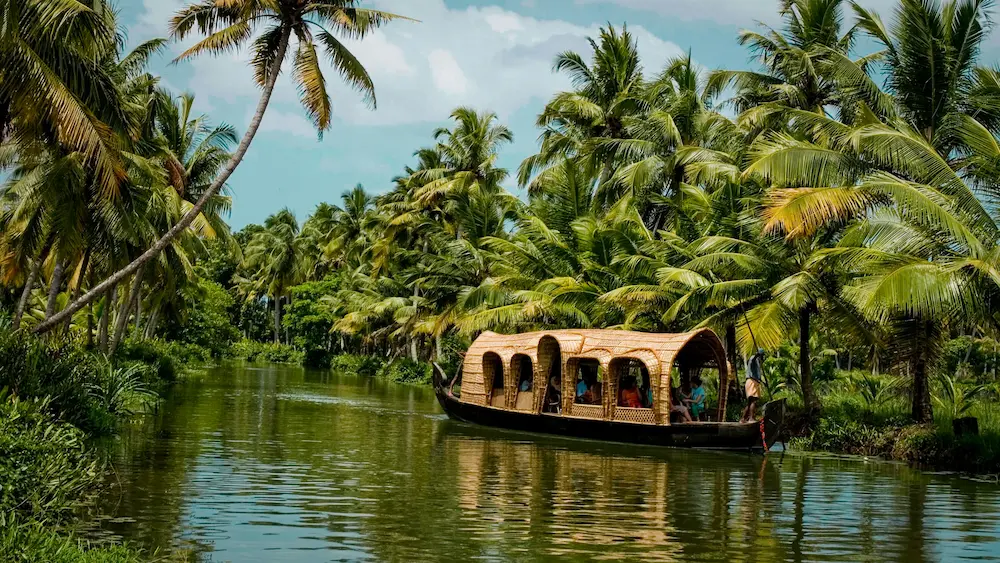
Kerala is one of India’s cleanest, safest, and most welcoming regions in the country, where beaches, tea gardens, and backwaters come together in perfect harmony. We found it as the easiest place in India to explore beaches, backwaters, and mountain life together, even with little ones.
The first time we arrived in Kerala, we felt nothing like the version of India people often imagine.
No chaos. No noise that overwhelms us.
No worrying about where the kids will eat or where they can play.
Instead, everything looked tropical, green, slow, and quietly beautiful.
Kochi Airport—clean with no outside chaos, the fully solar-powered airport surroundings were our first surprise. Everything feels so easy here, from effortlessly finding our taxi, clean roads, and how easily we could communicate.
Even the man selling coconuts by the highway spoke English with a smile. It set the tone for the days ahead: simple, calm, and deeply welcoming.
And we are not the first ones who feel this way. Kochi, known as the “Queen of the Arabian Sea,” was recently named one of Booking.com’s Top 10 Trending Destinations to visit in 2026, standing alongside places in Spain, Vietnam, Brazil, and the USA.
It’s reassuring to know that the same qualities families appreciate here are now being recognized on a global stage, too.
Kerala has this rare balance.
It’s still India—full of culture, colors, and character—but wrapped in a gentler pace. Beaches that feel safe for unhurried play, tea gardens that look like someone rolled out a green carpet, and backwaters so peaceful that time almost pauses.
Kochi’s old quarters carry stories from Portuguese and Jewish communities; Alleppey feels like a floating world; Munnar rises into cool mountain air lined with tea bushes and little waterfalls that surprise you around every curve.
What stood out most to us wasn’t just the scenery—it was how easy everything felt.
Transport works. People are warm and respectful. Food is mild and fresh. Cleanliness is taken seriously.
And the rhythm of daily life is slow enough that kids settle into it naturally.
If your family loves nature, beaches, soft adventures, culture, or simply moments where everyone can breathe, Kerala gives you all of it in one place.
You can stay by the ocean, tuck yourself into the mountains, or base yourself in Kochi’s charming heritage streets—every option feels safe, connected, and surprisingly relaxing.
Traveling through India can feel intimidating at first, especially with little ones. But Kerala softens every worry.
It’s one of those places where families can explore freely, enjoy meaningful experiences, and return home feeling like they saw something truly special—without ever feeling overwhelmed.
Why Kerala Is the Best “First India” Experience for Families
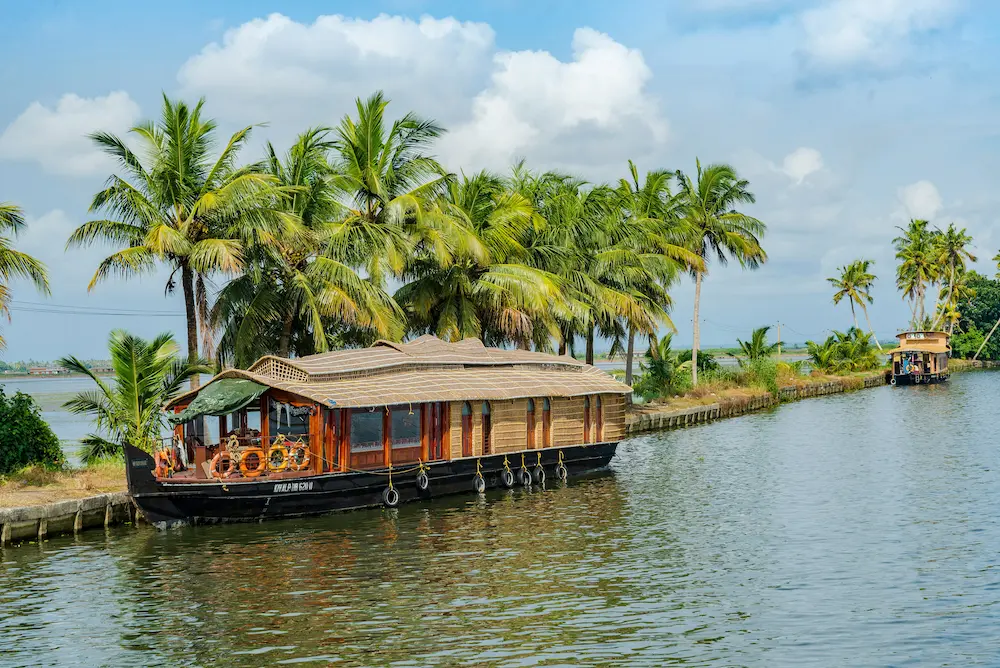
What makes Kerala stand out isn’t just its beauty—it’s how effortlessly it fits into a family’s rhythm, especially when you’re nervous about traveling through India for the first time. This is one place where the everyday worries—cleanliness, food hygiene, safety, language barriers—quietly melt away.
Kerala feels organized in a way that instantly puts you at ease. Roads are well kept, drivers are patient, and towns feel surprisingly tidy. You see families walking comfortably, kids snacking on fresh fruit, and boats gliding through the backwaters with no chaos around them. It’s the kind of environment where you don’t feel the need to “prepare” your kids for the intensity of India—you can simply enjoy the trip.
The sense of safety is noticeable. Locals are warm and respectful, and tourist pressure is almost nonexistent. People help because they want to, not because they expect anything in return. It creates a level of comfort that’s rare to find in popular tourist regions.
Food is another relief. Kerala’s meals are fresh, mild, and cooked with clean ingredients—soft idlis, crispy dosas, appams with coconut milk, sweet bananas, and plenty of vegetarian choices. Even cautious eaters find something familiar, and hygiene standards are genuinely high.
Communication is easy everywhere, from taxis to cafés to markets. English flows naturally here, which removes that underlying worry of “Will we manage?” even in simple moments like ordering breakfast or asking directions.
And then there’s the transport. Whether you’re using taxis, ferries, buses, or the clean and modern Kerala Water Metro, moving around feels smooth and comfortable—not overwhelming. Even the airport sets the tone: clean, calm, and impressively run on 100% solar energy.
Above all, Kerala gives families something rare while traveling through India: space to breathe. Beaches are calm and clean, mountain towns are gentle and green, and the backwaters feel like a separate world where time slows down. Toddlers, school-age kids, and teens all find something they love here without the rush or noise you may expect from India.
For anyone planning a first trip to India with kids, Kerala offers a soft landing—a place where you can experience culture, nature, and history while still feeling completely at ease.
Choosing a family-friendly destination is just the first step. To ensure your trip goes smoothly, read our Safety Guide for India (2026) before you finalize your itinerary.
Where to Base Yourself—Beaches, Mountains, or Kochi City?
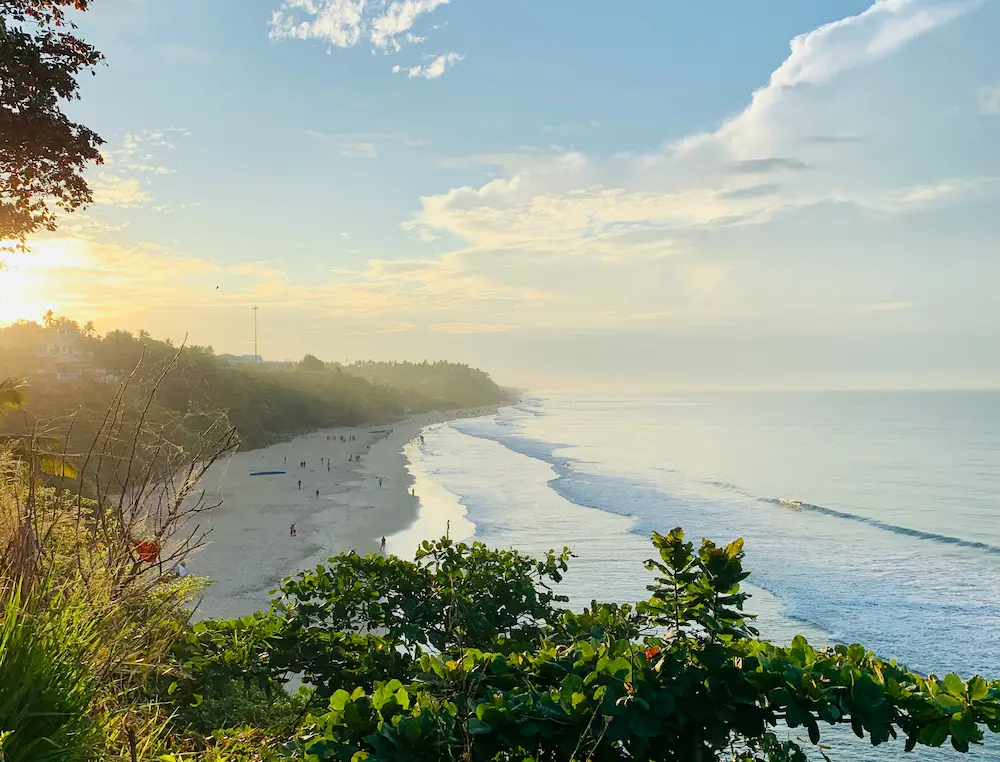
One of the best things about Kerala is that it gives you so many different moods within just a few hours’ drive. You can wake up by the sea, fall asleep in the mountains, or base yourself in a historic port town full of charm.
Where you stay truly changes the whole vibe of your trip—and the good news is, you can’t really choose wrong here.
A. For Beach-Loving Families
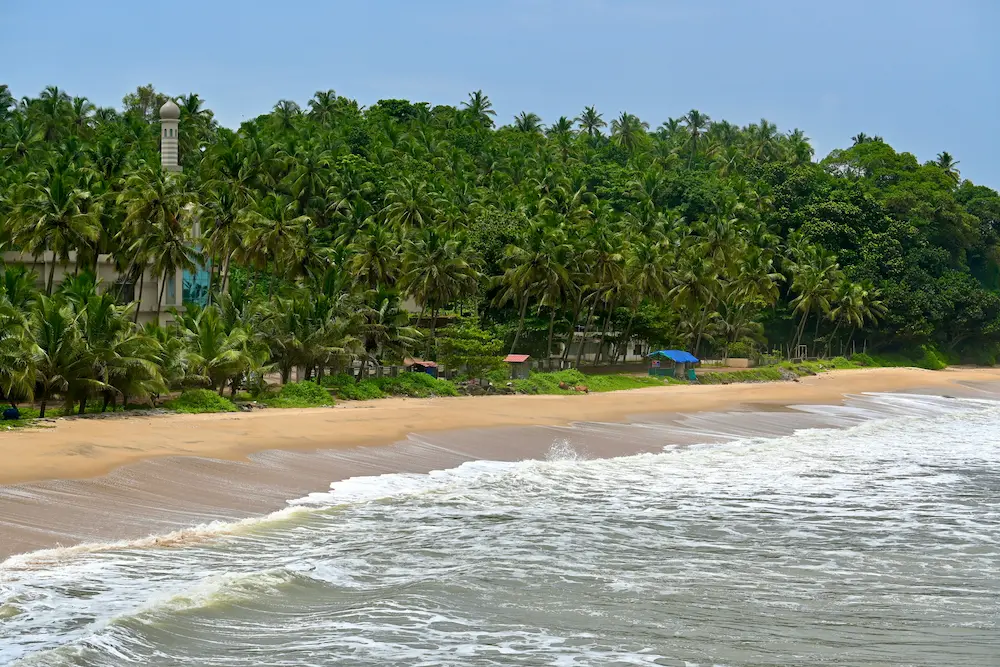
If your family’s idea of relaxation involves sand, sunsets, and space to play, Kerala’s beaches are a dream.
Unlike the crowded shorelines in many parts of India, here the beaches are clean, calm, and family-friendly, with waves gentle enough for children and plenty of space for everyone to unwind.
Top Picks:
- Marari Beach: A quiet, palm-fringed stretch where life slows to a gentle rhythm. Perfect for sandcastles, swims, and fresh seafood lunches. You’ll find cozy beach villas here that often feel more like homes than hotels.
- Varkala: A coastal town with dramatic cliffs, warm breezes, and views that stretch forever. It’s also home to the incredible Jatayu Earth Centre, where the world’s largest bird sculpture perches above lush hills—a fun and unexpected stop for families.
- Kovalam: The livelier option, with a wider range of resorts, cafés, and local markets. Great for families who like more activity but still want a relaxed beach feel.
You can easily find affordable luxury stays here—a private villa with a pool and kitchen service for under 50–60 euros per night is not unusual. Our stay at a small boutique villa near Marari Beach felt like an indulgence, yet cost less than a standard hotel room back home.
B. For Nature & Mountain Families
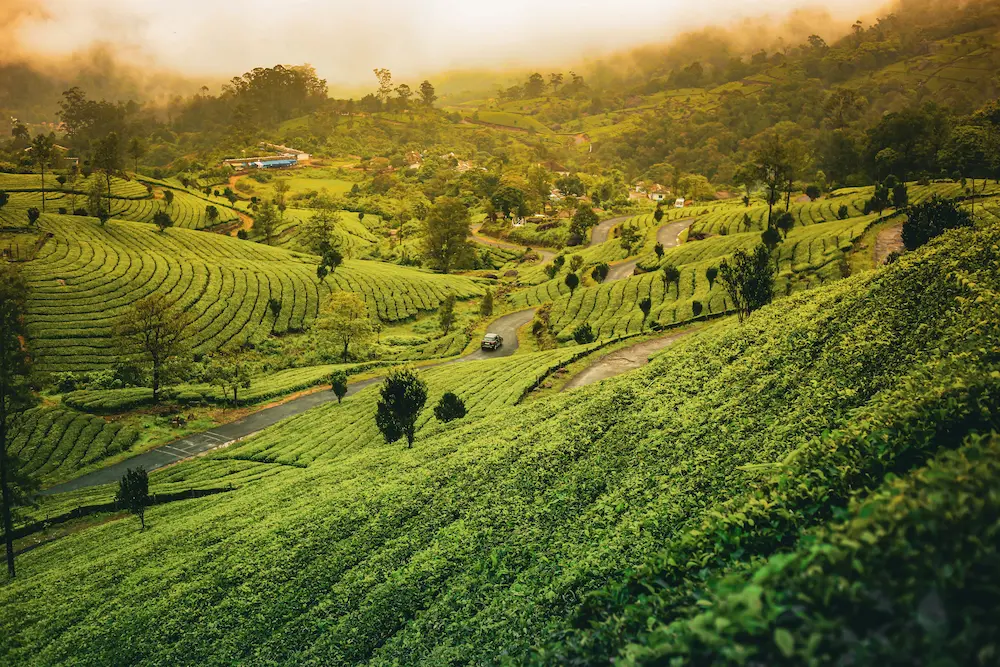
If your family loves cool weather, greenery, and the feeling of being wrapped in nature, Kerala’s hill stations are magical.
The air is fresher, mornings start with mist over the tea gardens, and even a simple drive feels like an adventure.
Top Picks:
- Munnar: Carpeted with tea gardens, waterfalls, and winding mountain trails. Families can visit tea plantations, walk through spice gardens, and spot elephants at nearby reserves. Many scenic hotels offer garden views, and kids love watching the mist roll across the hills each morning.
- Wayanad: A little more offbeat, tucked deeper in Kerala’s forested interior. Think treehouse stays, wildlife sanctuaries, and short nature hikes—great for families with older kids.
These hill towns are ideal if you want your India trip to include fresh air, open space, and soft adventure without long travel distances or extreme conditions.
C. For Culture & Convenience
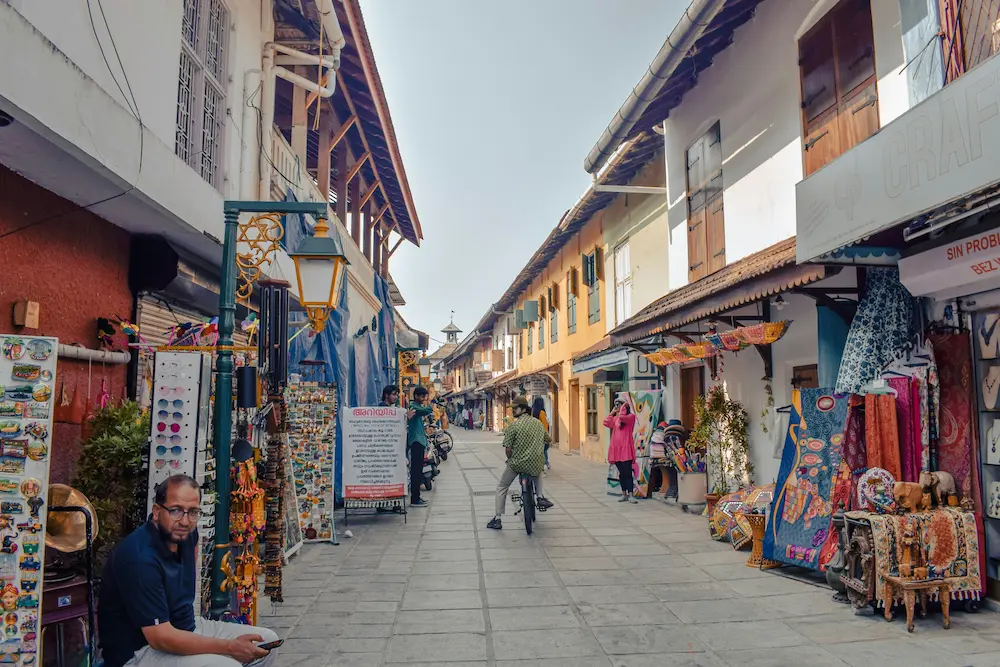
If you’d rather stay somewhere with easy access to everything—from history and culture to good cafés and medical facilities—Kochi city is your best base.
Top Picks:
- Fort Kochi: A charming mix of old-world streets, European architecture, art galleries, and waterfront walks. Here you can explore Portuguese churches, Jewish synagogues, spice markets, and street art—all within a few blocks. The area is quiet, walkable, and easy to explore with kids in strollers.
- Ernakulam: The modern side of Kochi, perfect for families who like having shopping centers, family restaurants, and Western comforts close by.
You’ll find stays to fit every style here—from colonial-era homestays to boutique hotels with pools and in-house cooks. We loved how even in the middle of the city, you still feel close to the water and surrounded by trees.
Whether you choose the beaches for easy playtime, the mountains for quiet nature, or Kochi for culture and comfort, Kerala makes each base feel safe, clean, and connected.
It’s one of those rare destinations where the choice isn’t about what to avoid—it’s about which kind of beauty you want to wake up to.
Kochi With Kids – Culture, Calm Streets & World-Class Experiences
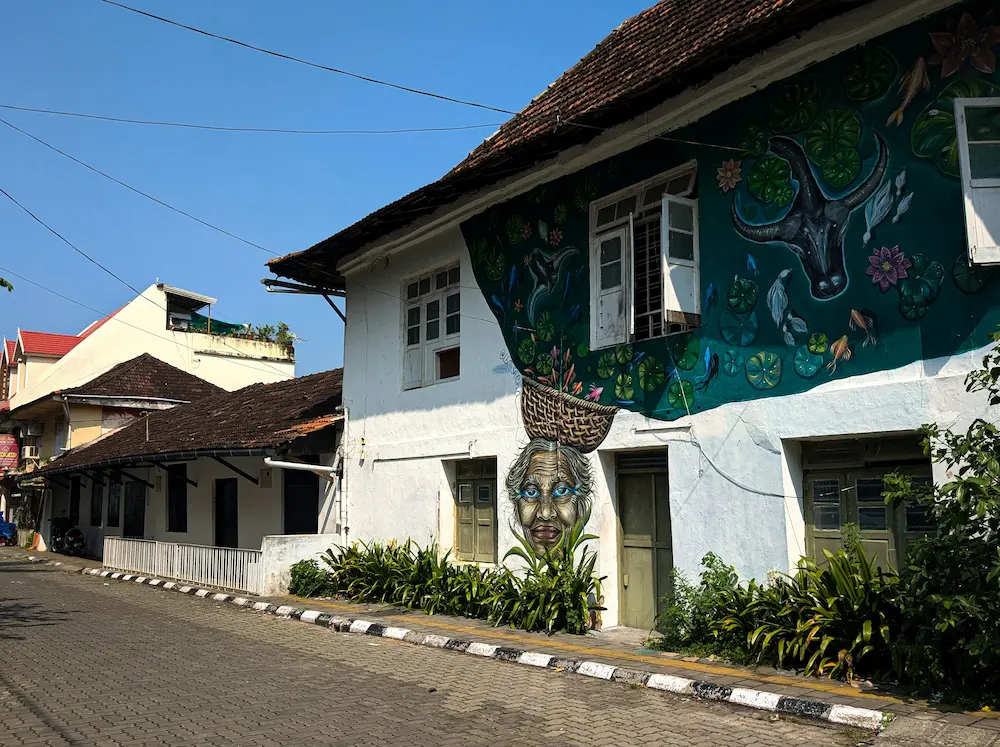
Kochi—still lovingly called Cochin by many—is often the first gentle doorway into Kerala. Once known as the Queen of the Arabian Sea, this vibrant port city carries centuries of cultural influence from the Arabs, Chinese, Dutch, Portuguese, and British.
Yet, despite that long history, Kochi moves with a quiet rhythm that makes families feel instantly at ease.
First Impressions
The city blends old-world charm with modern comfort. Heritage homes with sloping roofs sit next to colorful cafés, fishermen mend nets beside art studios, and the sea breeze carries a mix of spice and saltwater.
It’s calm, walkable, and wonderfully safe—even for families navigating India for the first time.
Best Things to Do in Kochi With Kids
1. Wander Through Fort Kochi’s Calm, Colorful Streets
Fort Kochi is where everything feels soft and slow. You can stroll with a stroller, explore narrow lanes filled with murals, or step into tiny boutiques selling spices, crafts, and beachwear.
Our daughter loved discovering street art tucked between old walls, and every walk became a little treasure hunt.
2. Watch the Chinese Fishing Nets at Mahatma Gandhi Beach.
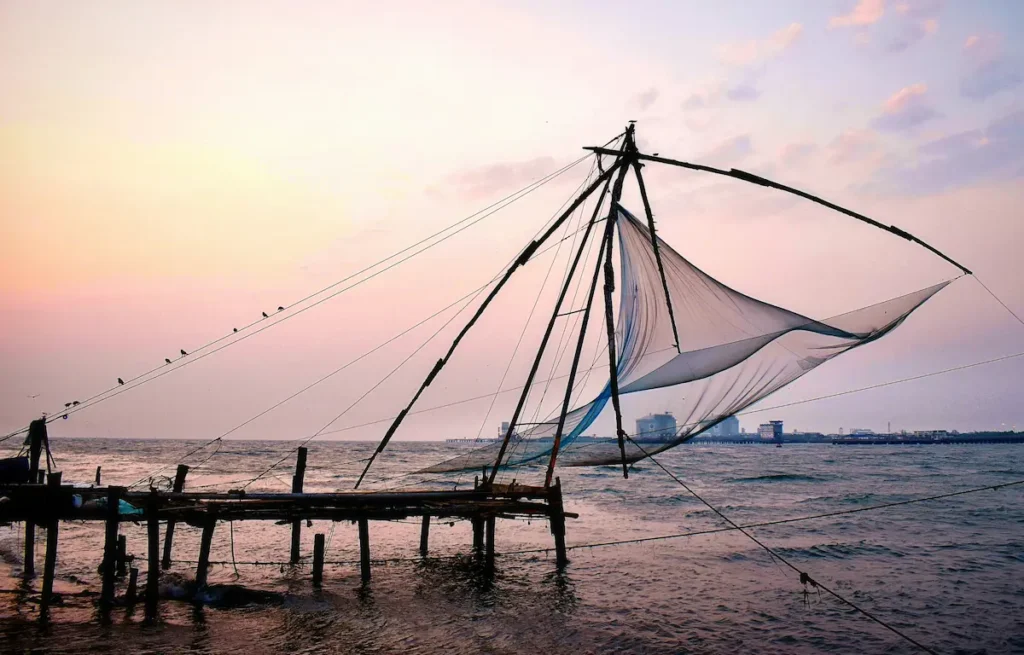
These massive wooden nets are one of Kochi’s most iconic sights. Operated by teams of fishermen using an age-old technique, they rise and fall with an elegant rhythm.
Our kids were fascinated watching the men pull the ropes together. Sometimes, locals even invite visitors to try lifting the nets for a small tip—a light-hearted moment that families often remember long after the trip.
3. Step Inside Centuries of History
Kochi’s temples and churches offer beautiful contrasts:
- The local temples are simple, serene, and far smaller than the grand temples of North India—but deeply spiritual.
We learned quickly that men must remove their upper garments before entering the inner sanctum. While Mr. S stayed outside (much to his relief), the girls and I stepped in barefoot, walked clockwise around the deity, and absorbed the peaceful silence. - The Portuguese churches carry a different story altogether.
At St. Francis Church, one of the oldest in India, we stood where explorer Vasco da Gama was once buried. It’s modest, historic, and surprisingly calming for kids.
4. Explore Jew Town & the Paradesi Synagogue
A narrow lane filled with antique shops, spice scents, and old-world charm leads to one of the most beautiful synagogues in Asia. The blue-and-white hand-painted tiles, chandeliers, and wooden ceilings make the visit feel gentle and inviting—even for young kids.
5. Visit Mattancherry Palace (Dutch Palace)
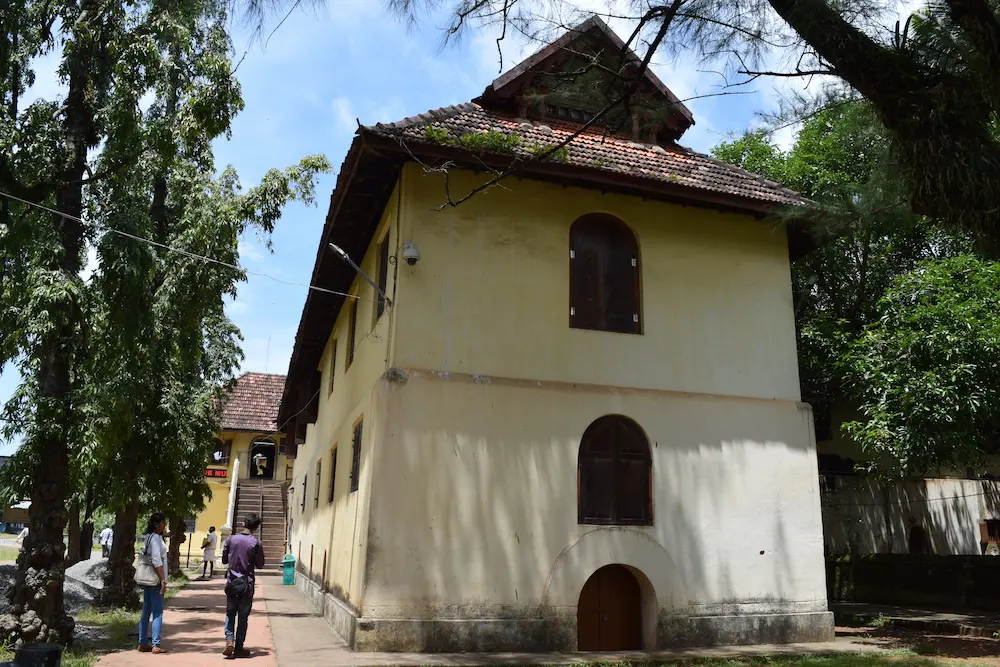
This compact museum is perfect for families: short, meaningful, and full of colorful murals depicting Kerala’s royal history. It’s easy to explore without overwhelming younger kids.
6. Experience Kochi’s Art Scene
If your timing aligns, Kochi hosts Asia’s largest contemporary art festival, the Kochi-Muziris Biennale.
Exhibits pop up across heritage buildings and abandoned warehouses—an immersive experience that blends modern art with old architecture.
Even kids enjoy it because installations spill into public spaces, courtyards, and waterfront corners.
7. Watch a Kathakali or Kalaripayattu Show
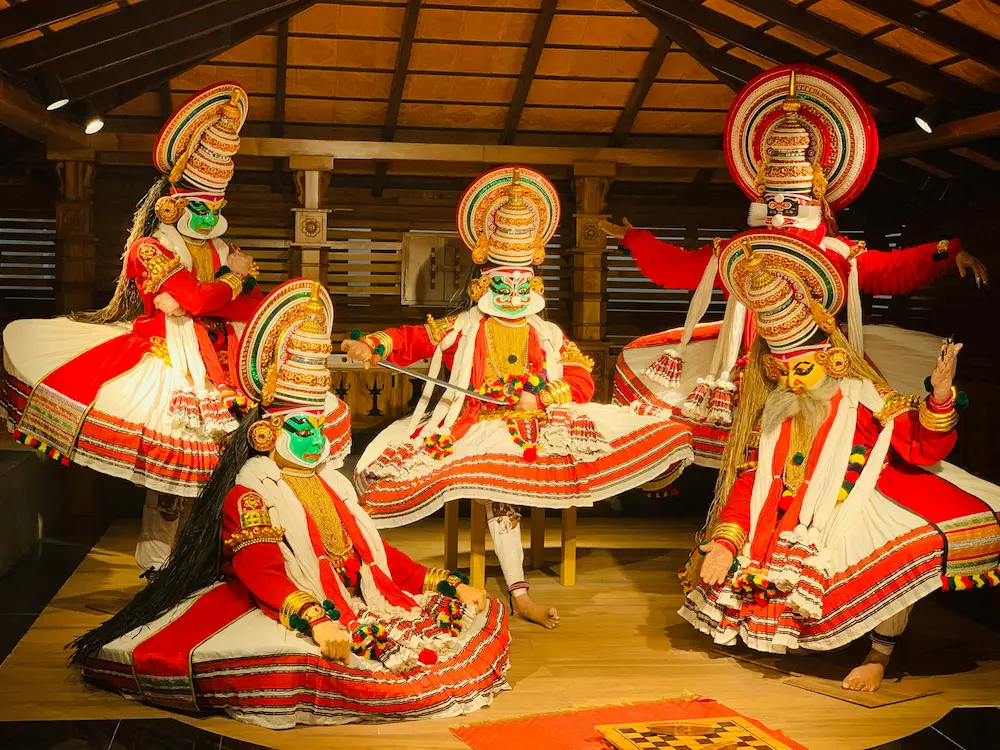
These performances are unforgettable for children.
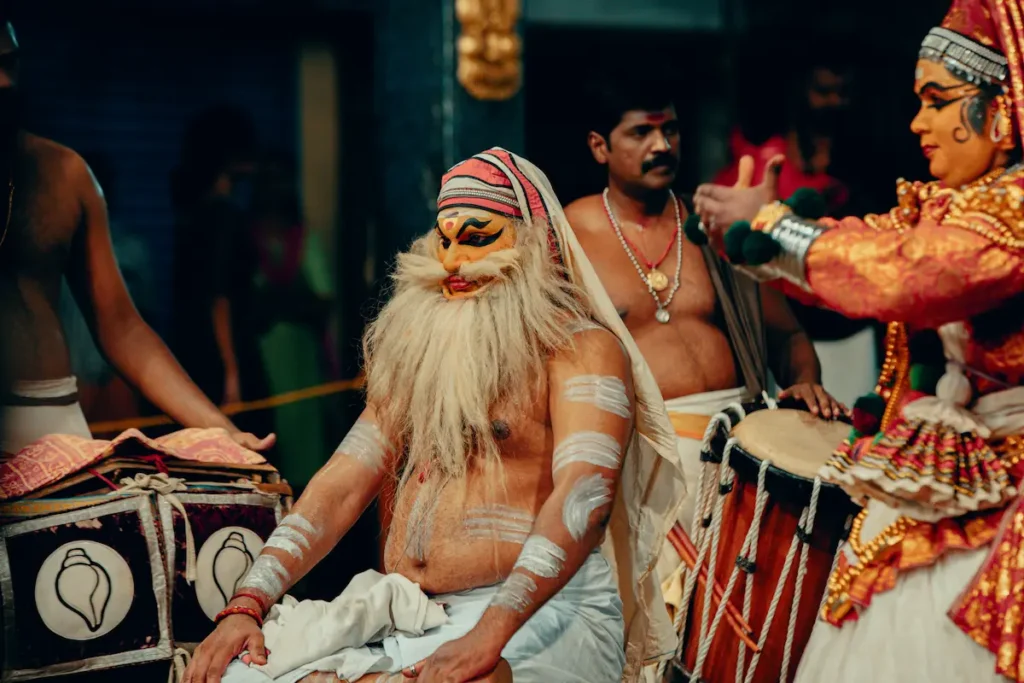
- Kathakali, a 400-year-old art form combining opera, ballet, and pantomime, captivates kids with its dramatic makeup sessions (their favorite part), expressive eyes, and storytelling.
- Kalaripayattu, Kerala’s ancient martial art, brings flips, sparks, and sword sequences to life in a safe, family-friendly setting.
8. Ride the Kerala Water Metro
Modern, clean, breezy—this ferry system is a fun way to see Kochi from the water. Kids love the short rides, and parents appreciate the comfort and reliability.
9. Cafés, Bakeries & Gelato Stops
Kochi’s café culture makes sightseeing days feel effortless.
Whether it’s gelato after exploring Princess Street or a slow coffee in an art-filled courtyard, cafés offer a peaceful break for both kids and grown-ups.
The simple moments—watching fishermen work the nets, hopping on ferries, wandering through art-filled lanes—became the most cherished memories of our time here. Kochi doesn’t ask you to rush. It lets families move slowly, safely, and with genuine curiosity.
Parent Notes & Tips
- Base yourself in Fort Kochi for peaceful mornings and easy walking.
- Evenings near the waterfront are lovely—bring light mosquito repellent and enjoy the sea breeze.
- Taxis and rickshaws are easy to find; drivers are polite and usually speak English.
- Shops accept cards, but small bills help when buying coconuts, fruit, or trinkets.
Alleppey Backwaters – The One Experience Every Kid Remembers Forever
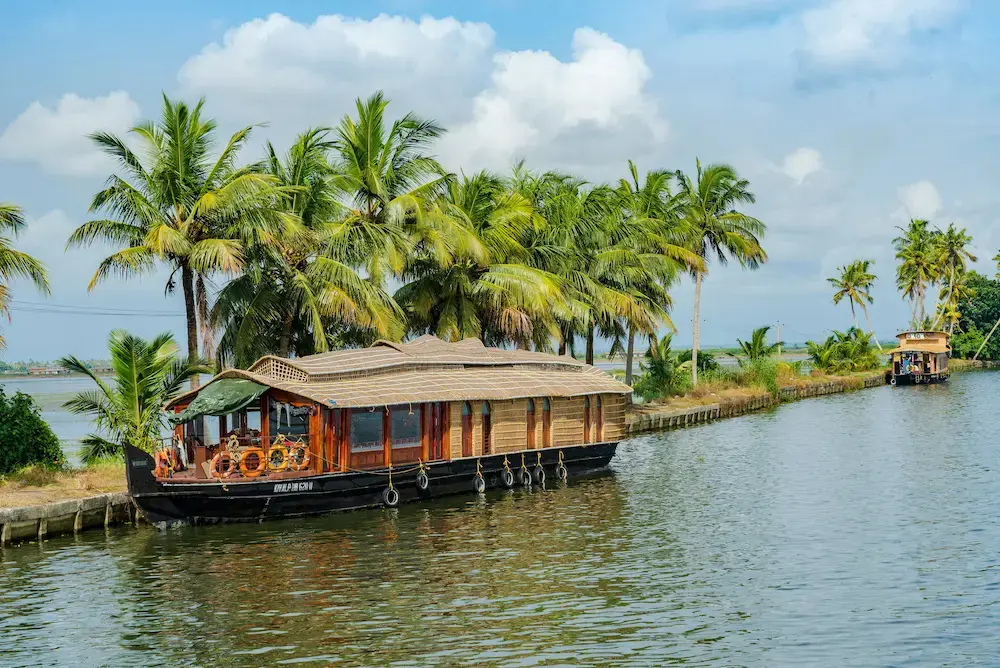
Whenever we say Kerala, two things stand out: the beaches with coconut trees and the houseboats in the backwaters.
There’s something magical about drifting through Kerala’s backwaters — a feeling that stays with you long after you leave.
Here, life slows to the rhythm of water and oars, and the scenery looks like it’s been painted in shades of green and gold.
The Alleppey backwaters, about 60 km south of Kochi, are where narrow canals weave between quiet villages, palm trees lean into reflections, and children wave from the riverbanks on their way to school by canoe. Even the air feels softer here — humid and fragrant, with the faint scent of coconut oil and jasmine.
Why Backwaters are best thing to experince in India?
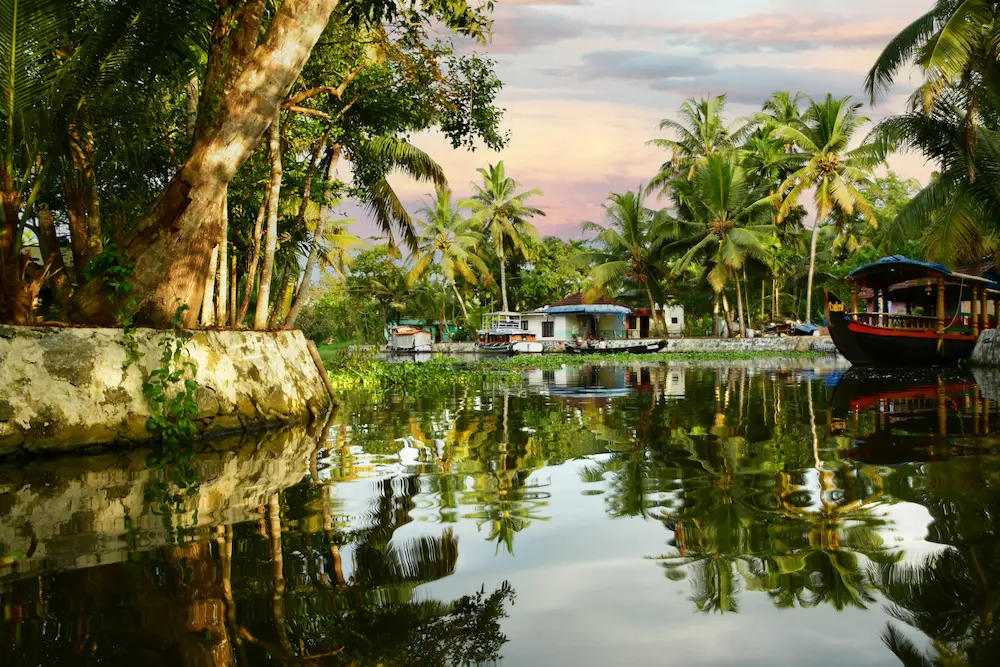
For kids, this is one of those rare travel experiences that feels like a storybook come alive. Ducks waddle along the shorelines, small wooden boats glide past carrying vegetables and smiles, and fishermen row through mirror-still waters as the sun glows over the horizon. There are no crowds, no horns — just stillness and gentle ripples.
It’s peaceful, safe, and surprisingly easy to enjoy with children, especially if you plan it right.
How to Experience the Backwaters
1. The Classic Overnight Houseboat
Spending a night on a traditional Kettuvallam houseboat is the quintessential Kerala experience. These boats are made from wood and coir, shaped like floating cottages, and come with bedrooms, a kitchen, and a small deck where you can sit and watch the world drift by.
Most trips include:
- A crew of 2–4 (captain, cook, and helper)
- All meals cooked fresh on board (usually mild curries, rice, and fruit)
- Optional fresh seafood bought en route from local markets
Houseboats usually depart around noon, cruise gently through the canals, stop for sunset, and anchor overnight near a quiet village. Breakfast is served before returning to the dock around 9 a.m.
Comfort options:
- Deluxe boats: Air-conditioning runs from 5 p.m. to 9 a.m.
- Premium boats: Air-conditioning available all day in bedrooms
- Luxury boats: Fully air-conditioned, including glass-covered lounges
Prices vary by season but average around ₹10,000 ($120) for a private overnight boat. Shared boats are cheaper (₹6,000–₹6,500), but most families prefer the privacy of their own deck and meal service.
Tip: Always check your boat before confirming. Look for clean bathrooms, mosquito nets, and life jackets. The best ones feel like cozy floating hotel rooms — peaceful, spotless, and perfectly safe for kids.
We stayed one night on a small houseboat with two bedrooms and a deck just wide enough for our little one to toddle around safely. The crew cooked warm chapatis and mild curry while the sun slipped behind palm trees. Ducks followed us for miles.
The next morning, as mist hung over the canals, we realized why people call this the most peaceful corner of India. It felt like time had paused just for us.
2. The 3-Hour Shikara Boat Ride
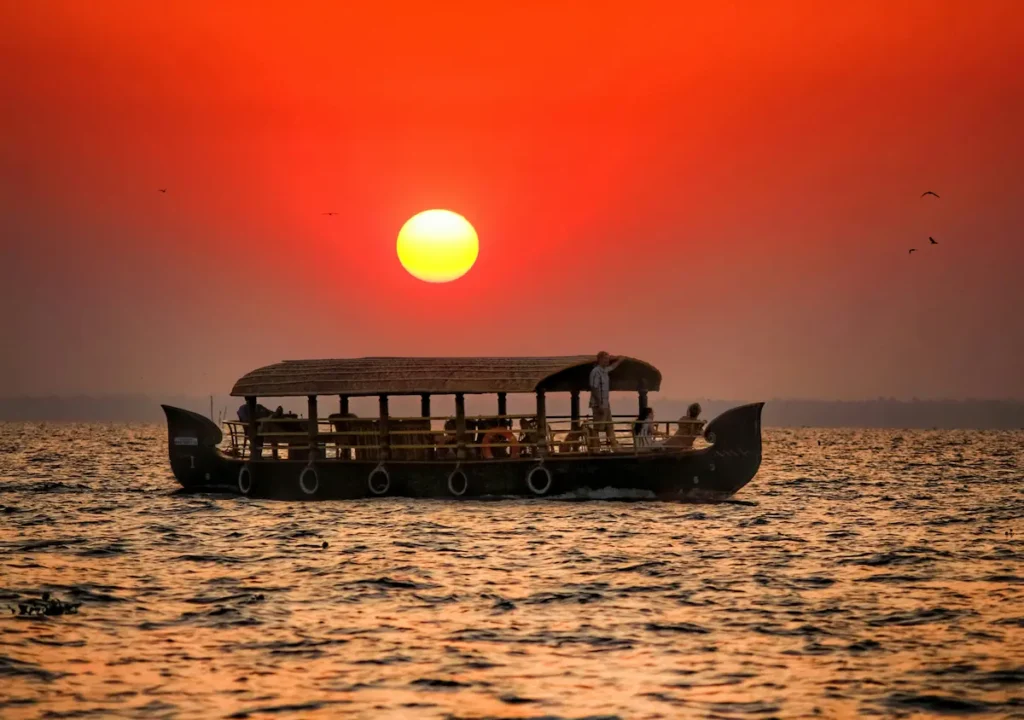
If sleeping on water feels too adventurous, the Shikara ride is the perfect alternative.
These smaller, open-roof boats can slip into narrow canals where big houseboats can’t go, giving you a closer view of daily life — washing, fishing, waving children, and floating markets.
A 3-hour private Shikara ride costs about ₹600 per person per hour (roughly $7). It’s an ideal, low-stress way to see the best of the backwaters without committing to a full day or night onboard.
For families with young kids, an early morning ride works beautifully — the air is cooler, light is soft for photos, and mosquitoes are minimal compared to the evenings.
3. Homestays and Eco-Stays Near the Canals
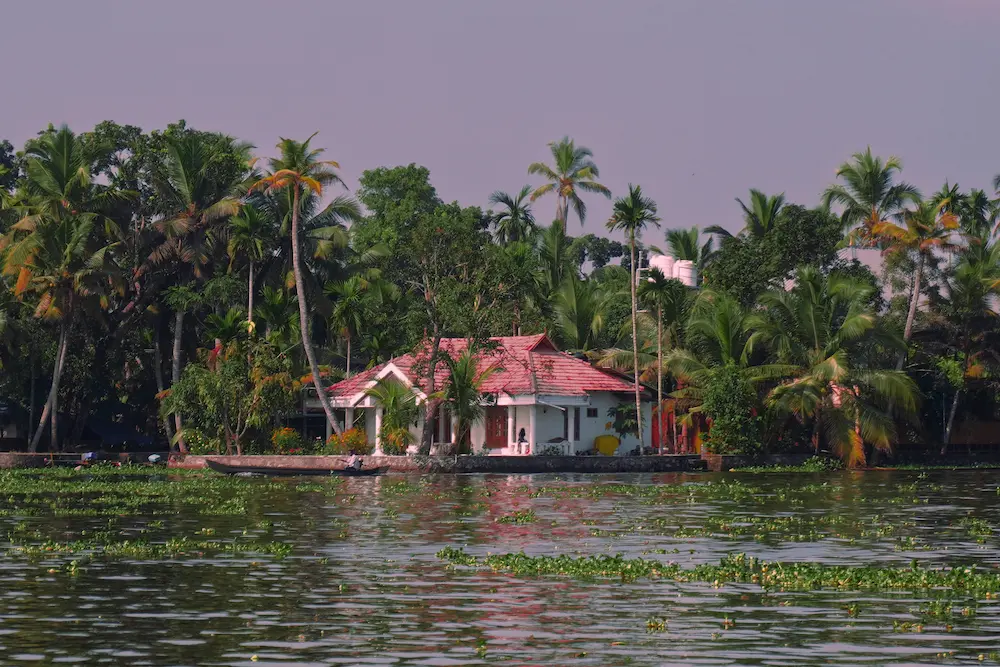
If you’d rather stay on land but still feel close to the water, homestays and boutique resorts along the canals are wonderful. Many come with their own canoes or small boats for short rides, and the calm village setting gives kids plenty of space to run and explore.
Kumarakom, a quieter region north of Alleppey, offers luxury lakeside resorts with pools and birdwatching walks — perfect for families who prefer hotel comforts with backwater views.
What to Expect from Houseboat ride & Practical Tips
- Heat: Midday can be humid. Choose boats with fans or A/C cabins.
- Mosquitoes: Evenings bring them out; good boats provide nets and repellents.
- Food: Always freshly prepared onboard — mild curries, rice, fruit, chapatis.
- Safety: Every licensed boat carries life jackets and crew trained for emergencies.
- Duration: For most families, a 3-hour or 1-night cruise is the perfect balance — long enough to experience the magic without testing little ones’ patience.
- Timing: Start early morning for best light, cooler air, and fewer bugs.
Munnar With Kids – Tea Gardens, Waterfalls & Easy Hikes
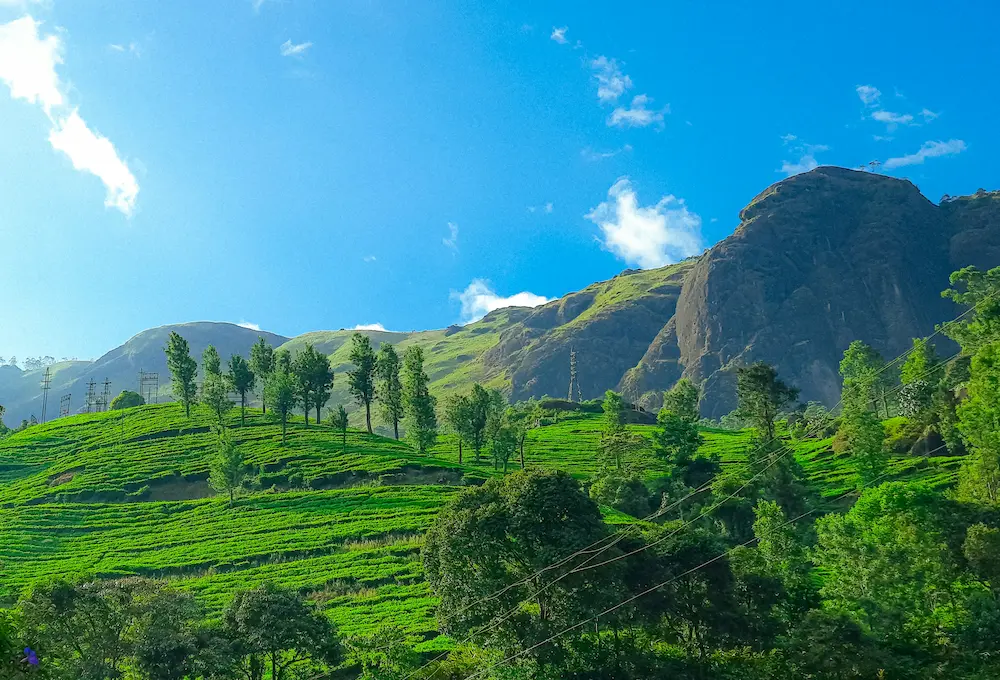
After the warm, humid coast of Kochi and Alleppey, the cool mountain air of Munnar feels like stepping into a different world. As the road climbs into the Western Ghats, the scenery begins to change — coconut trees give way to rolling hills, mist floats over valleys, and entire mountainsides glow green with tea plants. Even the kids notice how fresh the air feels here.
We can ultimately say Munnar is the kind of place where you can slow down naturally. There’s no rush, no traffic noise — just fresh air, breathtaking views, and endless shades of green. Every corner looks like a postcard, and every short walk becomes a memory.
The Drive From Kochi to Munnar
Although Kochi to Munnar is only about 130 km, the journey takes around 4–5 hours. The roads are generally good but winding, especially as you get closer to the hills.
It’s a beautiful drive — waterfalls tumbling down the cliffs, spice gardens dotting the roadside, and small shops selling pineapple slices with chili salt.
If you’re prone to motion sickness, packing a band or medicine helps. Once you arrive, though, the reward is worth every turn.
1. Drive Through the Tea Plantations

The highlight of Munnar is simply being in the tea gardens.
They carpet the hills in perfect geometric lines, winding up slopes and across valleys. The best way to see them is to hire a local driver for the day and explore the region at your own pace.
You’ll want to stop constantly — the views change at every bend, and kids love running between tea bushes (in designated safe spots) while you take in the panorama.
2. Visit the Tea Museum
A great stop for families, the Tata Tea Museum shows how tea is grown, handpicked, and processed.
The short film about the region’s history surprisingly holds kids’ attention, and the small exhibits make it easy to understand the journey from leaf to cup.
The tastings at the end? A bonus for everyone.
3. Waterfalls, Viewpoints & Scenic Stops

Munnar is full of natural beauty:
- Attukad Waterfalls
- Lakkam Waterfalls
- Mattupetty Dam
- Echo Point
- Top Station, with sweeping views across the Tamil Nadu border
None require strenuous hiking — most are short walks from the parking area, perfect for little legs.
4. Spice Gardens & Plantations
This region is also rich in cardamom, pepper, cinnamon, and vanilla.
A guided walk through a spice plantation is surprisingly fun for kids — they get to smell leaves, touch bark, and understand where their favorite flavors come from.
5. Family-Friendly Hikes
If your kids like light adventure, Munnar has gentle trails with incredible views.
We did a guided hike up a small mountain and were rewarded with layered mountains and tea estates stretching into the horizon. The climb felt doable, and the cool weather made it even more enjoyable.
6. Wildlife Spotting at Eravikulam National Park
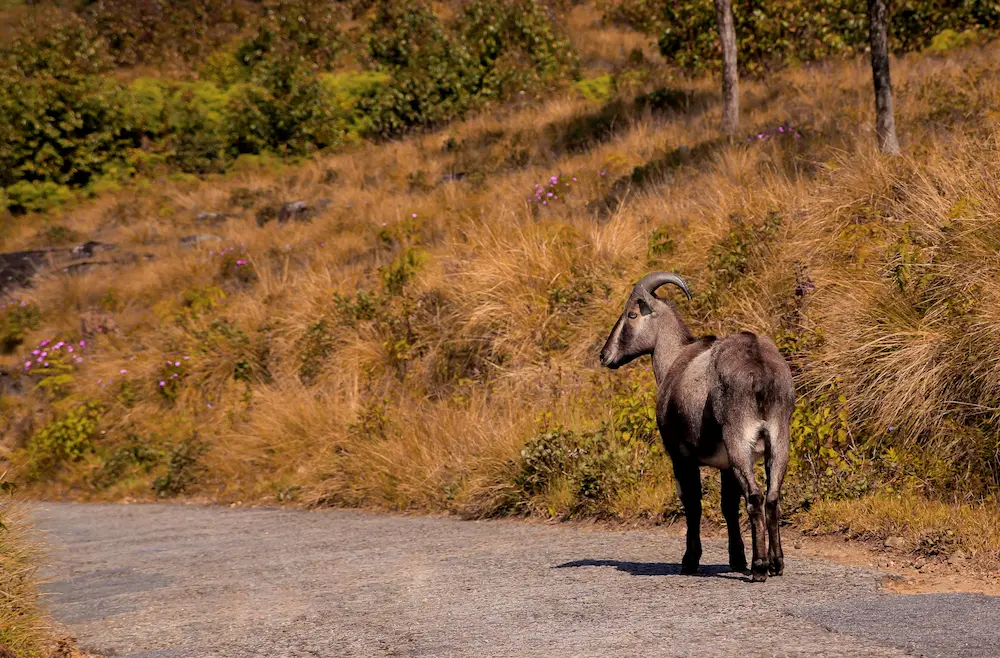
This park is home to the Nilgiri tahr, a mountain goat found only in this region. It’s an easy outing with kids — a short shuttle ride followed by a light walk through scenic terrain.
7. A Fun Break at Cowboy Park (Matupetty Dam)
When sightseeing gets tiring, Cowboy Park offers a lighthearted break — slides, play areas, and amusements overlooking the dam. Our kids loved it after a day of nature and tea trails.
Where to Stay in Munnar
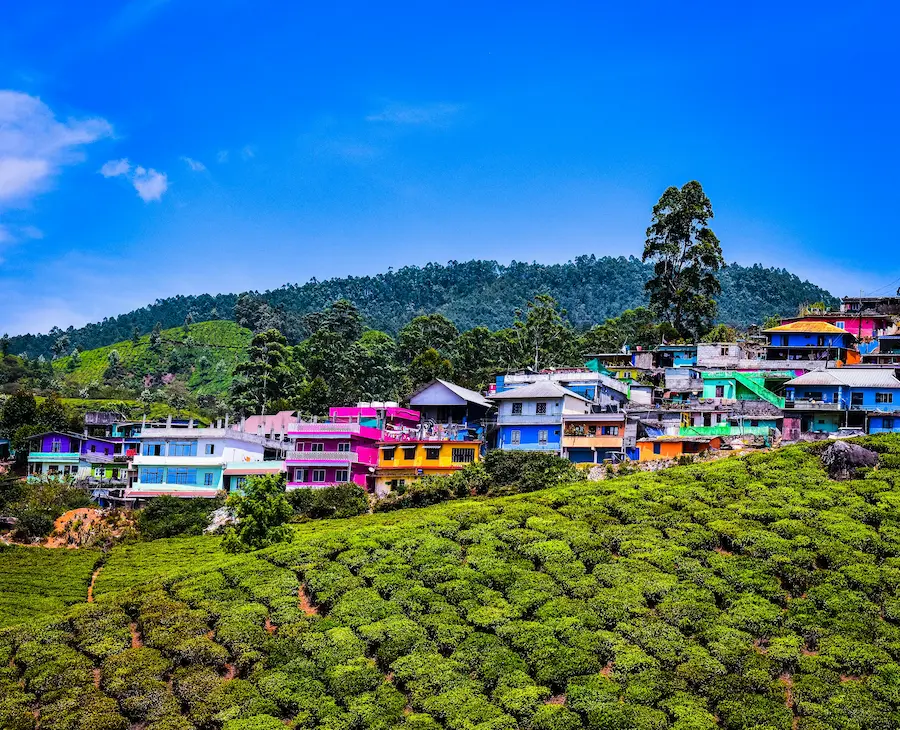
Munnar’s resorts often feel like mini-retreats. Many have:
- wide gardens for kids to run around
- mountain views from balconies
- in-house restaurants with mild, kid-friendly meals
- cozy rooms perfect for cool evenings
The temperature here ranges from 12°C to 20°C, so packing a light jacket or hoodie is wise — mornings and nights are chilled, especially for kids.
What Parents Usually Worry About (Reassurance)
- Is the drive safe?
Yes — the roads are well maintained, just winding. Travel during daylight for the best experience. - Is it too cold?
It’s pleasantly cool, not freezing. Light layers are enough. - Is it stroller-friendly?
Resorts usually are. Plantation paths and viewpoints can be uneven, so carriers work better.
Some of our favorite Kerala memories live in Munnar — sipping freshly brewed tea while the kids watched mist move across the hills, stopping at tiny viewpoints that felt like the top of the world, and listening to waterfalls echo in the quiet valleys. It’s the kind of place where the whole family feels connected, refreshed, and completely at ease.
Special Places Families Should Add to Their Kerala Itinerary
Kerala is one of those rare destinations where every turn reveals something new — from temples and sculptures to waterfalls and wildlife. If you have a little extra time, these are the places that make your trip truly unforgettable.
1. Jatayu Earth Centre – Varkala
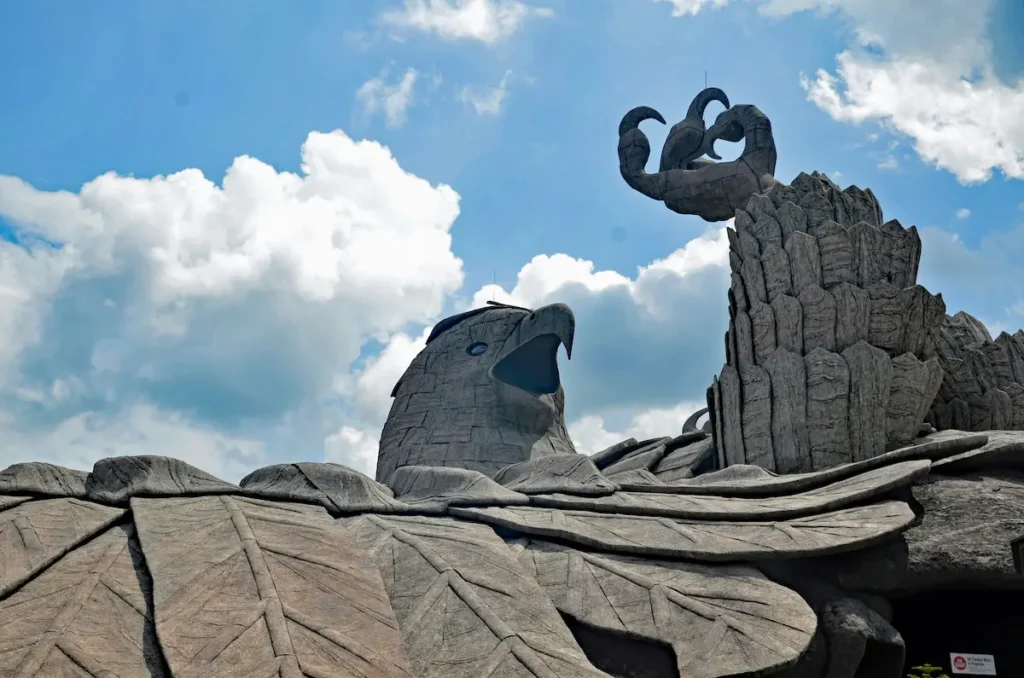
Rising above the green hills near Varkala is one of Kerala’s most striking sights — the world’s largest bird sculpture. Spread across four hills, the Jatayu Earth Centre celebrates the legendary bird from the Hindu epic Ramayana, who fought to protect a woman in distress.
A cable car takes you up the mountain, offering sweeping views of Kerala’s forests and cliffs along the way. At the top, the sculpture’s scale leaves everyone — adults and kids alike — wide-eyed. There’s also an amphitheatre where families can sit, rest, and simply take in the scenery.
For older children and adventurous parents, the Jatayu Adventure Park nearby offers activities like ziplining, archery, and rock climbing.
Things to Know:
- Entry fee is around ₹550 per person.
- Backpacks aren’t allowed on the cable car, but baby strollers are.
- There’s a small café and clean restrooms at the top.
- Helicopter rides sometimes operate seasonally, though not daily.
It’s one of those places that feels both fun and symbolic — a perfect balance of myth, art, and nature.
2. Padmanabhaswamy Temple – Trivandrum
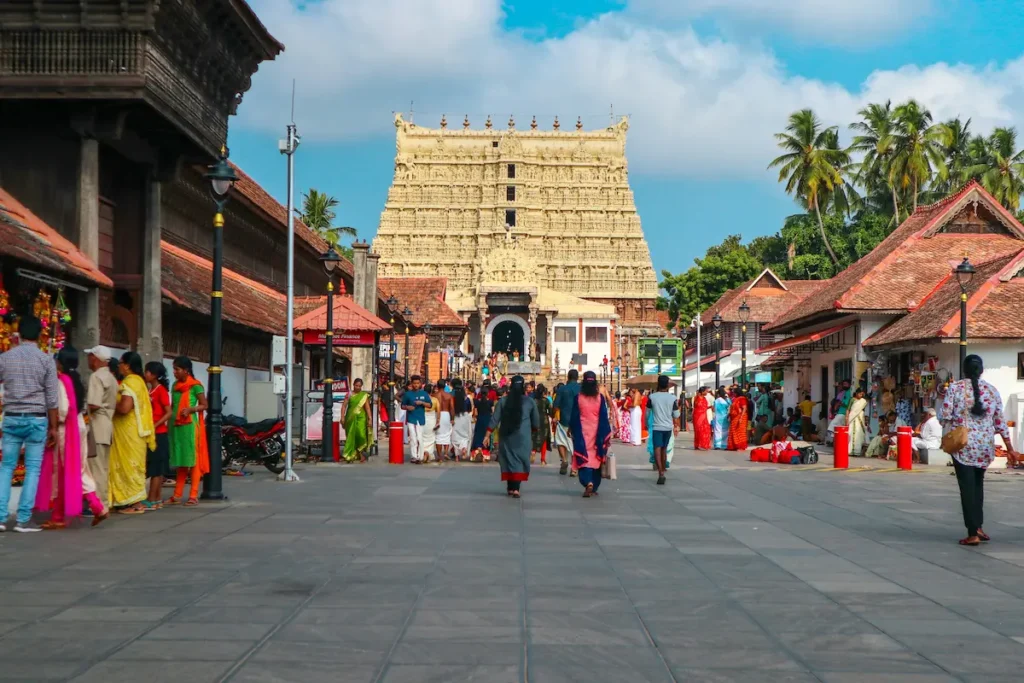
Located in Kerala’s capital, Thiruvananthapuram (Trivandrum), this temple is one of the richest and most sacred in India — yet remarkably peaceful to visit.
The temple’s gold-topped towers shimmer in the sunlight, and its corridors echo softly with chants and bells.
For families, this is a beautiful way to experience India’s spiritual side in a calm, respectful environment.
Things to Know:
- Dress code: Men must wear a traditional dhoti (available for rent near the entrance) and remove upper garments before entering. Women wear saris or long skirts covering shoulders and knees.
- Photography is not allowed inside, and shoes must be removed before entry.
- Children are welcome but must remain quiet near the sanctum.
Even if you only spend 30 minutes here, the serenity and the architecture make it worth including — it’s an experience that connects culture and calm in equal measure.
3. Athirapally Waterfalls – India’s Niagara Falls
If your kids love waterfalls, Athirapally Falls will be a highlight.
Tucked within dense forest about 2 hours from Kochi, this 80-foot cascade is often called “India’s Niagara Falls” — and the comparison isn’t exaggerated.
You can view the falls safely from designated viewpoints, or take a short walk down to the base for a closer (and mistier) perspective. The sound of rushing water and the lush greenery around make it an amazing half-day trip.
Bring comfortable shoes, water, and a change of clothes for younger children who can’t resist getting splashed.
4. Kumarakom Bird Sanctuary – Backwater Bliss
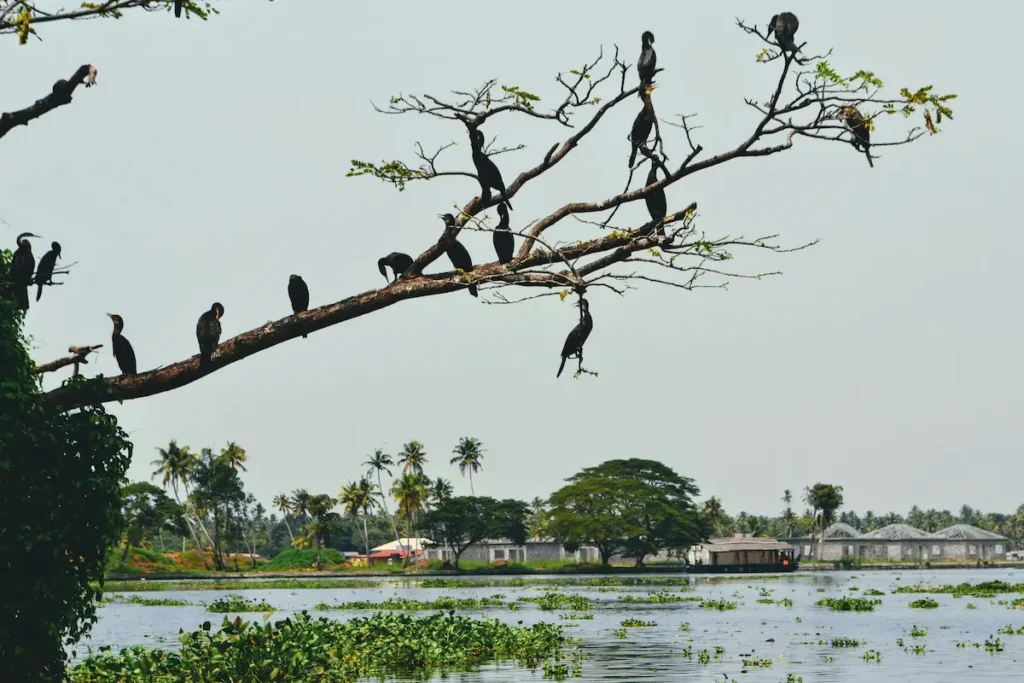
A peaceful, easy outing for families, the Kumarakom Bird Sanctuary sits along the Vembanad Lake near the Alleppey backwaters.
It’s a short, flat walk through shaded trails where kids can spot egrets, herons, and sometimes even kingfishers darting across the water.
Early mornings are magical here — the air is cool, the birds are active, and the sounds of the backwaters create a kind of natural calm that’s hard to describe.
5. Varkala Beach – Cliffside Charm
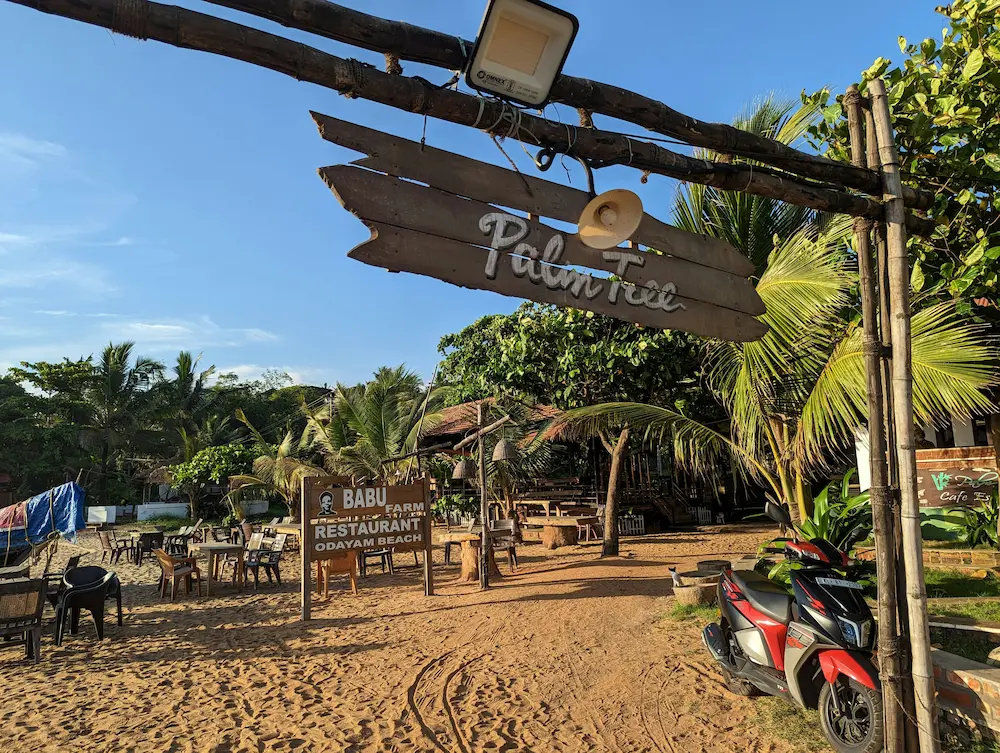
Just south of the backwaters, Varkala is the beach you go to when you want something dramatic yet laid-back.
Cliffs drop into turquoise waves, cafés line the edge serving smoothies and curries, and yoga mats roll out beside surfboards.
It’s a backpacker hub, but families find it equally enjoyable for its relaxed pace and cliffside sunsets. The sea can be rough depending on the season, so choose a hotel with a pool — it guarantees safe swim time for kids even when waves are strong.
Evenings here are pure joy: cliff-top restaurants glowing with lanterns, the sky turning orange over the Arabian Sea, and a dinner that can easily blend Western comfort food with local seafood.
Other nearby beach options:
- Kovalam (near Trivandrum): calm, accessible, family-friendly.
- Kannur (5 hours north of Kochi by train): quiet, uncrowded, and feels like Kerala before the crowds found it.
6. Wayanad – Forests, Elephants & Peace
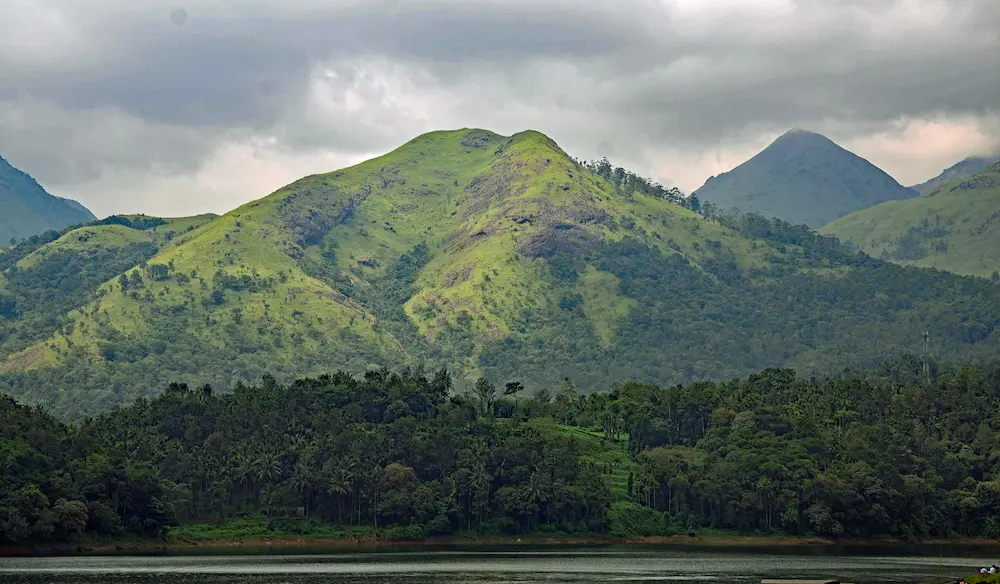
For families who love raw nature, Wayanad in northern Kerala offers forests, waterfalls, and an untouched sense of calm.
This region has one of the largest populations of wild Asian elephants, and seeing one during a forest drive is unforgettable.
There are short treks suitable for older kids, eco-lodges with treehouses, and gentle safaris that let families explore without crowds.
It’s further north, so it’s best for longer itineraries — but it gives a glimpse into Kerala’s wild side, still pure and serene.
7. Cultural Moments Worth Planning Around
If your trip aligns with Onam, Kerala’s biggest harvest festival (August–September), consider yourself lucky.
Homes and streets are decorated with flower designs (pookalams), and the state bursts with boat races, tiger parades, and temple feasts.
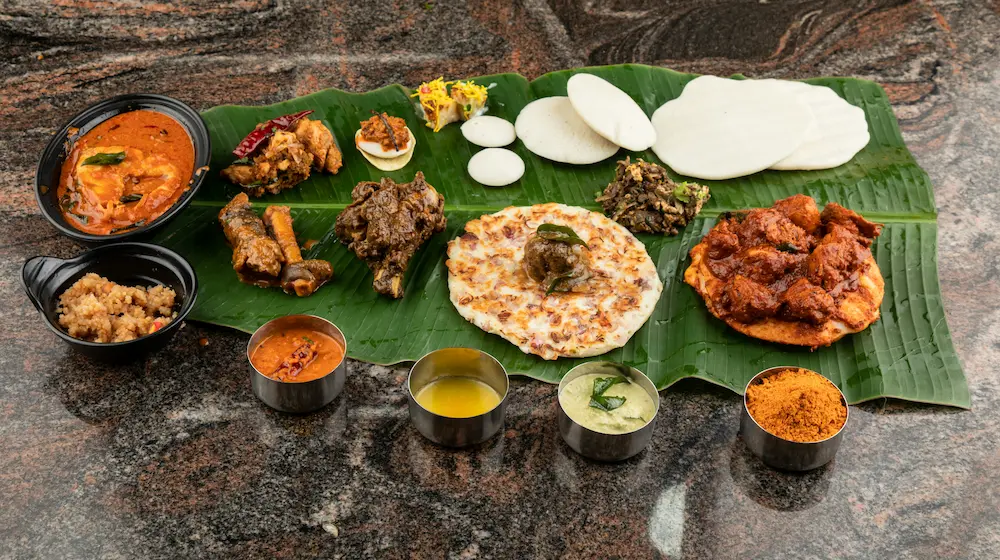
We were invited to share an Onam Sadya, a traditional vegetarian feast served on banana leaves with over 20 dishes. Sitting in our host’s kitchen, surrounded by laughter and spice aromas, became one of the most memorable parts of our journey.
If possible, check the local calendar before visiting — Kerala’s festivals add layers of meaning and joy to your trip.
Food in Kerala – What Kids Actually Eat
Food is such a big part of traveling in India, and in Kerala, it’s especially memorable. The cuisine here is a beautiful mix of flavors — rich with coconut, curry leaves, tropical fruit, and fresh seafood — but it’s also gentler than the food you’ll find in northern India. Still, for children (and sometimes even adults), it can take a little getting used to.
We found that southern Indian food leans toward coconut-based gravies, rice, and lentil dishes — fragrant, fresh, and full of color. For adults, it’s heaven. For kids, it can be a learning curve.
At our homestays, we were served comforting, home-cooked meals: mild fish curries, sautéed vegetables, coconut chutneys, rice, and steaming chapatis fresh from the griddle. The food was incredible — fresh, balanced, and cooked with care — but even the “less spicy” versions sometimes challenged our little ones. They happily survived on plain rice, chips, and chapatis, which every restaurant could easily provide.
That’s where Kerala’s modern cafés and tourist-friendly restaurants come in handy. In most popular towns — Kochi, Alleppey, Munnar, and Varkala — you’ll find plenty of Western-style cafés and bakeries serving pancakes, pasta, toast, and fries. Some beach cafés even serve wood-fired pizzas, smoothies, and mild grilled fish, perfect for a mid-day break.
Even traditional restaurants are prepared for young travelers. Most menus have a “Chinese” section, which often includes milder, saucier dishes like vegetable Manchurian, noodles, or sweet corn soup — our kids’ unexpected favorites.
Kid-Friendly Staples You’ll Find Everywhere
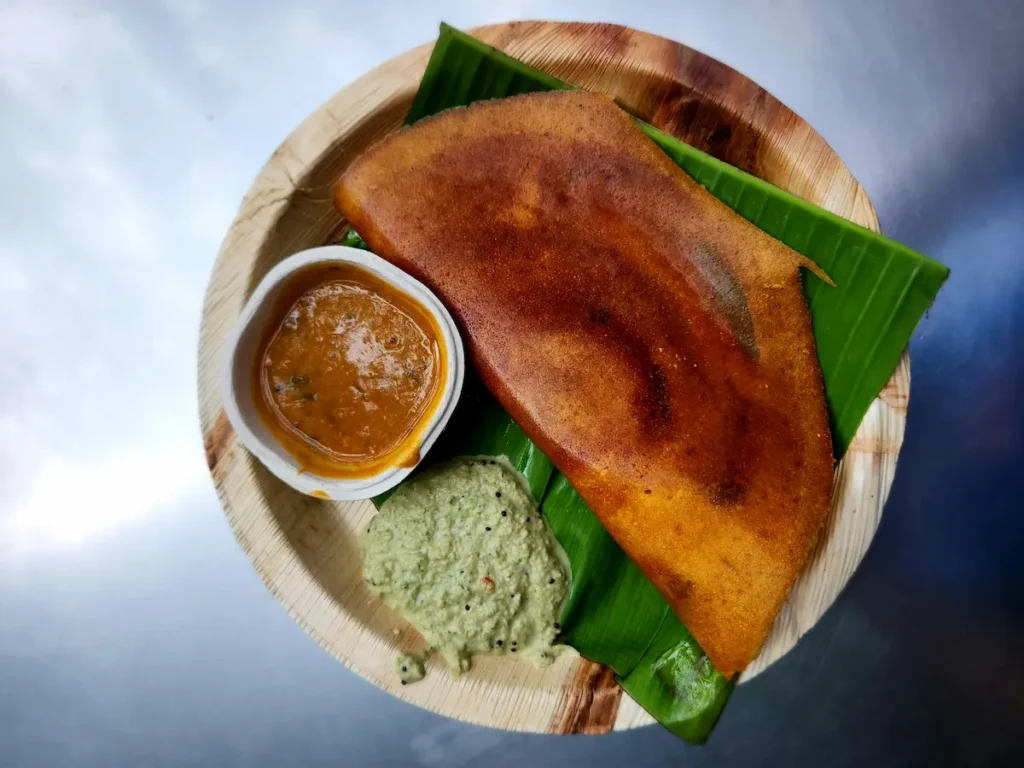
- Dosa: A thin, crispy crepe made from rice and lentil batter, served with coconut chutney and mild lentil soup (sambar). Great for breakfast or any time of day.
- Idli: Soft, steamed rice cakes — light, easy to digest, and perfect for toddlers.
- Appam: A soft, lacy pancake made from rice flour and coconut milk — delicious with stew or curry.
- Puttu: Cylinders of steamed rice flour layered with coconut — often eaten with banana or chickpea curry.
- Banana chips: The ultimate snack for kids, crisp and naturally sweet.
- Coconuts and fresh fruit: Readily available, hydrating, and safe when freshly cut.
- Seafood: Usually caught the same day — try mild grilled fish or prawns cooked with coconut milk.
What Parents Should Know
- Spice levels: Even “mild” can mean a tingle, not bland. Always ask for “less spicy” when ordering.
- Cleanliness: Stick to reputable restaurants, homestays, and cafés — food hygiene in Kerala is notably good.
- Street food: Tempting but best avoided with young kids, especially during the hotter months.
- Hydration: Always use bottled or filtered water for drinking and brushing teeth.
A Taste of Kerala for You
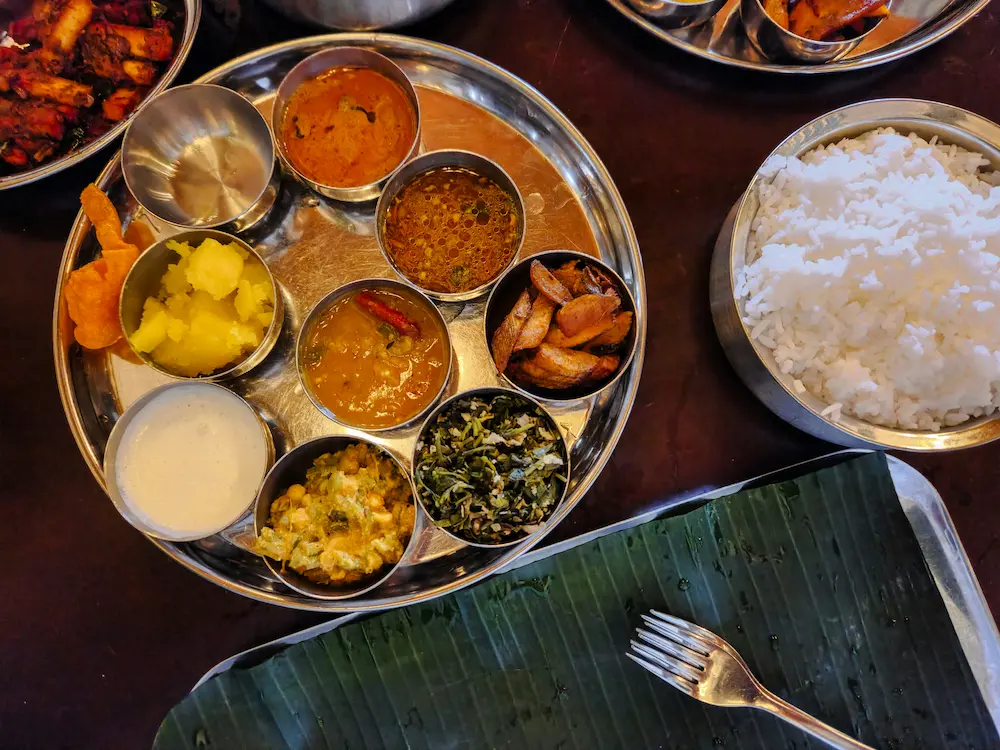
For adults, every meal feels like a discovery.
Try a Kerala thali — often simply called a “meal” — served on a banana leaf with rice, several curries, pickles, and papad. Or enjoy a fragrant fish curry simmered in coconut milk, followed by a cup of sweet, spiced masala chai (the kind you’ll crave long after leaving).
One of my favorite travel moments was aboard our Alleppey houseboat, sipping chai while the chef fried plantain chips and prepared fresh fish from a nearby market. Every dish was simple, delicious, and made with ingredients straight from the water or the garden.
Food in Kerala is flavorful yet fresh, spicy yet soothing, and above all, wholesome. Kids might eat more rice than curry, and that’s perfectly fine — there’s always something for everyone here. Whether it’s a dosa breakfast, a plate of fries by the beach, or a gentle curry served with coconut and care, mealtime in Kerala feels warm, nourishing, and full of love.
Safety, Cleanliness & Getting Around Kerala – What Parents Should Know
If you’ve heard that India can feel chaotic, crowded, or overwhelming, Kerala will surprise you in the best way.
Travel here feels organized, gentle, and far easier than most people expect — especially when you’re exploring with kids.
If you’re planning your first family trip to India, don’t miss our complete India With Kids Guide — it covers visas, vaccinations, safety basics, food tips, and everything you need to feel fully prepared before traveling.
Is Kerala Safe for Kids?
Kerala is one of the safest regions in India for families.
People are warm and respectful, you’ll rarely feel any tourist pressure, and the general attitude toward visitors is genuinely welcoming. In markets, on ferries, or while walking in Fort Kochi, locals often offer help before you even ask.
The only thing parents need to watch is water safety at beaches (many do not have lifeguards), so staying close to kids and choosing beaches like Marari makes the experience stress-free.
How Clean Is Kerala Compared to the Rest of India?
Much cleaner — and you notice it immediately.
Roads are well maintained, public spaces are tidy, resorts take hygiene seriously, and even the small villages around the backwaters feel unexpectedly organized. This is one reason so many families say Kerala feels like a great “first step” into India.
Restaurants, cafés, and homestays keep high standards too. As long as you choose busy, well-reviewed places, kids tend to eat comfortably here.
Is It Easy to Get Around Kerala With Kids?
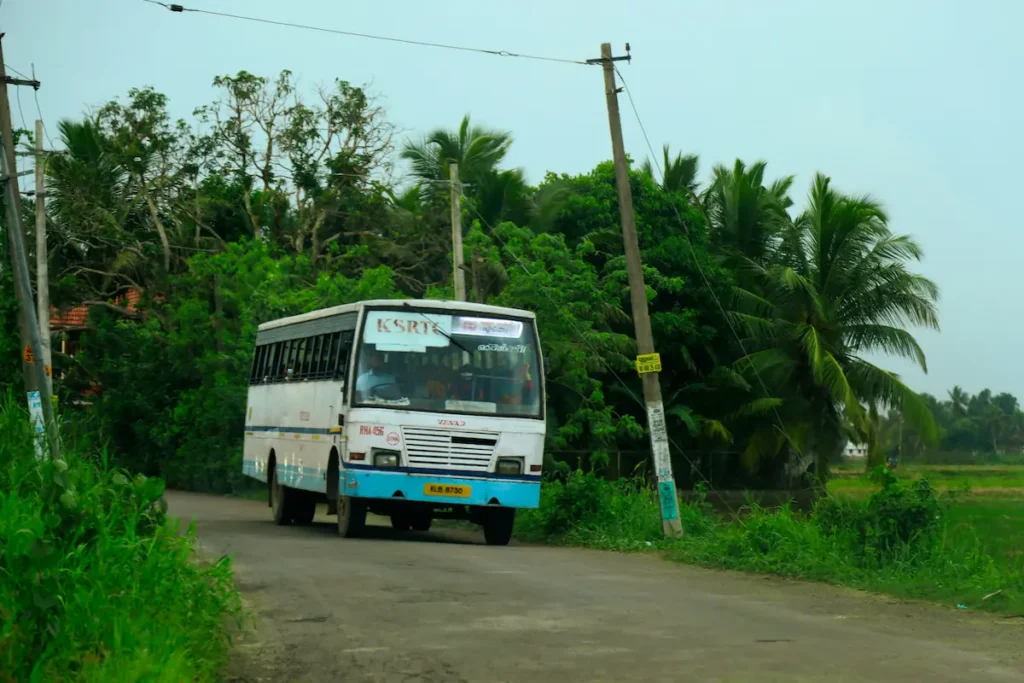
Yes — and this is where parents feel the biggest relief.
Navigating Kerala is simple because:
- English is spoken everywhere (taxis, shops, cafés, even fruit sellers).
- Uber works in Kochi, and taxis are reliable.
- The Kerala Water Metro is clean, modern, and fun for children.
- Drivers are surprisingly polite and patient — no sudden honking or speeding.
The only place that needs a little prep is the mountain drive to Munnar.
The roads twist and turn, so packing motion-sickness bands or pills helps a lot.
Mosquitoes in Kerala – What Parents Should Expect
Kerala’s tropical nature means mosquitoes can show up, especially near the backwaters or at sunset. But it’s manageable:
Our experience:
Evening boat rides attracted a few mosquitoes, but daytime rides were fine, especially in early morning light. Resorts usually have machines or nets in rooms, but we always carry our own repellent for extra comfort.
Best approach: covered clothes for kids during evenings, a small spray in your day bag, and choosing rooms with sealed windows or nets.
Are Kerala Houseboats Safe for Families?
Houseboats are a highlight for many families — and they can be wonderfully safe if you choose the right one.
What makes the experience easy:
- Boats must carry life jackets
- Most have private crew, clean washrooms, and safe decks
- Meals are freshly cooked onboard
- One night is the perfect balance with young kids
Early mornings on the canals are magical — soft light, quiet water, and ducks following the boat. Just avoid heavy monsoon days when water levels rise quickly.
Weather & Seasonal Awareness
Kerala can change moods fast — sunshine one hour, rain the next.
Even in monsoon season, showers often last only 20–40 minutes, but it’s still smart to check weather daily.
A few simple habits make all the difference:
- Pack light layers for Munnar’s cool evenings
- Keep a small rain jacket handy during monsoon
- Carry water and snacks for longer drives or hikes
Parents love how smooth and manageable Kerala feels once they settle into the rhythm.
Quick Parent Insights
Based on experience, these small choices make your trip even easier:
- Pick accommodations with gardens or pools — kids unwind fast.
- Check tides and wave conditions if swimming.
- Bring a few familiar snacks to help on long drives.
- Avoid isolated areas and stick to places with people around — standard travel sense anywhere in the world.
These little adjustments ensure that Kerala stays as calm and comfortable as it truly is.
Kerala for Different Trip Lengths (4-day / 7-day / 10-day Itineraries)
Kerala works beautifully for families because everything—beaches, mountains, backwaters, culture—is just a few hours apart. You never feel rushed, yet every day brings something new to explore.
Below is a practical and comfortable 7-day plan, based entirely on real experiences and what works best with kids. After that, you’ll find how to adapt it for 5 days or stretch it to 10 days.
The Perfect 7-Day Kerala With Kids Itinerary
Seven days in Kerala give families the perfect blend of culture, beaches, mountains, wildlife, and relaxation — without rushing the kids or the adults.
This plan gives families the full taste of Kerala: Kochi → Backwaters → Munnar → Culture → Relaxation.
Enough variety. Enough downtime. Enough comfort.
Day 1 — Arrival in Kochi & Settle In
After landing, a local driver picks you up and takes you to your stay in Fort Kochi (about 1 hour).
Spend the rest of the day unwinding, adjusting to the time zone, exploring the quiet lanes, or having an early dinner at a café.
Why this works:
Kids can recover from the flight, parents aren’t rushed, and Fort Kochi is one of the easiest places to start an India trip.
Day 2 — Fort Kochi: Culture, Cooking & Calm Streets
Start your day with a southern Indian cooking experience: market tour, fish and vegetable shopping, ferry crossing to Vypin Island, and a hands-on demo followed by lunch.
Kids love ferry rides and watching ingredients come together.
In the afternoon:
- wander around Fort Kochi
- see Chinese Fishing Nets at sunset
- stroll through art lanes
- relax by the waterfront
Day 3 — Alleppey Backwaters: Houseboat Stay
Drive 1 hour 40 minutes from Kochi to Alleppey.
Board your private houseboat at noon.
A typical day includes:
- slow cruising through narrow canals
- spotting ducks, temples, village life
- freshly cooked Kerala lunch on board
- optional short village walk
- tea + banana fritters at sunset
- peaceful overnight stay on the lake
Kids’ favorite part: the deck views and watching life unfold along the water.
Day 4 — Kumarakom or Backwaters Resort Day
After breakfast, your boat drops you off around 9 a.m.
From here, head to Kumarakom (45 minutes by car or 45 minutes speedboat) for a relaxing resort stay.
Families love the break here:
- pool
- butterfly garden
- yoga
- canoe rides
- quiet backwater views
This is your “vacation within a vacation.”
Day 5 — Drive to Munnar & Tea Country Arrival
Leave after breakfast and begin the scenic 4–5 hour drive to Munnar.
Expect waterfalls, spice gardens, mountain curves, and stunning views.
Check into a resort with gardens or tea estate views.
Evening: relax, walk around, sip hot chai.
Day 6 — Explore Munnar: Tea, Views & Easy Adventures
Start at the Tea Museum (kids surprisingly pay attention here).
Then take a day trip for:
- tea plantation viewpoints
- short family hike
- Mattupetty Dam
- Cowboy Park (fun break for little ones)
- waterfalls
- Top Station viewpoints (on clear days)
It’s a full day, but the cool weather makes it comfortable.
Day 7 — Trivandrum Temple Visit OR Beach Time
Depending on your departure plans:
Option A: Culture & Temples (Trivandrum)
Visit the Padmanabhaswamy Temple — a deeply spiritual and architectural experience, especially for families wanting meaningful cultural immersion.
Option B: Beach Time (Marari or Varkala)
If you prefer a slow final day:
- enjoy a beach day at Marari
- relax in a pool
- eat your favorite Kerala dishes one last time
Depart from Kochi or Trivandrum depending on your flight.
If You Only Have 5 Days in Kerala
Shorten the itinerary like this:
Day 1–2: Kochi (Fort Kochi)
Skip the cooking demo if short on time.
Do a simple walking tour + Chinese Fishing Nets + easy cafés.
Day 3: Alleppey (Day Cruise or Houseboat)
Consider a 3-hour Shikara instead of overnight if you want faster travel.
Day 4–5: Munnar
Drive up, explore tea gardens the next day, head back on Day 5.
Skip:
- Kumarakom stay
- Trivandrum temple
- Village walks
But keep:
- Kochi + backwaters + Munnar
This gives families the “best of Kerala” in a short window without rushing kids.
If You Have 10 Days in Kerala
Add any of these for a deeper experience:
Add 1–2 Days: Wayanad
Treehouses, wildlife, forest drives.
Add 1 Day: Kannur or Varkala Beach
Cliff views, sunset cafés, gentle beaches.
Add 1 Day: Kanyakumari
Southernmost tip of India — beautiful and easy with a private driver.
Add 1 Day: Wildlife Safari
If you want wildlife, choose Wayanad (elephants are more easily spotted).
Skip Periyar, as many kid-friendly excursions restrict children under 12.
10 days give families time to breathe between destinations and deepen the cultural + nature experiences.
Why Kerala Creates the Easiest Family Trip to India
Kerala is where India feels gentle. Days flow slowly here — beach mornings under coconut trees, quiet backwater rides where kids wave to passing boats, and cool evenings in the tea hills sipping chai with a view. Everything is clean, calm, and easy to navigate, and the warmth of the people makes families feel safe and welcomed from the start.
What makes Kerala stand out is its balance: peaceful beaches, fresh food, honest prices, easy communication, and nature everywhere you look. Kids love the little moments — cooking classes, Kathakali makeup, tuk-tuk rides, spice gardens, chasing waterfalls, and fishing off a houseboat — and parents love how simple and stress-free it all feels.
If you’re looking for a place in India that gives you comfort and culture without chaos, Kerala is that rare destination. It’s the perfect mix of beach days, hill-station breezes, backwater magic, and gentle cultural experiences — the kind that make families say, “This is exactly how I wanted India to feel.”
Planning your first India trip with kids?
Read our India With Kids – Beginner’s Guide next.
It covers visas, vaccinations, safety, food, etiquette, transport, and everything you need to feel confident before traveling.
Still choosing destinations?
Here’s our guide to the Best Places in India With Kids — from beaches and forts to hill stations and calmer cities.
Want to explore India’s iconic landmarks?
Start with our Agra With Kids guide — a practical look at experiencing the Taj Mahal and beyond with little ones, without the crowds or stress.

FOUNDER • FAMILY TRAVEL WRITER • MUM OF TWO
About the Author
Hi, I’m Shivani, the founder of Roaming Crew.
Based in Singapore and having lived in different parts of Asia—including two years in India—I’ve explored 18+ destinations across the region, with 12+ of those journeys taken alongside my young kids.
From choosing family-friendly destinations and navigating local transport to budgeting, accommodation, and practical travel logistics, Roaming Crew is created with a parent-first mindset.