

Tourists can use Alipay and WeChat Pay in China with a foreign passport and an international credit or debit card. You do not need a Chinese bank account or local phone number for this. But you do need to set everything up correctly before you fly.
Now let me tell you why this matters.
We landed in Beijing with two tired kids, one stroller, and a wallet full of cash—feeling completely prepared.
Until we tried to buy a simple bottle of water.
The vendor smiled, pointed to a laminated QR code… and shook his head at our cash.
No card machine. No cash drawer.
Just a square code waiting to be scanned.
And in that moment, I understood something important:
China doesn’t feel hard because of its culture. It feels hard because of logistics.
If you’re planning your first trip to China in 2026, this is probably one of your biggest quiet worries:
- What if my card doesn’t work?
- What if I can’t pay at the metro gates?
- What if I’m holding a toddler and my phone glitches?
- Do I need a Chinese SIM?
- What happens if the app fails?
Take a breath.
We’ve traveled across China with our kids — not just Beijing and the Great Wall, but also Tianjin, Shanghai, Hangzhou, Chongqing, Chengdu, and even Zhangjiajie (the “Avatar mountains” region). We’ve paid for metro rides in megacities and snacks in smaller towns.
And here’s our experience:
Once you understand how China’s QR payment system works, everything becomes really smooth — even with kids.
In this guide, I’ll walk you through:
- How to use Alipay in China as a tourist
- How to set up WeChat Pay with a foreign card
- What the 200 RMB fee rule means for families
- How to avoid common payment mistakes
- And how to pay in China confidently
This isn’t a technical tutorial.
It’s a practical guide to paying in China calmly and confidently. Let’s make this simple.
If you’re still mapping your trip, our China with kids travel guide explains how families usually structure their first itinerary.
Why China Is a Cashless Society
(And What That Means for Tourists)

If you’ve noticed, nowadays, contactless payments are becoming normal. China took that idea — and skipped straight to the next level.
China operates largely as a cashless society, built around a QR code-based payment system rather than traditional card machines. Instead of swiping a card, you scan a code with your phone. That’s how people pay in China for almost everything—metro rides, school snacks, coffee, groceries, train tickets, and even small street stalls.
And when I say everything, I mean everything.
When we were traveling between Beijing and smaller cities, we rarely saw physical card terminals. In fact, in many places, there wasn’t a machine to insert or tap a card. Not because tourists aren’t welcome, but because locals don’t use them either.
China moved straight from cash to mobile payments.
That’s why paying in China without cash (or without setting up a payment app) can feel confusing at first. It’s not that your card is “blocked” or that vendors refuse foreign payments. It’s simply that the infrastructure is different.
Cash is still technically legal in China. Shops cannot refuse it by law. But in practice:
- Vendors may not have enough change.
- Small kiosks may look surprised.
- You might slow down a busy queue.
- And in some transport systems, mobile payments are simply faster and more convenient.
For locals, the QR code payment system in China is incredibly efficient. They scan, confirm, and walk away in seconds. No signing. No waiting for a card machine to connect.
Once you set it up properly, you’ll find it just as fast.
And honestly? When you’re traveling with kids, this matters most.
Standing at a metro gate with a stroller and two backpacks is not the moment you want to be figuring out currency conversion or exact change.
This is why understanding how China’s cashless system works before you arrive makes your entire trip smoother.
If you’re still planning your overall itinerary, logistics like this are part of why we recommend reading our broader China planning guide before finalizing your details — small systems like payments can shape your daily experience more than you expect.
You don’t need to fight the system.
You just need to plug into it.
And that’s where Alipay and WeChat Pay come in.
Can Foreigners Use Alipay & WeChat Pay in China?

Yes. Foreign tourists can use both Alipay and WeChat Pay in China in 2026.
You do not need a Chinese bank account.
You do not need to be a resident.
You do not need a local Chinese SIM card.
You simply need:
- A valid passport
- An international phone number
- A supported credit or debit card
- And a few minutes to set it up correctly
China’s payment system is designed primarily for locals, but in recent years, both apps have made it much easier for foreign visitors to link international cards and pay directly through the app.
Now let’s answer the questions most parents are quietly Googling at midnight before their trip.
Do You Need a Chinese Bank Account to pay in China?
No.
As a tourist, you cannot open a local Chinese bank account easily — and you don’t need to.
Both Alipay and WeChat Pay act as a middle layer between the shop and your international card. When you pay, the app simply charges your linked Visa, Mastercard, or other supported card.
There is no money “stored” inside your account like a prepaid wallet (unless you are a resident). For tourists, it works like a secure bridge between your foreign card and the merchant.
That’s why setup matters — once your card is linked properly, payments work smoothly.
Do You Need a Chinese Phone Number?
No.
You can register using your home country’s working phone number.
You will receive SMS verification codes during setup, which is why we recommend doing this before flying.
We personally set up accounts using non-Chinese numbers without any issue.
Once inside China, your payment apps will work as long as you have data — whether through roaming, eSIM, or local WiFi. VPN’S may cause temporary interruption, so better switch them off while paying.
Can You Link a US or UK Credit Card?
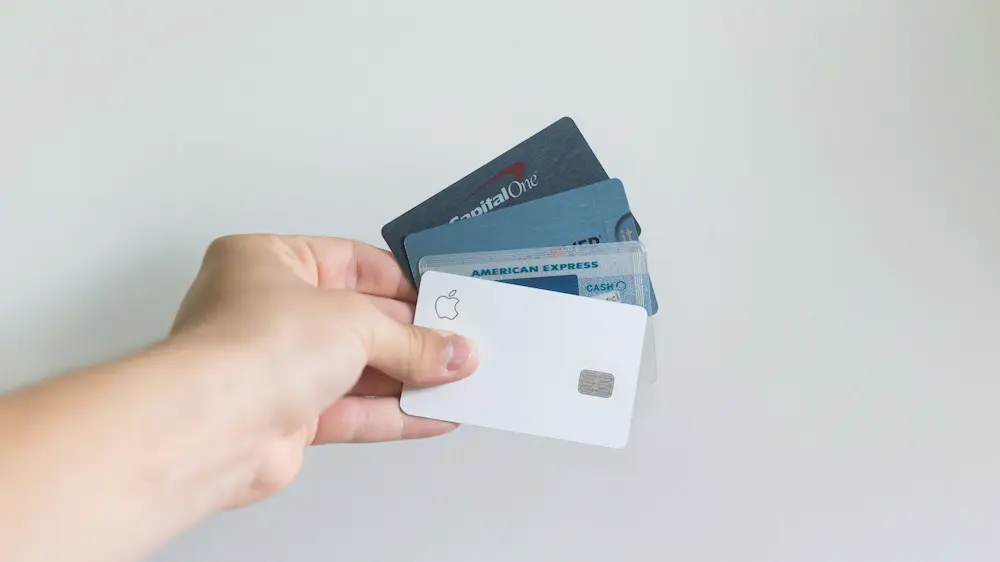
Yes.
This is one of the biggest updates in recent years.
Tourists can now link most of the major international credit and debit cards directly to Alipay and WeChat Pay. Now, you may even link your Apple Pay with WeChat Pay to make things even more feasible for tourists.
When you make a payment in China, the amount is automatically converted and charged to your home card. You do not need to preload Chinese currency.
If possible, use a card with no foreign transaction fees — especially when traveling as a family, where small charges add up quickly.
What Cards Are Supported by Alipay or WeChat Pay?
Both platforms typically support all the major international credit or debit cards:
- Visa
- Mastercard
- American Express
- Discover
- JCB
- UnionPay (international versions)
Support can vary slightly by country and card issuer, so it’s always wise to test a small transaction after setup.
If one app has issues linking your card, the other usually works — which is why we recommend installing both.
Next, we’ll walk through exactly how to set up Alipay before you fly — step by step — so you can land in China knowing your payments will work.
Set Up Alipay & WeChat Pay Before You Fly
If there’s one piece of advice I’d give every family planning to travel to China, it’s this:
Set everything up before you get on the plane.
Technically, you can try to use them right after landing in mainland China.
But practically? That’s not the moment you want to be troubleshooting apps with jet-lagged kids.
Why SMS Verification Matters to setup Payment Apps
Both Alipay and WeChat Pay require SMS verification codes during registration and card linking.
Those codes are sent to your home phone number that you will register.
If your roaming isn’t activated, or if your SIM struggles to connect immediately after landing, you could get stuck halfway through setup.
And that’s a frustrating place to be — especially when you’re trying to buy metro tickets or grab food at the airport.
Setting it up while you’re still at home means:
- Your phone signal is stable
- Your card company is reachable if needed
- You’re calm and not in a queue
It removes unnecessary pressure.
What About Roaming or Data After Landing?
Once inside China, you’ll need internet access for payments to work.
That can be:
- International roaming
- An eSIM
- Airport WiFi
- Hotel WiFi
We’ve used eSIMs while traveling with kids, and having data immediately after landing made everything smoother — especially for booking transport or confirming tickets.
If you’re relying on roaming, double-check it’s active before departure.
Airport WiFi Is Your Backup Plan
If something doesn’t work perfectly after landing, don’t panic.
Major airports in Beijing, Shanghai, and other big cities offer WiFi access. You can step aside, connect, and test the app calmly before heading into the city.
There are also tourist help desks at larger airports if you genuinely get stuck — but most families won’t need them if setup is done in advance.
Test the Payment apps with a Small Purchase First
This is important.
As soon as you land in China, even at the airport convenience store, make a small purchase. You can buy water or snacks for the kids to test the system.
That first successful scan removes so much mental weight.
Once you’ve seen it work and how it works, the rest of the trip feels easier.
And when you’re traveling with kids in a country that runs on a different payment system, that small layer of control makes a big difference.
How to Set Up Alipay With a Foreign Card
(Step-by-Step)
Yes — tourists can use Alipay in China in 2026 with a foreign passport and an international card. You just need to set it up properly.
Here’s exactly how to do it.
1. Download the Alipay App
Search for Alipay in the Apple App Store or Google Play Store.
Download the official app before you travel.
Make sure it’s installed and updated while you still have stable internet at home.
2. Sign Up With Your Phone Number
Open the app and:
- Select your country
- Enter your mobile number
- Confirm the SMS verification code
You can use your home country phone number, whether you are from the US, the UK, or any other European country.
No Chinese number is required to set up Alipay as a tourist.
3. Add Your Foreign Credit or Debit Card to Alipay
Once inside the app:
Go to Account → Bank Cards → Add Card
Enter your card details carefully.
Most major international card providers are supported via Alipay, including:
- Visa
- Mastercard
- American Express
- Discover
- JCB
- UnionPay (international versions)
When you make a payment in China, the amount is automatically charged to your linked card. You don’t need to preload Chinese currency.
Again, a reminder here, if possible, use a card with no foreign transaction fees, as small charges add up quickly.
4. Complete Passport Verification in Alipay(Recommended)
For basic payments, you may be able to use Alipay without full verification. However, verifying your passport reduces the risk of payment failures.
So, to verify your ID in Alipay :
- Go to Account settings
- Select Identity Verification
- Choose Passport
- Enter details carefully
It only takes a few minutes and adds peace of mind.
When you’re standing at a metro gate with kids, you don’t want “verification pending” to be the reason your payment fails.
5. Set Your 6-Digit Payment PIN in Alipay
You’ll be asked to create a payment password (a 6-digit PIN). This is required for confirming transactions.
Keep it simple but secure — and make sure both parents know it if you’re sharing the app.
6. Test a Small Transaction
As I mentioned above, this step is important.
Once you land in China, test your Alipay with a small purchase — even something like bottled water at the airport.
That first successful scan removes so much anxiety. After that, it becomes a simple, quick payment process.
How to Pay in Stores Using Alipay
There are two common ways to pay via Alipay as a tourist:
Option 1: Show Your QR Code (Most Common)
Open the app → Tap “Pay/Receive” → Display your QR code.
The cashier scans it.
You’ll receive instant confirmation with the deducted amount on your phone.
Option 2: Scan the Merchant’s QR Code
Tap “Scan” → Scan their QR → Enter amount → Confirm with PIN.
Both methods work smoothly once set up.
For families, letting the cashier scan your code is usually quicker when juggling kids and bags.
How to Avoid the 3% Fee Above 200 RMB in Alipay
Here’s something many tourists don’t realize. Alipay transactions under 200 RMB are generally fee-free. But the transactions above 200 RMB may incur around a 3% service fee.
For solo travelers, this may not matter much.
For families paying for four metro tickets, attraction entries, or larger meals, it can add up.
A simple workaround for smaller purchases:
If your total is, for example, 320 RMB, you can politely ask the vendor to split the payment into two amounts below 200 RMB.
This works best in smaller shops and casual restaurants. It’s not practical everywhere — but it’s helpful to know.
For larger hotel bills or major tickets, the 3% fee may simply be part of convenience.
Can You Receive Money as a Tourist via Alipay?
Generally, tourists use Alipay only for making payments.
Receiving money or using advanced wallet functions usually requires full identity verification and, in many cases, a Chinese bank account.
For most families, this isn’t necessary. You’re using Alipay as a secure bridge between your foreign card and Chinese merchants.
That’s it.
Once Alipay is set up correctly, you’ll realize something:
China’s payment system isn’t closed to foreigners.
It just works differently.
And once you’ve done this part, the rest of the trip feels much more manageable.
Next, we’ll walk through how to set up WeChat Pay, which works similarly but has a few extra steps parents should know about.
How to Use WeChat Pay As Tourists
Yes — tourists can use WeChat Pay in China with a foreign passport and international card.
The setup is slightly more detailed than Alipay, but once it’s done, it works just as smoothly.
Here’s how to do it step by step.
1. Download the International Version of WeChat
Search for WeChat in your Apple App Store or Google Play Store.
Download and set up the official app before you travel.
Make sure you’re installing the global version available in your home country — not a third-party copy.
2. Sign Up With Your Phone Number
Open the app and:
- Select “Sign Up”
- Enter your name
- Choose your country
- Enter your mobile number
- Create a password
- Verify using the SMS code
You can register with any working phone number of your home country.
You do not need a Chinese SIM.
Complete this process while still at home, where your signal is stable.
3. Complete Passport Verification
Once your account is created:
Go to
Me → Pay & Services → Wallet → Identity Information
Choose Passport and enter your details carefully.
This step is important.
Without identity verification, transactions are more likely to fail — especially for foreign cards.
It only takes a few minutes and prevents awkward payment issues later.
4. Link Your Foreign Card
Next, go to:
Me → Pay & Services → Wallet → Bank Cards → Add Card
Enter your international credit or debit card details.
Most major networks are supported:
- Visa
- Mastercard
- American Express
- Discover
- JCB
- UnionPay (international versions)
When you pay in China, the amount is automatically converted and charged to your home card.
You do not need to preload RMB.
5. Set Your 6-Digit Payment PIN
Same as Alipay, you’ll create a 6-digit payment PIN.
This confirms each transaction.
If both parents may use the phone for payments, make sure you both know the PIN — especially in busy transport situations.
6. How to Pay With WeChat Pay
There are two simple ways:
Option 1: Show Your QR Code
Go to:
Me → Pay & Services → Money
Display your QR code.
The cashier scans it.
Option 2: Scan the Merchant’s QR Code
Tap the “+” icon at the top → Select Scan → Scan their code → Enter amount → Confirm with PIN.
Both methods are widely accepted across China.
Once you’ve done it once, it becomes second nature.
What If You Get Stuck at QR Verification?
This is the step that sometimes worries tourists.
In some cases, WeChat may ask for additional security verification. Occasionally, it may request assistance from an existing WeChat user.
If that happens:
- First, complete Alipay setup. Alipay is generally easier and works well as your primary payment app.
- Try contacting WeChat support within the app.
- If needed, ask for help at a tourist service desk once you arrive in China.
- Some hotel staff or friendly shopkeepers may also help if required.
This situation is not common for everyone — but it’s helpful to know in advance so it doesn’t feel alarming.
And remember: even having just Alipay set up is enough to travel comfortably.
Apple Pay Integration Explained
In recent updates, WeChat Pay allows integration with Apple Pay in certain regions.
This can be helpful if:
- Your card links more smoothly through Apple Pay
- You already use Apple Pay regularly
However, there are limits:
- The 200 RMB threshold rule still applies
- Not all wallet features are available
- You cannot withdraw cash
- Some functions remain restricted for tourists
Think of it as a convenience layer — not a replacement for proper card linking.
If your foreign card links directly without issues, that’s usually the simplest setup.
WeChat Pay Fees Explained
WeChat Pay follows a similar fee structure to Alipay.
Transactions under 200 RMB are generally fee-free.
Transactions above 200 RMB may incur around a 3% service fee.
For daily expenses — metro rides, snacks, small meals — this usually isn’t noticeable.
For larger family purchases, it’s worth being aware.
As with Alipay, small purchases can sometimes be split below the threshold where practical — though this isn’t always possible in larger establishments.
The key is simply knowing the rule ahead of time.
Once WeChat Pay is fully set up, it works just as reliably as Alipay.
Many locals use both interchangeably.
For families, the simplest strategy is:
Set up Alipay first.
Add WeChat Pay as a backup.
Two apps.
Zero payment panic.
Alipay vs WeChat Pay — Which Is Better for Families?
By this point, you might be wondering:
Do we really need both?
The honest answer is that both Alipay and WeChat Pay work well across China. Most shops accept either one, and for everyday travel — metro rides, meals, tickets, snacks — they function very similarly.
But when you’re traveling with kids, simplicity matters.
Here’s a clear comparison to help you decide.
| Feature | Alipay | WeChat Pay |
|---|---|---|
| Setup for Tourists | Generally easier | Slightly more steps |
| Passport Verification | Recommended | Strongly recommended |
| Foreign Card Support | Yes | Yes |
| QR Code Payments | Yes | Yes |
| 200 RMB Fee Rule | Applies | Applies |
| Messaging App Included | No | Yes (WeChat messaging) |
| Occasional Extra Verification | Rare | Sometimes during setup |
For most families visiting China for the first time, Alipay feels slightly more straightforward during setup.
The interface is clean, card linking is usually smooth, and it works immediately for payments once verified.
WeChat Pay is equally reliable once configured — but its registration and identity verification process can feel a bit more layered.
That’s why our simple recommendation is this:
If you only set up one, choose Alipay first.
It’s enough to get you through metro systems, restaurants, attractions, and day-to-day travel.
If you want an extra layer of backup — especially in larger cities like Beijing or Shanghai — add WeChat Pay as well.
Having both simply reduces friction. If one app has a temporary issue, the other usually works.
But don’t let perfection delay you.
One properly set up app is far better than landing without either.
For families, the goal isn’t mastering China’s tech ecosystem.
It’s removing stress.
Set up Alipay.
Add WeChat Pay if you want backup.
And move on to enjoying the trip.
How Digital Payments Work When You’re Traveling With Kids
Setting up Alipay or WeChat Pay is one thing.
Using it smoothly while managing children is another.
Let’s talk about what this actually looks like on the ground.
Because this is where most of the quiet anxiety lives.
Metro Gates With Strollers
In big cities like Beijing or Shanghai, with kids, most restaurants and attractions prefer mobile payments.
But they’re also busy.
When you’re holding a toddler’s hand and pushing a stroller, you don’t want to be figuring out payment at the gate.
Here’s how it works in practice:
- Open your payment app before you reach the gate.
- Display your QR code.
- Scan and walk through.
That’s it.
If you’re paying for multiple tickets, it’s usually easier to purchase them together at the machine (using your payment app), rather than scanning one by one at turnstiles.
And yes — only one parent needs the app installed.
You don’t need both phones set up unless you want backup.
Paying for Four Tickets Quickly
This is where preparation matters. When exploring major cities like Beijing with kids, QR payments are the norm even at metro ticket machines and zoo snack kiosks.
Instead of juggling cash and coins, you:
- Confirm the total
- Show your QR
- Get instant confirmation
When you’re buying tickets for four people, speed makes a difference.
It’s one less thing slowing down the day.
Zoo Kiosks and Small Snack Vendors
This is the moment that surprises many of us.
Even in more relaxed cities like Chengdu with kids, street vendors and cafés rely heavily on QR systems.
No card machine.
Sometimes no visible cash drawer.
Once your app is ready, it’s incredibly simple:
Scan → Confirm → Done.
It feels unfamiliar at first — and then suddenly very efficient.
DiDi Rides (China’s Ride App)
If you’re using DiDi for transport between neighborhoods or cities, payments are automatically handled through your linked payment method.
No handing over cash.
No calculating change in a moving car.
Especially helpful when kids are tired at the end of a long day.
Emergency Pharmacy Runs
Traveling with kids means unexpected moments.
Fever.
Band-aids.
Motion sickness tablets.
In both major cities and smaller towns, pharmacies widely accept QR payments.
In those situations, not worrying about whether you have the exact amount in cash is genuinely reassuring.
Theme Parks and Larger Attractions
Places like major theme parks, scenic mountain areas, or cable car stations are fully integrated into China’s QR payment system.
Entry tickets, food stalls, souvenir shops — all commonly accept Alipay or WeChat Pay.
It becomes second nature by day two.
Only One Parent Needs the App
This is important.
You don’t need:
- Four devices
- Multiple accounts
- Complex setup for everyone
One properly configured app on one parent’s phone is enough for most families.
If you want added security, set up both apps on two phones — but it’s optional.
Carry Small RMB as Backup
Even though China runs largely cashless, it’s wise to carry a small amount of physical RMB.
Not because the system fails often — but because:
- Phones run out of battery
- Networks occasionally lag
- Or you simply feel more relaxed knowing you have backup
You likely won’t use it much.
But it reduces stress.
Carry a Power Bank
This may be the most practical tip in this entire guide.
If your phone battery dies, your payment system disappears with it.
When traveling with kids — especially long sightseeing days — a power bank isn’t optional.
It’s part of your essentials.
Here’s the bigger picture:
China’s digital payment system isn’t a barrier for families.
It’s actually designed for speed and efficiency.
Once you plug into it, daily logistics become smoother — not harder.
And when you’re managing snacks, tickets, transport, and tired little legs… smoother matters.
Where You’ll Need QR Payments in China
By now, you understand that China runs heavily on QR payments.
But where does this really show up during a family trip?
Let’s make it practical.
Because knowing this ahead of time changes how confident you feel walking into each day.
Metro & City Buses
In major cities like Beijing and Shanghai, metro systems are fully integrated with digital payments.
Ticket machines accept QR payments.
Some gates allow direct scanning.
If you’re planning days exploring places like Beijing’s historic areas or Shanghai’s modern districts, expect QR codes to be the default method.
City buses in many areas also prefer mobile payments or transit QR systems linked to your app.
Cash may technically work — but it slows things down.
When you’re moving between attractions with kids, quick entry matters.
High-Speed Rail
China’s high-speed rail network is one of the most efficient in the world.
When booking tickets (online or at stations), QR payment through Alipay or WeChat Pay is widely accepted and often the simplest option.
If your itinerary includes traveling between cities — like Beijing to Shanghai, or heading toward Chengdu — having your payment app ready makes ticket collection smoother.
It removes the stress of handling large amounts of cash at busy stations.
Small Restaurants & Local Cafés
This is where the QR system becomes most visible.
In smaller neighborhood restaurants, you may not see a card machine at all.
Instead, you’ll see a small printed QR code on the table or near the counter.
Scan. Confirm. Done.
When we were traveling through both metropolitan areas and smaller cities, this was consistent — especially outside major hotel zones.
Convenience Stores
7-Eleven style convenience shops are everywhere in Chinese cities.
These almost always accept QR payments.
Whether you’re buying water before heading out or grabbing snacks for the kids after sightseeing, your app will likely be the easiest way to pay.
Tourist Attractions
Zoos, cable cars, scenic mountains, museums, and theme parks are all integrated into the digital system.
For example, in cities covered in our family guides — whether exploring Beijing’s historical sites or spending time in Chengdu — QR payments are commonly accepted for entry tickets and food stalls inside attractions.
It’s simply how transactions move.
Local Markets & Street Vendors
This surprises many first-time visitors.
Even small fruit stalls or souvenir sellers often display QR codes.
You may see handwritten signs with both Alipay and WeChat logos.
Cash isn’t rejected — but mobile payment is what vendors expect.
And once you’ve used it a few times, it genuinely feels quicker.
A Note on Safety and Preparedness
From a practical standpoint, understanding where QR payments are common is part of travel safety.
In our broader China safety guide, we talk about preparation reducing stress.
Having your payment system ready means:
- No scrambling at transport gates
- No confusion over change
- No awkward language barrier around cash
It keeps daily logistics smooth.
The key takeaway?
If you’re exploring China — whether in major hubs like Beijing and Shanghai or other cities across your itinerary — expect QR payments to be the norm in everyday life.
Once you accept that and prepare accordingly, the system feels far less intimidating.
And far more efficient.
Can You Still Use Cash in China?
Yes — you can still use cash in China.
It is legal tender, and businesses are not allowed to refuse it outright.
But here’s the honest, practical answer for families:
Cash works.
It’s just not the most convenient option.
Where Cash Is Commonly Accepted
You’ll usually be able to pay with cash in:
- Large international hotels
- Major airport shops
- Some shopping malls
- Bigger tourist-oriented stores
In these places, you’re more likely to see traditional cash registers and sometimes even international card terminals.
If you’re staying in a major hotel in Beijing or Shanghai, you won’t have issues paying with cash at reception or in-house restaurants.
Airports are also straightforward. Currency exchange counters, convenience stores, and food outlets generally accept cash without hesitation.
Where Cash Becomes Less Practical
Outside those environments, things shift.
In smaller restaurants, neighborhood cafés, local markets, and transport systems, vendors may:
- Not have small change available
- Need time to calculate manually
- Prefer QR payments for speed
- Look slightly surprised when handed large notes
It’s not hostility.
It’s just that China’s infrastructure evolved differently.
Many businesses simply never invested heavily in card machines because mobile payments became dominant so quickly.
So while paying in China without mobile apps is technically possible, it can slow you down — especially in busy areas.
And when you’re traveling with children, slowing down at payment counters isn’t always ideal.
The Balanced Approach for Families
We recommend:
- Set up Alipay (and optionally WeChat Pay)
- Carry a small amount of RMB as backup
That way, you’re never dependent on one system.
In reality, most families find they use their mobile payment apps for the majority of transactions and only touch cash occasionally.
It’s about convenience — not obligation.
China isn’t “cashless” in the sense that cash is banned.
It’s cash-light.
And once you understand that difference, the whole system feels much less intimidating.
Understanding everyday logistics like this is part of traveling confidently, which we also discuss in our Essential Travel Tips for China.
Common Questions About Paying in China as a Tourist
Does my money convert automatically?
Yes.
When you use Alipay or WeChat Pay with a foreign card, the amount is automatically converted from Chinese yuan (RMB) into your home currency and charged to your linked card.
You do not need to preload Chinese currency or manually exchange funds inside the app.
Your bank handles the exchange rate, and you’ll see the final charged amount in your banking app shortly after the transaction.
Can I withdraw cash from Alipay?
No.
As a tourist, you cannot withdraw physical cash from Alipay or WeChat Pay.
These apps function as mobile payment platforms — not bank accounts or ATMs.
If you need cash in China, you’ll need to use:
- An ATM that accepts international cards
- A bank branch
- Or an airport currency exchange counter
Most families find they rarely need cash once their payment apps are working properly.
How do I know how much I’m being charged?
In most stores, the cashier will tell you the total amount before scanning your QR code.
After payment, you’ll immediately receive a notification in the app showing:
- The amount paid in RMB
- The merchant name
- A confirmation message
If you prefer full control, you can scan the merchant’s QR code yourself and manually enter the amount before confirming.
Either way, confirmation is instant.
Can I use Google Pay or Samsung Pay in China?
Generally, no.
China’s payment system is built around Alipay and WeChat Pay. Google Pay and Samsung Pay are not widely supported in mainland China.
In some international hotels or high-end stores in cities like Beijing or Shanghai, you may see traditional card terminals — but this is not the norm.
For reliable payments across cities, linking your foreign card to Alipay or WeChat Pay is the most dependable solution.
Do these apps work in Hong Kong?
No — not in the same way.
Mainland China and Hong Kong operate under different financial systems.
In Hong Kong:
- International credit cards are widely accepted
- The Octopus card is commonly used for transport and small purchases
- Cash is still widely accepted
If your itinerary includes both mainland China and Hong Kong, plan your payment methods accordingly.
Do I need to turn off my VPN when paying?
Sometimes, yes.
If you’re using a separate VPN service while connected to local WiFi, it can occasionally interfere with payment processing.
If a transaction fails unexpectedly, try temporarily turning off your VPN and retrying.
If you’re using roaming data or an eSIM without an active VPN, you typically don’t need to adjust anything.
What if my card gets declined?
If your card is declined, check the following:
- International transactions are enabled on your card
- Your bank has not flagged the transaction
- Your identity verification inside the app is complete
- You have stable internet access
If one app fails, try the other (this is why having both can be helpful).
And as a backup, carrying a small amount of RMB provides extra reassurance.
Most payment issues are minor and resolved quickly once setup is complete.
Is Alipay & WeChat Pay Safe for Families?
Short answer: yes.
Both Alipay and WeChat Pay are highly secure digital payment platforms used daily by hundreds of millions of people across China.
From a family travel perspective, here’s what matters most:
Fraud Protection
Each transaction requires confirmation inside the app. Unauthorized payments are extremely rare when your account is properly secured.
You are not handing your physical card to anyone.
You are not exposing card details at restaurants.
Everything happens inside the encrypted app environment.
PIN Requirement
Every payment requires your 6-digit payment PIN.
Even if someone picks up your phone, they cannot complete a transaction without it.
This layer alone makes it safer than carrying a physical wallet full of cash.
Real-Time Notifications
After every transaction, you receive an instant notification showing:
- The amount paid
- The merchant
- Confirmation status
There’s no guessing whether the payment went through.
If something looks incorrect, you’ll see it immediately.
Ability to Freeze Your Account
If your phone is lost or stolen, you can log in to your account from another device and freeze it.
That control gives peace of mind.
With physical cash, once it’s gone, it’s gone.
With digital payments, you retain control.
Safer Than Carrying Large Amounts of Cash
For families, this is often the biggest relief.
You don’t need to:
- Carry large stacks of RMB
- Worry about making a change
- Count notes in crowded areas
Once your app is set up correctly, paying becomes quick and discreet.
And in busy metro stations or tourist spots, that simplicity matters.
Digital payment in China isn’t risky — it’s the standard.
Preparation is what makes it feel safe.
Final Verdict — The Easiest Way for Families to Pay in China
If you’re feeling overwhelmed after reading everything, here’s the simplified version:
- Install Alipay before flying.
- Verify your passport inside the app.
- Link a credit or debit card with no foreign transaction fees if possible.
- Test a small payment at the airport after landing.
- Carry a small amount of RMB as backup.
That’s it.
You don’t need to master China’s tech ecosystem.
You just need one properly working app.
If you want extra reassurance, add WeChat Pay as a backup.
But don’t overcomplicate it.
Once this is set up, China becomes one of the smoothest countries in Asia to travel with kids.
The system is fast.
It’s efficient.
And once you understand it, it works in your favor.
A Note from Roaming Crew
We’ve helped families plan Asia trips for years, and digital logistics are often the biggest mental barrier.
Not culture.
Not language.
Logistics.
Once you understand how payments work, China feels surprisingly easy.
And when that mental barrier drops, you’re free to focus on what really matters:
Exploring, learning, and enjoying the adventure with your children.