
Is India safe to travel with kids?
It’s the first question every parent asks before booking a flight—and for good reason. India is vibrant, beautiful, and unforgettable, but it can also feel overwhelming for families at first.
We’ve been precisely where you are. Before moving to South India (Bengaluru) for two years, our minds were full of the same worries:
Will the kids get “Delhi Belly”? Is the traffic as chaotic as it looks? How do we handle the air quality and the crowds?
The honest answer? Yes, India can be safe for families, but it isn’t a “plug-and-play” destination like Europe or Thailand. It requires a specific kind of preparation and a local’s perspective on where to go (and what to skip).
If you’re just starting your planning, check out our India with Kids Beginner Guide for a full breakdown of visas, packing, and what to expect on your first day.
In this guide, we’re sharing exactly what it’s like on the ground—what’s genuinely challenging, what’s completely manageable, and how to travel confidently with kids in India.
Is India Safe for Families Overall? (Quick Answer)
If you’re looking for a simple answer, yes, India can be safe for families.
But it’s not a place where you can just show up and wing it, especially with kids.
Here’s the honest reality:
- Yes, it’s safe in most tourist-friendly regions like Kerala, Goa, Rajasthan, and major cities
- The biggest challenges aren’t crime—they’re environment-related, like crowds, food hygiene, traffic, and pollution
- It requires more planning and awareness, especially if you’re traveling with toddlers or younger children
Choosing the right itinerary is the biggest safety move you can make. See our curated list of the Best Places to Visit in India with Kids to find the destinations that match your family’s pace.
With the right preparation, safe accommodation, and a slower pace, most families travel safely in India and have an incredible experience.
e-Arrival Card (2026 Update): As of April 1, 2026, ensure you’ve completed the mandatory digital e-Arrival Card 72 hours before landing in India. This has replaced the old paper forms for US/UK travelers.
What Are the Real Safety Concerns for Families in India?
India isn’t unsafe — but it can feel overwhelming at first, especially if you’re traveling with kids.
Most families don’t struggle because of danger—they struggle because everything feels unfamiliar.
Based on our experience living and traveling across India with kids, we can identify the real challenges you should prepare for:
1. Crowds & Overwhelm (The First Big Shock)
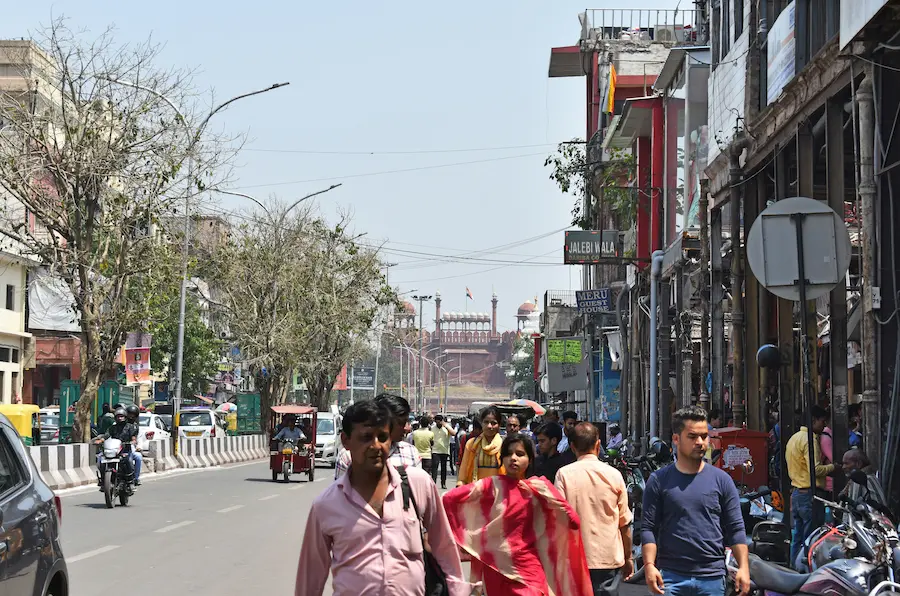
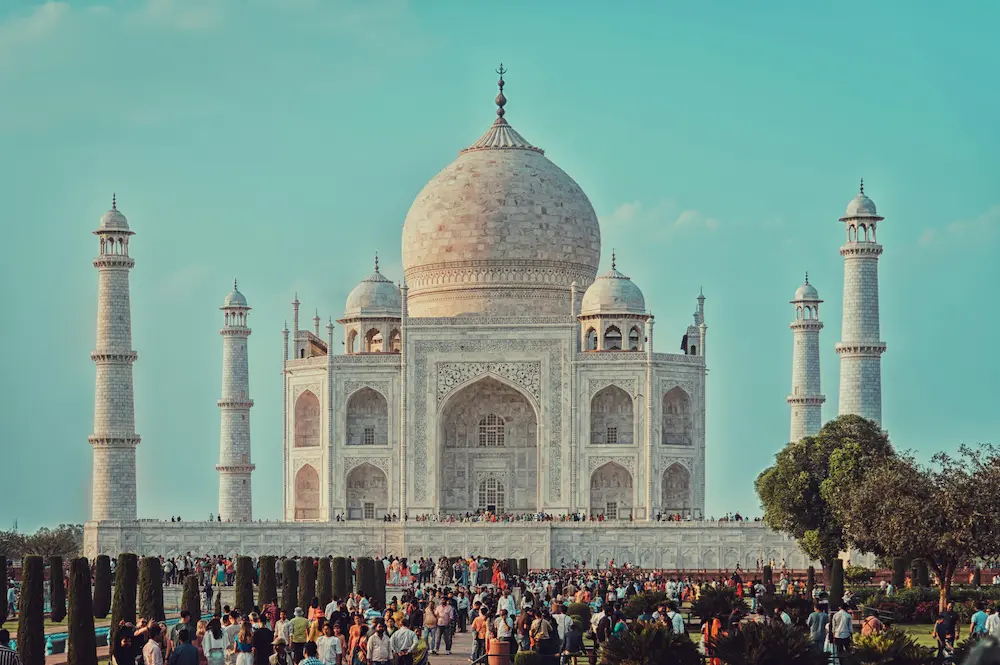
The first thing you’ll notice in India is the sheer number of people — especially in cities like Delhi or at places like the Taj Mahal.
It can feel loud, busy, and overwhelming, particularly for young kids who aren’t used to that level of stimulation.
We remember our first few days — constantly holding hands, staying alert, and just trying to take it all in.
What helped us:
- Using a baby carrier instead of a stroller
- Keeping days shorter with regular breaks
- Staying calm (kids pick up on your energy quickly)
Furthermore, don’t be surprised if people are curious about your kids or ask for photos. It’s usually friendly, but it can feel like a lot at first.
2. Avoiding ‘Delhi Belly’: Food & Water Safety for Kids
This is the part most parents worry about—and honestly, it’s where you need to be the most careful.
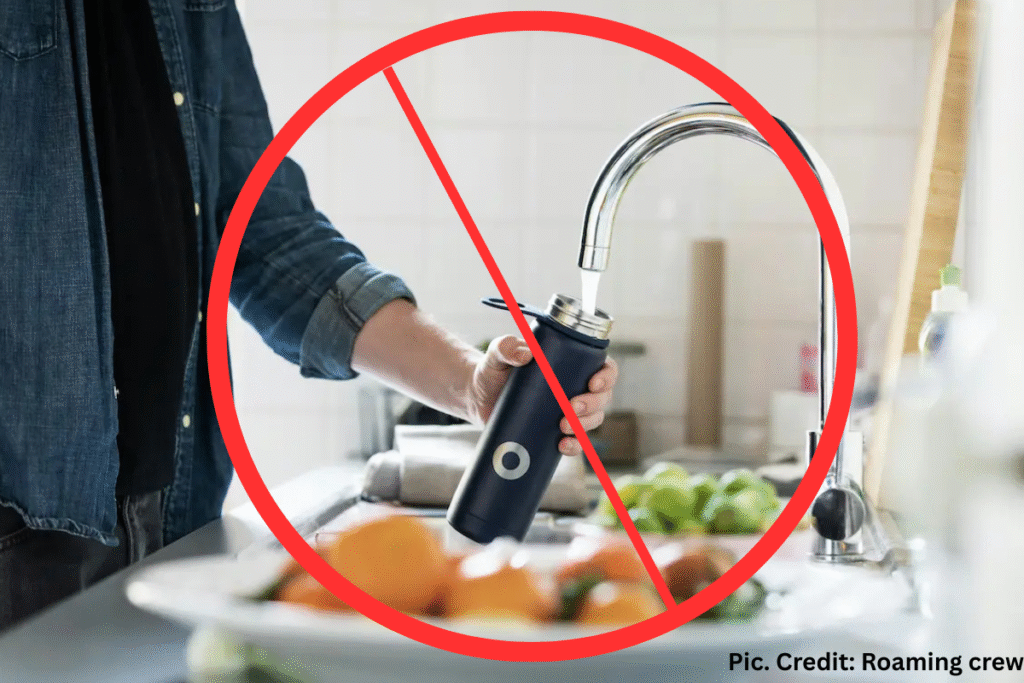
Tap water in India isn’t safe to drink, and even small things like ice cubes or unwashed fruits can cause stomach issues.
On our first trip, we learned these lessons the hard way.
What worked for us:
- Only drinking sealed bottled or filtered water
- Avoiding raw salads and street food in the beginning
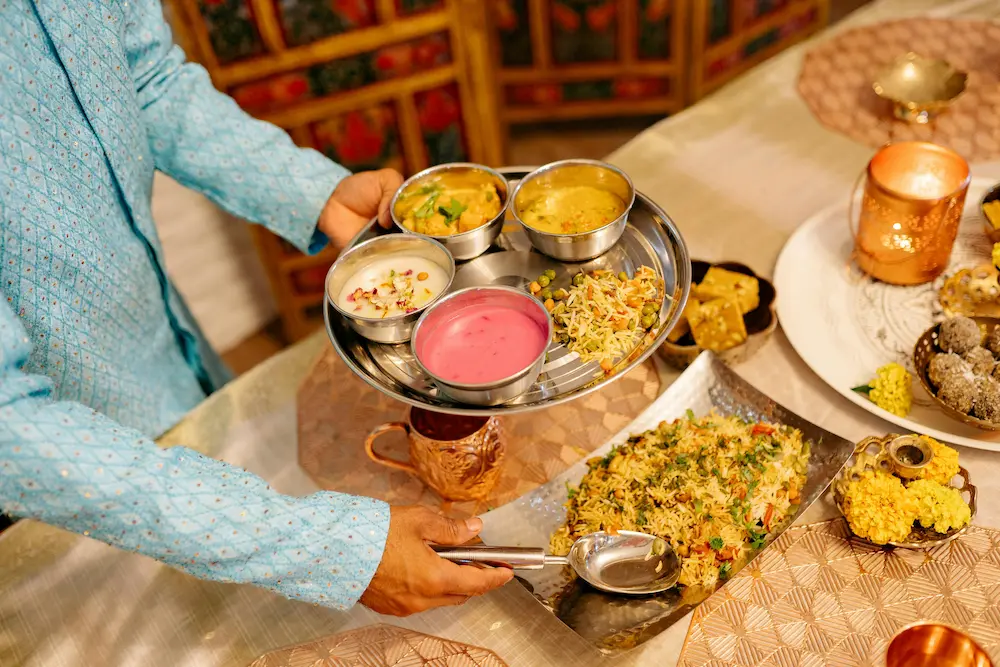
- Starting with simple meals like rice, dal, and naan
If you ease into the food and stick to clean, busy restaurants, most families do just fine.
It’s not about avoiding Indian food—it’s about approaching it smartly.
3. Traffic & Road Safety
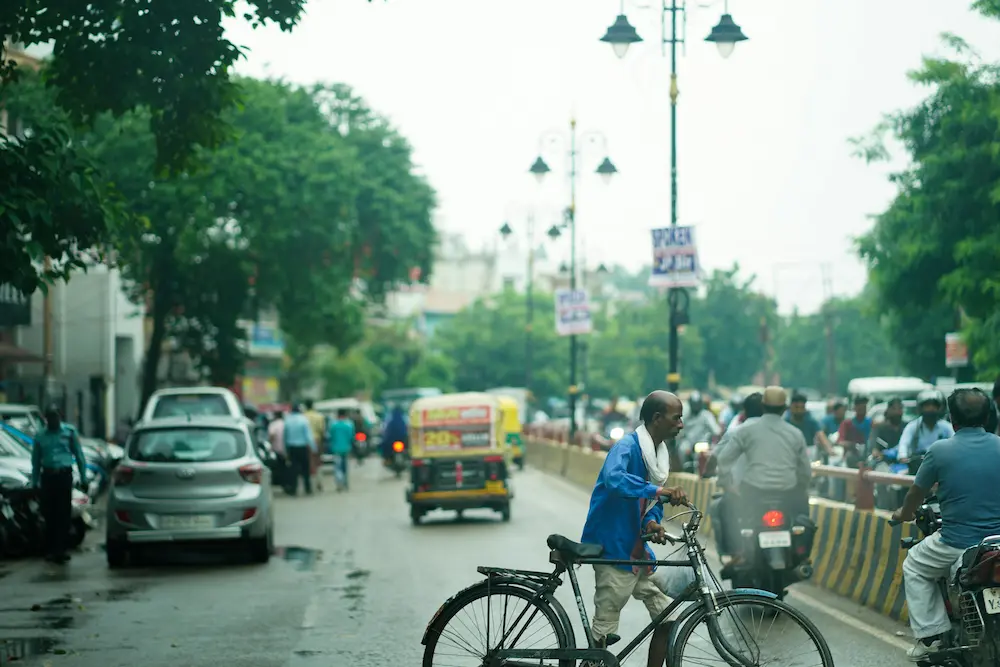
Traffic in India can feel chaotic — especially if you’re coming from the US or UK.
There are fewer rules on the road, lots of honking, and crossing the street can feel intimidating at first.
We quickly realized that walking with kids requires extra attention.
What helped us:
- Using Uber or Ola instead of random taxis
- Avoiding rush hours whenever possible
- Holding kids close in busy areas
Also, don’t expect car seats or strict road rules everywhere—planning your transport makes a big difference.
4. Hygiene & Cleanliness Reality
Cleanliness standards in India can be very different from what you’re used to.
Public restrooms may not always have toilet paper, and hygiene levels vary depending on where you are.
This was one of the biggest adjustments for us.
Simple habits made a huge difference:
- Carrying wipes, tissues, and hand sanitizer everywhere
- Choosing clean, well-reviewed places to eat
- Being mindful of what kids touch
Once you adapt to these practices, it becomes much easier to manage day-to-day travel.
5. Air Quality & AQI: Is Delhi Air Safe for Babies?
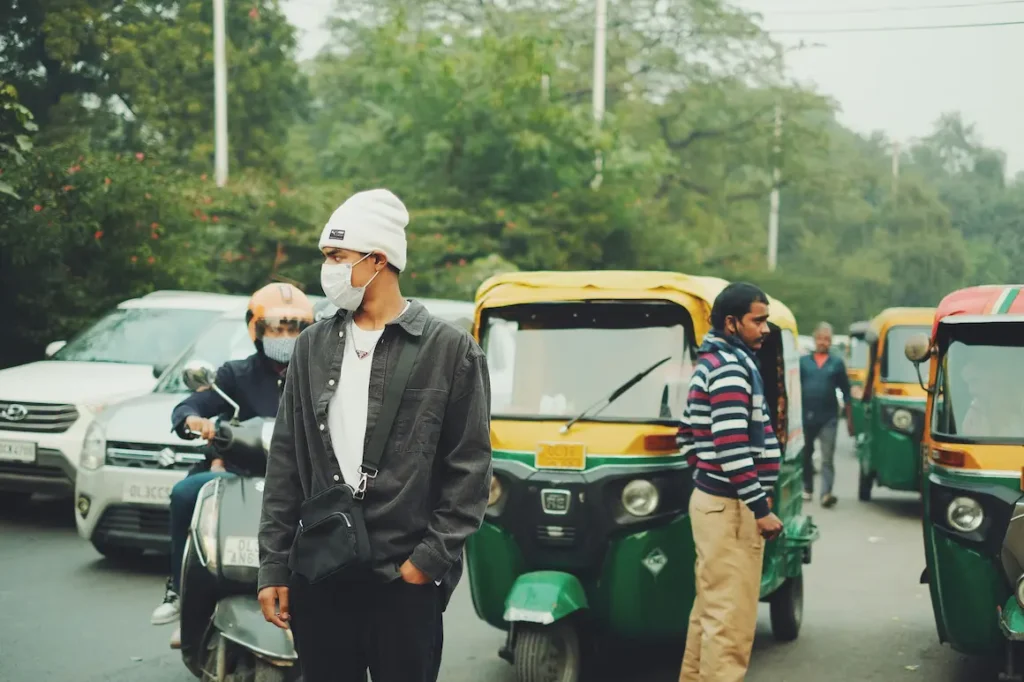
Air quality can be a concern in cities like Delhi, especially during the winter months.
We noticed this more when traveling with kids—it’s not something you can ignore.
What helped us:
- Planning visits during cleaner months (Feb–March) worked well.
- Use N95 masks on high-pollution days or when your app is showing a moderate AQI.
- Choosing hotels with air purifiers when possible
If your child has asthma or respiratory issues, it’s worth discussing this with your doctor before traveling to India.
6. Scams & Tourist Hassles (Easy to Avoid)
Scams do exist in tourist areas — especially in places like Delhi, Agra, and Jaipur.
We’ve dealt with pushy vendors, unofficial guides, and overpriced rides.
But the good news? Most of it is easy to avoid once you know what to expect.
What worked for us:
- Booking transport through apps like Uber or Ola
- Saying a polite but firm “No, thank you.”
- Prebooking guides or tours through trusted sources
It’s more about confidence than danger — once you get comfortable, it becomes much easier to navigate.
Health & Medical Safety in India (What Parents Need to Know)
This is usually the biggest concern for parents — and honestly, it was ours too before moving to India with kids.
The good news? Medical care in India is much better than most people expect, especially in major cities.
However, understanding what to expect and preparing beforehand is crucial. Check the CDC Travelers’ Health page for correct information before flying.
What Happens if Your Child Gets Sick in India?
Let’s start with the biggest fear — “What if my child gets sick during the trip?”
From our experience, this is manageable.
In cities like Delhi, Mumbai, or Bengaluru, private hospitals are modern, well-equipped, and often quicker than what we’ve experienced in the West.
We’ve had to visit doctors during our stay, and the process was surprisingly smooth — same-day appointments, English-speaking staff, and clear treatment plans.
What helped us feel prepared:
- Having travel insurance ready
- Knowing the nearest hospital to our hotel
- Keeping basic medicines on hand
Most minor issues (fever, stomach upset, allergies) are easy to handle if you act early.
Hospitals You Can Trust in India
If you’re traveling with kids, it’s reassuring to know that India has several reliable private hospital chains.
Some well-known options across major cities include:
- Apollo Hospitals
- Fortis Healthcare
- Max Healthcare
International patients widely use these hospitals, which feature English-speaking doctors and modern facilities.
Our simple rule:
If you’re in a big city, you’re in safe hands medically.
Food, Water & “Delhi Belly” — How to Avoid It
Let’s talk about the one thing every parent worries about — stomach issues.
Yes, “Delhi Belly” can happen, but in most cases, it’s avoidable with a few simple habits.
What worked for us:
- Only drinking sealed bottled or filtered water
- Avoiding ice and raw foods in the beginning
- Eating freshly cooked meals from clean, busy places
We also carried essentials like:
- Oral rehydration salts (ORS)
- Fever medicine for kids
- Electrolytes and probiotics
Pharmacies in India are easy to find and usually well-stocked, so even if you forget something, you can get help quickly.
Do Kids Need Vaccinations for India?
Not all vaccinations are mandatory for India, but some are recommended — especially if you’re traveling with young children.
The best approach is simple:
Visit your doctor 4–6 weeks before your trip and discuss your itinerary.
Depending on where you’re going, they may suggest vaccines or preventive medication.
For us, this step gave a lot of peace of mind—and helped us travel with much more confidence.
Is India Safe for Toddlers and Babies?
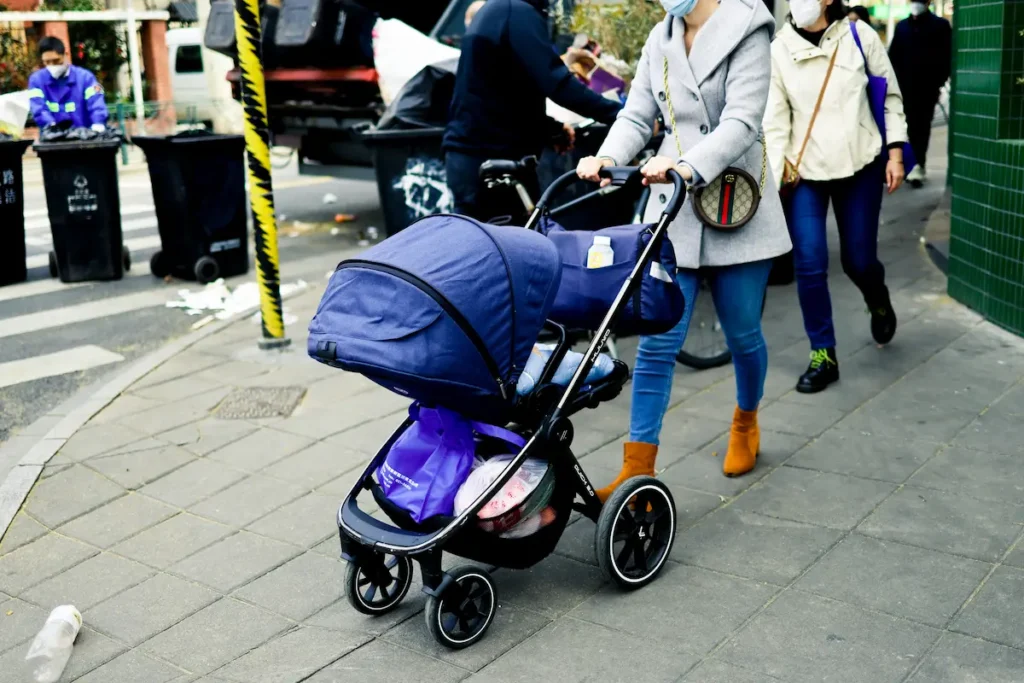
Yes — India can be safe for toddlers and babies, but it requires a bit more planning compared to traveling with older kids.
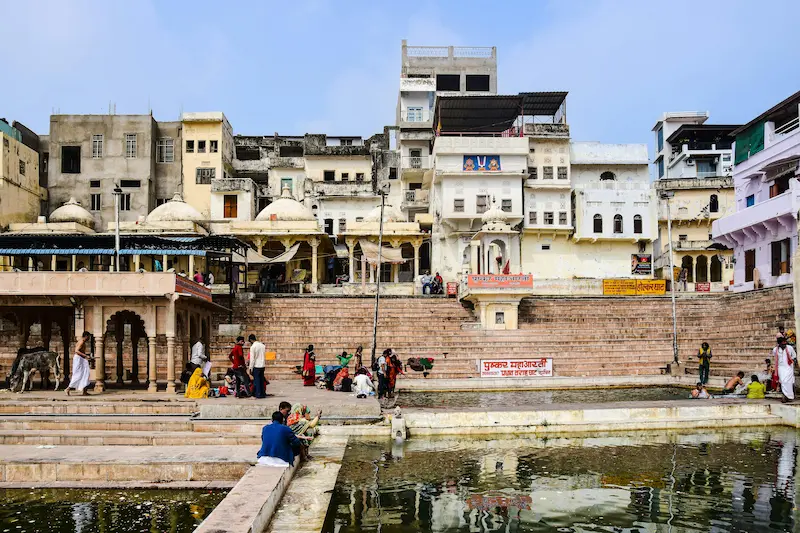
While India has incredible historical sites, not all are easy with a toddler. For example, we took our kids to see the ancient architecture, but had to ask: Are Stepwells in India safe for kids? (Here is what we found about navigating those steep stairs.
From our experience, the challenges aren’t about safety — they’re about comfort and adjustment.
Here’s what it’s really like:
- Strollers/prams can be difficult to use in many places due to uneven roads and crowds—we found baby carriers much easier
- Food needs a slow introduction, especially for toddlers—simple, freshly cooked meals work best
- Noise and crowds can feel overwhelming at first, particularly in big cities
- Sleep routines can get disrupted, especially with jet lag and busy travel days
What helped us most was slowing everything down.
Shorter days, fewer places, and choosing calmer destinations made a huge difference.
If you plan your trip around your child’s pace—not your itinerary—traveling India with a toddler becomes much more manageable (and enjoyable).
Safest Places in India for Families
(Where You’ll Feel Most Comfortable)
Where you go in India makes all the difference — especially with kids.
Some places feel calm and straightforward to navigate, while others can feel intense, particularly for first-time visitors.
From our experience, these regions felt the most comfortable for family travel:
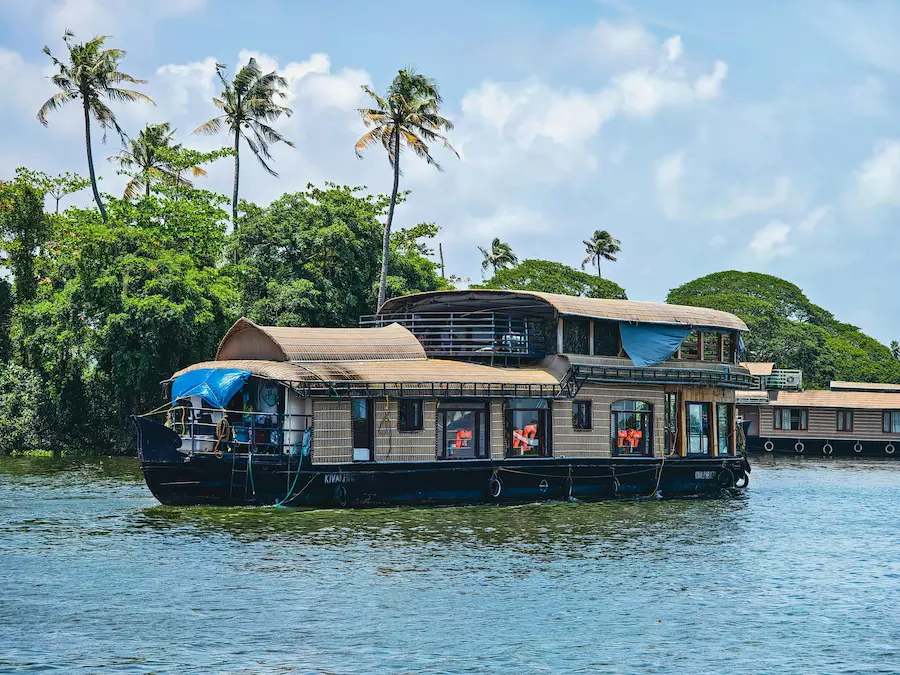
1. Kerala (Best for First-Time Families)
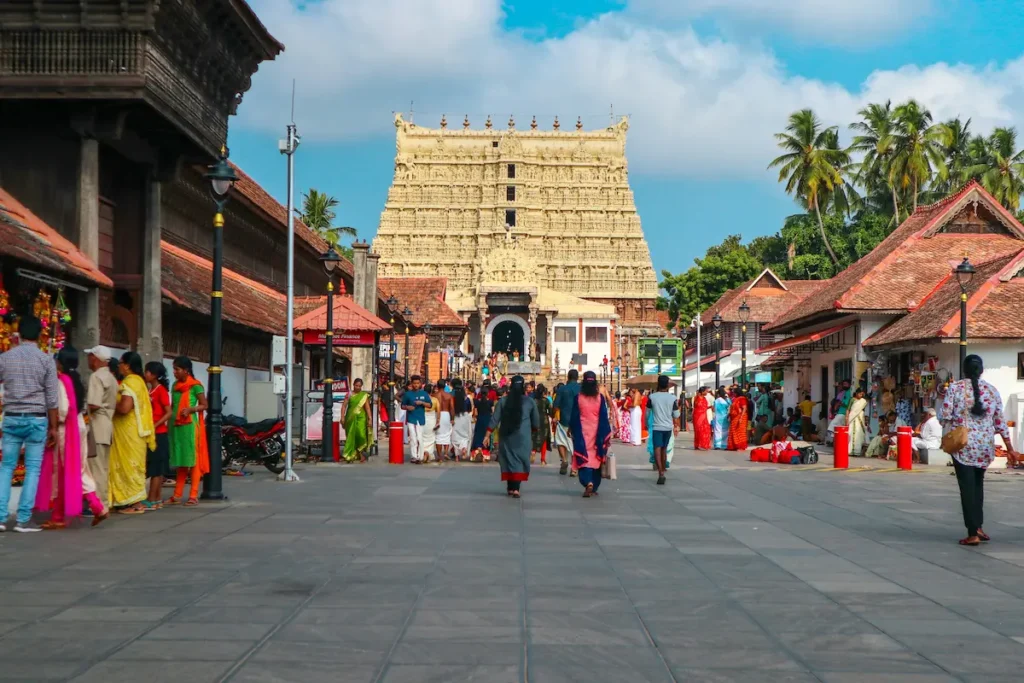
Kerala was one of the easiest places we traveled with kids.
The pace is slower, the environment feels cleaner, and getting around is much more relaxed compared to big cities in the north.
Houseboat stays, beach time, and nature-based experiences made it ideal for young kids — without constant overwhelm. You can read our full Kerala with Kids Travel Guide here for the best houseboat and beach recommendations.
2. Goa (Relaxed & Easy Beach Destination)

Goa is one of the most straightforward destinations in India for families.
It’s more laid-back, has plenty of family-friendly stays, and offers a familiar travel experience with restaurants, cafes, and clean beaches.
It’s a great place to start your trip — or unwind after exploring busier regions.
3. Rajasthan (Best with a Planned Itinerary)
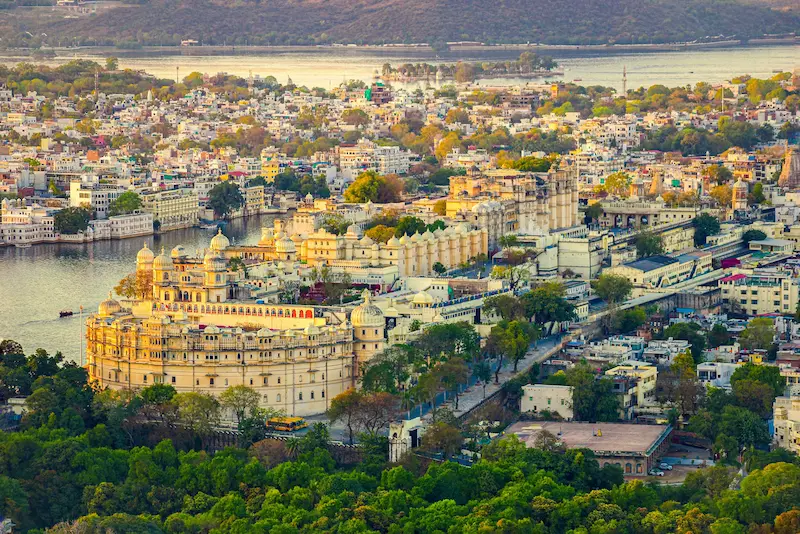
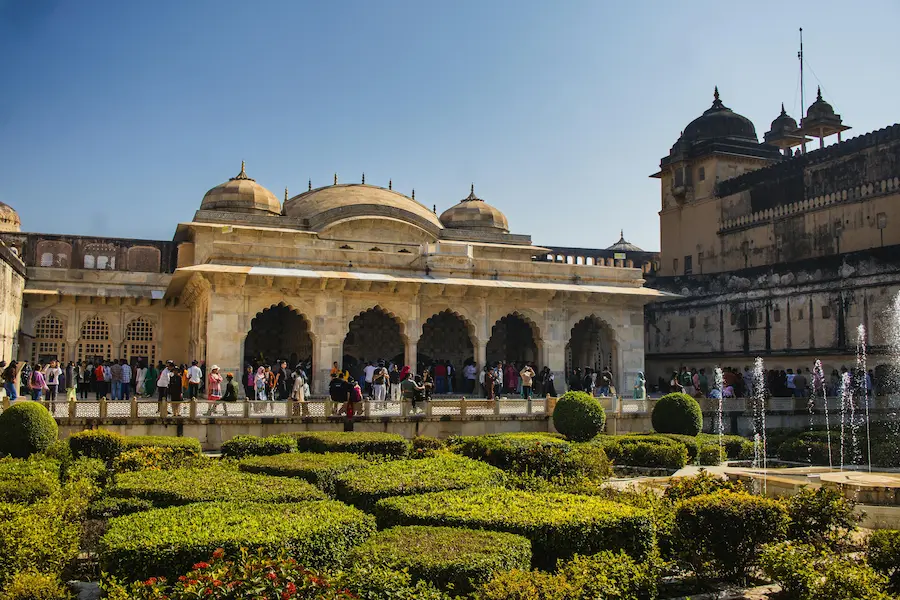
Rajasthan is safe and incredibly rich in culture, but it needs a bit more planning with kids.
Cities like Jaipur and Udaipur are more manageable, especially if you stay in well-reviewed hotels and plan your days well. We’ve broken down how to handle the Agra and the Taj Mahal with kids to keep it simple and stress-free.
Fort visits, cultural shows, and spacious heritage stays can actually be very enjoyable for kids when done at a slower pace.
4. Hill Stations & Himalayas (Peaceful & Nature-Focused)
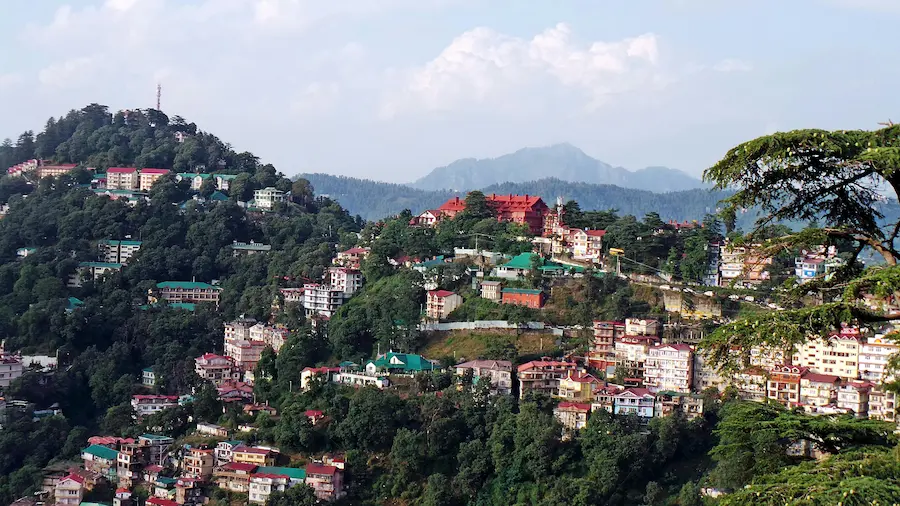
If you’re looking to escape the chaos, hill stations and Himalayan regions are a great choice.
Places like Himachal Pradesh or Ladakh feel calmer, less crowded, and more nature-focused.
These areas are especially good if you want a quieter, slower experience with your kids.
Also, if you’re planning to explore South India, consider flying directly into cities like Kochi or Chennai instead of starting in Delhi.
From our experience, South India is much easier to navigate with kids—calmer, less crowded, and a gentler introduction to the country.
Feeling comfortable with the idea of India but not sure how to structure your trip? Start with our family itinerary guide for realistic routes and pacing.
Places to Be Careful With Kids in India
India isn’t unsafe—but some places can feel overwhelming, especially with young kids.
From our experience, it’s not about avoiding destinations completely but about knowing what to expect and planning accordingly.
Big Cities Like Delhi (Intense but Manageable)
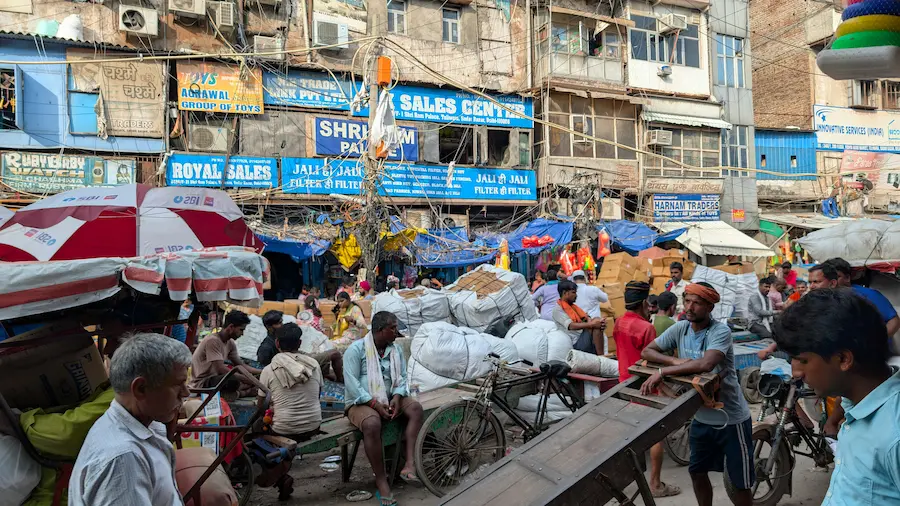
Cities like Delhi can feel chaotic at first—heavy traffic, crowds, and constant movement.
It’s safe, but it requires more awareness and energy, especially with toddlers.
If you do visit:
- Stay in well-rated hotels
- Plan shorter outings
- Avoid peak hours
We found that easing into India through calmer destinations first made big cities much easier to handle later.
Overcrowded Tourist Spots
Places like the Taj Mahal or busy markets can get extremely crowded.
They’re safe but can feel overwhelming for kids if not planned well.
What worked for us:
- Visiting early in the morning
- Keeping visits short
- Having a clear exit plan
A little timing makes a huge difference here.
Remote or Less-Developed Areas
Some remote regions in India are beautiful but may lack infrastructure, healthcare access, or easy transport.
For a first trip with kids, we’d recommend sticking to well-connected, tourist-friendly areas.
You’ll have a much smoother and more relaxed experience.
How to Stay Safe in India with Kids (Practical Tips That Work)
By now, you already understand the real challenges of traveling in India with kids.
And understand better that most of them are easy to manage once you know what actually works on the ground.
Here are the habits that made our trips smoother, safer, and far less stressful as a family:
1. Daily Safety Habits
- Keep kids close in busy areas—holding hands is a must
- Plan slower days with breaks (India can be exhausting for little ones)
- Carry small cash for quick payments
- Keep a copy of your passport and important documents
These small habits made a big difference in how confident we felt moving around.
2. Food & Hygiene Habits
- Drink only sealed bottled or filtered water
- Avoid raw foods and street food at the start
- Carry wipes, tissues, and hand sanitizer everywhere
- Stick to freshly cooked meals from clean places
Once we followed these consistently, stomach issues were never a major problem.
3. Transport Safety
- Use app-based rides like Uber or Ola instead of random taxis
- Avoid peak traffic hours when possible
- Don’t expect car seats everywhere—plan if needed
- Choose centrally located stays to reduce travel time
Getting transport right makes everything else easier.
4. Crowd & Awareness Tips
- Visit major attractions early in the day
- Be polite but firm with vendors or strangers
- Don’t engage too much with overly pushy people
- Trust your instincts—if something feels off, walk away
Confidence matters more than anything else when navigating busy places.
5. Helpful Apps That Made Travel Easier
A few apps made traveling in India much smoother for us:
- Google Maps (offline maps are very useful)
- Uber / Ola for safe transport
- AQI apps to track air quality in cities
These small tools helped us feel more in control, especially in unfamiliar places.
What Surprised Us Most About Traveling in India with Kids
Before coming to India, we were honestly nervous.
We expected chaos, constant stress, and a lot of things going wrong.
But what surprised us the most was how manageable it actually became once we adjusted.
Yes, the first few days felt intense.
But then:
- We found our rhythm
- The kids adapted faster than we expected
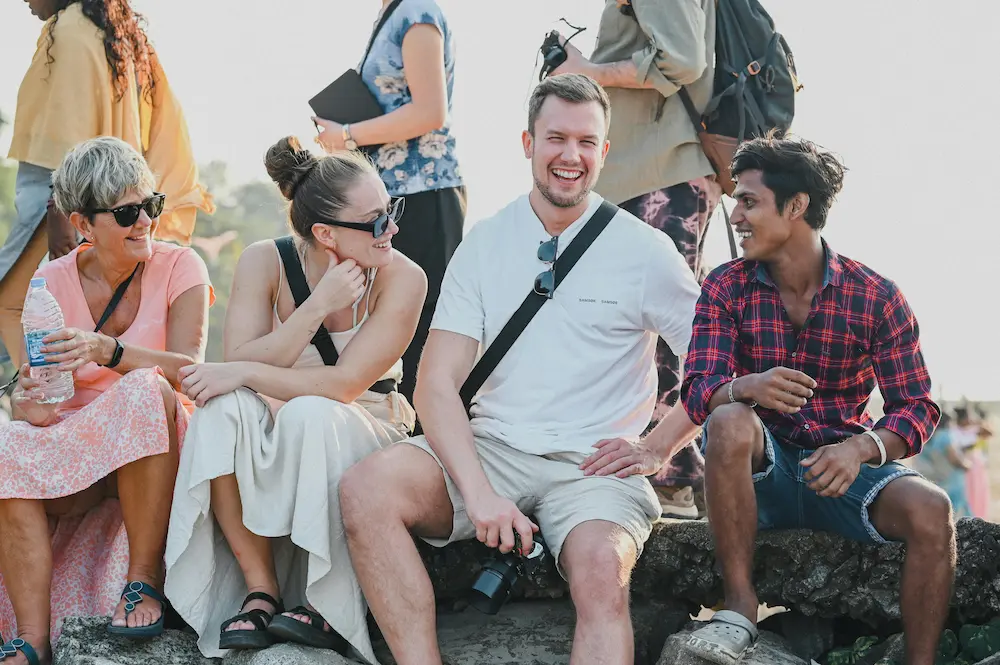
- And the kindness of people around us stood out everywhere
- Spending more gets you comfort and privacy in India
India isn’t the easiest destination—but it’s one of the most rewarding.
And that shift in perspective made all the difference for us.
So… Is India Safe for Families or Not?
Yes—India is safe for families, but it’s not for everyone.
If you’re someone who:
- Is open to new experiences
- Can handle a bit of unpredictability
- And is willing to plan thoughtfully
Then India can be one of the most memorable trips you’ll ever take with your kids.
However, if you prefer:
- Highly structured, predictable travel
- Minimal cultural differences
- Or completely stress-free environments
You may find India challenging as a first destination in Asia.
For us, it was worth it—not because it was easy, but because it was meaningful.
And that’s what made traveling in India with kids so special.
More India Family Travel Resources:
- ✈️ Planning: India Beginner’s Guide
- 🗺️ Itineraries: Best Places to Visit with Kids
- 🌴 Our Top Pick: Kerala Family Guide
- 🕌 The Icon: Agra with Kids Simplified
- Read our 7-, 10-, and 14-day India itinerary ideas for families visiting for the first time.
Still wondering if India is the right choice for your family?
If you have any questions about traveling to India with kids—safety, planning, or even “Is this too much for my toddler?” — Drop them in the comments.
Or tell us—what’s your biggest concern about visiting India with kids?
FAQs About Traveling to India with Kids
Is India safe for female travelers with kids?
Yes, especially in tourist areas and when basic precautions are followed. Choosing safe accommodation and planning transport in advance makes a big difference.
Can kids get sick easily in India?
They can, especially if you’re not careful with food and water. But with simple precautions, most families travel without major issues.
Is street food safe for kids in India?
It’s best to avoid street food at the start of your trip. Stick to clean, busy places or try guided food experiences instead.
Is Delhi safe for families with kids?
Yes, but it can feel intense. With the right planning, safe stays, and shorter outings, it’s manageable.
Do kids need vaccines before traveling to India?
Some vaccines are recommended. It’s best to consult your doctor before traveling based on your itinerary.
Is Delhi air safe for babies?
Air quality can be poor during certain months. Using masks, choosing the right season, and staying in hotels with air purifiers can help manage this.

FOUNDER • FAMILY TRAVEL WRITER • MUM OF TWO
About the Author
Hi, I’m Shivani, the founder of Roaming Crew.
Based in Singapore and having lived in different parts of Asia—including two years in India—I’ve explored 18+ destinations across the region, with 12+ of those journeys taken alongside my young kids.
From choosing family-friendly destinations and navigating local transport to budgeting, accommodation, and practical travel logistics, Roaming Crew is created with a parent-first mindset.