Planning a family trip to Japan can feel both exciting and overwhelming—especially if it’s your first visit with young kids.
We spent two weeks traveling independently across Japan during the cherry blossom season with our curious 5-year-old and 18-month-old toddler.
Our route took us through Tokyo, Kyoto, Osaka, Hakone, Mt. Fuji, Uji, Nara, and several day trips, giving us first-hand experience of Japan’s trains, hotels, attractions, restaurants, and everyday family travel.
Even as experienced travelers of Asia, Japan surprised us. The sheer size of Tokyo’s train stations, the amount of walking, and the fact that many popular attractions had already sold out weeks before our trip caught us off guard.
Add jet lag, strollers, snack breaks, and tired little legs into the mix, and one thing became obvious very quickly:
Japan is one of the most family-friendly countries in Asia we’ve visited—but it’s not a destination you can simply wing it to.
Japan rewards preparation.
Once you understand how the transport system works, know what to book in advance, and avoid a few common mistakes, traveling with kids becomes remarkably smooth, safe, and enjoyable.
Everything in this guide is based on our genuine experiences while traveling through Japan with our kids.
Along the way, I’ll also link to our detailed destination guides covering Tokyo, Kyoto, Osaka, Hakone, Mt. Fuji, Uji, Nara, family budgets, packing, and Shinkansen travel, so you can plan every stage of your trip with confidence.
If you’re planning your first family trip to Japan, these are the Japan travel tips for families we truly wish we’d known before we boarded our flight.
🧳 Short on time? Skip the guesswork and grab our Real-Life Japan Packing List for Families—the exact setup we used for 2 weeks with a toddler and a 5-year-old.
Our Japan Trip at a Glance
- 🌸 Season: Cherry blossom (Spring 2024)
- 📅 Trip length: 2 weeks
- 👨👩👧👦 Family: 2 adults, a 5-year-old, and an 18-month-old toddler
- 🚄 Transport: Shinkansen, local trains, rental car, and walking
- 📍 Places visited: Tokyo, Kyoto, Osaka, Hakone, Mt. Fuji, Uji, Nara, and Hemiji.
- 💰 Travel style: Independent family travel (not a guided tour)
Is Japan Easy to Visit With Kids?
If you’re wondering whether Japan is actually an easy destination for families in Asia, the answer is yes.
After traveling across Japan, we’d confidently say yes—but with a few important caveats. Japan is one of the safest, cleanest, and most family-friendly countries we’ve visited, but it also involves more walking, planning, and bookings than many parents expect.
Here’s our assessment based on our own experience.
| Travel Factor | Our Honest Verdict |
|---|---|
| 🛡️ Safety | ⭐⭐⭐⭐⭐ Excellent—One of the safest countries we’ve ever traveled to with kids. |
| 👶 Baby & Toddler Friendly | ⭐⭐⭐⭐⭐ Excellent—Clean nursing rooms, family toilets, elevators, and baby facilities are easy to find. |
| 🚄 Public Transport | ⭐⭐⭐⭐☆ Easy—Efficient and reliable once you understand the train stations and routes. |
| 🍱 Food for Kids | ⭐⭐⭐⭐☆ Very Good—Plenty of child-friendly meals, although picky eaters may need a little planning. |
| 💰 Budget | ⭐⭐⭐☆☆ Moderate – Japan isn’t cheap, but prices are transparent and easy to budget for. |
| 🚶 Walking | ⭐⭐⭐⭐⭐ High – Expect 15,000–20,000 steps on most sightseeing days, so pack comfortable shoes. |
| 🗣️ English | ⭐⭐⭐☆☆ Moderate – Major tourist areas are easy to navigate, but Google Translate is still invaluable. |
| 📅 Planning Needed | ⭐⭐⭐⭐⭐ High—Popular attractions, family hotels, and experiences often sell out weeks in advance. |
Don’t let the “planning required” score put you off. Once you know what to expect, Japan becomes one of the easiest countries in Asia to explore with kids. The tips below will help you avoid the mistakes we made and enjoy a much smoother family trip.
Why Is Japan One of the Best Countries for Family Travel?
After traveling through nearly 15 countries across Asia, Japan stands out as one of the easiest destinations we’ve explored with young children—not because it’s effortless, but because almost everything works exactly as it should.
We never worried about safety when walking through cities after dark; public transport was punctual and reliable, and everyday family essentials—from clean toilets to convenience stores—were always close by. That level of predictability made traveling with our kids feel far less stressful than we expected.
That said, Japan isn’t a destination where you can simply arrive and figure everything out as you go. Popular attractions often sell out weeks in advance, hotels are smaller than many Western families expect, and sightseeing days involve far more walking than most first-time visitors anticipate.
In our experience, Japan rewards preparation. Once you understand how the transport system works, know what to book before you arrive, and pace your itinerary around your children, it becomes one of the most enjoyable countries in the world for family travel.
Here’s what we loved most—and the challenges we think every parent should know before visiting.
Why Parents Love Travelling in Japan
You’ll Feel Safe Almost Everywhere
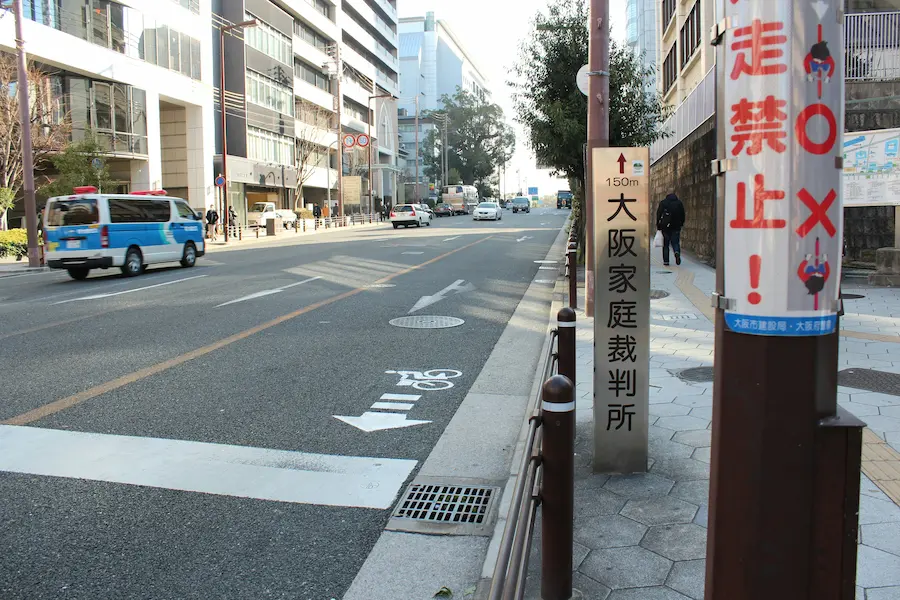
Japan consistently feels safe—even in large cities. Streets are clean, crime is rare, and we felt comfortable navigating public transport with our kids at all times of day. When we did get confused, station staff and even local parents were quick to help.
It’s one of the few places where parents can relax a little instead of staying constantly on high alert.
Public transport makes family travel easy.
Trains run on time, stations are clearly marked, and once you understand the system, getting around with kids becomes very manageable. Even long-distance travel feels smooth and predictable compared to many other Asian countries—something that makes a huge difference when you’re traveling as a family.
Kids Are Truly Welcome in Japan
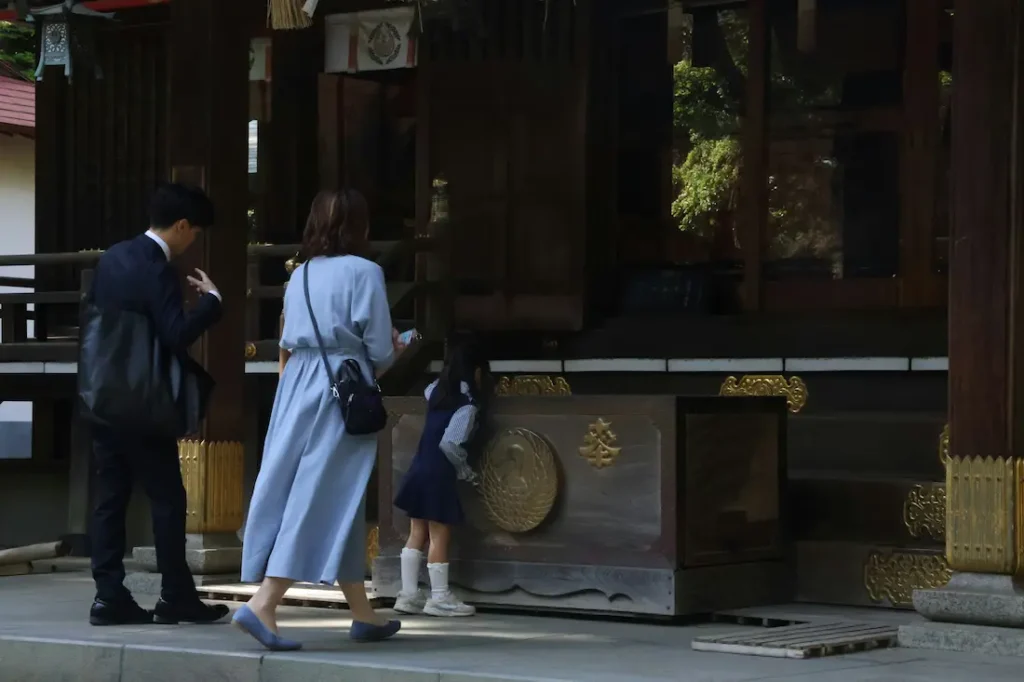
We were genuinely struck by how patient and understanding people were in Japan with our kids. Whether it was a toddler having a moment or our 5-year-old asking endless questions, we were met with smiles far more often than judgment. Children are very much part of everyday life in Japan.
Everyday Family Travel Is Surprisingly Easy
Japan’s convenience stores—especially 7-Eleven and Lawson—are everywhere and were a lifesaver for our family. From quick meals and snacks to drinks and everyday essentials, they made daily logistics easy. Public restrooms are also widely available and exceptionally clean, something you’ll appreciate more than you expect when traveling with young kids.
Challenges Parents Should Know Before Visiting Japan
Expect to Walk More Than You Think
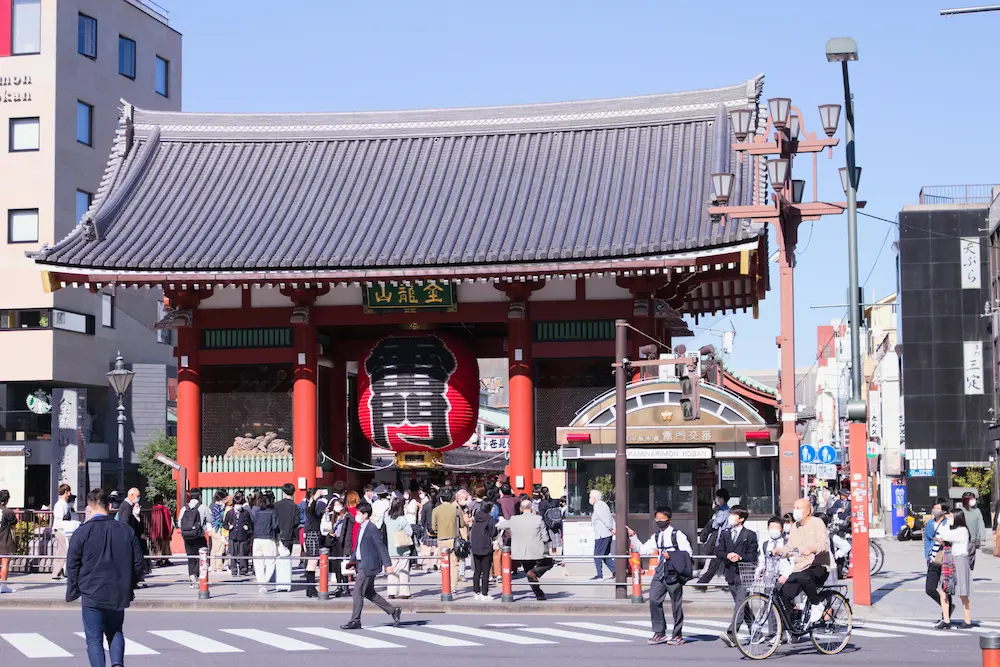
Traveling in Japan involves a lot of walking. Between large train stations, long platforms, neighborhoods, and attractions, daily step counts add up quickly—especially with kids. A stroller or baby carrier isn’t optional here; it’s essential if you want to keep days manageable and avoid meltdowns.
Popular Cities Can Feel Overwhelming
Cities like Tokyo and Kyoto can feel crowded, particularly during peak seasons such as cherry blossom time or national holidays. While crowds are generally calm and orderly, they can still be overwhelming for young kids if the day isn’t paced thoughtfully. Slower mornings and well-timed breaks make a big difference.
Hotel Rooms Are Smaller Than Many Families Expect
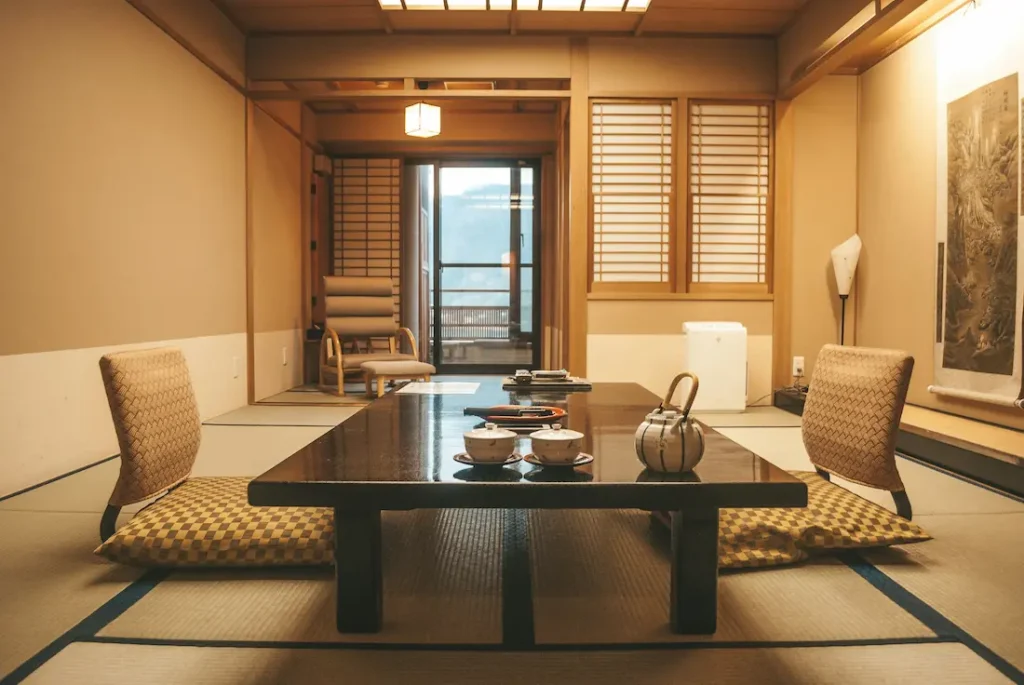
Hotel rooms in Japan are often much smaller than what many families are used to. Storage space is limited, and maneuvering suitcases, strollers, and kids in tight rooms requires a bit of planning. Checking room sizes in square meters before booking helps avoid surprises.
English Isn’t Spoken Everywhere—But It Rarely Becomes a Problem
English isn’t widely spoken everywhere, especially outside major tourist areas. People are kind and willing to help, but communication can sometimes be a challenge. This is where preparation—and a few helpful apps—can turn potential stress into a non-issue.
| Why Families Love Japan | What to Prepare For |
|---|---|
| One of the safest countries in the world | Lots of walking every day |
| Excellent public transport | Book popular attractions early |
| Extremely clean cities | Smaller hotel rooms |
| Helpful and respectful locals | Peak-season crowds |
| Fantastic convenience stores | Translation apps are useful |
| Great family facilities | A little planning goes a long way |
For us, the positives far outweighed the challenges. With realistic expectations and a little planning, Japan quickly became one of our favorite destinations for traveling with kids—and we’d happily visit again.
Things That Surprised Us About Japan (and Might Surprise You Too)
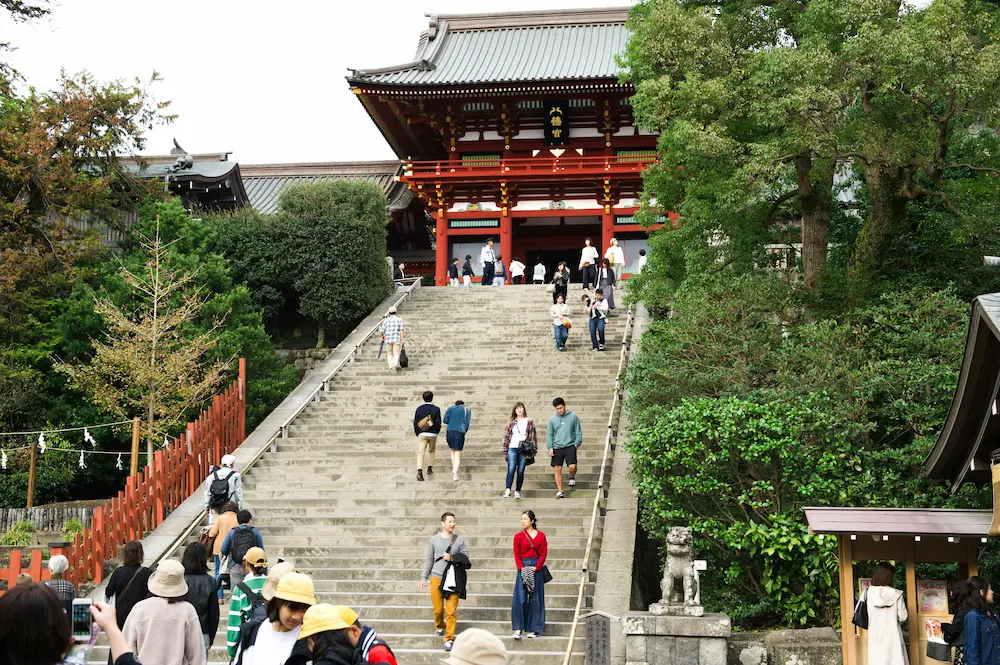
Before visiting Japan, we’d spent weeks reading blogs, watching videos, and planning our itinerary. Even so, a few things genuinely caught us by surprise once we arrived.
None of these are bad—they’re simply part of traveling in Japan. Knowing about them beforehand will help you feel more confident and avoid the small surprises that can catch first-time families off guard.
1. Public Trash Bins Are Surprisingly Hard to Find
One of the first things we noticed was how incredibly clean Japan is—yet public rubbish bins are surprisingly rare. After finishing snacks or drinks, we often carried our rubbish until we found a convenience store or returned to our hotel.
Parent tip: Keep a small reusable rubbish bag in your daypack or stroller. It makes snack breaks much easier when traveling with children.
2. Hotel Rooms Are Smaller Than Most Western Families Expect
If you’re used to spacious hotel rooms in North America or Europe, Japan may come as a surprise. Family rooms are available, but standard hotel rooms can feel quite compact once you add suitcases, a stroller, and two tired children.
Parent tip: Always check the room size (in square metres) before booking and consider apartment-style hotels if you’re staying for several nights.
3. Trains Are Much Quieter Than You Might Expect
Japan’s trains are incredibly efficient, but they’re also noticeably quieter than public transport in many other countries. People generally keep conversations low and avoid phone calls while riding.
Our kids naturally chatted and asked questions, but we simply reminded them to use their “inside voices” and never felt uncomfortable.
4. Convenience Stores Become Your Best Friend
We quickly realized that 7-Eleven, Lawson, and FamilyMart weren’t just places to grab snacks—they became part of our daily routine.
Whether we needed breakfast before an early train, fresh fruit, drinks, sandwiches, diapers, or a quick dinner after a long sightseeing day, convenience stores always came to the rescue.
For families, they’re one of Japan’s biggest travel hacks.
5. You’ll Take Your Shoes Off More Often Than You Think
Many temples, traditional accommodations, children’s play areas, and even some restaurants ask visitors to remove their shoes before entering.
It quickly becomes second nature, but wearing comfortable shoes that are easy to slip on and off makes sightseeing much easier.
6. There Is No Tipping Culture
Unlike the United States, tipping simply isn’t part of Japanese culture.
Whether you’re eating in a restaurant, taking a taxi, or staying in a hotel, the price you see is usually the price you pay. We found this simple because budgeting each day became much easier.
7. Vending Machines Really Are Everywhere
Before visiting, we’d heard about Japan’s vending machines—but we still weren’t prepared for just how common they are.
They’re found in cities, train stations, parks, and even quiet neighborhoods, making it easy to grab water or a drink whenever your family needs a quick break.
8. Cash Is Still Useful
Although credit cards are becoming more widely accepted, we found several smaller restaurants, temples, local shops, and ticket machines that still preferred cash.
Parent tip: Keep some Japanese yen with you each day instead of relying entirely on cards or mobile payments.
9. Public Toilets Are Exceptionally Clean
As parents traveling with young children, this was one of our favorite surprises.
Public toilets are clean, well-maintained, and easy to find in train stations, shopping centers, parks, and major attractions. Many also include baby-changing facilities and family-friendly amenities, making sightseeing days much less stressful.
10. Popular Attractions Sell Out Much Earlier Than We Expected
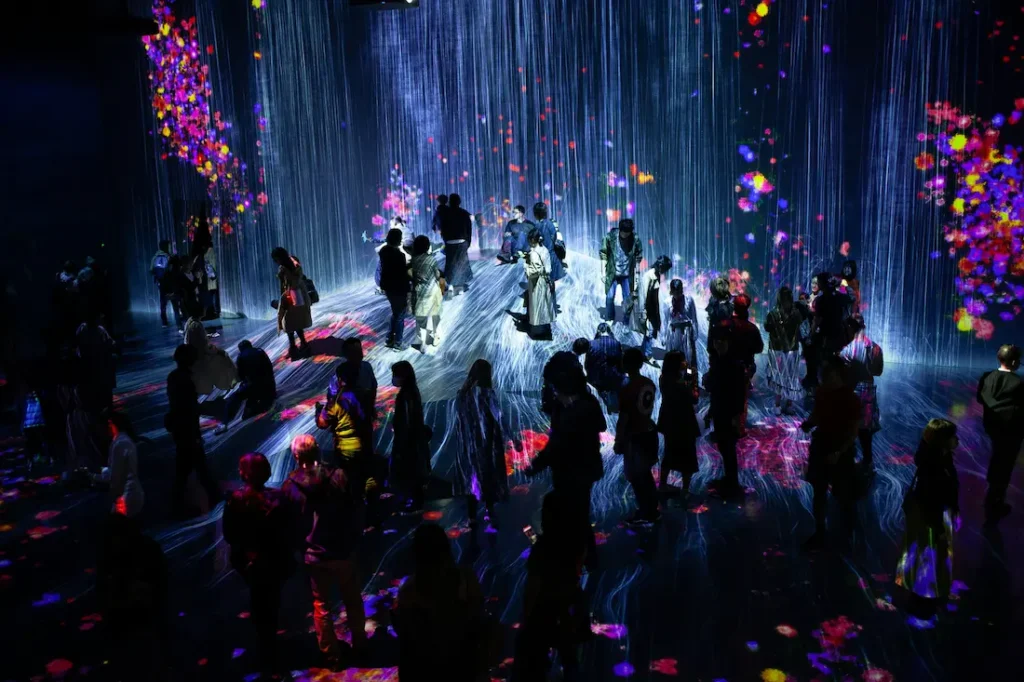
This was probably our biggest planning surprise.
Many family favorites—including teamLab experiences, the Ghibli Museum, the Pokémon Café, Universal Studios Japan, and seasonal events—open reservations weeks or even months in advance and can sell out quickly.
If there’s one experience your kids are really excited about, book it as soon as reservations open rather than waiting until you arrive.
Looking back, none of these surprises affected our enjoyment of Japan—they simply reminded us that Japan works a little differently from many Western countries. Once we understood those differences, traveling with our kids became remarkably smooth, predictable, and enjoyable.
Things You Should Know Before Travelling to Japan With Kids
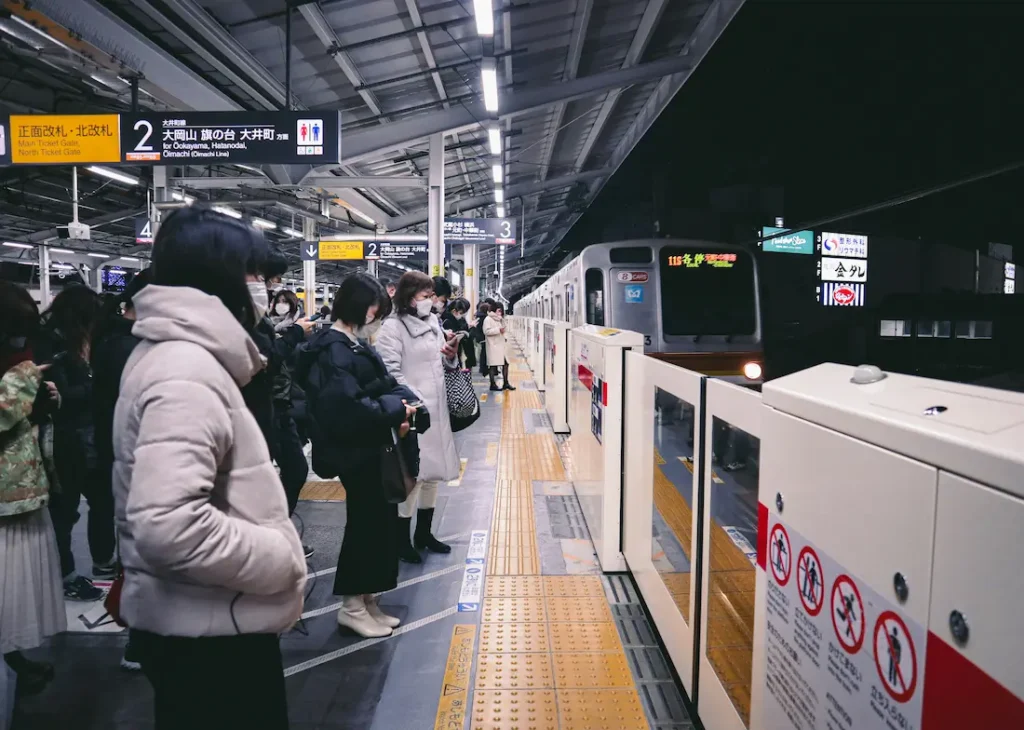
Once you understand how Japan works, traveling with kids becomes remarkably easy. The biggest difference between a stressful trip and a smooth one often comes down to planning.
Japan isn’t the kind of destination where you can book everything at the last minute and figure things out as you go. A little preparation before you leave home will help you avoid common frustrations and give you more time to enjoy what really matters—making memories with your family.
These are the practical lessons we wish we’d known before booking our flights, hotels, and attractions.
Jet lag is real—but manageable.
The time difference can be challenging, especially for toddlers and younger children. Our first couple of mornings started very early, but instead of fighting it, we adjusted our plans around our kids’ natural rhythm.
Early walks through quiet neighborhoods, breakfast from a convenience store, and relaxed sightseeing helped everyone settle into the new time zone much faster than we expected.
You’ll walk much more than you expect.
No matter how carefully you plan your itinerary, expect to walk a lot every day.
Large train stations, long platforms, temple grounds, parks, and shopping streets all add up quickly. We regularly walked far more than we anticipated, even on days that looked relaxed on paper.
If you’re traveling with young children, a lightweight stroller or comfortable baby carrier will quickly become one of the most valuable items you pack. We also found it helpful to practise folding our stroller before the trip, as some smaller stations still involve stairs.
Popular Attractions Need Advance Reservations
One of our biggest lessons was learning how far in advance Japan plans.
Popular attractions like teamLab experiences, the Ghibli Museum, Pokémon Café, Universal Studios Japan, and many seasonal activities often release tickets weeks or even months before your visit.
If something is high on your family’s wish list, don’t wait until you arrive. Booking as soon as reservations open can save a lot of disappointment.
Japan Rewards Planning Ahead
Unlike some destinations where you can decide your plans the night before, Japan works best when you have a rough itinerary.
Knowing which neighborhood you’ll explore, which train you’ll take, and whether an attraction needs reservations made our days feel much calmer. At the same time, we deliberately left room for playground breaks, snack stops, and the unexpected moments that often became our favorite memories.
A flexible plan worked far better for us than trying to fit everything into one day.
Early Mornings Work Best for Families
Many shops, cafés, and attractions don’t open until around 10 or 11 a.m., but children often wake much earlier—especially while adjusting to jet lag.
We used those quieter hours for neighborhood walks, local parks, convenience store breakfasts, or visiting popular attractions as soon as they opened. Starting early helped us avoid crowds, enjoy cooler temperatures, and finish sightseeing before everyone became tired.
Understand National Holidays and Golden Week
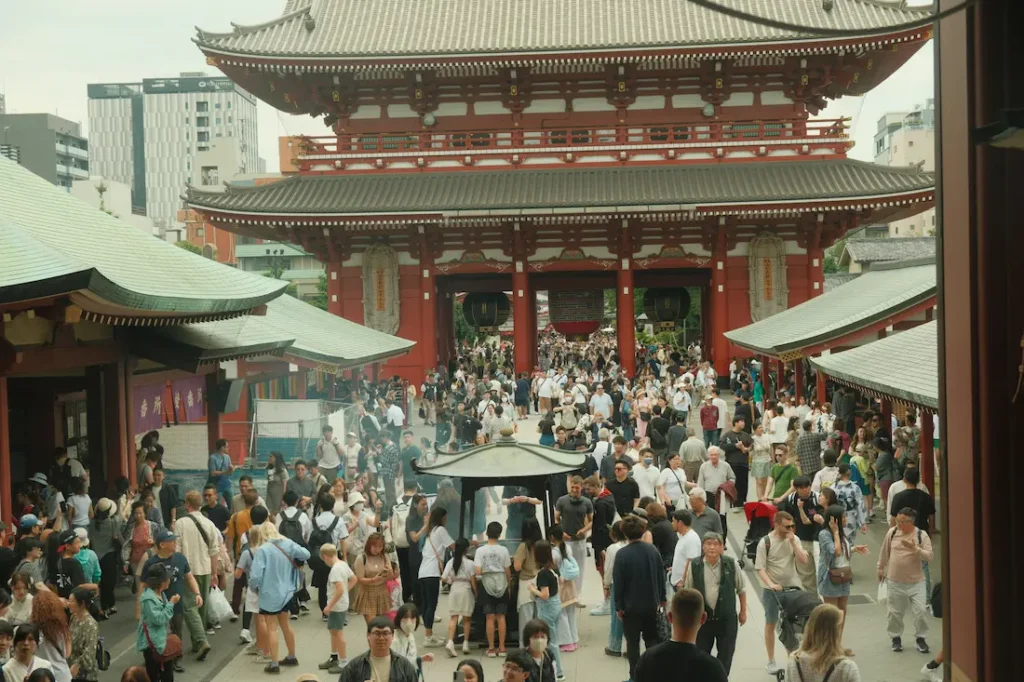
Japan’s public holidays can dramatically change how busy popular destinations become.
One period to be especially aware of is Golden Week, which usually falls between late April and early May. During this holiday, millions of domestic travelers are on the move, making trains, hotels, attractions, and tourist hotspots significantly busier than usual.
If your travel dates are flexible, we’d recommend avoiding Golden Week altogether. If you’re visiting during that period, book accommodation, transport, and attractions as early as possible.
It’s also worth checking whether museums or smaller attractions close on certain weekdays. Some locations close on Mondays or Tuesdays, while others stay open on public holidays and instead close the following day.
Seasonal Travel Can Change Your Experience
Every season offers something different in Japan.
- Spring brings beautiful cherry blossoms, but also larger crowds and higher accommodation prices.
- Summer is lively with festivals, but it can be hot, humid, and tiring for young children.
- Autumn offers pleasant weather, colorful foliage, and slightly fewer crowds in many destinations.
- Winter is perfect for snow experiences, winter illuminations, and skiing, although some regions become much colder.
Choosing the right season depends on your family’s travel style, budget, and the experiences you want most.
Cherry Blossom Season Is Beautiful—But Busy
We visited Japan during cherry blossom season, and while the scenery was unforgettable, it was also one of the busiest times of the year.
Hotels filled up quickly, many attractions required reservations, and popular parks became crowded from early morning onwards.
If you’re traveling during sakura season, book flights and accommodation well in advance, reserve any must-see attractions as soon as tickets are released, and start your sightseeing early each day. Those early mornings often became some of our favorite family moments before the crowds arrived.
Travelling With Young Kids Means Slowing Down

One of the biggest lessons we learned had nothing to do with trains or reservations.
Traveling with a toddler naturally means slower mornings, more snack breaks, playground stops, and occasional changes of plan. Japan makes this surprisingly easy because it’s safe, clean, and well-organized—but only if you permit yourself to travel at your children’s pace.
Trying to squeeze too many attractions into one day usually leads to tired parents and overtired kids. Our favorite memories often came from slowing down rather than rushing to the next sightseeing spot.
Before You Leave Home: Our Japan Family Travel Checklist
After months of planning, it’s easy to focus on flights, hotels, and attractions—but the final few days before departure often make the biggest difference to how smoothly your trip begins.
This is the checklist we wish we’d had before flying to Japan with our kids.
Completing these tasks before leaving home saved us time, reduced stress after landing, and meant we could simply focus on enjoying our first day in Japan.
✅ Travel Documents
Before heading to the airport, make sure everyone has:
- Passports with at least six months’ validity
- Return or onward flight details
- Hotel confirmations
- Travel insurance documents
- Copies of important documents are stored digitally and offline
If you’re traveling with kids, it’s also worth keeping printed copies of your accommodation details in case your phone battery runs low.
✅ Complete Visit Japan Web Before You Fly
Japan now encourages international visitors to complete their immigration and customs information through the Visit Japan Web before arrival.
Registering before your flight generates QR codes that can speed up immigration and customs procedures once you land.
It only takes a few minutes to complete and is much easier to do at home than while managing tired children after a long flight.
✅ Arrange Mobile Data Before You Land
Having internet access as soon as you arrive makes everything easier—from navigating train stations to contacting your accommodation.
Whether you choose an eSIM, physical SIM card, or portable Wi-Fi device, we recommend setting it up before departure whenever possible.
✅ Download These Apps
Before boarding your flight, install and sign in to:
- Google Maps
- Google Translate
- Your eSIM provider’s app (if required)
- Japan Travel by NAVITIME (optional for train planning)
Downloading offline maps for your arrival city is also a good backup.
✅ Carry Some Japanese Yen
Japan is becoming increasingly card-friendly, but we still found several smaller restaurants, temples, and local shops that preferred cash.
Having enough yen to cover your first day’s transport, meals, and small purchases gives you one less thing to worry about after landing.
✅ Pack a Small First-Day Bag
Instead of opening large suitcases at the airport or hotel, keep one small backpack with:
- Passports
- Wallet
- Chargers and power bank
- Snacks
- Water bottles
- Wet wipes
- Medications
- A change of clothes for younger kids
- Basic toiletries
We used this bag constantly during our first day.
✅ Don’t Forget Your Power Adapter
Japan uses Type A and Type B plugs with a 100V supply.
Most modern phone and laptop chargers work perfectly, but double-check before traveling and pack at least one universal adapter for the family.
✅ Pack for Comfort, Not Just Sightseeing
One thing we underestimated was how much walking we’d do.
Comfortable shoes, lightweight layers, refillable water bottles, and a compact travel stroller ended up being far more valuable than many of the “just in case” items we’d packed.
If you’re traveling with a toddler, don’t leave home without a comfortable stroller or baby carrier—you’ll almost certainly use one every day.
Our biggest tip? Finish everything on this checklist before leaving home. Once you’ve landed in Japan, you’ll be glad you’re spending your first few hours exploring instead of searching for a SIM card, filling in arrival forms, or wondering where to withdraw cash.
What to Do on Your First Day in Japan With Kids: A Step-by-Step Arrival Guide
Landing in Japan after a long-haul flight can feel exciting, exhausting, and slightly overwhelming—all at the same time.
By the time we arrived, our toddler was ready for a nap, our 5-year-old was excited but tired, and we were trying to navigate a new airport while running on very little sleep.
Looking back, our first day taught us that the goal isn’t to see as much as possible—it’s to make the transition into Japan as smooth as possible.
Here’s exactly how we’d approach our first day if we were doing it again.
Step 1: Land, Clear Immigration and Customs
After leaving the aircraft, simply follow the arrivals signs to immigration.
If you’ve already completed Visit Japan Web before your flight, have your passport and QR codes ready. It speeds up the immigration and customs process and means less waiting with tired children.
Depending on your arrival airport and the number of international flights landing at the same time, immigration can take anywhere from 20 minutes to well over an hour.
Parent tip: Before joining the immigration queue, make a quick stop at the restroom if your children need one. It’s much easier than leaving the line later.
Step 2: Take Five Minutes to Reset
It can be tempting to rush straight to the train station—but don’t.
Our best decision was simply slowing down for a few minutes after collecting our luggage.
Refill water bottles, change nappies if needed, let the kids stretch their legs, and grab a quick snack if everyone is getting tired or hungry.
Those five quiet minutes helped everyone reset before tackling the next part of the journey.
Step 3: Get Connected Before Leaving the Airport
Having internet access immediately makes traveling in Japan much easier.
You’ll rely on your phone for Google Maps, train directions, translation, hotel navigation, restaurant searches, and contacting your accommodation if you’re running late.
If you’ve arranged an eSIM before departure, activate it while still at the airport. If you’re collecting a pocket Wi-Fi device or SIM card, this is the perfect time to do it.
We strongly recommend organizing mobile data before your trip whenever possible. It’s one less thing to worry about after a long flight.
Step 4: Pick Up or Activate Your IC Card
Before heading into the city, collect or activate your transport card if needed.
IC cards make traveling on trains, subways, and buses, and even paying at many convenience stores, much easier than buying individual tickets every time.
If you’re traveling between cities during your trip, don’t worry about buying every train ticket immediately. We found it much less stressful to settle into our hotel first before planning the following day’s travel.
Step 5: Consider Using Japan’s Luggage Forwarding Service (Takkyubin)
If you’re traveling with young children, this was one of the best decisions we made in Japan.
Instead of dragging large suitcases through busy train stations while managing a stroller, tired kids, and jet lag, we used Japan’s incredibly efficient Takkyubin (luggage forwarding) service.
You can arrange luggage forwarding from major airports, hotels, and many convenience stores. Your larger suitcases are delivered directly to your hotel—often later that day or by the following day, depending on your destination.
That meant we only carried one small family backpack with:
- Passports and valuables
- Chargers and power bank
- A change of clothes for each child
- Snacks and water
- Wet wipes
- Diapers and toddler essentials
- Any medications we might need
Being able to travel hands-free on our first train journey made a huge difference. Instead of worrying about heavy luggage on escalators, crowded platforms, or busy Shinkansen stations, we could simply focus on helping our children settle into Japan after a long flight.
Our tip: If you’re traveling straight from the airport to another city or your accommodation won’t be ready yet, luggage forwarding is absolutely worth considering. It made our first day feel calmer, less stressful, and much more enjoyable.
Step 6: Travel to Your Hotel—Without Rushing
This isn’t the time to squeeze in sightseeing.
After a long international flight, your children have already had an adventure.
Instead of trying to “make the most” of your arrival day, focus on reaching your accommodation comfortably.
If your hotel check-in isn’t available yet, leave your luggage at reception and head out for a relaxed walk nearby rather than carrying heavy suitcases around the city.
Step 7: Check In, Freshen Up, and Recharge
Once you reach your hotel, give everyone a chance to reset.
Fresh clothes, a quick shower, comfortable shoes, and a short rest make an enormous difference after traveling for more than 12 hours.
We also took this opportunity to unpack the essentials rather than living out of our suitcases for the next two weeks.
Step 8: Keep Your First Meal Simple
One of our favorite discoveries was how easy convenience stores made our first day.
Instead of searching for the “perfect” restaurant while everyone was tired, we picked up fresh rice balls, sandwiches, fruit, yogurt, drinks, and snacks from 7-Eleven.
It was quick, affordable, surprisingly good, and exactly what we needed after a long journey.
If your children are tired or feeling jet-lagged, don’t worry about eating somewhere special on day one. Japan’s convenience stores are an excellent introduction to the country.
Step 9: Resist the Urge to Start Sightseeing
This was probably our biggest lesson.
It’s tempting to head straight to famous attractions because “you’re already there.”
We almost did.
Instead, we kept our first afternoon intentionally light.
A gentle neighborhood walk, a nearby playground, or simply exploring the streets around your hotel helps everyone adjust without feeling overwhelmed.
You’ll enjoy Tokyo, Kyoto, or Osaka much more the following day after a proper night’s sleep.
Step 10: Beat Jet Lag Naturally
Try to stay awake until a reasonable local bedtime, even if everyone feels sleepy in the afternoon.
Getting outside in natural daylight, walking at a relaxed pace, eating meals according to local time, and avoiding long daytime naps helped our family adjust much faster than we expected.
Jet lag affects every family differently, especially young kids, so don’t be discouraged if the first night doesn’t go perfectly.
👉 Read our complete guide to beating jet lag in Asia with kids for the practical strategies that worked best for our family.
Our Biggest First-Day Lesson
Looking back, we realized that our first day in Japan wasn’t about ticking attractions off a list—it was about giving our family the best possible start.
By slowing down, keeping expectations realistic, and saving the big sightseeing days for later, we arrived at the end of Day One feels excited about the adventure ahead instead of completely exhausted.
If you’re flying from the US, Canada, Europe, or Australia, remember that the journey itself is already a huge achievement for young kids.
Getting everyone safely to your hotel, fed, rested, and ready for the next morning is a successful first day in Japan.
Helpful next reads before you fly:
Money Tips for Families Visiting Japan
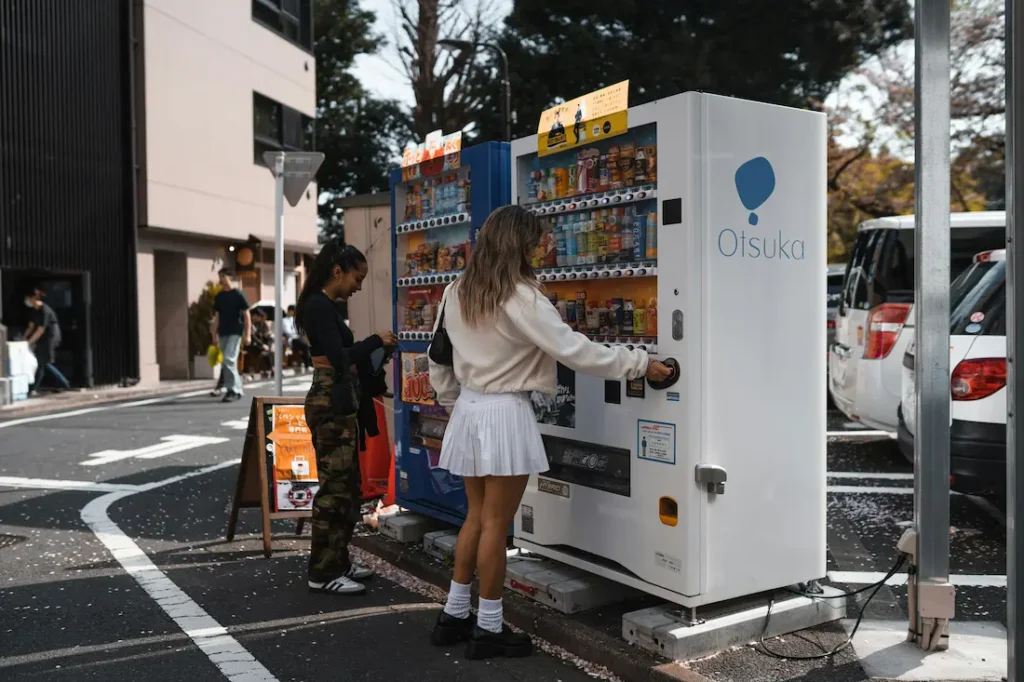
One of the biggest questions we had before visiting Japan was, “How much cash do we actually need?“
Japan is modern, safe, and incredibly efficient—but when it comes to payments, it still works a little differently from many countries in North America and Europe.
Thankfully, once you understand a few basics, paying for everyday things becomes easy.
Carry Both a Physical Card and Some Cash
While credit cards are accepted at most hotels, shopping malls, department stores, and larger restaurants, we still found plenty of smaller businesses that preferred cash.
We used cash most often at:
- Small local restaurants
- Temples and shrines
- Street food stalls
- Some souvenir shops
- Local markets
- Smaller attractions
Our advice is simple: don’t rely on only one payment method. Carry a physical credit or debit card alongside some Japanese yen so you’re prepared wherever you go.
Get an IC Card (Suica or PASMO) as soon as you arrive.
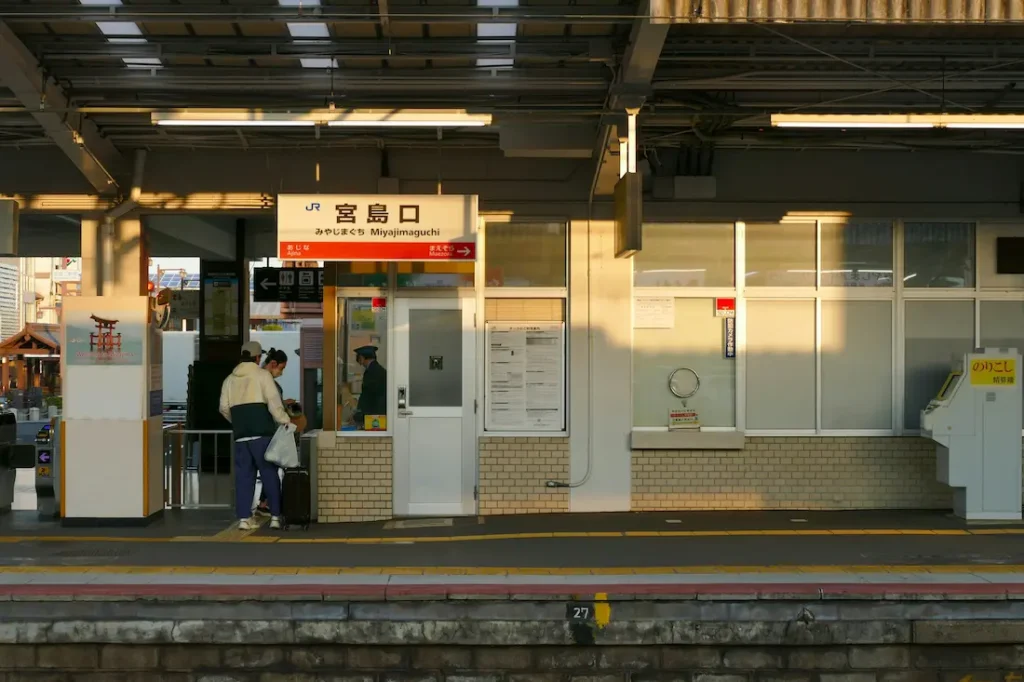
One of the best things we did was start using an IC card immediately.
A Welcome Suica or PASMO Passport lets you pay for:
- Trains
- Subways
- Buses
- Convenience stores
- Vending machines
- Some restaurants and shops
Instead of buying individual tickets every time, you simply tap in and out.
Traveling saves time, especially when you’re travelling with children and trying to catch trains.
Parent tip: Every traveller needs their own IC card. Children aged 6–11 can use a discounted child IC card, while children under six usually travel free when accompanied by a paying adult.
Cash is still widely used in Japan—and you’ll use more than you expect.
Even though Japan feels modern, we were surprised by how often we needed cash—especially at smaller restaurants in Kyoto, for tour guides, taxis, local attractions, and sometimes to top up IC cards. The good news is that getting cash is easy.
You don’t need to exchange large amounts at the airport. ATMs at 7-Eleven, Lawson, and other convenience stores accept international debit cards, and the fixed withdrawal fee (around ¥220 or $2.4) is very reasonable.
Know the local Japanese payment etiquette.
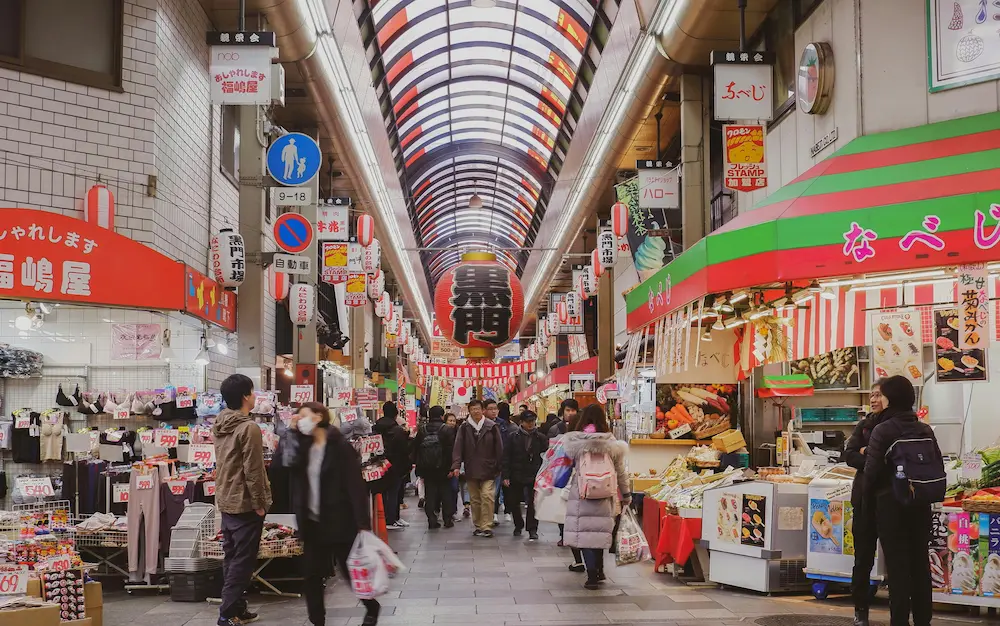
When paying in stores or restaurants, place your cash or card in the small tray at the register instead of handing it directly to the cashier. This is a common practice in Japan and helps transactions move smoothly and respectfully, especially when interacting with local shop owners.
No tipping culture in Japan.
Japan does not have a tipping culture. Service charges are already included, so you don’t need to carry extra cash for tips—something many US parents find refreshing.
Always carry your passport.
By law, foreign visitors are required to carry their passports at all times in Japan. A good passport wallet helps keep it safe and protected from rain, spills, or curious little hands.
Once you understand thes payments tips, Japan becomes incredibly easy to navigate day to day—even with kids in tow.
Food in Japan With Kids
(What Parents Worry About Most)
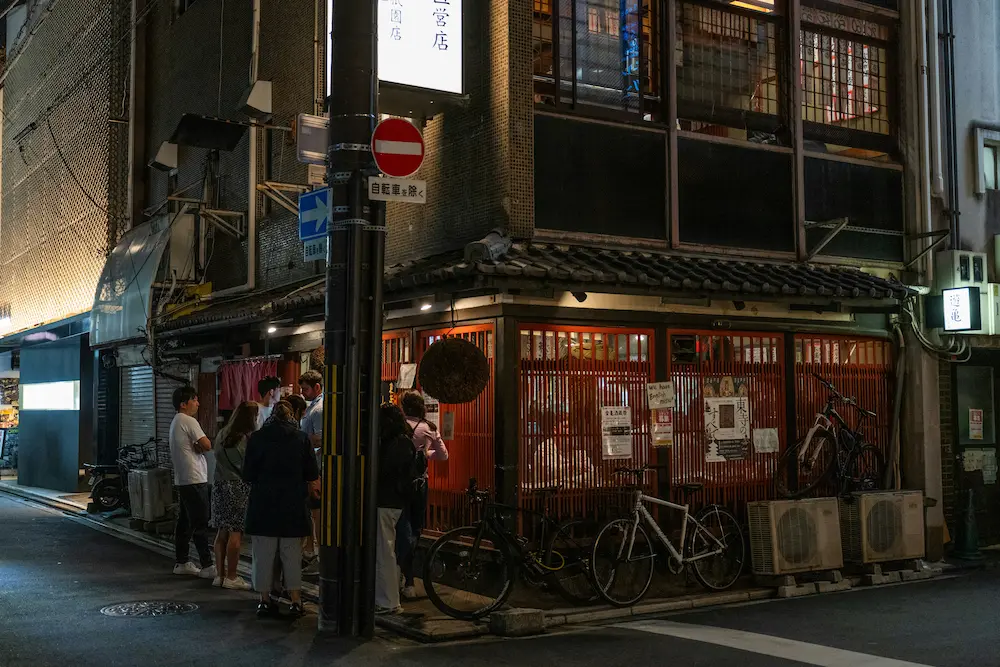
Let’s get this out of the way first: you and your kids won’t go hungry in Japan.
Food is often one of the biggest worries parents have before traveling in Asian countries—but Japan turned out to be far easier than we expected.
While our daughter might be an outlier (she genuinely enjoys trying new foods), we found that Japan offers plenty of simple, familiar, and kid-friendly options, even if your child is more cautious.
Convenience stores are a lifesaver for families.
Japan’s convenience stores—especially 7-Eleven, Lawson, and FamilyMart—are everywhere, and they’re genuinely useful when traveling with kids. We relied on them daily for breakfast, snacks, drinks, and quick meals. You’ll find fresh fruit, yogurt, sandwiches, rice balls, pastries, and warm meals that are far better quality than convenience stores in many other Asian countries.
Plain, familiar foods are easy to find.
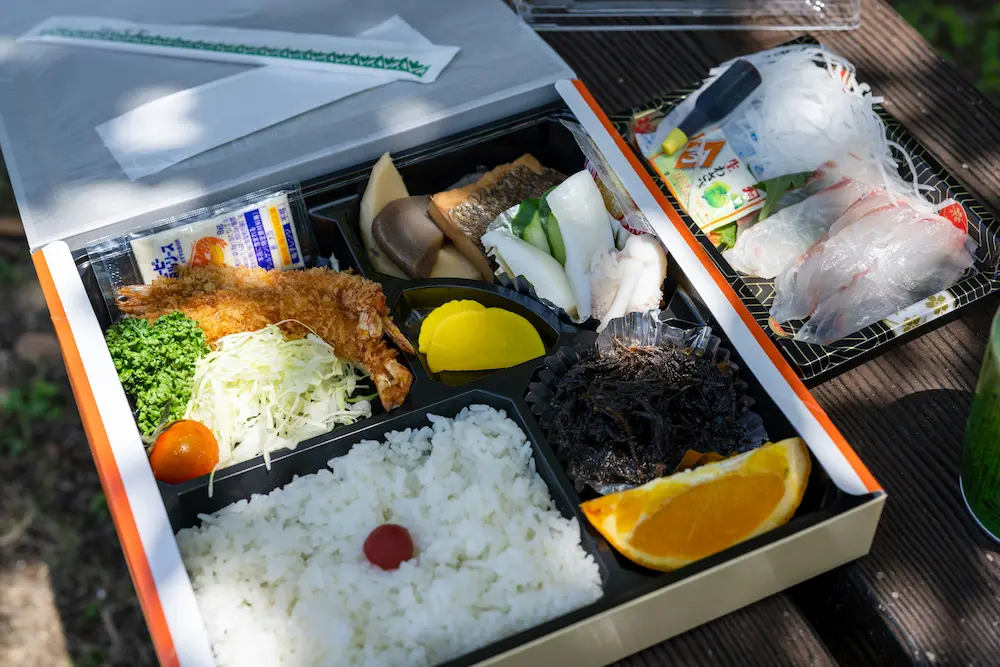
Even in Japanese restaurants, there are many dishes that work well for kids because they’re mild and comforting. You can even order the kids’ box in most of the restaurants or takeaway cafes.
Some of the foods our kids enjoyed (and that we’d recommend trying with little ones in Japan) include:
- Onigiri – rice balls with simple fillings, easy to grab on the go
- Edamame – lightly salted and fun to eat
- Tonkatsu – breaded pork cutlets
- Ramen – many mild options available
- Miso soup – gentle flavor with tofu
- Gyoza – dumplings similar to potstickers
- Tempura – lightly battered vegetables or shrimp
- Cucumber rolls – available at some sushi spots
- Yakisoba – stir-fried noodles with vegetables
- Karaage – Japanese fried chicken
In major cities or near tourists, it’s also very easy to find Western and international food if you need a break from Japanese cuisine.
Bring familiar snacks from home.
When everything looks, tastes, and feels different, kids often lean on familiar foods. We always packed a few favorite snacks from home—especially for travel days or long sightseeing stretches. If your household limits sugar, this is especially helpful, as many packaged snacks in Japan are sweeter than what some kids are used to.
Lactose-free milk is hard to find.
This is an important heads-up for families who rely on it. Lactose-free milk is surprisingly difficult to find in Japan. If your child needs it, we strongly recommend bringing UHT lactose-free milk from home, especially for babies and toddlers.
Be mindful of baby food options.
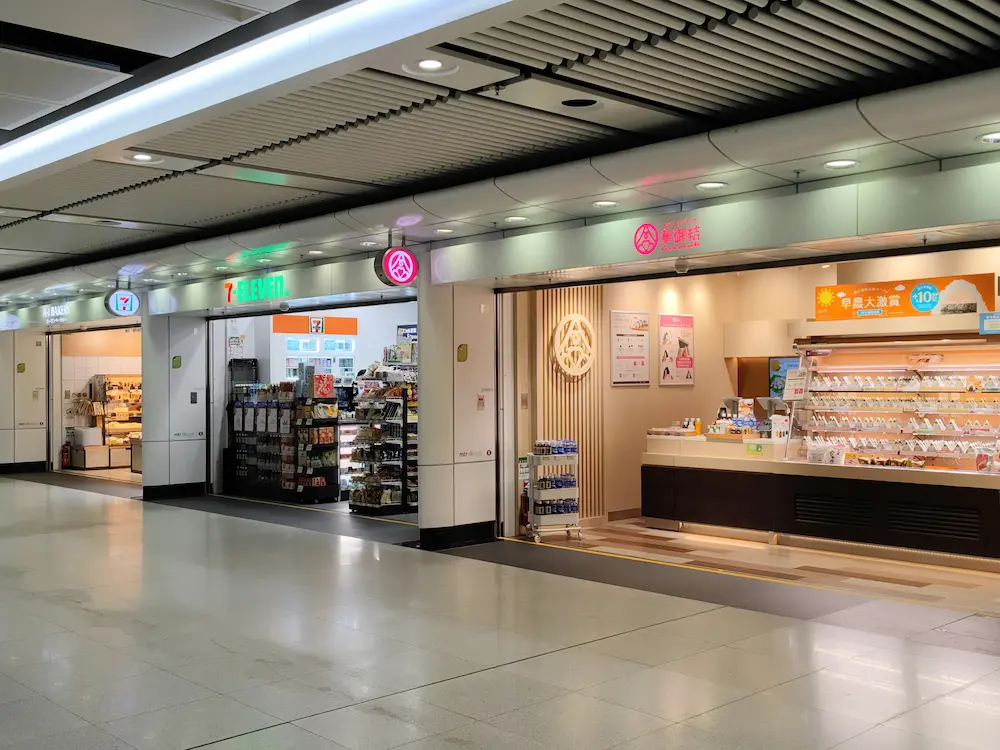
Japanese baby food often comes in jelly or purée form and can contain more sugar than some parents prefer. If you’re particular about what your baby eats, it’s worth bringing familiar baby food from home. Some families also choose to pack a small hand blender and prepare simple foods using fresh fruit and vegetables once in Japan.
Japan doesn’t expect kids to eat “adventurously”—and neither should you. With a mix of convenience stores, simple local dishes, and familiar snacks, feeding your family in Japan can be surprisingly stress-free.
Logistics & Daily Essentials
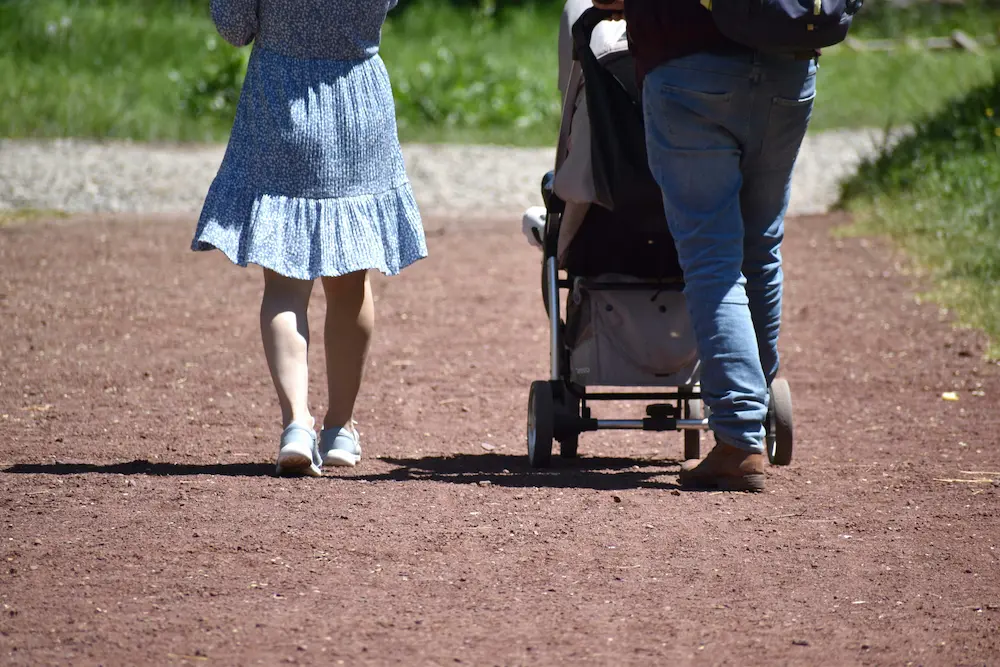
Japan is incredibly family-friendly, but the “daily grind” of travel feels different there. After two weeks on the ground, we realized that success isn’t about bringing more—it’s about bringing the right things to navigate unique Japanese quirks.
The “Japan-Specific” Golden Rules
- The Shoe Struggle is Real: You will take your shoes off at temples, play areas, and even some restaurants. Stick to slip-ons. Laces are your enemy when you’re juggling a toddler in a busy doorway.
- The Stroller vs. Carrier Debate: You need both. A compact, one-hand fold stroller is essential for long city days, but a baby carrier is the only way to navigate the stairs of Kyoto’s ancient shrines.
- The “No-Trash” Reality: Public bins are rare. We quickly learned to keep a stash of small plastic bags in our day pack for snack wrappers and “toddler chaos.”
- Konbini & Food Hacks: While Japan has amazing food, many cereals are sweetened, and high-chair straps are rare. We suggest bringing a small box of familiar low-sugar cereal and a portable high-chair safety belt for peace of mind.
🧳 Looking for our full, item-by-item checklist?
We’ve put together a comprehensive, parent-tested guide that covers everything from the specific meds you can’t bring into Japan to the “Parent Backpack” setup that saved our sanity.👉 Read the Ultimate Japan Family Packing List here
📱 The “Parent Tech” Stack: Essential Apps
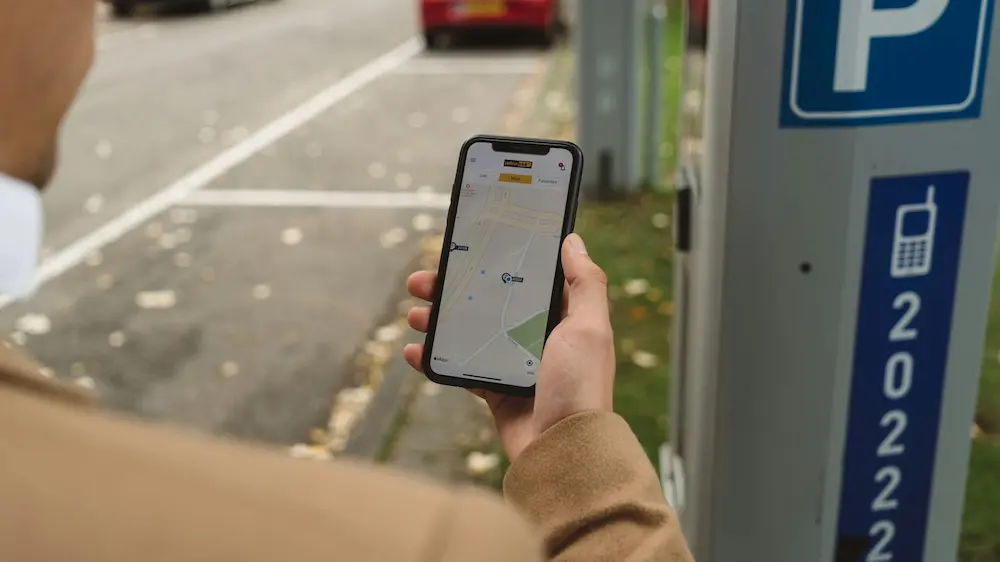
Navigating Japan is a digital game. Before you leave the airport, ensure these apps are on your home screen:
- Google Maps: Essential for platform numbers and finding the “stroller-friendly” elevator exits in massive stations.
- Google Translate: Use the “Camera” feature for menus and ingredient lists (especially helpful for allergies!).
- MamaPapaMap: This is gold. It shows you the nearest nursing rooms, diaper changing stations, and hot water points across Japan.
- Apple Wallet (Suica/Pasmo): If you have an iPhone, add your transit card to your wallet immediately. Tapping your phone at the gates is 100x easier than fumbling for physical cards with kids in tow.
Accommodation & Check-In Realities for Families in Japan
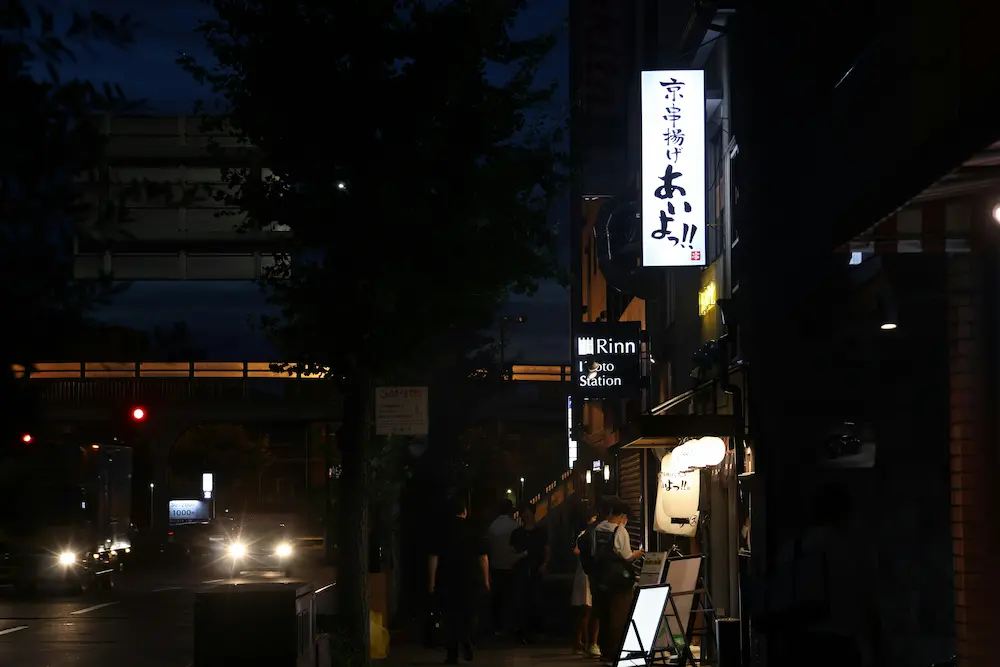
Accommodation in Japan works a little differently than what many families are used to. Understanding these differences ahead of time helps avoid frustration—especially when traveling with kids, luggage, and jet lag.
The most important thing to know is this: accommodation in Japan is about planning for comfort, not luxury. Once expectations are set, it becomes much easier to choose places that support a calm and enjoyable family trip.
Hotel rooms are smaller than you expect.
As I mentioned above, even family-friendly hotels in Japan tend to have much smaller rooms than hotels in North America or Europe. Always check the room size in square meters (sqm) before booking, not just the photos. Once you factor in luggage, a stroller, and kids, space can feel tight very quickly.
Cots and baby beds have limitations.
Many hotels offer cots, but they’re often small and intended for babies under one year old. Some properties won’t provide a cot for older babies or toddlers at all. If your child is close to the age limit or needs more space, a portable travel cot may be a safer option.
Airbnb options are more limited than they used to be.
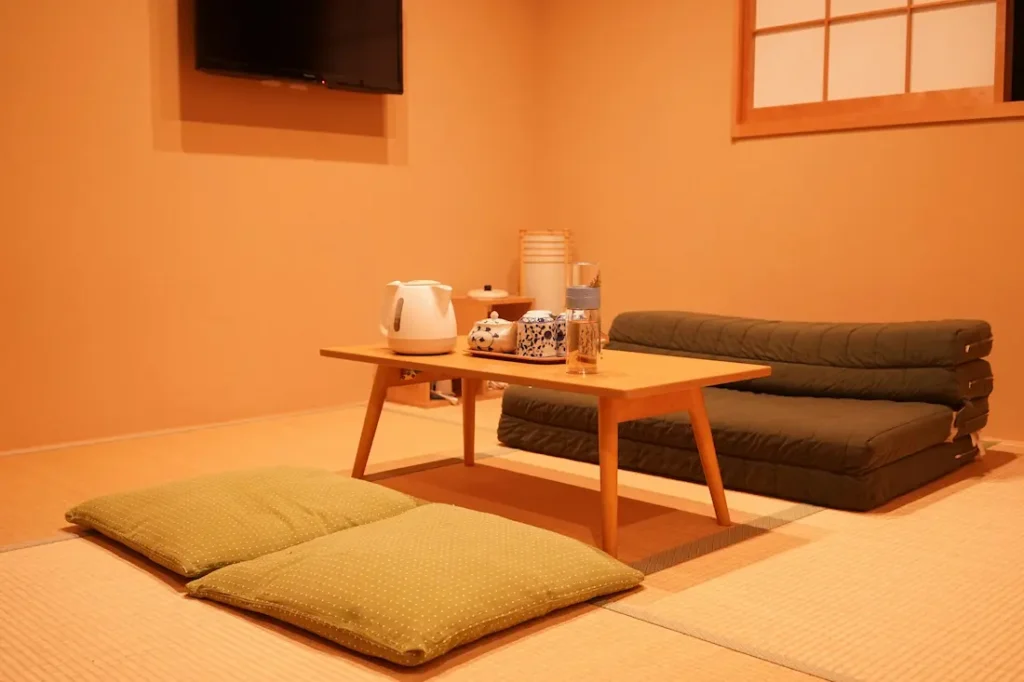
Japan’s short-term rental laws have changed, which means there are fewer Airbnb listings available—especially in central locations. While there are still great options, it’s important to:
- Choose properties with recent, detailed reviews
- Prioritize Superhosts
- Confirm how easy the location and key pickup process is
Also, keep in mind that Airbnbs don’t offer the same support as hotels—there’s no concierge to help with restaurant bookings, local advice, or calling a doctor if a child gets sick.
Early check-ins are hard.
Japanese hotels, hostels, and Airbnbs are very strict about check-in times, usually between 3:00 and 4:00 p.m. Early check-in is rarely available, which can be challenging if you arrive in the morning with tired kids.
Plan what to do with luggage after arrival.
Most hotels will store luggage before check-in, but Airbnbs usually won’t. Train stations often have coin lockers, though they can fill up quickly. It’s worth researching locker availability near your accommodation in advance.
Consider luggage forwarding services.
Japan has an excellent luggage forwarding system that allows you to send bags from the airport or between hotels. This can be a game-changer for families, especially when traveling between cities with strollers and kids.
Optional tip: Book the night before arrival.
If your flight arrives very early and you’re traveling with young children, consider booking the night before your arrival. It sounds excessive, but being able to check in immediately, shower, and sleep can make the first day far more manageable—especially after a long international flight.
Onsen Etiquette & Pools in Japan
(What You Need to Know)

Onsens (Japanese hot springs) and public pools can be a wonderful experience in Japan—but they also come with very specific cultural rules that families should understand before visiting.
Nudity is the norm in onsens.
In traditional onsens, bathing is done fully nude. This is part of Japanese culture and is centered around cleanliness and relaxation. Swimsuits are not permitted, and bathing areas are usually separated by gender. This can be surprising for families who aren’t familiar with the custom.
Children may face restrictions.
Not all onsens allow kids, and some have age limits or specific rules about whether kids can enter at all. In our experience, one hotel spa did not allow children unless they were bathing nude, which we weren’t comfortable with—so it’s important to check policies in advance if onsens are part of your plan.
Private onsens can be a good alternative.
Many family-friendly hotels and ryokans offer private onsen baths that can be reserved by the hour. These allow families to enjoy the experience together in a more comfortable, private setting.
Pools have their own rules, too.
Public and hotel pools in Japan often require swimmers to wear a swim cap. This is a hygiene rule and is strictly enforced. If your kids are sensitive to this or dislike shared caps, it’s worth bringing your own from home.
Onsens and pools can be a beautiful part of a Japan trip, but they’re very much opt-in experiences. Knowing the rules ahead of time helps you decide what works best for your family—and avoids uncomfortable moments once you arrive.
Things Parents Should Book in Advance When Traveling to Japan With Kids
Japan offers some truly magical experiences for children—but the keyword here is planning. Unlike many destinations where families can decide activities on the day, Japan’s most popular child-friendly experiences often require bookings. When traveling with kids, planning isn’t about over-scheduling—it’s about avoiding long waits, missed opportunities, and unnecessary stress.
Theme parks need planning.
Places like Tokyo Disneyland, DisneySea, and Universal Studios Japan are often highlights for families—but they are also extremely popular. Tickets, entry times, and even access to specific areas can be controlled through reservations and apps. Turning up without a plan can easily lead to long waits or disappointment.
Crowd calendars are worth checking.
Before booking theme parks or major attractions, look up crowd prediction calendars. Even on so-called “quiet days,” parks can feel busy, but choosing the least crowded option makes a big difference for kids’ energy levels and patience.
Apps are part of the experience.
Many major attractions rely heavily on their official apps for ride reservations, time slots, and entry permissions. Taking time to understand how these apps work before your visit saves a lot of stress on the day—especially when you’re juggling snacks, strollers, and tired little legs.
Why planning matters more with kids.
Children handle waiting, crowds, and overstimulation very differently from adults. Planning allows you to:
- Avoid peak congestion times
- Build in rest breaks
- Reduce uncertainty (which kids feel immediately)
Even if you only plan one key experience per day, Japan becomes far more enjoyable for families.
These experiences can be incredible highlights of a Japan trip—but they’re most enjoyable when expectations are set and logistics are handled in advance.
Common Mistakes Families Make in Japan
(Learn From Us)
These are mistakes we saw (and made ourselves) while traveling Japan with kids. Avoiding them will instantly make your trip smoother.
- Not bringing a stroller
Even for older toddlers and young kids, a stroller is essential. Japan involves long walking days, big train stations, and very few places to sit and rest. Parents who skip it often regret it within the first day. - Overpacking daily itineraries
Japan looks compact on a map, but moving between places takes time—especially with kids. Trying to fit too much into one day leads to overtired children and stressed parents. Fewer plans = better days. - Assuming last-minute bookings will work
Many attractions, theme parks, and experiences sell out weeks in advance. Waiting until you arrive can mean missing out entirely—something that’s especially hard with kids who were looking forward to it. - Ignoring heat and humidity
Japan can be very hot and humid, particularly from June to September. Without planning for slower afternoons, shade breaks, and hydration, kids can quickly become overwhelmed. - Not checking national holidays and closures
Smaller attractions often close on Mondays or Tuesdays, and national holidays can shift closing days unexpectedly. Skipping this step can lead to wasted travel time and disappointed kids.
Japan is incredibly family-friendly—but only when expectations are realistic. Learning from these common mistakes helps keep your trip calm, flexible, and enjoyable for everyone.
Safety, Health & Emergency Prep for Families in Japan
Japan is widely considered one of the safest countries in the world—but traveling with kids means preparing for the unexpected, even in the safest places. A little planning here goes a long way in keeping your family calm and protected.
Register with your country’s embassy.
Before you travel, register your trip with your embassy or consulate. This allows them to contact you in case of emergencies, natural disasters, or important safety updates. It takes only a few minutes and provides extra peace of mind when traveling with children.
Know the emergency numbers.
Japan’s emergency numbers are:
- 110 for police
- 119 for fire and ambulance
Check the official webiste beforehad and save these on your phone before arrival. While emergency responders are efficient, English may be limited in Japan. Having your accommodation address written down can be very helpful.
Do not travel without insurance.
Travel insurance is essential for family trips to Japan. Medical care is excellent but can be expensive without coverage. Make sure your policy includes:
- Medical treatment for children
- Emergency evacuation
- Trip delays or cancellations
Locate nearby hospitals in advance.
Before you arrive in each city, identify the nearest hospital or international clinic to your accommodation. This saves precious time if a child becomes ill or injured and removes panic from the situation.
Pack a basic medication kit from home.
Some medicines are difficult to find in Japan or may be labeled differently. We recommend bringing a small, well-organized kit that includes:
- Paracetamol and ibuprofen (child-safe doses)
- Antihistamines
- Thermometer
- Oral rehydration salts
- Insect repellent
- Basic first-aid supplies (bandages, antiseptic wipes)
If your child needs prescription medication, bring enough for the entire trip along with a copy of the prescription.
Being prepared doesn’t mean expecting problems—it means knowing you can handle them calmly if they arise. With these basics covered, Japan feels even safer and more manageable for families.
How to Start Planning Your Family Trip to Japan
If there’s one piece of advice we’d give parents planning Japan for the first time, it’s this: start slow.
Japan is not a country you need to rush through. In fact, families enjoy it most when they pick one base city, settle into a rhythm, and then add easy day trips rather than changing hotels every night. This approach reduces packing stress, limits travel fatigue, and gives kids the consistency they need to feel comfortable.
Once you’ve worked through the essentials in this guide, the next step is choosing where to base yourselves. Many families start with:
- Tokyo with kids – for its transport ease, parks, museums, and day trips.
- Kyoto with kids – for culture, temples, and slower-paced neighborhoods.
- Osaka with kids – for food, friendly vibes, and family attractions.
From each city, there are excellent day trips that let you experience nature, quieter towns, and cultural highlights without moving accommodation. Building your trip this way keeps days flexible and expectations realistic—especially when traveling with young children.
Japan is a country of contrasts. One moment you’re navigating the energy and chaos of a busy city street; the next, you’re standing in complete calm at a temple, garden, or quiet neighborhood park. It’s this balance that makes Japan so special for families.
What stayed with us most wasn’t just the places we visited, but how safe, respected, and welcomed our children felt. The kindness of strangers, the thoughtfulness built into everyday life, and the small moments—snacks from a convenience store, quiet train rides, early-morning walks—are the things your kids will remember long after the trip ends.
With the right preparation, Japan isn’t overwhelming—it’s deeply rewarding. And for families willing to slow down and meet it on its own terms, it can become one of the most meaningful trips you’ll ever take together.

FOUNDER • FAMILY TRAVEL WRITER • MUM OF TWO
About the Author
Hi, I’m Shivani, the founder of Roaming Crew.
Based in Singapore and having lived in different parts of Asia—including two years in India—I’ve explored 18+ destinations across the region, with 12+ of those journeys taken alongside my young kids.
From choosing family-friendly destinations and navigating local transport to budgeting, accommodation, and practical travel logistics, Roaming Crew is created with a parent-first mindset.