
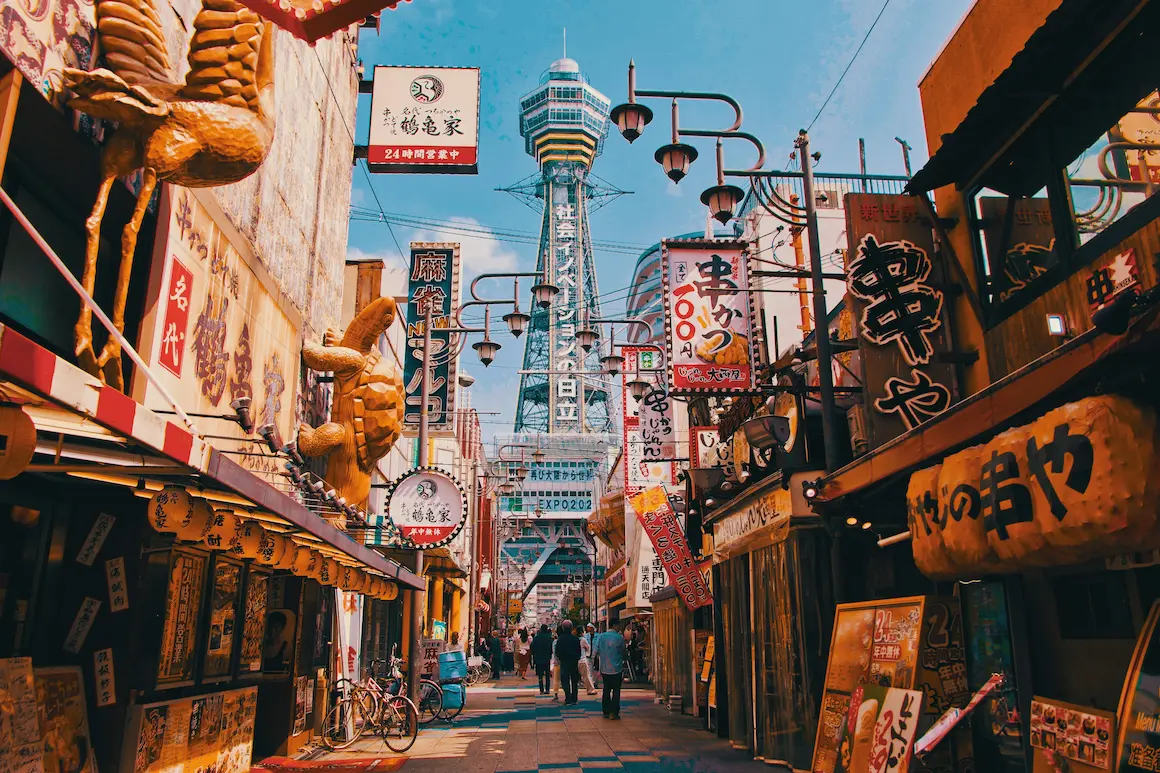
Planning Osaka with kids or toddlers? You might be surprised how easy — and genuinely enjoyable — it can be.
After four busy days exploring Tokyo with our two little ones, we hopped on the Shinkansen bullet train to Osaka. Honestly, we were nervous. Osaka is famous for neon-lit street food and nightlife, which doesn’t exactly scream “toddler-friendly travel.”
But Osaka completely caught us off guard. It quickly became one of our favorite family stops in Japan.
Osaka is one of the easiest cities in Japan for a family vacation. From world-class aquariums and toddler-friendly attractions to easy day trips to Kyoto and Nara, Osaka offers the perfect mix of excitement and convenience for families traveling with kids.
Whether you’re planning a 3-day Osaka itinerary with kids or wondering if Osaka is family-friendly, this guide shares everything we learned while exploring the city with our little ones.
If you’re still deciding how Osaka fits into your wider Japan route, our Japan with kids planning guide can help you plan a calmer, more family-friendly trip across the country.
⭐ Osaka With Kids at a Glance
Getting Around: ⭐⭐⭐⭐☆
Easy trains, shorter distances, and less exhaustion than Tokyo.
Stroller Friendly: ⭐⭐⭐⭐☆
Most major stations have elevators, but expect occasional stairs.
Toddler-Friendly Attractions: ⭐⭐⭐⭐⭐
Aquariums, castle parks, indoor play spaces, and easy food stops everywhere.
Food for Picky Eaters: ⭐⭐⭐⭐⭐
One of the easiest cities in Japan for family meals and snack breaks.
Day Trips: ⭐⭐⭐⭐⭐
Kyoto, Nara, and Kobe are all easy to get to from Osaka.
Crowds: ⭐⭐⭐☆☆
Dotonbori and Universal Studios can feel hectic during evenings and weekends.
Overall Family Experience: ⭐⭐⭐⭐⭐
One of the easiest and most enjoyable bases in Japan for families
Quick Answer: Is Osaka Good for Families?
Yes! Osaka is one of the most family-friendly cities in Japan. Families love Osaka for its excellent public transport, kid-friendly attractions, spacious hotels, and easy access to Kyoto and Nara. Most families spend 3-5 days in Osaka, making it an ideal destination for toddlers, babies, and school-age children.
Best for:
- Toddlers and preschoolers
- First-time Japan visitors
- Family vacations
- Easy day trips
- Indoor attractions
This post may contain affiliate links. If you book through them, we may earn a small commission at no extra cost to you. Read our Affiliate Disclosure.
Best Things to Do in Osaka With Kids
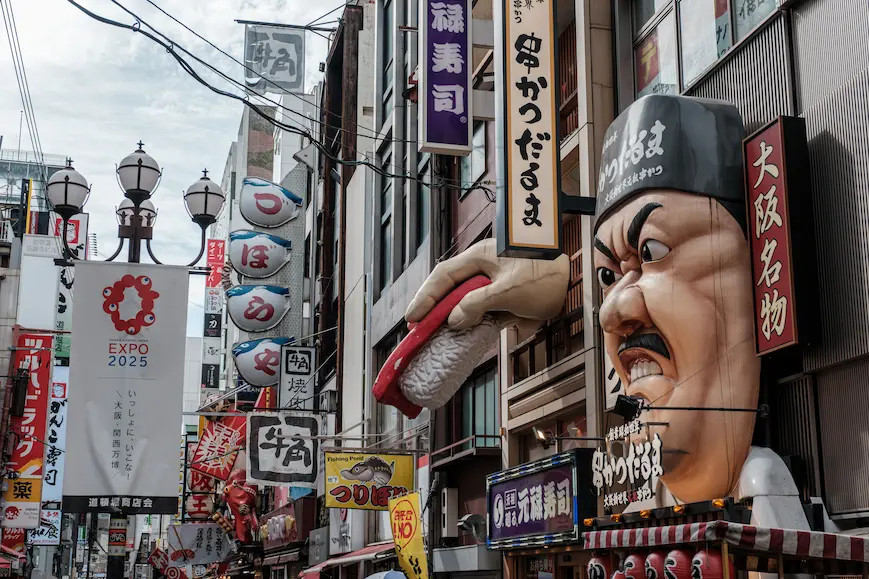
If you’re visiting Osaka with kids for the first time, you don’t need to squeeze every attraction into your itinerary. Osaka has an excellent mix of aquariums, indoor play spaces, theme parks, cultural sights, and easy evening experiences that work particularly well for families.
Our top picks are Osaka Aquarium Kaiyukan for all ages, Kids Plaza Osaka for toddlers and younger children, Universal Studios Japan for a big family day out, and Osaka Castle Park for an easy low-cost stop.
Below, we’ve grouped the best things to do in Osaka with kids by family style, so you can quickly choose what works for your children’s ages, the weather, and your itinerary.
Quick Guide: Best Osaka Attractions by Family Style
| If Your Kids Love… | The Absolute Best Attraction | Quick Parent Verdict |
| Sea Life & Animals | Osaka Aquarium Kaiyukan | ✔ Must-Visit. Mesmerizing for all ages, highly stroller-friendly. |
| Indoor Creative Play | Kids Plaza Osaka | 🏆 Top Pick. The ultimate rainy-day or summer heat escape. |
| Theme Park Thrills | Universal Studios Japan (USJ) | ⚠ Older Kids Only. Incredible but exhausting with toddlers. |
| Preschoolers & LEGOs | Legoland Discovery Center | ✔ Toddler Win. Calm, indoor half-day building zone. |
| Castles & Running Room | Osaka Castle Park | ✔ Free Play. Massive playground and ideal picnic spaces. |
| Quirky Culture | Namba Yasaka Shrine | 📸 Quick Stop. A giant 12-meter lion head kids will never forget. |
| Hidden Free Games | Osaka Sewerage Science Museum | 💎 Hidden Gem. High-tech virtual drone games and zero crowds. |
| Neon Lights & Snacks | Central Dotonbori Strip | 🐙 Iconic. Go in the late afternoon to beat the heavy crowds. |
| Sky-High Skyline Views | Abeno Harukas (Harukas 300) | 🏙 Breathtaking. Flawless view with a wide, indoor wooden deck. |
| Retro Vibes & Arcades | Shinsekai Street | 🗼 Fun Vibe. Vibrant colors, retro games, and cheap skewers. |
🐠 Best Indoor Attractions: Rainy Day & Summer Heat Rescues
1. Osaka Aquarium Kaiyukan
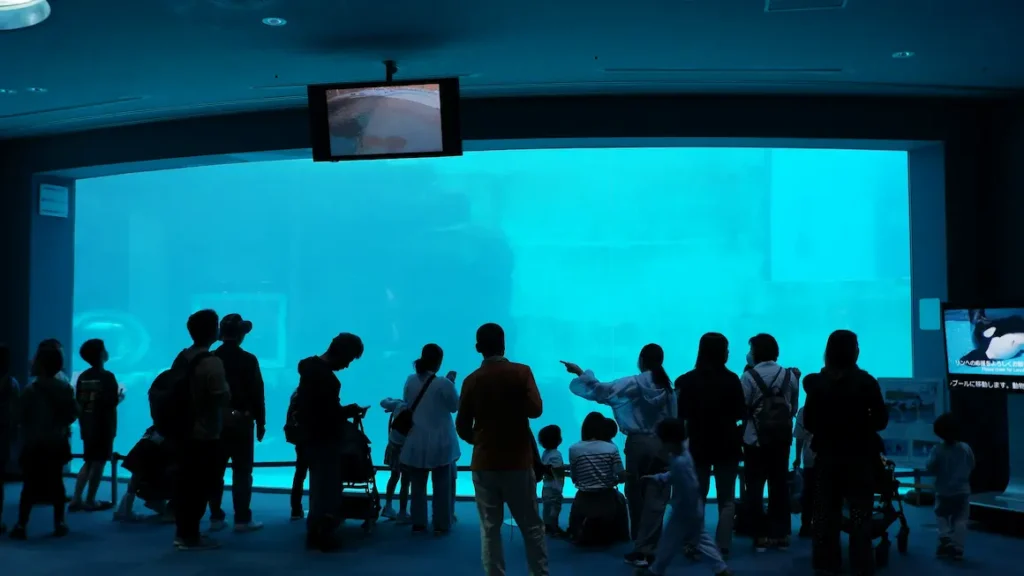
This world-class aquarium instantly became one of our family’s favorite stops in Japan.
What makes it incredibly brilliant for parents is its architectural layout. You take an elevator straight to the top floor and slowly walk down a single, continuous, gently sloping ramp that spirals around a massive central ocean tank.
- The Highlights: Watching the two resident giant whale sharks and playful manta rays glide past. The glowing jellyfish completely hypnotized our kids.
- Stroller & Toddler Verdict: Highly accessible with wide aisles, clear glass viewing panes at toddler height, and plenty of quiet rest benches.
- Parent Survival Tip: Midday crowds during summer (June–August) and weekends are intense. Pre-book your timed-entry tickets online weeks in advance and aim for the earliest morning slot.
Tickets are around ¥2,400 for kids (¥2,700 for adults), and it pairs well with the nearby Ferris wheel for a full day by the bay.
2. Kids Plaza Osaka
If you hit a sudden summer downpour or intense afternoon humidity, head straight here. This multi-story indoor paradise is part interactive science museum, part cultural discovery zone, and part massive indoor climbing castle designed by Austrian artist Friedensreich Hundertwasser.
- The Highlights: Our daughter spent hours running a miniature Japanese supermarket (complete with working barcode scanners and registers), role-playing as a postal worker delivering mail through custom tunnels, and launching giant bubble experiments. We spent nearly 3 hours here, and honestly, it could have been an all-day activity.
- Why Parents Love It: It features free stroller storage, pristine nursing rooms, and a dedicated indoor lunch area for eating convenience-store snacks. It is one of the few places where kids can play completely safely while parents relax.
Things to Know Before Visiting Kids Plaza Osaka:
- Opening hours: 9:30 AM–5 PM (closed Mondays).
- Tickets: Around 1,400 yen for adults, 800 yen for kids (3–15 years). Children under 3 are free.
- Facilities: Nursing rooms, changing stations, and lockers for storage.
- Access: About 10 minutes from Osaka-Umeda Station.
Parent tip: If your family trip is packed with sightseeing, adding one of these kid-friendly indoor attractions or theme parks can balance the schedule—giving children their “play day” while you get a break too.
3. Osaka Sewerage Science Museum
This is the ultimate off-the-beaten-path hidden gem, and it is completely free to enter. We discovered it through an obscure travel forum and practically had the entire high-tech facility to ourselves.
- The Highlights: It is packed with interactive video games where kids can pilot virtual underground drones to clean water pipes, explore immersive water catchment tunnels, and conduct hands-on environmental experiments.
- Why Parents Love It: Absolutely zero tourist crowds, highly air-conditioned, and located an easy, stroller-friendly distance from Yodogawa Station. It’s a gold mine for an easy 2- to 3-hour break.
4. Legoland Discovery Center Osaka
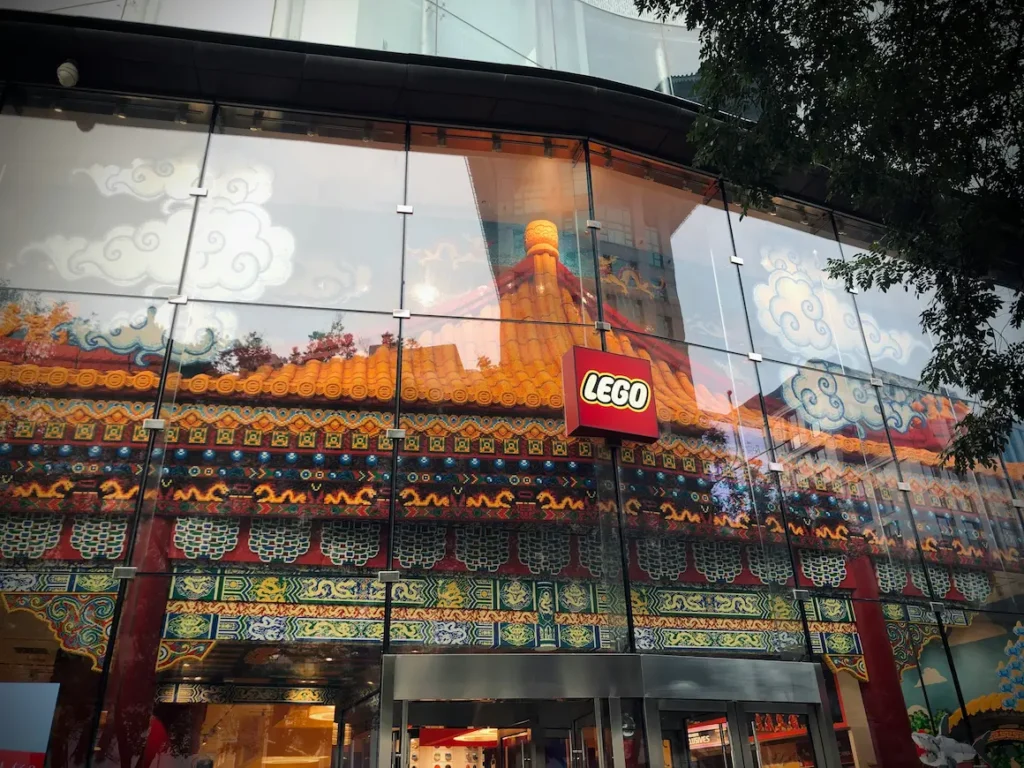
Located directly across from the aquarium in Tempozan Harbor Village, this indoor attraction works best as a half-day activity for families traveling with toddlers and preschoolers aged 3–6.
- The Highlights: A stunning “Miniland” cityscape built from over 1.5 million LEGO bricks that transitions between day and night, alongside interactive building workshops and soft-play climbing zones.
- Parent Survival Tip: It is much smaller and calmer than a massive theme park, making it easy to keep an eye on your kids. Book a combined ticket online with the aquarium to save a few extra yen.
- Book tickets online to save (around ¥2,400), and note that adults can’t enter without kids—so it truly is a family-first space.
Best Sky-High & Landmark Viewpoints
1. Abeno Harukas (Harukas 300 Observatory)
Standing at a staggering 300 meters, this is the tallest skyscraper in Japan. If you want a premier view of the city, we highly recommend this over other crowded choices. The Harukas 300 observation deck features floor-to-ceiling glass walls and a massive, open-air central wooden atrium deck where kids can run safely while parents peek straight down at the sprawling trains below.
- The Logistics: On a clear day, you can see all the way to Kobe and Awaji Island. Tickets are roughly ¥2,000 for adults, ¥700 for elementary kids, and ¥500 for preschoolers (toddlers under 4 are free).
- Why Parents Love It: Tickets are sold on the 16th floor, which connects directly to a massive Kintetsu department store filled with incredible family-friendly restaurants. It makes combining a major sightseeing view with a stress-free lunch completely effortless.
2. Umeda Sky Building
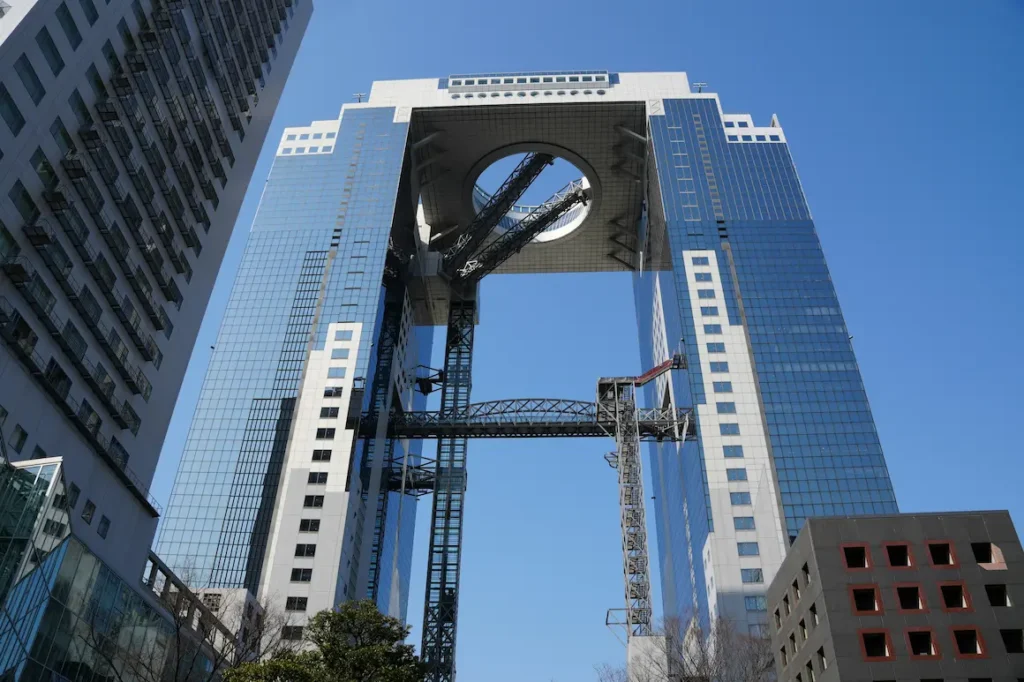
This is one of Osaka’s most striking architectural landmarks, famous for its outdoor escalator tunnels that cut through the sky and its iconic Floating Garden Observatory.
- The 16th-Floor Budget Hack: While accessing the premium rooftop at night requires a paid ticket, you can ride the glass elevators up to the 16th floor completely free during the day. It offers a sweeping, panoramic view of the Osaka skyline without costing your family a single yen.
- The Secret Basement Food Alley: Don’t leave the building once you finish looking at the view. Take the elevators down to the basement level. The entire floor is designed to look exactly like a nostalgic, old-school Showa-era Japanese street market alley. It is packed with incredibly charming, family-friendly eateries—making it a perfect, highly immersive spot for a quiet dinner away from the elements.
Just nearby, you’ll find the Osaka Museum of Housing and Living, a fantastic place for families who love history. Here, you can wander through a life-sized Edo-period town and try on a traditional yukata. I have given details in the section below.
If you’re traveling with younger kids, add Kids Plaza Osaka to your itinerary. Just a short ride from Umeda Station (or a 10-minute walk from the museum), it’s an interactive children’s museum with play zones, science exhibits, and role-play areas.
Honestly, you could spend an entire day here without kids getting bored—it’s one of the most family-friendly spots in Osaka.
3. Tempozan Harbor Village & Tempozan Ferris Wheel
Standing at a staggering 112 meters tall, the iconic Tempozan Ferris Wheel is one of the biggest Ferris wheels in the world. Located directly adjacent to the aquarium inside the greater Tempozan Harbor Village waterfront district, it is an effortless, low-stress addition to your itinerary.
- The Highlights: The gentle, slow-moving 15-minute rotation gives toddlers a thrilling sense of adventure without being scary. On clear days, parents are treated to spectacular, panoramic views across the active Osaka Bay area all the way to Mt. Ikoma.
- The Cabin Choice: When lining up, you can choose between a standard cabin or one of the fully transparent, see-through “glass-bottom” cabins for an extra kick of excitement!
- Why Parents Love It: The wheel sits right on top of the Tempozan Marketplace shopping complex. This indoor hub features extensive, casual food courts, baby-changing stations, and plenty of souvenir shops, making the entire harbor plaza an incredibly easy, self-contained half-day destination for families with strollers.
Best Theme Parks & Big Ticket Landmarks
1. Universal Studios Japan (USJ)
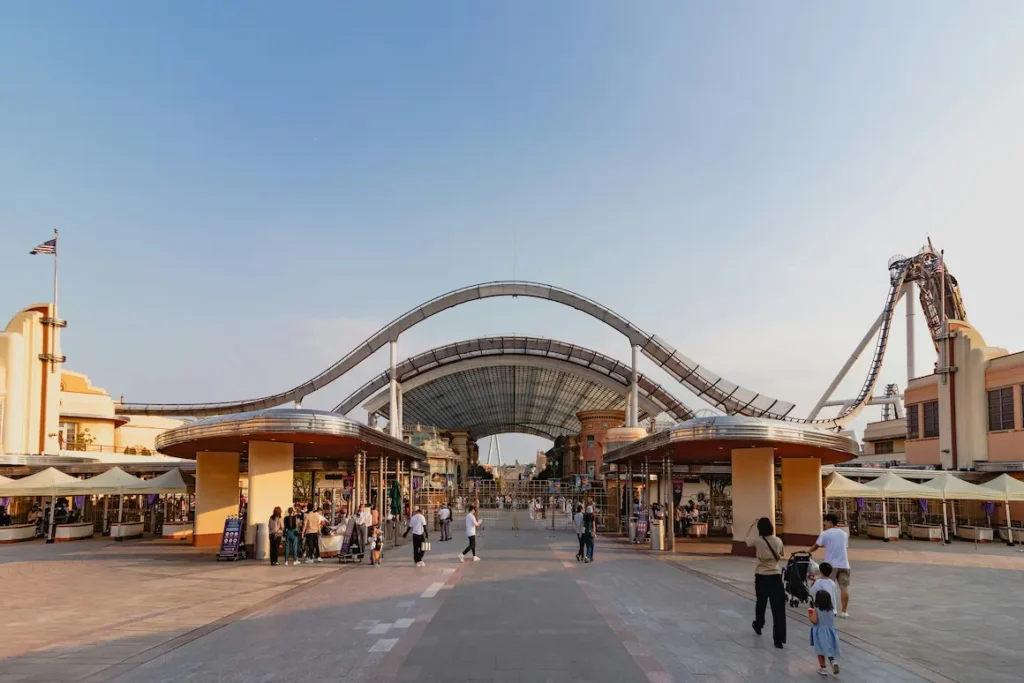
Universal Studios Japan is easily Osaka’s most famous commercial landmark, but as real parents, we believe you need a major reality check before dropping your family here.
- The Honest Truth: Super Nintendo World and Minion Park are visual masterpieces. However, USJ is intensely crowded, loud, and can be deeply frustrating with toddlers. Most of the premier rides have strict height requirements of 122 cm or taller, meaning younger kids are stuck waiting in long lines just to look at things.
- The Cost Warning: Between general entry tickets and the virtually mandatory Express Passes (required to bypass 120-minute queues), a day here for a family of four can easily breach $780 USD, as tickets start at ¥8,600 for adults and ¥5,600 for kids.
- Our Recommendation: If your kids are older gamers or die-hard Nintendo fans, budget for the Express Passes early and go. If you are traveling with babies or young toddlers, skip USJ entirely and focus your budget on Tokyo Disneyland, which is infinitely calmer and costs a fraction of the price.
Best Cultural Experiences: Historic & Playful Sights
1. Osaka Castle Park
(Grounds: Yes | Castle Interior: Optional)
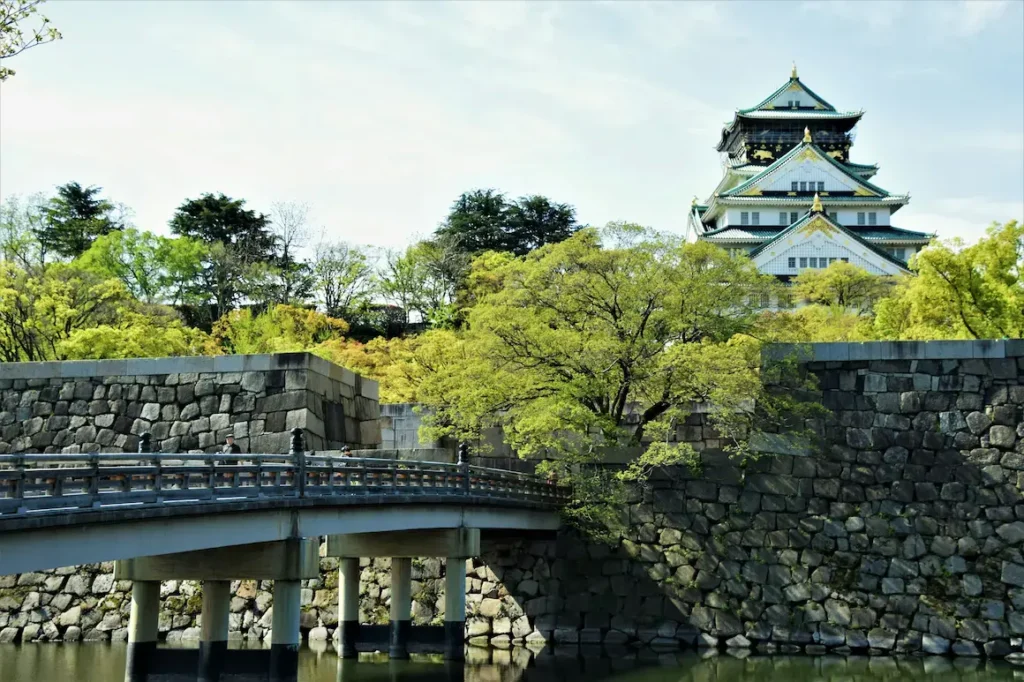
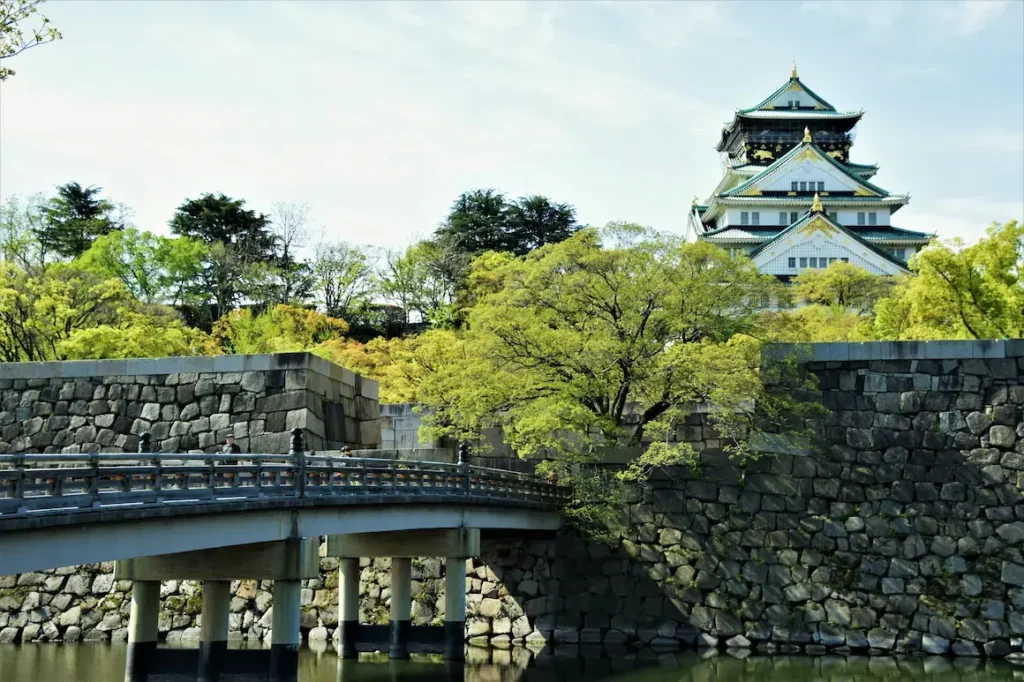
Osaka Castle is an absolute must-visit, but the real magic for families happens entirely outside the castle walls. The sprawling historic park features wide, paved walking paths, open grass lawns, and seasonal cherry blossoms.
- The Highlights: Hit the Kodomo Tenshukaku (Children’s Castle) playground located on the eastern side of the park. It features a massive wooden climbing fort, rope nets, and a giant rolling slide that our kids went down repeatedly.
- Parent Survival Tip: The line to take the elevator up inside the castle tower can stretch past an hour in the sun. If you have toddlers, skip the interior museum entirely. Grab fresh pastries from a bakery, sit under the trees, and let the kids run wild while you enjoy the views of the stone moats.
- The 30-Day Ticket Trap: If you pre-purchase your Osaka Castle entry tickets online via platforms like Klook, be aware that they are only valid for 30 days from the date of purchase. Don’t buy them too early in your planning cycle! Entry prices are ¥600 for adults and free for kids under 15.
- The Best Playground Route: If your main goal is letting your kids tackle the massive roller slides at the Kodomo Tenshukaku (Children’s Castle) Playground, do not use the main castle front gates.
- Instead, take the train directly to Morinomiya Subway Station (Exit 1 is a 1-minute walk) or JR Morinomiya Station (a 2-minute walk). This completely bypasses the long, uphill trek through the castle grounds, saving your children’s leg energy for the playground itself.
2. Namba Yasaka Shrine (Lion Head Shrine)
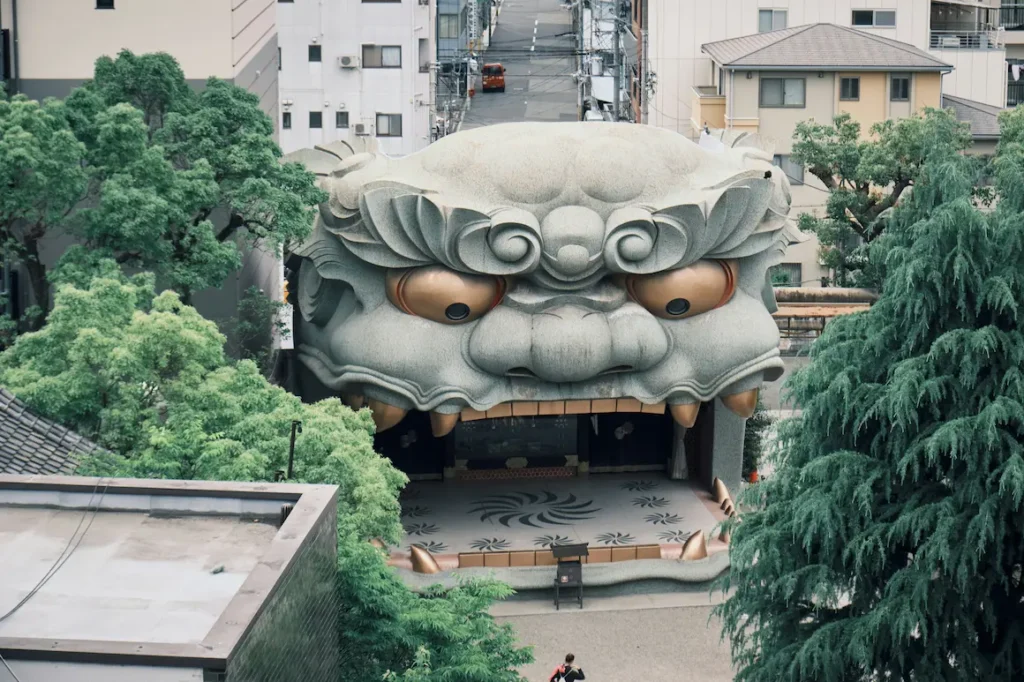
If you want to introduce your children to traditional Japanese culture without them getting bored, this quiet neighborhood shrine is the perfect 20-minute stop.
- The Highlights: Standing right in the middle of the courtyard is a spectacular, 12-meter-tall stage shaped like a massive, roaring lion head with fierce green eyes and brass teeth. Local tradition says the lion’s open mouth swallows evil spirits and brings good luck.
- Why Parents Love It: It is completely free, easily accessible with a stroller, and located away from the overwhelming tourist crush of central Namba, just a short walk from Namba Station. Kids find the structure playful rather than intimidating, making for an unforgettable family photo.
3. Osaka Museum of Housing and Living
Ever wanted to know what Japan looked like hundreds of years ago? This indoor museum features a life-sized, fully reconstructed neighborhood street from the Edo Period.
- The Highlights: Kids can physically walk inside traditional old merchant homes, peer into vintage kitchens, and play with wooden Japanese toys. The museum even uses special lighting and sound effects to simulate a full day-to-night cycle, complete with indoor rainstorms and fireworks.
- Stroller Verdict: Fully elevator-accessible and stroller-friendly, offering a wonderfully calm and educational atmosphere.
🌃 Best Outdoor & Evening Experiences
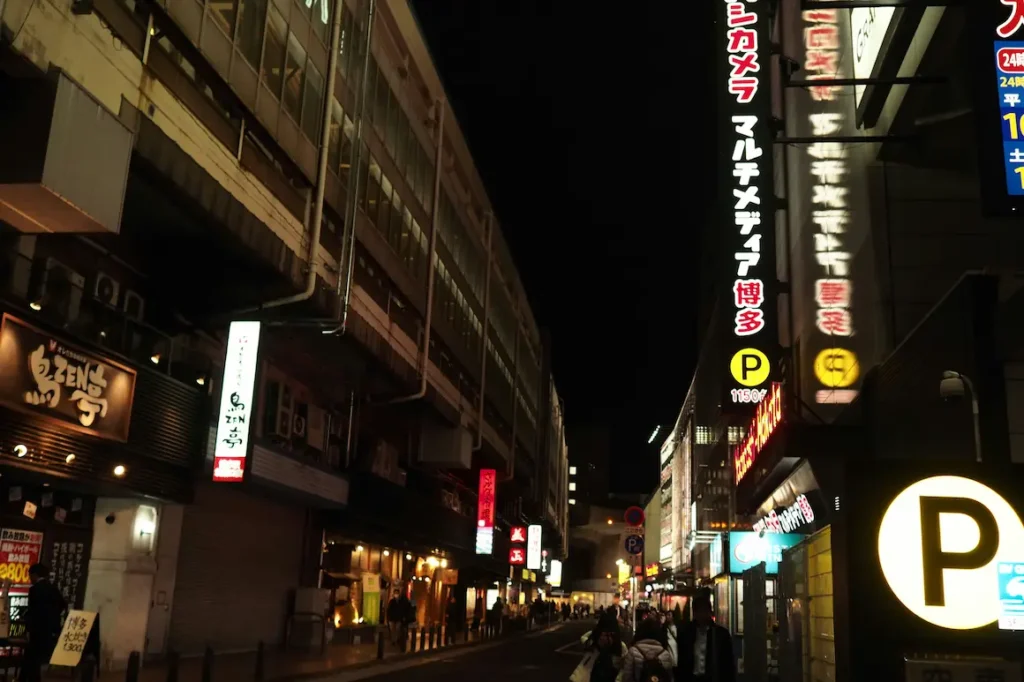
1. Dotonbori Neon Strip
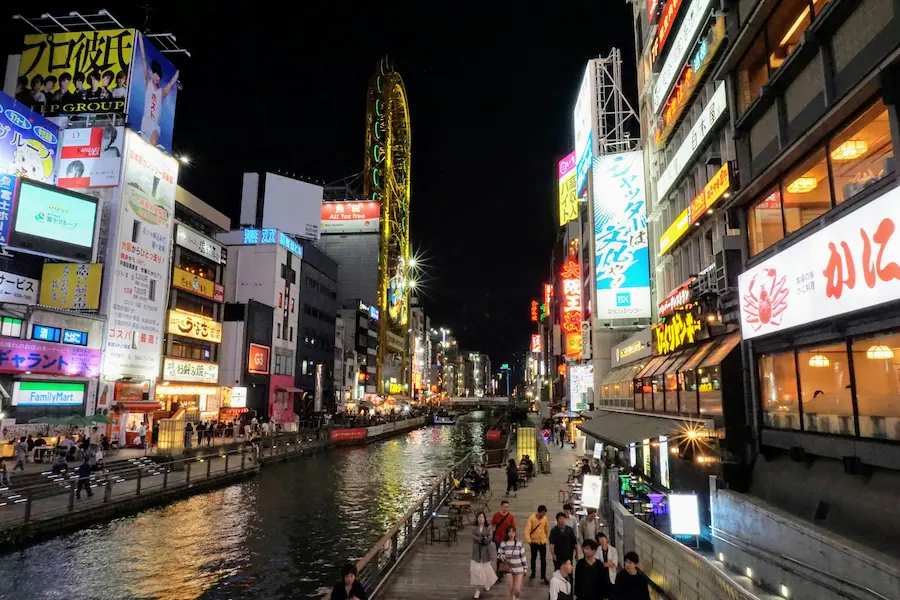
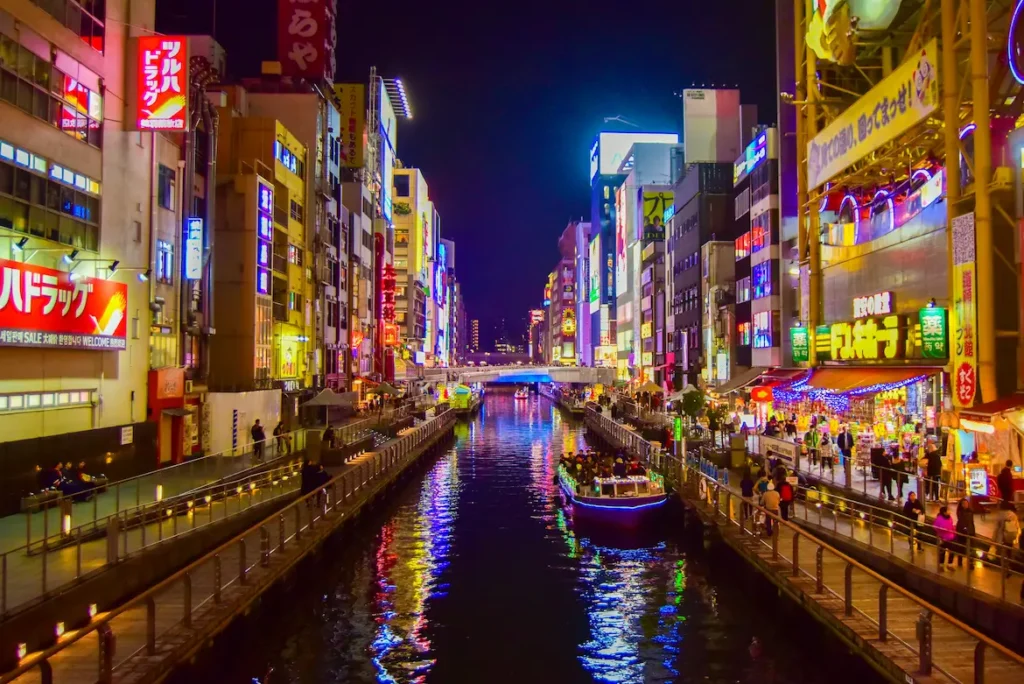
Dotonbori is loud, sensory-overloading, chaotic, and heavily touristed—but you still absolutely have to see it once with your kids.
Timing Strategy: Go during the late afternoon or early evening (around 4:30 PM). The neon signs turn on, the street vendors start grilling, but the heavy adult nightlife crowds haven’t arrived yet. Avoid Dotonbori entirely on Friday and Saturday nights with toddlers, as the streets get incredibly tight and messy.
The Highlights: Watching the giant, mechanized red octopi and moving crabs shake their legs on the storefront facades, walking along the canal boardwalk, and grabbing the classic arms-up selfie with the iconic Glico Running Man sign.
The Glico Rule: The famous Glico Running Man sign switches off at 9:00 PM sharp every night. Grab your family photos before then!
The Don Quijote Wheel: You will see a massive yellow Ferris wheel wrapping around the Don Quijote discount store right on the canal. Skip it with kids. The wait lines are painfully long, the cart movement feels cramped, and restless toddlers get impatient before you even board.
The Impatient Eater Rescue: If your children are hitting a wall but need a refreshing, healthy treat, walk a few paces to Fruits Collection Kakumi. While the fruit cups (loaded with premium seasonal watermelon, mango, and fresh grapes) are pricier than those at a convenience store, the quality is exceptional. Kids love looking at the famously expensive Japanese “gift melons” displayed in the shop window!
A Lightweight Souvenir Stop: Just a five-minute walk from Dotonbori Bridge, inside the covered Ebisubashi Shopping Arcade, look for a small jewelry store called Rin. They sell incredibly affordable, lightweight, and unique silver charms shaped like Mt. Fuji, origami cranes, and hiragana characters. It’s the perfect place to grab a meaningful, travel-friendly souvenir that won’t take up precious space in your suitcases.
2. Shinsekai Street
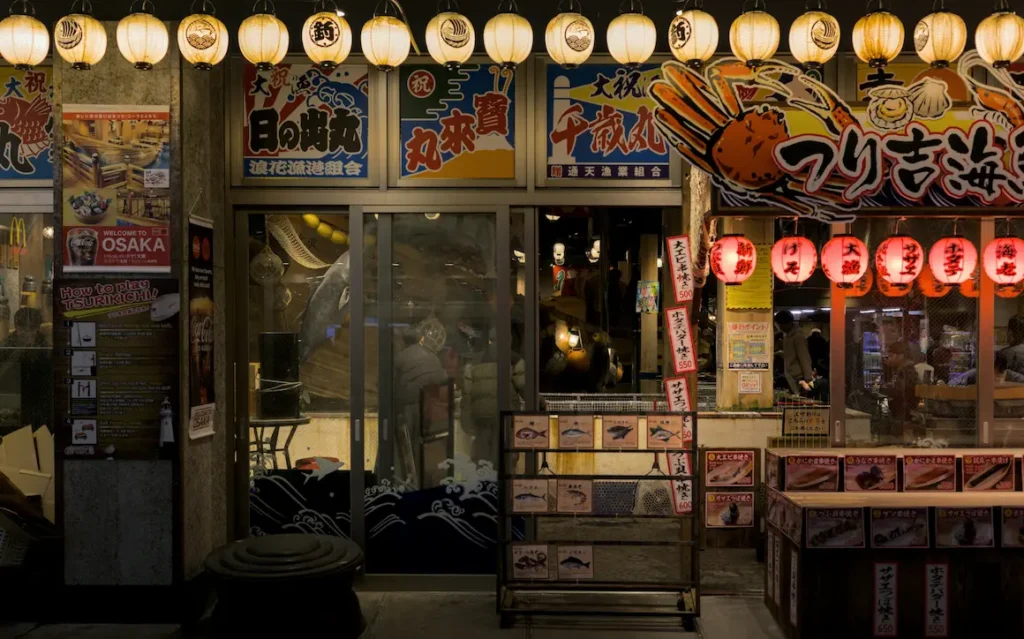
Originally built in 1912 and partially modeled after Paris, Shinsekai (“New World”) feels like a vibrant slice of Osaka frozen in time. Packed with glowing neon tower signs, retro arcade storefronts, and casual food flags, it delivers that same colorful aesthetic as Dotonbori but feels significantly less overwhelming to navigate during the daytime.
- The Highlights: Kids love looking at the giant blowfish lanterns hanging over the streets and exploring the retro gaming shops, while parents can sample affordable, hot Kushikatsu (delicious deep-fried meat and vegetable skewers) from the local vendors. It’s an excellent, highly photogenic afternoon stroll.
3. Nakanoshima Park, Osaka
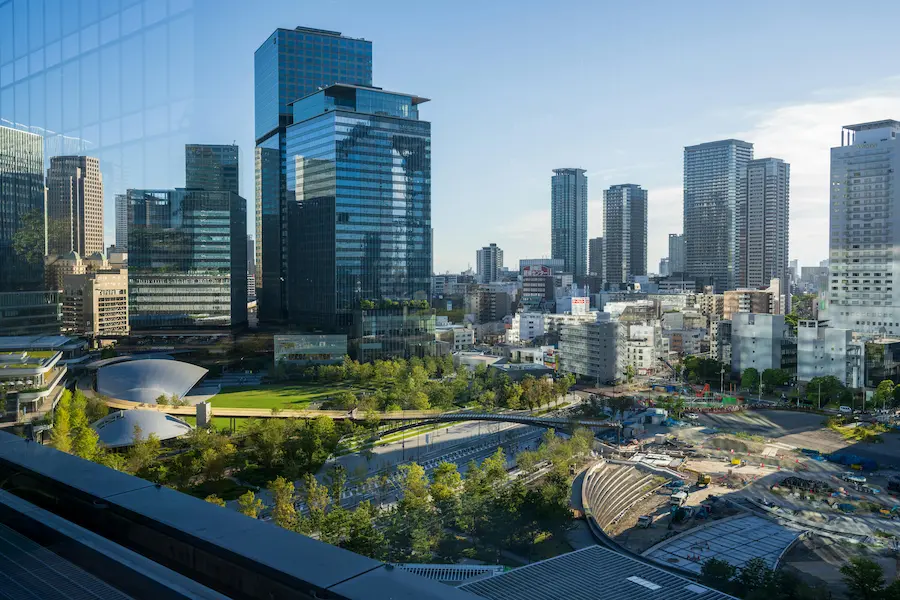
When your family hits a sensory overload wall from the noise of the city, Nakanoshima Park is your ultimate emergency reset button.
- The Highlights: Situated on a narrow island right between two calm city rivers, this beautiful green park features sprawling rose gardens, wide brick pathways, and clear lawns.
- Why Parents Love It: It is entirely flat, free of car traffic, and offers a beautiful view of Osaka’s skyline without the noise. It’s our favorite spot for a slow afternoon stroller walk with an iced coffee.
4. Pokémon & Anime Culture (Without Theme Park Price Tags)
If your kids are obsessed with Pokémon, anime, or gaming, you don’t need to spend thousands of yen on a themed cafe reservation. Simply head to the Pokémon Center Osaka, located inside the Daimaru Umeda department store.
The entrance features giant, life-sized statues of legendary Pokémon that make for incredible photos, and the shelves are packed with Japan-exclusive plushies, stationery, and toys. If your older kids love retro gaming and anime figurines, take a stroll through the colorful shops of Den Den Town in Namba for an easy afternoon of window shopping.
5. Tennoji Zoo & Park
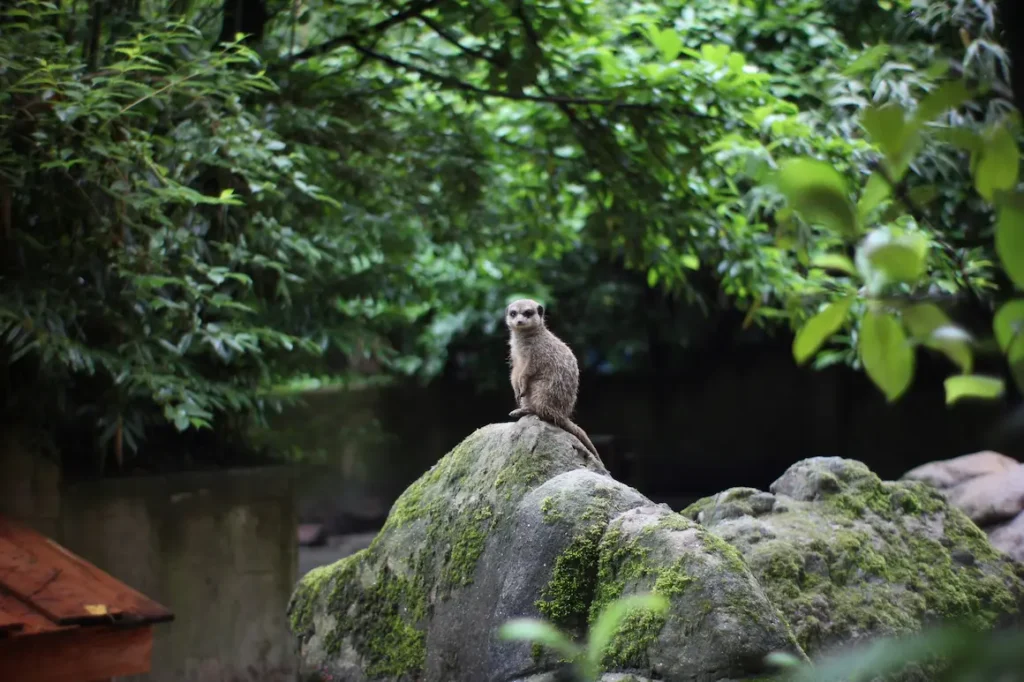
Located right in central Osaka, Tennoji Zoo is one of Japan’s oldest zoological parks. Admission is incredibly cheap—around ¥500 for adults and only ¥200 for kids.
- The Honest Truth: Because of its historic age, some of the concrete animal enclosures are modest compared to newer, modern wildlife reserves. However, the zoo has rolled out extensive updates, including a brand-new, state-of-the-art “Elephant Village” habitat. It is highly stroller-friendly, features dedicated children’s restrooms, and serves as an easy, low-cost way to spend a couple of hours.
- The Real Parent Win: The best part of the ticket is the direct connection to the attached Tennoji Park (Tenshiba). This massive, modern green lawn features wide open spaces, lovely children’s play structures, and easy cafes. It is an absolute haven for an outdoor family picnic after sightseeing.
- Nearest station: Tennoji Station (JR/subway).
- Best combo: Morning zoo visit + picnic/playtime in the park.
Is Osaka Family Friendly?
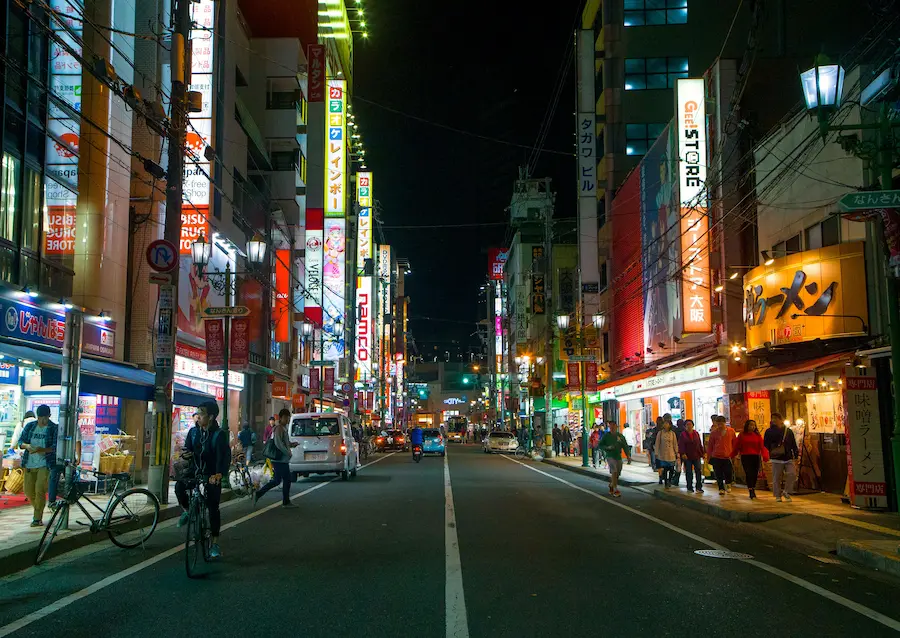
Absolutely.
After visiting Osaka with our young kids, we found it to be one of the easiest cities in Japan for families. Compared to Tokyo, Osaka feels smaller, easier to navigate, and significantly less overwhelming with young children.
Families will appreciate:
- Wide sidewalks and stroller-friendly attractions.
- Excellent train connections.
- Plenty of parks and indoor play spaces.
- Family-friendly restaurants.
- Easy access to Kyoto, Nara, and Kobe.
If you’re planning your first family vacation in Japan, Osaka is one of the best places to start.
Why Families Love Osaka More Than Tokyo (and Kyoto)
When planning a Japan family trip, most parents automatically assume Tokyo and Kyoto should take up the bulk of their itinerary. But after traveling through all three with our little ones, we found that Osaka actually offers a much smoother, less exhausting rhythm for parents.
Tokyo is spectacular, but Osaka is manageable.
Tokyo is a breathtaking wonder, but its sheer scale can easily overstimulate toddlers and wear out parents. If you are anxious about landing right in the middle of Tokyo’s massive crowds, you are not alone.
We felt that same initial wave of hesitation. If you’re currently torn between where to focus your time, our deep-dive Tokyo vs. Osaka with Kids: An Honest Family Comparison breaks down the exact differences in pacing, crowds, and neighborhood vibes.
Ultimately, we found that Osaka delivers that same iconic, neon-lit Japanese city excitement but at a fraction of the stress. The transit routes are shorter, the subway stations are far less complicated to navigate with a stroller, and the local Osaka culture is famously warm, relaxed, and welcoming to noisy children.
Flipping the Script: Why Osaka Beats Kyoto as a Family Base
Most traditional travel guides tell you to book your hotel in Kyoto and take a quick day trip to Osaka. For families traveling with toddlers or young kids, we honestly recommend doing the exact opposite:
Stay in Osaka and day trip to Kyoto.
Kyoto is culturally unforgettable, but it can be surprisingly brutal with kids. Its layout relies heavily on a deeply crowded city bus system. Dragging a folded stroller onto a packed bus with a crying toddler is an absolute nightmare.
Furthermore, Kyoto’s family-friendly hotel rooms are notoriously small, scarce, and wildly expensive. Osaka, by contrast, is a goldmine for spacious, budget-friendly apartment hotels and townhouses with in-room laundry.
Family Comparison: Osaka vs. Kyoto
| Feature | 🏯 Kyoto with Kids | 🐙 Osaka with Kids |
| The Good | Traditional streets, iconic temples, bamboo forests. | Seamless train networks, casual markets, high-energy fun. |
| The Bad | Heavy walking, small hotel rooms, packed city buses. | Dotonbori neon strips get very loud and messy on weekends. |
| Food Scene | Formal sit-down dining is harder with restless toddlers. | Open-air street food is perfect for picky or impatient eaters. |
| Stroller Ease | ✘ Challenging (Gravel paths, endless stone stairs). | ✔ Much Easier (Flat paved roads, elevator access). |
| Best For… | Older kids who can handle long, historic walking tours. | Babies and toddlers who need smooth transport logistics. |
The Strategy: Stay in a spacious room in Osaka, take a fast 30-minute train ride into Kyoto for day trips, and head back to Osaka before your kids hit their evening meltdown limit.
Still torn between the two major cities?
We broke down the exact differences in transit, costs, toddler-friendliness, and overall vibe based on our personal travels: 👉 Read our full Tokyo vs Osaka with Kids Comparison Guide
4-Day Osaka Itinerary with Toddlers and Kids
One thing we quickly realized in Osaka:
Trying to overpack the itinerary completely changed the mood of the trip.
The city works best when families slow down a little. Instead of rushing between attractions, we planned each day around:
- one major experience
- one slower activity
- and enough downtime for snacks, playgrounds, or spontaneous discoveries.
That balance honestly made Osaka feel far less exhausting than Tokyo with kids. Here’s the relaxed family itinerary that worked best for us.
Osaka Family Itinerary at a Glance
| Day | Focus | Best For |
|---|---|---|
| Day 1 | Umeda + indoor play | Rainy days & slower arrival days |
| Day 2 | Osaka Castle + Dotonbori | Culture + iconic Osaka |
| Day 3 | USJ OR Aquarium | Big family experience day |
| Day 4 | Nara, Kyoto, or Himeji | Easy family day trip |
Day 1: Slow Start & Indoor Play Around Umeda
After long Japan travel days, we intentionally kept our first Osaka day lighter and mostly indoors.
Umeda worked perfectly for easing into the city without overwhelming the kids.
Morning
Start with the Umeda Sky Building for panoramic city views before crowds build. Our kids surprisingly enjoyed the glass elevators more than the skyline itself.
Before leaving, don’t skip the retro basement food alley—it became one of our favorite quiet coffee stops in Osaka.
Late Morning
Head toward the Osaka Museum of Housing & Living.
Walking through recreated Edo-period streets felt much more interactive than a typical museum visit, and seeing children wear yukata made the experience feel playful instead of educational.
Afternoon
Spend the rest of the day at Kids Plaza Osaka.
Honestly, this became one of the BEST toddler-friendly places we visited in Japan. Between climbing zones, pretend supermarkets, and giant indoor play structures, our kids could finally burn energy freely after several busy sightseeing days.
We easily stayed here for nearly three hours without anyone getting bored.
Easy Parent Tip
If your kids still have energy afterward, slowly wander through Tenjinbashi-suji Shopping Street before heading back for an early dinner.
Day 2: Castles, Shrines & Neon Osaka
This day felt like the perfect balance between traditional Japan and modern Osaka energy.
Morning
Start early at Osaka Castle before tour groups and school crowds arrive.
The castle itself is beautiful, but honestly, our kids loved the huge surrounding park even more. After several busy city days, finally having space to run around made the entire morning feel calmer.
Afternoon
Head toward Namba for lunch and a slower stop at Namba Yasaka Shrine.
The giant lion-head shrine ended up being one of the most unexpectedly memorable places for our kids. It felt quirky, playful, and much less crowded than many of Kyoto’s famous temple areas.
If the weather suddenly turns rainy or humid, this is also a good time to switch plans and visit Pokémon Center Osaka instead.
Evening
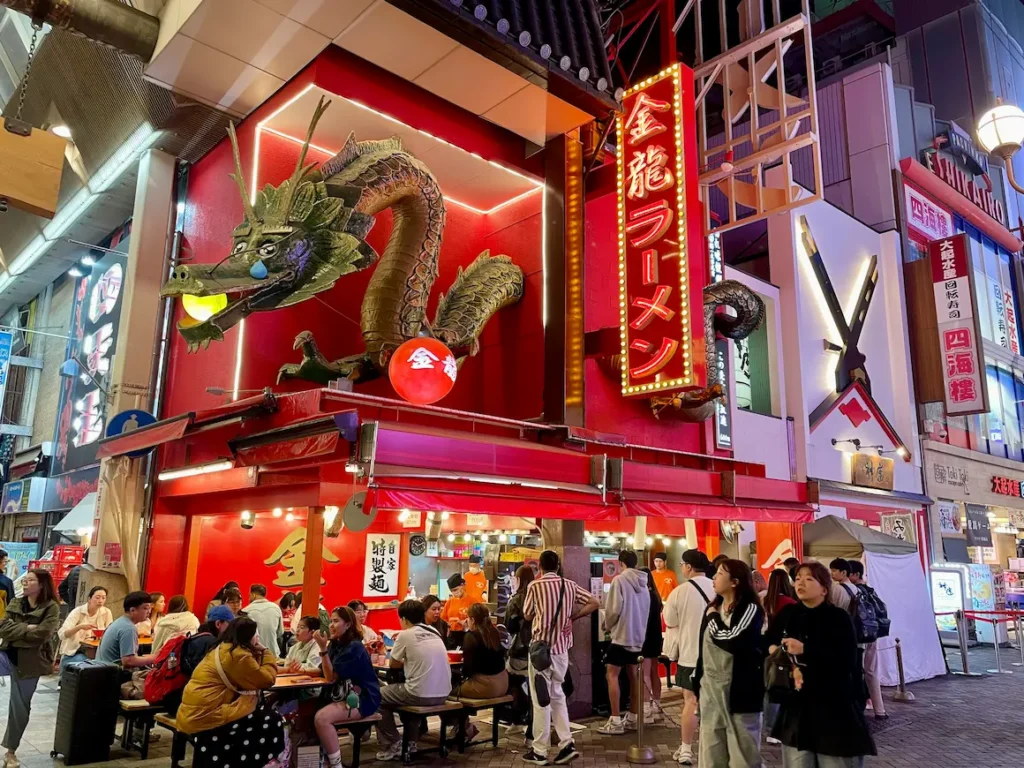
Finish the day with an early Dotonbori walk before nightlife crowds fully take over.
Watching giant neon signs light up while sharing takoyaki beside the canal honestly became one of our favorite Osaka family memories.
Honest Parent Tip
Try eating dinner around 5:00–5:30 PM. The atmosphere feels dramatically calmer with younger kids before evening crowds arrive.
Day 3: Choose One Big Experience
We quickly realized Osaka works much better when families avoid stacking too many “big” attractions into one day.
For this day, choose ONE major experience based on your kids’ ages and energy levels.
Option 1: Osaka Aquarium + Osaka Bay
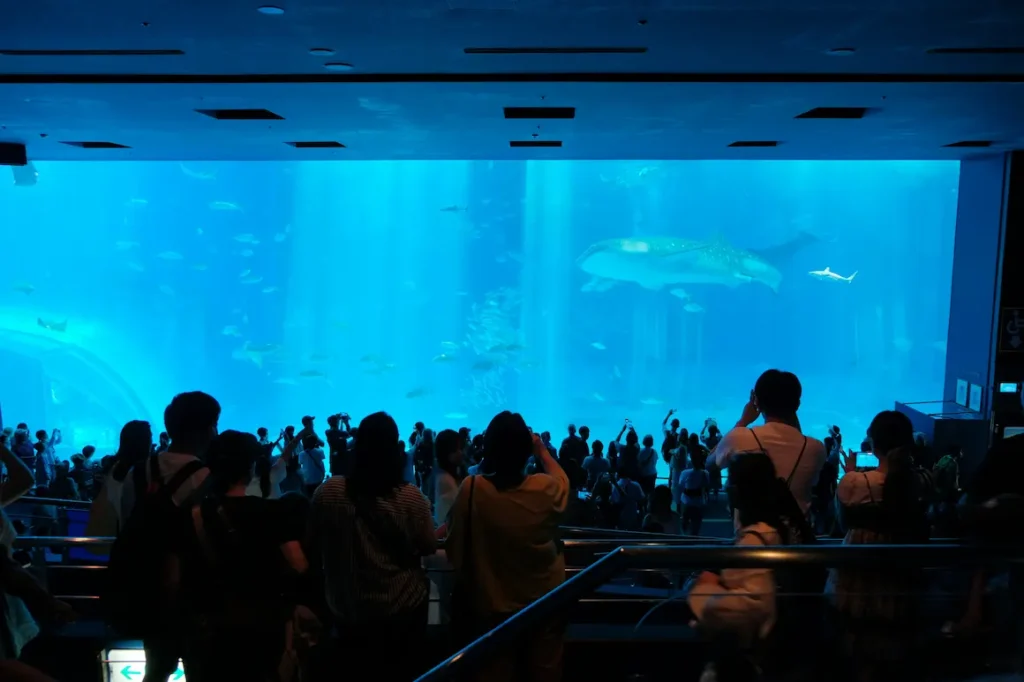
This was personally our favorite family day in Osaka.
Kaiyukan Aquarium feels beautifully designed for families, with wide stroller-friendly ramps spiraling around giant ocean tanks filled with whale sharks and sea life.
Afterward, you can:
- Ride the Tempozan Ferris Wheel.
- explore Legoland Discovery Center,
- or simply slow down around Osaka Bay.
Compared to USJ, this day felt calmer and far less exhausting with younger children.
Option 2: Universal Studios Japan (USJ)
If your kids are huge Nintendo or Minions fans, this will probably become their dream Osaka day.
But honestly:
USJ can also feel intense with toddlers.
The park is
- crowded
- expensive
- overstimulating
- and physically tiring.
For older kids, it’s absolutely worth considering.
For toddlers or preschoolers, we’d personally keep expectations realistic and plan plenty of snack and rest breaks throughout the day.
Important Parent Tip
Book:
✔ tickets
✔ timed entries
✔ Express Passes
as early as possible if visiting during the holidays or the cherry blossom season.
Day 4: Easy Day Trips From Osaka
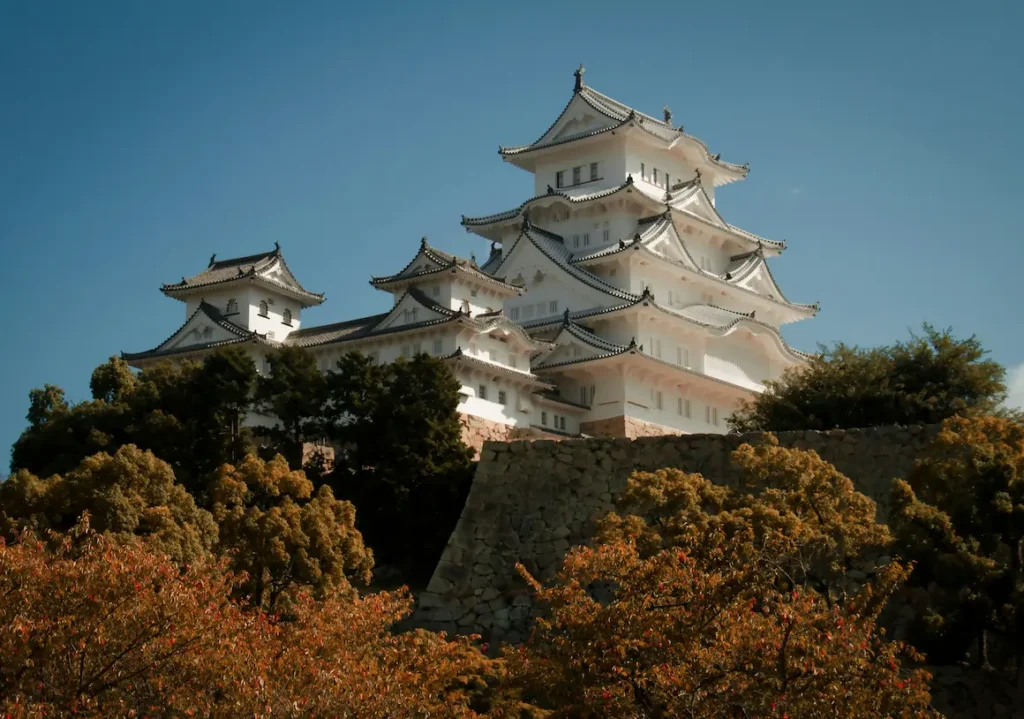
One reason Osaka works so well for families is how easy nearby day trips become without constantly changing hotels.
Depending on your family’s energy levels, these were our favorite options:
🦌 Nara (Best for Younger Kids)
Duration: (35–45 mins via Kintetsu Line)
Nara became one of our kids’ absolute favorite Japan memories.
Feeding polite bowing deer inside Nara Park somehow felt magical for them, while the slower pace compared to Osaka or Kyoto made the day feel surprisingly relaxing.
This is usually the easiest and most toddler-friendly Osaka day trip. Read our full Nara day trip experience with young kids here.
🏯 Himeji (Best Slower Cultural Day)
Duration:- (1 hr via Shinkansen)
Himeji felt calmer, quieter, and much slower-paced than Osaka city sightseeing.
We loved grabbing convenience-store snacks, sitting on the grassy castle lawns, and letting the kids run freely without strict schedules.
Perfect for families wanting a less overwhelming cultural day.
🌊 Kobe (Best Half-Day Escape)
Duration: (45 mins via JR train)
Kobe works well if you want
- harbor views
- shopping
- cafes
- and easier city walking.
But honestly, with very young toddlers, we personally found Nara and Himeji much more relaxing overall.
💡Our tips
If you’re visiting Japan with younger kids, don’t try to “see everything” in Osaka. The city becomes much more enjoyable when you leave space for the following:
- playground stops
- snack breaks
- slower mornings
- and unexpected little discoveries.
Some of our favorite Osaka memories weren’t major attractions at all—they were tiny moments like finding arcade machines after dinner or sharing fruit cups beside the Dotonbori canal.
And honestly, that slower rhythm is exactly what made Osaka feel so family-friendly for us.
Looking for more ideas?
Read our complete guide to the best day trips from Osaka with kids, including Kyoto, Uji, Kobe, Himeji, and stroller-friendly escapes.
Tips to Plan Your Japan Trip with Kids: The ultimate checklist of things we wish we knew earlier about train reservations and pacing.
Can you do Osaka in 3 days with kids?
Yes. If you’re short on time, we recommend:
Day 1:
- Osaka Castle
- Dotonbori
Day 2:
- Aquarium
- Tempozan
Day 3:
- Nara or Kyoto
A 3-day Osaka itinerary with kids works particularly well for first-time visitors who want a balance of attractions and slower family moments.
Best Time to Visit Osaka with Kids
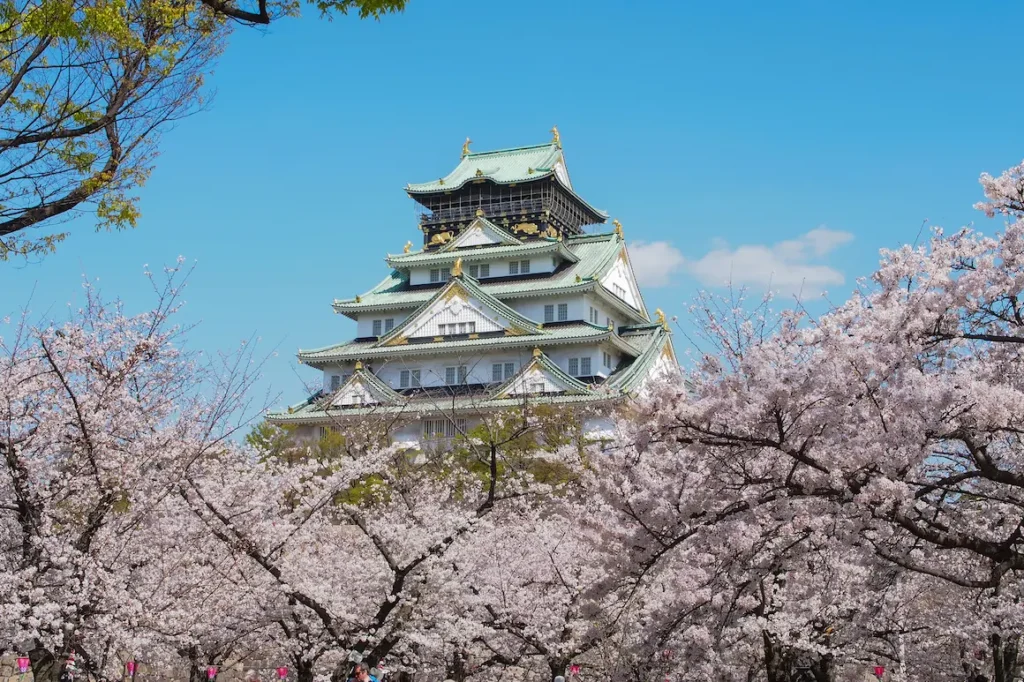
Choosing the right season can completely change how enjoyable Osaka feels with kids. This is especially true if you are traveling with toddlers, navigating with strollers, or managing young children who need regular rest breaks.
For most families, the absolute best times to visit Osaka are spring (March–May) and autumn (October–November).
📊Osaka Seasonal Comparison for Families
| Season | Weather | Crowd Levels | Family Verdict | Our Take |
| Spring (Mar–May) | Mild & Sunny | ⭐⭐⭐⭐⭐ Peak | ✔ Highly Recommended | Gorgeous cherry blossoms, but expect packed trains and maximum hotel prices. |
| Summer (Jun–Aug) | Hot & Humid | ⭐⭐⭐⭐ High | ⚠ Exhausting | Rainy season followed by intense heat. Midday meltdowns are common with toddlers. |
| Autumn (Oct–Nov) | Cool & Clear | ⭐⭐⭐ Moderate | 🏆 Best Overall | Perfect walking weather, beautiful autumn leaves, and significantly fewer crowds. |
| Winter (Dec–Feb) | Cold & Dry | ⭐⭐ Low | ✔ Great Budget Pick | Crisp days and brilliant winter lights, plus the lowest accommodation rates of the year. |
Spring (March–May): Beautiful but Busy
Spring is iconic for a reason. Cherry blossoms transform spots like Osaka Castle Park into massive, pink picnic spaces where kids can burn off energy safely. The mild weather is absolutely perfect for all-day walking.
- The Honest Truth: Late March and early April are intensely crowded. Popular landmarks, subway cars, and casual restaurants fill up fast.
- Parent Survival Tip: Don’t try to fight the crowds at peak times. Grab some fresh snacks from a local supermarket and head to quieter neighborhood playgrounds to let the kids decompress.
Summer (June–August): Heat & Rainy Days
Summer in Osaka can be brutal with young children. June brings the rainy season with sudden downpours, while July and August usher in intense humidity and temperatures climbing past 35°C (95°F).
- The Honest Truth: Pushing a stroller through sticky summer heat will quickly lead to family exhaustion.
- Parent Survival Tip: Flip your schedule. Do outdoor sightseeing early in the morning, and retreat indoors between 11:00 AM and 3:00 PM to air-conditioned havens like Kids Plaza Osaka or the Osaka Aquarium.
Autumn (October–November): The Parents’ Choice
If we could replicate our trip, autumn would be our first choice. The skies are consistently clear, the autumn foliage is spectacular, and the extreme tourist crowds of spring are gone.
- The Honest Truth: There is almost no downside to autumn. It is the easiest season for long stroller walks, outdoor sightseeing, and open-air food tours.
- Parent Survival Tip: November evenings get crisp fast. Pack layerable clothing easily so you can stay out late enough to see the neon lights turn on in Dotonbori without the kids catching a chill.
Winter (December–February): Quiet & Budget-Friendly
Winter in Osaka is cold but entirely manageable. Snow is incredibly rare in the city center, meaning your outdoor travel logistics won’t be disrupted.
- The Honest Truth: The days are shorter, but you get to enjoy the city’s major attractions with almost no wait times.
- Parent Survival Tip: Take advantage of the winter illuminations in the Osaka Bay Area and Umeda. Kids love the glittering light displays, and steaming bowls of fresh ramen or street-side takoyaki taste twice as good in the winter chill.
Families traveling with babies or toddlers may find autumn (October-November) the easiest time to visit Osaka due to cooler temperatures and smaller crowds.
Getting to Osaka With Kids: Smooth & Stress-Free Transfers
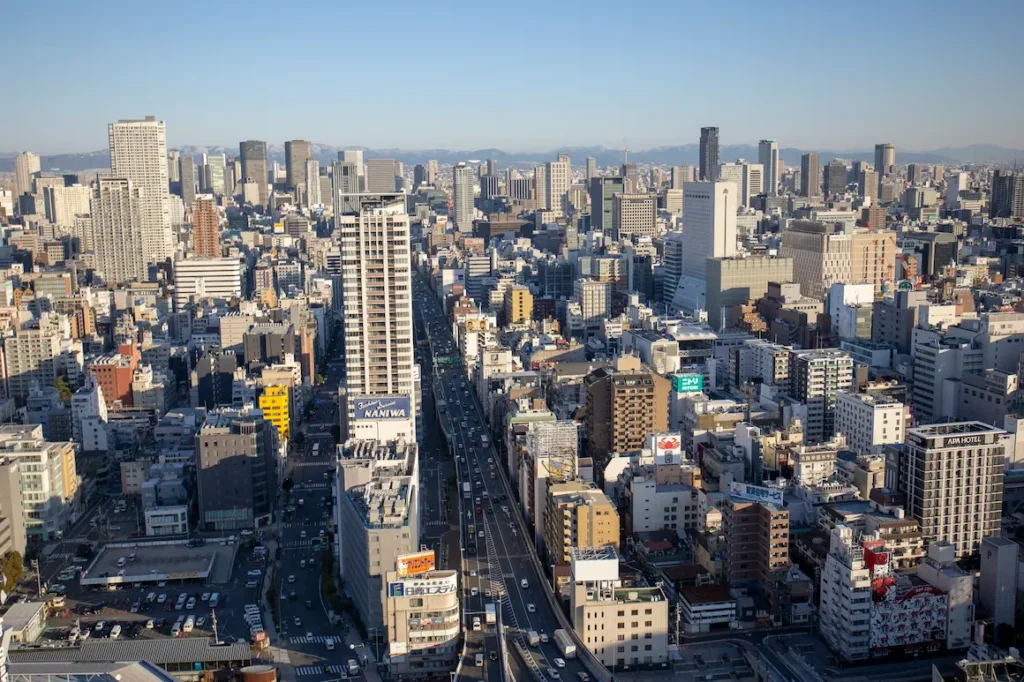
Getting to Osaka with kids ended up being far easier than we expected. Honestly, the journey itself became one of the most memorable parts of the trip.
If you are traveling domestically within Japan, your best two options are taking the iconic Shinkansen bullet train or flying directly into the city. Here is how to handle both without any transit fatigue.
The Bullet Train: Moving From Tokyo to Osaka
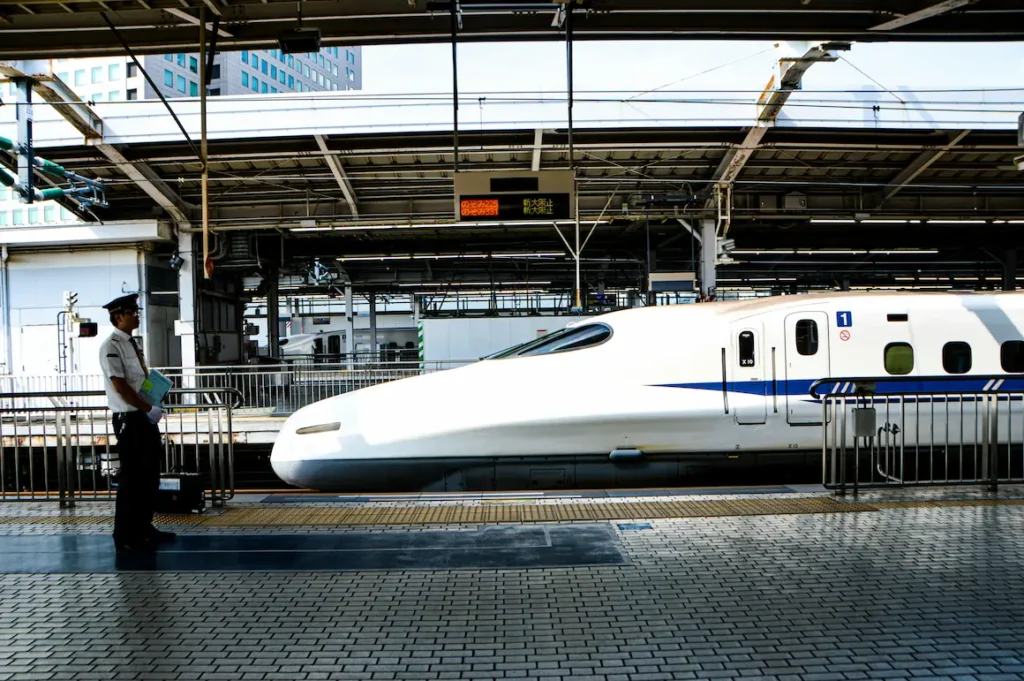
After four busy days in Tokyo, we boarded the Shinkansen heading to Shin-Osaka Station. We braced ourselves for a tiring travel day with young children and heavy bags, but it turned out to be the smoothest transfer of our vacation.
Surprisingly, our daughter’s favorite moment of the entire journey happened before we even got on the tracks.
While navigating Tokyo Station, we stumbled across a robotic coffee vending machine. She stood there completely mesmerized, watching the mechanical arms grind beans and brew lattes, proudly shouting “ta-da!” every single time a fresh cup appeared. That tiny, unexpected moment turned a potentially stressful transition into pure entertainment.
The train ride itself was spotless, quiet, and infinitely more relaxing than navigating an airport with toddlers. Within a few comfortable hours, we arrived at Shin-Osaka feeling completely rested.
💡 Shinkansen Parent Survival Tips:
- Book the “Oversized Baggage” Seats: If you are traveling with large suitcases or a nonfolding stroller, you must reserve the specific rear-row seats that include dedicated luggage space behind them. You can easily do this via the official SmartEX app before you leave.
- Watch the Stop Clock: Shinkansen platform stops are incredibly short—often lasting less than 60 seconds. Line up at your designated car number on the platform early, and have your bags ready to roll before your stop is announced.
- Bring Your Own Bento: While there are food carts on some trains, the selection can be limited for picky kids. Buy cute, family-friendly Ekiben (station lunchboxes) at the departure terminal before boarding.
✈️ Flying into Osaka: Which Airport is Best?
If you are flying into the Kansai region, your family will land at one of two main hubs. Here is the unfiltered truth about choosing between them:
1. Kansai International Airport (KIX)
This is where the vast majority of long-haul international flights from the US and Europe land. It is a large, busy airport located on a man-made island about 50 minutes outside central Osaka.
2. Itami Airport (ITM)
This is Osaka’s domestic hub. If you are catching a short connection flight from Tokyo, Sapporo, or Okinawa, aim to land here. Itami is located much closer to the city center and is significantly smaller, calmer, and faster to exit with tired kids.
The Ultimate Airport Hack: Take the Limousine Bus
When you exit a long flight with massive suitcases, jet-lagged children, and a stroller, the absolute last thing you want to do is drag your family onto a packed commuter train.
Our Opinion: Skip the Airport Train
While most of tourists take the JR Haruka Express train from Kansai Airport, we highly recommend taking the Osaka Airport Limousine Bus instead.
Why the Limousine Bus is Superior for Families:
- Zero Bag Lugging: The airport staff physically loads your heavy suitcases and folded strollers into the under-bus storage compartments for you.
- Guaranteed Seating: Every single passenger gets a comfortable, dedicated seat. There is absolutely no risk of being stuck standing in a packed subway car with a restless toddler.
- Direct Drop-Offs: The buses drop you off directly outside major hotel hubs, including the Namba OCAT terminal, Umeda Station, and Universal Studios Japan.
- The Cost: It is incredibly budget-friendly. For example, a ticket from KIX to central Osaka is around ¥1,800 per adult, and children under 6 travel completely free if they sit on your lap. You can buy tickets from the automated machines right outside the arrivals terminal exit.
Getting Around Osaka With Kids: A Practical Transit Guide
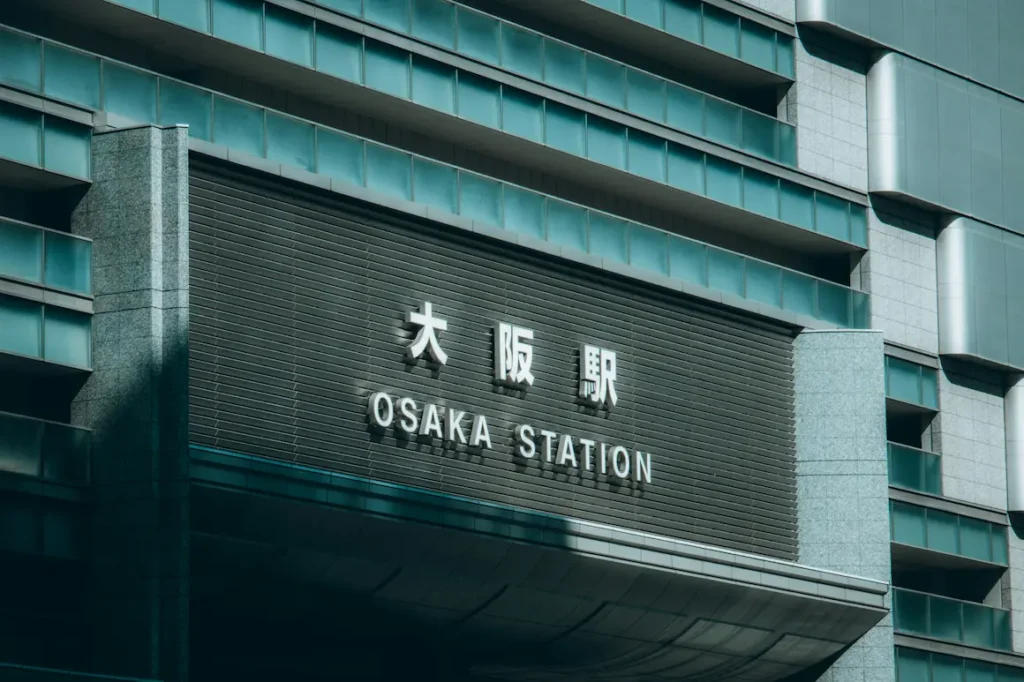
Osaka’s transport network can look incredibly intimidating on a map. But once you understand the basic flow, it is easily one of the most accessible and reliable cities to navigate with children.
Most major family attractions are tightly clustered together along core train lines, meaning you spend less time commuting and more time actually enjoying the city. Here is the realistic breakdown of how to get around without losing your sanity.
The Reality of Osaka Stations With Strollers
Almost every major station in Osaka is equipped with wide ticket gates, clean public toilets, nursing rooms, and clear English signage. However, the sheer size of hubs like Umeda and Namba can be overwhelming.
- The Elevator Hunt: Elevators are highly available, but they are often tucked away at the far ends of platforms. Following the elevator signs can sometimes feel like a maze, occasionally adding an extra 5 to 10 minutes to your line transfers.
- The Rush Hour Rule: Avoid the subway networks between 7:30 AM and 9:00 AM and 5:00 PM and 6:30 PM. The trains become intensely packed, making it incredibly stressful to board with a stroller.
- Our Survival Hack: For heavy transit days or quick station transfers, we honestly found switching to a high-quality baby carrier much easier than pushing our lightweight umbrella stroller.
IC Cards vs. JR Passes: What Families Actually Need
This topic confuses almost every first-time visitor to Japan. To keep your family trip simple, let’s look at what we actually used to navigate the region smoothly.
| Travel Scenario | Best Choice for Families | Why It Works Best |
| Daily Osaka Travel | Digital IC Card (Suica / ICOCA) | Effortless tap-and-go access for all local subways, neighborhood city buses, and platform vending machines. |
| Osaka ➔ Kyoto Day Trip | Regular Train + IC Card | Taking the local Hankyu or JR lines takes only 30 minutes and costs a fraction of a bullet train ticket. |
| Osaka ➔ Nara Day Trip | Kintetsu Line + IC Card | Drops you off an easy, stroller-friendly walk from the deer park entrance. |
| Tokyo ➔ Osaka Transfer | Single Shinkansen Ticket | Fast and incredibly comfortable. Buy individual reserved seats online ahead of time. |
| Traveling with Heavy Bags | Drops you off for an easy, stroller-friendly walk from the deer park entrance. | Completely bypasses station stairs, crowded turnstiles, and platform elevator lines. |
Why You Should Skip the Whole-Japan JR Pass
A full Japan Rail Pass is rarely worth the massive cost for a standard family itinerary.
Unless you are riding the bullet train across multiple long-distance cities within a very tight 7-day window, you will save a significant amount of money by purchasing point-to-point Shinkansen tickets for your big travel days and relying on local IC cards for everything else.
The Digital Card Strategy for Japan
Physical plastic guest cards can sometimes be hard to find at airport kiosks due to global chip shortages. Save yourself the stress and add a digital Suica or Pasmo card directly to your Apple Wallet or Google Wallet on your smartphone before you land.
You can instantly top them up using your credit card whenever your balance runs low and even use them to buy quick snacks at convenience stores.
Are Taxis Worth It in Osaka?
Honestly? Yes, absolutely. While Japan’s train system is incredibly budget-friendly, there are moments when a local taxi is a complete lifesaver.
Do not hesitate to flag down a taxi when it is raining heavily, when you are moving between hotels with bulky luggage, or when your toddler is having a massive evening meltdown after a long day of sightseeing.
The direct, door-to-door air-conditioned convenience is worth every single yen to protect your family’s energy.
Where to Stay in Osaka with Kids
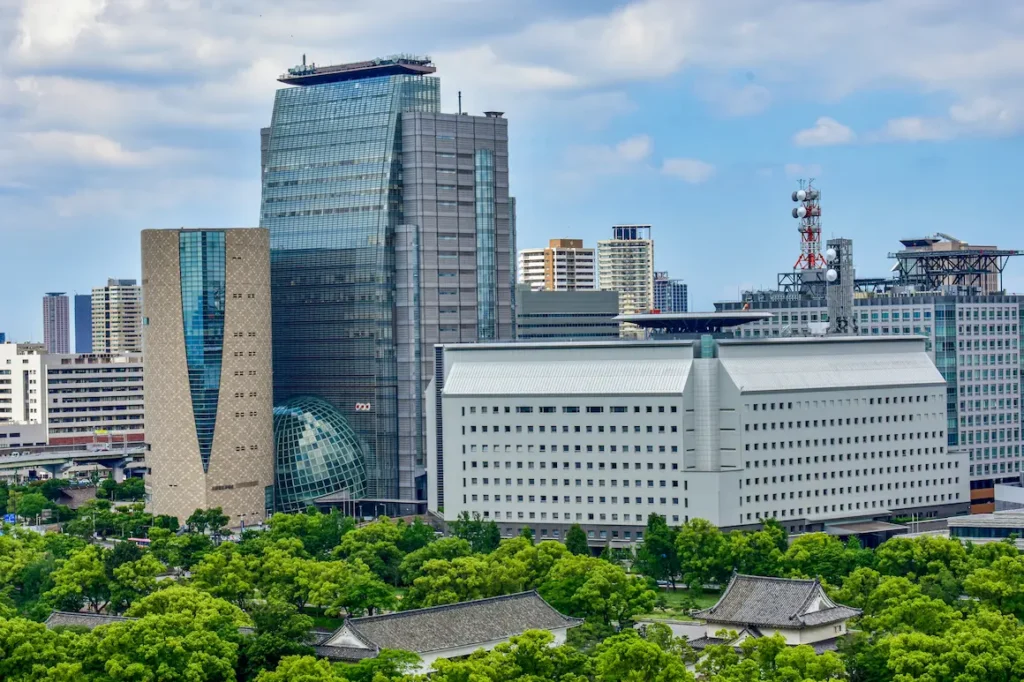
Choosing the right area in Osaka can completely change how easy your Japan trip feels with kids.
Some neighborhoods are better for:
- first-time visitors
- day trips
- quieter family stays
- or Universal Studios access
Honestly, Osaka is much more family-friendly when you stay near a good train station and avoid constantly switching hotels.
Families visiting Osaka for the first time usually prefer Namba, while parents traveling with babies and toddlers often enjoy the quieter atmosphere of Tennoji.
Best Family-Friendly Areas in Osaka
| Family Style | Best Area | Why Families Love It |
|---|---|---|
| First-time Osaka visit | Namba | Central, lively, food everywhere, easy sightseeing |
| Quieter family stay | Tennoji | Less chaotic, easier with toddlers, still well connected |
| Day trips to Kyoto/Nara | Umeda | Best train connections in Osaka |
| Universal Studios’ focus | Osaka Bay Area | Closest to USJ & Aquarium |
| Food-loving families | Dotonbori/Namba | Endless restaurants + street food |
Namba / Dotonbori (Best for First-Time Visitors)
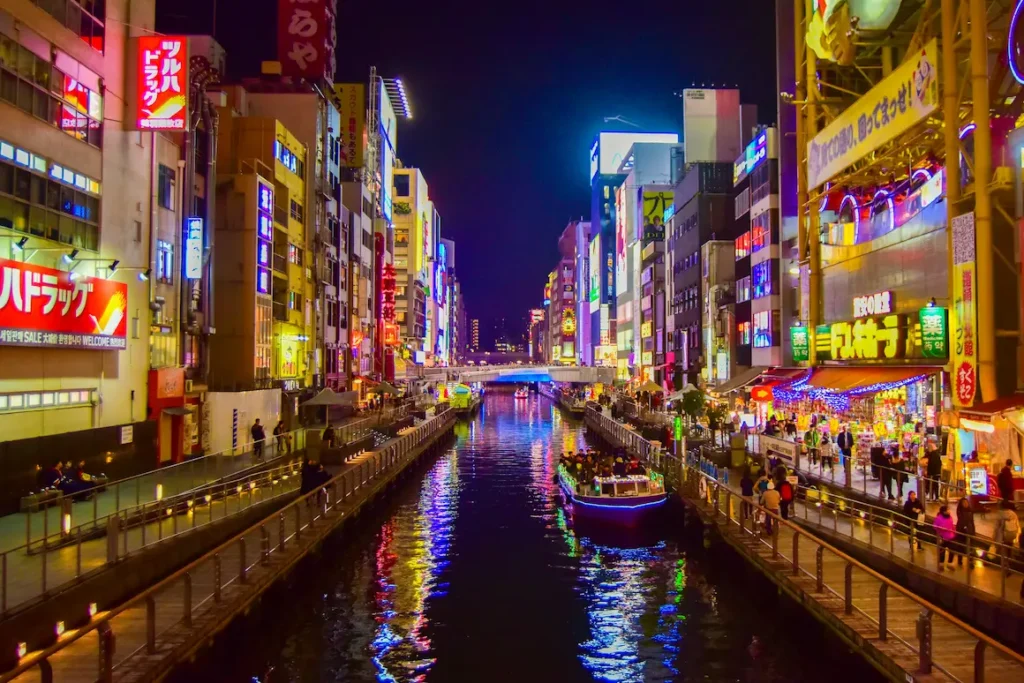
This is where we stayed during our Osaka trip with kids — and honestly, it worked really well for our family.
Namba is energetic, colorful, and packed with food, shops, and train connections. Many major attractions are easy to reach from here, and it’s one of the easiest areas for first-time visitors who want Osaka’s famous atmosphere right outside the hotel.
We stayed at Meander Osaka Hotel during our Osaka trip and loved being within walking distance of Dotonbori while still staying away from the busiest streets.
The family room was comfortable, the location made sightseeing easy, and it worked particularly well with our kids after long days exploring the city.
Parent Tip:
Evenings in Dotonbori can become crowded, noisy, and messy—especially on weekends.
If you’re comparing family-friendly accommodation, we’ve also found Namba to be one of the best areas for first-time visitors, while Tennoji is better for toddlers and light sleepers.
Umeda (Best for Day Trips)
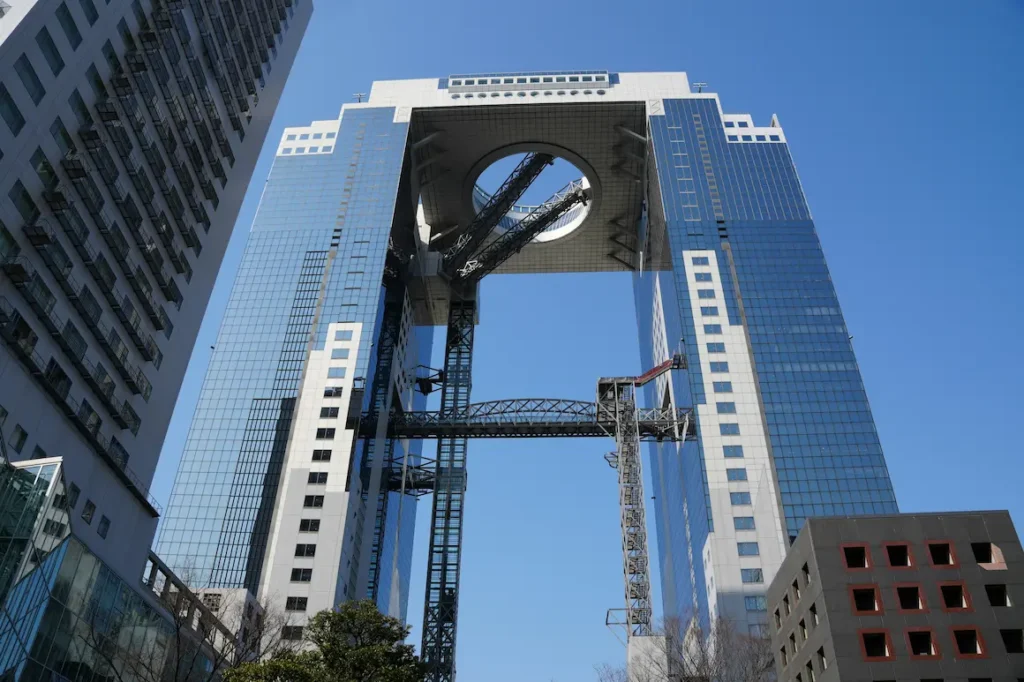
If your Japan itinerary includes:
- Kyoto
- Nara
- Kobe
- or Himeji
Then Umeda is probably the easiest base.
Being near Osaka Station makes train travel incredibly convenient, especially when traveling with kids and luggage.
The area feels more business-like than Namba, but also calmer and easier at night.
Don’t miss our detailed guide to the best day trips from Osaka with kids—including Nara, Kyoto, Kobe, Uji, Himeji, stroller-friendly nature escapes, and the easiest train routes for families.
Osaka Bay Area (Best for Universal Studios)
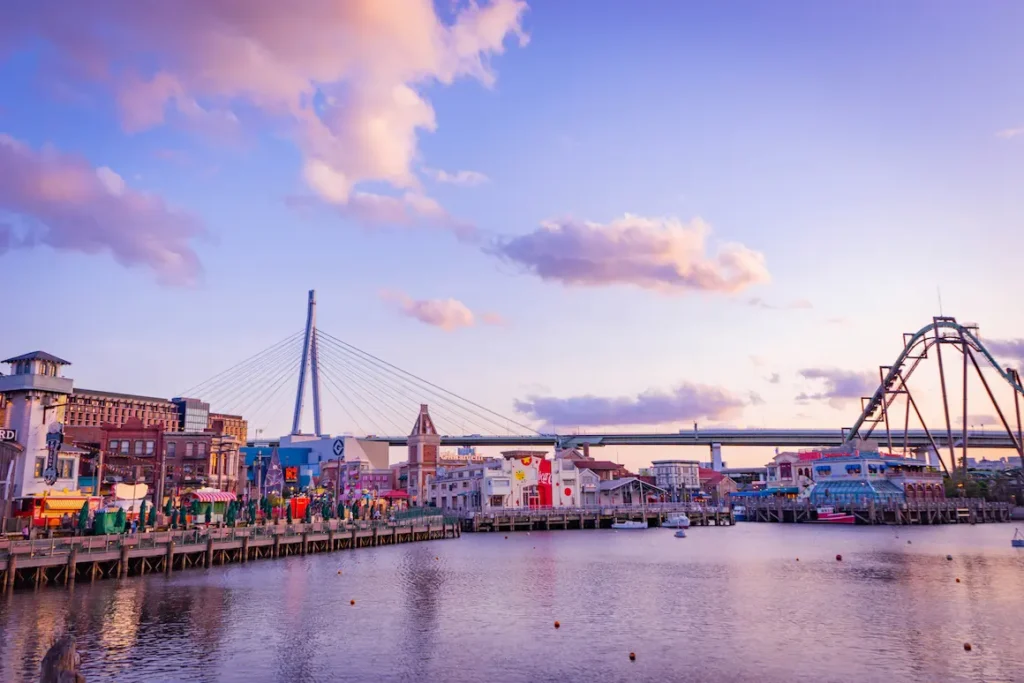
Perfect for families planning full days at:
- Universal Studios Japan
- Osaka Aquarium
- Legoland Discovery Center
Hotels here are often larger and more resort-style, which many families appreciate after busy Tokyo stays.
The tradeoff:
You’ll spend more time commuting to central Osaka.
Tennoji (Best for Slower Family Trips)
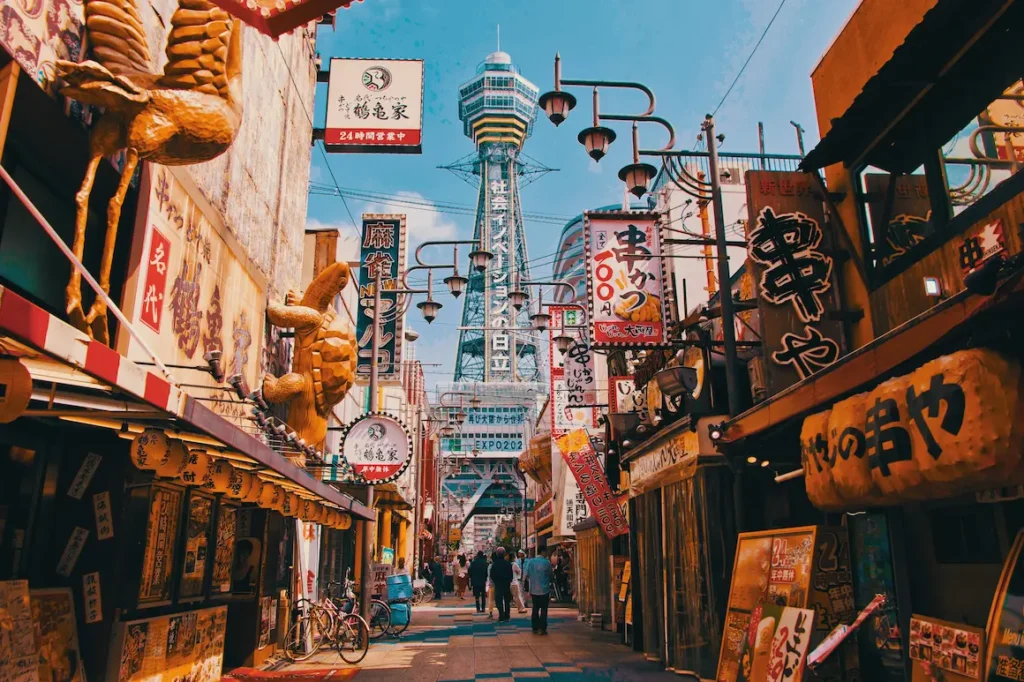
Tennoji honestly feels like Osaka’s underrated family area.
It’s still lively and full of local food spots, but far less chaotic than Dotonbori at night. We especially liked how manageable the area felt with kids after long sightseeing days.
It’s also convenient for:
- Kansai Airport
- Shinsekai
- Tennoji Zoo
- and family shopping malls.
Don’t let Japan’s logistics catch you off guard! Before you finalize your Japan itinerary, check out our Japan Packing List for Families—it includes everything we used to survive the train transfers with kids and huge luggage bags.
The Simplified Osaka Food Guide for Families
(Picky-Eater Survival Strategy)
Osaka is universally crowned the “Kitchen of Japan,” but if you are traveling with young children, you don’t need a list of trendy, Michelin-starred reservation spots. You need practical, fast, and child-approved meals.
Osaka’s casual, open-air food culture makes it incredibly easy for families. Here is the realistic breakdown of what kids actually love to eat here, what to try, and how to survive the daily dinner rush.
The Ultimate Japan Family Travel Hack: Depachika Food Halls
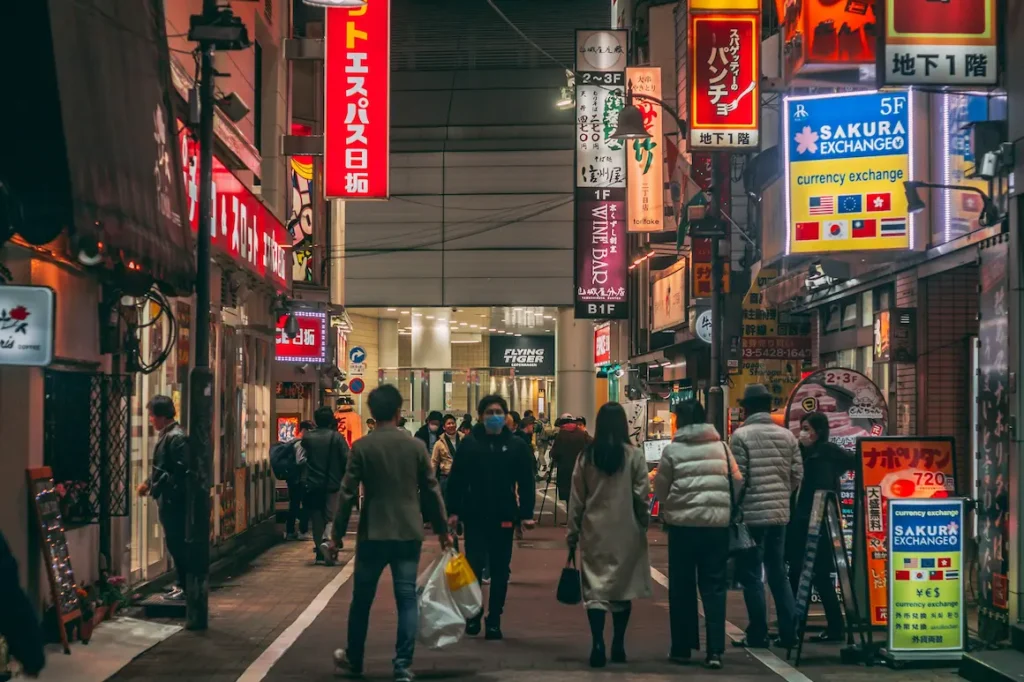
When your family is completely exhausted after a long day of sightseeing, skip the traditional sit-down restaurants entirely. Instead, head to a Depachika—the massive, glittering food basements located beneath major department stores (like Daimaru in Umeda or Takashimaya in Namba).
- The Setup: These basements are packed with dozens of high-end food stalls selling fresh sushi platters, hot bento boxes, skewered meats, French fries, fresh fruit cups, and world-class pastries.
- Why It’s Perfect for Kids: There is zero waiting time, no formal restaurant pressure, and every family member can pick exactly what they want to eat.
- The Strategy: Grab an assortment of kid-friendly bites, head straight back to your hotel or apartment room, and enjoy a completely stress-free dinner in your pajamas.
Konbini (Convenience Store) Safety Nets
Never underestimate the power of a Japanese convenience store (7-Eleven, Lawson, or FamilyMart). They are located on almost every single street corner in Osaka and serve as the ultimate affordable breakfast or mid-afternoon snack rescue.
- Onigiri (Rice Balls): Crispy seaweed wrapped around seasoned rice. If your kids are picky, stick to the simple Salt (Shio) or Grilled Salmon (Sake) flavors.
- Tamago Sando: Fluffy, creamy egg salad sandwiches with the crusts cut off. They are incredibly soft and universally adored by toddlers.
- Karaage-kun: Found hot at the checkout counter (especially at Lawson), these are bite-sized, non-spicy fried chicken nuggets that provide an instant, cheap protein boost.
What’s Actually Worth Trying With Kids in Osaka
If you want to sample authentic Osakan culture together, stick to these three interactive, highly approachable local staples:
1. Okonomiyaki (Savory Comfort Pancakes)
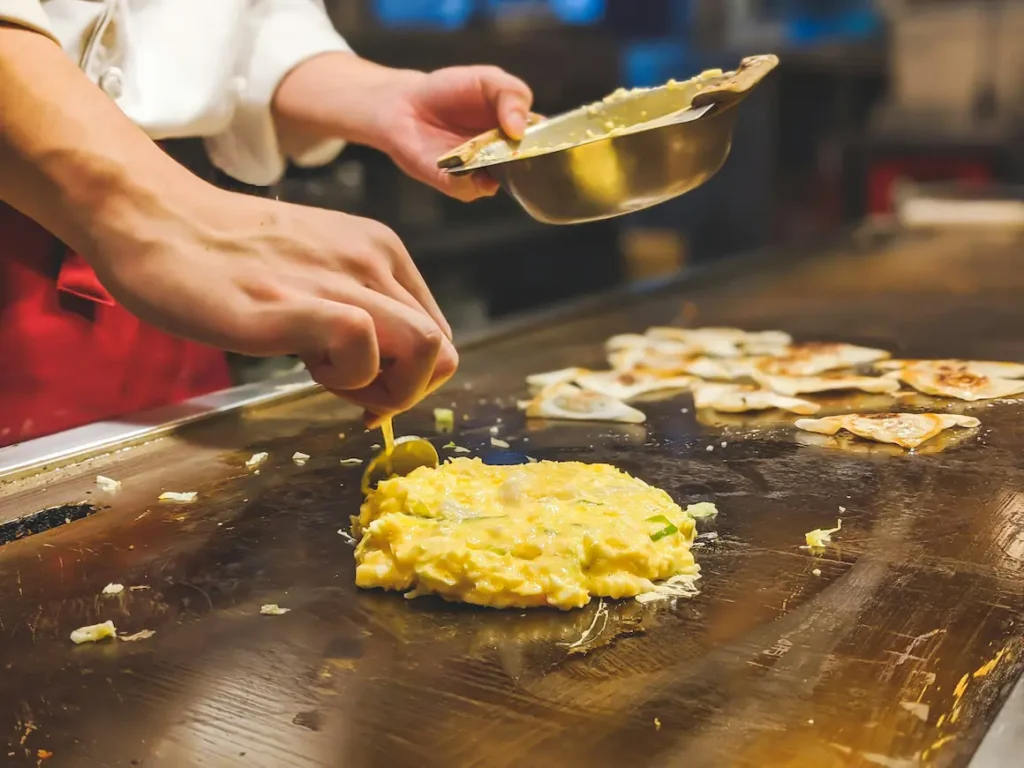
Think of this as a thick, savory pancake loaded with shredded cabbage and eggs. Because it is usually cooked on a hot plate right at your table, the experience feels highly entertaining for older children.
- The Picky-Eater Win: You can customize the toppings entirely. If your child dislikes seafood, you can order it strictly with pork, cheese, or corn. Reliable, highly welcoming chains like Chibo or Botejyu (serving okonomiyaki since 1946) are fully set up for families.
2. Takoyaki (The Famous Octopus Balls)

These are crispy, ball-shaped street snacks cooked in special molded iron pans. Kids find it absolutely mesmerizing to watch the street vendors flip the batter at lightning-fast speeds using small wooden skewers.
- The Mushroom/Cheese Hack: If your little ones are intimidated by the chewy piece of octopus inside, don’t worry! Many local stalls or neighborhood kits allow you to swap the octopus out for cubed cheese, shrimp, or mushrooms.
3. Gyozaoh! Dotonbori – Dumplings with a Family Twist
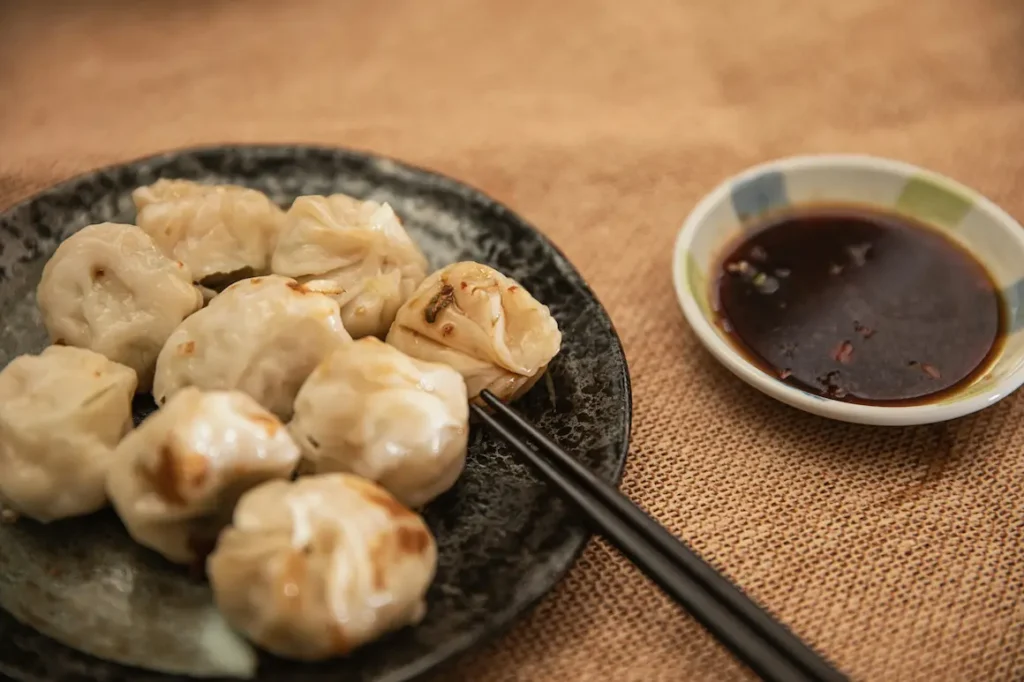
Just a 6-minute walk from the Dotonbori bridge (or 8 minutes from Namba Station), Gyozaoh! is a fantastic choice after sightseeing. Their gyoza are light, flavorful, and served in both meat and vegan options, so the whole family is covered.
The restaurant is non-smoking, accepts credit cards, and has both counter and table seating.
Pro tip: Arrive at 5 pm to avoid the weekend rush — waits can reach 20–30 minutes later in the evening.
4. Casual Kaiten Sushi (Conveyor Belt Sushi)
If you want to try sushi without the formal, quiet pressure of a high-end restaurant, head to a casual conveyor belt joint.
- Why Kids Love It: Plates of sushi glide directly past your table on tracks or arrive via a high-speed miniature bullet train after you order them on a tablet screen.
- The Picky-Eater Win: If your kids aren’t ready for raw fish, these menus are loaded with cooked options like egg omelet (tamago) sushi, grilled chicken skewers, mini bowls of hot udon noodles, and french fries.
Parent Survival Tip: Watch the Clock
Most local restaurants in Osaka are physically quite small, utilizing narrow counter seating that can be tough to navigate with a stroller. Furthermore, rows of smoking tables are still common in older izakayas.
Always look for designated non-smoking family establishments, and aim to have your dinner by 5:00 PM or 5:30 PM. This allows you to beat the heavy evening rush and long queues!
Osaka can increase food and attraction spending, so it’s worth reviewing our complete Japan family trip budget breakdown before finalizing plans.
Practical Osaka Tips for Families
Traveling around Osaka with kids honestly felt much easier than we expected — but a few small things made a HUGE difference in keeping our days smooth and meltdown-free.
These are the practical tips we genuinely found most helpful while exploring Osaka with toddlers and young kids.
1. Choosing the Best Season
If you want the easiest experience with toddlers, plan your trip during Spring (late March to May) or Autumn (October to November). The weather is beautifully mild, there is zero intense summer humidity, and the crowd numbers are much more manageable.
If it does happen to rain for a day or two, don’t panic. Osaka is packed with incredible, large-scale indoor venues like Kids Plaza Osaka, the Osaka Sewerage Science Museum, and the Osaka Museum of Housing and Living that ensure you won’t miss out on local culture.
2. Dealing with Crowds
Osaka is lively year-round, but two places can overwhelm families: Universal Studios Japan (especially during new ride launches) and Dotonbori at night.
- The Strategy: Treat Dotonbori as a quick, late-afternoon stroll to see the neon lights turn on, snap your photos, and grab dinner by 5:30 PM before the heavy crowds arrive. For big attractions like the aquarium or theme parks, always aim for the very first morning time slot of the day.
3. Cash vs Cards
While major department stores, hotels, and core attractions accept modern international credit cards and digital wallets flawlessly, Osaka’s famous street-food stalls, local ramen ticket machines, and traditional temple grounds are strictly cash-only.
Always keep a few thousand yen in cash inside your day pack. If you run low, head inside any convenience store (7-Eleven, Lawson, or FamilyMart)—their indoor ATMs accept foreign bank cards with very low transaction fees.
4. Where to Stock Up on Diapers & Baby Gear
Don’t waste precious luggage space packing weeks’ worth of diapers and heavy formula.
- The Best Brick-and-Mortar Spot: Head directly to the Namba Parks Shopping Mall (1st Floor) in central Osaka. It houses a massive, combined Toys “R” Us and Babies “R” Us that is fully stocked with Western and Japanese diaper brands (like Merries and Moony), organic baby food pouches, and infant travel gear.
- The Emergency Midnight Hack: If you run completely out of diapers or wipes late at night in your hotel room, open up the Uber Eats app. Several major Japanese drugstore chains in central Osaka are now on the platform, allowing you to have emergency baby supplies delivered directly to your hotel lobby within 30 minutes.
5. Rest Areas & Public Kid Toilets
Osaka is incredibly accommodating for parents traveling with infants. Almost every major train hub, department store, and modern attraction features dedicated, immaculate baby rooms (Aka-chan no heya).
These spaces are clearly marked with English signage and come fully equipped with private nursing cubicles, hot water dispensers for preparing formula, diaper disposal bins, and low, kid-sized toilets and sinks.
💡 Parent Survival Tip: Large historic outdoor sites like Osaka Castle Park have older public restrooms inside the actual grounds. Always have your kids use the pristine, modern facilities at the train or subway station before you exit and walk into the park!
6. Safety & Cleanliness
Japan is famously safe, and Osaka is no exception. Streets are stroller-friendly, and you’ll rarely see litter — though nightlife areas like Dotonbori can be a rare exception. Teach kids basic manners (like keeping quiet on trains), and you’ll blend in smoothly.
Ready to pack your bags?
Now that you know how to handle Osaka’s stations and diaper runs, don’t over-pack. Japan’s compact hotels and train lockers require a smart strategy. Skip the guesswork and use our exact gear matrix: 👉 Read our Essential Japan Packing List Guide for Families
Why Osaka Often Beats Tokyo for Traveling Families
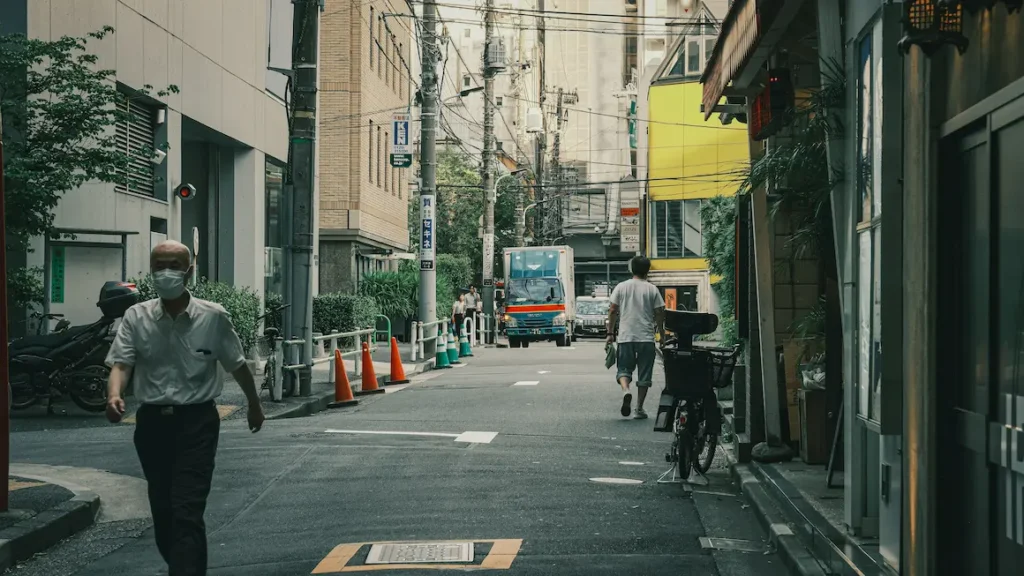
While Tokyo is an incredible bucket-list city, many parents discover that Osaka feels significantly more relaxed and manageable when traveling with small children.
- The Logistics: Osaka is physically more compact. The major family attractions are clustered tightly together, meaning you spend significantly less time commuting on trains and more time enjoying the sights.
- The Atmosphere: Osakan culture is famously warm, casual, and highly expressive. The locals are exceptionally welcoming, approachable, and patient with young children, making navigating the streets with a stroller feel incredibly safe, supportive, and stress-free.
Osaka With Toddlers: What Parents Should Know
Traveling to Osaka with toddlers is easier than many parents expect.
Our daughter loved Osaka because there was always something exciting to see—giant octopus signs in Dotonbori, whale sharks at the aquarium, and wide-open spaces around Osaka Castle.
For families with toddlers, we recommend:
- Staying in Namba or Tennoji.
- Planning only one major activity each day.
- Using a lightweight stroller.
- Visiting indoor attractions during summer afternoons.
- Keeping evenings flexible.
Osaka works particularly well for toddlers because attractions are close together, and the city is much easier to navigate than Tokyo.
Is Osaka Worth Visiting With Kids?
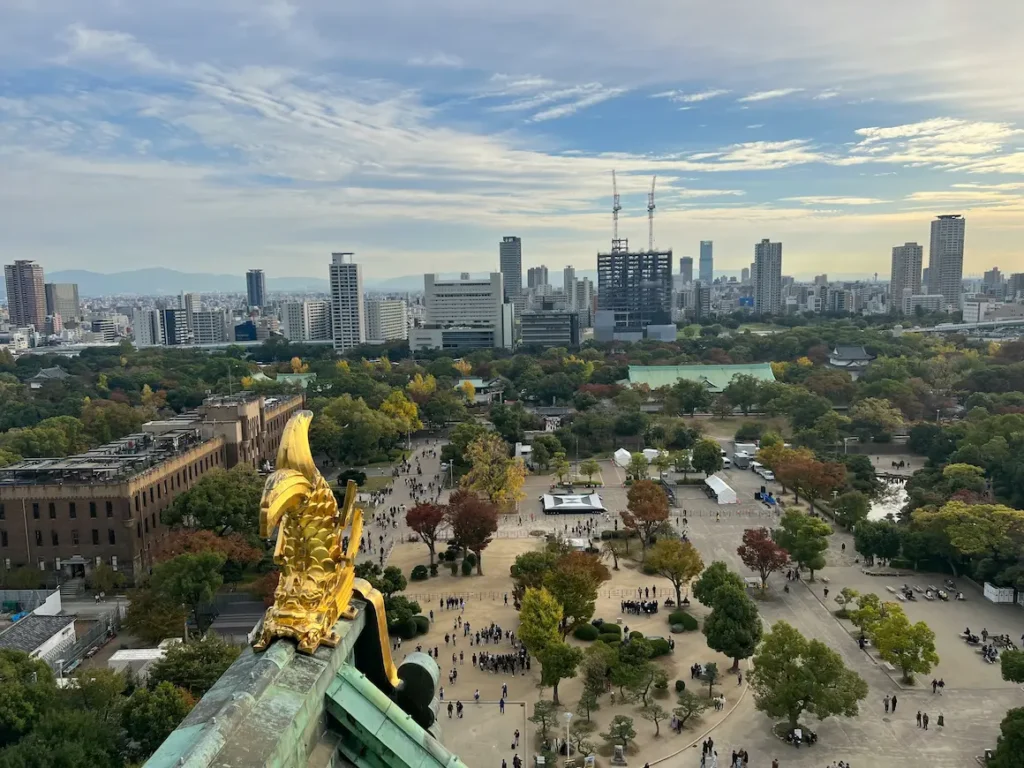
Yes—especially for a first family trip to Japan.
Osaka manages to feel incredibly big and exciting without constantly exhausting parents. Compared to Tokyo, the city is physically more compact, much easier to navigate, and significantly less overwhelming with a stroller.
What Makes It So Manageable:
- 🏰 The Balance: One moment, your kids are running wild through wide-open castle playgrounds, and the next, they are watching giant whale sharks drift through massive aquarium tanks.
- 🥞 The Casual Vibe: You don’t need stressful, formal restaurant reservations. Grab warm takoyaki under the neon lights, or enjoy a stress-free bento picnic in a quiet park.
- 🌿 The Slower Pace: Despite being a mega-city, it leaves plenty of breathing room for simple family moments that kids actually remember long after the trip ends.
Whether you’re planning a family vacation in Osaka, a quick 3-day itinerary with kids, or your very first trip to Japan with toddlers, Osaka continues to be one of our favorite destinations in Asia.
Its slower pace, welcoming locals, and endless family-friendly attractions make it a city we would happily return to again and again.
Plan Your Wider Japan Family Journey
If you are building your route across Japan, use our real-parent guides to seamlessly map to your next steps:
Easy Side Trips from Osaka
- Nara with Kids: Feed the polite, bowing deer right on the temple lawns. A perfect, direct 40-minute train ride from Namba. 👉 Read our Full Nara Family Guide
- Kyoto with Kids: Trade the bright neon lights for serene bamboo forests, historic streets, and slower family travel days. 👉 Read our Kyoto Family Survival Guide
- Uji with Kids: Escape the heavy tourist crowds with peaceful riverside stroller walks and kid-friendly matcha tasting. 👉 Read our Uji with Kids Walkthrough
🗼 Heading Toward the Capital
- Tokyo with Kids: The ultimate city adventure: sweeping skyscraper views, quirky museums, and massive indoor play spaces. 👉 Read our Ultimate Tokyo Family Guide
- Ready to escape the capital’s concrete? Discover the absolute best, low-stress day trips tailored specifically for traveling parents. 👉 Read our Tokyo Day Trips Guide
- Mt. Fuji Day Trip with Kids: The best way to break up the busy city crowds is with a slow, breathtaking nature escape to see the snow-capped peak. 👉 Read our Mt. Fuji Parent Guide
- Ride pirate ships across Lake Ashi, ride open-air ropeways over volcanic valleys, and soak in family-friendly hot springs. 👉 Read our Hakone with kids day trip.
- How to navigate Tokyo’s most famous immersive digital art museum with a stroller or toddler without sensory overload. 👉 Read our teamLab Borderless Parent Guide

FOUNDER • FAMILY TRAVEL WRITER • MUM OF TWO
About the Author
Hi, I’m Shivani, the founder of Roaming Crew.
Based in Singapore and having lived in different parts of Asia—including two years in India—I’ve explored 18+ destinations across the region, with 12+ of those journeys taken alongside my young kids.
From choosing family-friendly destinations and navigating local transport to budgeting, accommodation, and practical travel logistics, Roaming Crew is created with a parent-first mindset.