
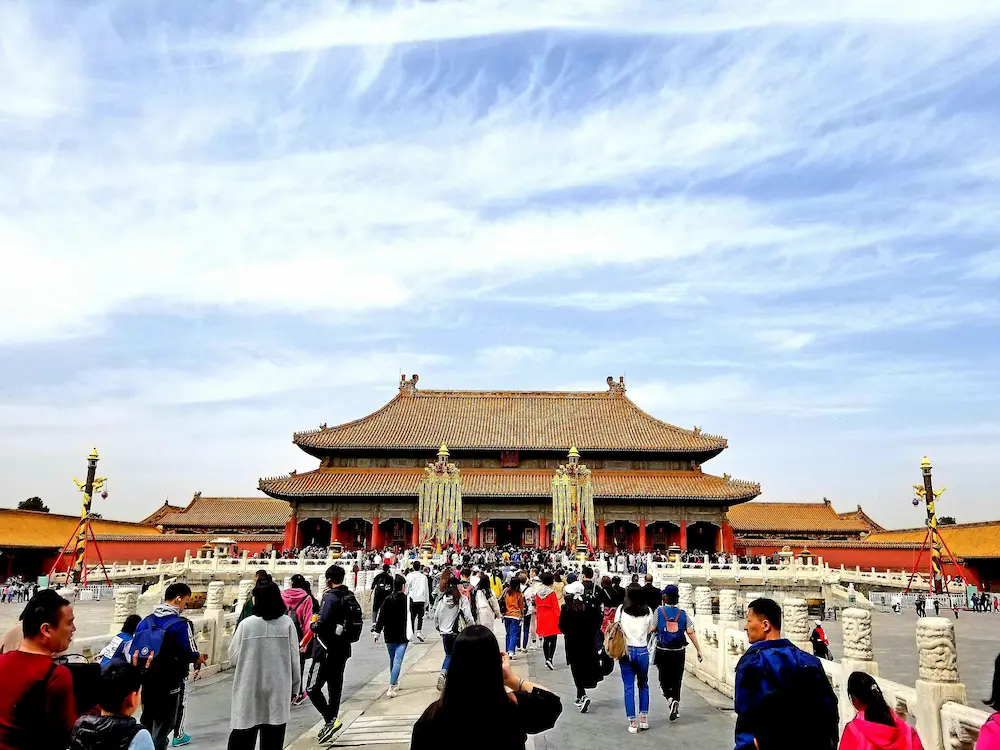
I remember opening a map of China late at night after the kids were asleep and thinking, this looks incredible… but are we overdoing it?
We had already travelled around Asia with our daughter when she was younger — Nepal, Bhutan, Sri Lanka — yet China felt different. Not unsafe, just bigger somehow. With a toddler, we couldn’t quite gather the confidence to try it then, so we postponed it.
Years later, when travel opened up and Chinese visa rules became clearer, we finally started planning China with kids. And strangely, the trip we once hesitated about turned out far more manageable than we imagined.
The hesitation wasn’t really about distance or logistics.
It was about not knowing what everyday life there would feel like as a family.
For many parents, planning China with kids starts exactly at that point — not with bookings, but with the question: will the days feel comfortable once we arrive?
China can look intense before you go. But families who begin to understand its rhythm often find the difficulty drops quickly.
So before practical details, this guide answers the real question first:
is China actually hard with kids, or just unfamiliar at the beginning?
Is China Actually a Good Family Trip—or Just an Ambitious One?

For many parents, the first thought about visiting China isn’t whether it looks interesting—it’s whether it might be too much right now.
Places like the Great Wall or seeing pandas in Chengdu sit high on family wishlists, but they can also make the trip feel like something that has to be done later, when children are older and everything feels easier to manage.
We wondered the same.
China does feel like a “big” destination at first, and that makes it easy to assume it has to be done perfectly to be worth it. In reality, families who enjoy it most aren’t the ones trying to experience everything. They’re the ones comfortable letting the trip be smaller than the country.
Children don’t measure a place by how famous it is. They respond to rhythm—where they can walk a little, pause, watch, snack, and recognize where they are. China naturally provides many of those moments because everyday life happens openly around you. Instead of needing to organize constant entertainment, curiosity fills the gaps.
So the trip becomes less about achieving landmarks and more about sharing a different daily world together.
China feels ambitious when treated like a checklist.
It feels surprisingly natural when treated like a place to temporarily live in.
For many families, that shift is what turns China from a “maybe someday” destination into a genuinely enjoyable first big adventure together.
Is China Safe and Kid-Friendly? Overcoming the Overwhelm
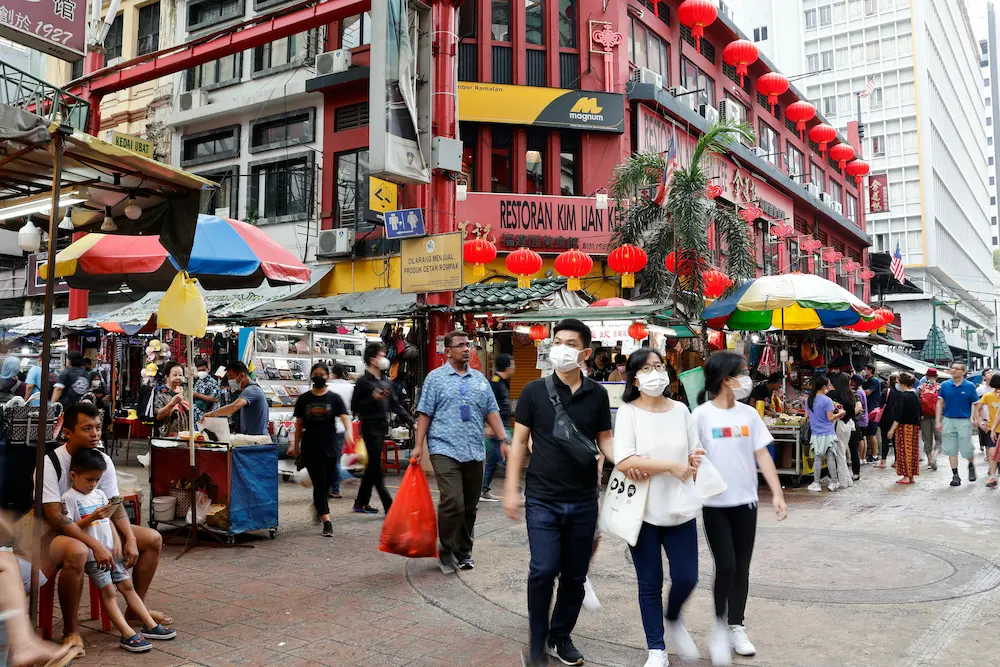
This was probably my biggest worry before we went.
Crowds, different languages, unfamiliar routines—I kept picturing the kids getting tired halfway through the day and us spending most of the time calming them instead of enjoying where we were.
But what actually happened surprised me.
The first few hours felt new to everyone, and then things started making sense. The kids figured out crossings, noticed how people queued, and understood how meals worked, and suddenly they were more confident than we were.
Kids don’t need everything to feel familiar.
They just need it to feel predictable.
Once they recognized a street, a shop, or the way back to where we were staying, their mood changed completely. They stopped reacting to everything and started pointing things out instead—almost like they had learned the rules of the place.
Yes, some moments were busy. But the hard days didn’t come from crowds—they came from changing places too often.
Keeping a steady base made the whole trip feel calmer, and the environment quickly stopped feeling overwhelming for them… and for us too.
How Do You Even Start Planning China With Kids Trip Confidently?
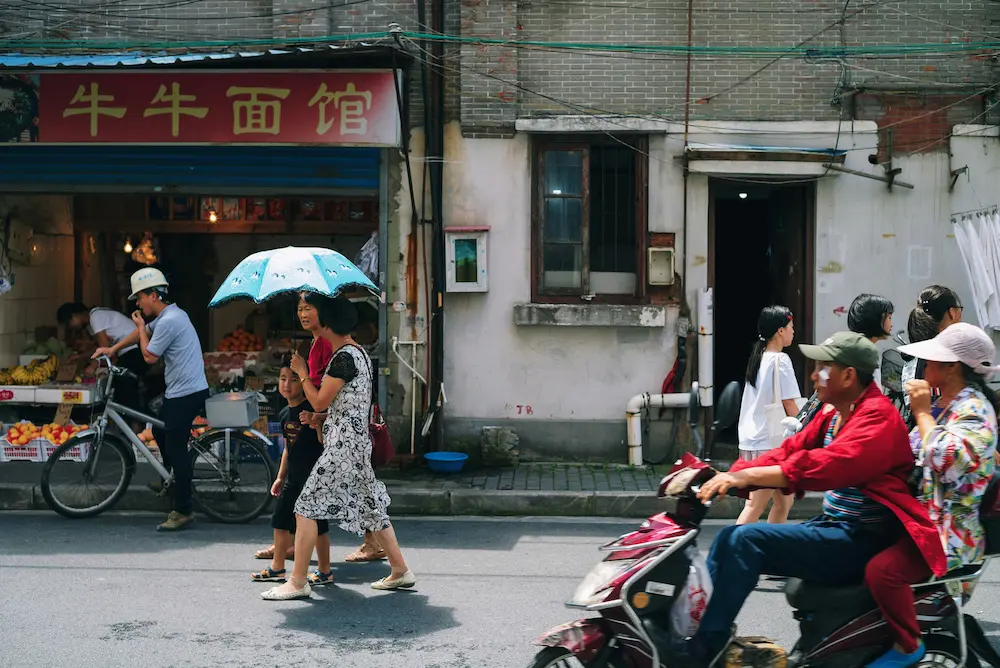
This is usually the point where most parents pause.
Not because the trip isn’t exciting—but because China feels so big that it’s hard to know what the first step should be. We found ourselves opening maps, reading city names, saving places… and still not feeling closer to a real plan.
What helped wasn’t adding more research.
It was changing the question.
Instead of asking what we should see in China, we started asking what kind of days will work for our family.
Once we thought about it that way, planning became simpler. We didn’t need to understand the whole country—only the part we could comfortably move through with kids. A trip built around one or two regions suddenly felt realistic, while trying to connect everything at once always felt heavy.
China isn’t planned by collecting places.
It’s planned by choosing a manageable shape first.
After that, cities naturally start fitting into the plan instead of competing with each other—and the trip stops feeling overwhelming before it even begins.
If you want help with the practical side after shaping your route, you can continue to our China with Kids Beginner Guide.
Which Cities in China Work Best for Families First?
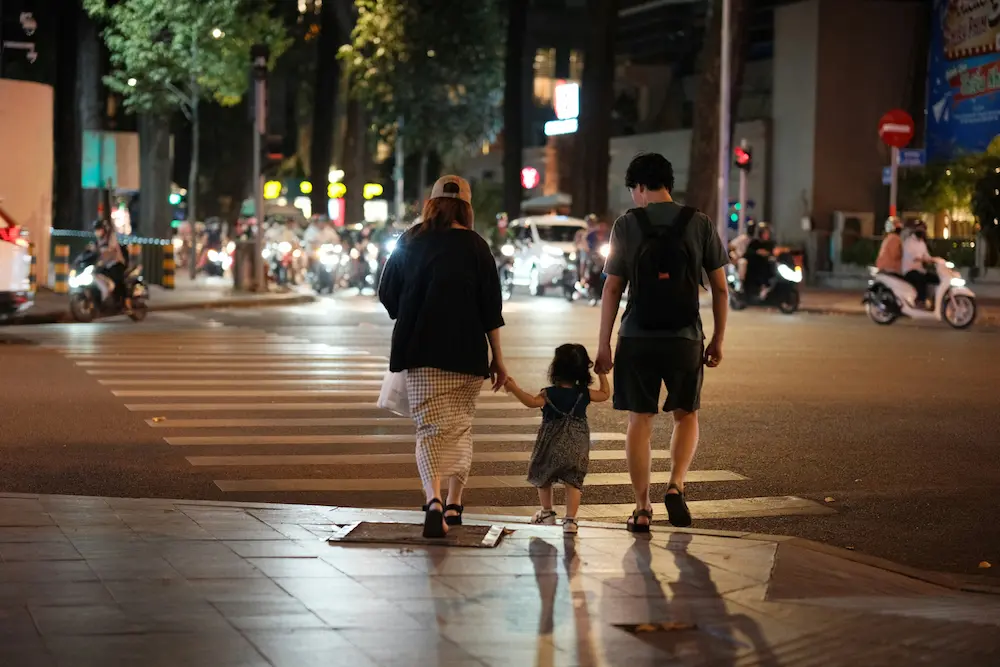
Once we stopped trying to understand the whole country, choosing the first cities became much easier.
The question wasn’t which places are most famous—it was which places would feel comfortable first.
Many parents narrow their first stop down to Beijing or Shanghai. If you’re deciding between the two, this comparison guide can help you choose which landing city will feel easier for your family.
Our Guide- Beijing or Shanghai with kids—where to land first.
Beijing—familiar structure
Beijing often feels easier than parents expect. Wide streets, clear landmarks, and big open spaces give kids room to adjust while still experiencing something completely different. Families who like a steady daily routine usually settle here quickly.
(Our full Guide to help plan a perfect trip to Beijing with kids).
Shanghai—smooth transition
Shanghai feels closest to what many families are used to. Getting around feels intuitive, everyday tasks feel straightforward, and it’s often where kids relax fastest after arrival. It works well when parents want a gentle start before exploring further.
(Our experience of Visiting Shanghai with kids is here: Shanghai travel guide).
Chengdu—relaxed pace
Chengdu naturally slows the trip down. Parks, teahouse culture, and everyday street life make days feel less structured and more flexible. Many families find this is where kids become most comfortable—and yes, seeing pandas helps.
(Our Guide to the most hyped city of China with kids is: Chengdu with kids).
Chongqing—exciting but intense
Chongqing feels adventurous and memorable but also more stimulating. Families who already found their rhythm elsewhere usually enjoy it more after adjusting to China first rather than starting here.
(Read here what this 8D city of China looks like with kids in Toe: Chongqing with kids guide)
After settling into one main city, many parents like adding a quieter or more scenic stop. Places like Hangzhou, Tianjin, or Zhangjiajie often work best once everyone already understands the daily rhythm, because they feel like extensions of the trip rather than another adjustment.
There isn’t a single “best” city for a China family trip.
The best first city is simply the one that lets your family settle in before trying to see more.
Why Some China Trips Exhaust Families (and Others Don’t)
We realized pretty quickly that tired days in China didn’t come from the distance or the walking—they came from trying to fit too much into one stretch.
Before going, it’s tempting to connect cities the way they appear on a map. Everything looks close enough, and each place feels worth adding “since we’re already there.” We planned like that at first too.
But every time we changed locations, the day reset. New surroundings, new routines, kids needing time to understand where they were again—and suddenly the day felt heavier than expected.
What made the biggest difference wasn’t slowing down the country.
It was slowing down the changes.
China actually makes distance comfortable in ways we didn’t expect. Fast trains are smooth and predictable, city centers are organized, and most daily needs sit close together once you know where to look. After the first couple of days, getting around often feels easier than it appears beforehand.
The hard part isn’t moving across China—it’s moving too often.
Once we stayed longer in one place, mornings became easier. The kids recognized the way outside, knew how far the walk was, and stopped asking as many questions. We still explored just as much, but the energy shifted from managing them to sharing the day with them.
China didn’t feel tiring when the days connected.
It felt tiring when every day started from zero.
The practical setup — apps, payments, and navigation — matters far less once you understand the rhythm. When you’re ready for those details, we’ve listed everything we prepared in our China travel setup guide.
What a Normal Day in China Actually Feels Like With Kids
Before going, I imagined our days would feel very planned—moving from one sight to the next so the trip felt “worth it.”
But most days didn’t look like that at all.
They usually started slowly. Breakfast was nearby, a short walk. The kids noticed something small before we even reached where we thought we were going. Sometimes that meant watching morning exercises in a park; other times it meant choosing snacks they had never seen before, and deciding that alone was exciting enough.
The middle of the day often became one main outing, not many. On one day we wandered through Beijing and eventually made our way toward the Great Wall, which we thought might feel demanding but turned into a shared challenge they were proud of. On another day it was simply exploring neighborhood streets and stopping whenever curiosity won.
(see: things to do in Beijing with kids.)
Afternoons naturally slowed again. A rest, a familiar route back, and by evening the kids already knew where we were heading without asking.
That rhythm repeated more than any specific attraction.
And that’s what made the place start to feel comfortable—not because it became familiar, but because the days started making sense to them.
In China with kids, the highlights stand out more when the day around them stays simple.
When You Should Wait Before Taking Kids to China
There was a time we kept postponing China.
Not because we didn’t want to go — but because it felt like a place that needed more confidence than we had with young kids. When travel rules were stricter and everything sounded complicated, we chose closer countries instead and told ourselves we would try China “later”.
What changed wasn’t the country.
It was clarity.
Once travel opened up again and information became easier to understand, the trip stopped feeling uncertain. Cities felt prepared for visitors, moving around made sense quickly, and we realised the hesitation had come more from unfamiliarity than from real difficulty.
That said, waiting can still be the right choice in some situations — very short trips, very sensitive sleepers, or when you need every day to feel predictable from the start. China becomes enjoyable when you can give it a little adjustment time.
For families unsure about committing fully, even a short transit stop can help you feel the rhythm without pressure. Many parents find that once they experience a day or two, the worry drops faster than expected.
We postponed it once too.
And when we finally went, it didn’t feel harder — it felt clearer.
Sometimes the best moment to visit China with kids isn’t when everything feels certain, but when you’re ready to experience something new at a comfortable pace.
A Simple Way of Planning China With Kids Trip
When we finally stopped trying to design the perfect route, planning became much easier.
Instead of deciding every stop in advance, it helped to think of the trip in phases — letting each part naturally lead to the next.
Arrive and adjust
The first couple of days are really about understanding the surroundings. Short walks, nearby meals, and letting everyone settle into the time difference make the rest of the trip smoother than starting with big plans immediately. Mornings often meant stepping outside and seeing locals exercising or dancing in nearby parks — simple moments that helped the kids feel part of the place right away.
Stay long enough to feel familiar
Once you know the way outside your hotel and the kids recognise a place or two, the days become lighter. This is when exploring actually starts to feel enjoyable rather than tiring. Sitting in a small tea shop, returning to the same street corner, or picking snacks from a familiar store becomes part of the routine.
Add one main outing at a time
Rather than filling the day, choosing a single focus works best. Everything else — street food stops, watching daily life, small discoveries — naturally fills the gaps without pressure.
Move only after comfort
Changing cities feels easier after the rhythm is established. The journey becomes part of the experience instead of another adjustment, especially when the travel itself feels smooth and predictable.
Finish slower than you began
Leaving space toward the end keeps everyone relaxed. Evenings often became our favourite time — lit streets, lively squares, and a calm walk back once the kids already knew the way.
It’s not really about doing less in China.
It’s about letting the trip build gradually so each day feels clearer than the one before.
What to Do Next
If you’ve reached this point, you probably don’t need more inspiration — you need clarity on the practical side.
Once the trip shape feels clear, the next step is understanding the everyday details that make it run smoothly: getting around, payments, apps, and what to prepare before arrival.
You can continue here → China with kids beginner guide
Start there, then come back to choose your first city and pace. Most of us find that once the practical questions are answered, the idea of traveling to China with kids stops feeling complicated and starts feeling realistic. Hope it follows you too!