
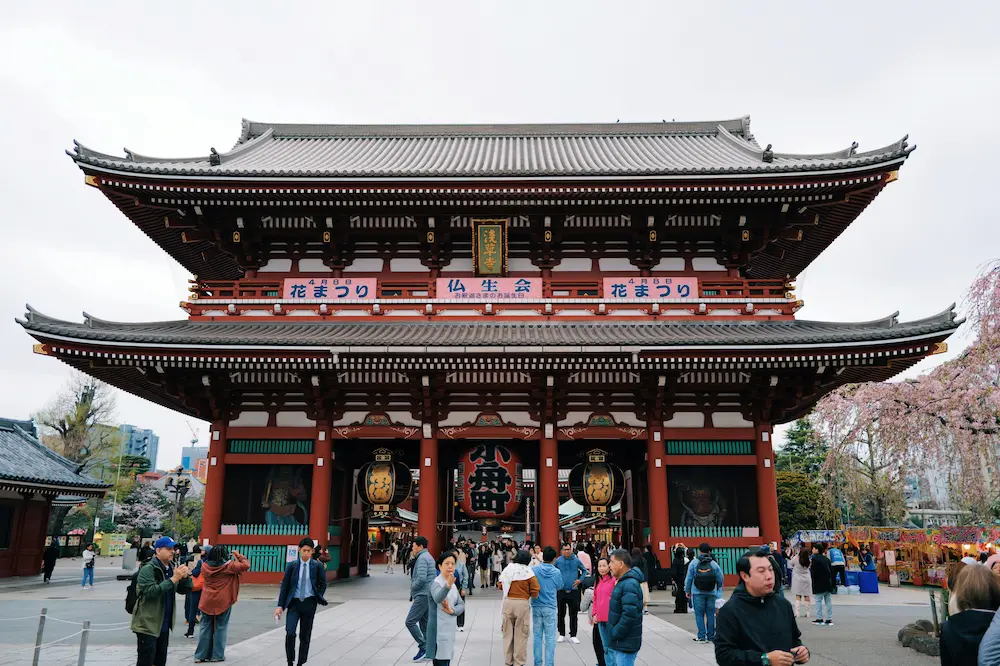
Before our first trip to Japan with kids, I remember sitting with a rough plan open on the screen and a very specific worry in my head—what if this ends up exhausting instead of exciting?
We had young kids and limited energy each day, and Japan looked incredible but also complicated. Too many trains to figure out, too many places I felt we shouldn’t miss, and the constant thought that we might spend the whole trip moving hotels and managing meltdowns instead of actually enjoying it.
This guide comes from our experience planning Japan with kids and learning how the trip becomes easier once the pace fits the family — not the checklist.
I kept imagining the same scene: parents navigating stations while children get tired, everyone trying to keep up with a schedule that quietly stops working after day two.
But Japan surprised us in a way very few destinations in Asia do.
Once we arrived, the pressure to “cover the country” disappeared. The days found their own rhythm. We stopped planning hour by hour and started settling into neighborhoods, parks, and small routines—and that’s when Japan became calm.
Japan isn’t relaxing because you do less research.
It’s relaxing because the country naturally supports families who slow down.
In this guide, I’m not going to walk you through train tickets, packing lists, or booking strategies for Japan—those practical details matter, and we’ll get to them later.
First, we need to understand what planning Japan with kids really means in practice.
Because once you know how to shape the pace, choose the right base, and decide how much to see, everything else becomes easier to plan.
So before opening ten tabs and building a detailed itinerary, let’s step back and look at what traveling Japan with kids really feels like—and why many families end up finding it far calmer than they expected.
Is Japan Actually Relaxing With Kids?
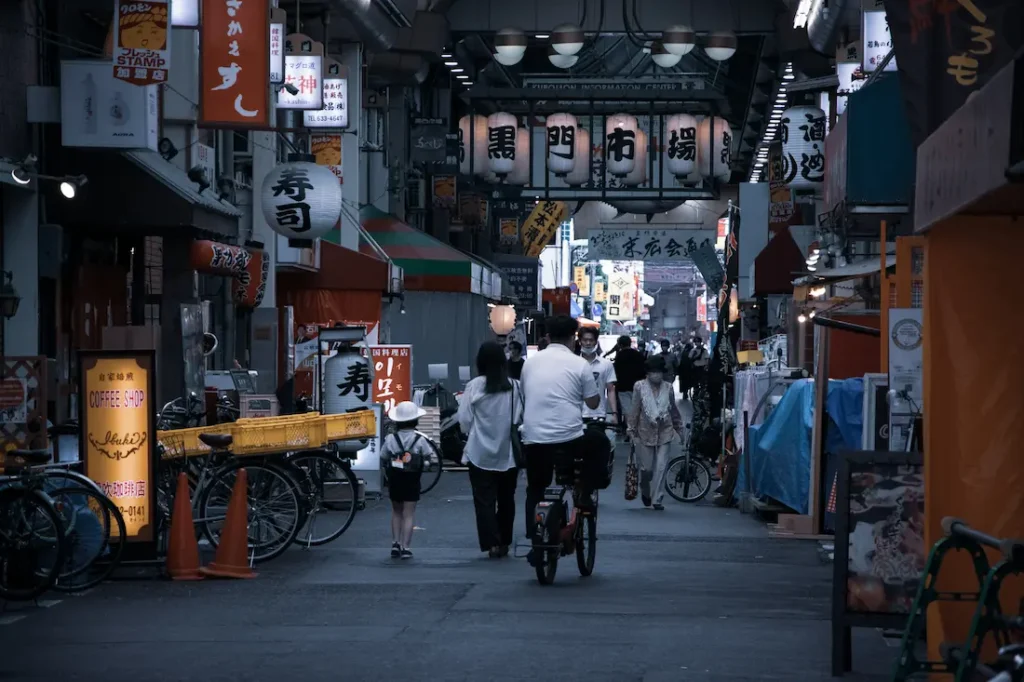
One of the initial questions you may ask is, “Is Japan good for kids, really?”
On paper, it can look overwhelming—big cities, busy stations, unfamiliar systems, and a culture very different from home. Many of us imagine we’ll spend most of the trip navigating logistics while kids get tired and frustrated.
But what makes Japan feel calm isn’t fewer people.
It’s how predictable daily life becomes once you’re there.
Mornings start early and gently in Japan. Streets move in an orderly way that kids quickly understand—where to walk, when to pause, and how to share spaces. Instead of constantly managing your surroundings, the surroundings start supporting your day.
Japan feels much more organised; you’re not repeatedly solving small problems. Clean public spaces are easy to use, short walks connect neighborhoods naturally, and pauses happen without planning them. A simple rhythm of your travel days in Japan forms—breakfast, explore a little, rest, snack, wander again—and kids adapt faster than we expect.
That predictability changes the emotional pace of your trip.
You stop trying to control every hour and start trusting the day.
So a relaxed Japan itinerary with kids doesn’t come from doing less sightseeing.
It comes from the country quietly reducing the number of decisions you need to make, which is why many families find their first trip to Japan with kids far calmer than they imagined.
Is It Worth Going to Japan With Kids?
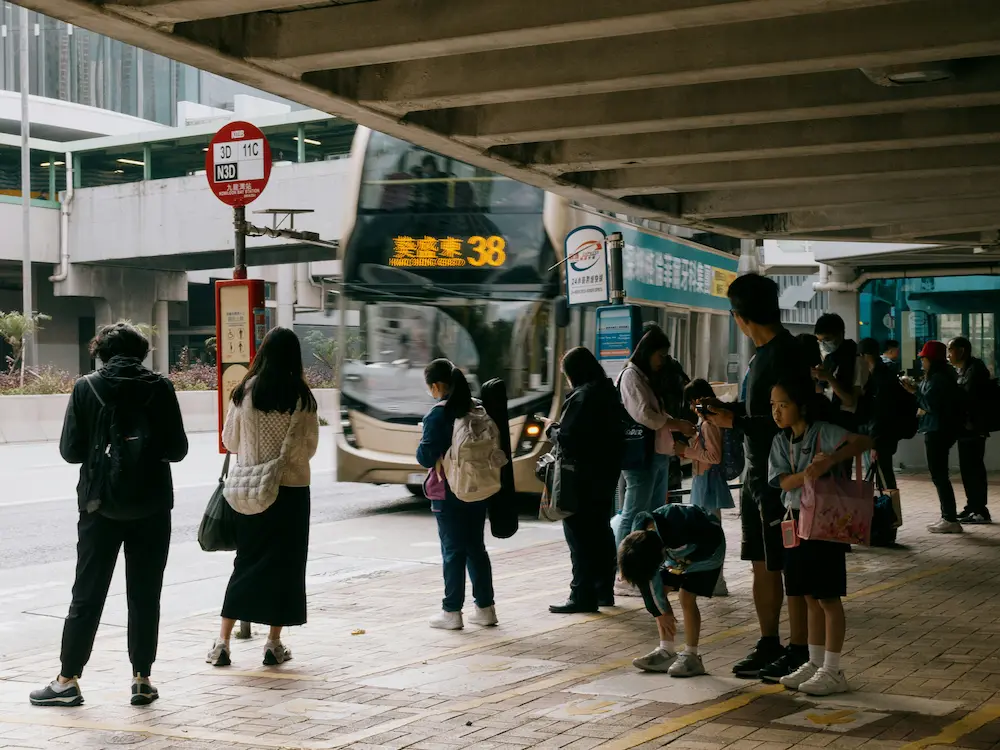
This is usually the real question behind planning Japan with kids —
will the trip actually feel enjoyable for your family, or exhausting most of the time?
After spending two weeks in Japan during cherry blossom season with our kids, we realised something important: Japan is wonderful for families, just not in the way people first imagine.
If your family enjoys slow mornings, neighborhood walks, parks, snacks, and short daily explorations tend to settle in easily here.
Kids become more curious, watching trains, noticing small details, and forming small routines each day. The experience doesn’t depend on constant entertainment because everyday life itself holds their attention.
Japan especially suits observant kids—often preschoolers and older kids who like looking, noticing, and copying what’s around them. The environment gives gentle structure, and instead of becoming overstimulated, many actually grow calmer.
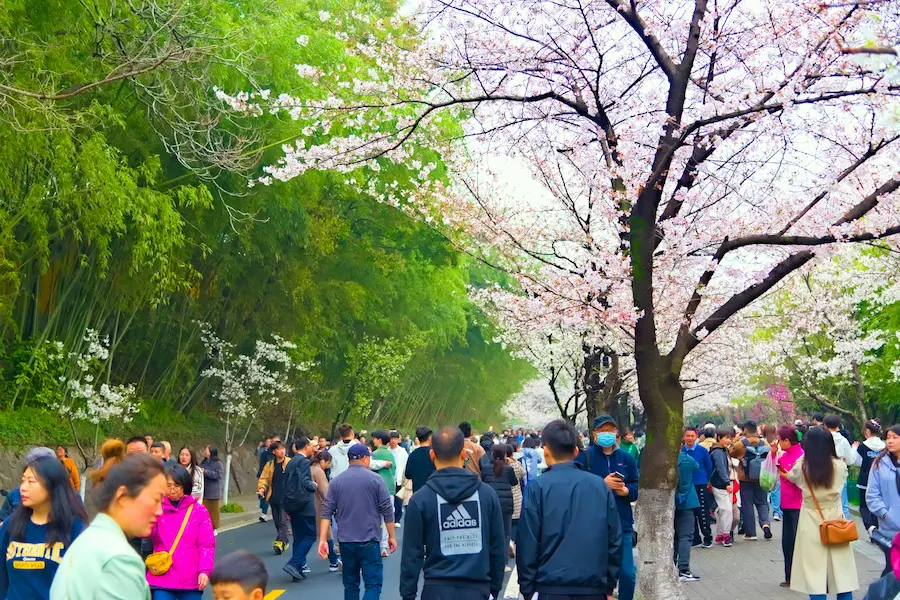
Where you may really struggle is when the trip is shaped around visiting famous sights rather than living in the places you visit. During peak blossom season, we felt that pressure too—crowded parks, busy paths, and a tired toddler who didn’t care how special the view was.
We left a few popular spots earlier than planned and wandered quieter streets instead, and those calmer hours became the moments my girl remembered most.
You might also wonder if your child will get bored without constant attractions. We had the same thought before going. Japan naturally balances this—interactive art spaces, themed parks, character cafés, and even trains that kids happily watch for ages exist —but they rarely need to structure the day. They work best as small highlights within slower days in Japan.
Japan works beautifully for families who are happy experiencing a place rather than completing it.
It feels tiring mainly when the trip becomes a checklist.
So yes—Japan is worth visiting with kids, especially for a first trip to Japan with kids, when the journey is shaped around comfort and rhythm rather than trying to see everything at the “perfect” time.
Which Part of Japan Works Best for Families?
One of the biggest decisions when planning Japan with kids isn’t how many places to visit—it’s choosing the place that matches your child’s personality.
We often assume we must move through multiple cities to experience Japan properly. In reality, the trip becomes much easier when your first base already fits how your child naturally explores the world.
Tokyo—for curious, high-energy kids
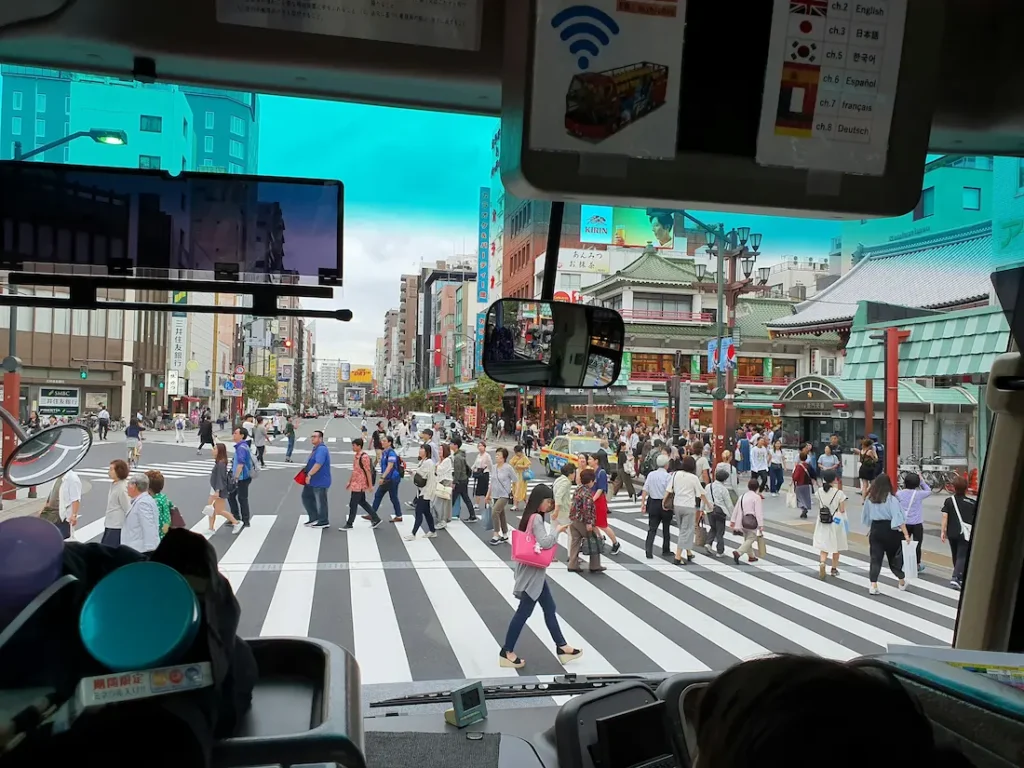
Some kids feel happiest when there is always something happening around them. They enjoy movement, variety, lights, trains passing every few minutes, and the feeling that the day keeps unfolding.
Tokyo works well for these kids because the environment keeps their attention without you needing to constantly create activities. You may find that energy carries the day instead of draining it.
(Read our guide: Tokyo with kids guide →)
Kyoto—for thoughtful, slower-paced kids
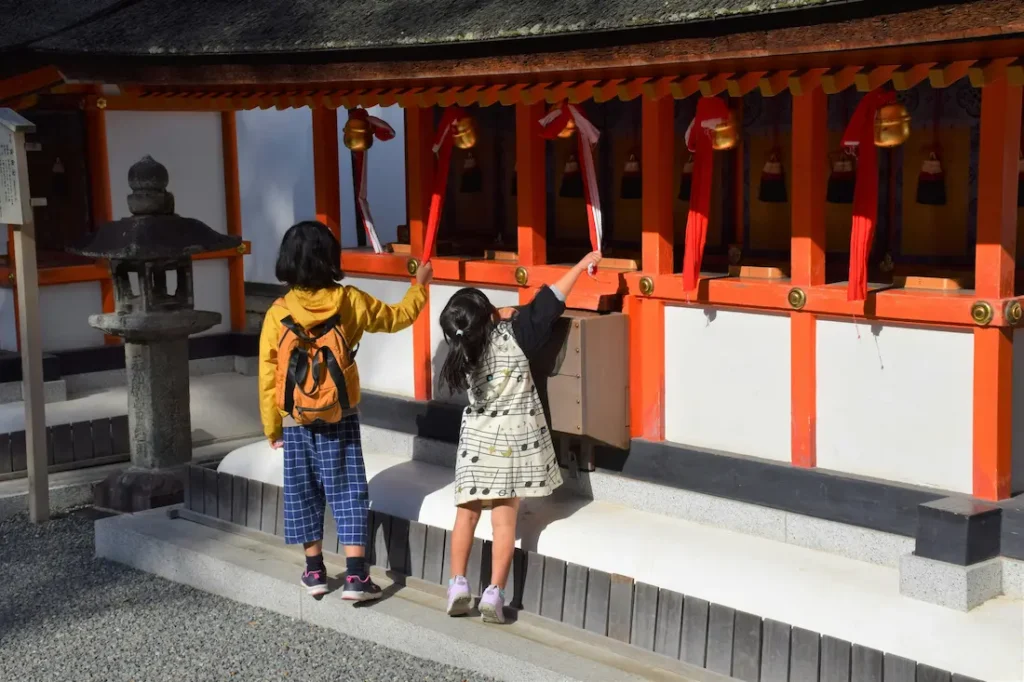
If your kids settle best when days feel predictable and calm. Your family will surely settle into repeating routes, recognizing places, feeding ducks in the same pond, or walking familiar streets.
Kyoto naturally supports this rhythm. You will experince slow life of Japan here without trying, and kids often become more relaxed because the surroundings don’t demand constant adjustment.
(Read Our guide: Kyoto with kids guide →)
Osaka—for social, playful kids
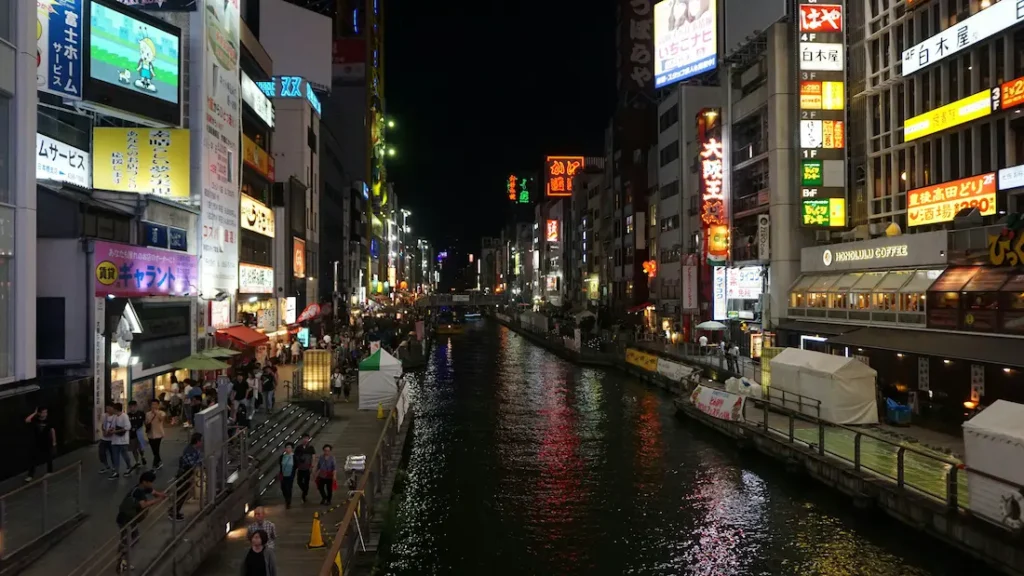
Some kids connect most through interaction—food, people, reactions, and atmosphere. They respond to friendliness and conversation more than scenery.
Osaka fits these personalities well because the city feels approachable. You may notice kids opening up faster here, and evenings feel easier rather than overstimulating.
Many families also choose to begin their Japan vacations here instead of Tokyo, since international flights now arrive directly into Osaka. Starting in a slightly calmer city can make the first days gentler, especially after a long journey with kids.
(Read our guide: Osaka with kids guide →)
Many parents also ask whether Tokyo or Osaka is better for families, which we compare in detail in this guide.
There isn’t a “best city” to give a perfect start for a family trip.
There is only the city where your kids feel comfortable—and once that happens, the whole journey becomes simpler to shape.
The Mistake That Makes Japan Exhausting
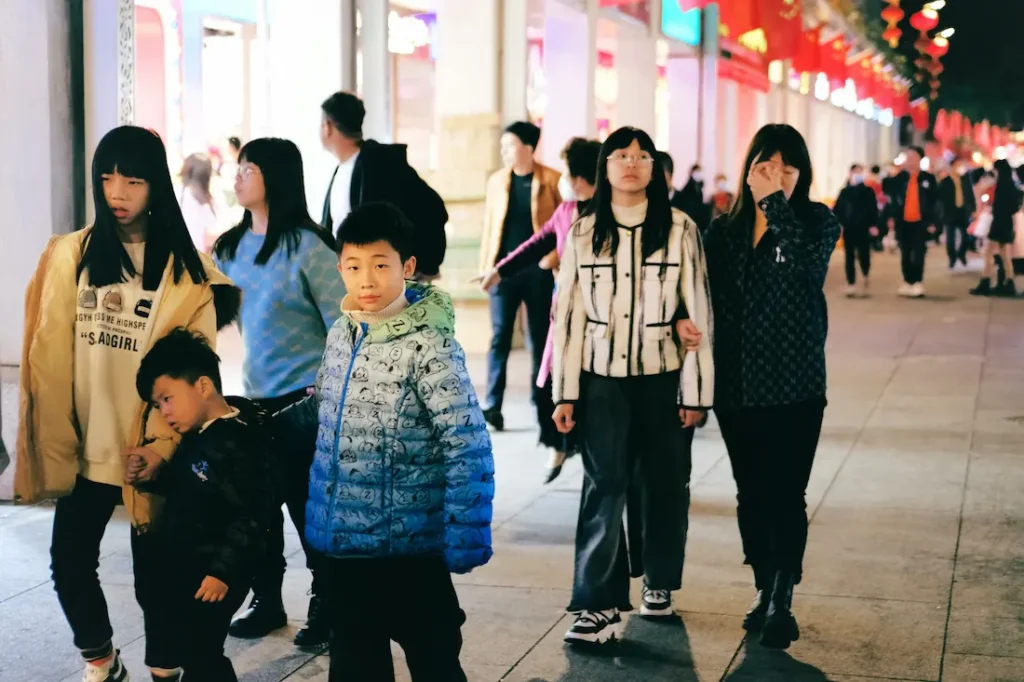
Most families don’t get tired in Japan because of the walking or the trains.
They get tired because they try to finish Japan perfectly.
Before our trip, it felt natural to move around so we wouldn’t miss anything important. Every place looked special, and skipping one almost felt like wasting the opportunity.
But each time we changed areas, the day quietly became harder—a new station to understand, new streets to figure out, and kids needing time to feel comfortable again.
Kids don’t experience trips as a list of highlights.
They experience familiarity.
Japan starts to feel relaxing when days repeat a little—recognizing a street, returning to the same bakery, and knowing how far the walk back is. Once that familiarity forms, outings feel lighter, and children cooperate without being pushed.
So the difference between an exhausting trip and a calm one to Japan with kids usually isn’t how much you do.
It’s how often the day begins from zero.
When we finally slowed down and let one area unfold around us, the trip changed. We still explored, but it felt easier—less like managing a schedule and more like living inside the place for a while.
That’s often the moment we realize Japan was never tiring—it just needed a gentler pace.
(teamLab Borderless with kids →)
Why Day Trips Make Japan Easier (Not Harder)
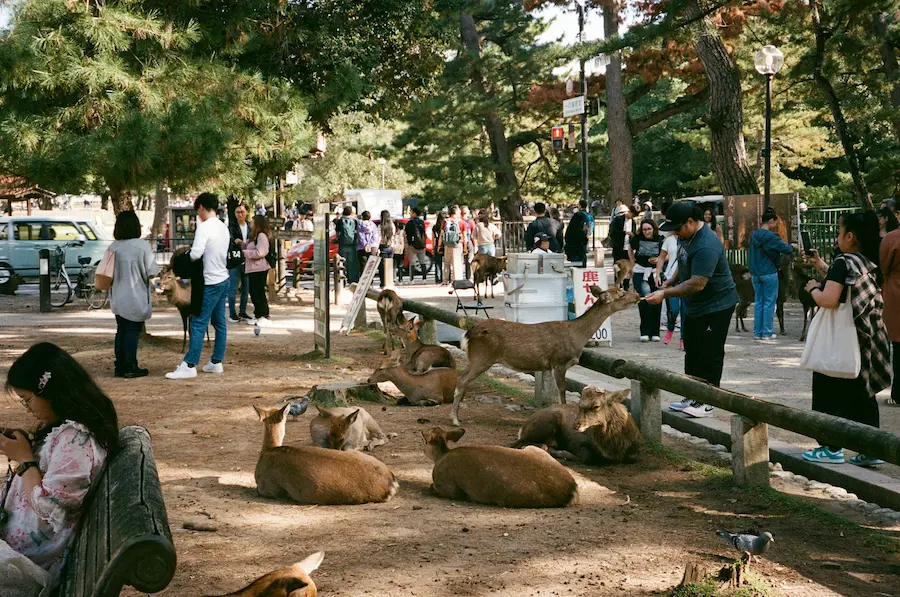
At first, day trips in Japan with kids can sound like extra effort—earlier starts, more trains, more planning. We thought the same before going.
But they ended up doing the opposite.
Once we stayed in one base for a few days, everyone settled. The kids understood the surroundings, we knew our way back, and mornings stopped feeling like resets. From there, short outings felt light instead of demanding—almost like stepping out for the day rather than travelling again.
That’s what makes day trips work well in Japan. You explore somewhere new, but you return to familiarity by evening.
Places like Nara, Uji, Hakone, or the Mt. Fuji area don’t need to become separate stops with new hotels and luggage. They naturally fit as gentle breaks between city days—a quieter morning, open space, different scenery—and then back to a place your kids already recognise.
Those small changes of environment often refresh kids more than a full relocation ever does. Instead of building energy for another move, they release it and reset.
Day trips don’t add pressure to a Japanese family trip (thanks to the efficient transport system).
They remove it—because the adventure happens without losing the comfort you’ve already built.
(See: best day trips from Tokyo with kids →)
A Gentle Structure for Planning Japan with kids
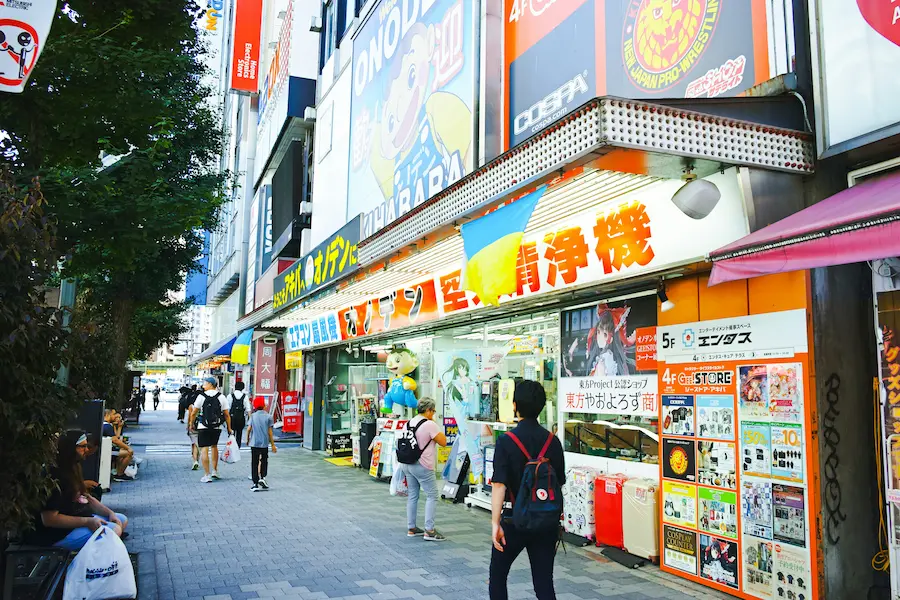
When we first started japan family trip, we kept trying to organise every day in advance. It felt reassuring at the time — until we realised the trip became easier once we stopped planning it hour by hour.
Japan naturally falls into a simple rhythm when you let it.
Arrive
The first days are really about adjusting — new sounds, new sleep patterns, and understanding small routines. Nothing needs to be achieved yet. Just letting everyone feel where they are already removes a lot of pressure.
Settle
After a couple of days, the surroundings start to make sense. You know the walk outside, the closest place to pause, how long the return takes. This is when children relax, because the day stops feeling unfamiliar.
Explore
Only then does exploring feel light. Short outings work better than long plans, and curiosity carries the day instead of schedules.
Expand
Once a base feels comfortable, nearby outings naturally fit in. They feel like a change of scene rather than another journey, because you return to the same place afterward.
Rest
Every few days, slowing down again keeps the trip enjoyable. A quiet morning or an early evening often resets everyone more than adding another activity.

This kind of rhythm isn’t about doing less.
It’s about letting the trip build gradually, which is usually what makes a first trip to Japan with kids feel calm instead of tiring.
Once this rhythm makes sense, the practical details — transport, packing, and daily logistics — become much easier to handle.
You can read our practical guide on traveling in Japan with kids here.
When You Should Wait Before Visiting Japan with kids
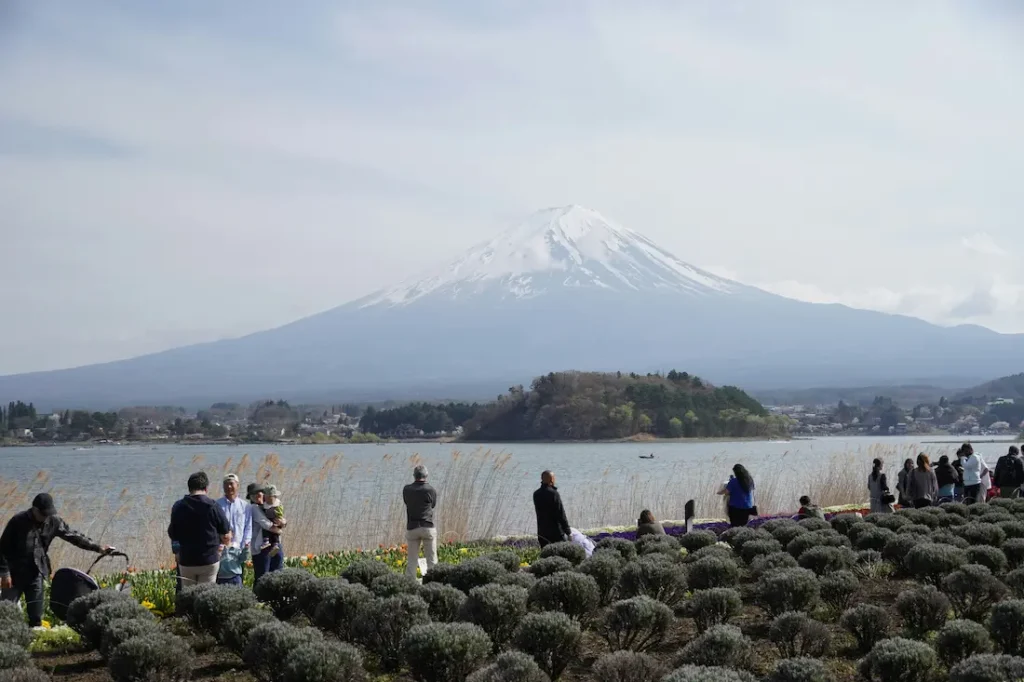
Japan suits many families, but it isn’t the right timing for every stage.
If your child is very sensitive to sleep disruption, long flights, or unfamiliar food, the first days can feel heavier than the trip itself. You may often end up managing adjustment rather than enjoying the place, especially on a very short visit.
It can also feel rushed when the plan depends on seeing specific seasonal moments, like cherry blossom or autumn foliage, or covering many cities quickly.
For longer international trips, it can also help to review official international travel advice for families before deciding the right timing.
Japan works best when there is room to slow down — without that space, even a beautiful trip can feel pressured.
Waiting a year or choosing a calmer season doesn’t mean missing the experience.
It usually means enjoying it more.
Sometimes the best Japan family trip planning decision is not whether to go, but when it will feel easy for your family.
What to Do Next

If this helped you picture how your Japan trip can feel, the next step is obviously, understanding the practical side — the everyday details that make the experience smooth once you’re there.
You can continue here: practical things to know before visiting Japan with kids.
From there, you can start choosing the base that fits your family best — whether that’s Tokyo, Kyoto, or Osaka — and shape the trip around a pace that feels comfortable rather than packed.
Japan doesn’t need a perfect itinerary.
It just needs a shape that works for your family, and the rest tends to fall into place once you arrive.