

After spending two incredible weeks exploring China with our two kids, we realized how much this country defies expectations.
Many of us still imagine China as a “developing Asian country,” but the moment you land, that image fades fast.
China is a world of its own—clean, safe, futuristic, and astonishingly well organized.
From Beijing’s majestic mix of dynastic history and modern infrastructure to Shanghai’s skyline that glows with evening light shows, every city amazed us with how family-friendly and efficient it was.
The subways are spotless and easy to navigate, neighborhoods are beautifully planned with cycle-friendly paths, and even in the busiest districts, everything runs smoothly.
Our journey—from walking the Great Wall to tasting dumplings in local markets, cruising the Tianjin River after sunset, and watching the kids play under neon-lit bridges—showed us a side of China that’s both advanced and deeply cultural.
It’s a country that reminded us of Vietnam’s green rice paddies and Japan’s orderliness, yet it remains uniquely Chinese in its rhythm and warmth.
If you’re planning your first trip, these 20 essential travel tips for China will help you prepare smartly and travel smoothly.
They cover everything we wish we’d known before our trip—from visas and VPNs to high-speed trains, digital payments, and cultural etiquette.
These insights come straight from our real experiences as a traveling family in 2025—so you can skip the confusion, pack smarter, and focus on enjoying one of Asia’s most fascinating destinations.
And if you’re visiting China with kids, don’t miss our detailed China with Kids Guide, packed with hands-on advice from our family adventures across Beijing, Shanghai, Chengdu, and Tianjin.
If you haven’t shaped your route yet, start with this guide on planning China with kids — then come back here for the practical setup.
1. China Is Massive – Be Ready for Big Crowds

China is truly vast—with over a billion people—and its major cities like Beijing and Shanghai can feel like entire countries in themselves.
Having lived in India, another incredibly populous nation, we thought we were used to crowds. But China still amazed us with how busy even regular weekdays could feel—especially with both local tourists and international visitors exploring at the same time.
If you’ve never experienced such large gatherings before, it can feel overwhelming at first—particularly when traveling with kids. Sometimes just crossing a section of a popular site like the Forbidden City or the Bund can take longer than expected.
Each city feels like a country in itself, buzzing with energy and people. Still, the system runs smoothly—crowds move in order, transport works efficiently, and getting around is surprisingly easy (we’ll share more in the next tip).
To make sightseeing easier, start early, pre-book tickets, and carry snacks and water for little ones.
Note:- Crowds peak during Chinese New Year, National Day (Oct. 1–7), and school holidays, when lines at train stations, theme parks, and attractions stretch endlessly.
2. Getting Around China: Trains, Subways & Taxis Made Easy
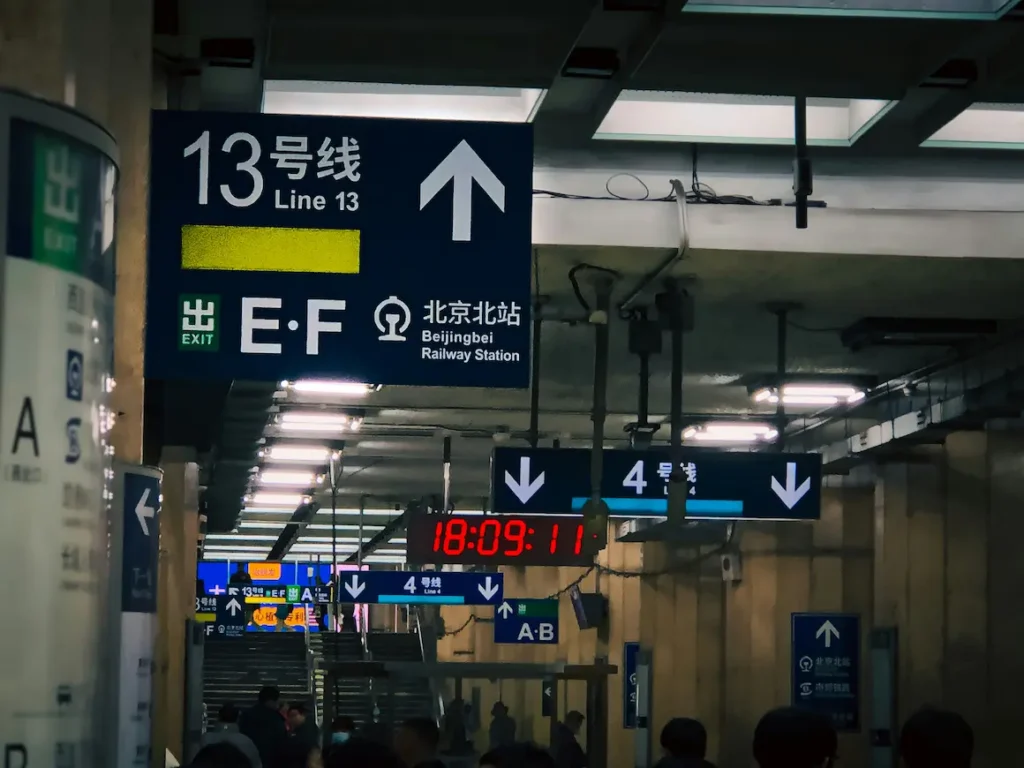
Despite its massive size, getting around China is surprisingly smooth. The country’s transport system is one of the most efficient we’ve seen anywhere—clean, punctual, and easy to use even for foreigners.
High-Speed Trains in china:

China’s high-speed rail network connects almost every major city, making long-distance travel fast and comfortable. We mostly used trains instead of flights, and it was the best decision—no airport hassle, just smooth boarding and scenic rides.
There are three classes: Second, First, and Business. Second Class offers great value, but if you’re traveling long distances (such as Shanghai–Chengdu or Chongqing) or with children, Business Class is worth it for addedcomfort. We once booked First Class from Tianjin to Shanghai and regretted it—it lacked the amenities that Business Class provides. You can easily compare fares and timings on Trip.com; it’s accurate and foreigner-friendly.
Subways in China:
Major cities like Beijing, Shanghai, and Guangzhou have spotless, modern subway systems that make exploring easy even during rush hour. Signs and announcements are in English, and metro cards like Beijing’s Yikatong or Shanghai’s Transportation Card save time at ticket machines.
Taxis & Didi App in China:

For short rides or airport transfers, the Didi app (China’s version of Uber) is a lifesaver. It works in English, shows upfront fares, and accepts foreign credit cards when linked in advance. We used it several times with kids, and it was always reliable and safe.
Whether you’re covering 5 miles or 500, getting around China feels effortless—and that’s what makes traveling here with kids so much easier than most people imagine.
3. You Need to Carry Your Passport in China, Everywhere!
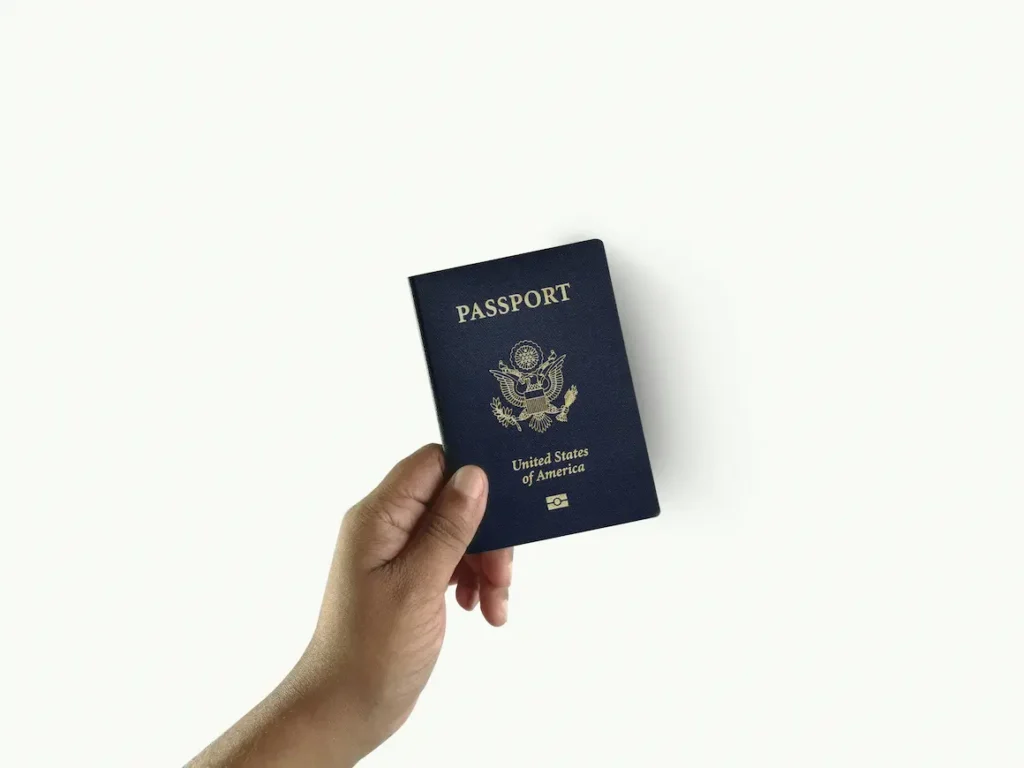
In China, your original passport is essential everywhere you go. You’ll need it not just for hotels or flights, but also for buying SIM cards, booking train tickets, or entering major attractions like the Forbidden City or the Great Wall—where passports are scanned at the gate instead of showing physical tickets.
Photocopies aren’t accepted, so make sure you carry everyone’s passport, including your kids’, in a secure but easy-to-access travel pouch. We learned this the hard way when we realized you can’t even collect pre-booked tickets without it.
Keep your passports safe but handy throughout the trip—it saves a lot of stress and prevents unexpected delays.
4. Language barrier in China

China is where you’ll feel the language gap more than anywhere else in Asia. English is rarely spoken, even in major cities—and almost never in local shops or small restaurants.
We found younger people were more comfortable using translation apps and always willing to help, but with older generations, communication can get tricky. Still, Chinese people are incredibly kind—many times, strangers at subway stations or on trains went out of their way to help us understand things correctly.
The key is to download a reliable translation app that works offline.
Apple Translate worked best for us; Google Translate often struggles due to China’s internet restrictions.
Just make sure your phone stays charged—because when you’re hungry and stuck with a non-English menu, it can really test your patience!
The good news: most subways, train stations, and tourist attractions have English signs, so getting around isn’t as hard as it first seems.
Learn or save key phrases in Mandarin to connect with locals.
- Hello”—Nǐ hǎo, pronounced “nee how.”
- “Thank you.” – Xièxiè, pronounced shieh-shieh
- “Where is the restroom?” – Cèsuǒ zài nǎlǐ?, pronounced tsuh-swoh dzai nah-lee?
5. China visa policy 2025
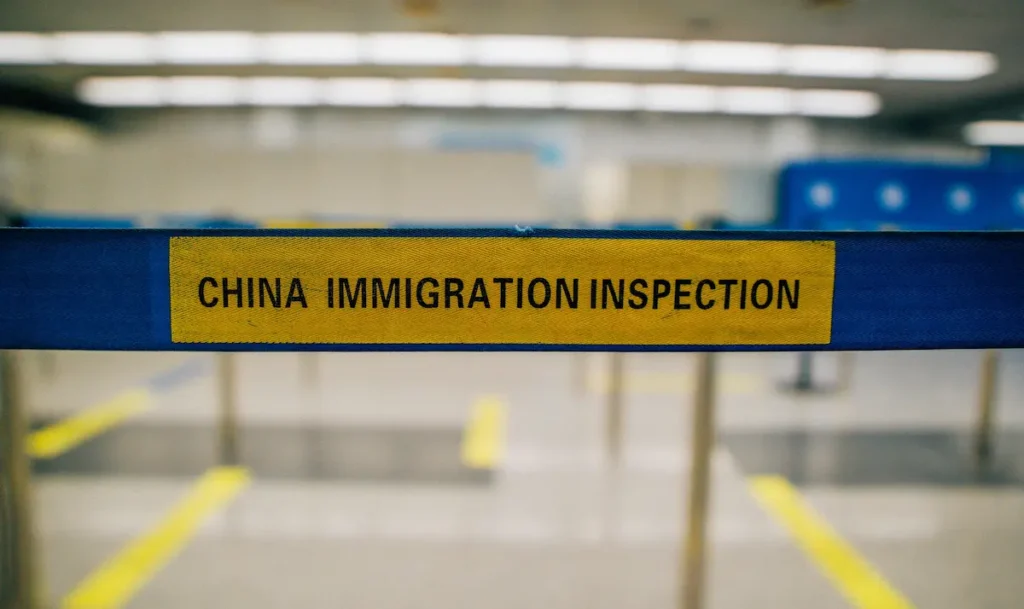
When we first planned our China trip while living in India, the visa process felt confusing and restrictive.
But as of 2025, China has made travel easier with expanded visa-free and transit options.
Now, citizens from 38 countries—including France, Germany, Spain, Singapore, and Malaysia—can visit China visa-free for up to 30 days.
For other travelers, China now offers a 240-hour visa-free transit policy (10 days) in major hubs like Beijing, Shanghai, Guangzhou, Chengdu, and Chongqing.
This means you can explore select regions without a visa if you’re transiting to a third destination, such as Hong Kong, Japan, or South Korea—just show your valid passport and confirmed onward ticket.
If you’d like more time to explore at your own pace, you’ll still need a tourist (L) visa. For U.S. citizens, this usually means applying for a 10-year multiple-entry visa, while others can opt for single or double-entry types.
Tip: Apply early and double-check the latest updates on China’s official government or embassy websites, as visa rules and eligible countries change frequently.
Having all family passports and documents ready together keeps the process smooth and stress-free.
6. What Navigation apps work in China?
Don’t rely on Google Maps in China—it’s blocked and outdated, along with many other Western apps.
Travelers often find themselves lost or frustrated when their usual navigation tools don’t load.
To avoid this, download local apps before your trip. Baidu Maps, Dianping, and Gaode (Amap) are the most popular in China, though all are in the Chinese language (Mandarin).
If you want English support and easier translations, Apple Maps works well in China, especially in bigger cities, but it can glitch in underground passages or subways.
Travel Tip: Enable offline maps in advance and keep your hotel address written in both English and Chinese. Many taxi drivers and locals may not understand English, so showing the Chinese version helps you get around smoothly.
7. Get Mobile Data in China Before You Land
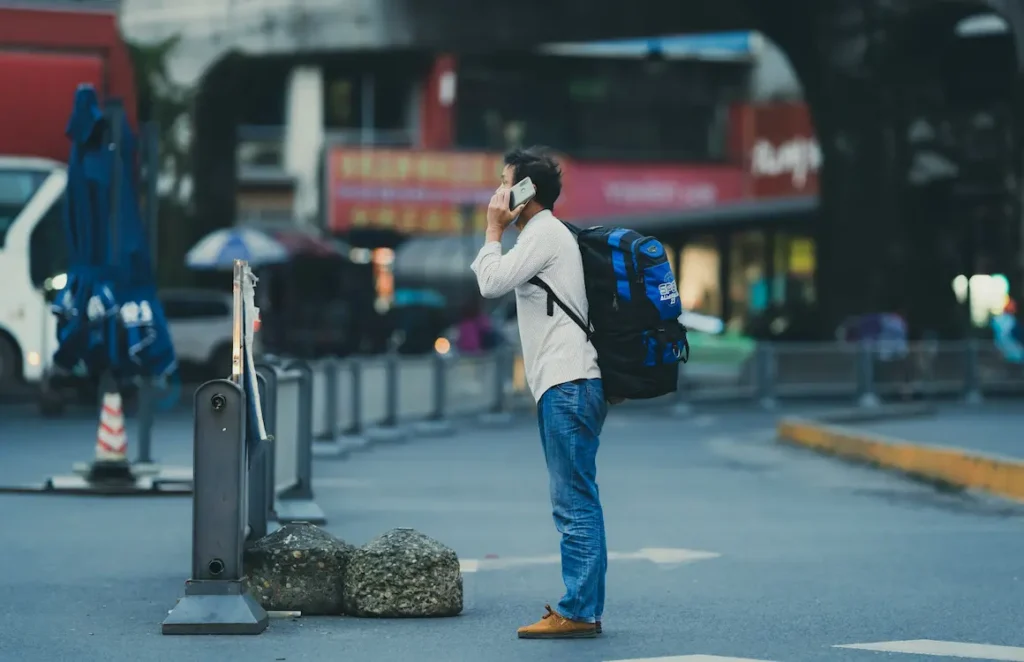
Staying connected in China is essential—especially if you’re visiting for the first time.
Instead of hunting for a SIM card at the airport, buy an eSIM in advance from providers like Airalo or Nomad.
They activate automatically when you land, saving time and ensuring instant access to navigation, translation, and ride-hailing apps.
If your phone doesn’t support eSIM, get a prepaid local SIM at the airport or a convenience store once you arrive.
From our experience, having mobile data ready before landing makes a huge difference—especially since many Western apps like Google Maps or WhatsApp won’t work without a VPN. With your data set up, you can smoothly use local apps from the moment you step out of the airport.
8. Do I need VPN in China?
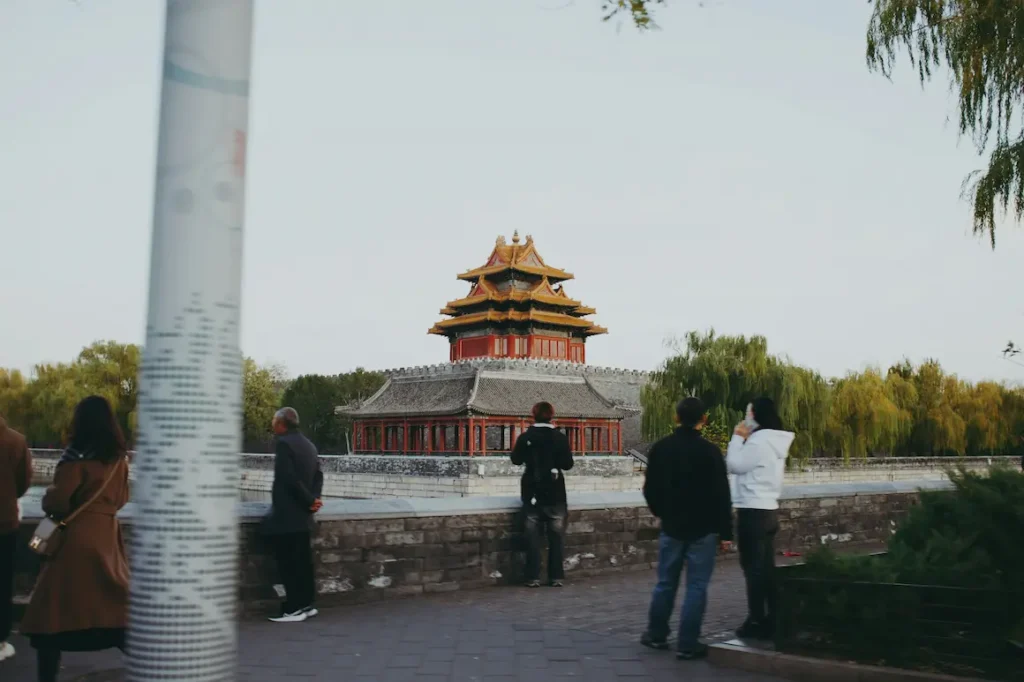
Yes—most international websites and apps like Google, WhatsApp, Instagram, and Gmail are blocked in China. To stay connected, you’ll need a reliable VPN (Virtual Private Network).
Always install and activate your VPN before arriving in China, as you won’t be able to download one once inside the country.
From our experience, VPN performance can vary by region and even day to day—what works perfectly in Shanghai might struggle in Chengdu or smaller towns. So don’t rely on just one option.
While ExpressVPN and NordVPN are popular choices, we found Mullvad VPN especially stable—even when traveling long distances or in remote areas like the Zhejiang mountains. (This isn’t a promotion—just real travel-tested feedback.)
Pro tip: Test your VPN on all your devices before departure so you can access maps, communication apps, and social media smoothly throughout your trip.
9. Payments in China: Mobile Wallets Over Cash

China is almost completely cashless now. Even small food stalls and taxi drivers prefer QR code payments over cash.
Set up Alipay or WeChat Pay before your trip and link them to your Visa or MasterCard.
These apps make paying for everything—from metro rides to meals—quick and easy.
We carried around 2000 RMB for our family of four and barely used 400 RMB during the entire trip. Only once, in Chongqing, did we need cash for a small street vendor.
Always keep your phone charged since mobile wallets are your lifeline for payments across China. Carry a power bank just in case.
Pro tip: Set up your account before arrival and keep some small bills handy as backup in case you’re in a remote area without digital payment options.
10. Safety in China: Safer Than You Might Expect
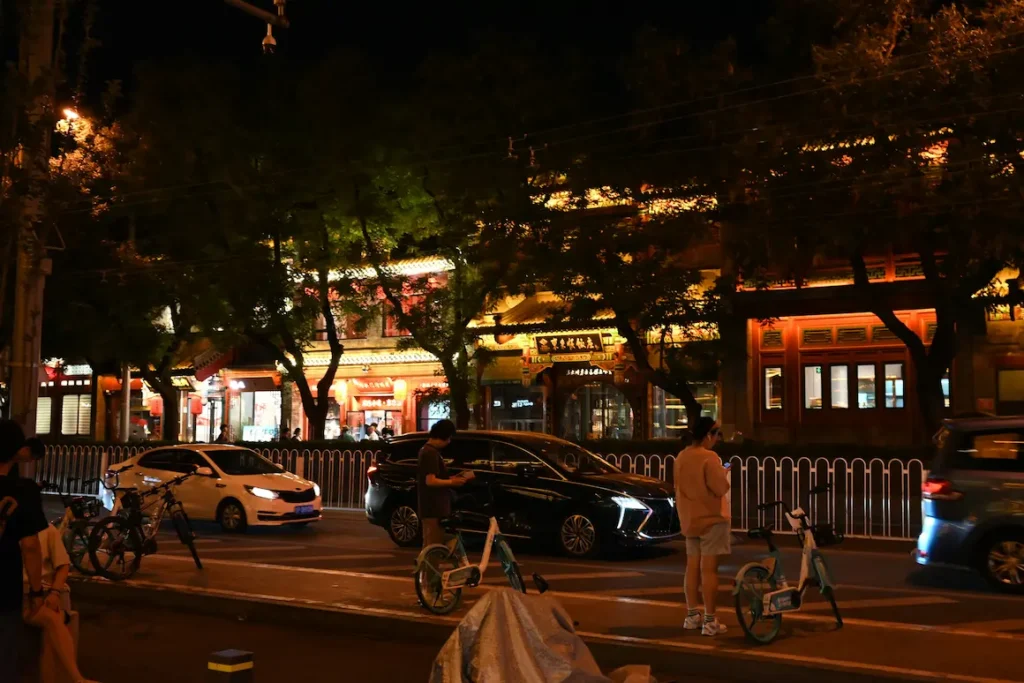
For parents and solo travelers, safety is often the biggest concern—but China feels surprisingly safe.
Violent crime is extremely rare, even in large cities like Beijing, Shanghai, or Chengdu. With CCTV cameras almost everywhere and an efficient police presence, families can explore day or night with confidence.
Of course, basic travel precautions still apply—keep an eye on your bags in crowded areas, use official taxis or Didi rides, and avoid unlit streets late at night.
In smaller towns and countryside areas, crime is almost unheard of, though amenities can be limited, so plan ahead.
Pro tip: Public restrooms are easy to find but rarely stocked with toilet paper—carry your own tissues to save the day!
11. Keep Your Phone Charged

In China, your phone is everything—your map, translator, and even your wallet.
Always carry a personal power bank, as mobile payments, ride apps, and translation tools rely on constant access.
While rental charging stations are common in China, having your own in huge cities or marketsensures peace of mind when traveling with kids.
12. Travel by High-Speed Train Instead of Flying
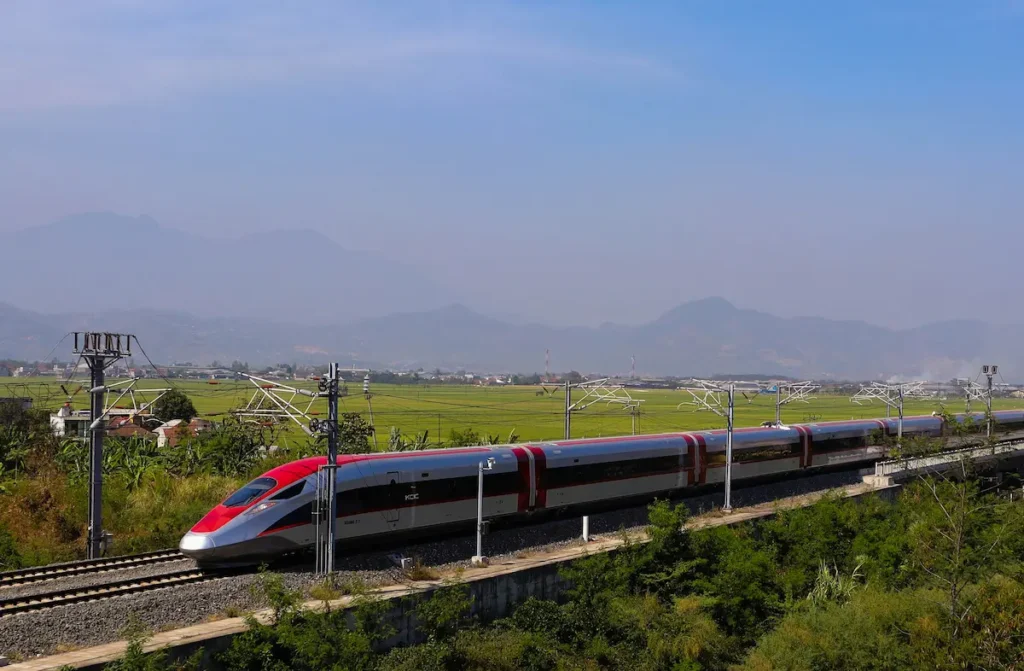
China’s high-speed rail network is one of the most efficient in the world—fast, safe, and family-friendly.
For many routes, it’s actually quicker and less stressful than taking a domestic flight. Trains are clean, spacious, and affordable, with plenty of snacks available onboard.
You can easily book tickets in English on platforms like Trip.com, making it simple for international travelers.
13. Use Subways to Get Around in Chinese Cities
Major cities pf China like Beijing, Shanghai, and Guangzhou have clean, modern, and reliable subway systems.
Chinese Subway’s are safe, affordable, and often faster than taxis during rush hour. Signs and announcements are also available in English, which makes navigating with kids much easier.
Do keep in mind that some station names can sound similar, so double-check before boarding to avoid mix-ups.
Pro tip: Pick up a metro card (like Beijing’s Yikatong or Shanghai’s Transportation Card) — it saves time and avoids the hassle of buying single tickets for every ride.
14. Don’t Skip Travel Insurance for China
Travel insurance is a must when visiting China. The country is vast, and even a minor medical emergency or trip disruption can become costly without coverage.
A comprehensive plan gives peace of mind by covering hospital visits, accidents, flight delays, and lost luggage—so your trip stays stress-free in any way.
15. Pick the Right Season to Visit China

Spring (April–June) and autumn (September–October) are the most comfortable times to explore China. The weather is mild, making sightseeing easier for kids and less tiring for parents.
Try to avoid peak holiday periods like National Day (Oct. 1–7) and Chinese New Year, when trains, flights, and attractions become overcrowded and expensive.
Planning around Springs or Autums in China helps your family enjoy a calmer experience.
Pro tip: If you must travel during holidays, book trains, flights, hotels and entry tickets months in advance to secure spots and better prices.
16. Cultural Differences in China

China has its own set of daily habits that may feel unusual at first, such as public spitting or crowded public spaces.
While these customs can surprise tourists, they are a normal part of local life and not considered rude.
For families, embracing these differences with patience will help kids adapt more easily and make the journey smoother. Experiencing new ways of life can also be a great teaching moment about cultural diversity.
Pro tip: Balance the experience by introducing your kids to positive traditions, such as joining a tea ceremony, trying calligraphy, or exploring local markets together.
17. Tipping in China Isn’t the Norm
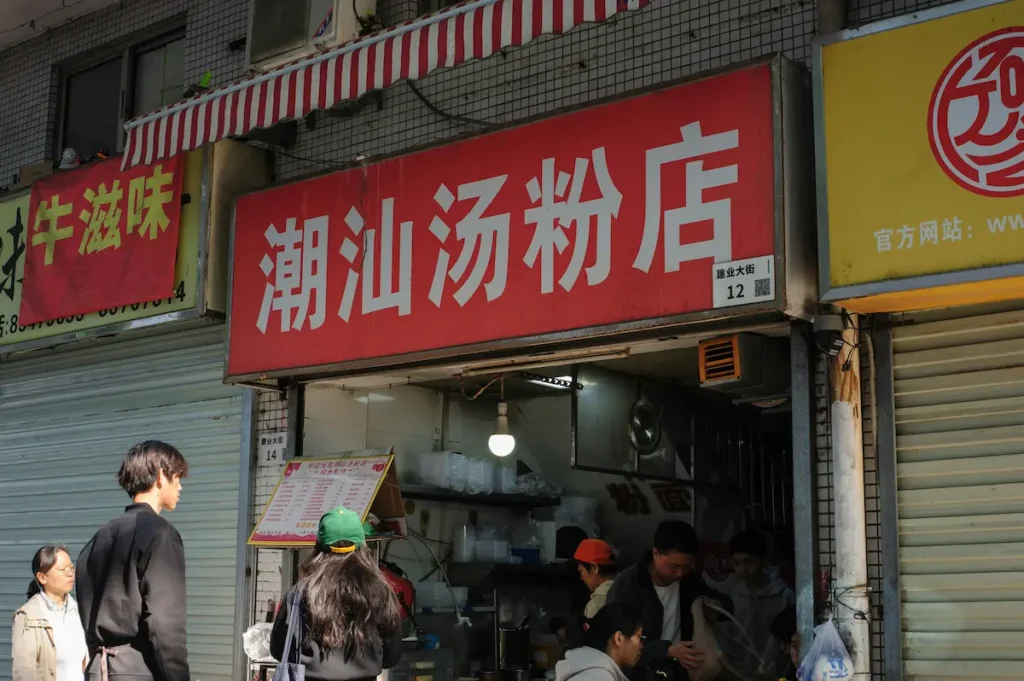
Unlike in the U.S. or Europe, tipping isn’t a common practice in China. In restaurants, taxis, or hotels, no one will expect extra money.
At most, rounding up the bill is a polite gesture, but it’s not required. You can relax knowing that service charges are usually already included in the price.
18. Food Options Vary Widely
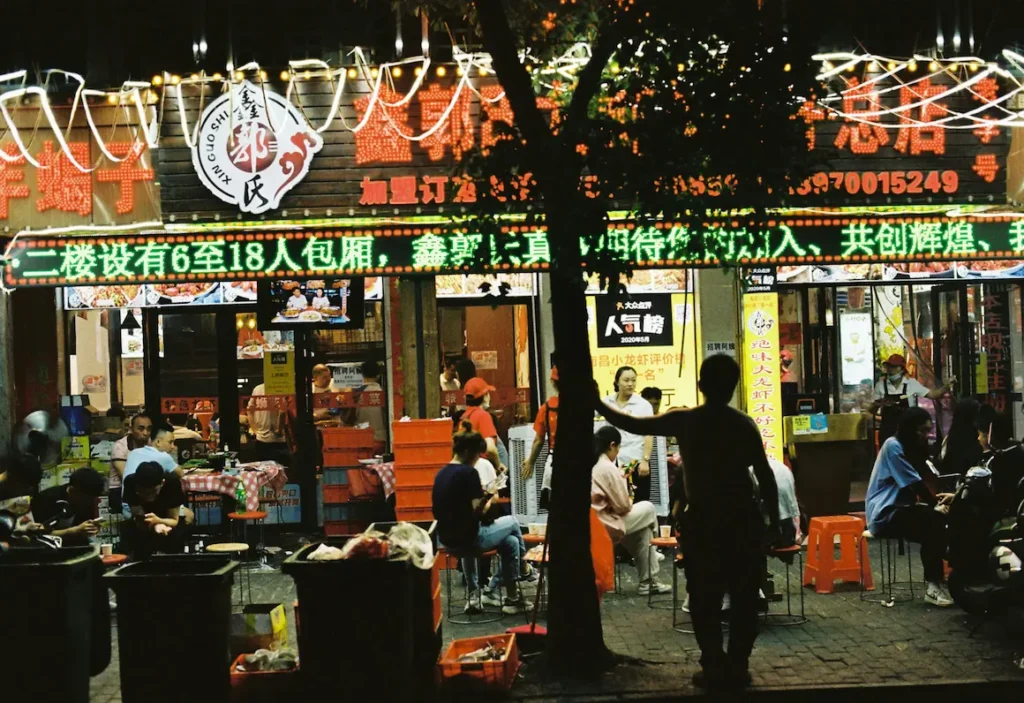
China’s food scene is wonderfully diverse—Sichuan’s spicy hotpot, Cantonese dim sum, and Shanghai’s delicate soup dumplings all offer a taste of regional culture.
At the same time, you’ll find plenty of kid-friendly fallbacks like Starbucks, McDonald’s, and KFC, which can be a lifesaver for picky eaters on long travel days.
Pro Tip: Carry some snacks your kids already love to bridge the gap between adventurous local chinese meals and familiar favorites.
19. Book International Hotels In China

All Chinese hotels must register foreign guests with the local police. International chains take care of this behind the scenes, making check-in smooth and stress-free.
Smaller guesthouses may ask you to report in person to the nearest Police station in China, which can be inconvenient with kids.
To avoid hassles, it’s best to book through global platforms or stick with well-known chains, who handels everything in the back.
Pro Tip: Look for hotels that have international recognisation or confirm it in front with the hotel staff if, they are providing this verification for you or not?
20. Practical China Travel Tips for Families
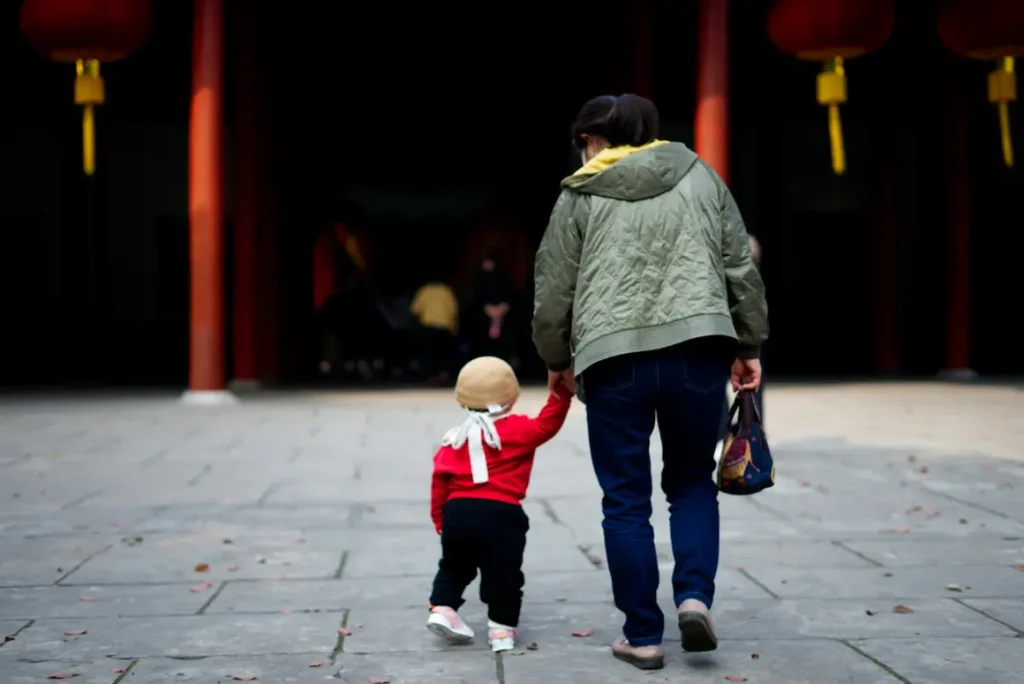
Traveling through China with kids doesn’t have to feel overwhelming. With a little preparation, the country becomes surprisingly easy to navigate — and even enjoyable for little travelers.
Here are some practical tips parents should keep in mind:
- Pack the essentials. Always carry snacks, refillable water bottles and sun hats. Summer days can be hot, and kids tire quickly when sightseeing.
- Book tickets in advance. Major attractions like the Great Wall or Forbidden City get crowded. Pre-booking not only saves time but also guarantees entry without long waits.
- Use the walkways. China’s footpaths and pedestrian walkways are well maintained, making city walks with kids safe and straightforward.
- Get around like a local. Subways are clean, affordable and stroller-friendly. Many families also enjoy renting bicycles for park rides.
- Bring a carrier or stroller. Both work well in China. Roads and sidewalks are smooth, so strollers won’t be a struggle. For busy areas or temple visits, a baby carrier is often easier.
- Prepare kids for cultural quirks. Spitting in public is common and can surprise children. A quick chat beforehand helps avoid awkward reactions.
- Lean into routines. Stick to regular mealtimes, and don’t hesitate to choose familiar food chains when little ones get picky. You’ll also find plenty of family-friendly Chinese restaurants happy to adapt dishes for kids.
Is China Safe to Travel with Kids?
Absolutely — China turned out to be one of the most rewarding family destinations we’ve visited in Asia with kids.
Before our two-week trip, we expected a place that might feel challenging for families.
But what we found was the opposite — clean cities, well-organized transport, modern infrastructure, and warm locals who often went out of their way to help us.
Yes, there are crowds and language barriers, but China’s efficiency truly amazed us. From high-speed trains that made long distances effortless to family-friendly attractions like the Great Wall, Shanghai Disney, and Chengdu’s Panda Base — every stop offered something unforgettable for the kids.
For families who enjoy exploring new cultures and want a glimpse of both ancient history and futuristic cities, China is a fantastic choice. With a little preparation and flexibility, you’ll find traveling here not just doable — but incredibly inspiring.
Our Family Travel Guides to China
If you’re planning a family trip across China, these destination guides will help you see how we navigated each city with two kids — from high-speed trains to hidden neighborhood gems:
- China with Kids: The Ultimate Family Guide – Everything you need to know before traveling China with kids — from safety and comfort to must-visit family attractions.
- Beijing with Kids – Our first stop in China! Exploring the Great Wall, wandering the traditional hutongs, and soaking in Beijing’s magical night vibes.
- Tianjin with Kids – A quick high-speed train escape from Beijing. Compact, clean, and surprisingly family-friendly for a day trip.
- Shanghai with Kids – China’s ultra-modern metropolis! Discover how we managed the buzzing crowds, stunning skyline views, and kid-friendly spots.
- Chongqing with Kids – Our favorite stop for its cyberpunk city views and neon-lit nights — a fascinating glimpse of modern China in motion.
- Zhangjiajie with Kids – The real-life Avatar mountains! See how we explored this natural wonder with a toddler and a young child in tow.
- Chengdu with Kids – The panda capital of China, and one of the calmest, most relaxing cities for families to unwind.
Each city brought a new surprise, from futuristic skylines to ancient temples — and though we had our share of toddler meltdowns, China turned out to be smoother, safer, and more welcoming than we ever imagined.
We’d love to know—what surprised you most about China, or which city is on your wish list?
Just drop a comment on your thoughts about the most hyped country in Asia.
FAQ about China
Q1. What should I know before traveling to China?
First-time visitors should be prepared for cultural differences, large crowds, and a cashless payment system. Download translation apps, carry your passport for ID checks, and expect security screenings at major sites. Plan for train tickets, local SIM cards, and VPN access if you need certain Chinese apps. We use WeChat or Alipay to work seamlessly.
Q2. Is China safe for foreign tourists?
Yes, China is generally safe for international travelers. Violent crime is rare. Just stick to licensed taxis, keep valuables secure, and be cautious when crossing busy roads. Families with kids will find most tourist areas well-regulated and secure, in a way similar to Japan.
Q3. How do I communicate in China without knowing Mandarin?
English is limited in big cities, so using a translation app is a must. Carry key phrases in Mandarin, show addresses in Chinese characters to taxi drivers, and rely on hotel staff for assistance. Visual cues and maps make communication easier.
Q4. What are the best China travel tips for parents with young kids?
Choose family-friendly cities such as Beijing, Shanghai, Tianjin, Chengdu, or Shenzhen. These destinations are easy to navigate with kids, offer safe public transport, plenty of attractions for children, and accommodations with Western-style amenities.
Keep your daily itineraries light, carry familiar snacks, and include stops at parks, aquariums, or cultural shows to keep kids engaged while you explore.
For a firsthand perspective, don’t miss our China with Kids Guide, where we share our experiences of traveling across China with two kids—navigating busy streets, cultural sites, crowded attractions, and magical evening light displays.
It’s packed with practical tips to help families prepare before heading to China.
5. Is China’s 144-hour Visa-Free Transit Policy still applicable?
No — as of December 2024, China expanded its transit visa-free stay from 144 hours to 240 hours (10 days) for eligible travelers from 55 countries. This means if you’re flying to another destination — like Japan, South Korea, or Taiwan — you can add a China stopover without applying for a full visa, as long as you hold an onward ticket to a third country.
For the latest rules, list of eligible countries, and permitted transit cities, see the official announcement from China’s National Immigration Administration.
6. Is the 144-hour visa policy valid for families/kids?
Yes, families can use the 144-hour visa transit policy for children with valid passports from eligible countries.
The usual rules apply: onward ticket, visa history, etc. Some additional things for families to note:
- Hotels will register guests; if staying at private residences, registration with local authorities might be required.
- Make sure all travel and tickets are for the onward journey.
- You’ll still need to follow local safety and law requirements as always.

FOUNDER • FAMILY TRAVEL WRITER • MUM OF TWO
About the Author
Hi, I’m Shivani, the founder of Roaming Crew.
Based in Singapore and having lived in different parts of Asia—including two years in India—I’ve explored 18+ destinations across the region, with 12+ of those journeys taken alongside my young kids.
From choosing family-friendly destinations and navigating local transport to budgeting, accommodation, and practical travel logistics, Roaming Crew is created with a parent-first mindset.