
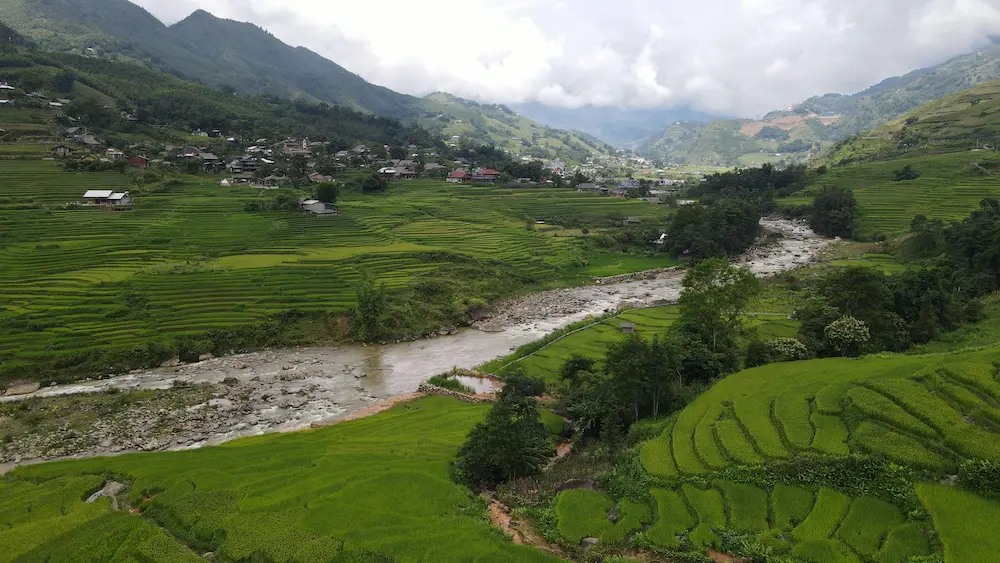
Vietnam is a country that stays with you long after the trip ends — through the rhythm of scooters weaving through chaotic roads, the scent of fresh cilantro and star anise rising from street-side phở stalls, and landscapes so dramatic they almost feel unreal.
And then there’s Sapa.
Hidden high in the mountains of northern Vietnam near the Chinese border, Sapa feels completely different from the rest of the country. Here, the air turns cooler, rice terraces carve their way across steep hillsides, and small village paths disappear into clouds rolling through the Hoàng Liên Sơn mountains.
For many travelers, Sapa becomes the emotional highlight of Vietnam. But here’s the part that no one tells you: Sapa is also one of the most physically demanding destinations in Vietnam for kids.
The winding mountain roads, unpredictable fog, steep village paths, and “traveler hazing” logistics can either feel magical or completely exhausting, depending on:
- Your child’s age
- Your travel pace
- The season
- Where you stay
- How you structure your Vietnam itinerary
And honestly? That’s exactly why we almost skipped it on our most recent Vietnam trip.
We’ve visited Vietnam multiple times over the years. During one trip, we explored Sapa with our daughter, who was around 2.5 years old, and it became one of our most unforgettable experiences. She loved walking through tiny villages, spotting water buffalo near the rice terraces, and simply having space to slow down after the intensity of Hanoi.
At that stage, Sapa worked because we only had one child and moved at a glacial pace.
But on our latest trip with two young children — including a baby — we made the difficult decision to skip Sapa entirely. Not because we stopped loving it, but because we understood something vital: Sapa is only enjoyable with young kids when you plan it intentionally.
If you’re wondering if you should lug a stroller up a mountain or if a 6-hour bus ride with a toddler is a form of “traveler hazing,” you’re in the right place. This guide is the real picture of Sapa’s logistics in 2026.
If you’re still planning your route, our complete Vietnam with Kids Guide breaks down the best destinations, family logistics, and how to build a realistic itinerary.
Sapa with Kids at a Glance:
| Category | The Fast Facts for Families |
| Best For | Slow travel, mountain air, and cultural immersion. |
| Suggested Duration | 3–4 Nights (Anything less feels like too much transit). |
| Peak Season | March–May (Spring) & September–October (Harvest). |
| Transport | Private SUV/D-Car Limousine (safest & most flexible). |
| Mobility | Baby Carrier Only. Strollers are useless outside the town square. |
| Kids’ Highlight | Fansipan Cable Car & Batik Craft Workshops. |
| Western Comforts | Good in Sapa Town; limited/rustic in valley homestays. |
| Health Tip | Pack motion sickness meds for the winding mountain roads. |
Is Sapa Worth Visiting with Kids? Our Honest Verdict
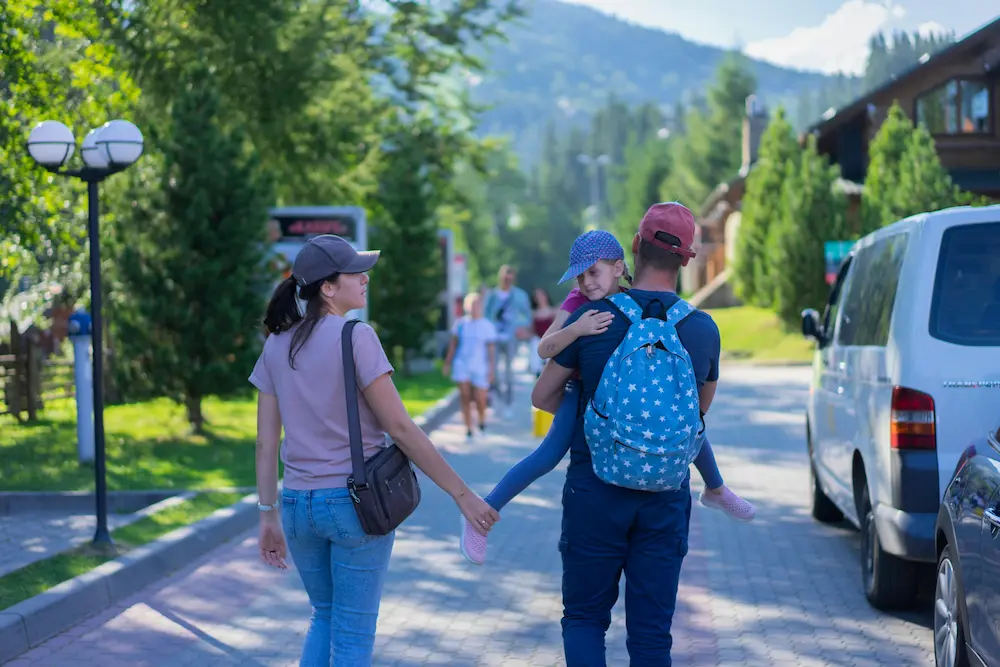
Yes, Sapa is worth visiting with kids if you can slow down and experience it at the right pace.
Sapa is a great fit for families who:
- ✅ can stay at least 3–4 nights
- ✅ enjoy nature and outdoor adventures
- ✅ don’t mind walking on uneven terrain
- ✅ are comfortable using a carrier instead of relying on a stroller
- ✅ want a quieter and more authentic side of Vietnam
You may want to skip Sapa if:
- ❌ You only have 10–12 days in Vietnam
- ❌ Your child suffers from severe motion sickness
- ❌ You’re traveling with multiple young children on a fast-paced itinerary
- ❌ You’re looking for a beach-style family vacation
- ❌ Stroller-friendly infrastructure is important to you
Our Honest Verdict
After visiting Vietnam multiple times, our perspective on Sapa has changed.
We loved visiting with our daughter when she was around 2.5 years old because we stayed for a while, booked a countryside homestay, and treated Sapa as a destination rather than a quick stop between attractions.
But on a later trip with two young children and a more ambitious Vietnam itinerary, we deliberately skipped Sapa.
Not because we stopped loving it.
But because we understood something many guides don’t mention: Sapa only works well for families when the logistics match the pace.
For the right family, Sapa can easily become one of the most memorable destinations in Vietnam.
For the wrong itinerary, it can become the most exhausting.
Sapa Is BEST for Families Who
- Prioritize nature over sightseeing
- enjoy slower travel and flexible days
- can stay at least 3–4 nights
- are comfortable using a baby carrier or hiking pack
- want their children to experience village life and mountain landscapes
Sapa May NOT Be Ideal If:
- You’re rushing through Vietnam in 10–12 days
- Long mountain drives cause motion sickness
- You prefer easy, stroller-friendly destinations
- You’re expecting luxury infrastructure everywhere
- You’re trying to visit Sapa as a quick overnight stop
The reality is that Sapa isn’t difficult because of the kids. It’s difficult because of the logistics.
Get the pace right, and it can be magical.
Sapa vs Other Family Destinations in Vietnam
One of the biggest questions families ask when planning Vietnam is whether Sapa is worth the extra travel time compared to easier destinations like Ninh Binh, Hoi An, or Da Nang.
The answer depends entirely on what kind of family experience you’re looking for.
| Destination | Best For | Family Effort Level |
|---|---|---|
| Sapa | Mountains, rice terraces, village culture | High |
| Ninh Binh | Scenic landscapes with easier logistics | Low |
| Hoi An | Walkability, lanterns, family-friendly atmosphere | Low |
| Da Nang | Beaches, resorts, relaxed family travel | Very Low |
Our personal view?
If you only have 10–12 days in Vietnam, we would usually recommend Ninh Binh or Da Nang before Sapa for families with very young children.
But if you have extra time and want Vietnam’s most dramatic mountain scenery, Sapa offers an experience that simply doesn’t exist anywhere else in the country.
Still deciding where Sapa fits into your trip? Our complete Vietnam itinerary with kids compares northern, central, and southern Vietnam for different travel styles and trip lengths.
The Reality of Sapa with Young Kids
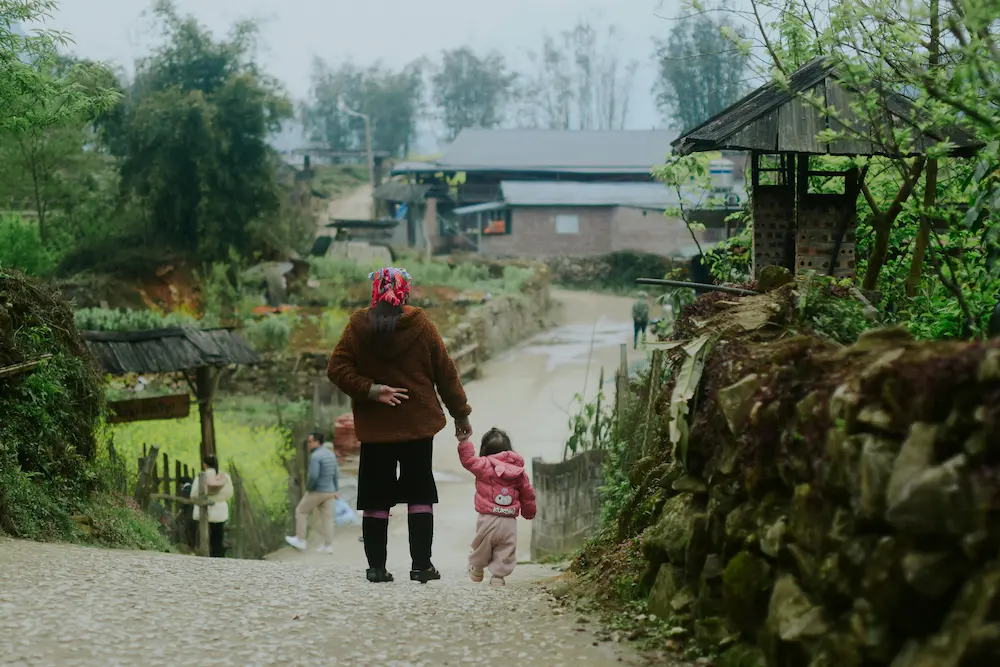
Sapa looks like a dream in photos — endless rice terraces, cloud-covered mountains, and children running through quiet villages.
And honestly, parts of it really are that magical.
But Sapa feels very different in real life than many first-time visitors expect.
For families, understanding that reality before you arrive is often the difference between loving Sapa and finding it exhausting.
What Families Expect
- Peaceful mountain walks
- Stunning rice terrace views
- Cooler weather
- Quiet village life
- A relaxing escape from Hanoi
What Sapa Actually Feels Like
- Steep roads and uneven paths
- Sudden fog that can hide the entire valley
- Rain and muddy trails, even during drier months
- Cooler temperatures than most of Vietnam
- Busy tourist areas in central Sapa Town
Many parents are surprised by- that the famous postcard views are not guaranteed. Weather changes quickly in the mountains, and some days Sapa is more about atmosphere than scenery.
That doesn’t make it less beautiful.
It just means you need to arrive with flexible expectations.
Why Families Either Love or Struggle in Sapa
The families who tend to love Sapa are usually those who:
- Stay at least 3 nights
- Choose countryside accommodation
- keep their itinerary flexible
- enjoy slower travel
Families who struggle are often trying to squeeze Sapa into a packed Vietnam itinerary and expecting to “see everything” in one or two days.
Sapa rewards patience, flexibility, and slower travel more than almost anywhere else in Vietnam.
Planning a broader family adventure?
Vietnam’s incredible diversity, warmth, and scenery are exactly why we ranked it as a top contender in our ultimate roundup of the best Asian destinations to travel with kids. If you are trying to decide how Vietnam stacks up against spots like Japan, Thailand, or Bali for stroller-friendliness and family logistics, check out our full regional breakdown.
7 Best Things to Do in Sapa with Kids
One of the reasons families travel all the way to Sapa is for the experiences that kids simply can’t have in most other parts of Vietnam.
From riding one of the world’s longest cable cars to spotting water buffalo in rice terraces, Sapa offers a mix of adventure, nature, and cultural experiences that work surprisingly well for families when approached at the right pace.
Here are our favorite family-friendly things to do in Sapa.
1. Ride the Fansipan Cable Car
If you only do one activity in Sapa with kids, make it this one.
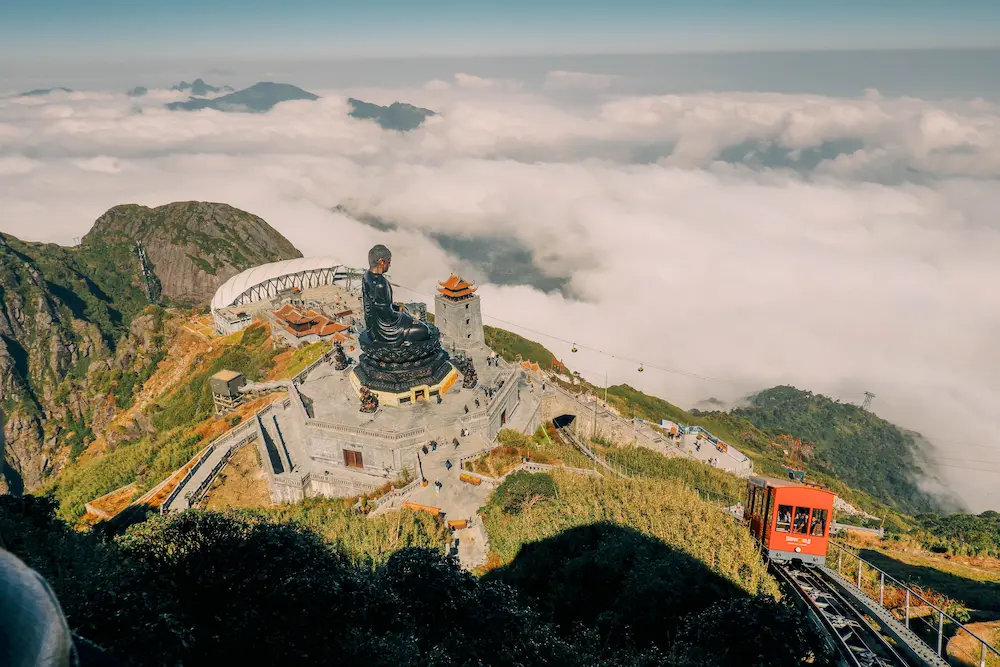
The Fansipan Cable Car takes families high above the Muong Hoa Valley, offering incredible views of rice terraces, mountain ridges, and cloud-covered valleys below. For many children, the cable car ride itself is more exciting than reaching the summit.
For families with toddlers, we recommend exploring the lower temple and garden areas rather than rushing to the very top. There are fewer stairs and more space for little ones to move around comfortably.
Best for: All ages
2. Take a Family-Friendly Rice Terrace Walk
Walking through Sapa’s famous rice terraces is one of the most memorable experiences in northern Vietnam.
Rather than attempting a demanding full-day trek, families with younger children should choose shorter routes around Lao Chai or Ta Van villages. These walks offer beautiful scenery without exhausting little legs.
Our daughter loved spotting water buffalo, crossing small bridges, and watching local farmers working in the fields.
Best for: Ages 3+
3. Explore Ta Van Village
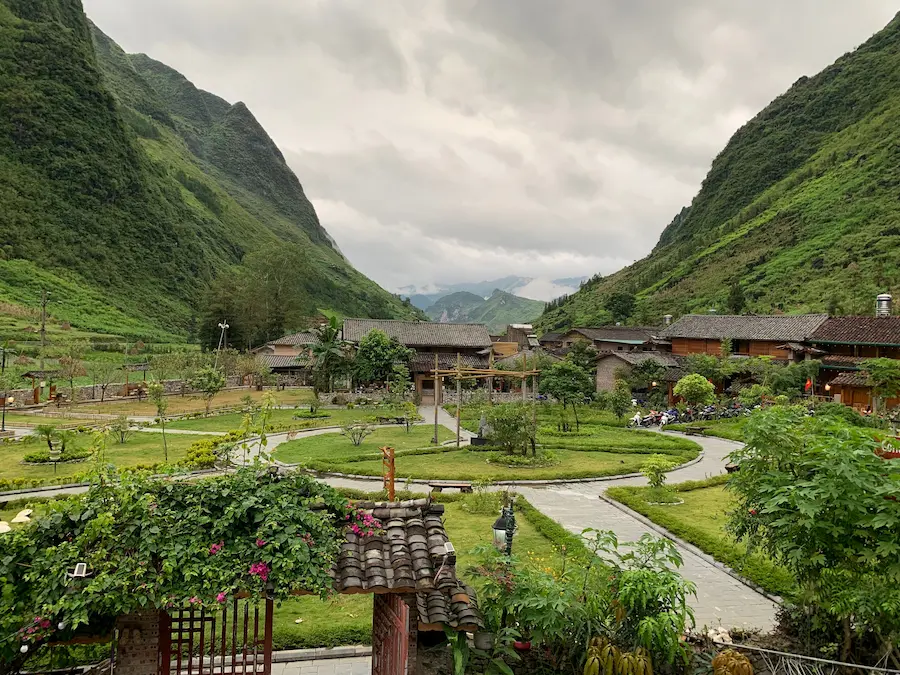
If you want to experience the quieter side of Sapa, Ta Van Village is one of the best places to visit.
Compared with busy central Sapa, Ta Van feels slower and more authentic. Kids can see village life up close, watch chickens and ducks wandering freely, and enjoy open spaces away from traffic.
This was easily one of our favorite areas in Sapa.
Best for: All ages
4. Visit Love Waterfall
Love Waterfall is one of the easiest nature experiences in Sapa for families.
The walk to the waterfall takes around 20–30 minutes through forest scenery and is much more manageable than many of Sapa’s trekking routes. Older toddlers and young children can often walk parts of the trail on their own.
The waterfall itself is beautiful and provides a refreshing escape on warmer days.
Best for: Ages 4+
5. Join a Traditional Batik Workshop
When rain or fog rolls into the mountains, a batik workshop becomes one of the best indoor activities in Sapa.
Many local Hmong families offer hands-on classes where children can learn traditional wax-printing techniques used to decorate fabrics. It’s creative, educational, and provides a meaningful connection to local culture.
Best for: Ages 5+
6. Relax in Sapa’s Mountain Cafés
This might sound like an activity for parents, but some of our favorite family moments in Sapa happened in mountain cafés.
On rainy afternoons or after long walks, we loved settling into a café overlooking the rice terraces while our daughter enjoyed hot chocolate and snacks.
Sapa’s café culture is part of what makes the region feel so different from the rest of Vietnam.
Best for: All ages
7. Wander Through Sapa Market
Sapa Market offers a fun glimpse into everyday life in the mountains.
Children often enjoy the colors, local produce, handmade crafts, and traditional clothing. Short visits work best with younger kids, especially during busier hours.
It’s also a great place to pick up small souvenirs before leaving Sapa.
Best for: All ages
Quick Activity Comparison for Families
| Activity | Best Age | Effort Level | Weather-Friendly |
|---|---|---|---|
| Fansipan Cable Car | All ages | Low | Yes |
| Rice Terrace Walks | 3+ | Medium | No |
| Ta Van Village | All ages | Low | Mostly |
| Love Waterfall | 4+ | Medium | Partly |
| Batik Workshop | 5+ | Low | Yes |
| Mountain Cafés | All ages | Low | Yes |
| Sapa Market | All ages | Low | Mostly |
Stroller vs Carrier in Sapa
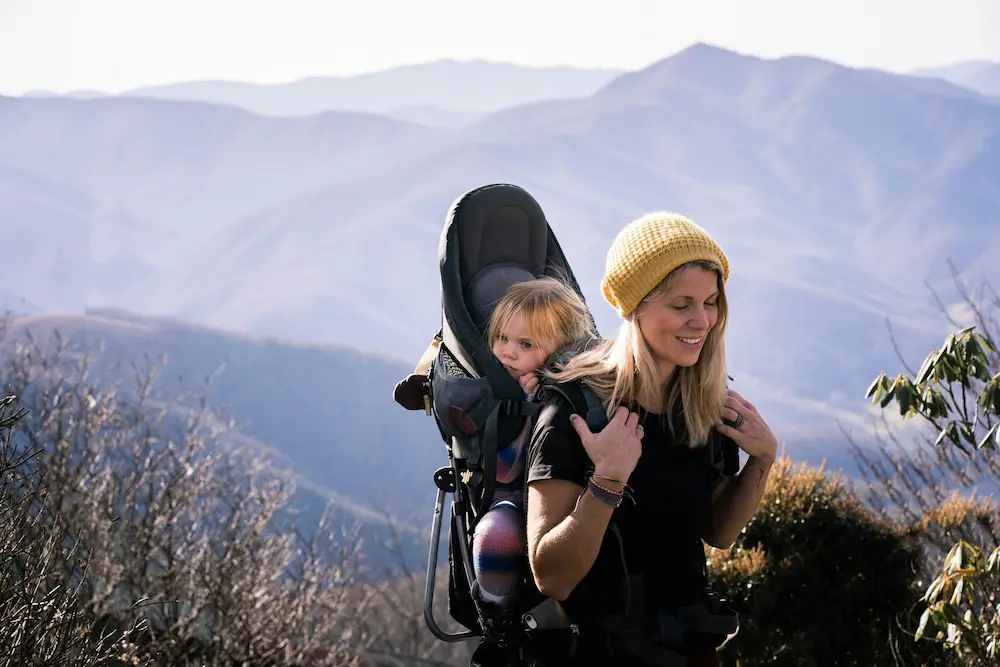
If you’re wondering whether it’s worth bringing a stroller to Sapa, the short answer is
A baby carrier will be far more useful than a stroller.
While parts of Sapa town are manageable, most of the experiences families come for—rice terraces, village walks, waterfalls, and countryside homestays—are not stroller-friendly.
Can You Use a Stroller in Sapa?
| Area | Stroller Friendly? | Reality |
|---|---|---|
| Sapa Town Center | ⭐⭐⭐ | Manageable for short walks and restaurants |
| Cafés & Restaurants | ⭐⭐⭐ | Usually fine, though some have steps |
| Fansipan Cable Car | ⭐⭐⭐⭐ | Surprisingly accessible for families |
| Cat Cat Village | ⭐ | Steep stairs and uneven paths |
| Rice Terraces & Village Walks | ❌ | Not practical for strollers |
A lightweight travel stroller can still be useful around town, but once you leave the main streets, carrying becomes much easier than pushing.
We found this was true throughout northern Vietnam, especially in Hanoi’s Old Quarter, where sidewalks can be equally challenging with young children.
Which Carrier Works Best in Sapa?
For babies and toddlers, we strongly recommend bringing an ergonomic carrier.
For Babies (0–12 Months)
A breathable carrier, such as
works well for shorter walks and sightseeing.
For Toddlers (1–3 Years)
A hiking carrier offers the best comfort for longer days.
Popular options include:
For Preschoolers (4+ Years): Consider a “piggyback” foldable seat or simply plan for a “high ratio” of café breaks. The hip support and weight distribution make a huge difference on uneven paths and village trails.
Our Verdict
For most families visiting Sapa, the ideal combination is:
- lightweight travel stroller for towns and airports
- ergonomic baby carrier for Sapa itself
If you don’t want to fly across the world with a bulky hiking pack, look into KidEase Rentals in Hanoi. You can rent high-end carriers and have them delivered to your hotel before you head north.
Good weight distribution also matters more than most parents expect in Sapa because even short walks can feel physically tiring at higher elevations and on steep roads.
What Worked for Us with a 2.5-Year-Old
When we visited with our 2.5-year-old, we realized that Sapa isn’t just a physical test for parents—it’s a test for the kids. Even the best carrier won’t stop a toddler from getting “mountain bored.”
We found that alternating carry-time with “independent exploration” was the key. We let her walk the flat parts of the rice terrace ridges (holding our hands!), which gave her a sense of adventure.
When the path got steep or muddy, she went straight into the Osprey pack.
The Result: She felt like an explorer, and we didn’t end the day with blown-out lower backs.
We planned our route around fewer destinations—Hanoi, Sapa, and Ha Long Bay—and then ended with slower beach time in Da Nang, which made the physical demands of Sapa feel much more manageable.
That slower pacing made a huge difference.
Trying to squeeze Sapa into a fast-moving Vietnam itinerary with young children is usually where many families begin struggling.
Visiting Sapa with a Toddler: What We Learned
If you’re specifically traveling to Sapa with a toddler, here’s the good news:
It can absolutely work.
In fact, one of our favorite family memories in Vietnam came from visiting Sapa when our daughter was around 2.5 years old.
But looking back, we also realize that several things worked in our favor.
At the time:
- We only had one child
- Both parents could take turns carrying her
- She genuinely enjoyed walking independently
- Tantrums during travel were rare
- And we planned our entire northern Vietnam trip at a very slow pace
Most importantly, Sapa wasn’t just one stop on a rushed Vietnam itinerary.
We spent almost four days in the region and built the rest of the trip around slower destinations, including Hanoi, Ha Long Bay, and later some relaxing beach time in Da Nang.
That extra flexibility made all the difference.
Can Toddlers Walk in Sapa?
Some can—at least for parts of the day.
Our daughter loved exploring village paths, spotting water buffalo, and walking short sections of the rice terrace trails herself. Giving her that freedom made the experience feel like an adventure rather than a hike.
What worked best for us was alternating between walking and carrying.
On flatter sections of the trails, we let her walk independently while holding our hands. When the paths became steeper, muddier, or more crowded, she went straight into the carrier.
That balance kept everyone happier. She felt like a little explorer, and we avoided carrying a tired toddler for hours at a time.
Parents should still expect to carry their child frequently in Sapa. Even relatively easy walks can involve:
- steep inclines
- slippery paths after rain
- uneven stone steps
- muddy sections through villages and rice terraces
For most families visiting Sapa with a toddler, a quality baby carrier or hiking carrier is one of the most useful items you’ll pack.
A Quick Note About Fansipan with Young Kids
One of our daughter’s favorite experiences in Sapa was riding the Fansipan Cable Car. The ride itself felt like an adventure, and seeing the mountains disappear into the clouds was something she still talks about.
However, parents should know that the weather at Fansipan can feel very different from the weather in Sapa town.
Even on days that seem pleasant below, the summit can be
- much colder
- extremely foggy
- surprisingly windy
During our visit, thick fog rolled in quickly, and the cold air felt much stronger than we expected. We always travel with lightweight jackets in our day bag, and we were very glad we did.
If you’re visiting Fansipan with toddlers or younger children, we recommend packing:
- lightweight jackets or fleeces
- a rain jacket
- extra socks
- water and snacks
- a carrier for tired little legs
The good news is that the Fansipan complex is well-equipped for families. You’ll find cafés, restaurants, Vietnamese coffee, and familiar Western food options, so it’s easy to warm up with a hot drink or take a break if the weather turns.
And honestly, this is a good reminder for Sapa in general.
Mountain weather here is famously unpredictable. Even during the drier months, rain and fog can arrive with little warning. When traveling with kids, it’s always worth carrying an extra layer and a light rain jacket rather than assuming the forecast will be accurate all day.
What Made Sapa Easier With a Toddler
Looking back, several decisions made our trip much more enjoyable:
- staying at least 3–4 nights
- avoiding overnight transport
- booking a countryside homestay
- planning only one major activity per day
- allowing plenty of downtime between outings
- accepting that the weather might change our plans
Most importantly, we didn’t try to squeeze Sapa into a rushed Vietnam itinerary.
We focused on fewer destinations—Hanoi, Sapa, Ha Long Bay, and later some relaxing beach time in Da Nang—which gave us the flexibility to slow down when needed.
That slower pace made all the difference.
Many families struggle in Sapa, not because of their toddler, but because they’re trying to fit too much into a short trip.
Would We Visit Sapa With a Toddler Again?
Yes — but only under the right conditions.
If we were planning a slower northern Vietnam itinerary with one toddler, we would happily return.
But if we only had 10–12 days in Vietnam, were traveling with multiple young children, or were trying to move quickly from north to south, we would probably choose easier destinations like Ninh Binh or Da Nang instead.
Our honest opinion?
Sapa with a toddler isn’t difficult because of the child.
It’s difficult because of the logistics.
Get the pacing right, stay longer than you think you need to, and Sapa can become one of the most rewarding family experiences in Vietnam.
What’s the Best Way to Get to Sapa with Kids?
Getting to Sapa is arguably the most physically taxing part of a Vietnam family itinerary.
The journey from Hanoi takes approximately 4.5 to 5.5 hours via the CT05 Expressway. While the road is good, the final 45 minutes into Sapa involve intense mountain switchbacks that are a “final exam” for anyone prone to motion sickness.
For most families, a private SUV transfer is the easiest and least stressful way to travel from Hanoi to Sapa.
If budget is a concern, a luxury limousine van offers the best balance of comfort and value.
We generally recommend avoiding overnight sleeper buses with young children due to limited space, interrupted sleep, and winding mountain roads.
1. Private SUV Transfer (Best Way to Get to Sapa with Kids)
If your budget allows, a private car is the only way to ensure your family arrives in Sapa with their sanity intact.
- The Updated Cost: Expect to pay between $150 and $175 USD for a one-way transfer in a modern SUV or 7-seater.
- Why we recommend it:
- The “Motion Sickness” Factor: You can ask the driver to slow down on the mountain curves.
- Custom Pit Stops: Parents often find the standard bus rest stops overwhelming. With a private car, you can choose cleaner, quieter stops for snacks and bathroom breaks.
- Door-to-Door: Most Sapa homestays are 15-20 minutes outside the town center. A private car takes you directly there, saving you from a chaotic transfer at the Sapa bus station.
- Private transfers are also the easiest option if you need a child car seat, which can be difficult to guarantee on shared buses and vans.
2. Luxury Limousine Vans (Best Mid-Range Option for Families)
For families who want comfort without the $150 price tag, the 9-seat Eco Sapa Limousines are the smartest choice.
- The updated cost: Approx. $20–$30 USD per seat.
- The Perk: These aren’t standard vans. They feature wide, reclining leather seats (often with massage functions), high-speed Wi-Fi, and USB ports to keep iPads charged.
- The Trap: Avoid the “Middle Row” if your kids get carsick. Request the front seats or seats near the window for a more stable ride.
3. Overnight Train to Sapa (Best for Older Kids)
The “Victoria Express” or “Chapa Express” remains a romantic, bucket-list way to travel.
- The Reality Check: You arrive in Lao Cai at 5:30 AM. For parents, this means navigating a sleepy toddler and a 45-minute van transfer up a mountain before the sun is even up.
- Pro-Tip: If you choose the train, book the entire 4-berth cabin even if you are a family of three. The privacy and extra space for luggage are worth the cost of the fourth ticket.
4. Why We DON’T Recommend Standard Sleeper Buses
While “VIP cabin buses” are trendy on social media, we generally advise families to avoid them for Sapa with young kids.
- Many families find overnight buses less comfortable because of the winding mountain roads, interrupted sleep, and limited space for managing young children.
- Restricted Space: The “cabins” are designed for Vietnamese statures; if you are a taller Western parent, you will be cramped.
- The Sleep Gap: Trying to manage a toddler’s middle-of-the-night “bathroom emergency” on a moving bus with no toilet is a level of stress no vacation needs.
Transport Comparison: Hanoi to Sapa
| Transport | Best For | Stress Level | Comfort |
|---|---|---|---|
| Private SUV | Maximum convenience | Low | Excellent |
| Luxury Limousine Van | Best value | Medium | Very Good |
| Overnight Train | Older kids & adventure | Medium | Good |
| Sleeper Bus | Backpackers on a budget | High | Basic |
Logistics Secret: If you are visiting Sapa as a “side trip” and returning to Hanoi, ask your Hanoi hotel to store your large suitcases. Travel to Sapa with just one “mountain bag” to make the transfers 50% easier.
Where to Stay in Sapa with Kids: Town vs. Countryside
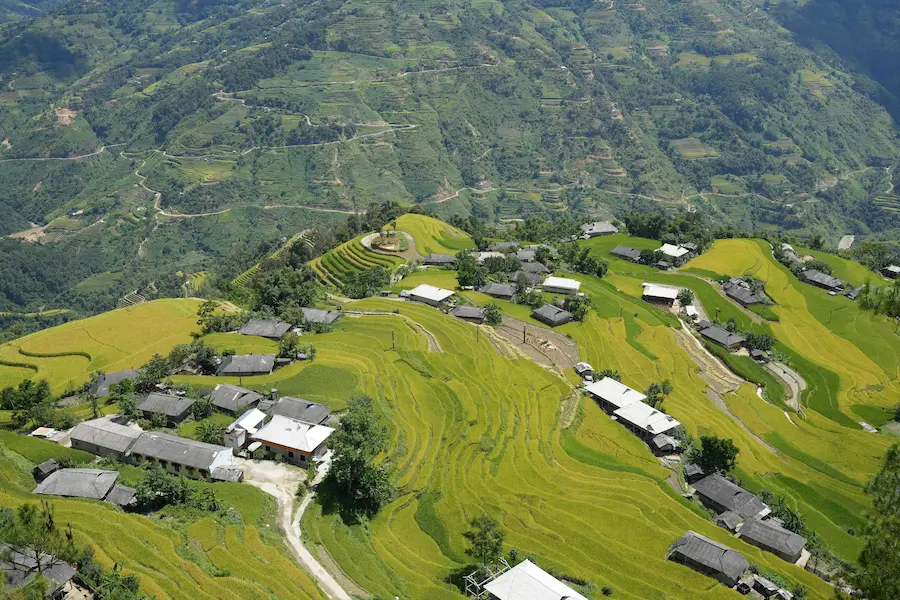
Choosing where to stay in Sapa will fundamentally change your perspective on the region. Sapa Town has become a bustling urban hub. While convenient, it can feel more like a construction site than a mountain retreat.
Planning your full trip?
Before you book, check out our comprehensive guide on Where to Stay in Vietnam with Kids, where we break down our favorite family-friendly hotels and homestays from Hanoi all the way to Phu Quoc.
Our Advice: If you want the “Instagram version” of Sapa (misty rice paddies and quiet mornings), you need to leave the town center.
Quick Answer: Where Should Families Stay in Sapa?
For most families, we recommend staying in Ta Van or Lao Chai rather than central Sapa Town.
These countryside villages offer:
- rice terrace views
- quieter evenings
- less traffic
- a more authentic experience
Sapa Town is more convenient for short stays, while Topas Ecolodge is the best luxury option for families seeking a peaceful mountain retreat.
1. Sapa Town: Best for Short Stays & Convenience
If you are only in Sapa for 48 hours, staying in town saves you a 30-minute taxi ride into the valley each time you want to eat.
- Best for: Families with very young babies who need quick access to pharmacies, convenience stores, and diverse restaurant menus.
- Top Pick: Sapa Horizon Hotel (Check latest family room rates). Known for its incredible service and “Western-standard” comfort, it’s a haven in the middle of the bustle. You’ll be in the mountains, within a 10-minute walk of Sapa Lake and Sa Pa Square.
- The Reality: Expect noise. Sapa is growing fast, and nighttime construction or karaoke is common in the center.
2. Ta Van & Lao Chai Villages (Best Area to Stay in Sapa with Kids)
This is where Sapa became magical for us. Staying in a village means waking up to the sound of roosters and water buffalo rather than motorbikes.
- Here we stay at Stone Paradise Homestay. Located in Ta Van, this is where we found that genuine Vietnamese warmth. It’s simple, but watching the sunset over the terraces with a cranky toddler who has finally calmed down is a memory we’ll keep forever.
- Why it works for families: It’s “Nature’s TV.” “Kids are fascinated by the ducks, pigs, and local children playing. It’s slow-paced and safe from heavy traffic.
Families following a shorter Vietnam itinerary often choose Sapa Town because it reduces transfer time.
3. High-End Eco-Luxury: Topas Ecolodge
For families looking for a once-in-a-lifetime stay, Topas Ecolodge is the gold standard of sustainable luxury in Southeast Asia.
- The Draw: It sits on its own private hilltop. The infinity pool is arguably the most famous in Vietnam, and the bungalows are designed with a minimalist, Scandinavian-meets-Hmong aesthetic.
- The Logistics: It is a 45-minute shuttle from town; they also provide pre-booked transfers from the airport. This is a “destination” resort—you come here to stay put and soak in the silence.
Quick Comparison: Which Base is Right for You?
| Area | Best For | Walkability | Atmosphere |
|---|---|---|---|
| Sapa Town | Convenience & short stays | High | Busy |
| Ta Van | Nature & family travel | Medium | Peaceful |
| Lao Chai | Rice terrace views | Medium | Rural |
| Topas Ecolodge | Luxury escapes | Low | Exclusive |
If you book a homestay in the valley, message them in advance via WhatsApp to arrange a private car pick-up. Grab drivers sometimes hesitate to go deep into the valley roads because of the terrain, and having your host’s driver meet you is much smoother.
Weather in Sapa with Kids: What Parents Need to Know
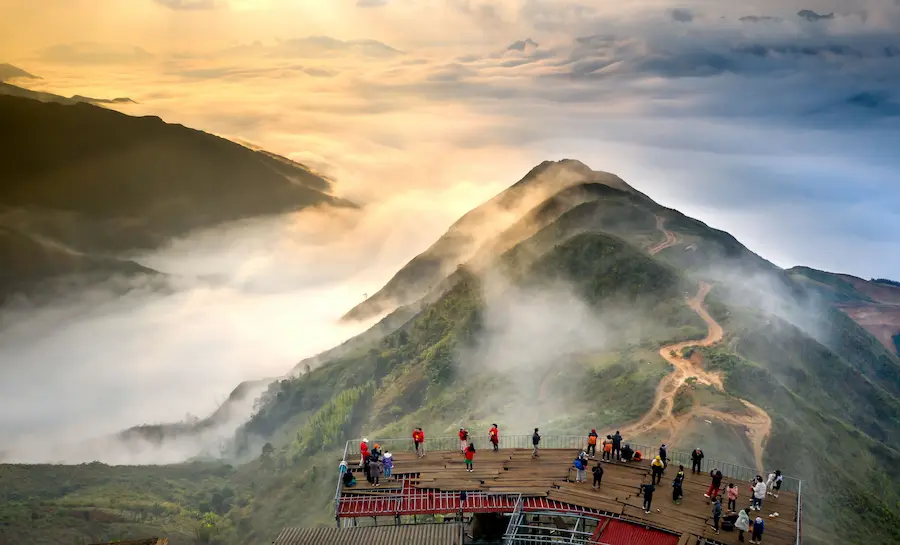
One of the biggest mistakes families make is assuming Vietnam is universally tropical. Sapa is the exception. Because of its high elevation in the Hoàng Liên Sơn range, Sapa can feel like the Pacific Northwest or Northern Europe — even while Hanoi is sweltering.
The “Sapa Mist”: Expecting the Unexpected
The most important thing to understand is that the weather in Sapa is vertical, not just horizontal.
It can be sunny in the valley (Ta Van) while Sapa town is completely engulfed in thick, white fog. You might wake up to a postcard-perfect view of Fansipan, only for it to disappear behind a “wall of white” by 10:00 AM.
Our Honest Advice: Don’t book Sapa for the “view” alone. Book it for the atmosphere. If you arrive and it’s foggy, lean into it. Visit a mountain café, enjoy some local ginger tea, and wait for the “mood” to shift.
Sapa Seasonal Guide for Families
| Season | Vibe & Landscape | Family Comfort Level |
| March – May (Spring) | Lush green terraces; mild days. | ⭐⭐⭐⭐⭐ (Best for toddlers) |
| June – Aug (Summer) | Vibrant green; hot but very rainy/foggy. | ⭐⭐⭐ (Pack serious rain gear.) |
| Sept – Oct (Harvest) | Iconic “golden” terraces and dry days. | ⭐⭐⭐⭐⭐ (Most beautiful) |
| Nov – Feb (Winter) | Moody, misty, and genuinely cold. | ⭐⭐ (Frost is common; pack fleeces) |
What Parents Often Forget to Pack:
If you are coming from a US or European winter, you know how to dress for the cold. But many families forget that Sapa is damp and cold.
- The “Mountain Layer”: Even in summer, evenings are chilly. Every family member needs a lightweight, water-resistant windbreaker or fleece.
- Proper Socks: If your kids’ feet get wet during a trek, the day is over. Pack several pairs of wool-blend socks (even for toddlers).
- Warm Sleepwear: Most homestays do not have central heating. They use thick blankets and electric heaters, but a pair of warm fleece pajamas for the kids is a “must-have.”
If you’re visiting during the rainy season (June–August), don’t bother with expensive umbrellas—the wind will break them. Buy the $1 heavy-duty plastic ponchos sold in Sapa town; they cover your backpack and your baby carrier perfectly.
Ethical Trekking in Sapa: Why Guided Walks Matter
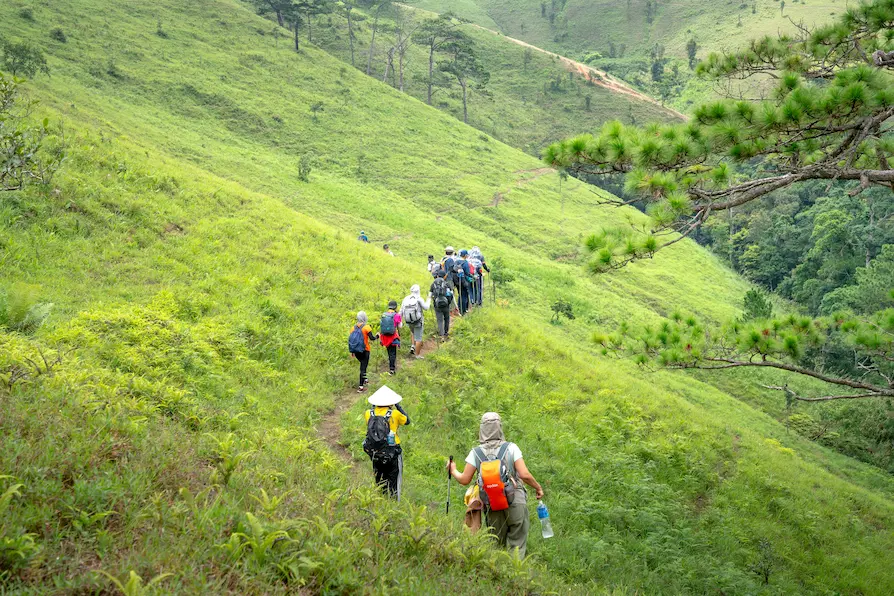
Trekking is the heartbeat of Sapa. While you will see many blogs recommending “self-guided” walks to save a few dollars, we strongly believe that for families, hiring a local guide is the only way to go.
It isn’t just about not getting lost; it’s about safety, cultural education, and ensuring your travel dollars directly support the Hmong and Dao communities whose land you are visiting.
Why We Recommend Local Hmong Guides for Families
- Safety First: Many trails are still affected by seasonal mud and erosion. A local guide knows which paths are currently safe for a parent carrying a child and which ones are too slippery.
- The “Hmong Nanny” Effect: It is common for local guides to be incredibly helpful with children. They often help steady parents on steep ridges or even carry a bag so you can focus on your toddler.
- Cultural Context: Without a guide, a rice terrace is just a beautiful hill. With a guide, your kids learn how the irrigation works, how the indigo plants are harvested for clothing, and the history of the villages you pass through.
Choosing Ethical Trekking Experiences
As an eco-conscious traveler, it’s important to avoid “human zoo”-style tourism. We recommend choosing social enterprises that empower the local community.
Our Top Pick: Sapa Sisters. Sapa Sisters is a 100% Hmong-owned, female-led social enterprise. They are famous in the region for providing fair wages and professional development to local women.
- Why it’s great for kids: You can request a “private family trek.” They will tailor the distance and incline to your child’s energy levels, making it a stress-free day of exploration rather than a grueling hike.
- The Impact: Your money goes directly to the guide and her family, bypassing large international tour agencies.
A Note on “Independent” Trekking
If you do choose to walk without a guide (perhaps just a short stroll near your homestay), please stay on marked paths. Many rice terraces are private property and part of a family’s livelihood. Walking through them can damage the crops and the delicate irrigation systems that have been in place for generations.
If you’re trekking with kids, bring some small change in Vietnamese dong. Many village children may sell small handmade braided bracelets. If you want to support the community, it is better to buy from the adults only in the villages or donate to local schools.
What to Eat in Sapa with Kids
After several weeks of navigating Hanoi’s intense street food scene, Sapa felt like a welcome “food break” for our family.
The cooler mountain air seems to invite a slower dining experience, and the town offers a surprising mix of international comfort food and high-quality local mountain cuisine.
Best Family-Friendly Restaurants in Sapa
These were our most reliable “go-to” spots when we needed a guaranteed win for a tired toddler.
Ganesh Sapa (Indian):
This is a staple for many Western families in Vietnam. When your kids are “noodled out,” a warm piece of garlic naan and a mild butter chicken or dal are the ultimate comfort meals. The staff is used to kids and can easily adjust the spice levels to “zero.”
ChuSu Kitchen:
If you want authentic Vietnamese food but in a clean, quiet, and “Western-comfort” environment, this is it. It’s located slightly away from the noisy main square and offers incredible ginger chicken and fresh spring rolls that aren’t too “challenging” for young palates.
Le Petit Gecko:
A charming French-Vietnamese bistro. It’s perfect for a rainy afternoon lunch—think wood-fired pizzas, creamy pasta, and excellent coffee for the parents.
The Hill Station Deli:
Great for high-quality sandwiches, cheese platters, and a cozy atmosphere that feels more like the Alps than Southeast Asia.
Safe Eating Habits for Sapa
While the food in Sapa is generally excellent, the remote mountain location means you should be slightly more selective than you might be in a city like Da Nang.
- The “Cooked is King” Rule: Stick to hot, steaming dishes like pho, stir-fries, or clay-pot ginger chicken. We generally avoided raw herb garnishes and unpeeled fruits from the local market for the kids.
- Hydration: Always stick to bottled or filtered water. Even for tooth-brushing, we used bottled water for our toddler to be extra safe.
- The “High-Turnover” Strategy: Eat at the busy places. In Sapa, a busy restaurant means fresh ingredients are moving through the kitchen quickly.
Sapa is famous for its “Thắng Cố” (horse meat soup) and “salmon hot pot.” While these are local delicacies, the salmon hotpot is a fantastic family experience. It’s essentially a mild, nutritious vegetable and fish soup cooked at your table—safe, healthy, and fun for kids to watch!
Common Mistakes Families Make in Sapa
Sapa can easily become the highlight of a Vietnam family trip—but only when expectations and logistics match the reality of mountain travel with kids. These are the mistakes we see families regret most often.
1. Staying Only One Night
This is the single biggest pitfall. Between the 5-hour journey from Hanoi and the unpredictable mountain weather, a single night rarely gives families enough time to actually experience Sapa.
If you arrive at a wall of fog on day one and leave the next afternoon, you’ve essentially spent ten hours in transit for a view of a cloud.
With young kids, Sapa works best when you have a buffer. We recommend a minimum of 3 nights to allow for relaxed mornings, flexible afternoons, and downtime between activities.
2. Booking Overnight Transport with Toddlers
Overnight trains and buses look incredibly efficient on paper because they combine travel with a night’s accommodation. However, broken sleep on a bumpy track or winding road can derail your family’s mood for days.
Many families underestimate middle-of-the-night bathroom emergencies on moving vehicles, motion sickness in the dark, and the jarring reality of a 5:30 AM arrival in the freezing mountain air. For families with children under five, daytime transfers via a private SUV or luxury limousine van are far less stressful.
3. Overpacking Your Vietnam Itinerary
Sapa does not pair well with a rushed “highlights tour.” Trying to force Hanoi, Sapa, Ha Long Bay, Ninh Binh, and Hoi An into a standard 10–12 day vacation is a recipe for travel burnout. Sapa rewards slower travel far more than a fast-paced sightseeing sprint.
If your itinerary is tight, it is often wiser to focus on central or southern Vietnam and save the northern highlands for when the kids are older.
4. Wrestling with a Heavy Stroller
Many parents assume their everyday stroller will work everywhere in Vietnam. But in Sapa, steep inclines, muddy paths, stone steps, and broken sidewalks make a large stroller a liability. Outside of the immediate town square, you will be carrying the stroller more than pushing it. Pack a lightweight travel stroller for airport transitions, but rely on a premium ergonomic baby carrier or a structured hiking pack for the actual destination.
5. Expecting Flawless Luxury Infrastructure
While Sapa boasts spectacular high-end resorts, the region itself remains rural and rugged. Outside of the major hotels, families should expect uneven roads, occasional power fluctuations during heavy storms, and basic facilities in the villages.
This raw character is precisely what makes Sapa charming, but adjusting your expectations beforehand prevents unwanted surprises.
6. Ignoring the Weather Forecast
The weather controls the schedule in the highlands. Heavy rain can turn a scenic trail into a mudslide within an hour, and thick fog can eliminate all visibility at a moment’s notice. We strongly advise against booking rigid, non-refundable tour packages months in advance. Instead, keep your itinerary loose and book activities locally based on the real-time weather window.
Getting the transport right between Hanoi and Sapa can make or break your trip. For a complete breakdown of Vietnam travel requirements for a child-safe vacation throughout the country, read our Vietnam with Kids Ultimate Guide.“
Quick Health & Safety Notes for Families
Medical access is a primary concern for parents visiting remote parts of Southeast Asia. Sapa town has basic pharmacies and local clinics equipped to handle minor issues like scrapes or standard stomach bugs.
However, for any serious medical concerns, families will need to return to Hanoi to access international-standard hospitals.
Our Recommended Family Med-Kit for Sapa
Before heading up the mountain, ensure your daypack includes these essentials:
- Motion Sickness Medication: Essential for the winding ascent from Lao Cai.
- Children’s Fever and Pain Relief: Familiar brands can be difficult to locate in rural villages.
- Oral Rehydration Salts: Vital for balancing hydration after long days trekking or sudden climate changes.
- High-Quality Insect Repellent: Essential for evening walks near water terraces.
- Waterproof Bandages & Antiseptic Cream: For the inevitable slips on uneven trails.
An Important Note on Fansipan Elevation
While Sapa provides a clean, pollution-free escape from Vietnam’s major metropolitan hubs, the summit of Fansipan sits at 3,143 meters above sea level.
Alighting from the enclosed cable car directly at this altitude can occasionally cause mild shortness of breath, dizziness, or sudden fatigue in young children and toddlers. Most families explore the summit without any issues.
Still, it is important to monitor your children closely, move at a very deliberate pace, and descend immediately via the cable car if anyone shows signs of altitude discomfort.
Our Recommended Sapa Itinerary for Families
Sapa works best when families intentionally slow down. Instead of trying to pack your schedule with endless sightseeing, we strongly recommend building your days around one main morning activity, followed by plenty of café or rest time. Keeping your plans flexible allows for shifting weather patterns and ensures your kids don’t experience travel burnout.
Building your complete route?
Sapa is just one piece of the puzzle. See how we seamlessly weave this mountain escape into a broader family adventure in our complete Vietnam Itinerary with Kids Guide, which covers realistic, parent-tested routes across the entire country.
How Many Days Should Families Spend in Sapa?
| Trip Length | Best For | Our Recommendation |
|---|---|---|
| 2 Nights | Families short on time | See the highlights but expect a faster pace |
| 3 Nights | Most families with kids | The ideal balance of sightseeing and downtime |
| 4+ Nights | Toddlers, babies, slow travelers | Best for flexibility, weather, and relaxation |
Our pick: 3 nights is the sweet spot for most families visiting Sapa with kids.
2-Day Sapa Itinerary with Kids (2 Nights)
If you are working with limited time but still want to see the highlands, a 2-night stay covers the absolute essentials without adding too much physical exhaustion to your trip.
Day 1: Arrival & Acclimatization.
Arrive from Hanoi via your daytime limousine transfer. Check into your countryside homestay, enjoy a relaxing afternoon at a local café, and take a very short, flat walk around the village to stretch your legs.
Most families visit Sapa from Hanoi. Before heading into the mountains, spend at least 2–3 days exploring the capital with our complete Hanoi with Kids guide.
Day 2: The Core Experience.
Dedicate your morning to either a guided rice terrace walk with Sapa Sisters or a trip up the Fansipan cable car. Follow this with a long, relaxed lunch and keep the afternoon free to adjust for unexpected fog or rain. Finish with a quiet sunset evening at your homestay.
Day 3: Sunrise & Departure.
Enjoy a slow breakfast with mountain views before your transfer arrives to take you back down the mountain toward Hanoi.
3-Day Sapa Itinerary with Kids (3 Nights)
This is the itinerary we personally recommend for families with younger kids. The extra day acts as a “weather insurance policy,” giving you multiple windows to catch clear views if the mountain mist rolls in unexpectedly.
Day 1: Easy Arrival Day.
Drop your bags at your homestay, avoid any major activities, and let the kids rest and adjust after the long drive from Hanoi.
Day 2: Village Exploration & Culture.
Spend the morning on a light, child-friendly trek through the valley floor, learning about local traditions and spotting water buffalo along the terraced fields.
Day 3: Reaching the Clouds & Waterfalls.
Use this day to ride the Fansipan Cable Car or head out to the forest path at Love Waterfall. If the weather is uncooperative, pivot to a cozy indoor batik fabric-dyeing workshop.
Day 4: Slow Farewell.
Have a relaxed morning packing up, head into town for a quick wander through the Sapa market, and depart back for Hanoi at noon.
The Slow Travel Blueprint (Best for Toddlers & Babies)
If you are visiting Sapa with an infant or a toddler, throw out the rigid itineraries altogether. Instead of tracking landmarks, focus your days entirely on the countryside rhythm:
- One Plan Per Day: Schedule your main outing for the morning when energy levels are highest, and keep the afternoon entirely open for flexible nap schedules.
- Embrace the “Downtime”: Honestly, our most cherished memories in Sapa weren’t at major attractions. They were the quiet moments: watching the morning fog lift across the rice terraces, drinking hot ginger tea while our daughter played safely nearby, and enjoying evenings where no one felt rushed to catch a tour bus.
Recommended Sapa Itinerary by Child Age
| Age | Recommended Stay | Best Activities |
|---|---|---|
| Under 2 | 3–4 nights | Cafés, village walks, countryside stays |
| 2–4 years | 3 nights | Fansipan Cable Car, Ta Van Village, short walks |
| 5–10 years | 2–3 nights | Rice terrace walks, waterfalls, cultural workshops |
| 10+ years | 2–4 nights | Trekking, Fansipan, village experiences |
Final Verdict: Should You Visit Sapa with Kids?
Yes—but only if you’re willing to experience Sapa on its own terms.
Sapa isn’t the easiest destination in Vietnam for families. The mountain roads are long, the weather can change by the hour, and you’ll get far more use out of a baby carrier than a stroller.
But for families seeking rice terraces, fresh mountain air, cooler temperatures, and a slower side of Vietnam, Sapa offers something that few other destinations in Southeast Asia can match.
Some of our favorite memories weren’t the big attractions at all. They were the quiet moments—watching clouds drift through the valley, sharing hot chocolate after a rainy walk, and seeing our daughter explore village paths at her own pace.
If that sounds like your kind of family adventure, Sapa may end up being the highlight of your Vietnam trip.
FAQ About Sapa with Kids
1. Is Sapa worth visiting with kids?
Yes, if your family enjoys nature, mountain scenery, and slower travel. Sapa is more demanding than destinations like Da Nang or Hoi An, but the rice terraces, village life, and cooler weather make it one of Vietnam’s most unique family experiences.
2. Can you visit Sapa with a toddler?
Absolutely. Many toddlers enjoy exploring village paths, spotting water buffalo, and riding the Fansipan Cable Car. The key is staying at least 3 nights, using a baby carrier, and keeping your itinerary flexible.
3. Is Sapa stroller-friendly?
Not really. While strollers can work in parts of Sapa Town, most family activities—including rice terrace walks, village visits, and waterfalls—are much easier with a baby carrier.
4. How many days do you need in Sapa with kids?
We recommend 3 nights for most families. This allows enough time to enjoy the scenery, adjust to the weather, and avoid feeling rushed after the long journey from Hanoi.
5. Should families stay in Sapa Town or Ta Van?
For most families, Ta Van offers a better experience. You’ll get quieter surroundings, rice terrace views, and a more authentic atmosphere, while Sapa Town is better suited to short stays and convenience.
Planning the Rest of Your Vietnam Family Adventure?
Continue exploring Vietnam with kids with our guides:
🏙️ Hanoi with Kids – Hidden gems, stroller-friendly routes, and family-friendly food in Vietnam’s capital.
🏖️ Da Nang with Kids – Beaches, resorts, and some of the easiest family logistics in Vietnam.
🌊 Nha Trang with Kids – Water parks, island-hopping, and sunny coastal adventures.
🌴 Is Phu Quoc Worth Visiting with Kids? – Our honest review of Vietnam’s most popular family beach destination.
🗺️ Vietnam Itinerary with Kids – Parent-tested routes that connect northern, central, and southern Vietnam into one realistic family trip.

FOUNDER • FAMILY TRAVEL WRITER • MUM OF TWO
About the Author
Hi, I’m Shivani, the founder of Roaming Crew.
Based in Singapore and having lived in different parts of Asia—including two years in India—I’ve explored 18+ destinations across the region, with 12+ of those journeys taken alongside my young kids.
From choosing family-friendly destinations and navigating local transport to budgeting, accommodation, and practical travel logistics, Roaming Crew is created with a parent-first mindset.