Packing for Japan with kids sounds simple—until you’re standing over an open suitcase at 11:00 PM, wondering if you really need three pairs of shoes for your toddler.
Do you pack light because you’ll be moving between the neon streets of Tokyo and the temples of Kyoto?
Or do you pack extra because, as you know, your kid is a professional mess-maker?
After two weeks navigating Japan with a toddler and a 5-year-old, I learned something most packing lists don’t tell you:
👉 Japan isn’t difficult to travel in—but it is logistically different.
You’ll walk more than you expect.
You’ll navigate train stations that feel like beautifully organized mazes.
And you’ll constantly balance comfort, convenience, and those “just in case” parenting decisions.
That’s exactly why this guide is different.
This isn’t a generic Japan packing list for families that says “7 shirts and 3 pants.”
It’s a real, field-tested packing strategy—what we actually used, what we didn’t need, and what truly made our days easier (and meltdowns fewer) in our Japan trip with kids.
Because when you’re exploring places like Tokyo or Kyoto or taking day trips like Nara or Mt. Fuji, what you pack directly shapes how your day feels.
And here’s the biggest lesson we learned:
👉 In Japan, packing light isn’t just smart—it’s essential.
So let’s pack with clarity—so you can focus on the experience, not the luggage, on your Japan family trip.
Editor’s Note: At Roaming Crew, I believe in “boots on the ground” honesty. This guide is based entirely on my personal family trip to Japan. I do not currently use affiliate links, and I haven’t been paid to recommend any of the products or services mentioned here—just sharing what actually worked for us!
The Luggage Strategy: Why How You Pack Matters More Than What You Pack
Before we even talk about what goes into your suitcase, there’s something far more important to understand:
👉 In Japan, you don’t just pack your luggage—you manage it.
And this is where most families get it wrong.
Because when you imagine Japan, you picture smooth bullet trains and ultra-efficient systems (which are true)… but what you don’t picture is
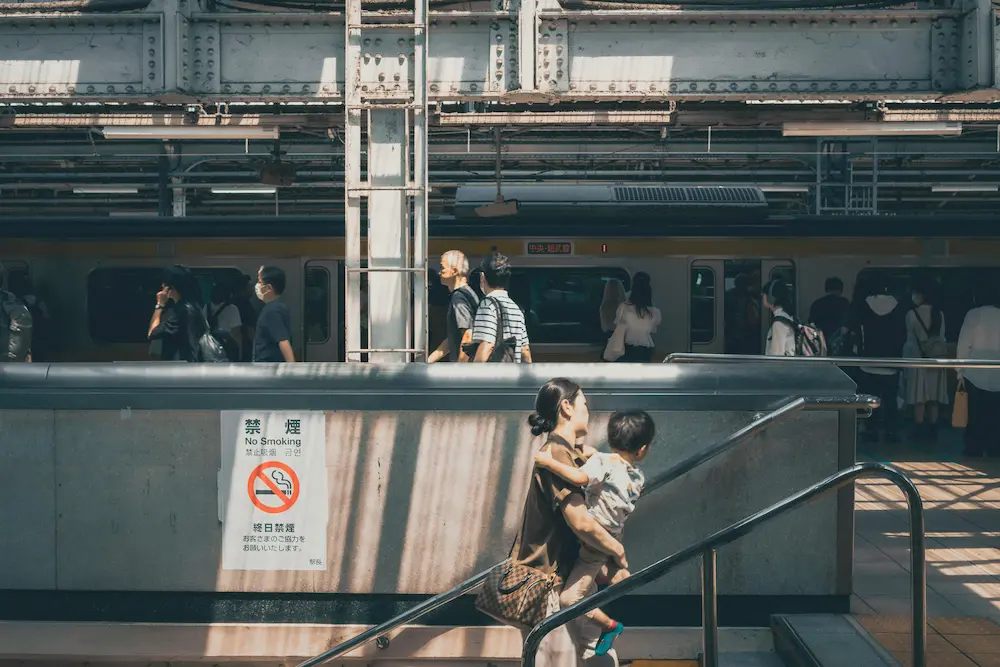
- The “Hidden” Elevators: Often tucked away at the far end of platforms, requiring long detours.
- The Staircase Surprise: Finding a flight of 20 stairs between you and your train transfer.
- The Space Constraints: Navigating narrow ticket gates with a wide stroller and a suitcase.
That’s when it hits you—how you pack matters far more than what you pack.
💡 Beyond the Suitcase: Packing the right gear is only half the battle! Navigating Japan’s train stations and understanding local etiquette is the other half. For our best advice on using Japanese apps, finding nursing rooms, and “unspoken” travel rules, head over to our Essential Japan Travel Tips for Families.
💡 The “Hands-Free Parent” Rule
When traveling in Japan with young kids, your goal is simple:
👉 One hand for your child, one hand free—zero hands for dragging heavy luggage.
Real travel days look like holding a sleepy toddler while boarding a Shinkansen and guiding a 5-year-old through the sea of people at Shinjuku Station.
This is why our packing list focuses on mobility. If it doesn’t fit in a manageable system, it doesn’t come.
🎒 What Most Packing Lists Don’t Tell You
Everyone will give you a checklist of clothes.
But they won’t tell you:
- How to move between Tokyo, Kyoto, and Osaka without exhaustion
- How to handle luggage on train days, especially Shinkansen
- Or how to keep your travel days smooth instead of overwhelming
👉 That’s where a simple shift changes everything:
Stop thinking about ‘just-in-case’ items—start prioritizing mobility. Before packing, check out our Japan Shinkansen With Kids Guide for luggage limits, stroller advice, oversized baggage rules, and practical train travel tips for families.
If you’re still in the budgeting phase, check our Japan trip cost for families to see how to factor in luggage forwarding (Takkyubin)—it’s the best money you will spend on your trip.
The Essentials: What We Actually Packed (and Reused)
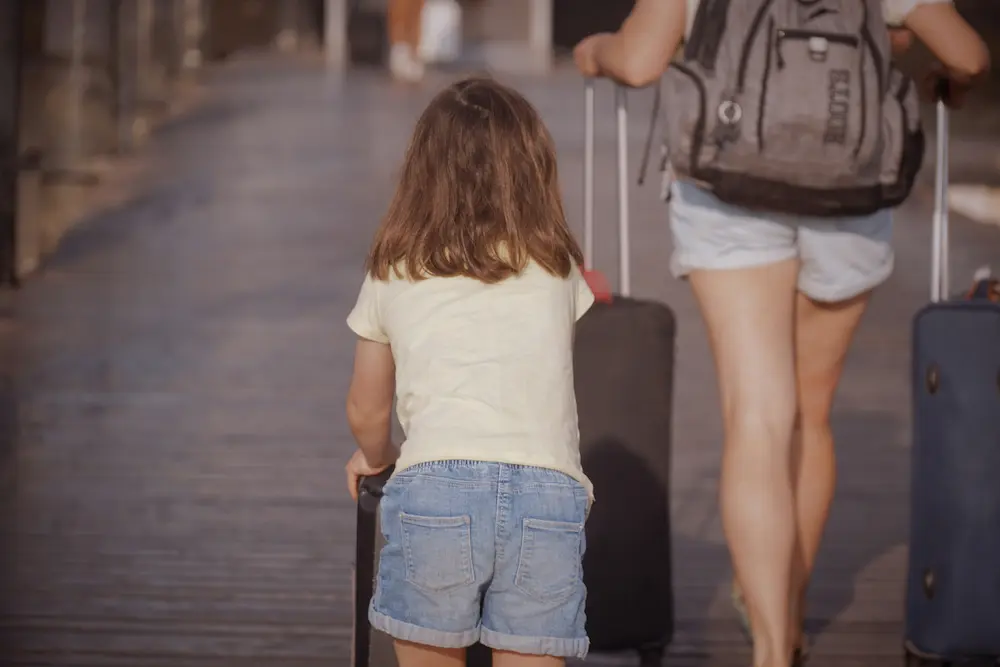
Once we committed to our luggage strategy, the “what to pack for Japan” part became much simpler. Instead of overthinking every “what if,” we asked, “What will we realistically touch every single day?”
Between Japan’s ubiquitous convenience stores (Konbini), easy coin laundries, and well-stocked pharmacies, you don’t need to pack your entire house.
🧳 Our Family Packing Setup
For a family of four (two adults, a toddler, and a 5-year-old), this was our “Goldilocks” setup:
- 1 Large Suitcase: This was our “anchor” bag (forwarded via Takkyubin between cities).
- 1 Cabin-sized Suitcase: For immediate essentials and the “gap” night between hotel transfers.
- 2 Lightweight Backpacks: One per parent for daily survival.
The “Parent Backpack” is your mission control. Whether navigating the crowds in Tokyo with kids or exploring a quiet temple, these held our snacks, water, wet wipes, and “distraction toys.”
👕 Clothing: The “5-Day Rotation” Rule
We packed for about 5–6 days and relied on laundry. Japanese hotels—even mid-range ones—almost always have coin-operated washers and dryers that are incredibly easy to use.
- The Staples: Lightweight, breathable fabrics (cotton/linen for summer, Uniqlo Heattech for winter).
- The Logic: Your kids will get ice cream on their shirts or dust on their knees. Don’t fight it—just wash it.
- The Mum Uniform: I wore the same three outfits on rotation. In the photos, I look great because I wasn’t stressed about luggage; in reality, no one in Osaka cared that I wore that linen shirt twice!
👟 Shoes: The Most Important Choice You’ll Make
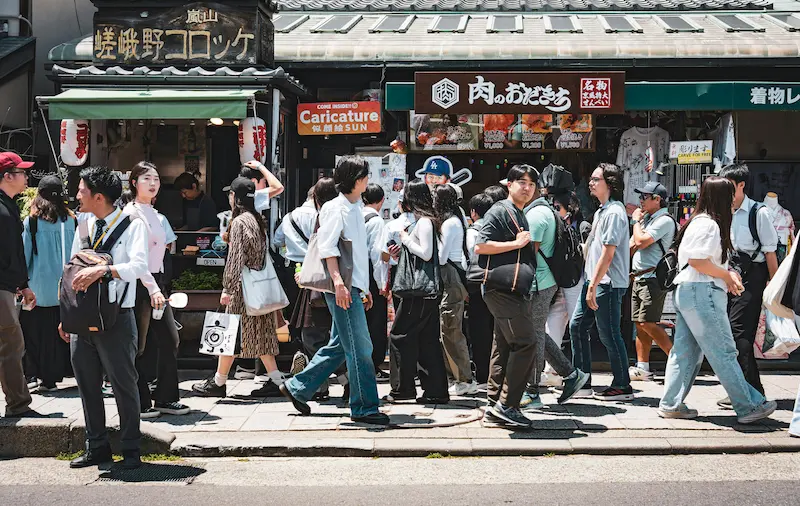
If you splurge on one thing, make it footwear. You will easily clock 15,000–20,000 steps a day.
- Primary Pair: High-quality walking sneakers. The old used shoes will save you from a shoe bite in Japan.
- The “Slip-On” Factor: Crucial Tip! You will be taking your shoes off constantly—at temples, play areas, and even some restaurants. Pack shoes for the kids (and yourself) that don’t require ten minutes of lacing up.
- The Backup: One pair of waterproof sneakers or sandals. Wet shoes in Japan lead to a very long, miserable day.
💡 Good shoes made the difference between actually enjoying the hills of Kyoto with kids and just surviving them.
🧥 The “Just-In-Case” Layers
Even in the humid summer, Japan has a “micro-climate” problem: the air conditioning on trains and in department stores is intense.
- Light Cardigans/Jackets: Always keep these in your day pack.
- Regional Shifts: Temperatures drop quickly on day trips like Hakone with kids or a Mt. Fuji day trip. Having a light windbreaker saved us from having to cut our sightseeing short.
“When packing clothes, make sure they are dryer-friendly. Most Japanese hotel dryers are low-heat and slow. We learned the hard way that packing delicate fabrics leads to shrinkage or damp clothes the next morning.”
🎒 The “Daily Survival” Kit
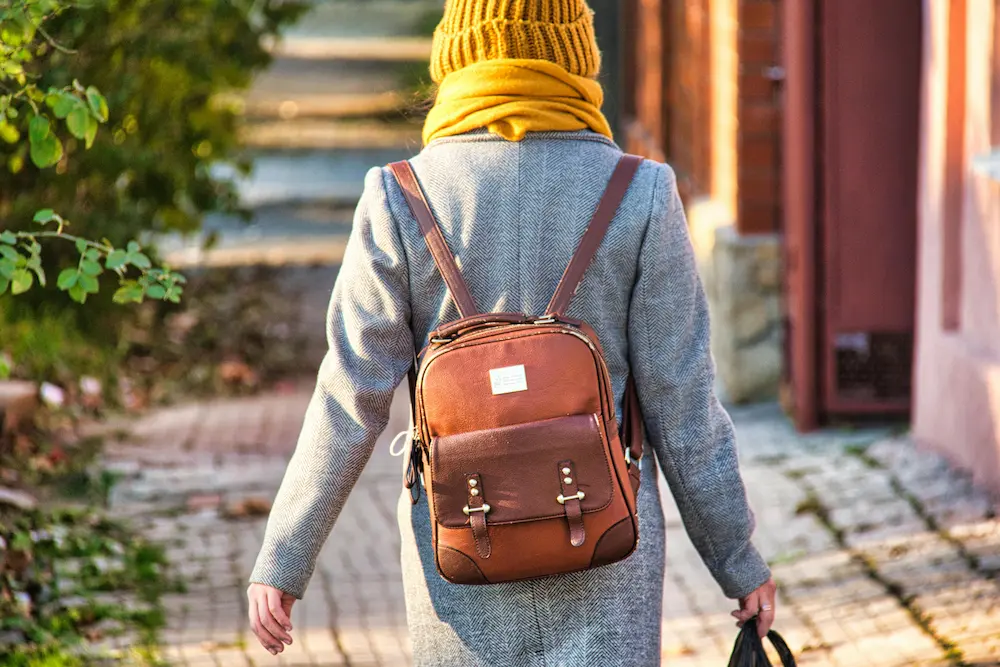
This stayed in our backpacks at all times. It made outings like Nara with kids (and the chaotic deer encounters!) much easier to handle:
- Snacks: Japanese snacks are amazing, but keep a “safety” granola bar from home for hangry emergencies.
- Reusable Water Bottles: Tap water is safe and delicious in Japan.
- The “Clean-Up” Trio: Wet wipes, tissues, and hand sanitizer. (Public restrooms are clean, but paper towels aren’t always a guarantee!)
- The Toddler Emergency Kit: One full change of clothes in a Ziploc bag.
- The Laundry Hamper Hack: “In tiny Japanese hotel rooms, a foldable laundry hamper kept our space organized and made the trip to the hotel’s coin laundry much easier.”
We didn’t pack perfectly—we packed practically. The goal in Japan isn’t to have an outfit for every occasion; it’s to have the mobility to move quickly, adapt to the weather, and enjoy the experience without being weighed down.
3. The Snack Strategy: Your Secret Weapon for Stress-Free Travel
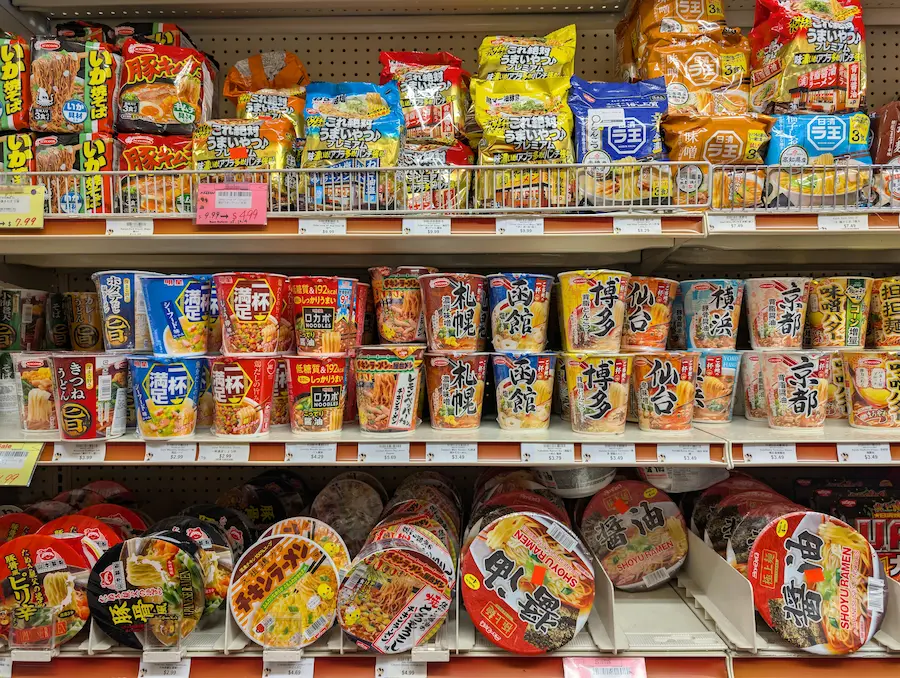
In Japan, the distance between “Happy Child” and “Meltdown” is exactly one rice ball. Our toddler’s mood during long train rides depended entirely on our snack game.
- Bring from Home: Pack a small stash of “safety” snacks—familiar granola bars, crackers, or pouches—for picky eaters. Don’t rely 100% on local finds for the first 48 hours.
- The Cornflakes Tip: “If your kids are picky with breakfast, bring a small box of their favorite low-sugar cereal. Most Japanese cereals are heavily sweetened, and finding a ‘familiar’ flavor can prevent a morning meltdown.”
- Buy Locally: You will fall in love with 7-Eleven, Lawson, and FamilyMart. They are clean, safe, and stocked with fresh fruit, yogurt, sandwiches, and onigiri (rice balls).
- The “Train Treat”: We made a rule—new Japanese snacks were for the Shinkansen only. It turned long travel days into an adventure rather than a chore.
💊 4. Medicine & Health (CRUCIAL for US/UK Parents)
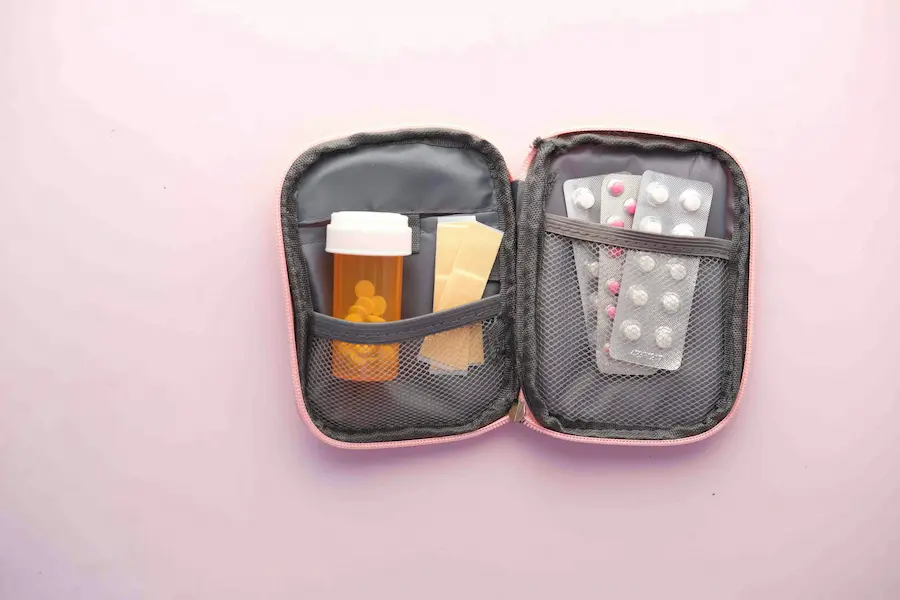
This is the one area where you cannot “wing it.” Japanese pharmacies are excellent, but the packaging is in Japanese, and dosages for kids can be different from what you’re used to in the US or UK.
- What to Carry: Pack a basic kit with fever reducers (liquid paracetamol/ibuprofen), stomach relief, and a digital thermometer. Don’t forget this! Trying to explain “fever” without a reading can be tricky in a foreign language.
- ⚠️ The Legal Warning: Japan has very strict laws regarding stimulants and “raw materials.” Some common US/UK items are strictly prohibited and can lead to serious trouble at customs:
- Vicks inhalers (and certain nasal sprays) require a specific “Yakkan Shoumei” certificate to bring into the country.
- Sudafed (anything containing Pseudoephedrine)
- Codeine-based painkillers
- For sunscreens and mosquito repellents, I recommend having a “trusted brand from home” as it is better for kids with sensitive skin.
- Pro Tip: If you have prescription meds, keep them in their original packaging with a copy of the script. If you’re bringing more than a one-month supply, you may need a Yunyu Kakunin-sho (import certificate) from the Japanese Ministry of Health.
Toddler & 5-Year-Old Essentials
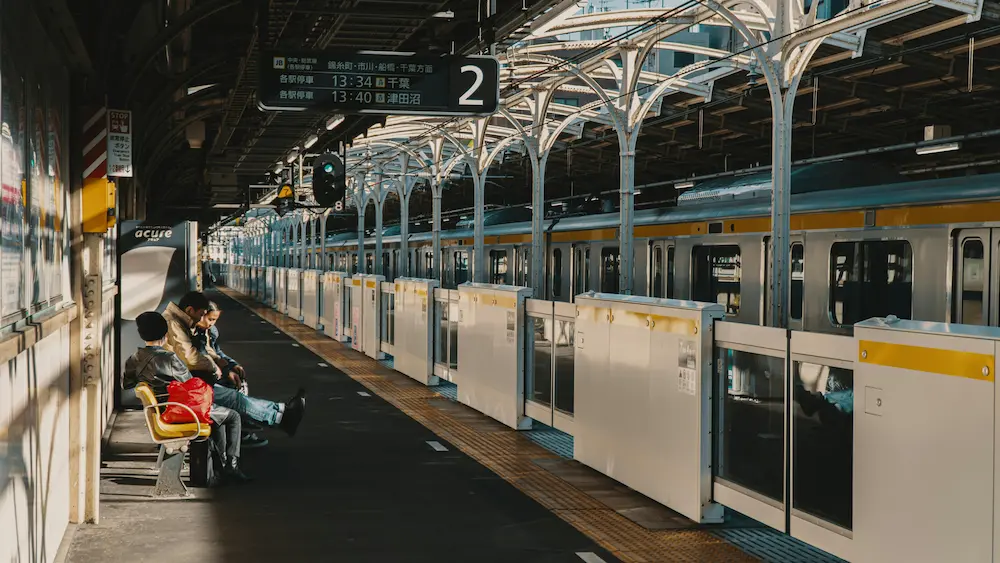
This is where your packing strategy shifts from “general travel” to full parenting mode on the move.
Because traveling in Japan with a toddler and a 5-year-old isn’t just about what fits in your suitcase—it’s about what helps you handle real, unpredictable moments throughout the day.
These are the small, practical things that made a big difference for us—and honestly, most standard packing lists completely miss them.
🧻 1. The “No Trash Bin” Reality
Japan is one of the cleanest countries in the world, yet you will notice something shocking: there are almost no public trash bins.
* The Problem: After a snack on the go or a diaper change in a public restroom, you might be carrying that trash for hours.
- The Solution: Always carry a roll of small trash bags or scented diaper disposal bags.
- The Roaming Crew Tip: We kept a dedicated “trash pocket” in our backpack. It sounds small, but having a place for wet wipes and snack wrappers saved us from “sticky bag syndrome” after a morning of exploration.
👟 2. The “No Laces” Rule (Shoes for Little People)
In the US or UK, we don’t think twice about lacing up sneakers. In Japan, shoes come off everywhere—temples, play areas, and even some restaurants. Skip the complicated laces. We found that easy-on/off Velcro or slip-ons for the kids are essential to avoid blocking doorways and causing ‘entrance stress.'”
- For the Toddler & 5-Year-Old: Velcro or slip-ons only. Trust me, when you are trying to exit a busy temple with a crowd behind you, the last thing you want is to be kneeling on the floor tying four sets of laces.
- For the Parents: Choose stylish slip-on sneakers. You’ll thank yourself every time you enter a “shoes-off” zone.
3. The “Hand Towel” Habit
You’ll notice local Japanese families all carry a small hand towel (called a “tenugui” or washcloth).
- Why? Many public restrooms have high-tech toilets but no paper towels or hand dryers.
- Pack it: Toss a couple of small, quick-dry microfibre cloths in your bag. They’re also perfect for wiping down damp park benches or cleaning up “deer chaos” after visiting Nara with kids.
4. Stroller vs. Carrier: The Japan Verdict
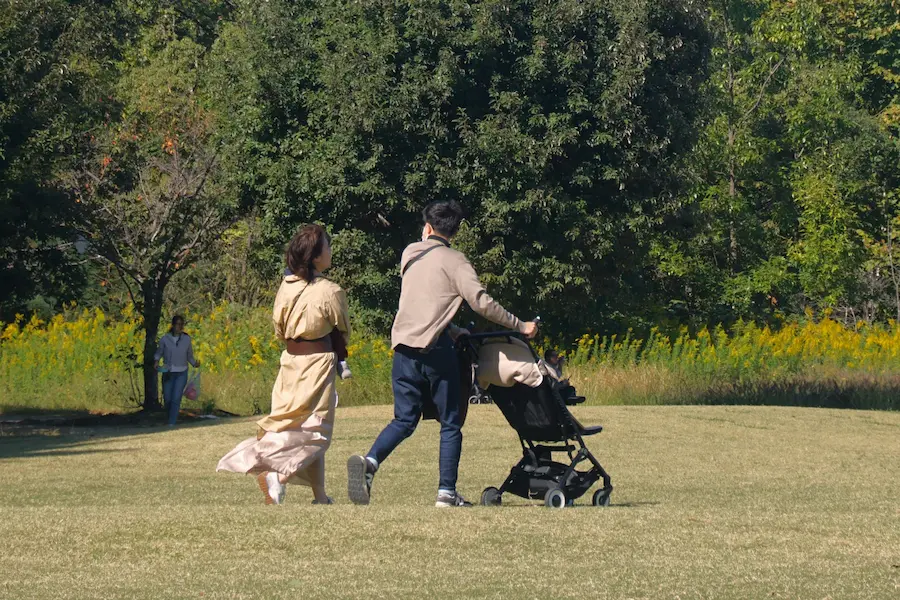
This is the most asked question for Japan-bound parents. Here is what worked for us:
- The Stroller: Bring a compact, one-hand fold travel stroller. Japanese elevators are small, and subway gates can be narrow. If your stroller can’t fold quickly for a crowded bus or a flight of stairs, it will become a burden. We have used this stroller, a lightweight, one-click foldable, easy-to-use stroller with a packing bag, for travel.
- The Carrier: Even if your toddler is a great walker, bring a lightweight carrier. It’s a lifesaver for crowded trains where a stroller is too bulky, or for nap time while you’re walking through the quiet streets of Kyoto with kids.
- The 5-Year-Old “Safety Net”: Even if your 5-year-old hasn’t used a stroller in years, Japan is a lot of walking. We found that having a stroller meant our oldest could take a “rest shift” while the toddler was in the carrier.
- High-Chair Security: “Many Japanese high chairs don’t have straps. We added a portable security belt to our bag, which turned every restaurant visit into a stress-free meal.”
- AirTags for Peace of Mind: “In the sea of people at Shinjuku Station, having an AirTag in the kids’ backpacks offered a level of reassurance that was worth every penny.”
- Passport Protection: “You are legally required to carry your passport at all times. Use a waterproof wallet to protect it from the inevitable juice spills or rain showers.”
Seasonal Packing Guide (The “Hidden” Reality of Japan’s Weather)
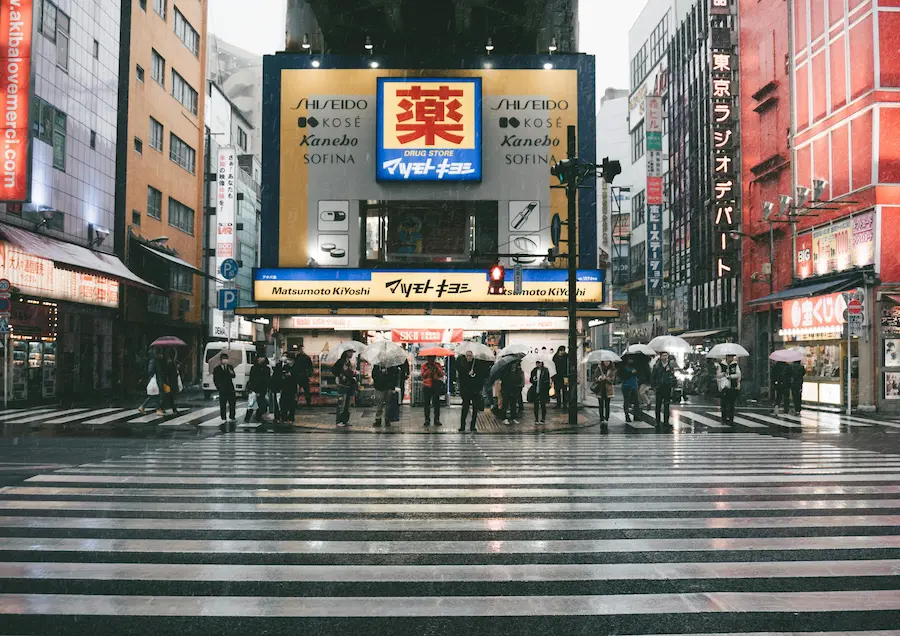
Japan’s weather is often the biggest surprise for US and UK families. A “warm day” in London or a “humid day” in New York doesn’t quite prepare you for the intensity of a Japanese summer or the crisp, dry bite of a Tokyo winter.
🌦️ The Seasonal Breakdown for Families
| Season | What It Actually Feels Like | What to Pack (Kids + Parents) |
| Spring (Mar–May) | Cool to mild. Cherry blossom season is beautiful but breezy. | Layers are king. Light jackets, long sleeves, and a pashmina/scarf for the evenings. |
| Summer (Jun–Aug) | Intense Heat + Humidity. Think NYC in July, but turned up to 10. | Ultra-breathable fabrics. Uniqlo ”Airism’-style shirts, UV-protective hats, and extra socks (for sweat!). |
| Fall (Sep–Nov) | Crisp, pleasant, and arguably the best time to visit. | Light layers. Sweatshirts for the morning that can be tied around your waist by noon. |
| Winter (Dec–Feb) | Cold, dry, and sunny. It rarely snows in Tokyo/Osaka, but it bites. | Heattech is essential. Thermal base layers, gloves, and warm hats for the little ones. |
💡 Roaming Crew “Mum Tips” for the Seasons:
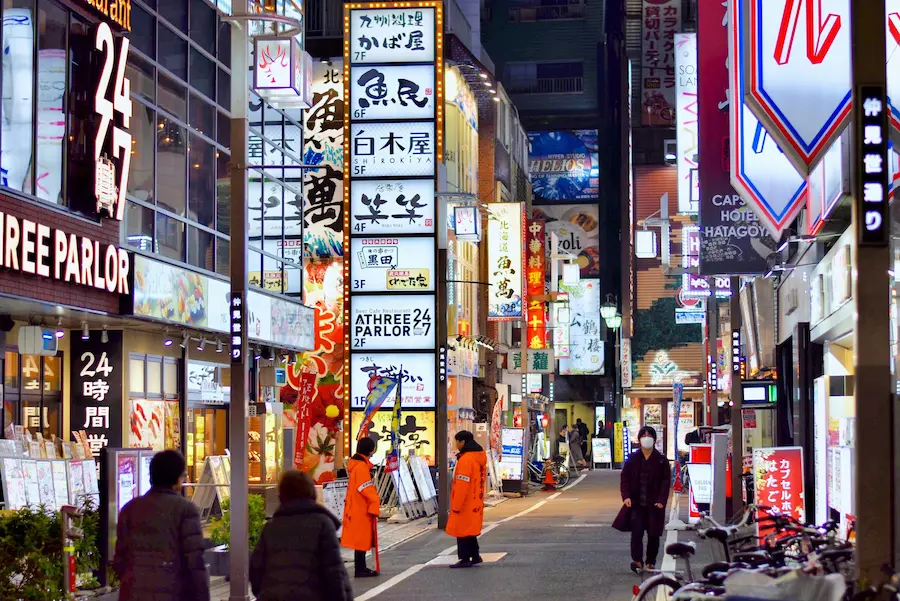
- The Summer “Spill” Factor: In the summer humidity, clothes don’t dry quickly. Because kids are prone to spills and sweat, prioritize quick-dry synthetic fabrics over heavy denim. You’ll be doing laundry anyway!
- The Kyoto Morning Shift: If you are following our Kyoto with kids guide, remember that Kyoto is in a valley. It’s often much cooler in the morning than Tokyo, even in the same week. Always keep a light layer in your daypack.
- The AC “Shock”: In summer, Japanese trains and malls blast the air conditioning. It can be a 15-degree difference from the street! We always kept a light muslin or cardigan for the toddler to avoid the “chill shock” when entering a station.
- Winter Dryness: The air in Japanese winters is incredibly dry. Pack a high-quality lip balm and child-safe moisturizer to prevent chapped skin, which can lead to cranky kids during long days in Tokyo with the kids’ travel guide.
Tech & Logistics: The “Hidden” Essentials
In a country as tech-forward as Japan, your digital setup is just as important as your physical one. These are the logistical lifesavers that kept our “Roaming Crew” moving smoothly.
📶 1. Connectivity: eSIM vs. Pocket Wi-Fi
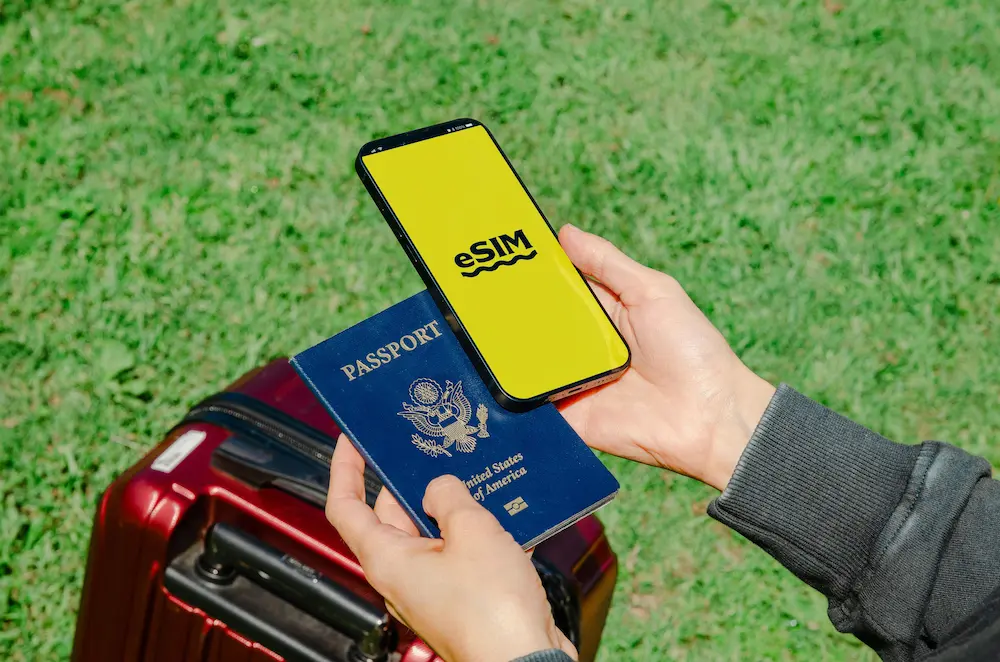
Staying connected is non-negotiable for navigating Japan’s complex train systems.
- eSIM (Best for Solo/Couples): Affordable and easy to install directly on your phone. No extra hardware to carry.
- Pocket Wi-Fi (Best for Families): We found this more practical. One device provides high-speed internet for both parents’ phones, the kids’ iPads for long train rides, and your laptop.
- The Roaming Crew Tip: If you choose Pocket Wi-Fi, you can pick it up at the airport as soon as you land. Just don’t forget to pack a dedicated charging cable for it!
🔋 2. Power Bank: Your Most Important Carry-On
Between running Google Maps, using Google Lens to translate menus, and snapping 500 photos of your kids in Tokyo with kids, your battery will drain faster than you expect.
- Don’t Skimp: Bring a high-capacity power bank (at least 10,000mAh).
- The Reality: There is nothing more stressful than your phone hitting 5% while you’re trying to find a specific exit in the maze of Shinjuku Station with a tired toddler.
💴 3. The Coin Purse (The Item You Didn’t Know You Needed)
Japan is a fascinating mix of ultra-modern tech and a deep-rooted cash culture. While major stores take cards, you will constantly encounter “Cash Only” situations:
- Small “hole-in-the-wall” ramen shops.
- Temple offering boxes and charm shops in Kyoto or Osaka with kids.
- Topping up your physical Suica/Pasmo transport cards.
- The Result: You will accumulate a lot of coins. Carry a dedicated coin purse so you aren’t fumbling at the checkout while a line forms behind you.
✈️ 4. Visit Japan Web: The “Fast Pass” for Families
This is a digital must-do before you even leave the US or UK.
- The Process: Register your immigration and customs details on the Visit Japan Website 48 hours before you fly.
- The Reward: You’ll get a QR code. When you land, you can skip the manual paperwork lines. After a long-haul flight with a 2-year-old and a 5-year-old, being able to breeze through immigration is the ultimate win.
Digital Packing: Apps to Download Before You Fly.
- MamaPapaMap: “The absolute ‘gold standard’ for parents. It shows nursing rooms and hot water stations across Japan.”
- Suica in Apple Wallet: “Skip the ticket machines! Adding Suica to your iPhone wallet allows you to tap through gates while holding a child’s hand.”
What NOT to Pack (Save That Suitcase Space!)
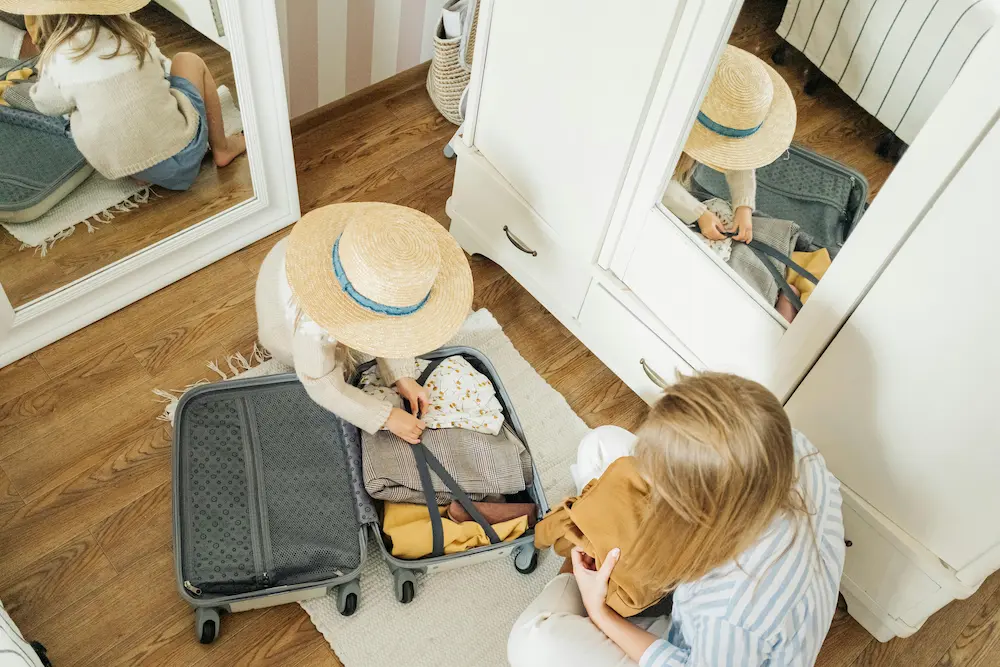
After two weeks on the ground, I realized we could have left a significant portion of our “just-in-case” items at home.
To keep your luggage manageable, cross these off your list:
- ❌ A Mountain of Clothes: Between the coin laundries in hotels and the high-quality, affordable basics at Uniqlo stores on every corner, you don’t need 14 different outfits.
- ❌ Heavy Toiletries: Unless you have a specific medical need or a very sensitive skin brand, skip the giant bottles of shampoo and lotion.
🏨 The “Hotel Magic” (What You’ll Already Have)
This is one of the most underrated things about traveling in Japan.
Even budget-friendly hotels provide far more than you’d expect, including:
- Pajamas or yukatas (often for both adults and kids)
- Toothbrushes and toothpaste (replaced daily)
- Shampoo, conditioner, and body wash (often high-quality brands)
- Slippers (yes, even for children)
💬 We ended up using hotel toiletries almost everywhere—and it saved so much space.
👉 Pro Tip: Save that extra space for the incredible snacks and unique souvenirs (like Ghibli merch or Omamori charms) you’ll inevitably want to bring home.
Plan Your Japan Itinerary (The Key to Smart Packing)
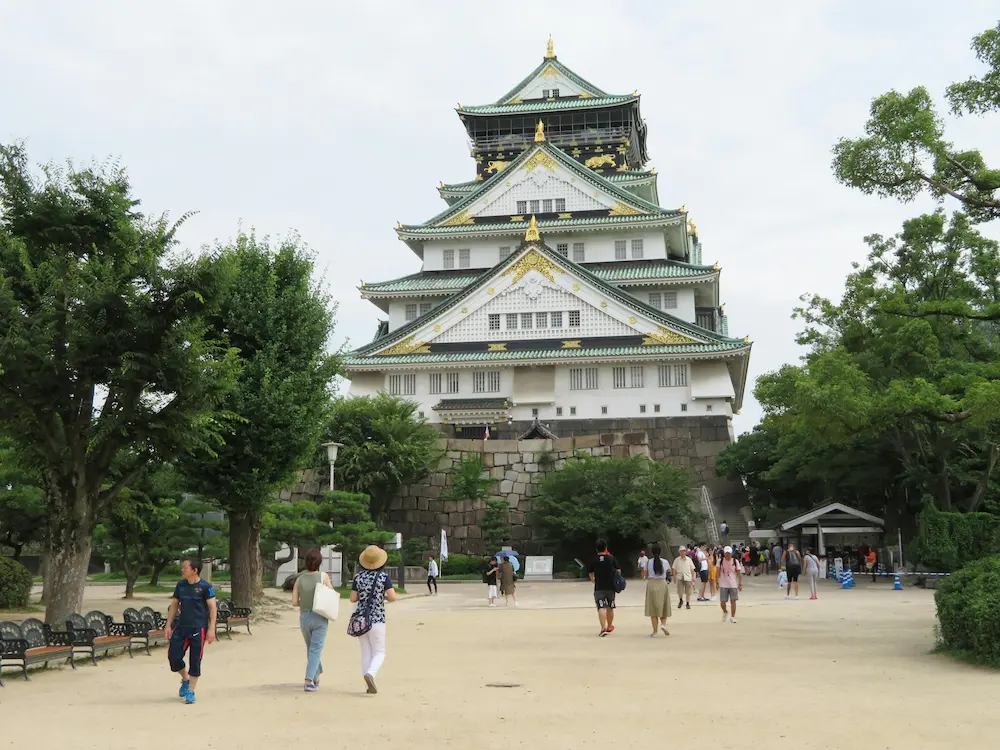
Your packing list is only as good as your plan. Meaning, what you pack depends entirely on where you’re going.
Because a slow Kyoto morning, a busy Tokyo day, and a nature-filled Hakone trip all need slightly different things in your bag.
So before you finalize your packing list, it really helps to have a clear idea of your route.
🧭 Start With the Basics
If you’re still in the planning stage, begin here:
👉 Essential Japan Travel Tips for Families (Before You Plan Your Trip)
👉 Planning Japan With Kids: How Families Create a Relaxed Trip
👉 Japan trip cost for families
👉Japan Shinkansen With Kids Guide for luggage limits, stroller advice, oversized baggage rules
These will help you understand:
- How travel in Japan actually feels with kids (not just how it looks on paper)
- What kind of pace works best for families
- And where you’ll need to pack lighter, smarter, or differently
💬 Honestly, this step alone can save you from overpacking.
🌆 Choosing Your Base Cities
Each city in Japan feels completely different—and your packing should reflect that.
- 🇯🇵 Tokyo with kids travel guide for families
Best for first-time families and neon-lit adventures. - 🍜 Osaka itinerary for Families with Toddlers
The capital of food, fun, and easy logistics. - ⛩️ Kyoto with kids
For a slower pace and stunning cultural heritage.
🌿 Planning Easy Day Trips
Japan makes day trips incredibly smooth—but with kids, a little prep goes a long way.
- 🗻 Mt Fuji day trip & 🌿 Hakone with kids
Expect cooler weather and changing conditions—always carry an extra layer - 🦌 Nara with kids & 🍵 Uji with kids
Short but memorable outings—snacks, wipes, and flexibility are key here
Packing for Japan with a toddler and a young child doesn’t have to be a source of stress. If you focus on mobility, comfort, and a solid snack strategy, the rest will fall into place.
Japan rewards families who pack smart. Once you are standing in Nara watching your 5-year-old’s face light up as they feed a bowing deer, or seeing your toddler giggle at the lights in TeamLab Borderless, the effort of packing light will feel like a tiny price to pay for such massive memories.
What’s Next for Your Japan Prep?
Now that your bags are (almost) packed, make sure you’re ready for the “ground game.” From understanding how to use your Suica card to mastering the art of the Konbini run, check out our Complete Japan Travel Tips for Parents to ensure your first day in Tokyo is a breeze.
You’ve got this.

FOUNDER • FAMILY TRAVEL WRITER • MUM OF TWO
About the Author
Hi, I’m Shivani, the founder of Roaming Crew.
Based in Singapore and having lived in different parts of Asia—including two years in India—I’ve explored 18+ destinations across the region, with 12+ of those journeys taken alongside my young kids.
From choosing family-friendly destinations and navigating local transport to budgeting, accommodation, and practical travel logistics, Roaming Crew is created with a parent-first mindset.