
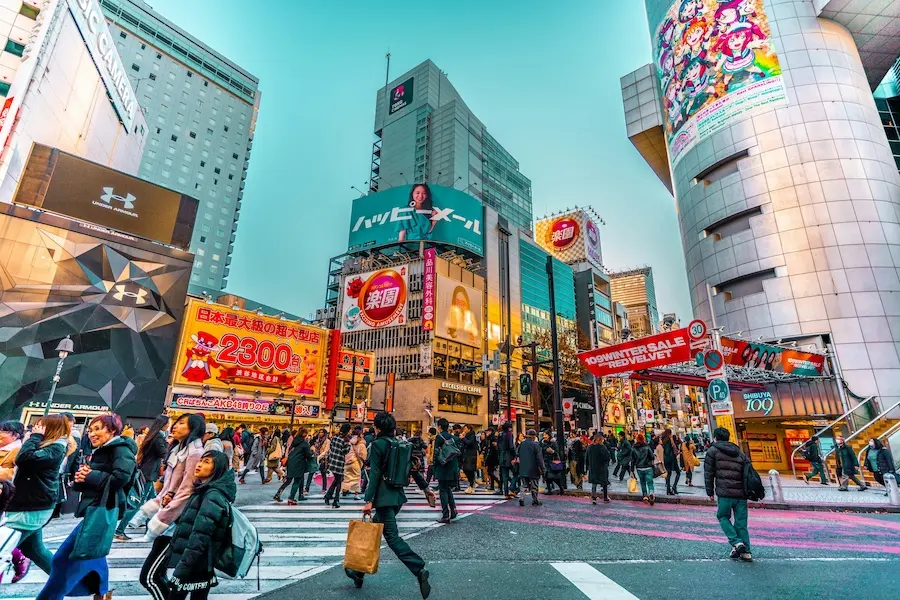
Asia is home for us, and yet, there are still so many parts of it left unexplored, even after years of traveling here as a family.
If you’re planning your first trip to Asia with kids, excitement often comes mixed with hesitation. Most of us worry about crowds, food, heat, long flights, and whether the experience will feel overwhelming rather than enjoyable. These aren’t fears—they’re practical questions, especially when Asia feels so different from what many families are used to.
What’s often misunderstood is that Asia isn’t one kind of trip.
Across this continent, you’ll find everything from calm, thoughtfully planned cities to places where traffic, noise, and daily life feel intense and overstimulating. Some countries offer polished, luxury family vacations with world-class hospitality. Others are raw, chaotic, and culturally rich—rewarding, but demanding if you’re unprepared.
We’ve lived in multiple Asian countries and traveled to more than 15 across Asia, both with and without kids. We love this part of the world deeply—not because it’s easy, but because it’s layered, diverse, and full of contrast.
We can say here,
Asia is where culture, people, landscapes, food, history, and traffic collide in ways that can either overwhelm you or completely transform how you travel.
This guide isn’t about the best places in Asia or promising a smooth ride everywhere. It’s about helping you choose the right destination in Asia with kids (first time)—one that matches your kids’ age, your comfort level, and the pace your family can realistically enjoy.
Because when the choice is right, Asia can be an incredible first family experience. And when it’s wrong, it’s rarely because Asia is “too much”—it’s because the destination didn’t fit the family taking that first step.
Asia with kids for the first time is not one experience.
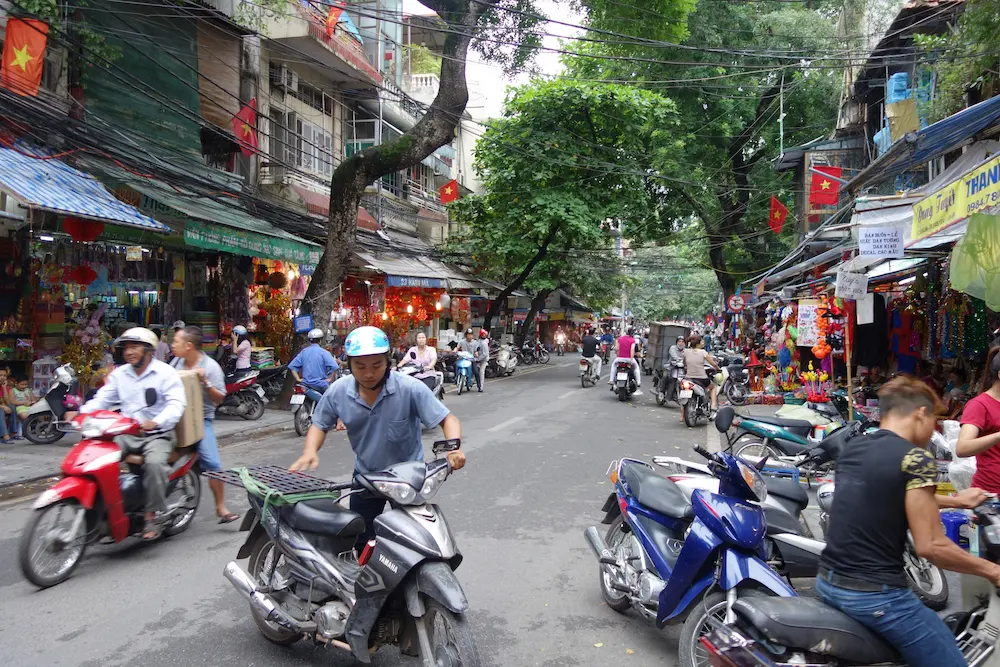
Traveling through Asia with kids isn’t like traveling through places like Australia, New Zealand, or Europe. Crossing borders here doesn’t just change the language or food—it changes the pace, noise, comfort level, and daily rhythm of family life.
Asia works very differently.
Within one single continent, you’ll find some of the most advanced, ultra-modern countries in the world—places like Japan, Singapore, South Korea, Dubai, and parts of Malaysia, where transport systems are seamless, cities are highly organized, and family travel feels surprisingly easy and secure.
At the same time, Asia is also home to raw, slower, and less polished destinations—coastal Sri Lanka, parts of India, Nepal, the Philippines, Vietnam, Cambodia, and other emerging regions where daily life is more intense, infrastructure varies, and travel requires a different level of awareness and preparation.
Both sides of Asia are real. Both can be safe. But they feel very different with kids.
For first-time families, a successful Asia trip depends far more on where you start than on how much you spend or how many places you visit. Choosing a destination that matches your comfort level, travel style, and child’s needs matters far more than chasing a popular name on a map.
Asia isn’t unsafe—it’s uneven. And understanding that difference early is what helps families experience Asia with confidence rather than overwhelm.
How First-Time Families Should Choose the Right Destination in Asia

Asia rewards families who plan with awareness. It’s not just about where you go—it’s about understanding how different parts of Asia actually work on the ground.
For first-time families, these Asia-specific lenses matter more than generic travel tips.
- Travel Pace Matters More in Asia Than Anywhere Else
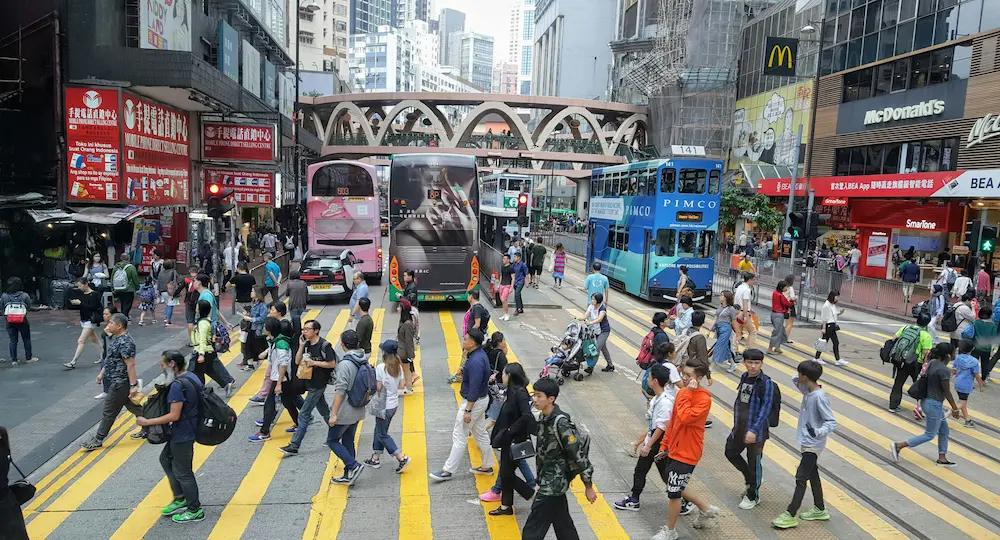
In Asia, travel pace can completely shape your experience.
Some regions, like East Asia, operate with clockwork efficiency—cities such as Tokyo or Seoul make fast movement feel manageable, even with kids. On the other hand, parts of Southeast Asia, including cities like Hanoi or Ho Chi Minh City, are vibrant but intensely crowded, with scooters, street vendors, and constant movement that can feel overstimulating for younger children.
Slower regions—coastal Sri Lanka, parts of rural Vietnam, or island destinations—often suit families who prefer fewer transitions and quieter days. In Asia, choosing a destination that allows you to slow down naturally is often the difference between enjoying the culture and feeling worn out by it.
2. Child’s Age and Stamina Are Tested Differently Across Asia
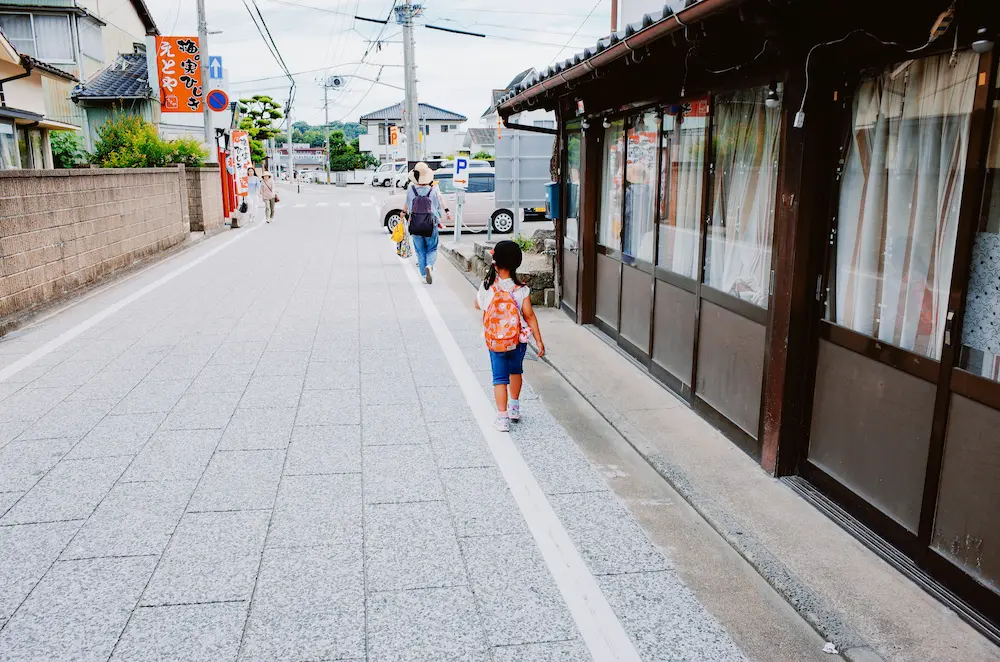
Asia challenges children in different ways depending on where you are.
In hot and humid regions like Southeast Asia or coastal destinations, heat and sun exposure affect kids quickly. In mountain regions such as the Himalayas or Nepal, altitude becomes a real factor, especially for toddlers and younger children.
What feels manageable for a school-age child can be exhausting for a toddler. First-time families often have a smoother experience when they choose destinations that match their child’s physical stamina, not just their curiosity.
For first-timers, the fear of jet lag is often the biggest mental barrier. Our advice? Plan for a ‘soft landing’ by dedicating your first three days to adjustment. Read our 3-Day Survival Guide to see exactly how we handle those early mornings.
3. Food in Asia Is Diverse—But Ease Matters at First
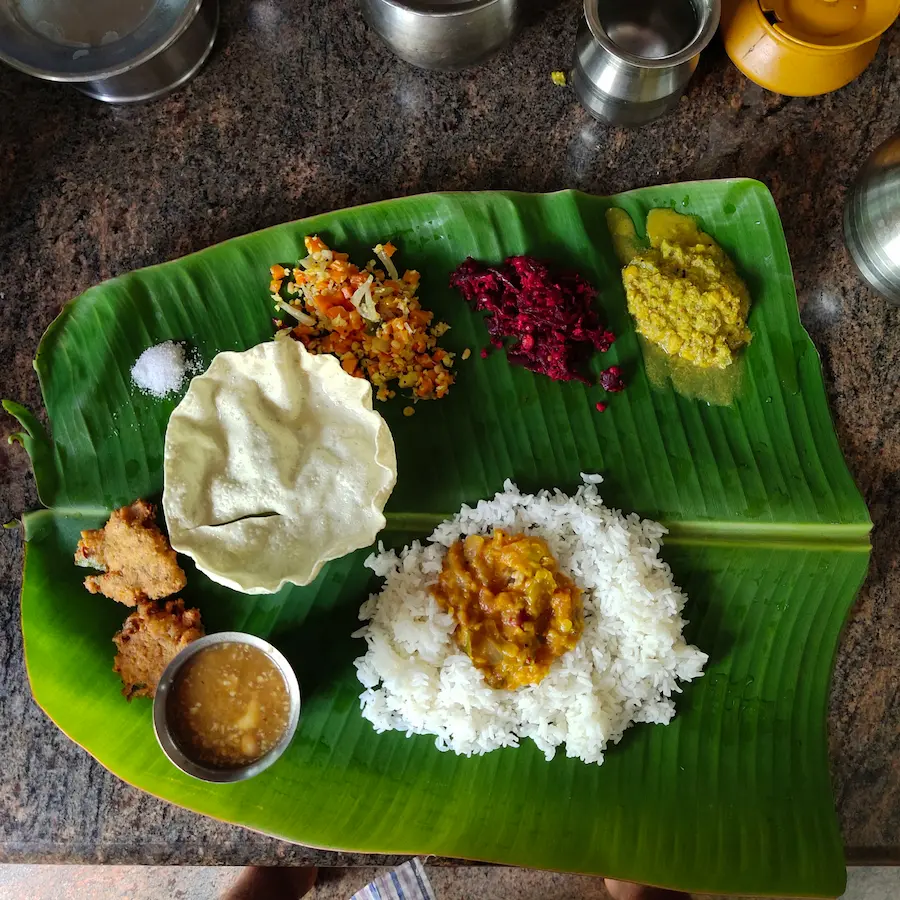
Asian food is incredibly diverse, but jumping straight into local cuisine everywhere can sometimes lead to upset stomachs, especially for children.
The good news is that in most countries with growing tourism—Vietnam, Thailand, Malaysia, Japan, and Sri Lanka—you’ll also find international food options alongside local dishes. Choosing destinations where you can balance local meals with familiar food often makes daily life easier on a first trip.
Food flexibility reduces stress—and in Asia, that matters more than being adventurous every day.
4. Transportation Choices Shape the Entire Trip
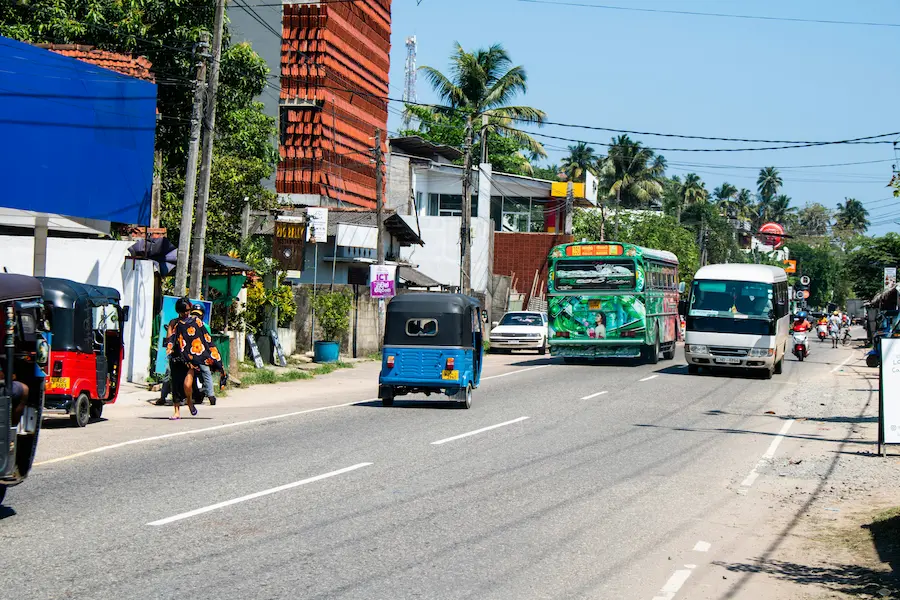
Transportation works very differently across Asia, and understanding this early makes a huge difference.
Flights are often the most time-efficient way to cover long distances in Asia and can save families from exhausting overland journeys.
Trains are excellent budget-friendly options in many countries—India, Sri Lanka, Vietnam, and parts of Southeast Asia—while Japan, South Korea, and China offer world-class high-speed bullet trains that make long travel days far more comfortable with kids.
Knowing how a country moves helps you avoid unnecessary fatigue and plan days that feel realistic rather than rushed.
5. Medical Comfort and Travel Insurance Are Non-Negotiable

Healthcare standards vary widely across Asia.
Countries like Japan, Singapore, and India have strong and accessible healthcare systems. At the same time, travel to more remote regions—such as parts of Nepal, Sri Lanka, or the Philippines—requires extra preparation.
For first-time family travel in Asia, comprehensive travel insurance is essential. It provides peace of mind for everything from minor illnesses to unexpected situations, especially when traveling outside major cities.
Along with access to healthcare, it’s also important to check your home country’s health advisory before traveling to Asia with kids for the first time.
Health preparation isn’t about expecting problems — it’s about giving yourself peace of mind, especially when traveling with young children.
6. Climate Is Often the Most Underestimated Factor

Asia spans multiple climate zones, and weather can change dramatically depending on where—and when—you travel.
Vietnam, for example, stretches across different regions with completely different weather patterns at the same time of year. Heat, humidity, monsoons, or cooler mountain climates can all affect how comfortable your days feel with kids.
Checking the specific climate of your base destination, not just the country, often determines whether your trip feels enjoyable or exhausting.
Asia isn’t difficult—it’s diverse. First-time family trips work best when parents choose destinations based on how Asia actually functions, rather than how it looks online.
When travel pace, climate, food access, transport, and healthcare align with your family’s needs, Asia becomes far more approachable—even on a first visit.
Once you’ve decided on your destination, our Asia Packing List for Families walks you through exactly what to pack, what you can leave at home, and the essentials we’ve found most useful after years of traveling across Asia with kids.
Choosing Asian Countries Based on Your Kid’s Age

How Asia feels with kids changes completely depending on their age. We don’t travel constantly — we travel when work allows, when school breaks line up, and when it feels right for our family.
We’re raising a five-year-old (almost six) and a two-year-old—and our youngest took his first Asia trips very early, including China at nine months and Japan as a toddler. That experience shaped how we choose destinations now.
Here’s what that looks like in real life.
Traveling in Asia with Toddlers (0–3 years)

With toddlers, ease matters more than excitement, but even “easy” countries in Asia come with their own realities.
Highly organised countries like Japan work well with toddlers because trains are punctual, streets are clean, and daily life feels structured. Even busy cities feel manageable when systems work in your favour.
That said, these destinations also demand early starts. Popular sights in Japan often get crowded by 9–10 a.m., sometimes even earlier. In realiy, Even the most organised destination can become exhausting if your child’s rhythm doesn’t match the city’s pace.
China with kids, when paced carefully, can feel more flexible—clean, safe, and well-structured, with the option to slow travel if you stay longer in one base rather than rushing between cities.
Some families choose beach-focused destinations like Vietnam or Bali with toddlers, and these can work well only if the specific location is chosen carefully. Popular cities and tourist hubs can be crowded, noisy, and overstimulating, while quieter coastal areas or smaller towns feel far more manageable.
You also have to be more cautious in Asia with kids in destinations that involve long road journeys, extreme heat, and limited medical access.
With toddlers, Asia works best when the destination allows you to set your own pace, rather than forcing you to keep up with crowds, schedules, or packed sightseeing days.
Once you’ve picked your destination, the next big hurdle is the journey—here is how we survive the 14-hour flight to Asia with our kids.
Asia with Preschoolers (4–6 years)
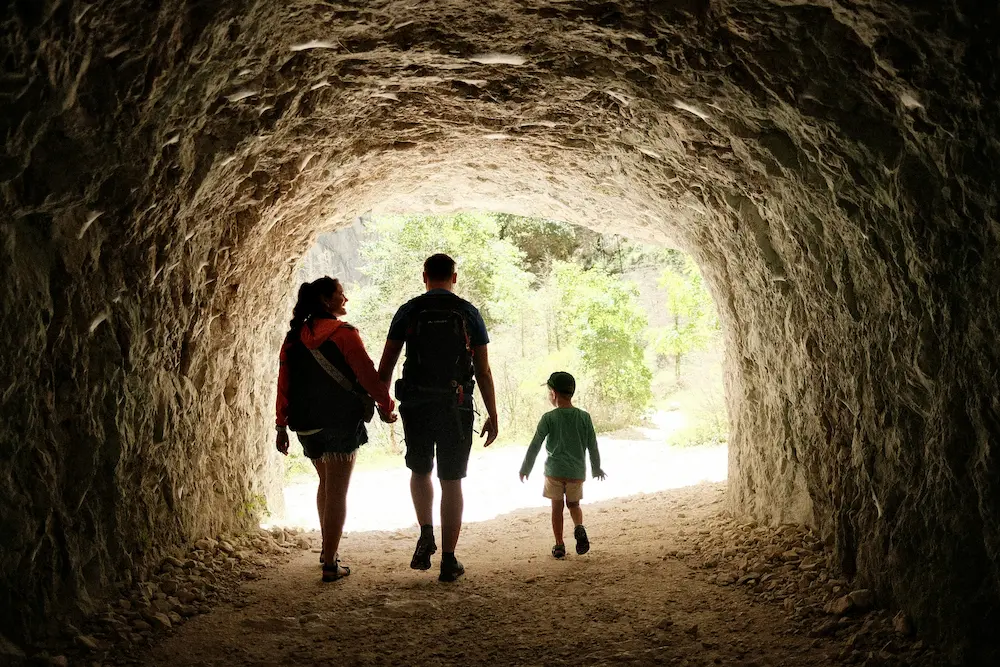
Asia with Preschoolers starts to feel genuinely exciting—but it can still go either way, depending on where and how you travel.
Countries like Japan can be wonderful with preschoolers—trains, vending machines, themed cafes, and everyday life feel fascinating to kids this age. But just like with toddlers, crowd timing matters.
Many families also do well in parts of Vietnam or Sri Lanka, especially when they choose calmer bases. Bustling cities can feel intense, while beach towns, smaller cultural hubs, or slower regions allow kids to explore without constant overstimulation.
This is also the age where specific destinations within a country matter more than the country name itself. A crowded tourist city can exhaust a five-year-old quickly, while a quieter area in the same country can feel relaxed and enjoyable.
Preschoolers don’t need packed itineraries to enjoy Asia — they need space to observe, ask questions, and move at their own pace.
Asia with School-Age Kids (7+ years)

Once kids reach school age, Asia opens up in a very different way.
Longer travel days, deeper cultural experiences, and history-rich destinations become easier. This is often when you feel ready to explore Asia beyond just “easy bases.”
Cities and countries with strong infrastructure and clear systems work especially well at this stage. Places like Singapore and Malaysia suit families who enjoy urban energy, theme parks, wildlife experiences, and structured days.
Everything feels efficient, safe, and predictable — helpful when covering more ground.
This is also the age where culture-rich destinations become rewarding rather than tiring. Countries such as Japan, South Korea, China, and parts of India offer depth, from history and food to fast trains and everyday routines that older kids can observe and understand.
For families wanting nature and downtime alongside learning, school-age kids also do well with:
- wildlife experiences in Sri Lanka or India
- beach destinations in Thailand, Vietnam, or the Philippines
At this stage, kids can handle busier environments, longer train rides, and fuller days — but destination choice still matters. Popular cities can be exciting, while quieter bases within the same country often offer a better balance between exploration and rest.
Why the age of your child matters for Your First Asia Trip
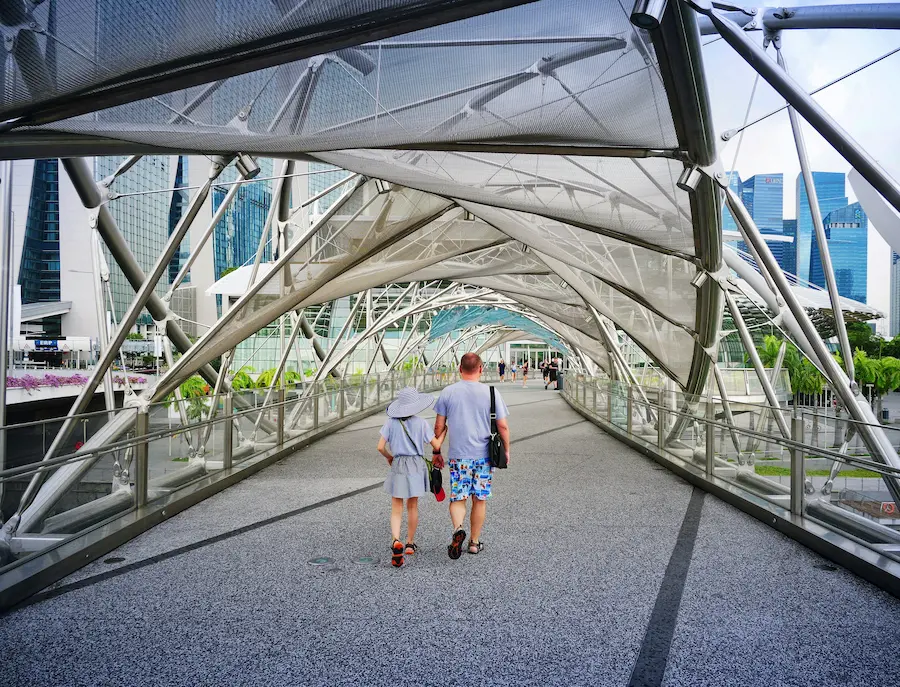
Asia doesn’t need to be postponed until kids are older—it just needs to be chosen honestly.
When a destination matches your child’s age, your family’s pace, and your comfort level, Asia feels far more approachable. Days feel calmer, routines fall into place more easily, and the experience becomes meaningful rather than overwhelming.
In Asia, this matters more than almost anywhere else. The same country can feel completely different depending on your child’s age — and even more so depending on where within that country you stay.
For first-time families, the goal isn’t to see everything. It’s to choose a place that fits this phase of life — not one you’re trying to “push through” or save for later.
When age, pace, and destination align, Asia isn’t just doable — it’s genuinely joyful for families.
When Asia Might Not Be the Right Choice
(And That’s Okay)
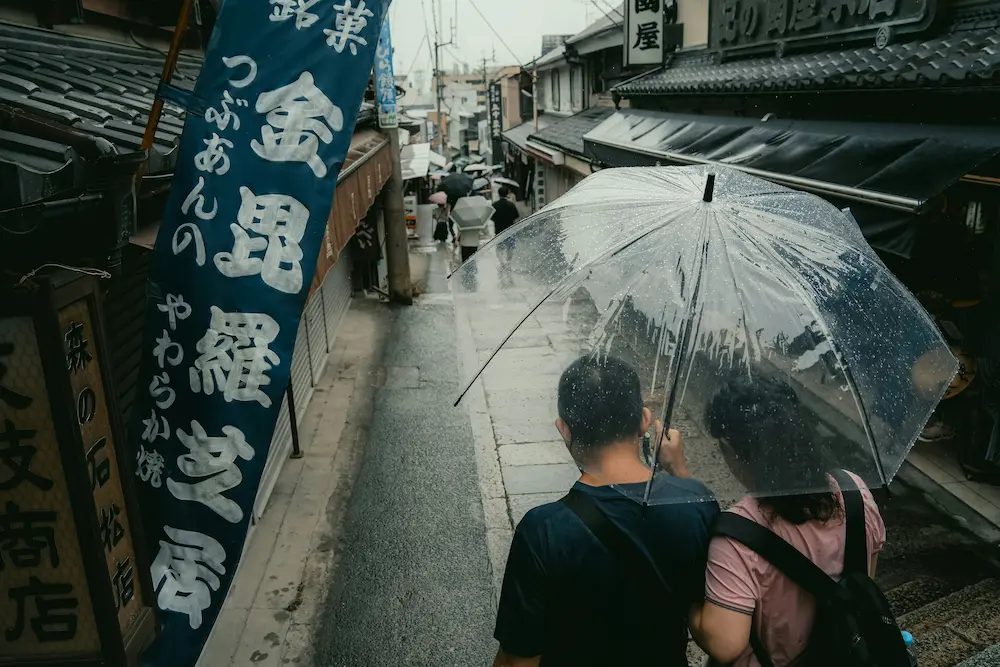
Asia can be an incredible place to travel with kids — but it’s not the right fit for every family at every stage, and saying that honestly matters.
Asia may feel difficult right now if:
- you need rigid schedules and tightly timed sightseeing
- your child struggles significantly with heat or humidity
- first-time international travel anxiety already feels high
Some parts of Asia require flexibility — waiting, slowing down, adjusting plans, and accepting that not every day will go exactly as imagined. For families who thrive on predictability or who are already stretched thin, that can feel exhausting rather than enriching.
This doesn’t mean Asia is unsafe or unsuitable forever. It simply means that timing and destination choice matter. Many families return to Asia later — with older kids, more confidence, or a different travel style — and have a completely different experience.
Choosing to wait, or choosing a gentler destination for a first trip, is also good parenting.
If safety concerns or anxiety are what’s holding you back, it can help to look at the bigger picture first. We’ve shared a separate, honest guide on whether Asia is safe to travel with kids, covering health, hygiene, medical care, and everyday safety from a parent’s point of view—so you can decide with clarity rather than fear.
How to Use Destination Lists to Travel in Asia with Kids First Time
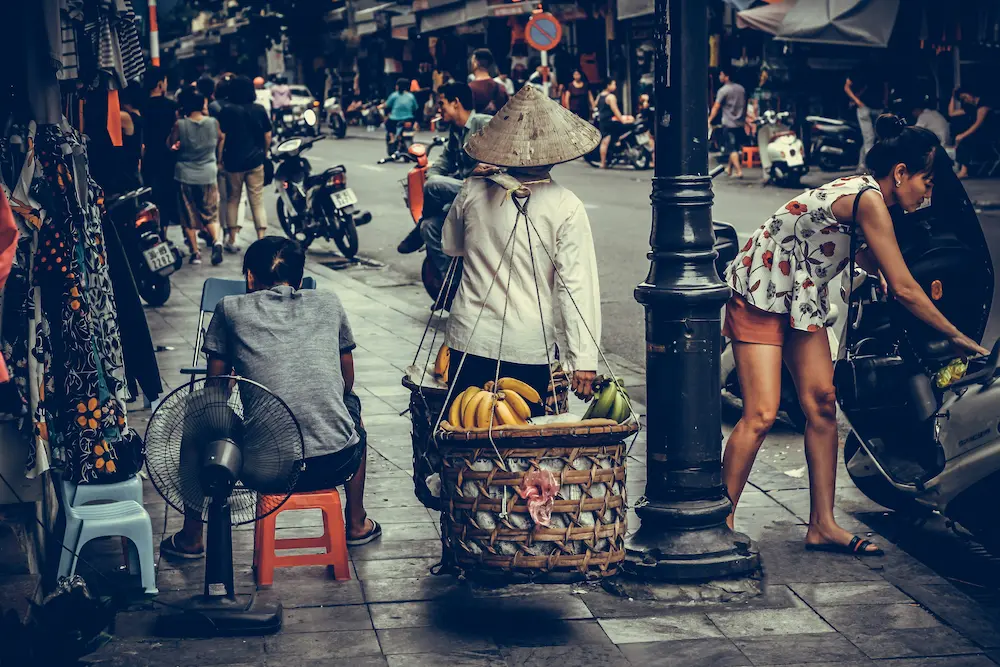
We don’t believe in generic “best destinations” lists — especially when it comes to traveling in Asia with kids for the first time.
The destinations we recommend on Roaming Crew are shaped by how our own family actually travels. We are living in Asia and have traveled across more than 15 countries here, including Japan, China, India, Vietnam, and others—sometimes as a couple, sometimes with a baby, and now with two young kids.
Some places felt calm and surprisingly easy with children. Others were fascinating but required more planning, patience, or the right age to truly enjoy.
That’s why we always suggest starting with your family’s travel style, not with a list.
Once you’re clear on:
- your child’s age and daily stamina
- how much heat, crowds, and movement your family can handle
- whether you prefer cities, beaches, or slower bases
- How comfortable do you feel with transport, food, and healthcare
Remember, Asia isn’t about ticking destinations off a map. It’s about choosing places that fit this phase of family life.
Here, we have created Asian guides of top family-friendly destinations in Asia. Our country-specific travel hubs aren’t meant to overwhelm you—they’re meant to help you narrow choices based on real experience, not trends or popularity.
We share what worked for us, what didn’t, and what we’d choose differently depending on age and pace—so you can plan your first Asia trip with kids more confidently and hopefully more comfortably.
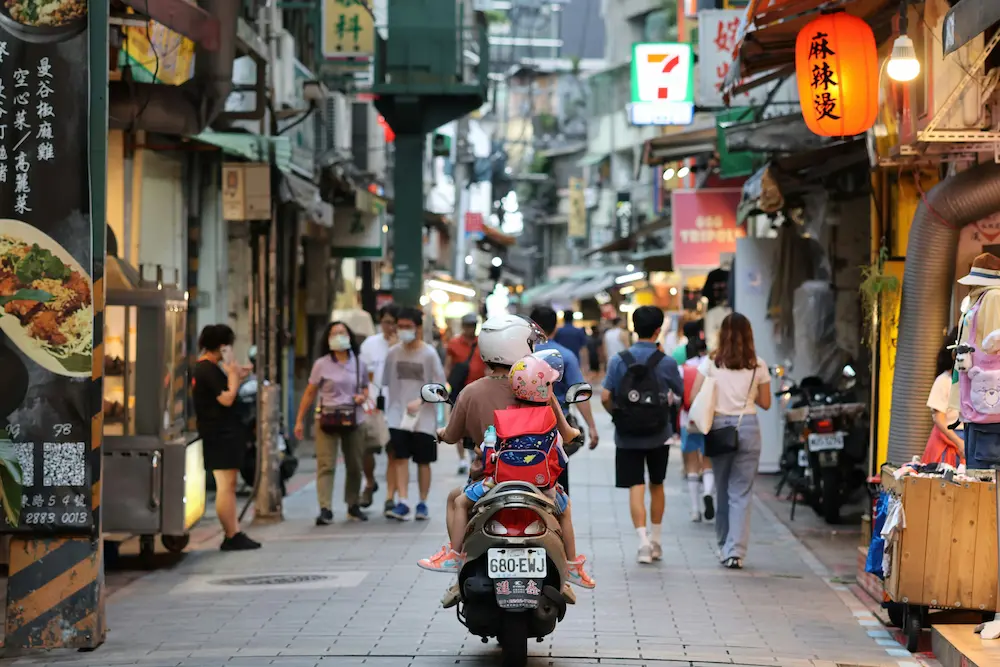
As Asian parents living and traveling across Asia with young kids, there’s one thing we’ve learned over time:
Every family travels differently—and Asia rewards those who go slow.
You don’t need to see everything. You don’t need to start with the biggest destination. You simply need to choose a place that fits your family right now.
When pace, age, and destination align, Asia feels manageable, meaningful, and deeply rewarding—even on a first trip. And when they don’t, it’s not a failure. It’s simply information you can carry into your next journey.
Asia isn’t one experience. But with the right starting point, it can become a beautiful one for your family.
Before booking flights, we also recommend reading our Asia Packing List for Families, so you know exactly what to bring for different destinations, climates, and children’s ages.
Choosing the right spot is half the battle. The other half? Getting there. Don’t miss our guide on surviving the flight to Asia with little ones.
Or wondering how much you should budget?
Read our Asia Family Trip Cost Guide for realistic budgets, flight costs, accommodation prices, and hidden expenses for families traveling from the USA and Europe.
Have any questions? Comment below; we will be happy to assist on our home continent.

FOUNDER • FAMILY TRAVEL WRITER • MUM OF TWO
About the Author
Hi, I’m Shivani, the founder of Roaming Crew.
Based in Singapore and having lived in different parts of Asia—including two years in India—I’ve explored 18+ destinations across the region, with 12+ of those journeys taken alongside my young kids.
From choosing family-friendly destinations and navigating local transport to budgeting, accommodation, and practical travel logistics, Roaming Crew is created with a parent-first mindset.