
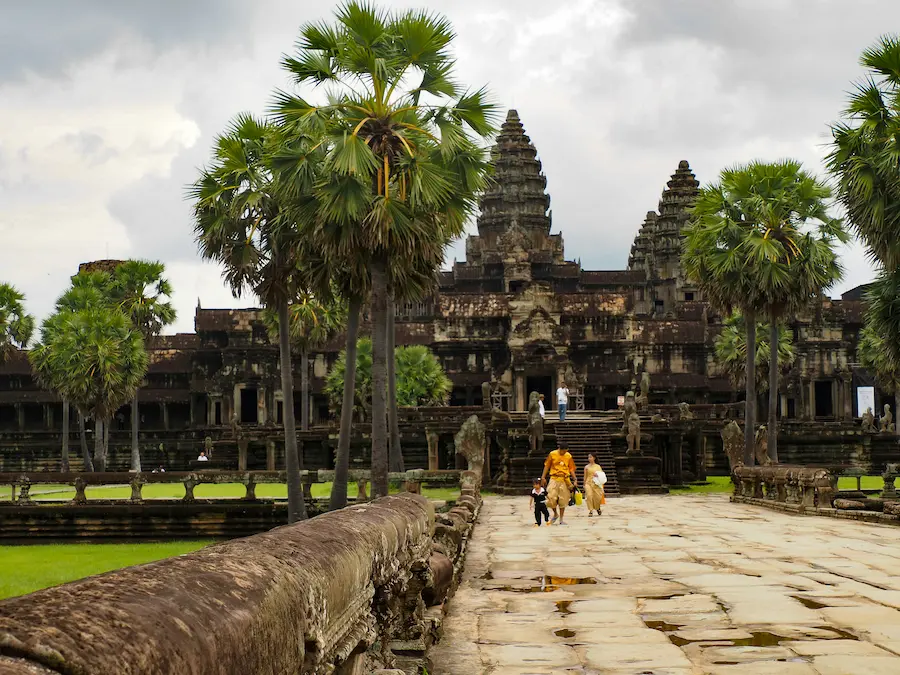
If you’re thinking about a family trip to Asia, you’re probably holding two completely different images in your mind.
On one side, there’s Japan — neon-lit yet peaceful cities, spotless public transport, quiet streets, and a culture that deeply respects children.
On the other side, there’s Vietnam’s joyful chaos, India’s sensory overload, scooters weaving through traffic, sizzling street food, crowded markets, and colors that feel larger than life.
Then there’s Singapore’s rule-following cleanliness, Thailand’s easy family rhythm, Sri Lanka’s laid-back beaches, and Dubai’s polished comfort.
And somewhere between all of that… there’s your family.
And one very reasonable question:
Is Asia safe for family travel?
Yes—Asia can be very safe for family travel when you choose the right destinations and travel at a comfortable pace.
But honestly,
Asia isn’t “easy” in the same predictable way Europe or Australia might feel at first glance. It’s diverse. It’s intense. It’s incredibly rewarding. It can be budget-friendly. It can be chaotic. And it can be deeply generous to families who travel thoughtfully.
We’ve lived in multiple Asian countries and traveled across the region first as a couple and later with our kids.
We’ve stayed in ultra-budget guesthouses, Airbnbs, and comfortable family hotels.
We’ve eaten street food with toddlers, filtered drinking water in hotel sinks, navigated honking traffic with strollers, handled mild fevers at odd hours, and asked ourselves more than once:
Are we doing this right?
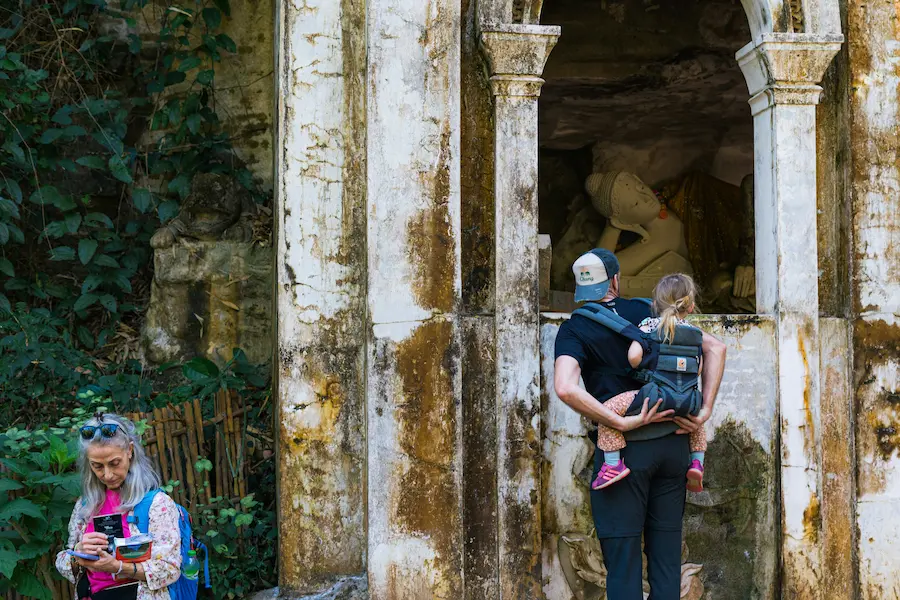
Here, we are not selling you a glossy, filtered version of Asia.
It’s all about giving you clarity.
Because as first-time parents planning for Asia, you aren’t actually afraid of the continent but afraid of getting it wrong.
Getting sick.
Choosing the wrong country.
Booking the wrong area.
Overwhelming their kids.
Feeling exhausted instead of inspired.
That’s normal.
Asia is vast. And no two countries feel the same.
But here’s what we’ve learned after living and traveling across the region with our kids:
When you match the destination to your kid’s age, your comfort level, and your travel pace, Asia doesn’t feel chaotic. It feels alive.
When you slow down instead of country-hopping, it feels manageable.
When you choose the right base, it feels surprisingly easy.
And once you experience the warmth toward your kids, the affordability, the variety of food, the slower beach towns, the efficient cities, and the cultural depth, you begin to realize something important:
Asia isn’t reckless family travel.
It’s thoughtful family travel.
We’ve shared how families can choose the right destination in Asia for the first time based on age, pace, and comfort — not trends or lists — to make Asia travel feel manageable from the start.
And when approached that way, it can feel safer and more welcoming than many of you expect.
Let’s walk through it calmly so you can plan your first trip to Asia with kids with more clarity, instead of fear.
Feeling overwhelmed by everything you need to prepare?
Our Asia Packing List for Families covers what to pack, trusted medicines, baby essentials, and practical tips we’ve learned after living and traveling across Asia with our children.
Is Asia Safe for Family Travel?
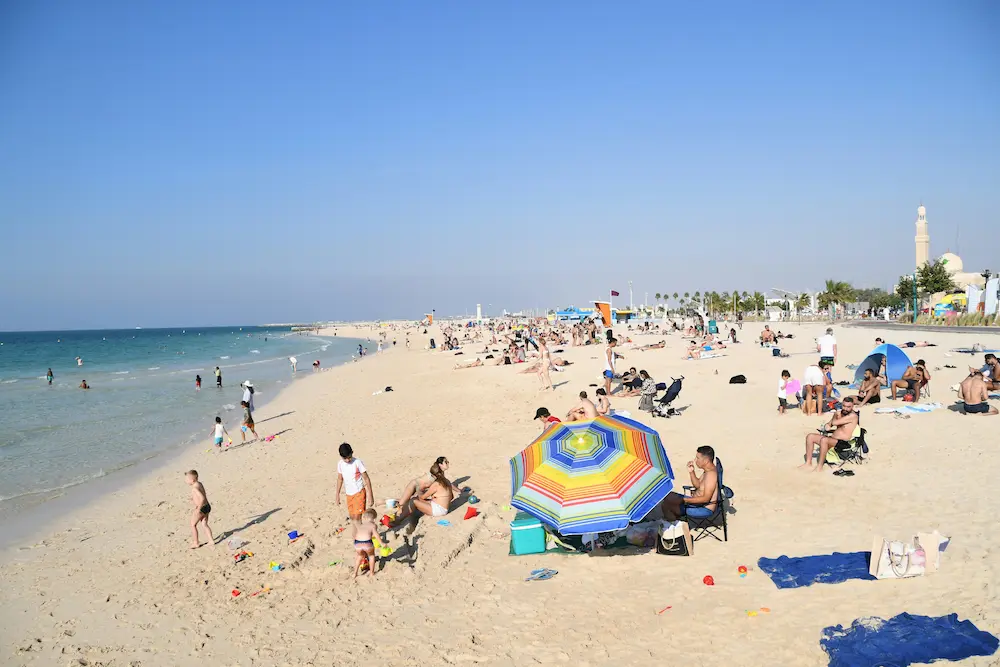
From our experience living in Asia and traveling across the region with children, yes, it absolutely is.
The most important thing to understand is this: Asia isn’t one country. Safety, comfort, and ease vary hugely depending on where you go and how you travel. Lumping the entire continent into a single idea of “safe” or “unsafe” simply doesn’t reflect reality.
We’ve lived in India for 2 years and in Singapore for 4, and we’ve traveled extensively across Asia with our kids. We’ve never felt threatened or unsafe—but we have learned to travel more thoughtfully.
Interestingly, traveling with children often makes things easier: people tend to be kinder, more helpful, and more protective when they see kids, and as parents, we naturally avoid situations we might have shrugged off before kids.
That said, nothing is ever 100% safe—anywhere in the world. We still believe in checking official travel advisories (such as the US government foreign travel guidance) and planning. But day-to-day, we often feel safer walking around many Asian cities than we do in busy Western cities late at night.
What really makes the difference is choosing the right type of destination for your family.
What makes Asia safe for family travel?
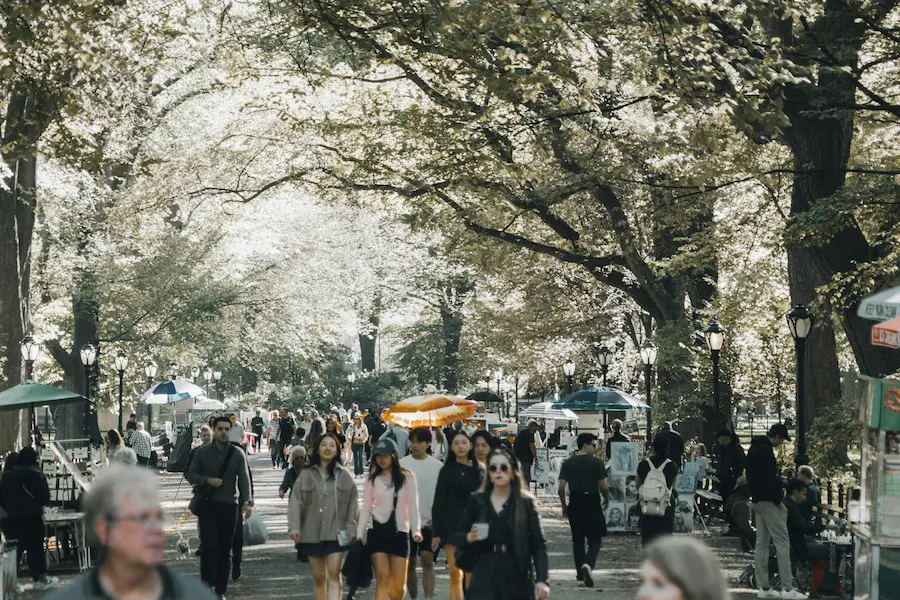
- Japan is one of the easiest and safest places in the world to travel with kids. It’s incredibly clean, organized, and child-aware, with thoughtful infrastructure, safe public transport, and endless cultural learning moments. It’s more expensive than much of Southeast Asia—but the peace of mind and kid-friendly environment are unmatched.
- China surprised us in the best way. With valid documents and a bit of preparation beforehand, it feels far safer and more organized than many European cities. Cities are clean, transport is efficient, and there’s a huge variety—from historical sites like the Great Wall to modern urban experiences—making it engaging for families traveling at any pace.
- Singapore is famously safe: clean streets, strict rules, excellent healthcare, and easy public transport. You can walk late at night without worry, which is reassuring with kids.
- Malaysia is warm and family-friendly. Stick to reputable taxis and be mindful in crowded areas, but overall it’s relaxed and welcoming. We once forgot a stroller at a café in Kuala Lumpur and found it untouched an hour later—every parent’s quiet relief.
- Sri Lanka feels safe and gentle, especially for beach-focused family trips. Traffic can be chaotic, so private drivers and car seats help, but the pace of life and kindness toward kids are a big plus.
Choosing Asia based on your family style
Safety in Asia is also about matching destinations to your travel style:
- If you want luxury, theme parks, aquariums, and polished experiences, Dubai is an easy Asian family base.
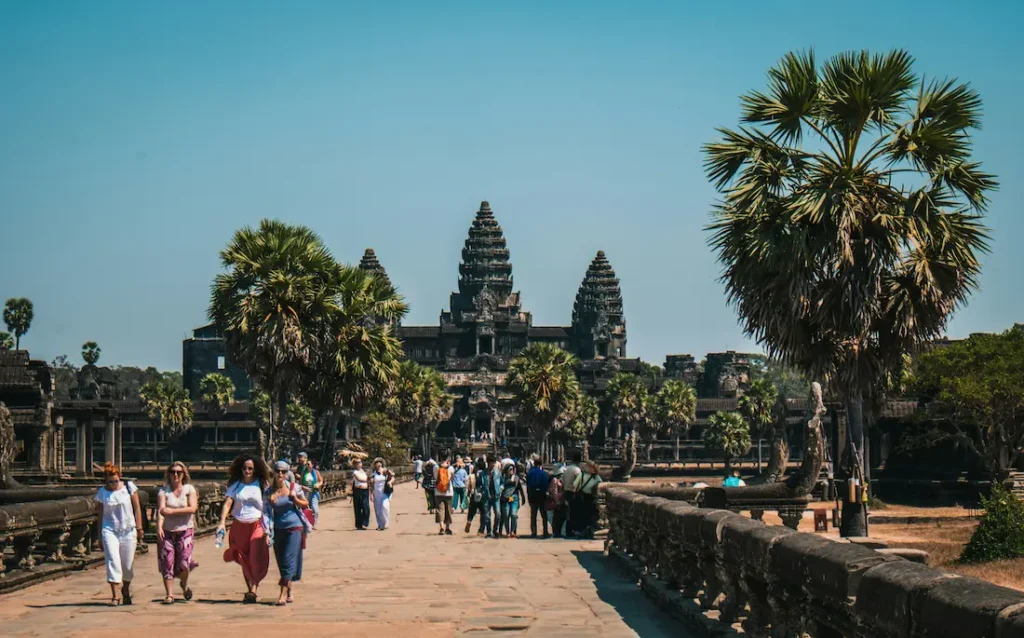
- If you’re culture-seeking parents with curious, intellectual kids, countries like Vietnam, Cambodia, Laos, and Thailand offer raw, rewarding experiences—at a budget—when you plan consciously.
- If you prefer urban escapes, Singapore and Malaysia work beautifully.
- For culture-rich but pricier adventures, South Korea and Japan feel safe, stimulating, and deeply educational.
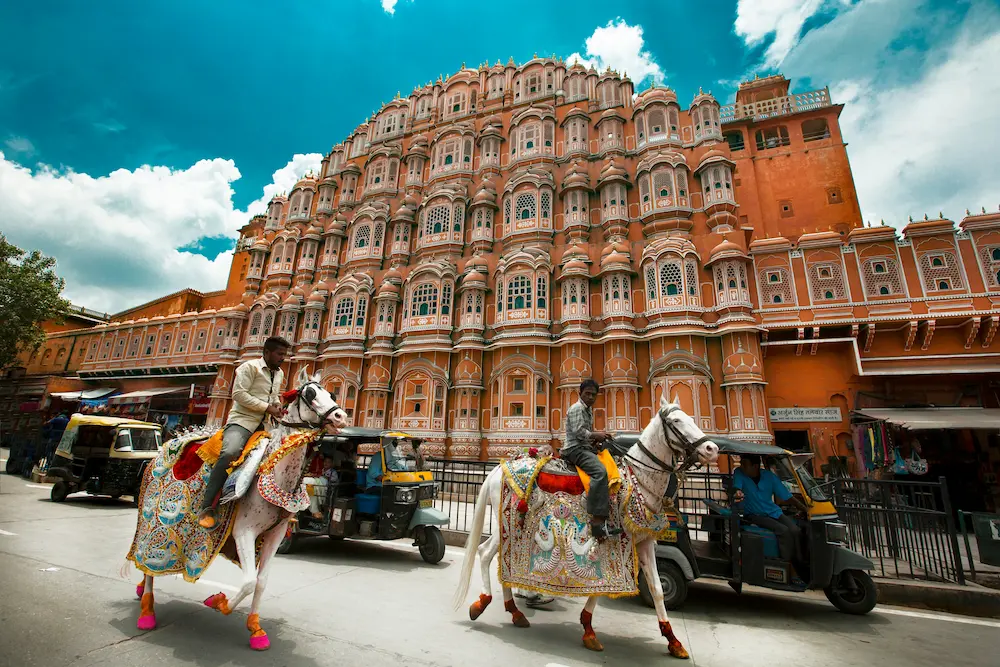
- And for laid-back beaches, forts, colors, and contrast, India and Sri Lanka can be wonderful—with thoughtful planning and a slower pace.
Traveling in Asia with kids isn’t about rushing or ticking off countries. Slower travel is safer travel. Choose places that fit your family’s energy, plan for food and transport, and stay flexible, and Asia becomes not just safe but deeply rewarding and surprisingly affordable for family vacations.
Things to Consider for Safe Family Travel in Asia
If you’re feeling unsure about a family trip to Asia, you’re not being overly cautious—you’re being a parent. Most worries come from imagining unfamiliar systems, languages, and routines.
The good news?
Many of these concerns are far more manageable on the ground than they seem while planning.
Health, hygiene & medical care
This is usually the biggest concern—and understandably so for safe family travel in Asia with kids.
In countries like Singapore and Malaysia, medical facilities are excellent. Private hospitals are modern, doctors speak English, and pharmacies are easy to find. In places like Sri Lanka, basic care is available in towns, and with a little planning, families manage comfortably even when exploring beaches or waterfalls.
What helps most is being prepared. We always carry a small first-aid kit—paracetamol or ibuprofen, ORS, allergy medication, bandages, and a thermometer. On one trip in Sri Lanka, our child developed a mild fever late at night, and having essentials on hand saved us a stressful hospital visit.
In India, general fever or cold medicines are often available without a prescription, which can be surprising. While that can be helpful in a pinch, we personally prefer visiting a private hospital when needed—and this is where good family travel insurance becomes important.
Safety starts at 30,000 feet. Making sure your kids are hydrated, rested, and calm during the long haul is the first step to a successful trip. See our flight survival strategy here.”
Getting around with kids
Transport is another big mental block for families—and one that often turns out better than expected.
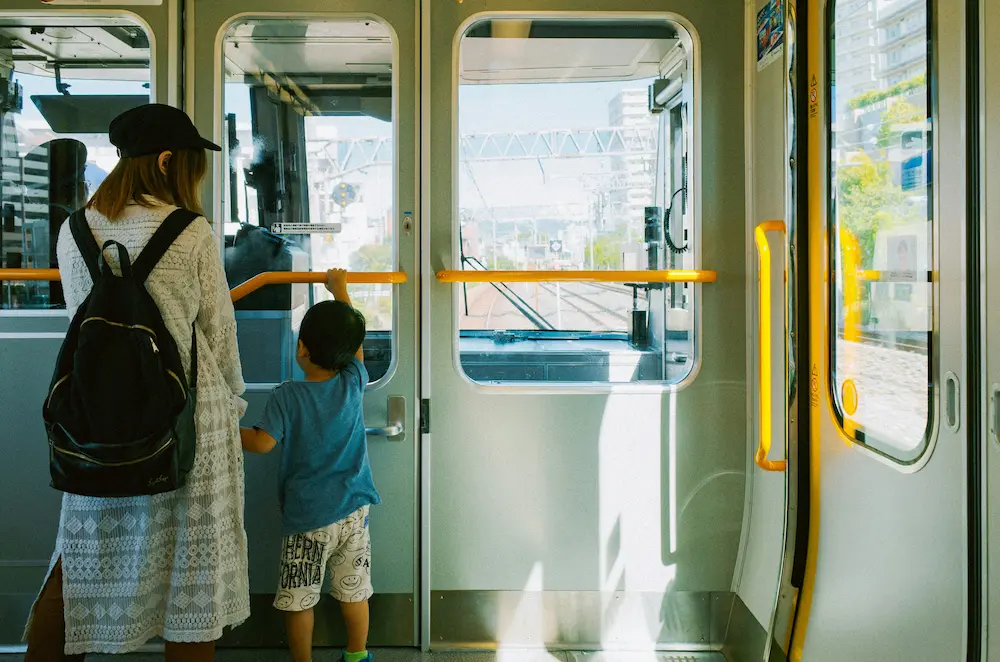
In Japan, public transport is a dream with kids. Trains, metros, and buses are punctual, clean, clearly marked, and incredibly safe. Once you understand the basic transit cards, moving around cities becomes smooth and predictable, even with children.
China similarly surprised us. High-speed trains connect cities quickly and efficiently, and with valid documents and a little preparation beforehand, train travel feels far calmer and more organized than many parents expect.
In contrast, countries like Sri Lanka and India often work better with a private driver—something that’s usually more affordable than people assume. Not having to navigate traffic or directions allowed us to focus on our kids instead of the road, especially in hilly regions or busy cities. In Bhutan, self-driving isn’t even an option for tourists, which actually feels reassuring when traveling as a family.
In much of Southeast Asia, ride-hailing apps like Grab make short trips and late evenings far easier with kids.
Motion sickness & long travel days
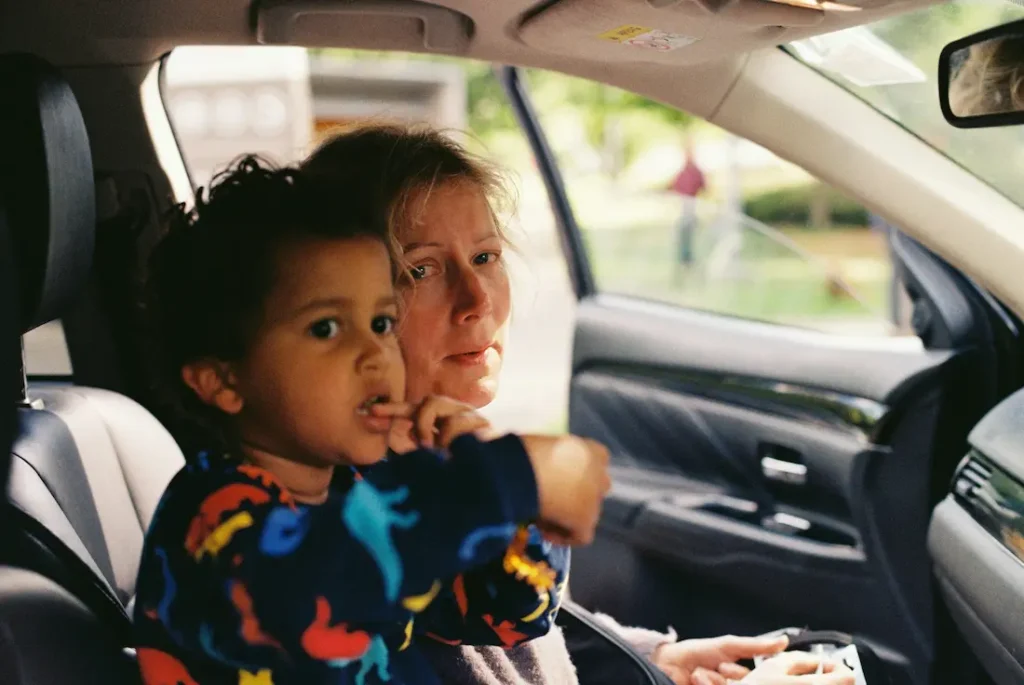
Car sickness can be a real challenge for some kids—just like anywhere else in the world. In Asia, roads can be uneven, and many journeys involve mountains or coastal routes rather than straight city roads.
We learned this the hard way. Minibuses were the worst for our child, while open-air rides like tuk-tuks were surprisingly easier. When buses were unavoidable, motion sickness medication, frequent breaks, and yes—plastic bags—made a big difference.
Every child is different. Accepting slower, shorter journeys often makes travel in Asia safer and far more enjoyable for everyone.
The biggest hurdle for most parents is the initial time zone shift. We’ve found that following a structured 3-day jet lag reset keeps everyone healthy and happy from the start.
Food worries (and picky eaters) in Asia with kids
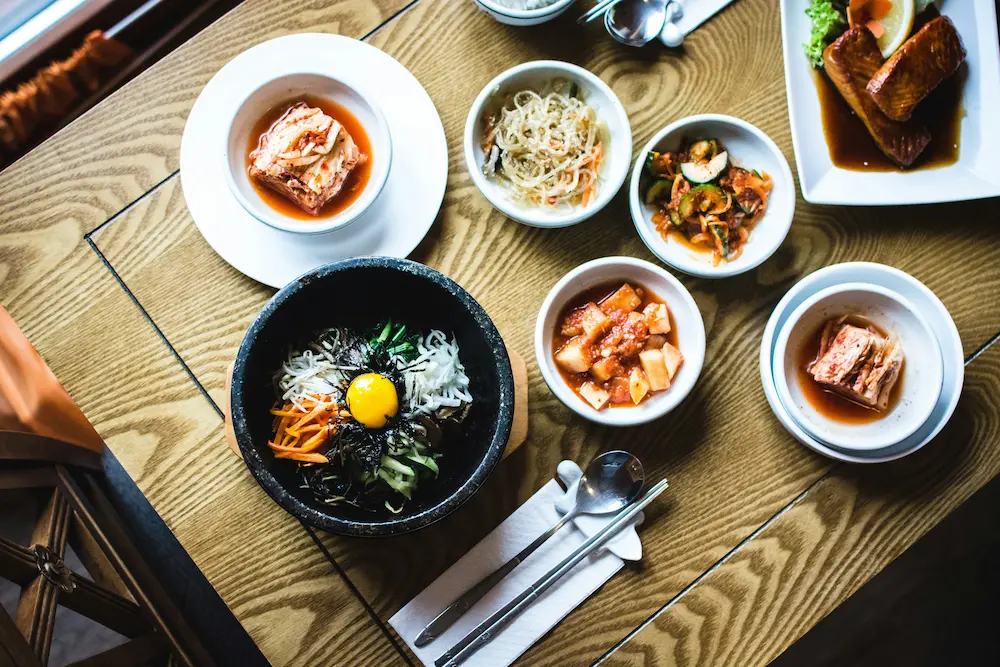
Food concerns usually loom much larger before the trip than during it.
Once on the ground, we found Asia to be one of the easiest places to travel with kids when it comes to eating. In Malaysia, simple dishes like roti canai or mild rice meals were instant hits. In Sri Lanka, familiar textures like hoppers and kothu worked well for little ones. In Thailand, mango sticky rice became our end-of-day reward.
Carrying familiar snacks, shopping locally for fruit or yogurt, asking for non-spicy versions, and sticking to bottled or filtered water where needed made food one of the least stressful parts of traveling Asia with kids.
Crowds & overstimulation
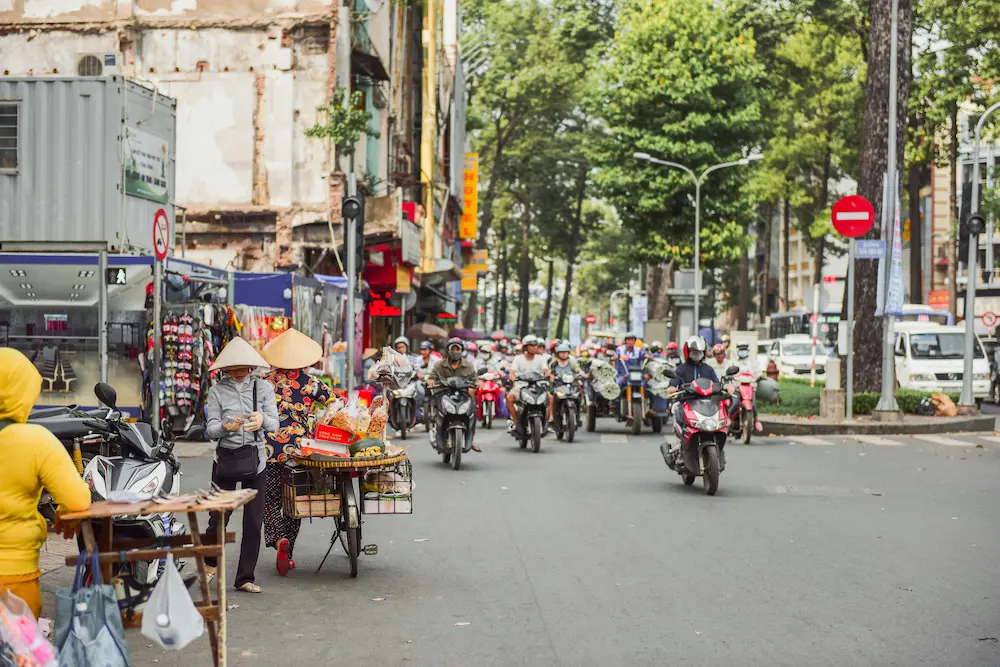
Crowds and noise are a reality in many large Asian cities, and they can feel overwhelming for children. In our experience, this is where planning matters more than the destination itself.
Choosing calmer neighborhoods, shortening sightseeing days, and building in time for rest or play can completely change how kids experience Asia. Slower days almost always lead to happier children—and safer, more enjoyable family travel.
In busy tourist areas across Southeast Asia, India, and Sri Lanka, petty pickpocketing can happen, just as it does in any crowded city worldwide.
For us, this simply meant being a little more aware in markets, transport hubs, or festivals. Using cross-body bags, keeping phones tucked away, and avoiding open backpacks made it a non-issue. It was never a reason to avoid a place—just something to stay mindful of when traveling with kids.
In the end, most of the worries parents have about traveling in Asia with kids aren’t wrong—they’re just incomplete.
Asia isn’t difficult; it’s different. Once you understand those differences and plan around them, family travel here often feels not only manageable but also surprisingly comfortable.
Common Safety Mistakes Families Make in Asia
(and How to Avoid Them)
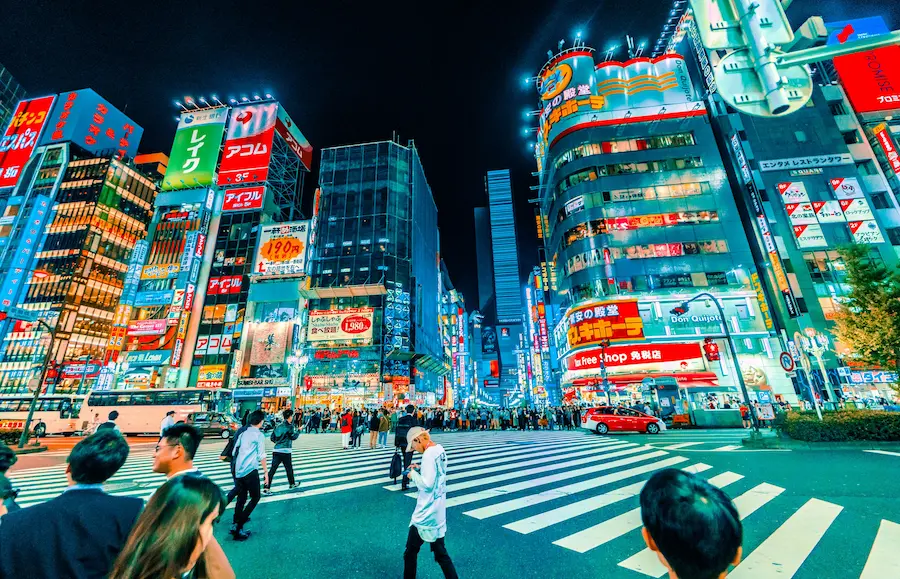
Trying to Do Too Much, Too Fast
Most family trips in Asia don’t feel difficult because of safety — they feel difficult because of pace. Asia is exciting, and it’s easy to overpack itineraries with temples, markets, and long travel days. With kids, this usually backfires.
Asia offers everything from ultra-efficient trains to overnight buses and short regional flights, but switching between them too often with kids quickly leads to burnout.
What worked better for us was planning one main activity a day and leaving space around it. When kids know what to expect, they’re calmer and more cooperative — just like adults.
Choosing Busy Cities Over Calmer Regions
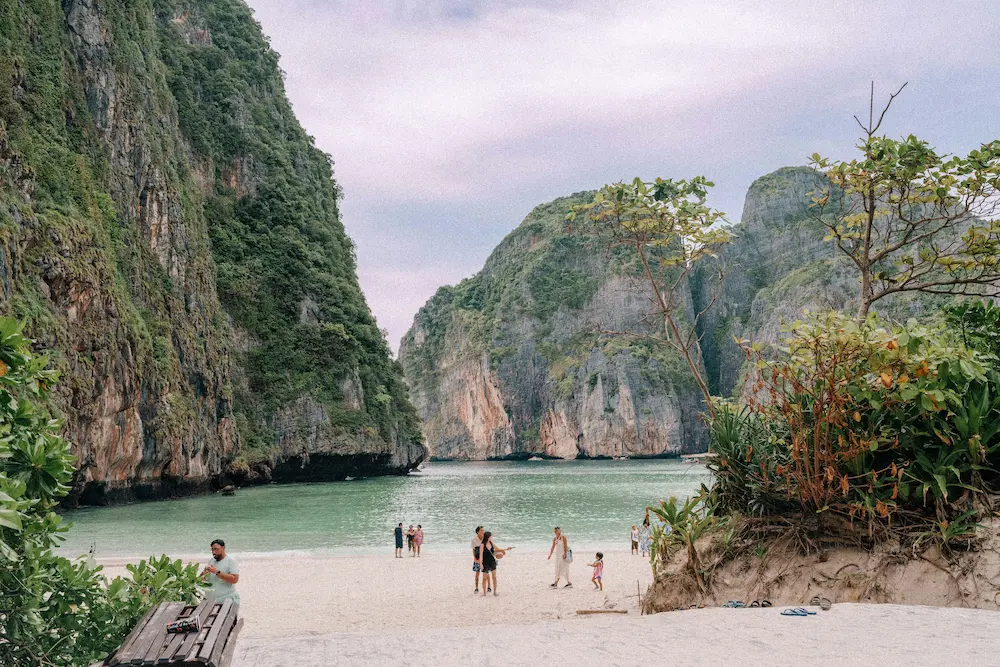
Another common mistake is assuming the main city is the best base. Many Asian countries offer quieter beach towns, hill regions, or smaller neighborhoods that feel far more manageable with kids. These places often end up being safer and more relaxing for families, even if they weren’t the original “must-see” spot.
Underestimating Rest, Food, and Sleep
Ignoring rest, food, and sleep can change the entire tone of a trip. Time zones, heat, and unfamiliar food can quickly drain kids’ energy. Carrying snacks, allowing flexible meal times, and protecting nap time or early bedtimes—even on travel days—made sightseeing smoother and safer for us.
Booking Stays That Don’t Work for Kids
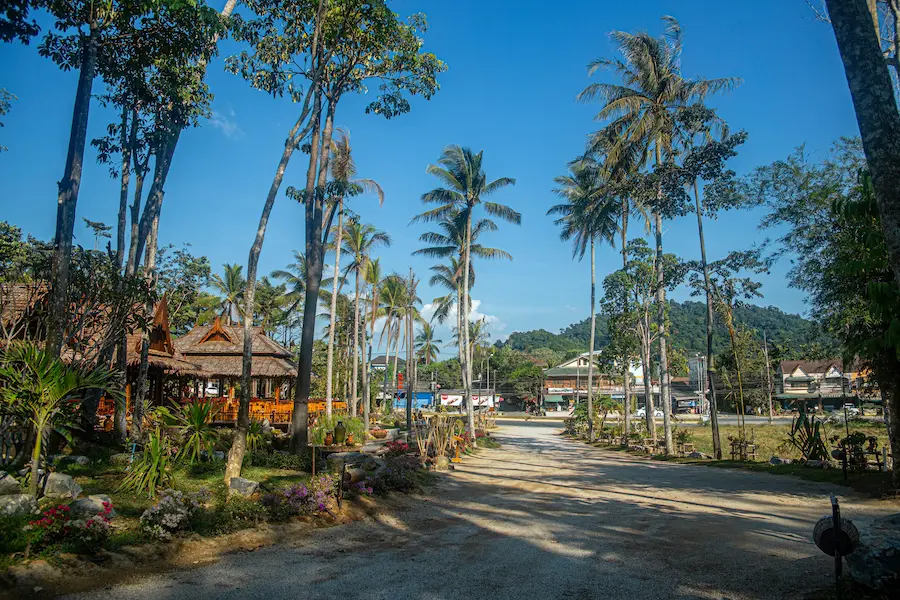
Accommodation matters more than many of us expect. Stays that aren’t kid-friendly often add unnecessary stress. Places with space to move, quieter evenings, breakfast options, or nearby parks made a noticeable difference in how our kids handled travel days.
Across Asia, we found it surprisingly easy to book spacious family rooms, small guesthouses, or apartment-style stays at prices that made slowing down financially realistic.
Moving Between Places Too Quickly
Fast-paced itineraries with frequent transfers sound efficient on paper, but are exhausting with kids.
This matters even more in Asia, where distances, mountains, islands, and climate can make travel days more tiring than they look on a map.
Slowing down, staying longer in one place, and allowing time for play — whether it’s a playground, chasing ducks, or simply running around — often led to better sleep and happier days.
Not Adjusting Travel for Toddlers and Babies
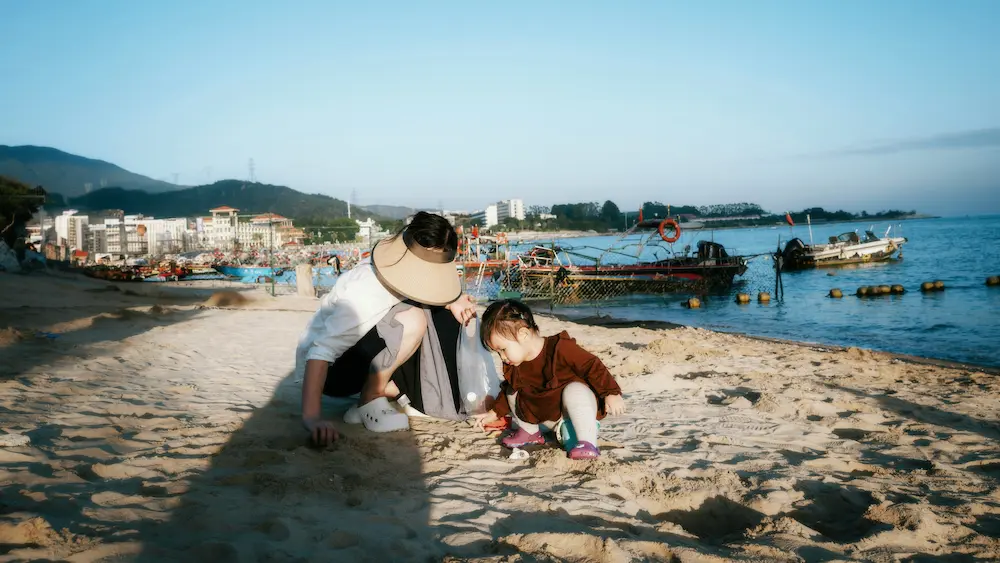
This becomes even more important when traveling in Asia with toddlers or babies. Lightweight strollers or baby carriers can be lifesavers depending on the terrain. A slower pace, flexible food options, and choosing accommodation comfort over constant sightseeing help trips feel safe and enjoyable rather than overwhelming.
Forgetting That Kids Need Engagement Too
Keeping little ones engaged makes a huge difference. Turning walks into small discoveries — spotting insects, flowers, rocks, or animals — helps them stay interested. Ending the day with something they enjoy, like ice cream or a playground visit, gives them something to look forward to and resets energy for the next day.
Most safety worries fade when families travel thoughtfully. Asia rewards slower travel, realistic expectations, and child-led pacing.
Avoiding these common mistakes doesn’t just make trips easier—it’s what turns Asia into one of the most rewarding places in the world to travel as a family.
Want to avoid overpacking for Asia with kids?
Read our Asia Packing List for Families that covers what you should pack with baby essentials and practical tips we’ve learned after living and traveling across Asia with our young kids.
Asian Countries That Feel Easiest for First-Time Family Travel
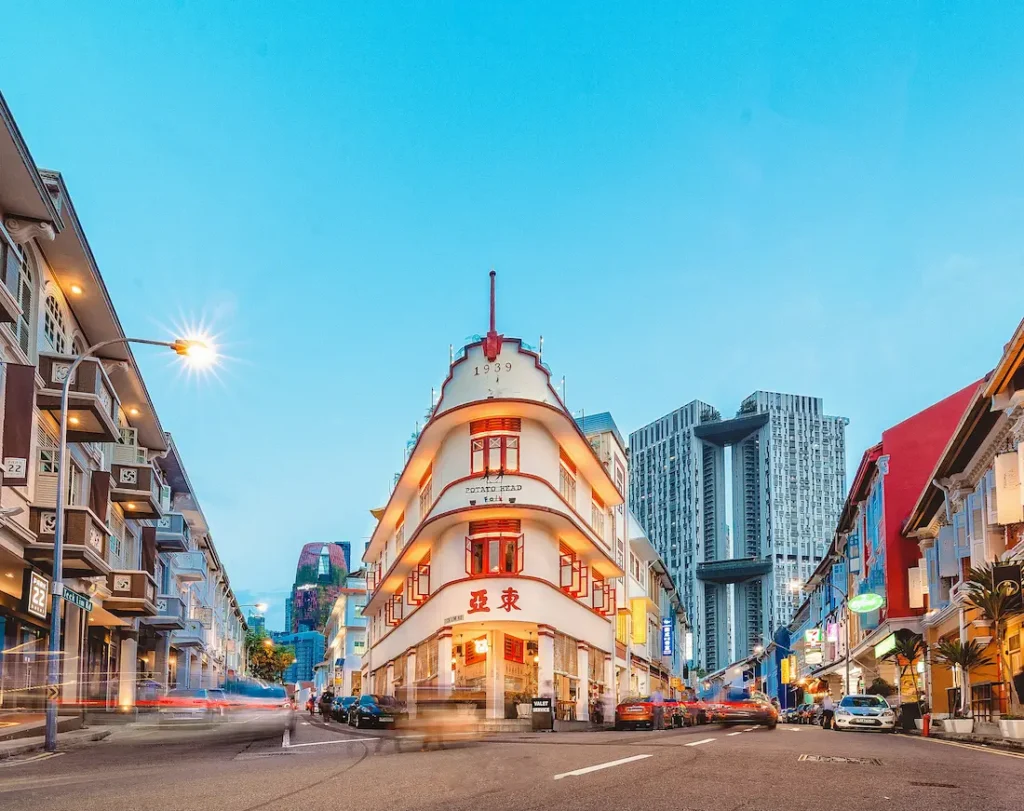
When families ask whether Asia is safe to travel to with kids, what they’re often really asking is where it feels easiest to start—not perfect, just manageable for a first family trip.
We’ve traveled across 15+ countries in Asia, first as a couple and later with our kids. Traveling before children showed us Asia’s energy and variety; traveling with kids taught us what truly matters — pace, comfort, healthcare access, and how family-friendly everyday life feels.
Living in Asia long-term has only strengthened our perspective.
From those experiences, a few countries consistently stood out for family travel. Not because they’re flawless, but because transport works smoothly, food is adaptable, healthcare is accessible, and children are naturally welcomed—things that make a real difference once you’re traveling Asia with kids.
Japan: Calm, Order, and Thoughtful Infrastructure
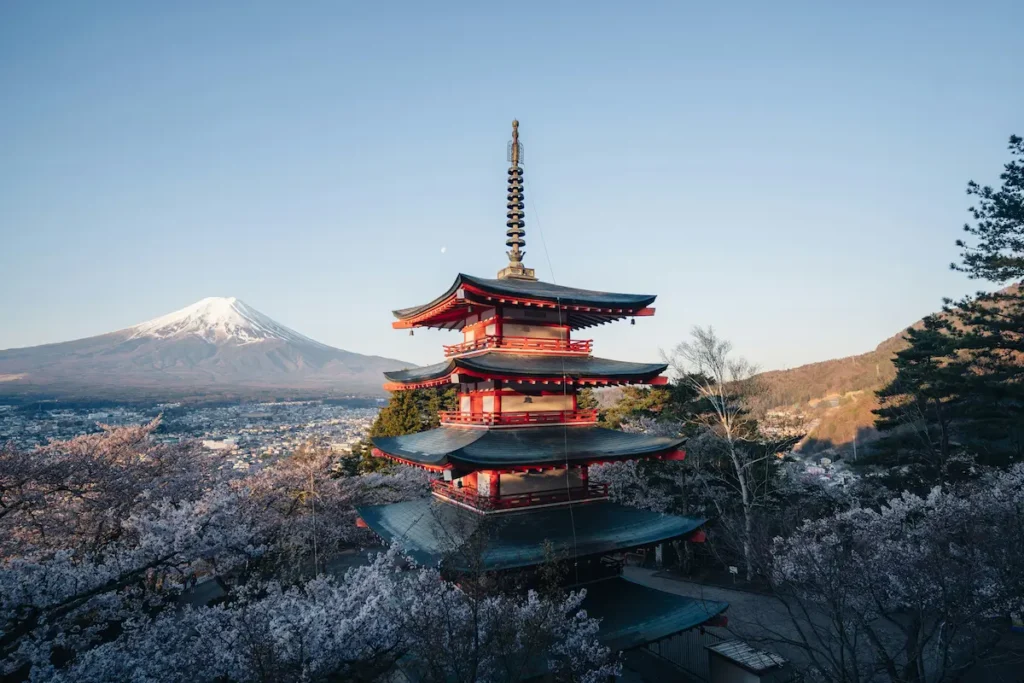
Japan often surprises parents in the best way. It’s incredibly safe, clean, and predictable, with thoughtful infrastructure that makes traveling with kids feel calm rather than stressful. Public transport is reliable, streets are orderly, and children are quietly respected everywhere you go.
It’s more expensive than much of Southeast Asia, but for many families, the ease is worth it.
Here’s how we explored Japan with a toddler.
Singapore: Easy, Structured, and Stress-Free
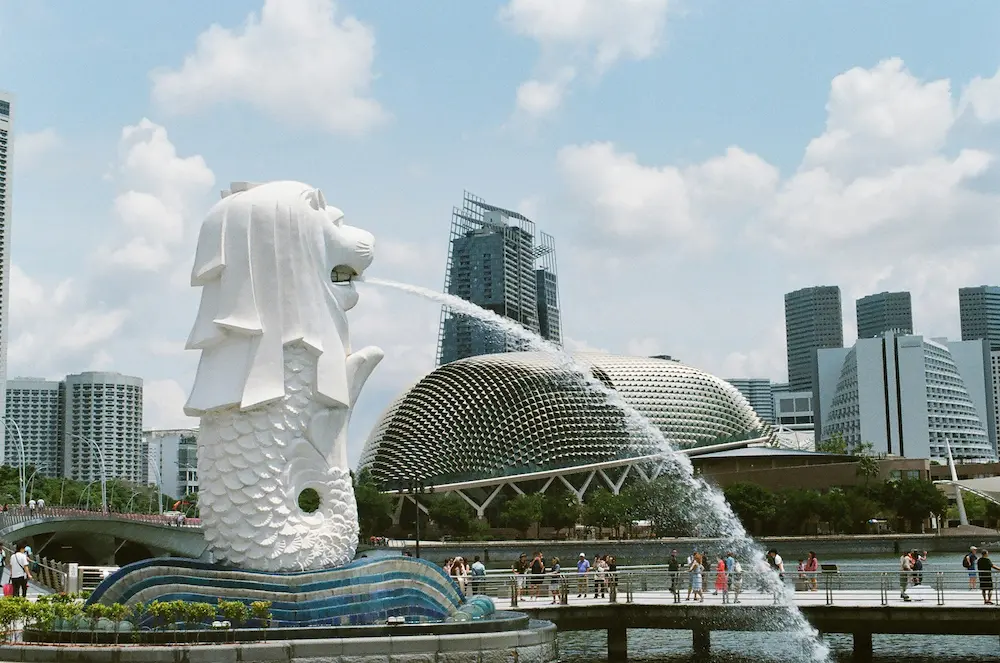
Yes, Singapore feels almost effortless with kids. Healthcare is world-class, public spaces are clean and well-organized, and transport is straightforward even with strollers. It’s a great introduction to Asia for families who value structure and simplicity.
Vietnam: Slower Travel and Everyday Warmth
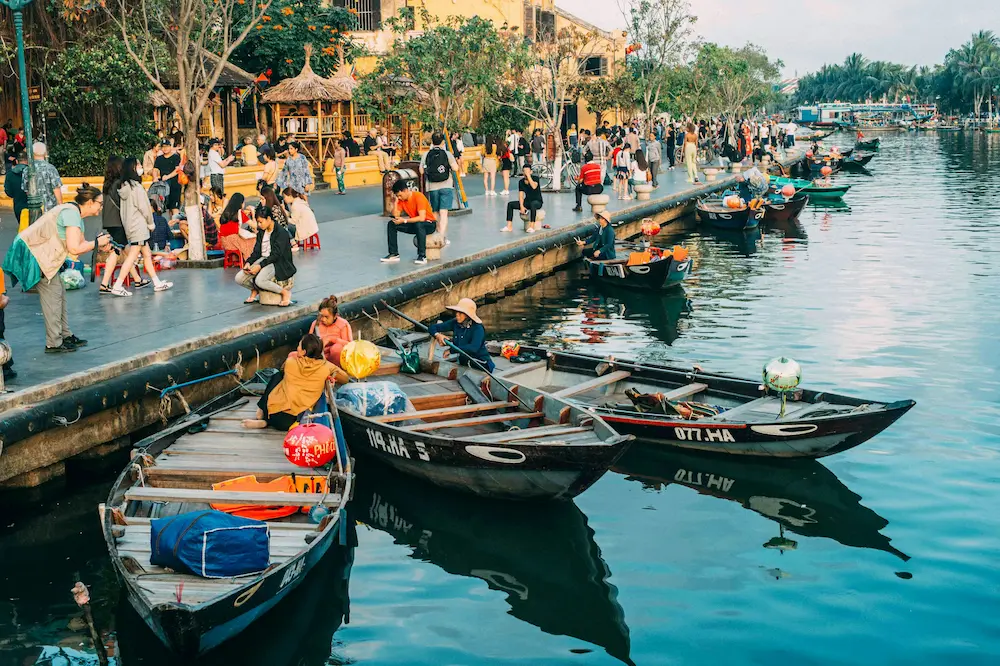
Vietnam has been a favourite for our family, especially for slower travel. While cities can feel lively, many regions offer gentle pacing, warm interactions with children, and affordable family stays that make it easy to slow down. Our girl still talks about Vietnam because of how engaging everyday life felt.
We’ve shared our experience traveling in Vietnam with kids here.
Thailand: Comfort with a Sense of Adventure
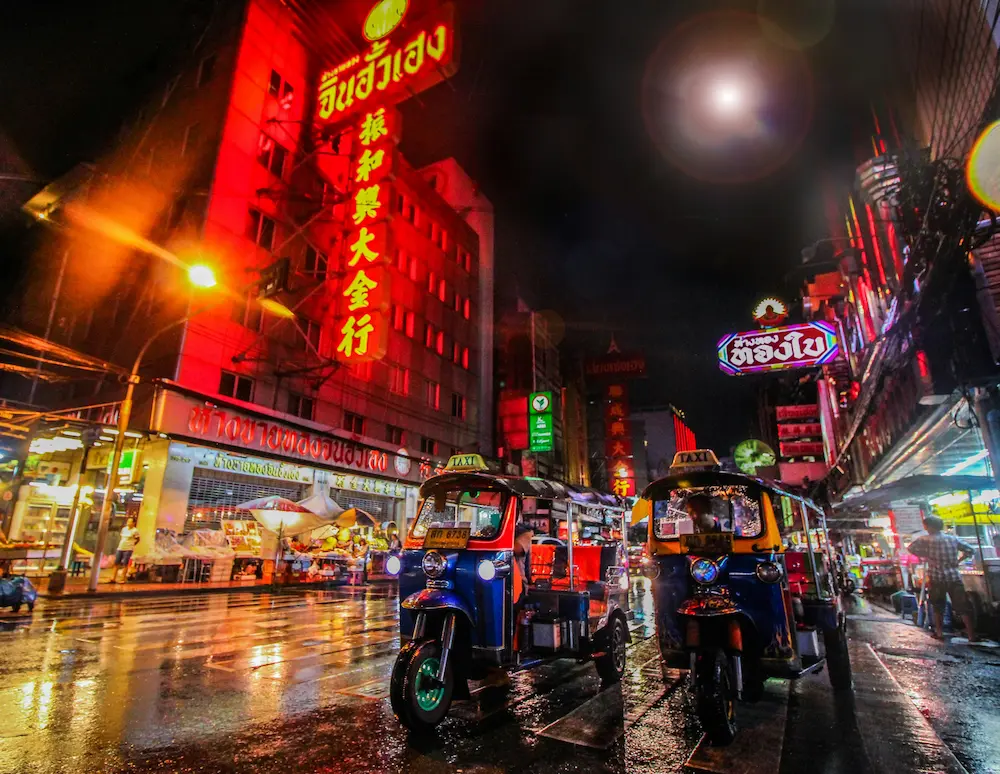
Thailand works well for families because it balances comfort with adventure. Healthcare is reliable, transport options are flexible, and food is easy to adapt for kids. Beach towns and smaller cities often feel far more relaxed than people expect.
Malaysia: Familiar and Family-Friendly
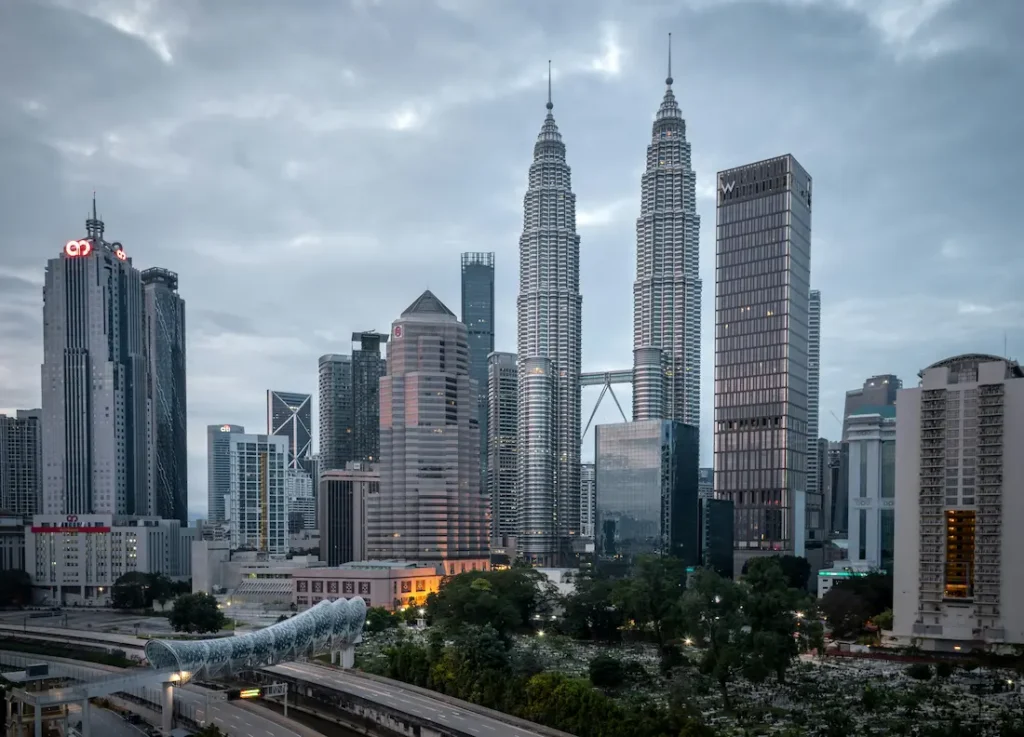
Malaysia is another easy choice for families. English is widely spoken, medical care is accessible, and food options range from local favorites to familiar international dishes. Getting around feels straightforward, which helps reduce daily travel stress with kids.
Sri Lanka: Gentle Pace and Nature-Led Travel
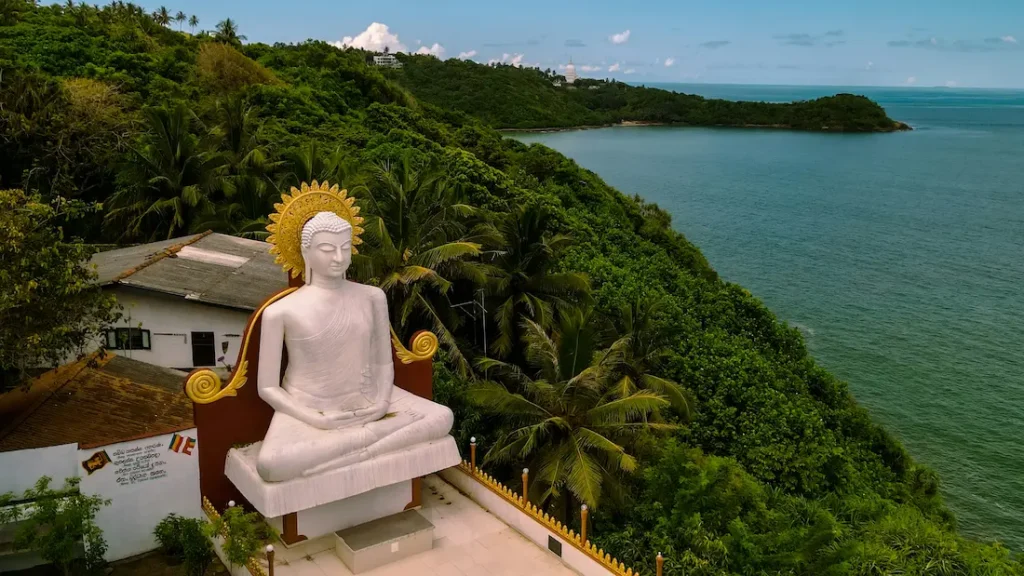
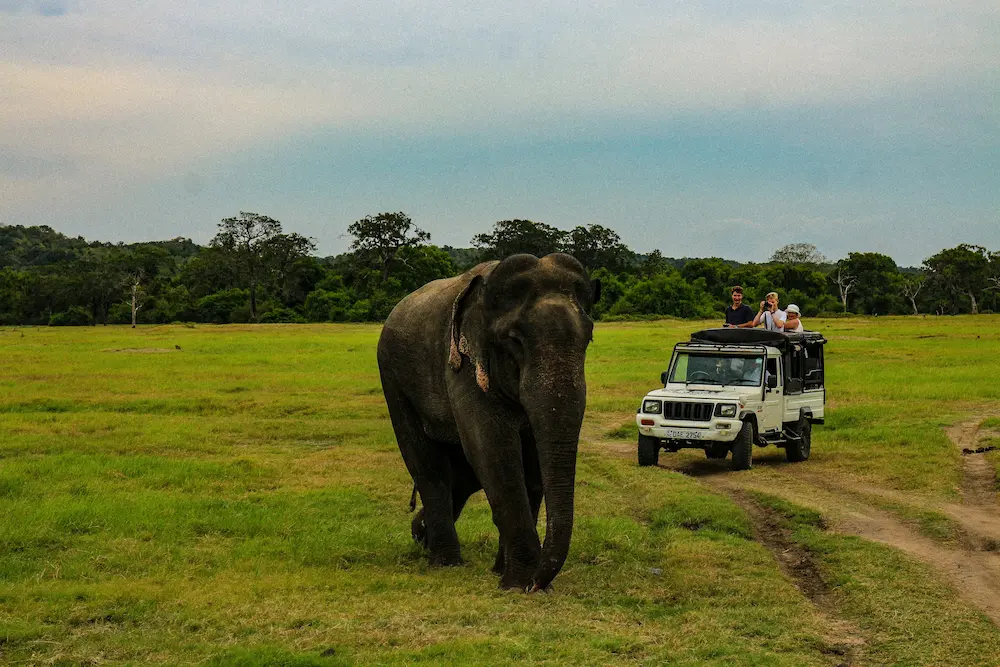
Sri Lanka feels gentle and family-oriented, particularly for beaches and elephant safari trips. While distances can be long, traveling slowly and choosing the right base make it a rewarding option for families seeking nature, culture, and a calmer rhythm.
What makes these destinations feel manageable isn’t perfection — it’s a combination of small things that add up: access to healthcare, walkable areas, reliable transport, clean and family-friendly accommodation, familiar food options, and cultures that are genuinely welcoming to children.
Timing and Seasons
Timing also plays a role. Asia doesn’t follow one single “best season,” and weather patterns can vary year to year. We’ve experienced rain during supposed dry seasons and clear weeks during monsoon months. Staying flexible — and understanding that quieter seasons can mean fewer crowds and better value — often makes travel feel easier, not harder.
If you’re looking for a broader comparison of destinations once you’re comfortable with the idea of Asia, we’ve also shared our experience across multiple countries in our Asia with Kids: 11 Family-Friendly Countries to Visit guide.
This page, though, is about helping you feel confident taking that first step.
Asia with Kids Can Be Easier Than You Think
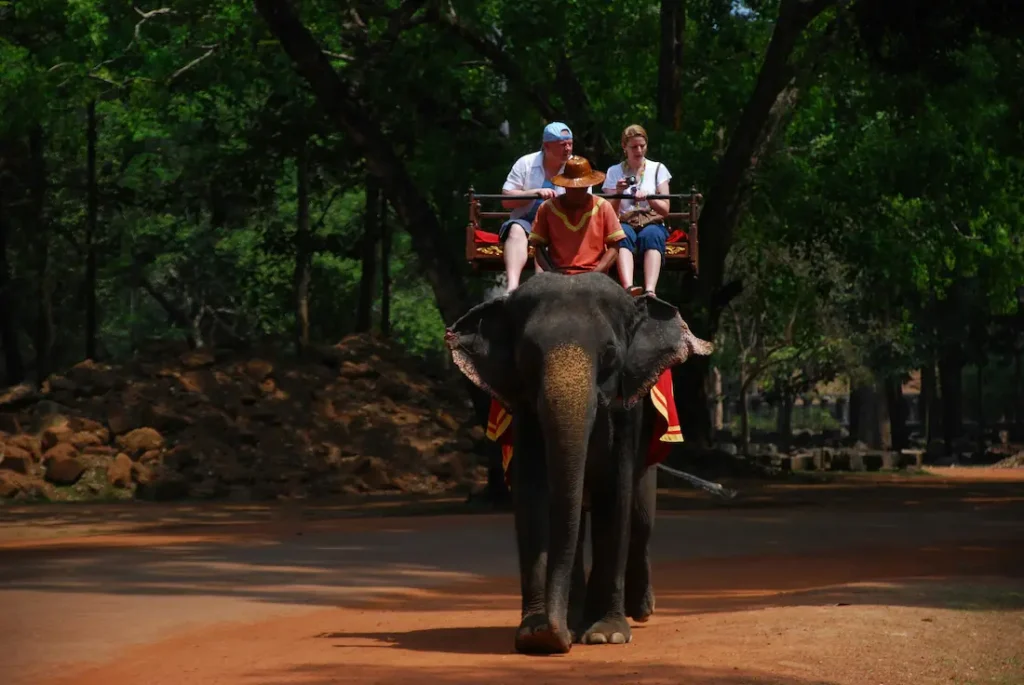
Traveling Asia with kids often sounds harder than it actually is.
Yes, it’s different. The languages change, the streets feel louder in places, and everyday routines don’t always look like home. But once you slow down, plan with your children in mind, and choose destinations that match your family’s pace, Asia becomes far more manageable than many of you expect.
What makes the biggest difference isn’t choosing the “perfect” country — it’s adjusting expectations. Fewer location changes, shorter days, flexible meals, and accommodation that gives kids space to rest can completely change how safe and enjoyable a trip feels. Asia rewards families who travel gently, not quickly.
One of the things we’ve loved most about traveling in Asia is that family travel doesn’t have to be expensive to be meaningful.
Yes, Asia offers a rare balance — affordability, variety, warmth toward kids, and experiences that stay with you long after the trip ends. From simple meals shared to slow beach days and everyday moments on trains or walks, those memories matter more than ticking off sights.
For us, travel has always been about time together as a family. That’s always worth investing in — but it doesn’t require luxury, perfection, or rushing.
With the right pace and mindset, Asia with kids can feel not only safe but also surprisingly easy for your family.
Planning your first trip to Asia? Read this first.
Or for a genuine packing guide that helps you pack right for Asia? No listicle? Check out our Asian family packing guide.
Don’t forget to include travel insurance, emergency funds, and other hidden expenses in your plans. Our Asia Family Trip Cost Guide breaks down every cost families should expect before visiting Asia.
If you’d like to follow our family’s travels and see how we explore Asia in real life, you can find us here.
Follow our family travels

FOUNDER • FAMILY TRAVEL WRITER • MUM OF TWO
About the Author
Hi, I’m Shivani, the founder of Roaming Crew.
Based in Singapore and having lived in different parts of Asia—including two years in India—I’ve explored 18+ destinations across the region, with 12+ of those journeys taken alongside my young kids.
From choosing family-friendly destinations and navigating local transport to budgeting, accommodation, and practical travel logistics, Roaming Crew is created with a parent-first mindset.